
안녕하세요 보스턴 임박사입니다.
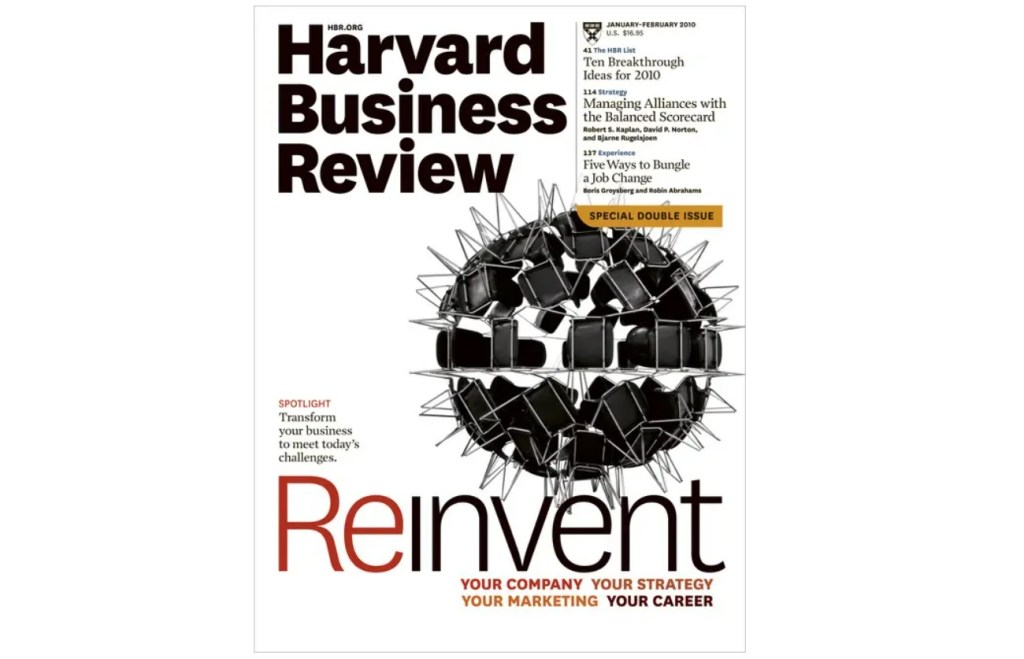
Harvard Business Review는 주로 하버드 경영대학원의 논문내용을 다루는 잡지인데요 제가 느끼기에 흥미있는 주제에 대해 저 나름의 번역을 해 보고자 합니다. 제자신의 영어공부 방법일 수도 있고요 글을 쓰는 공부법일 수도 있습니다. 번역이 다소 의역적일 수 있는데요. 번역을 하면서 보니까 좀더 내용을 자세히 들여다 보게 되고 원문의 저자의 생각이 무엇인지 한번 더 생각해 보게 되는 것 같네요. 아래는 고용정년제가 기업에 미치는 긍정적 영향에 대한 좋은 연구결과가 있어서 그 기사를 번역해 보았습니다.
정년의 가치를 폄하하지 말라 (Don’t Underestimate the Value of Employee Tenure)
by Richard A. Guzzo, Haig R. Nalbantian and Nick L. Anderson
사람들은 오래 살고 오래 일하며 보건의료나 정부보조프로그램과 같은 분야의 중요성은 점차 증대되고 있다. 그렇다면 기업은 어떠한가? 나이든 직원들을 고용하는 기업은 어떠한 이익을 얻게 되는가?
People are living and working longer and the implications for areas such as health care and government entitlement programs are profound. But what about employers? Is there value to companies if they engage an aging workforce?
최근 우리는 사원구성, 경영관행 및 사업실적을 망라하는 독보적인 데이타를 통해 이 질문에 대해 답했다. 그 해답은 명백하다. 경영실적을 측정하는 방식 중 재무적 측면, 영업적 측면 혹은 소비자 관점 중 어떤 방식을 택하더라도 근로자 연령은 사업 성과와 무관하다. 그러나 정년제도는 재무적 성취나 영업실적의 탁월성을 유지하는데 매우 긍정적이고 때로는 막대한 성과를 거두게 한다.
We recently addressed this question with unique data covering workforce characteristics, management practices and business performance. Our findings were clear: Employee age had no impact on business performance, whether performance is measured by financial, operational, or customer outcomes. Tenure, however, had a significant positive and sometimes very sizeable impact on financial performance and operational excellence.
나이든 근로자는 조직에 두가지 유형의 경험을 제공한다. 첫번째 유형은 “일반적인 인적자본”으로서 지식, 숙련도, 학습된 역량, 평생 고용으로 생긴 태도와 같은 것들이다. 개인들은 이러한 인적자본을 이직을 통해 새로운 기업으로 이전할 수 있는데 이들의 가치를 고용시장에서 사고 싶어하는 기업들이 있기 때문이다. 두번째는 “기업고유의 인적자본”이다. 기업의 공급자, 소비자, 기술, 지적재산 관련 업무 경험을 통해 얻어진 지식, 직장내 인간관계, 장인정신, 노하우와 동료들과의 지적 자산을 의미한다. 기업고유의 인적자본은 특정 기업의 가치를 증대시키고 그 기업에서 일하는 동안 정년제도 (연차)를 통해 오랜기간 축적된다.
Aging employees bring two types of experience to an organization. The first is “general human capital” and it consists of such things as knowledge, skills, learned capabilities, and patterns of behavior acquired through a lifetime of work and working. Individuals can take this type of human capital with them from employer to employer because it has value to many, and employers who seek it can “buy” it in the labor market. A second type is “firm-specific human capital.” It consists of knowledge, social networks, mastery, and know-how generated through the experience of working in one organization with its suppliers, customers, technology, proprietary processes and intellectual capital and, of course, with one’s co-workers. Firm-specific human capital has value to one organization and it is “built” through tenure (years of service) with the employer.
우리는 기업효과를 측정함에 있어서 일반적인 인적자본은 연령에 기반해 측정하고 기업고유의 인적자본에 대해서는 정년(연차)에 기반하여 측정하였다. 금융, 제약, 소매, 생산, 유통, 호텔, 기업서비스 및 광산 등 다양한 업종의 23개 기업을 조사하였다. 사업 성과는 산업적 특성과 사업 환경에 맞게 재무적 측면 (예: 매출 증가, 수익), 영업적 측면 (예: 에러율, 작업속도) 및 소비자 반응 (예: 소비자 추천, 소비자 잔류비율)의 세가지 방법으로 측정했다. 23개 기관의 사업장별 성과는 장기간에 걸쳐서 매월 또는 매년 단위로 조사하였다. 종합적으로 연령 및 정년의 효과는 작업장 내에서 약 125만명 근로자 근속연도에 근거하여 평가하였다.
We examined the business impact of general human capital, measured by age, and firm-specific human capital, measured by tenure, in 23 organizations operating across of variety of industries such as financial services, healthcare, retail, manufacturing, distribution, hospitality, business services, and mining. Business performance, the specific measures of which were appropriate to an organization’s industry and circumstances, was measured in three ways: financial (e.g., revenue growth, profit), operational (e.g., error rates, speed), and customer reactions (e.g., referrals, retention rates). The performance of work units in each of the 23 organizations was studied for extended periods, tracked monthly or annually. Overall, the impact of age and tenure was assessed on the basis of nearly 1.25 million employee-years of performance in the workplace.
정년과 나이는 상관관계가 있지만 – 우리는 경험을 축적하면서 나이가들기 때문에 – 기업고유의 인적자본인 정년제도와 일반적 인적자본인 나이의 효과를 따로 떼어내서 생각해 볼 수 있다. 우리는 정확히 그와 같은 방식으로 분석하였고 통계적으로 나이와 정년제도 사이의 상관관계를 계산한 결과 나이가 기업성과에 미친 영향은 통계적으로 적은 반면 정년제도는 그 영향이 크게 작용하였다. 정년제도가 주는 긍정적인 효과는 기업의 규모에 따라서 차이가 있었는데 잘 관리된 정년제도를 갖춘 기업일수록 평균 이상으로 높은 가치가 기업으로 돌아왔다. 추가로 분석한 결과에 따르면 경영진과 관리자의 정년제도는 사업장의 재무성과를 높여주었고 나이든 직원과 젊은 직원이 함께 일하는 사업장 (“연령 다양성”) 에서도 성과에 큰 차이가 없었다는 사실을 확인할 수 있었다.
While tenure and age are correlated — we age as we accumulate experience — it is possible to separate the effects of tenure (firm-specific) from age (general) human capital. Our analyses did exactly that and showed that, after statistically accounting for the correlation between age and tenure, age has no statistically significant effect on performance, but tenure does. The positive effects of tenure vary in size from organization to organization, with the implication that well-managed tenure can return greater-than-average value to the employer. Additional analyses also showed that the tenure of leaders and managers also positively impacted the financial performance of the units they lead and that mixing older and younger worker (“age diversity”) within work units does not affect performance.
이 연구결과는 기업에 세가지 중요한 점을 시사한다.
There are three important consequences of these findings for employers.
첫째, 직장에서 나이는 상관이 없다. 경영진의 통상적인 관점은 나이든 직원들이 비용은 높은 반면 생산성은 떨어진다고 생각되어 사업에 취약하게 여겨져왔다. 우리의 연구는 이러한 편견을 뒤집는다. 나이든 근로자를 평가절하하고 그들을 사업장에서 고립시키거나 내모는 반대 정서는 사업실적에도 부정적인 영향을 끼친다.
One is that there is no place for ageism at work. It is a commonplace view among business leaders that older workers are a liability to the business because of their higher cost and a presumed decline in productivity. Our research upends that stereotype. Prejudices that devalue older workers and antagonisms that can isolate or drive them out are bad for business.
또한 소위 연령 친화적 혹은 연령 포용적이라고 불리는 고용관례를 가지고 “은퇴 연령” 근로자들을 기업에서 일할 수 있도록 장려하는 기업은 사업실적에서 좋은 결과를 보여주었다. 이러한 고용관례가 나이든 근로자들에게 기업에 기여할 수 있는 기회를 연장시켜 줄 뿐 아니라 보통 경력말기에야 나타나는 직업 외적인 동기 – 봉사활동 참여나 오랜기간 미뤄둔 취미생활 추구와 같은 – 를 시도해볼 수 있도록 도와준다. 근로시간 단축, 탄력적 근로시간제, 베네핏에는 영향이 없이 정규직에서 계약직으로 전환할 수 있게 하거나 여러가지 방식의 공식적이거나 비공식적인 단계적 은퇴지원 프로그램들은 기업체들이 정년에 가까운 직원에게 사업장에서 일하고 참여할 수 있도록 충분한 동기를 부여하고 그들이 자신의 가치를 발휘할 수 있도록 도와줄 수 있다.
Another implication is that employer practices — sometimes referred to as age-friendly or age-inclusive — that enable older, “retirement age” workers to stay in the organization can be good for the business. These practices not only extend the opportunity for older workers to contribute but also can accommodate non-work interests that often emerge late in one’s career, such as engaging in service work or pursuing long-delayed hobbies. Reduced hours, flexible work times, switching from full- to part-time without loss of benefits, and various formal and informal phased retirement programs are ways that businesses can capture of the value of their tenured, older employees by keeping them motivated, engaged, and in the workplace.
세번째 의미는 아마도 가장 중요할 것 같다. 전통적인 고용형태, 즉 정년보장 기업들 – 은 계약직, 공유경제, 플랫폼과 같은 대체자원을 활용하는 기업에 비해 경쟁적 우위를 지닌다. 대체자원을 활용하는 이들 기업들은 정년제를 통해 기업이 오랜기간 기업이 향유할 수 있는 가치창조의 기회를 잃게된다.
The third implication is perhaps the most important: Traditional forms of employment — that is, businesses with employees who build tenure — are competitively advantaged relative to organizations that opt for alternatives such as contract, gig, and platform workers. These organizations miss out on the business value that tenure and longevity with an employer bring.
계약직을 주로 채용하는 결정적 이유는 비용이다. 그러나 비용은 기업이익 방정식의 절반만 본 것이다. 나머지 절반은 새롭게 창조된 수익가치이다. 전통적인 고용 형태는 임금과 베네핏의 상승으로 다소 높은 비용을 유발할 수 있지만 직업안정성에 의해 창조되는 수익가치와 정년제도를 유지함으로 발생하는 기업가치는 이러한 비용을 상쇄하고도 남는 초과이익을 얻게한다고 연구결과는 증명하였다. 공유경제나 계약직이 필요없다는 얘기는 아니다. 하지만 최근 기업들이 전통적인 고용형태를 시대착오적이라고 여기는 일부 인사부서의 편향적 경향이나 플랫폼 고용이 가져다 주는효용만을 부추기고 근로체계를 분해시켜 특정 작업과 같은 업무영역들을 대체 가능 인력으로 교체하도록 하는 것과 같은 경향에 유의할 필요가 있다는 것이다.
Decisions to rely on non-employee labor often are made for reasons of costs. But costs are only one half of the equation; the other half is value created, and while traditional employment arrangements likely have higher costs by way of wages and benefits the value created by stability and tenure will often exceed those higher costs, as the evidence shows. This is not to say that there is no place for gig or temporary workers. However, today’s businesses should be wary of a growing trend in some HR circles to regard traditional forms of work organization as passé and wary of those who tout the virtues of platform work and the “deconstruction” of work systems into elements such as discrete tasks that can be performed by substitutable individuals.
기업의 존재목적은 경제 및 경영관련 논문에 보고된 바와 같이 선한 이유들이고 플랫폼 고용, 계약직고용 기술혁신이 이러한 기업의 존재 이유에 해가 되지 않았다. 우리의 연구는 중요한 이유를 더해준다: 기업은 근로자들이 정년을 채울수 있도록 노력함으로써 경제적 가치를 창조하고 경쟁적 우위를 실현한다. 비정규직 인력대체결정은 잠재적인 비용절감효과가 전통적인 정년고용관례로 창조될 수 있는 기업가치를 손상시키지 않을 때에만 이루어져야 한다. 비정규직 인력채용 결정은 비용절감이라는 명분으로 이루어진다. 하지만 비용은 기업수익방정식의 절반만 차지한다. 나머지 절반은 기업이 창조하는 가치이다. 전통적인 고용관례가 임금과 베네핏에 따른 비용상승을 유발할 수 있지만 고용안정성과 정년제도에 의해 창조되는 기업차기는 이러한 비용상승을 초과하는 이익으로 돌아옴을 이 연구가 증명하고 있다. 공유경제나 계약직이 필요없다는 얘기는 아니다. 하지만 최근 기업들이 전통적인 고용형태를 시대착오적이라고 여기는 일부 인사부서의 편향적 경향이나 플랫폼 고용이 가져다 주는효용만을 부추기고 근로체계를 분해시켜 특정 작업과 같은 업무영역들을 대체 가능 인력으로 교체하도록 하는 것과 같은 경향에 유의할 필요가 있다는 것이다.
Organizations exist for good reasons, reasons that are well documented in the economics and management literatures, and technology innovations that support platform and contract work have not upended all or even most of them. Our research adds an important reason: Organizations create economic value and competitive advantage by facilitating the accumulation of employee tenure. Decisions to adopt non-employee workforces should be made only after pitting the potential cost savings against the value created by traditional forms of employment. Decisions to rely on non-employee labor often are made for reasons of costs. But costs are only one half of the equation; the other half is value created, and while traditional employment arrangements likely have higher costs by way of wages and benefits the value created by stability and tenure will often exceed those higher costs, as the evidence shows. This is not to say that there is no place for gig or temporary workers. However, today’s businesses should be wary of a growing trend in some HR circles to regard traditional forms of work organization as passé and wary of those who tout the virtues of platform work and the “deconstruction” of work systems into elements such as discrete tasks that can be performed by substitutable individuals.
여기까지가 이번 Harvard Business Review의 내용을 번역한 것입니다. 많이 부족한 것 같지만 점점 나아질 수 있을 것이라 생각하고 계속 해 보려고 합니다.
HBRKorea에서 전문 번역사께서 같은 글을 번역한 것이 있습니다.
제가 한 번역에 비해서는 보다 세련된 문장인 건 맞는 것 같지만 의역이 좀 지나치지 않나? 하고 생각이 듭니다. 1.25million을 12만 5천으로 번역을 했는데 아무래도 수학은 제가 번역사님보다 좀 나은 것 같네요. 125만명이 되어야겠죠.
“직원의 전반적인 나이와 정년 보장의 영향 평가는 직원 12만5000명이 올린 수년 동안의 실적을 근거로 했다.”
미국 대기업은 한 회사 직원만해도 수십만명이 됩니다. 제 생각에 이 연구는 대기업과 중소기업을 합쳐서 최대한 다양한 기업집단과 업종으로 포함한 나름 광범위한 연구결과로 생각합니다.
그리고 이 기사를 쓰신 분들이 인용한 자신들의 연구논문 (실제로는 리뷰입니다) 은 아래에 링크했습니다.
이 저자들이 속한 Mercer라는 회사는 한국에는 잘 알려지지 않은 회사인데요 컨설팅 회사입니다. 현재 전세계 43개국에 총 직원수는 12,500명이고요 2019년 매출은 $5B (약 6조원) 이 넘습니다. Mercer – wikipedia
 BOSTON DR LIM