
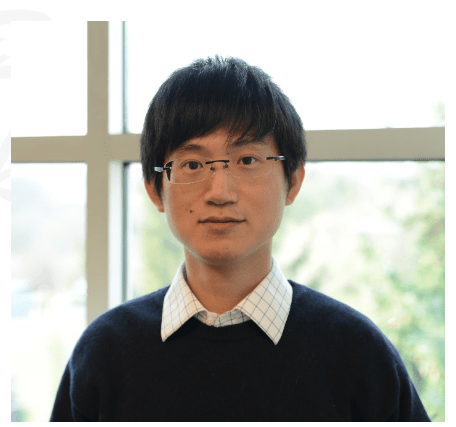
(Picture: Prof. Sidi Chen at Yale University)
안녕하세요 보스턴 임박사입니다.
Yale University Sidi Chen 교수팀에서는 2019년 Cell에 In vivo CD8 T cell tumor infiltration screen을 통해서 새로운 면역 항암제 표적을 찾을 수 있는 방법을 보고했습니다.
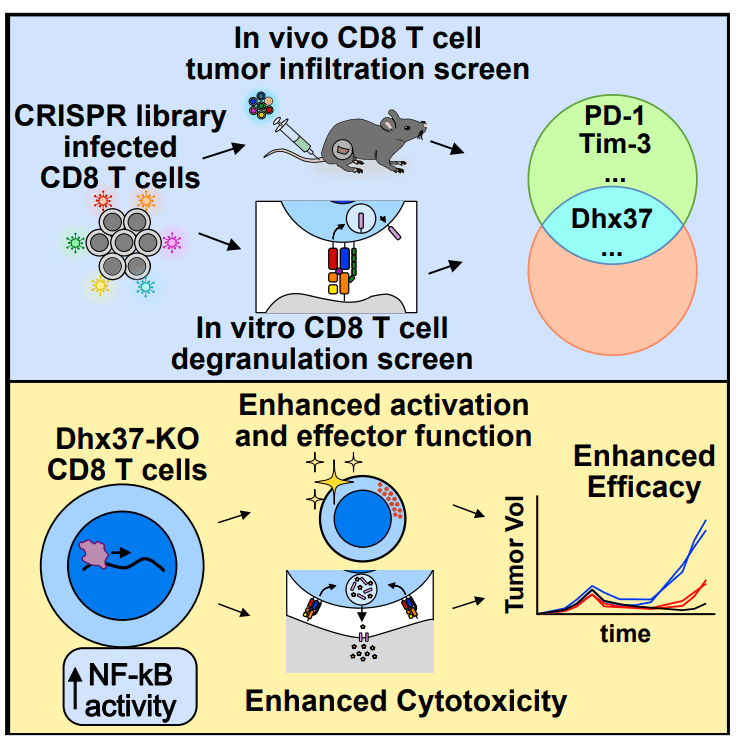
2019년에는 AAV-Sleeping Beauty hybrid vector를 이용한 CD8 T cells를 Mouse in vivo CRISPR screening해서 glioblastoma의 면역항암 개선을 위한 membrane targets를 발굴했습니다.
또한 CAR-T therapy를 증진하기 위해서 proline metabolism이 중요하다는 것을 2022년에 Cell Metabolism에 보고했습니다.
Cannan Partners의 VC인 Bloch은 Sidi Chen 교수팀의 연구결과를 Licence-in 하여 EvolveImmune Therapeutics를 2021년 $35 Million의 펀딩과 함께 설립했습니다.
Farmington-launched biotech opens lab in Branford – Hartford Business Journal 10.21.2021
EvolveImmune Therapeutics uses CRISPR gene-editing technology to discover drugs for cancer and autoimmune diseases and is helmed by veteran Connecticut venture capitalist Stephen Bloch, MD. The company has already attracted early-stage backing from some large pharmaceutical firms.
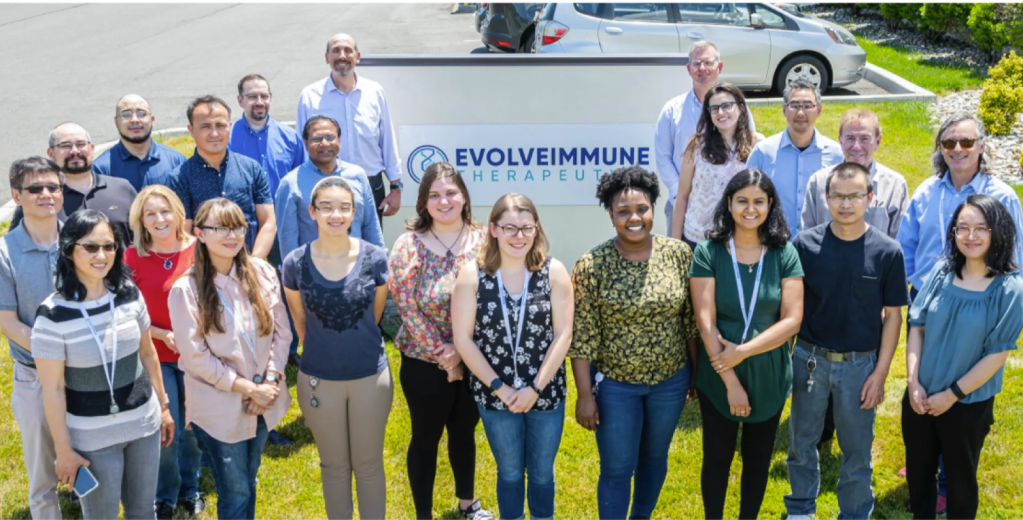
Acompany launched as part of UConn’s Technology Incubation Program (TIP) in Farmington is opening a lab in Branford this week after raising $35 million earlier this year.
Bloch is a longtime partner at Westport venture capital firm Canaan Partners, which has been active in Connecticut’s bioscience industry. He teamed with Charles Fuchs, MD, head of Yale’s Smilow Cancer Center, and geneticist Sidi Chen to co-found EvolveImmune in 2019 with technology licensed from Chen’s lab at Yale.
The company has been operating in stealth mode since January at TIP in Farmington after closing on a $35 million Series A round led by Pfizer and Solasta Ventures. Takeda, Elm Street Ventures and Yonjin Venture also participated.
It has since grown to a team of 17 and is preparing to cut the ribbon on its new 6,200-square-foot lab and office space at 23 Business Park Dr. on Thursday.
The company has not disclosed details about the drugs it is pursuing, but says it has licensed a portfolio of novel drug targets from Chen’s lab that could be applied in immunotherapy treatments for cancer or autoimmune diseases.
The targets were discovered using the game-changing technology known as CRISPR, a tool for editing genomes which has been described as “genetic scissors” because it allows scientists to cheaply and easily alter DNA sequences. The two scientists who discovered the technology were awarded the Nobel Prize for Chemistry this month.
Bloch said Chen’s research is unique in that it uses CRISPR to conduct mouse model screenings to discover possible new drug targets. He describes the screenings as an unbiased “sifting process” to search for unexpected results that might be useful in developing new drugs.
“The innovation at Yale was really to be able to edit T cells from normal mice and then re-infuse them back into mice engineered with tumors to see how the T cells then behaved,” Bloch explained. “That’s very, very difficult to do.”
He said the company plans to spend the next two years building “interesting and clinically important packages of antibodies,” with an eye toward developing one or two drugs that can be tested in humans by early 2023.
Chief Operating Officer Rebecca Frey said EvolveImmune was in the midst of hiring this past spring when the TIP incubator temporarily closed during the COVID-19 pandemic, so the company decided to accelerate its plan to search for a larger home in the New Haven area, where it could be close to Yale and a growing cluster of bioscience companies.
“The whole project was really fast tracked. We negotiated the lease in two weeks, and we finished the construction — which was a total gut renovation — in three months,” said Frey, a former vice president of global operations for Alexion Pharmaceuticals.
The company has an option to lease an additional 3,000 square feet at the Branford location next year and also plans to retain an office at TIP, which she said was instrumental in getting the startup up and running.
Bloch said he is “absolutely committed” to growing the company in Connecticut and helping to augment the biotech ecosystem that is being built here. He is hoping to have up to 25 people on board by next year.
Frey, who has also worked for biotechs in Boston and New York, said there’s a misconception in the industry that there’s not enough talent in Connecticut to run a company.
But she said EvolveImmune has had no difficulty recruiting in the state, and also has successfully attracted scientists who are relocating from cities like New York, Boston and Chicago.
“It’s absolutely possible to build a great company here,” said Frey. “When you have good science and good leadership, you can attract the right talent.”
- Fundraising Includes Strategic Investment by Bristol Myers Squibb Coupled with Support from Existing Investors
- EvolveImmune Initiates Chemistry, Manufacturing, and Control (CMC) Activities for Lead Multi-Functional T-cell Engager Program, EV-104, Following Presentation of Latest Preclinical Data at SITC 2023
BRANFORD, Conn., Dec. 13, 2023 (GLOBE NEWSWIRE) — EvolveImmune Therapeutics, an immuno-oncology company developing first-in-category, multifunctional biotherapeutics to overcome the therapeutic challenges of cancer cell resistance to current immune therapy agents, today provided a corporate and program update related to the advancement of its pipeline of first-in-category precision immuno-oncology agents. The company announced the closing of a $37 million financing round, which was supported by existing investors including Pfizer Ventures, Solasta Ventures, and Takeda Ventures, Inc., along with new strategic investor Bristol Myers Squibb.
EvolveImmune intends to use the proceeds from this fundraising to support continued platform and pipeline development including the advancement of its lead multi-functional T-cell engager program, EV-104. To this end, the company also announced the initiation of chemistry, manufacturing, and control (CMC) activities for EV-104 following its recent presentation of preclinical data demonstrating robust anti-tumor efficacy for the program in patient-derived solid tumor models at the 38th Annual Meeting of the Society for Immunotherapy of Cancer (SITC).
“This new capital raise comes at an exciting time for EvolveImmune,” said Stephen Bloch, M.D., chief executive officer of EvolveImmune. “With our EVOLVE platform, we believe we are at the forefront of unlocking the true potential of immunotherapy for the treatment of solid tumors. Our differentiated CD2 costimulation strategy for T cell engagers together with our recently unveiled pioneering insights on tumor features, which regulate tumor antigen expression and immune infiltration in the tumor microenvironment, are laying the groundwork for a new generation of immuno-oncology therapies for solid tumors driven by EVOLVE. This financing, including the investment from Bristol Myers Squibb, offers validation for our work to date on the EVOLVE platform and will enable us to continue to aggressively move our lead programs, including EV-104, through preclinical development and toward first-in-human studies.”
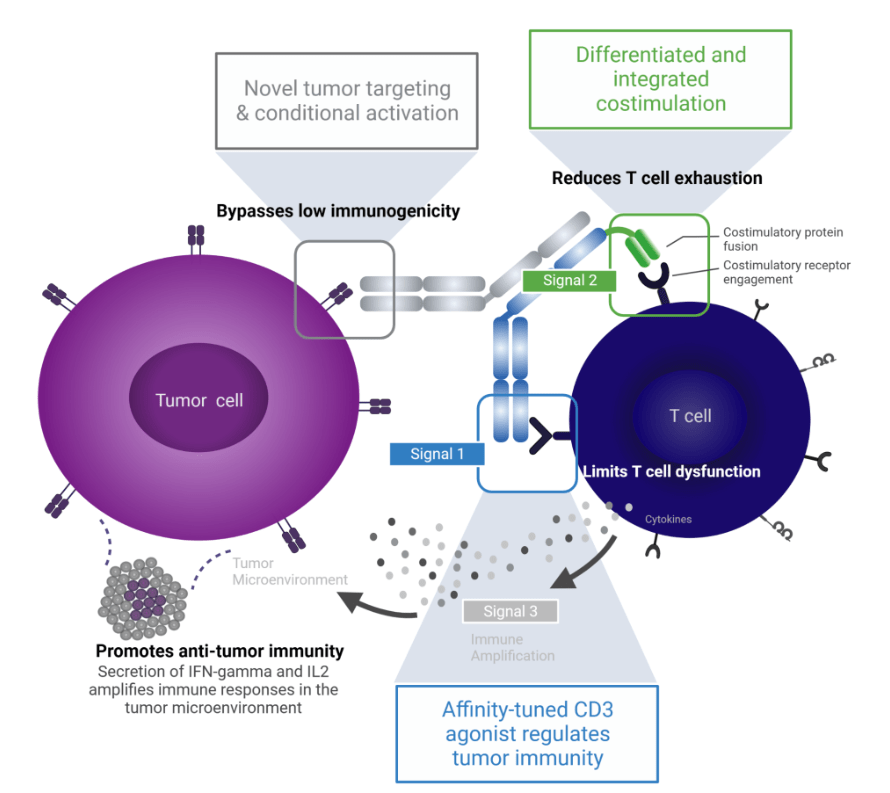
The EVOLVE platform uniquely unleashes potent, selective and integrated T cell costimulation, which amplifies and sustains the tumor killing capacity of these T cells. This approach bypasses low tumor immunogenicity, conditionally activates adaptive immunity and reduces T cell dysfunction to address unmet needs for the treatment of solid and hematologic tumors. The platform also takes advantage the company’s understanding of specific tumor cell characteristics to guide tumor antigen prioritization and program differentiation. By pairing its distinctive costimulation strategy with these critical tumor-intrinsic attributes, EvolveImmune is developing an innovative pipeline of first-in-category precision immuno-oncology agents with an enhanced likelihood of clinical success.
At the recent SITC 2023 conference, EvolveImmune spotlighted advances to the company’s first-in-class EV-104 program, a novel multi-functional T cell engager with integrated CD2 costimulation which conditionally targets ULBP2. Presented data demonstrated robust single-agent anti-tumor activity for EV-104 in patient-derived tumor models of bladder and lung cancer. Additionally, study results showed promising activity for EV-104 in combination with anti-PD1 therapy in pre-clinical models with patient-derived tumors, providing rationale for combination treatment approaches with checkpoint inhibitors. Importantly, the expression pattern for ULBP2, the target antigen for EV-104, is distinct from that of the solid tumor targets for a number of approved or investigational immunotherapies, suggesting opportunities for meaningful clinical differentiation.
About EvolveImmune Therapeutics
EvolveImmune Therapeutics, Inc. is an immunotherapy platform company developing first-in-category, multifunctional biotherapeutics designed to overcome cancer-driven immunodeficiency in a range of solid tumors and hematological cancers. First-in-human clinical trials are anticipated in 2024. The company is supported by a syndicate of top-tier life science industry investors including Pfizer Ventures, Solasta Ventures, Takeda Ventures, Inc., Yonjin Ventures and Elm Street Ventures.
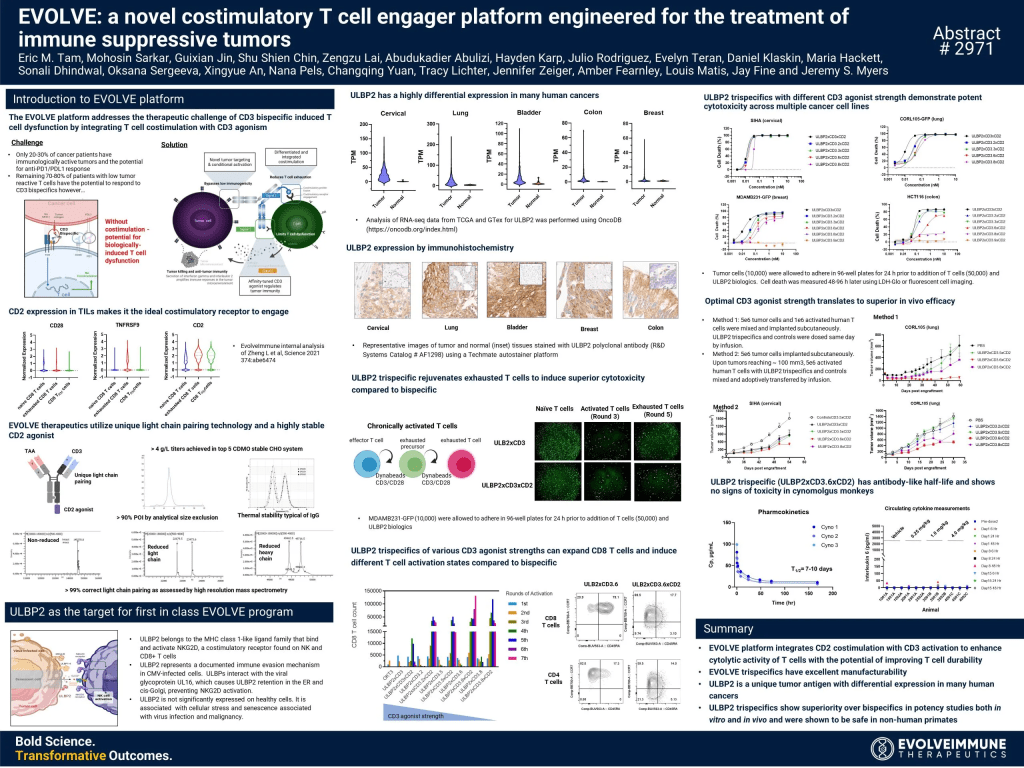
EVOLVE Platform에 대해서는 AACR 2023년에 발표를 한 바가 있습니다.
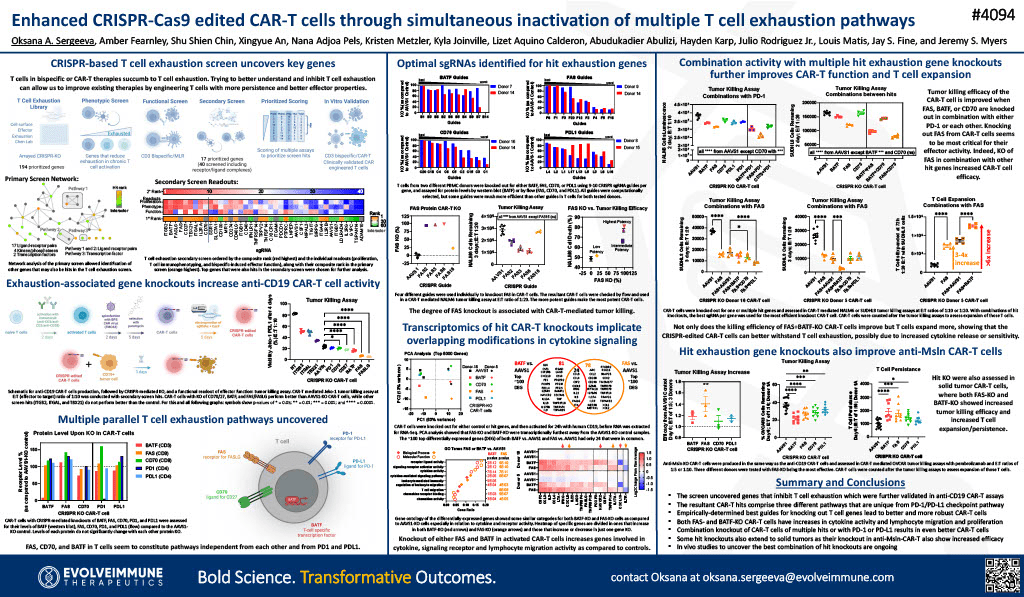
CRISPR-Cas9으로 multiple T cell exhaustion pathways를 동시에 Inactivation시키는 방법에 대해 같은 AACR에서 보고했습니다.
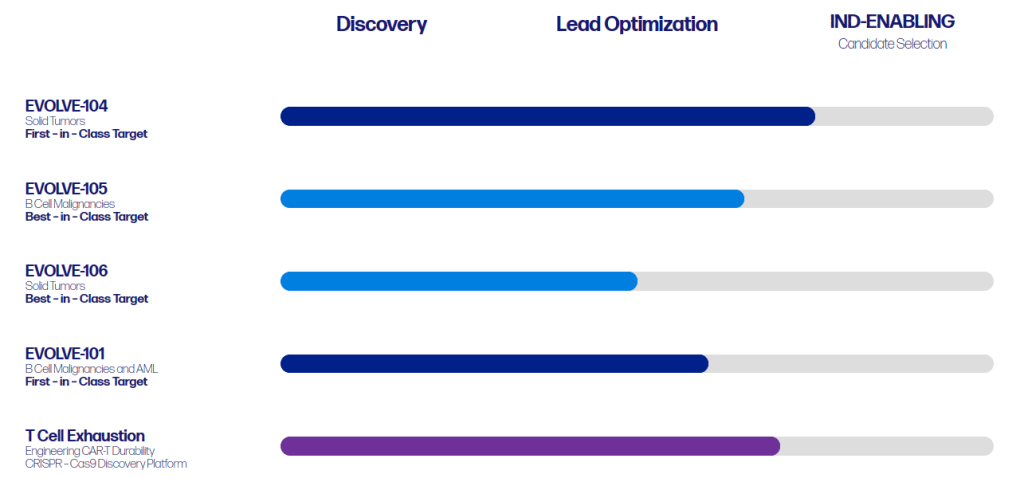
EvolveImmune Therapeutics에서 발표한 파이프라인은 아래와 같습니다.
38회 SITC에서 EVOLVE-104에 대한 preclinical model에 대한 결과를 발표했습니다.

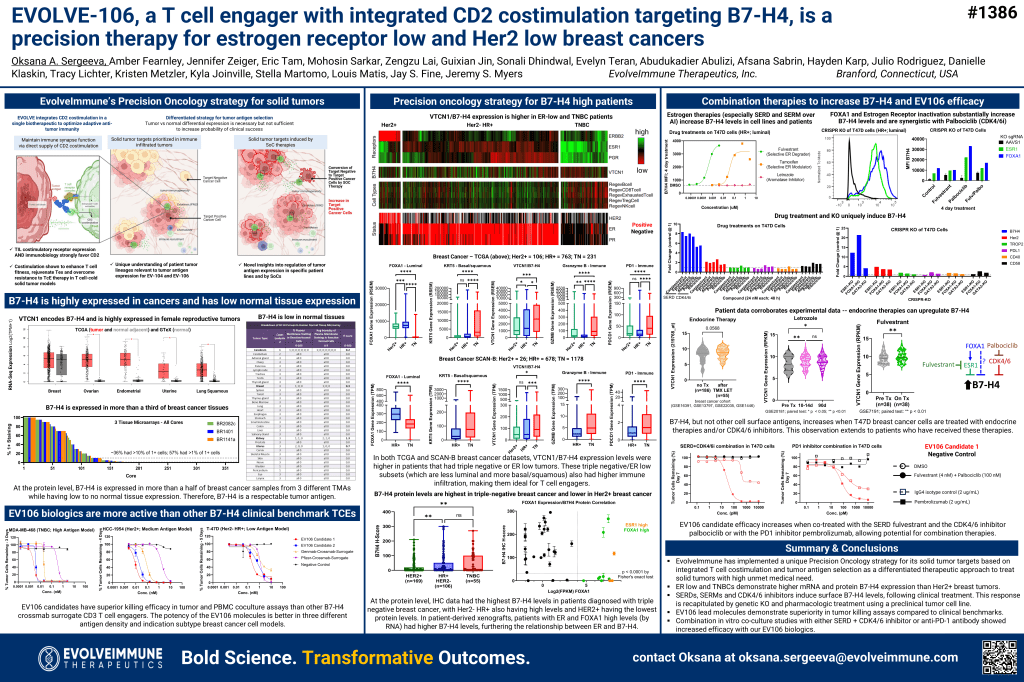
그리고 같은 SITC 학회에서 EVOLVE-106에 대한 preclinical model 결과도 발표를 했습니다.
 BOSTON DR LIM