

안녕하세요 보스턴 임박사입니다.
동아일보의 기사를 통해서 올해 2월 Harvard Business Review에 실린 신중년 커리어에 대한 좋은 글이 있어서 함께 나누려고 합니다. 신중년은 새로운 커리어 성장이 일어날 수 있는 중요한 기회라는 것입니다. 과거에는 가족에 대한 의무로 일을 했다면 이제부터는 자신이 정말 하고 싶은 일, 자신의 우선순위에 집중하라는 것이죠.
하나는 새로운 시도를 하라는 것입니다. 10년 후를 생각해 볼 때 “그 때 했어야 했어”라고 후회할 만한 것이 무엇일지 생각해 보고 그것을 시도하라는 것입니다. 저도 생각을 해봅니다. 지금부터 10년후의 저는 지금의 저에게 “무엇을 했어야 해!”라고 말할까요?
오늘 이 문제에 대해 사실 고민을 좀 했습니다.
그래서 얻은 결론이 컴퓨터 석사를 해야한다는 생각이 들었습니다. Biotech과 AI/IT의 융합이 중요한데 컴퓨터 전공 석사학위를 해야 하겠다는 생각이 들었어요. 그리고 Uber Driver를 시작으로 Gig Works를 시도해 봐야 한다는 생각이 들었습니다. 건강을 위해 운동을 더 열심히 하고 가족들과 대화도 진지하게 하고 여행이나 시간을 보내야 한다는 생각이 들었습니다.
그리고 나의 하루가 어때야 할지에 대해 반문해 보라는 것이 와 닿습니다. 항상 너무 나중만 생각할 것이 아니라 지금 나의 하루가 좋아야 한다는 것을 생각해야 한다는 점이 가슴에 와닿습니다.
마지막으로 항상 호기심을 가지고 열정적으로 일하는 사람이 되어야 한다는 것이 와닿습니다. 뒤로 스스로 물러날 것이 아니라 항상 호기심을 가지고 배우고 일해야 할 것 같습니다.
[HBR 인사이트]중년, 커리어를 돌아보고 재평가하라 – 동아일보 최호진 기자 4/19/2024
중년은 커리어의 중간 지점에 도달하는 시기이며 성취, 야망, 현실이 충돌하는 시기이기도 하다. 기대에 미치지 못했다는 느낌과 씨름하며 커리어 초기의 꿈과 열망이 이뤄지지 않았다는 사실을 냉혹하게 깨닫기도 한다.
하지만 전문가들은 중년이 커리어 성장의 중요한 기회라고 입을 모은다. 우선순위를 재평가하고 경험을 바탕으로 미래 목표에 부합하는 길을 개척할 수 있는 기회라고 말이다. 중장년을 위한 교육기관 ‘모던 엘더 아카데미’의 설립자인 칩 콘리는 인생의 전반기가 축적의 시기라면 후반기는 편집을 위한 시기라고 말한다. 자신에게 진정 중요한 것이 무엇인지 분별할 때라고 말이다. 직장과 가정에서 쉴 틈 없이 일하느라 자기 성찰의 여지가 거의 없을 수도 있다. 하지만 중견 전문가를 위한 코칭 기업 ‘넥스트레벨커리어서비스’의 설립자인 에보니 조이스는 커리어를 되돌아보고 재평가할 시간과 정신적 여유를 가지는 것은 충분히 가치 있다고 조언한다. 미래의 모습과 방향을 그려보는 관점을 얻을 수 있기 때문이다.
그렇다면 중년으로서 커리어를 점검할 때 어떤 질문을 던지는 게 도움이 될까?
첫째, 시도하지 않거나 배우지 않아서 10년 뒤에 후회할 만한 게 무엇인지 스스로 물어보자. 콘리는 후회가 강력한 교훈이 될 수 있다고 말한다. 그는 오늘 행동하지 않았을 때 미래에 느낄 실망감을 예상하는 후회의 힘을 활용할 것을 권장한다. 이런 선견지명은 미래에 스스로 만족할 만한 결정을 내리는 데 도움이 될 수 있다. 연구에 따르면 호기심을 유지하고 새로운 기술을 배우며 새로운 경험을 받아들이는 것은 더 오래, 행복하게 사는 삶과 상관관계가 있다. 콘리는 중년에 서핑과 스페인어를 배웠다. 너무 늦기 전에 배우고 싶은 주제, 도전하고 싶은 루틴, 뛰어들고 싶은 경험, 가보고 싶은 장소 등을 생각해보자.
둘째, 세상에 기여할 수 있는 어떤 재능을 개발했는지 되묻자. 중년이 되면 다양한 경험과 통찰력이 쌓인다. 그 과정에서 힘들게 얻은 상처도 있을 수 있다. 콘리는 그동안 습득한 기술과 노하우를 되돌아보고 어떻게 활용하면 다른 사람들에게 긍정적인 영향을 미칠 수 있을지 생각해보라고 조언한다. 그는 정신과 의사이자 작가인 데이비드 비스콧이 한 말에서 영감을 얻었다. “인생의 목적은 재능을 발견하는 것이다. 삶 속에서 일을 통해 그것을 개발해야 한다. 인생의 의미는 재능을 나눠주는 것이다.”
셋째, 내 하루가 어떤 모습이면 좋겠는지 상상해보자. 우리는 종종 일을 거시적으로 생각할 것을 권유받는다고 조이스는 말한다. 상사나 커리어 상담사는 흔히 5년 혹은 10년 후의 미래를 상상해볼 것을 권한다. 조이스는 이것도 유용하긴 하지만 더 작게 생각하면서 미래를 고민해볼 것을 제안한다. 그는 “일상의 세세한 부분이 어떤 모습이면 좋겠는지 생각하면서 미시적인 차원으로 접근하라”고 조언한다. 거창한 장기 목표에 집중하기보다 이상적인 미래의 평범한 하루를 상상해보자. 시간을 어떻게 보내고 싶은지, 누구와 교류하고 싶은지, 업무 외 시간엔 무엇을 하고 싶은지 생각해보자. 이런 훈련을 통해 만들고자 하는 삶을 명확히 파악하고 목표를 현실에 맞게 조정할 수 있다.
넷째, 내 삶의 어떤 점이 개선되고 있는지 파악하자. 기억력 감퇴, 삐걱거리는 관절, 기력 저하 등 노화로 인한 어려움과 불쾌감이 커질 수 있다. 하지만 콘리는 이런 문제에 집착하기보다 노화의 긍정적인 측면, 즉 삶을 통해 얻은 지혜와 경험, 개인적인 성장에 감사하는 사고방식으로 전환할 것을 제안한다. 관점의 전환은 건강과 장수에 실질적이고 가시적인 이점을 가져다준다. 연구에 따르면 노화를 긍정적으로 인식하는 사람들은 부정적으로 인식하는 사람들에 비해 평균 7.5년 더 오래 사는 것으로 나타났다. 중년에는 자녀들의 출가, 부모의 죽음, 예기치 못한 건강 문제, 커리어와 관계 변화 등 다양한 변화와 도전을 맞기 마련이다. 정해진 로드맵은 없다. 그 과정에서 얻은 지혜와 경험을 바탕으로 인생의 다음 단계를 의식적으로 계획하는 것이 목표가 돼야 한다.
※이 글은 하버드비즈니스리뷰(HBR) 디지털 아티클 ‘중년의 당신이 스스로에게 물어야 할 6가지 질문’ 원고를 요약한 것입니다.
아래에 Harvard Business Review의 원문을 올립니다. 두가지가 더 있습니다.
다섯째, 내가 포기할 것은 무엇인가? 아니면 하지 않아야 할 것은 무엇인가? 자녀들이 독립함에 따라 가족에 대한 의무로 부터 해방되어 자신만의 커리어에 집중할 수 있게 되었다. 당신의 가치와 우선순위에 대해 세밀하게 샆펴라.
여섯째, 당신의 삶이 나아지고 있는 것이 무엇인가? 자신 스스로 노화에 안주하지 않도록 하라. “당신이 호기심을 가지고 열정적으로 일한다면 사람들은 당신의 에너지에 주목하지 주름살에 주목하지는 않을 것이다.”
Summary.
It’s common to wrestle with feelings of unmet expectations, missed opportunities, and paths not taken when you reach the midpoint of your career. But experts say that arriving at middle-age is also a profound opportunity for growth and self-reflection. It’s a chance to reevaluate your priorities, draw from your experience, and carve out a path that aligns with your goals for the second half of your professional life.
Reaching middle age — which often coincides with the midpoint of your career — can be a moment when your achievements, ambitions, and reality collide. Wrestling with feelings of unmet expectations is common; realizing that many of your early dreams and aspirations might not happen — like ever — is sobering.
But experts say this period also offers a profound opportunity for growth. It’s a chance to reevaluate your priorities, draw from your experiences, and carve out a path that aligns with your goals for the future.
The first half of life is about “accumulating,” says Chip Conley, founder of the Modern Elder Academy and author of Learning to Love Midlife: 12 Reasons Why Life Gets Better with Age. “Do this! Try this! Accumulate friends, children, resume items, and stuff for your house,” he says. “The second half of life is meant for editing. It’s when you discern what’s truly important to you.”
Embarking on this “editing” process might seem overwhelming, even impossible, amid the busyness of midlife. The demands of work, home, and other commitments can leave little room for introspection. But finding the time and mental space to look back on your career and reassess is worthwhile, says Ebony Joyce, founder of Next Level Career Services, which provides coaching for mid-level professionals. “It gives you perspective to chart the shape and direction of your future,” she says.
Here are six questions that Conley and Joyce suggest asking as you take stock of your career in midlife.
1. What will I regret not having done or learned 10 years from now?
Regret may have a negative connotation, but it can be a powerful teacher, says Conley. “The benefit of getting older is that you have peripheral vision and you can see the future,” he says. “You understand the consequences of your actions.” Conley recommends harnessing the power of anticipated regret, which involves imagining the disappointment you might feel in the future if you don’t take certain actions today. This foresight can help you make decisions that your future self will appreciate, he says.
Research suggests that maintaining curiosity, learning new skills, and embracing new experiences are correlated with living a longer, happier life. Conley, for instance, learned to surf and speak Spanish in his own midlife. So, consider subjects you’d like to learn about, routines you’d like to take up, experiences you’d like to dive into, and places you’d like to go now, before it’s too late. The goal, he says, is to “make decisions toward long-term fulfillment, not immediate gratification.”
2. How do I tap into my purpose?
Many people are influenced by external factors early in their careers, whether it’s parental pressure, societal norms, or a desire to conform to particular notions of success. This can lead to career choices that prioritize others’ expectations over your own desires and interests. Later, sacrifices for spouses and children may further eclipse personal ambitions.
As you reach the midpoint of your life, Joyce says that it’s time to shift from a career shaped by external forces and others’ agendas to one driven by what you want and find meaningful. “It’s an opportunity to break free from coulda, shoulda, woulda and focus on your dreams,” she says.
Determining what a personally meaningful career might look like for you requires self-reflection, says Conley. “What excites you? What agitates you? What are you curious about? What activities from earlier in your life did you once enjoy but have since neglected?” The answers can help you identify potential pivots in your career, whether it’s moving to an adjacent industry or transitioning to something entirely different. “It helps you see you have more options available.”
3. What mastery or gift have I developed that I can offer to the world?
By midlife, you’ve gained a trove of experiences, insights, and perhaps a few hard-earned battle scars along the way. You can reflect on the skills and know-how you’ve acquired and consider how you might use them to make a positive impact on others, says Conley. He draws inspiration from the psychiatrist and author David Viscott, who said: “The purpose of life is to discover your gift. The work of life is to develop it. The meaning of life is to give your gift away.”
Conley recommends a classic exercise associated with Peter Drucker. This involves someone asking you “What business are you in?” five times in a row, with each successive question helping you to refine and focus your response. “The final answer often yields an epiphany,” says Conley. “That’s how I realized that I’m a social alchemist who brings people together.” The aim is to come away with a clearer understanding of your strengths and how they can be applied in ways that are meaningful and consistent with your personal purpose.
4. What do I want my days to look like?
We’re often encouraged to think big about our professional lives, says Joyce. Bosses and career counselors ask you to envision your future in five or 10 years, or to define your idea of success. While these prompts can be valuable, Joyce suggests contemplating your future by thinking smaller. “Get to the micro level by considering what you want the details of your daily routines to look like,” she says.
Rather than focusing on grand long-term goals, Joyce recommends envisioning a typical day in your ideal future. Consider how you want to spend your time, who you want to interact with, and what you want to do outside of work. This thought experiment allows you to gain clarity about the life you want to create and align your goals with the practicalities of your day-to-day existence.
5. What trade-offs am I willing to make — or no longer willing to make?
It’s natural to second-guess your choices and mull over potential what ifs. Maybe you’d have more money if you’d done things differently. Perhaps you’d have closer relationships or a stronger marriage if you’d made other decisions.
But Joyce says you must bear in mind that “you made choices that made sense for your needs and priorities at the time.” Now that you’re older and have more perspective, those may have evolved. Perhaps your children are out of the house or more independent, allowing you to focus more on your career without the distractions of household responsibilities. Alternatively, you may no longer be willing to make the sacrifices you once did; instead, you want your personal life to take precedence.
The key, she says, is to give careful consideration to your values and priorities, and to make conscious decisions about the compromises you’re willing to make. “There are no right or wrong answers, but you need to be intentional,” she says.
6. What’s getting better about my life?
Faltering memory, creaking joints, hot flashes, fading energy levels — the challenges and indignities associated with getting older are all too familiar. But rather than dwell on them, Conley suggests shifting your mindset to appreciating the upsides of aging: the wisdom you’ve gained, the experiences you’ve had, and the personal growth you’ve achieved. This change in perspective isn’t just pie-in-the-sky optimism; it can have real, tangible benefits for your well-being and longevity. One study showed that people with positive self-perceptions of aging lived an average of 7.5 years longer, on average, than those with a negative outlook.
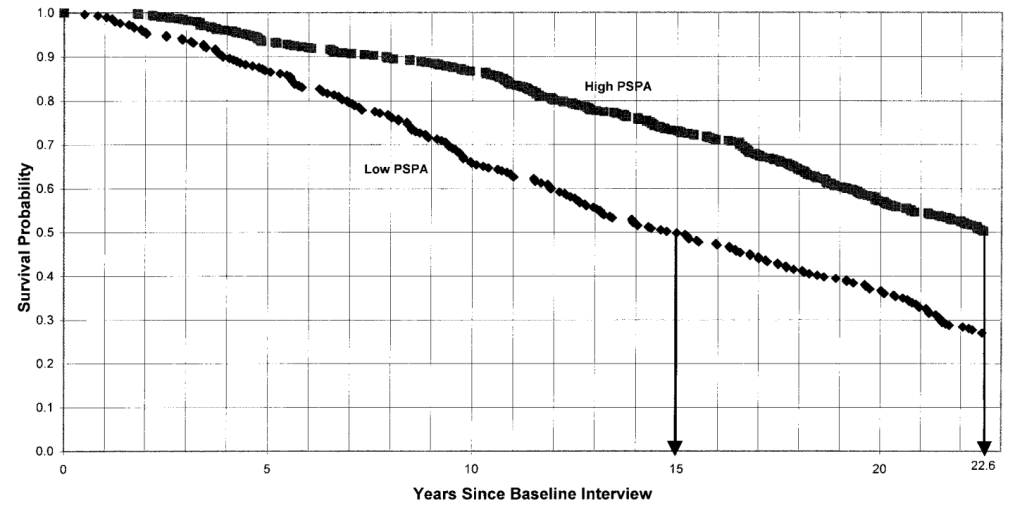
Ageism persists in both the workplace and society, but Conley says you need to confront your own internalized ageism, as well. “If you show up with curiosity and passionate engagement, people will notice your energy, not your wrinkles.”
. . .
Middle age brings with it a host of transitions and challenges: empty-nesting, menopause, loss of parents, unexpected health issues, and changes in careers and relationships. There’s no roadmap. The goal, says Conley, is to draw on the wisdom and experiences you’ve gained along the way, and “consciously curate the next phase of your life.”
Rebecca Knight is a journalist who writes about all things related to the changing nature of careers and the workplace. Her essays and reported stories have been featured in The Boston Globe, Business Insider, The New York Times, BBC, and The Christian Science Monitor. She was shortlisted as a Reuters Institute Fellow at Oxford University in 2023. Earlier in her career, she spent a decade as an editor and reporter at the Financial Times in New York, London, and Boston.
 BOSTON DR LIM