
안녕하세요 보스턴 임박사입니다.
세계에서 초고령 사회의 선두국가는 단연 일본입니다. 일본은 이미 초고령자 사회에 도달을 했는데요 그렇다 보니 이미 은퇴문제나 노후문제에 대한 다양한 연구와 책들이 나와 있습니다. 아시다시피 저는 학계의 연구를 가장 기본적인 자료로 삼아서 현상을 보는 편인데요 일본에서 연구했던 연구과제 중에 “은퇴남편증후군 (RHS (retired husband syndrome), 주인 재택 스트레스 증후군(일본어: 主人在宅ストレス症候群)“이라는 연구가 있습니다. 黒川 順夫 (Kurokawa Nobuo) 교수가 1991년에 최초로 보고한 질병으로 60대에 은퇴한 일본 베이비 부머 샐러리맨 남편을 둔 여성들이 겪는 정신적인 우울증과 같은 증상을 일컫는 질환이고 구로카와 교수는 1993년 주인 재택 스트레스 증후군이라는 책을 발간하기도 했습니다.


은퇴남편증후군 (또는 재택주인 스트레스 증후군)에 대한 해법 중 하나로 일본의 유명한 은퇴전문가인 유리 오가와 (小川 有里)는 “은퇴남편 유쾌하게 길들이기“라는 책을 냈는데 한국어로 번역된 책이 있습니다.
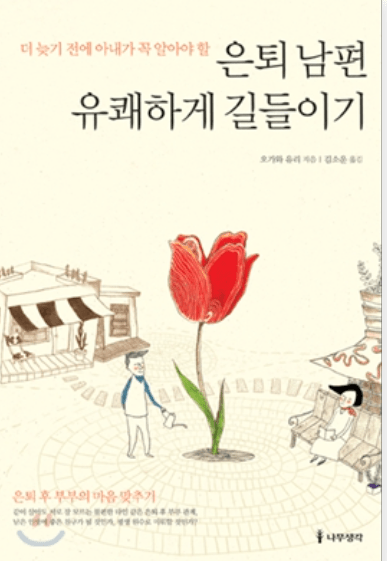
유리 오가와 은퇴한 남편을 자립적으로 키운 본인의 경험담을 바탕으로 쓴 책인데요 15개조의 내용을 다루고 있습니다.
- 제1조 당장 실행 “점심은 직접 차려 드세요”
- 제2조 상갓집 분위기의 저녁식사에서 탈출하라 – 각자 입맛에 맞는 음식으로
- 제3조 무관심한 남편에게 집안일 시키는 방법
- 제4조 부부만의 단촐한 생활은 불화의 화근 – 집밖을 나가면 타인으로
- 제5조 각방쓰기를 추천
- 제6조 남편이 아내만 졸졸 따라다니는 개처럼 되는 것을 경계하자
- 제7조 취미활동이 없는 남편을 의욕적으로 만드는 필살법
- 제8조 두달에 한번은 단둘이 외출하라
- 제9조 병이 났을 때일수록 위로가 부족하지 않게
- 제10조 공격만 하지말고 칭찬도 아낌없이
- 제11조 남편의 지역사회 데뷔를 응원하라
- 제12조 일주일에 한번이라도 일을 – 취미활동을 직업으로 만들자
- 제13조 남편은 남편, 아내는 아내 – 각자의 스케줄은 따로 캘린더로 관리
- 제14조 무신경한 남편으로 만들지 말라
- 제15조 유사시에 대비해 통장을 가지라
어떠신가요? 일본인 아내의 입장에서 쓴 것이라서 어떤 것은 좀 받아들이기 힘들 수도 있겠지만 이런 것들이 비단 일본인만의 문제는 아닌 것 같습니다. 미국의 은퇴블로거도 이에 대해 언급한 것이 있는데 댓글에 달린 반응이 뜨겁습니다. 미네소타 대학 사회학자인 필리스 모엔 교수에 따르면 은퇴 후 처음 2년간 결혼생활에 엄청난 스트레스가 온다고 합니다. 블로거 Kathy도 남편 Martin이 은퇴 후 2년간의 어려움과 그것을 어떻게 극복했는지에 대해서 나누고 있습니다.
Retired Spouse Syndrome – Kathy’s Retirement Blog 5/28/2017
As Professor Phyllis Moen, a sociologist at the University of Minnesota and author of numerous books, points out, the first two years of retirement can be a time of enormous stress on a marriage. Both men and women experience the strain as they struggle to create new identities, both as a couple and as individuals.
Shortly after Martin retired, I had to remind him I was not going to be his only employee for the rest of his life. Suddenly, the way I filled the dishwasher and the time of day I put clothes in the washer was all wrong. Mind you, we have had a marriage of equal partnership where he washed clothes and did dishes, too. We both cook. It was our habit that whoever cooked dinner that night, the other one of us did the kitchen clean-up. This arrangement worked for decades without comment until retirement.
As I have chronicled in these pages, when we retire, our world shrinks. As it becomes smaller, we are sometimes caught up in minutiae. As I’ve also pointed out, it takes about two years to adjust to a new life and discard the old identity. Avoiding retired spouse syndrome requires an awareness of it in the first place. Once you are aware of it, then it takes commitment and communication as a couple to create the identity you envision for yourselves, together and individually.
Oftentimes, we forget the us factor. Us doesn’t mean we are joined at the hip 24/7; it means we honor and respect each other as we forge new identities. Listening is part of the communication, perhaps the most important aspect. One of the tools Martin and I used was the bucket list. We’d made bucket lists before retirement. We made others after retirement. Then we compared lists. It helped to ignite an honest discussion of who we were and who we wanted to be and whether or not our wants meshed. They did.
비슷한 경험을 다룬 댓글들이 많이 있습니다만, 아래 70세 Mary의 사연은 좀 다르게 다가왔습니다. 15년전에 조기은퇴를 하고 남편과 다른 주로 이사한 후 남편과 계속 함께 있어야 하는 상황에서 많은 갈등과 함께 남편의 건강이 나빠지고 결국 4년전 뇌종양으로 세상을 떠나게 되었다고 합니다. 그 후에 자신이 새로이 친구들을 사귀는 등 혼자 된 삶을 살고 있지만 남편과 함께 할 때 더 잘해 주었다면 좋았겠다는 회한이 남는다는 얘기입니다.
Mary
This post hit home for me. Retirement for my husband and I was almost 15 years ago. We retired early as I am 70. His entire ego was secured by his work and being in management and feeling he had purpose and control. When we retired we also moved out of state to unfamiliar territory and knowing no one. We had no children. Over 11 years he became depressed and felt like a fish out of water. I adjusted ok and made some friends, but he seemed to want us together 24/7. All that togetherness and his inability to release his ego and enjoy life plus some health issues that effected his ability to do what he “use to could do”, began to erode at our marriage. He became critical and a bit controlling and we argued more than ever before. It never improved and 4 years ago he passed away from brain cancer. Now I have moved and I struggle with living a new life. I keep busy and I’m trying to just be content, but not hoping for real happiness. Loneliness is the hardest issue I deal with even though I have friends, volunteer and keep busy. The grief has passed, but I deal mostly with what should have been a happy retirement for us both and the guilt that I might have contributed in some way to his discontent.
사실 현재가 가장 중요하다고 생각을 합니다. 그리고 꼭 은퇴를 기점으로 할 것이 아니라 지금부터도 서로간의 부담을 덜고 정말로 함께 하고 싶은 취미나 운동, 여행과 같이 함께 할 것도 많이 있어야 하고 또 각자가 따로 살 수 있는 활동도 다양하게 있어야 한다는 생각이 듭니다.
미래에셋에서 나온 3페이지 짜리 내용이 있는데 한번 읽어볼 만한 것 같습니다.
부부가 함께 댄스스포츠를 한다는 분의 예나 빵을 좋아하는 아내와 책, 붓을 좋아하는 남편이 함께 북카페를 운영한다는 얘기는 너무 이상적으로 보이지만 이 글의 결과는 노후가 오기 전에 부부가 함께 “때론 함께, 때론 남처럼”을 위한 공동의 취미생활을 만들고 서로 존중하는 것이 중요하다는 내용입니다.
그런데요, 제가 얼마 전에 친구를 잃고 나니 시간이 그리 많이 남지 않았을지 모른다는 생각도 듭니다.
오늘부터 무언가 배우자가 하는 가사 일을 조금씩 가져오고 제가 은퇴하는 순간이 되었을 때, 배우자도 가사 일로 부터 온전히 은퇴하게 하는 것이 저의 목표입니다.
시간은 기다려 주지 않습니다.
 BOSTON DR LIM