퇴직은 어떻게 대비해야 할까? 퇴직하고 나면 무엇을 해야 할까? 퇴직을 예습하지 못했지만 공부로 퇴직 후의 위기를 극복해 가는 강찬영, 박경옥 부부를 만났다.
20~30대의 퇴직과 달리 50대 이후의 퇴직은 2라운드를 설계해야 한다는 점에서 두려움이 크다. 특히 권고사직 같은 비자발적 퇴직은 불행의 시작이자 나락이라는 인식이 지배적이다. 강찬영(59), 박경옥(56) 부부에게도 퇴직은 원하던 시점에 일어나지 않았다. 대기업인 한진해운에서 27년 넘게 일한 남편 강찬영 씨가 퇴직한 것은 6년 전이다.
“정년 시스템 안에 있었다면 62세가 정년이니 미리 마음의 준비를 했겠지만, 당시에는 열심히 일을 했고 실적도 좋았기 때문에 마음을 놓고 있었어요. 언제 그만둬도 이상하지 않은 게 임원이었지만 당시에는 임원들도 보통은 계약이 연장됐기 때문에 특별한 일이 없는 한 올해도 계약이 연장되겠구나 싶었지요.” _ 강찬영
“우리가 약간 방심하고 있었던 거예요. 우리도 50대가 되면서 앞으로 뭘 하고 살까 고민을 안 해본 것은 아니지만 당시에는 그렇게 살면 되겠지라고 생각했어요. 지금 돌아보면 (퇴직의) 위험에 대해서도 잘 몰랐고 당연히 아무런 대책이 없었어요.” _ 박경옥
남편의 퇴직은 두 사람 뿐만 아니라 가족 모두의 인생에 큰 변화를 불러왔다. 퇴사 후 4개월 정도 쉬다가 중소기업의 부사장으로 일하기도 했다. 해운회사의 경력을 살릴 수 있는 항공해운 물류회사였다.
퇴직 전에 미리 예정된 자리였기에 불안함은 없었다. 그런데 추진하던 프로젝트가 무산되면서 다시 회사를 나왔다. 이후 강 씨의 재취업 도전은 2년여 동안 계속된다. 그 기간 인맥에 기대어 약속받았던 자리가 어그러지기도 했다.
그리고 지금, 두 사람은 37평형 아파트를 전세로 내주고 전세보증금에 돈을 보태 16평형 빌라로 이사했다. 강 씨는 매일 온라인으로 디지털 대학 강의를 들은 후 왕복 2시간 거리의 택배회사에서 택배 분류와 상차 일을 하고 아내 박 씨는 남편의 퇴직 이후 분노 조절과 동의보감에 대한 강의를 하며 <오늘, 남편이 퇴직했습니다>(나무옆의자)라는 책을 냈다.
Q 전혀 예상하지 못한 퇴직이었다고 들었습니다. 퇴직을 하게 됐을 때 어떤 기분이었나요?
아내 남편이 퇴직하기 전에는 조직이란 시스템에서 보호를 받았다는 것을 알았어요. 매달 나오는 남편의 월급이 울타리였죠. 안락하게 살았는데 퇴직이라는 현실을 외면한다고 해서 방법이 생기는 게 아니더라고요.
남편 일을 성실하게 했기 때문에 퇴직을 앞서서 생각하지는 않았어요. 첫 번째 회사에서 퇴직을 했지만 금방 재취업을 했고 매월 받는 급여도 변동이 없었어요.
Q 당장은 아니더라도 위기감을 느끼게 되는 때가 있었을 텐데요.
아내남편이 두 번째 퇴직한 후에 6개월 정도는 다시 취업을 할 수 있다는 희망을 가졌어요. 그러다가 2년 가까이 실업 상태가 됐지요. 그 기간에 생활비를 줄이지 못했어요. 예전 소비 습관을 유지하다가 퇴직금이 바닥나면서 위기를 느꼈지요.
급여가 들어오고 집이 있고 빚도 없고 하니 어떻게든 되겠지 하는 생각에 무방비 상태였던 거죠. 그나마 개인연금을 넣었던 게 큰 도움이 돼요. 아직 퇴직 전이라면 연금은 꼭 준비하라고 조언하고 싶어요.
Q 위기감이 실제 위기로 바뀐 것은 역시나 경제적인 부분에서겠지요?
남편 퇴직하고나서 수입이 한정된 범위에서 빚 내지 않고 살 수 있는 방법을 찾아야 했어요. 그래서 기존 아파트를 전세로 주고 규모를 축소한 거지요. 규모를 유지하려고 무리해서 살 이유가 없었어요. 전세금으로 빌라 구입하고 남는 돈과 저축을 합해서 오피스텔을 사서 월세 수익을 꾀하는 것이 좋겠다고 생각했어요.
아내 바로 옆에 회사 건물이 붙어 있어서 해가 잘 들지 않고 고물상과 철공소가 가까이에 있어서 먼지와 소음이 많은 곳이지만 지하철역에서 걸어올 수 있는 거리라는 점에서 이곳으로 정했어요. 1호선을 이용하는 남편이 일터에 가기에도 편하고요.
Q 노년에 생활의 규모를 줄이는 것이 현명하다지만 집이 좁아지면서 불편한 점은 없나요?
아내 남에게 보여주는 삶을 살 것인가 아닌가의 문제지만 작은 집은 살아보니 당연히 불편해요. 거실 소파는 세 명이 앉기 어렵고 집에 누가 방문하면 편하게 얘기할 곳이 마땅찮고요. 무엇보다 저는 책이 많아서 여유가 되면 조금 더 큰 집으로 가고 싶기도 해요.
집을 줄이면서 이사 오기 전에 4개월 정도 걸려서 물건을 정리했는데 가족과 함께했던 물건이 없어지니 추억도 사라지는 것 같아서 아쉬웠어요. 물건은 중고 거래로 팔고 안 팔리는 건 버렸어요. 다행히 첫째는 직장에서 숙소를 지원해줘서 독립했고 둘째는 일본으로 목조건축을 공부하러 가서 그곳에서 취직해서 정착을 했어요.
Q 매일 직장에 나가던 남편이 종일 집에서 시간을 보내게 되면 아내가 받는 스트레스가 많다는 얘기를 흔히 듣습니다. 갈등은 없었나요?
아내 낮에 누워서 쉴 때도 신경이 쓰였지요. 게다가 남편은 27년간 회사원이었고 퇴직 전에는 비서와 운전기사까지 있어서 본인이 스스로 하는 게 없었지요. 기차표 예약도 말만 하면 해결이 되었는데 그걸 저에게 기대하니까 스트레스였어요. 그래서 남편이 뭔가 요구를 해도 자립을 하도록 바로 도와주지 않기도 했어요. 이 때문에 잔소리도 하고 갈등도 있고 부부싸움도 있었어요.
남편 천국이 따로 없더라고요. 내가 자유를 느끼는 시기였으니까. 집에서 실컷 책을 읽을 수 있고 회사 다닐 때는 못 읽던 책도 마음껏 읽고(웃음). 이 시간이 오래 못 갈 것이라는 불안감은 있었어요. 퇴직 후에야 아내의 생활을 알게 됐는데 이렇게 바쁘게 살고 있는지 몰랐어요.
Q 두 분 다 지금 디지털 대학과 대학원에서 공부를 하고 있습니다. 어떻게 공부를 시작했나요?
아내 책을 좋아하고 철학에도 관심이 많아서 고전평론가인 고미숙 씨가 운영하는 감이당에서 공부를 여러 해 하고 있었어요. 한번은 <우주 변화의 원리>라는 책을 남편과 함께 읽었는데 저는 어려워서 휙휙 넘긴 책을 읽어내더라고요. 그래서 동양학을 공부해보는 게 어떻겠냐고 권했어요. 도서관 등에서 하는 강의를 들으러 다니다가 제대로 공부를 해보라고 해서 시작했지요. 남편이 2017년에 원광디지털대학에서 동양학을 전공하고 저는 웰빙문화대학원에서 자연건강학을 전공하고 있어요.
남편 처음 1년간은 동양학 용어를 외워야 하니까 머리가 터지는 줄 알았어요. 3학년인 지금은 익숙해졌지만 강의량이 많아서 느슨한 시간이 없어요.
아내 사실 공부하는 게 돈이 제일 적게 들면서 만족도는 높을 수 있어요. 과정이 고통스럽지만 지적호기심이 충족됐을 때 만족감이 크죠. 퇴직 후 부부 사이의 대화가 쉽지 않다고들 많이 얘기하는데, 저희는 공부라는 공통 관심사를 찾은 셈이에요.
Q 두 분의 요즘 일과는 어떻게 되나요?
남편이번 학기에 수강한 학점이 24학점이에요. 오전 9시부터 오후 2시까지 꼼짝 않고 강의만 들어도 쉽지 않아요. 오후 4시부터 11시까지는 택배회사에서 일을 해요. 오가는 길에 지하철에서 수업 내용을 암기하고요. 평일에 여유시간이 없으니 주말에 쉬거나 약속을 잡아요. 아니면 밀린 공부를 보충합니다. 한 달에 두 번 일요일에는 디지털 대학의 오프라인 모임에 나가고요.
아내 일주일에 두세 번 강의를 나가야 하니까 강의 준비도 하고 강의 기법이나 컴퓨터 엑셀 같은 걸 배우러 다녀요. 사람들과 만나서 50+ 세대들의 이야기를 듣고 나중에 책을 쓰는데 참고하려고 이야기를 수집하지요.
Q 사무직인 대기업 임원으로 일했는데 늦은 나이에 현장직으로 일하는 것은 힘들지 않나요?
남편육체노동을 하면서 훨씬 마음이 편해졌어요. 직장생활할 때는 저녁마다 술을 마시는 게 일의 연속이었는데 지금은 뱃살도 없어지고 8kg가량 체중도 줄었어요. 워낙 일이 많으니까 농담삼아 묵언수행한다고 얘기해요. 일하면서 1만 보 이상 걷게 되니 저절로 다이어트를 하고 주급도 받지요. 이전의 삶에서 남아있던 거품을 걷어내는 시간이 내 경우에는 2년이 걸렸어요.
Q 퇴직 이후 인간관계에 변화가 있나요?
남편 예전 직장 동료들과는 온라인으로 관계를 유지하는 편이에요. 직장 다닐 때 만나기 어려웠던 고교 동문들과 다시 연락을 하게 됐고요. 무엇보다도 50플러스재단이나 디지털 대학쪽의 인연이 생기면서 만나는 사람 수는 줄었지만 질적으로 더 나은 관계들이 생긴 것이 달라진 점이에요.
아내책을 쓰고 싶으면 책 쓰기 선생님을 찾아가서 사제지간도 되고 친구도 됩니다. 거기서 만난 분들과 서로 응원도 해주면서 인간관계의 폭이 넓어졌어요. 외국에 살 때는 사람들을 초대해서 집에서 만났는데 지금은 집을 줄이면서 손님을 부르기가 어려워졌고 둘 다 바빠서 주말에도 밀린 공부를 해야 하기 때문에 친구들보다는 함께 공부하는 사람들과의 관계가 더 깊어졌어요.
Q 부부 관계에는 어떤 변화가 있나요?
아내 당신도 퇴직했으니까 밥해, 빨래해 이렇게 하진 않았어요. 이제 6년이 되니까 자연스럽게 삶에 녹아들면서 같이 살림을 나누게 됐는데 그러면서 진짜 부부로서의 삶이 시작되는 것 같아요. 이전에 살던 방식과 자신을 내려놓는다는 것은 특별한 것이 아니라 생활을 바꾸는 것이라고 생각해요. 빨래를 안 하던 사람이 빨래를 하고 요리를 안 하던 사람이 요리를 하게 되는 거죠. 남편이 살림을 분담해주기 시작하면서 도움이 됐어요. 내가 블로그에 글 올릴 시간을 확보할 수 있다던가. 퇴직 이후에 남자가 많이 바뀌어야 해요. 여자도 물론 남편에게 의지하고 의존하던 삶에서 벗어나야 하고. 각자가 주체적으로 삶을 살아가는 시간이 바로 남편의 퇴직 이후에 시작되는 게 아닐까 생각해요.
남편 남편이 퇴직하면 수입이 줄어드는데 아내 쪽에서 그걸 받아들이지 못하는 경우를 주변에서 많이 봤어요. 이전의 일상을 그대로 유지하고 싶다고 얘기하는 아내와 합의가 안돼서 이혼하는 경우도 봤고요. 현실인식이 중요하지요.
Q 두 분의 생활 가운데 공부가 차지하는 비중이 큰 것이 인상적인데요, 관련해서 앞으로 계획이 있나요?
남편 디지털 대학을 등록할 때는 3년쯤 되면 길이 보일 것으로 기대했지만 여전히 앞일이 보이지는 않아요. 학당 쪽으로 방법을 찾거나 상담 쪽으로 길을 찾거나. 구체적인 계획은 아직 없어요. 아, 제가 방탄소년단(BTS) 팬이거든요. BTS 팬클럽 아미(army) 친구들에게 BTS의 노래에 담긴 한국 문화와 동양사상을 알려주고 싶어요. 해외의 아미들 가운데 동양학을 공부하고 싶어 하는 친구들에게 온라인 채널로 알려주는 역할을 하고 싶어요.
아내 두 사람이 공부가 끝나면 학당도 하고 계속 책도 쓰고 싶어요. 이번에 퇴직 관련 책을 쓰면서 기업의 퇴직 대상자를 대상으로 강의도 해보고 싶어요. 퇴직 전에 준비해야 할 것들과 퇴직 후의 가정 경제, 부부 관계에 대한 강의를요.
박경옥(58)씨는 27년간 전업 주부로 살았다. 남편은 대기업 임원이었고 회사에서 잘 나갔다. 네덜란드, 스페인 주재원으로 10년 가까이 일했고 기사 딸린 차도 나왔다. 덕분에 ‘사모님’ 소리도 들었다. 스스로 중산층이라고 확신했다. 그래서 남편이 은퇴를 ‘당’했을 때 느꼈던 당혹감은 배가 됐다. 다음달 월급이 끊겼는데도 은퇴를 인정조차 하기 힘들었다. ‘예전처럼 살고 싶다’는 마음만 자꾸 들러붙었다.
남편 강찬영(61)씨는 해운회사에서 27년간 근무했다. 수출하는 업체들을 찾아다니며 우리 배를 써 달라 영업을 했다. 평일에는 2차, 3차, 노래방까지 술 자리가 이어졌다. 주말에도 접대 골프를 치느라 쉬지 못했다. 그렇게 달리고 달려 임원을 달았다. 실적이 좋았으니 내심 전임자들보다는 오래 일할 수 있을 줄 알았다. 재계약에 실패해 회사를 떠나면서도 생각했다. ‘관련 업계에 곧 재취업할 수 있겠지.’
은퇴 7년차 부부가 회상하는, 은퇴 당시의 속마음이었다. 이들 부부가 은퇴 그 자체를, 있는 그대로 받아들인 건 그로부터 2년이 지나서였다. 퇴직금이라는 마지막 희망조차 마르자 우울감도 사치가 됐다. 지난 8일 한국일보사에서 만난 부부는 “침몰하는 배에 탄 기분이었다”고 했다. 그제서야 ‘많이 벌어 많이 쓰는’ 생활을 청산했다. 생활 규모를 줄이는 것부터 시작했다. 눈높이를 낮춰 일을 찾았다. 그 때서야 새로운 길이 보였다.
적게 벌고 적게 쓰는 삶
먼저 집을 줄였다. 37평 아파트는 전세를 주고 16평의 빌라로 옮겨 갔다. 줄여 산다는 건 말처럼 쉬운 일이 아니지만 감행했다. 이제 일자리를 찾을 차례. 몇 년째 소득 ‘0원’. 고정적인 수입원이 필요했다.
강씨가 찾은 새 일자리는 택배 분류작업 ‘알바’다. 30년 가까이 일했던 분야와 전혀 다를 뿐더러, 힘 좋은 젊은 사람들도 고되어서 나가떨어진다는 육체 노동이다. 통상 오후 3시쯤 출근해 6시간 일하고 집에 돌아오면 밤 11시가 넘는다. 월 120만~130만원을 번다. 이 일이 벌써 4년째. 강씨 본인도 택배 일을 이리 오래 할 줄 몰랐다고 했다.
강찬영씨가 4년째 근무 중인 서울 구로구에 위치한 택배 물류센터. 강찬영씨 제공
강씨도 처음엔 다른 대기업 임원 출신들처럼 ‘관련 업계 재취업’을 노렸다. 공기업, 중견기업의 책임자 자리에만 원서를 넣었다. 한 중소기업에 실제 취업이 되기도 했다. 하지만 1년 반 만에 나와야 했다. 그리고 얼마 안 가 알았다. ’50대 관리직’으로 재취업하는 것은 로또 1등보다 어렵다는 사실을.
“사람들이 내 노하우는 가치있다고 최면을 걸거든요. 그런데 생각보다 젊은 친구들의 습득력이 빠르고 조직에서의 노하우는 쉽게 대체돼요.” 남편의 재취업을 적극 돕던 박씨도 “새 사람이 오면 자기 자리가 없어질 수도 있는데, 누가 반기겠냐”며 현실을 인정했다.
그 때 지인의 우연한 권유로 시작한 것이 택배 알바였다. 처음엔 주변에서 의아하게 보는 시선이 신경 쓰였다. 그런데 육체 노동이 주는 기쁨과 보람이 있었다. 그가 은퇴자들에게 “꼭 일을 해라, 농사처럼 가급적 몸을 움직이는 일을 해라”고 조언하는 이유다. 그는 “일을 시작하고 잡념이 싹 사라졌다”며 “집에 돌아올 때 ‘오늘 하루 잘 보냈다’는 뿌듯한 마음이 든다. 육십이 다 돼서야 노동의 신성함을 배우고 있다“고 했다.
어깨에 힘 빼세요, 눈높이를 낮추세요
이들 부부가 은퇴자들에게 강조하는 건 ‘어깨에 힘 빼라‘다. 본인들도 다른 생활 방식에 적응하기까지 꽤 오랜 시간이 걸렸기 때문이다. 특히 현역일 때 잘나갔던 사람일수록 은퇴 이후의 삶을 받아들이지 못하고 방황하는 경우가 많다고 했다.
이런 심리를 이용하는 사람들도 넘쳐난다. 강씨는 “은퇴한 장성, 교장, 대기업 임원들에게 접근해 ‘협회장·단체장 주겠다’ ‘특별분양을 한다’ ‘품위 있는 삶을 유지할 수 있게 한 달에 몇 천만원씩 수익을 주겠다’ 이런 사기가 정말 많다“고 말했다.
은퇴자들끼리 사업체 만드는 것도 금기 중 하나다. “은퇴한 임원들이 한 2억원씩 모아서 회사를 창업하거든요. 우리 가치를 못 알아보니, 우리끼리 하자면서. 보는 눈이 있으니 그럴 듯한데 사무실을 차리고 직원도 하나 뽑아요. 그런데 4명이 다 사장인 거죠. 일은 누가 하나요.”
박경옥씨가 남편 은퇴 후 ‘생존법’을 담아 펴낸 ‘오늘, 남편이 퇴직했습니다’의 표지. 박경옥씨 제공
하지만 그도 어깨에 힘을 쫙 빼기까지 수차례 시행착오를 겪었다. 박씨가 본인의 책, ‘오늘, 남편이 퇴직했습니다’에서 전하는 일화는 은퇴자들이 눈높이를 낮추기가 얼마나 힘든지 엿볼 수 있다. “어느 날 구청 일자리지원센터 앞을 지나는데 외국을 다니는 무당이 국제적인 굿을 할 때 동행하는 통역 겸 비서를 뽑는 공고가 난 거예요. 제가 내켜하지 않는 남편을 설득했어요. ‘당신, 영어 잘하죠, 동양학 공부하고 있죠. 적임자예요’ 이러면서. 나중에야 들었죠. 이력서에 대기업 다닐 때 연봉을 적었다는 걸요. 아니, 통역에게 그만한 월급을 주려면 한 달에 굿을 얼마를 해야 해요?”
“은퇴 이후에도 인생은 계속 됩니다”
남편이 은퇴하자 박씨도 나이 오십 넘어 처음으로 생활 전선에 뛰어들었다. 평소 동의보감, 한의학을 공부해왔던 그는 서울시 50+(플러스)센터, 구청 등의 강연자로 변신했다. 성격에 잘 맞았고 강연비를 살림에 보태는 재미도 쏠쏠했다. 자신의 경험을 살려 은퇴자, 은퇴 부부를 상담하는 일도 시작했다. 책을 내면서 ‘작가’라는 새 정체성도 생겼다. 지금은 동년배의 ‘디지털 문해력’을 높이는 강연을 하기 위해 준비 중이다.
박경옥씨가 지난달 서울시 서대문구 ‘서대문50+(플러스)센터’에서 시연 강의를 준비하고 있다. 박경옥씨 제공
물론 프리랜서는 고되다. 자기계발에는 끝이 없고, 홍보를 위해 유튜브, 블로그, 사회관계망서비스(SNS) 등 여럿을 운영해야 한다. 지난해에는 코로나 탓에 강연자로 설 자리도 줄었다. 박씨는 그래도 “50대, 60대에도 계속 성장할 수 있다는 걸 알았다“며 “남편의 월급으로부터 독립해 주체적으로 살 수 있어 행복하다”고 했다.
은퇴 후 일의 중요성을 강조하는 부부지만, 그렇다고 노후에 돈을 너무 많이 주는 일자리는 추천하지 않는다. 그만큼 일의 강도가 높아 스트레스가 많기 때문이다. 강씨도 오전 시간에는 사이버대에서 동양학을 공부하며 자기만의 시간을 갖는다. 강씨는 “150만원 이상 받는 일자리는 공부를 할 수가 없겠더라“며 “은퇴 이후에는 돈을 많이 버는 일보다는 취미나 휴식과 균형을 이룰 수 있는 일을 찾아야 한다“고 조언했다.
‘오늘, 남편이 퇴직했습니다’라는 제목의 책을 우연히 접하고 읽어본 건 한참 전인데 한동안 묵혀뒀다. 아내의 입장에서 서술된 책이라 남편의 입장이 궁금했다. 자칫 너무 적나라하게 그려져 남편 입장에서는 기분 나쁠 수도 있지 않을까. 박경옥 작가에게 인터뷰 요청을 하며 혹시 부군도 함께 오시면 어떠시겠냐고 조심스레 타진하니 흔쾌히 응하겠다고 한다. 인터뷰 장소는 자택이 좁으니 밖에서 만나자고 했다. 지난달 24일 부부가 동아일보를 찾았다. 아내의 오전 수업이 끝나고 남편의 오후 출근을 앞둔 틈새시간대, 점심시간을 낀 두 시간 반 정도가 주어졌다. 그날 비가 많이 내렸다.
우산 함께 쓰는 건 오랜만인 듯, 어딘지 어색해보이는 강찬영 박경옥 부부. 청계천에서. 이훈구 기자 ufo@donga.com
53세에 닥친 퇴직, 재취업과 두번째 퇴직, 그 후 2년간의 도전과 실패의 반복…. 산전수전 겪으며 어깨에서 힘을 뺀 남편은 택배 회사에서 일하기 시작했다. 전업주부였던 아내는 작가로 데뷔했다. 가장의 퇴직 이후 숨 가쁘게 돌아간 자신들의 삶의 기록이 책이 되었다. 이제 깜깜한 터널 같던 시기를 빠져나온 부부는 “내려놓는다는 각오를 하니 새로운 삶이 펼쳐졌다”고 말한다.
○갑작스레 닥친 경영진 일괄사퇴 7년전, 강찬영(60) 씨는 27년간 다닌 한진해운 임원직을 내놓았다. 아무리 임원이 ‘임시직원’의 준말이라지만, 성과가 좋았고 나이도 있어 한 번쯤은 더 할 것을 기대했다. 하지만 경영이 휘청대던 회사는 주주들에게 ‘자구노력’을 보여줘야 했다. 사장을 비롯해 전 경영진이 일괄 사퇴했다. 그 2년 뒤 한진해운은 파산했다.
“그래도 처음엔 여유가 있었지요. 4개월 만에 같은 계열 중소기업에 부사장으로 옮겼으니까요. 그런데 제가 주도한 외국회사와의 프로젝트가 성사 직전에 무산됐어요. 역할이 없어진 상태에서 회사에 있는 건 면목없는 일이어서 사직했습니다.”
그때만 해도 어딘가에 새로 자리를 잡을 거라고 생각했다. 무수히 많은 이력서를 썼지만 다음은 없었다. 그렇게 2년이 흘러갔고 통장이 바닥을 드러내고 있었다. 그가 아내에게 별 얘기 없이 택배회사 물류센터 일을 시작한 것이 그 즈음이었다.
강찬영 씨는 서울 구로구 오류동에 위치한 택배 물류회사에서 4년째 분류와 상하차일을 하고 있다. 지난 시간을 정신노동자가 육체노동자로 변하는 과정이라 말하는 강씨는 일하면서 체중 8kg이 빠졌다고 한다. 강찬영 씨 제공
○집 줄이고, 적게 벌어 적게 쓰는 삶 박경옥(57) 씨는 그런 남편을 지켜보며 “당신이라면 할 수 있다”고 격려했다. 하지만 점차 50대의 관리직 재취업은 불가능에 가깝다는 걸 깨닫게 됐다. 이때까지도 과거의 씀씀이를 유지하고 있었고 두 아들은 대학생이었다. 마침 유학을 떠난 둘째아들 학비까지 대주고 나니 위기의식이 들었다.
“매달 고정으로 들어오는 현금이 필요했어요. 남편만 쳐다볼 수는 없다보니 저도 돈 벌 길을 백방으로 찾았죠. 감초농사도 지어보고, 고향에서 해산물을 떼어와 택배로 팔아도 보고…. 결국 집을 줄이기로 했어요.”
정든 37평 아파트를 전세로 내놓고 16평 빌라로 이사했다. 남는 전세금으로 월세가 나오는 오피스텔을 장만했다. 이사 전 중고장터에서 팔 수 있는 건 모조리 팔고 못 파는 것은 버렸다. 스페인과 네덜란드, 두 차례 해외 주재원으로 근무하며 쌓인 자잘한 세간들도 미련 없이 헐값에 팔았다. 추억만 남으면 되는 것이라고 스스로를 다독였다. 이사 간 빌라는 공장 옆이라 먼지가 많고 비좁지만 남편 직장이 있는 오류역까지 한 번에 가는 1호선 전철역이 가깝다.
박 씨는 서울시와 구청 등 각종 구직센터에서 닥치는 대로 일거리를 찾았다. 동의보감과 분노조절장애 강사로 재능기부를 하다보니 조금씩 수입도 생겼다. 최근에는 ‘퇴직은퇴설계’ 강의를 추가했다. 서울시나 구청 등에서 제공되는 공공일자리들은 어떤 일이건 월 30~40만원 정도만 벌 수 있도록 설계돼 있는데 경쟁이 치열하다.
“중·노년 중에는 작은 수입이라도 얻으려 애쓰는 분이 무척 많아요. ‘학습지원단’이나 ‘상담’처럼 좀 우아한 일거리는 해외유학파나 고위공직자 등 스펙이 대단한 분들이 줄지어 대기하고 있어요. 다들 품위는 유지하면서 봉사 겸 사회생활 겸해서 월 몇십만 원이라도 벌고 싶은 거죠.”
2002년 스페인 근무를 마치고 한국에 귀임하기 전 현지 직원들과 저녁식사를 했다. 강찬영 씨 제공
○“예순 다 돼 노동의 신성함을 배우고 있습니다” 강 씨는 4년 전 시작한 택배회사 일을 지금도 계속하고 있다. 매일 오후 4시부터 11시 경까지 택배 분류와 상하차일을 한다. 젊은이들도 며칠 일해보고 그만둔다는 ‘극한직업’이다. 업무량에 따라 출퇴근시간을 조절하는데 월수입은 대략 120~130만 원 정도다.
“예순이 다 되어 육체노동의 신성함을 배우고 있습니다. 몸을 움직이니 잡념이 사라지고 건강해졌어요. 그렇게 노력해도 안 빠지던 체중이 8kg이나 줄었습니다.”
오전에는 온라인으로 수업을 들었다. ‘주독야경(晝讀夜耕)’인 셈이다. 원광디지털대 동양학과에 등록해 오전 내내 강의 듣고 직장까지 왕복 2시간 남짓 걸리는 전철에서 복습하는 방식으로 생활의 리듬을 만들었다.
“회사생활은 영업의 연속이라 매일 밤 술 마시고 주말이면 골프 치러 다녔습니다. 그런 생활에 중독돼 있었어요. 은퇴하면 좋든 싫든 자기 시간을 갖게 됩니다. 시행착오 겪고 시달리고 바뀐 상황을 받아들이면서 ‘정말 내가 하고 싶은 게 뭐냐’는 근원적인 질문을 시작하게 되죠. 진정한 나를 찾는 일은 처음입니다.”
그가 내민 명함의 직함은 ‘우주변화원리연구소’ 소장이다. 동양학을 함께 공부할 사람을 찾는다고 한다.
부부의 놀이는 공부다. 현재는 동양학이 공통된 관심사다. 교보문고에 들른 강찬영 박경옥 부부. 이훈구 기자 ufo@donga.com
○ 직업에는 귀천이 없다, 다양함이 있을 뿐 아내는 함께 헤쳐나온 남편의 퇴직과정을 책으로 써냈다. 2019년 7월 나온 ‘오늘 남편이 퇴직했습니다(나무옆의자)’다. 최근 5쇄를 찍었고 타이완에서 번역본이 나왔다고 한다.
난생처음 책을 쓸 용기를 낸 계기가 있었다.
“남편 퇴직이후 세상이 뒤바뀌는 경험 속에서 우울증이 찾아왔어요. 그 즈음 중장년들이 본인 이야기를 털어놓는 유튜브 프로그램에 참여하게 됐는데, PD와 카메라맨 두 분이 제 얘길 너무 열심히 들어주시는 거예요. 이분들이 어떤 해결책도 줄 수는 없지만 제 말을 들어준다는 것만으로도 위로받는 느낌이 들었고 마음속 응어리가 풀어지며 후련해졌어요. 당시 책을 쓰면 어떻겠느냐는 권유도 받았죠.”
-책 내용을 보면 남편이 싫어할 내용도 있는 것 같은데….
박 씨가 “쉽지 않았어요”라며 웃기 시작하자 강 씨가 끼어든다. “은퇴하는 분들에게 제가 겪은 것을 전달하는 것도 의미있겠다 싶어서 책이 조금 과장되게 포장되더라도 감수해야 한다고 생각했습니다. 하지만 과정에서는 힘들었어요. ‘삼식이’란 표현이 대표적입니다. 절대 그 말을 쓰면 안된다고 신신당부했는데 썼더라구요. 제가 화를 냈죠.”
박 씨는 “독자들 중에 책을 낸 것 자체에 대해 비난하는 반응도 있었다”고 말한다.
“대기업 임원까지 했으면 조용히 살 것이지 무슨 택배회사에서 일을 하냐는 둥의 비난이죠. 우리 사회에 직업에 대한 고정관념이 심한 것 같아요. 제가 몇 년간 일자리 찾아다니며 보면 다양한 역할 중 하나를 내가 하고 있을 뿐이예요. 우린 모두 다양성의 세계를 살고 있고 안정된 삶은 없어요. 저희를 ‘대기업 임원까지 한 친구가 왜 나락으로 떨어졌냐’는 식으로 보는데, 우린 나락으로 떨어지지 않았거든요.”
박경옥 작가는 동의보감과 분노조절장애 강사로 구청이나 도서관 등에서 강의를 한다. 책을 낸 뒤에는 ‘퇴직은퇴설계’ 강의를 해달라는 요청이 많아졌다. 코로나 탓에 요즘은 온라인 강의를 하는 경우가 더 많다. 박경옥 씨 제공
○은퇴 후 배우자는 보험같은 존재 큰 아들은 지난 봄에 결혼했고 둘째는 유학 간 일본에서 취직해 눌러앉았다. 부부의 고난을 지켜보며 아이들은 일찍 철이 들었다고 한다. 집에는 오롯이 부부만 남았다.
“긴 터널을 지나온 기분입니다. 우린 살 수 있다, 괜찮다는 자신감이 들어요. 우리 둘만 남았는데 서로가 소중한 존재입니다. 서로 스승이자 친구이자 동반자로 다중 역할을 해줘야 해요. 좋은 배우자가 가장 좋은 보험인 것 같아요.”
참고로, 이 부부가 친구처럼 놀 때 하는 것은 공부다. 돈이 적게 들고 만족도는 높기 때문이란다. 동양학이 공동의 관심사다.
“제 나름의 생활이 있는데 갑자기 끼어드니 불편하고 거추장스럽기도 하죠. 비서와 기사를 두고 일하다가 집에 돌아온 남편은 딴나라에서 온 사람 같았어요. 집에서도 ‘oo 알아봐라’ 한마디면 다 해결되는 줄 아는 식이죠. 그게 아니라는 걸 알려주느라 애먹었어요. 그래도 적응 기간이 필요하다는 걸 이해하고 기다려주면 조금씩 나아지던데요.”
-퇴직이 갑작스러울수록 마음의 상처, 달라진 생활을 받아들이지 못하고 이혼하는 경우도 적지 않다고 합니다.
“고위직의 비자발적 퇴직의 경우 여러 사연이 있지요. 제가 아는 모 은행 지점장은 퇴직 뒤 3주일을 앓아누우셨대요. 너무 억울해서. 가장 실적이 좋았고, 그래서 마음을 놓고 있는 상황에서 퇴직을 통보받았거든요. 평생 그 억울함을 어쩌지를 못하게 될 수도 있지요. 겪어보니 퇴직 후 마음치료 프로그램이 있어야 해요. 제가 우연히 유튜브 프로그램을 통해 마음치료 효과를 얻었듯이 말이죠. 퇴직자가 ‘난 당시 억울했어. 난 더 일할 줄 알았단 말야’라고 충분하게 털어놓을 수 있는 자리가 없어요.”
○은퇴 후 재취업은 기대수준 낮춰야
-이제 경력을 살린 재취업은 포기한 건가요.
“50세 넘어 경력을 살린 재취업 자체가 불가능한 일이란 걸 서서히 깨달았어요. 생각해보세요. 어딜 가나 피라미드식 조직인데 그 상단에는 내부에서 올라오려는 사람들이 줄지어 있어요. 웬만큼 대단한 능력이 있거나 전관예우가 아니고서야 굳이 외부에서 굴러온 돌을 그 꼭대기에 박아넣을 이유가 없는 거죠.”(박씨)
강찬영 씨의 말은 더 현실감이 있다. “회사가 나에게 연봉 1억을 준다면 최소한 10억 정도 이익을 뽑아내야 합니다. 내가 이 회사에 10억 정도 가치를 가져다줄 수 있는가라고 자문해봐야 하는 거죠. 입장 바꿔놓고 생각하니 판단이 되더라구요.”
이런 그는 “지금이 딱 좋다”고 말한다.
“이리저리 둘러보니 월급 200만 원 정도부터는 고용주나 일 그 자체에 자기 삶을 구속당해야 합니다. 제 나이쯤 되면 일은 보람될 정도로만 열심히 하고 자신을 들여다보는 게 맞는 것 같습니다. 대신 소비를 줄이면 됩니다. 적게 벌어 적게 쓰니 세상 편하고 즐겁습니다.”
강찬영씨가 네덜란드 법인장으로 근무하던 시절, 벨기에 선박주들을 초청해 사이클링 행사를 열었다. 강찬영 씨 제공
○중장년 재테크와 경제 공부 필요 책을 읽다 보면 이 부부가 경제적으로 안타까운 선택을 하는 경우가 적지 않게 등장한다. 예컨대 남편이 임원이 된 2013년, 부부는 갖고 있던 재건축아파트를 팔아버렸다. 이후 경제가 내리막으로 들어설 거라고 봤다. 그 뒤 이들은 다시는 그 아파트 시세를 쳐다보지 않는다고 한다. 또 퇴직 전에는 팔 수 없었던 한진해운 우리사주를 퇴직 후에도 ‘큰 회사니까’ 믿고 팔지 않았다가 회사 파산으로 수천만원이 휴지조각이 돼 버렸다.
“재테크 같은 것 신경 쓰지 않고 살아왔는데, 이제는 그러다가 큰일 날 것 같아요. 저희도 물론 그렇지만 후배들은 젊은 시절부터 경제나 금융공부도 하고 재테크도 해야 나중에 어려움을 겪지 않을 듯합니다.”
이뿐 아니다. 월세를 받기 위해 구입했던 오피스텔은 자주 말썽이 생겼고 팔려고 해도 팔리지 않았다. 2017년 정부 권장대로 임대사업자로 등록했는데 불과 몇 년 만에 분위기가 바뀌어 ‘적폐’로 몰리는 느낌마저 든다. 박 씨 개인에게 따로 부과되는 건강보험료도 없는 살림에 엄청난 부담이다.
“세금 제도가 휙휙 바뀌면서 인생계획이 엉망이 되고 있어요. 남편 나이 기준 63세부터 국민연금이 나옵니다. 그 돈만으로 서울에서 살기는 어려울 텐데, 생각이 많네요.”
이런 박씨는 정부지원사업인 50플러스 보람일자리로 저소득 어르신 급식사업의 주방보조로 일하게 됐다고 기뻐하고 있다. 매일 아침 8시부터 3시간씩 일하러 나가는데 한 달 내내 일하면 최대 40만 원을 받는다. “이거 벌어서 세금 내야 해요. 하하”
한국과 미국의 부자(父子) 교수가 국제적인 화학 분야 최고 학술지에 공동 논문을 발표했다. 성균관대는 “이강춘(66·오른쪽) 약대 석좌교수가 아들 이슬기(36·왼쪽) 미국 존스홉킨스대 교수와 함께 바이오 신약을 보호하는 고분자 화합물을 개발해 국제 학술지 ‘앙게반테 케미’ 6일자 표지 논문으로 발표했다“고 10일 밝혔다.
코스닥 상장 제약업체 동구바이오제약[006620]은 치매 질환 치료제 개발 등을 주요사업으로 하는 디앤디파마텍의 지분 8.1%를 취득하기로 했다고 5일 공시했다. 취득 주식 수는 3만536주, 취득 금액은 약 31억원이다. 회사 측은 취득 목적이 “치매질환 치료제, 당뇨병 치료제 개발 사업 협력 목적의 지분투자”라고 밝혔다.
존스홉킨스에서 스핀오프한 CNS 전문기업인 뉴랄리(Neuraly)가 시리즈A로 3600만달러(약 407억원)의 투자를 유치했다고 지난 19일 밝혔다. 이로써 파킨슨병 후보물질의 미국 임상1상를 본격적으로 추진하기 위한 자금을 마련했다. 뉴랄리는 시드머니로 180만달러를 확보한 바 있다.
이번 라운드는 뉴랄리의 모회사인 디앤디파마텍(D&D Pharmatech)이 리드했다. 투자기관으로는 스마일게이트, 인터베스트, LB인베스트먼트, 마그나인베스트먼트, 지온인베스트먼트, 동구바이오제약 등이 참여했다. 새로운 투자자로는 미국 투자기관인 Octave Life Sciences, Maryland Venture Fund가 합류했다.
뉴랄리의 선도 파이프라인은 NLY01로 당뇨병약로 사용되는 GLP-1 작용제(Glucagon-like peptide-1 receptor agonist)인 엑세나타이드의 반감기를 늘린 물질이다. 구체적으로 NLY01은 엑세나타이드(exendin-4)의 C-terminal 말단에 시스테인(Cys)을 결합한 후 페길레이션 링커+페길리이션을 통해 반감기를 늘린 형태다. 디앤디파마텍은 자체 페길레이션 플랫폼을 통해 엑세나타이드 자체의 생물학적 활성과 생산수율을 높였다는 설명이다.
NLY01는 파킨슨병 동물모델에서 병기진행을 늦추고 운동 및 인지기능을 개선, 수명을 연장시켰다. 해당 연구결과는 지난달 네이처 메디슨에 게재된 바 있다(doi: 10.1038/s41591-018-0051-5).
뉴랄리는 NLY01은 올해 8월에 정상인을 대상으로 미국 식품의약국(FDA)에 임상승인신청서(IND filing)를 제출할 계획으로, 임상프로토콜에 따라 임상은 내년초까지 진행될 것으로 예상한다. 이후 임상2상부터는 적응증을 나눠 디앤디파마텍이 알츠하이머병, 뉴랄리가 파킨슨병에서 임상개발을 진행한다. 임상1상 진행을 위한 임상시료는 미국 위탁생산업체(CMO)에서 생산한다.
이슬기 뉴랄리 대표는 “현재 파킨슨병과 알츠하이머병 등을 포함한 신경퇴행성질환에서 병기진행을 늦추거나, 중단, 혹은 치료하는 약물은 없는 실정”이라며 “현재 사용되는 약물은 운동 및 인지기능의 일시적인 증상완화 효과만 있으며, 시간에 따라 효과가 약화된다”고 설명했다. 그는 “우리는 NLY01이 병기진행을 멈추고 질병을 근복적으로 고치는 치료제(disease-modifying therapy)로서 잠재력을 갖는다고 믿는다”며 강한 확신을 드러냈다.
한편 뉴랄리는 2016년 존스홉킨슨 신경질환부의 Ted Dawson 교수 랩에서 시작한 회사다.
동구바이오제약 관계사이자 치매질환 신약 개발업체인 디앤디파마텍이 1,400억원 규모의 시리즈B 투자 유치에 성공했다.
특히 이번 투자유치에는 페이스북의 최초 투자자이자 페이팔 창업자인 피터 틸이 참여한 것으로 알려졌다.
지난해 3월 약 190억원 규모의 시리즈A 투자를 진행한 바 있는 디앤디파마텍은 이번 시리즈B 투자를 통해 피터 틸이 설립한 옥타브라이프사이언스에서 570억원, 스마일게이트에서 400억원, 인터베스트에서 300억원 등 총 1,400억원의 자금을 조달받게 됐다.
미국 존스홉킨스 의과대학 교수진 및 연구진이 포진한 신약개발 기업 디앤디파마텍은 파킨슨병과 알츠하이머병 치료제, 희귀성 섬유화증 치료제를 개발하는 ‘뉴랄리’와 ‘세라리 화이브로시스’를 자회사로 보유하고 있다.
최근 디앤디파마텍과 자회사가 개발중인 퇴행성 뇌질환 치료물질인 NLY01의 미국 임상을 성공적으로 진행하면서 신약 개발 성공에 대한 기대감이 높아졌다.
한편, 관계사인 동구바이오제약은 지난해 3월 디앤디파마텍 지분 7.9%를 취득했다. 동구바이오제약은 전략적 투자자로 현재 디앤디파마텍의 공동대표이사와 CFO를 선임해 경영일선에 참여하고 있으며, 공동연구개발 및 국내판권 추진 등을 목표로 양사간 시너지를 극대화하고 있다.
디앤디파마텍 (D&D Pharmatech)이 590억원 규모의 pre-IPO 투자를 유치했다고 12일 밝혔다. 이로써 디앤데파카텍은 이번 Pre-IPO 투자 유치를 통해 국내외 투자자들로 부터 총 2,200억원 수준의 자금을 유치했다. 이번 투자에는 국내 사모펀드 (PEF) 운용사인 프렉시스캐피탈파트너스의 주도로 바이오 투자에 강점을 보이는 DS자산운용과 큐더스벤처스, 상장주간사를 맡고 있는 한국투자증권이 참여했다. 프렉시스캐피탈은 연기금을 주요 투자자로 한 5,000억원 규모의 블라인드 펀드를 운용하는 경영참여형 사모펀드 운용사이며 디앤디 파마텍의 리드 파이프라인의 안전성과 다양한 임상 파이프라인을 통한 높은 성장 가능성을 긍정적으로 평가했다고 회사측은 설명했다.
이번 투자금은 디앤디파마텍의 앞서가는 프로그램의 임상개발에 사용될 예정이다. 디앤디파마텍은 현재 파킨슨병 환자들을 대상으로 GLP-1 작용제 ‘NLY01’의 글로벌 임상2상 (240명 규모), 당뇨 및 비알코올성 지방간염이 있는 비만환자를 대상으로 GKP-1/GCG 이중작용제 ‘DD01’의 임상 1/2a 상 (88명 규모)을 진행 중이며 섬유화 질환을 타깃하는 재조합 TRAIL ‘TLY012’의 미국 임상1상을 준비 중이다.
홍유석 디앤디파마텍 대표는 “투자자들의 지속적인 신뢰에 감사하며, 프렉시스캐피탈이 이번 pre-IPO 투자를 주도하게 된 것을 기쁘게 생각한다”며 “현재 미국에서 진행 중인 파킨슨병 임상2상을 포함한 의학적 미충족 수요가 있는 다양한 질병의 치료 후보물질 임상개발에 앞장서고 향후 게임체인저가 될 수 있는 여러 치료 후보물질 발굴을 통해 파이프라인 확장에 힘쓸 것”이라고 말했다. 디앤디파마텍은 2018년 시리즈A 190억원, 2019년 시리즈 B로 1,410억원의 투자를 유치했다. 디앤디파마텍은 지난 9월 코스닥 시장 상장을 위한 기술성 평가에서 2개의 전문평가기관으로부터 A, A 등급을 받은 바 있다.
혁신치료제 개발 바이오텍을 추구하는 디앤디파마텍(대표 이슬기)은 스팩이 남다르다. 퇴행성 뇌질환을 타깃으로 하는 ‘퍼스트 인 클래스(First-in-Class) 파이프 라인’ 등 임상개발에 진입한 포트폴리오만 10개에, 투자 유치 금액이 2191억 원에 이르는 등 ‘상장기업’과 맞먹는다.
핵심 파이프라인 NLY01의 임상개발에 박차를 가하고 있는 디앤디파마텍은 창업의 시작점도 독특하다.
이슬기 대표의 아버지는 이강춘 성균관대 약대 석좌교수로, 디앤디파마텍의 NLY01, TLY012, DD01 등 세 가지 주력 치료 후보물질이 이 교수 연구실에서 나왔다. 아버지 이강춘 교수의 연구 성과를, 아들 이슬기 대표가 신약으로 개발하고 있다.
처음부터 글로벌 시장 진입을 목표로 한데 따라 미국 현지에 전문 임상개발팀(35명)을 구축해 신약 임상개발에 박차를 가하고 있다. 임상개발뿐만 아니라 초기 연구부문 또한 대형제약회사들과 공동 연구 협력체계를 활발히 진행하며, 보유 파이프라인의 가능성도 입증했다.
히트뉴스는 지난 달 29일 판교 디앤디파마텍 본사에서 홍성훈 전무(CFO)를 만났다.
디앤디파마텍 이전에는 어떤 일을 하셨나요?
삼일회계법인에서 회계사로 사회생활을 시작했고, 창업투자회사에서 심사역 업무도 맡아 일했습니다. 외국계 사모펀드에서도 투자업무를 하다 2018년 바이오 벤처 생태계에 CFO의 역할로 조인하게 됐습니다.
이스트브릿지파트너스, 동구바이오제약에서 근무하셨죠?
이스트브릿지는 사모펀드(Private Equity) 성격이므로 바이오 업종에 대한 투자를 거의 안 했고요. 솔직히 사회 생활 초기 바이오 분야에 큰 관심을 둘 계기가 없었어요. 그러다 동구바이오제약 CFO로 일하게 되면서 바이오 벤처 기업의 성장성에 주목하게 됐습니다. 동구바이오제약에서 일하면서 디앤디파마텍 시리즈B 펀딩을 진행했고, 이를 계기로 디앤디파마텍으로 옮기게 됐습니다.
바이오벤처 최고재무책임자(CFO)의 역할은 무엇인가요?
제일 중요하게 생각하는 것은 버젯팅(Budgeting, 자금 조달)이라고 봅니다. 아시다시피 바이오 벤처는 차입이 안 되는 구조에요. 매출도, 이익도 없기 때문에 자본과 연계된 투자를 받아야 합니다. 연속 선상에서 어떠한 엑시트(Exit, 투자자의 입장에서 자금을 회수하는 방안) 플랜을 제공할지 투자자와 긴밀하게 소통하며 협력하는 것도 반드시 필요합니다.
바이오 벤처는 매출이 없기 때문에 회계나 관리 부분보다 오히려 비용만 보는 경향이 크니 버젯팅을 통해 앞으로 사용될 자금을 예측하고, 자금 조달을 하는데 많은 신경을 쓸 수 밖에 없습니다. 특히 임상비용이나 오퍼레이션 비용을 적시적소에 조달하는 것이 중요합니다.
바이오벤처가 3년 간 2200억 원을 투자받은 것은 이례적입니다.
시리즈A와 시리즈B를 통해 약 1600억 원을 투자 받았고, 최근 591억 원을 투자 받아 총 2191억원을 유치했습니다. 시리즈A는 우리가 가지고 있는 (약물) 기전의 우수성과 글로벌 시장을 타깃해 미국에서 임상하고 있는 부분을 기관 투자자들이 긍정적으로 평가한 결과였습니다. 2018년 3월, 국내 벤처캐피털 및 동구바이오제약을 포함한 총 7개의 투자자가 190억원을 투자했거든요.
1410억 원에 이르는 시리즈B 투자 유치가 의미가 있었던 점은 사업 발표를 진행할 때, 기존 투자자 이외의 투자자를 따로 만나지 않고, 기존 투자자 중 5개 팀을 대상으로 9개월 동안 (회사가) 어떤 업무를 수행했는지 중점적으로 설명했습니다. 이같은 진행상황을 본 투자자들이 우리의 가치를 높이 인정해 예상보다 많은 투자를 해 주셨습니다.
이같은 성과에도 코스닥 상장 예비심사에서 미승인된 것은 예상 밖입니다.
회사 경영진은 바이오텍의 목표를 신약 개발이라고만 판단했기 때문에 임상 시험에 많은 부분을 투자했습니다. 되돌아 보니 기술 이전 등 사업적인 부분이 부족했던 것을 알게 됐습니다. 우리의 진심과 열정을 객관화해 보여주지 못했던 셈입니다.
다시 말해 투자자 입장에서는 기술이전이나 대형 제약사와 협업 같은 것이 회사의 기술성 강화 측면보다 더 중요할 수 있다는 깨달음도 얻게 됐다는 것입니다. 거래소 입장에서 디앤디파마텍은 이런 역량이 부족한 곳으로 비쳐지지 않았을까 싶습니다. 회사 제품의 시장성에 대한 우려가 있다면 그걸 해소하고 다시 심사를 하는 게 맞다고 경영진이 판단했으며, 이를 보완한 후 최근 다시 기술성평가를 거쳐 상장예비심사 청구서를 제출했습니다.
시장성 해소를 위한 디앤디파마텍의 비즈니스 협력 모델은 만드셨나요?
바이오텍의 기본적인 비즈니스 모델은 기술이전에 있다고 봅니다만, 단순 기술이전보다 계약체결 이후에도 임상개발에 일정 부분 참여하는 공동개발 형태 또한 염두에 두고 있습니다. 기술이전은 기본적인 빌드업을 진행한 다음 사업 모델을 키울 수 있는 파트너를 찾는 게 필요합니다. 궁극적으로 대형 제약사와 파트너링이 필요한 것인데, 올해 6월 대웅제약과 경구용 펩타이드·단백질 의약품 공동개발 계약을 체결한 것이 대표적인 사례죠. 중국의 선전 살루브리스 제약과도 DD01이라는 대사성질환 후보물질에 대한 기술이전을 체결했습니다.
비만 치료제를 개발하고 있는데 글로벌 제약사와 경쟁력은 어떤가요? 이 파이프라인이 중국 제약사와 협력하는 것이죠?
네 맞습니다. 비만 치료제 분야는 노보 노디스크가 압도적인 시장 점유율을 자랑합니다. 그런데 노보 노디스크가 GLP-1 계열만 활용하는 반면, 우리는 GLP-1뿐만 아니라 글루카곤을 같이 건드리는 듀얼 아고니스트(agonist)로 개발을 하고 있습니다. GLP-1이 혈당을 조절하고 식욕 억제 역할을 하는데, 글루카곤 아고니스트까지 추가하게 되면 에너지 대사가 활발해 집니다. 그렇기 때문에 체중 감량에 더 효과적이라는 연구 결과를 얻었죠.
DD01 치료 후보물질은 동물실험(전임상)에서도 경쟁제품 대비 통계적으로 유의미한 결과를 얻었고, 그 결과 중국 살루브리스 제약과 기술이전을 체결했습니다. 이런 사례가 있기 때문에 비만 치료제 분야에 있어 경쟁력이 있다고 생각합니다.
퇴행성 뇌질환 치료제에 집중하는데 특별한 이유가 있을까요?
NLY01 후보물질을 바탕으로 논문 작업을 진행했고, 파킨슨병 분야의 세계 석학 중 한명인 Ted Dawson 교수가 기존 GLP-1계열의 약물이 신경염증을 억제해 뇌신경세포를 보호하는 기전을 밝혀 2017년 네이처에 관련 논문이 게재됐습니다.
당시 이슬기 대표가 Ted Dawson 교수 연구진과 공동개발 업무를 담당했습니다. 해당 기전을 바탕으로 2018년 디앤디파마텍의 핵심 파이프라인인 NLY01을 가지고 수행한 성공적인 연구 결과가 임팩트 팩터(Impact factor, 영향력 지수)가 높은 네이처 메디슨에 게재됐습니다.
비록 조건부 승인이지만 아주 오랜만에 바이오젠의 아두카누맙(상품명 아두헬름)이 세상에 나왔습니다. 그만큼 CNS(Central Nervous System, 중추신경계) 치료제 분야가 어려운 영역이지만, 역설적으로 시장도 무궁무진하고 신약 개발에 도전할 가치가 있다고 생각해 이 분야를 최우선순위로 두고 임상을 진행하고 있습니다.
NLY01 작용기전
미국에 있는 5개 브랜치의 역할은 뭔가요?
현재 한국 본사에 30명, 미국 자회사에 60명의 임직원이 있는데, 주목할 점은 미국에 있는 임직원의 절반 이상인 35명이 임상전문 인력이라는 사실입니다. 이는 대부분 국내 바이오 벤처 기업들이 미국 CRO (임상시험수탁기관)에게 임상시험을 의존하고 있는 것과 다른 점입니다.
저희는 미국 자회사의 임상전문인력이 현지 CRO를 관리하면서 임상시험을 진행하고 있는데, 이는 글로벌 시장 진출을 목표로 하고 있기 때문입니다. 미국에서 직접 임상시험을 진행하고, FDA (미국 식품의약국)에서 승인을 받아야 해서 미국 임상인력들은 FDA와 커뮤니케이션을 하고 있습니다.
디앤디파마텍은 어떤 회사로 성장해 나갈 것인지 궁금합니다.
디앤디파마텍은 다양한 임상 파이프라인을 보유한 회사로, 하나의 임상이 실패하더라도 흔들리지 않는 체력이 있는 회사의 모습을 갖추고 있습니다. 임상이 진행되는 현지에 임상 전문가를 직접 채용해 임상개발의 성공 가능성을 높이는 데 주안점을 둔 회사라는 것이죠.
파킨슨병 임상 2상과 관련해 240명을 대상으로 임상 시험을 진행하려고 하는데, 현재 180명의 임상시험이 종료됐거나 진행 중입니다. 2022년 말이면 투약이 끝날 것으로 보고 있으며, 성과를 내면 다국적 제약사 등으로부터 주목을 받을 수 있다고 판단합니다.
우리는 포트폴리오를 구축하고 있는 바이오텍, 성공적인 임상개발에 많은 투자를 하고 있는 바이오텍, 퇴행성 뇌질환 분야에 있어 치료뿐만 아니라, 분석과 진단까지 수행하고 있는 회사라고 생각합니다. 우리는 한국 바이오텍이 이루지 못한 부분을 해보고 싶다는 비전에 동의하고 열정을 다하고 있습니다.
CFO로서 전무님의 계획을 듣고 싶습니다.
영속적인 기업 구조를 만드는 것이 중요합니다. 바이오텍에서 자금 조달이 굉장히 중요한데, 성과를 통해 자금이 선순환되는 구조를 만들어야 합니다. CFO 본연의 업무인 버젯팅이 제일 중요하고, 사업이 선순환되도록 새 먹거리를 계속해 찾아내야 하고, R&D나 BD(사업개발) 측면에서 라이선스 아웃만 할 게 아니라 라이선스 인도 진행해 새 파이프라인을 구축하는 것도 생각할 필요가 있다고 봅니다.
디앤디파마텍의 기업가치에 큰 부분을 차지했던 파이프라인이 유효성 입증에 실패했다. 상장 계획에 브레이크가 걸리면서 대규모 투자를 단행했던 기관투자자들은 투자금 회수 전략을 고심하고 있다. 디앤디파마텍 역시 투자자 미팅을 진행하며 향후 계획을 논의 중이다.
21일 바이오업계에 따르면 디앤디파마텍은 파킨슨병 치료제 파이프라인 ‘NLY01’의 유효성 입증 실패 발표 이후 기존에 투자를 받았던 기관투자자 미팅을 돌고 있다.
디앤디파마텍은 장외에서 총 2200억원 규모의 자금을 유치했다. 2018년 시리즈A에 스마일게이트인베스트먼트, 인터베스트, LB인베스먼트, 마그나인베스트먼트, 옥타브 라이프사이언스 등이 190억원을 투자했다.
2019년 시리즈B에는 옥타브라이프사이언스, 스마일게이트인베스트먼트, 인터베스트가 1410억원을 투자했다. 2020년 진행한 590억원 규모의 프리IPO에는 프랙시스캐피탈, DS자산운용, 큐더스벤처스, 한국투자증권이 참여했다. 당시 기업가치는 약 6000억원으로 평가받았다.
디앤디파마텍이 고밸류로 평가받을 수 있던 배경에는 NLY01이 있다. NLY01은 글루카곤 유사 펩타이드-1(GLP-1) 기반의 후보물질이다. GLP-1은 장에서 분비되는 인크레틴 호르몬으로, 혈당이 높을 때 인슐린 분비를 증가시키고 혈당을 올리는 글루카곤 분비를 억제해 혈당강하 효과를 낸다. 체중 감량 효과도 낸다. 이 때문에 당뇨병은 비만치료제 연구에 활용되고 있다. 최근엔 퇴행성 뇌질환에도 효과를 발휘할 수 있다는 논문이 나오면서 관심이 커지고 있다.
하지만 디앤디파마텍은 미국 자회사 뉴랄리(Neuraly)를 통해 진행한 NLY01 글로벌 임상 2상에서 효능을 입증하지 못했다. 탑라인(topline) 데이터 분석 결과, 1차지표의 통계적 유의성을 확보하는데 실패했다.
기대 밖의 결과가 나오면서 거액의 투자금을 쏟아부은 기관투자자들은 당황해하는 분위기다. 디앤디파마텍은 지난 1월 기술성평가를 통과한 만큼 올 상반기 상장이 될 것이라는 기대가 높았다. 하지만 임상 2상이 틀어지면서 상장 차질이 불가피한 상황이다. 회사 측은 후속 파이프라인을 재정비해 상장에 도전하는 것에 무게를 두고 있다. A기관투자자 관계자는 “아직 회사 측과 논의하지 않았지만, 파이프라인을 재정비해서 상장 도전을 다시 할 것으로 예상한다”고 말했다.
B기관투자자 관계자는 “투자금 회수를 아예 못 하는 건 아니다”며 “주력으로 하려던 게 실패했으니, 투자한 밸류에이션에서 조금의 손실은 감수해야 될 것 같다”고 했다. 이어 “원래 계획보다 상장이 지연되는 건 흔한 일”이라면서 “회사와 논의를 해봐야 결정되겠지만, 결국 디앤디파마텍의 다른 파이프라인을 빌드업해서 상장을 노리는 전략이 유력하다”고 덧붙였다.
현재 디앤디파마텍이 가장 빠르게 유효성을 확인할 수 있는 파이프라인은 비만 및 비알코올성 지방간염(NASH) 치료제 ‘DD01’이다. DD01은 지속형 GLP-1·글루카곤(Glucagon) 수용체 이중작용제다. 주 1회 피하주사로 투여되는 제형이며, 미국에서 104명 규모로 임상 1상을 진행하고 있다.
디앤디파마텍은 이번 임상 1상에서 탐색적 유효성을 확인할 수 있을 것으로 기대했다. 디앤디파마텍 관계자는 “당뇨와 지방간 등 환자를 대상으로 임상 1상을 진행을 했기 때문에 유효성도 볼 수 있을 것”이라며 “탑라인 데이터 발표는 3월 말 예상한다”고 말했다.
디앤디파마텍 (D&D Pharmatech)이 3번째 시도끝에 코스닥 상장 예비심사를 통과했다.
한국거래소 코스닥시장본부는 코스닥시장 상장위원회 심의의결을 거쳐 디앤디파마텍의 상장예비심사를 승인했다고 21일 밝혔다. 상장 주관사는 한국투자증권이다.
디앤디파마텍은 앞서 2020년 기술성 평가에서 통과한 이후 다음해 한국거래소에 상장 예비심사를 제출했지만 미승인 결과를 받았으며, 이후 다시한번 상장 예비심사를 청구했으나 또다시 고배를 마신 바 있다.
디앤디파마텍은 지난 2014년 설립된 회사로 GLP-1 수용체 작용제 (GLP-1R agonist) 약물을 기반으로 파킨슨병을 포함한 퇴행성뇌질환과 당뇨, 비만 등 대사질환 치료제를 개발하고 있다.
디앤디파마테그이 리드 프로그램은 GLP-1R 작용제 ‘엑세나타이드 (exenatide)’에 페길레이션을 적용한 ‘NLY01’로 파킨슨병 임상2상에서 1차종결점에 도달하지 못해 실패를 알렸다. 해당 세부 결과는 이번달 던셋뉴롤로지 (The Lancet Neurology)에 게재됐다. 그밖에 비알콜성지방간염 (NASH) 치료제로 GLP-1/GCG 이중작용제 ‘DD01’의 임상1상을 진행하고 있다.
디앤디파마텍은 시리즈 A 190억원, 시리즈 B 1410억원, pre-IPO 투자로 590억원 등 총 2190억원의 투자를 유치한바 있다.
D&D Pharmatech, a Korean biotech company, said it expanded its collaboration with the U.S.-based Metsera for new treatments.
This expansion includes amendments to a previously established agreement for an oral obesity treatment and the initiation of a new global technology transfer agreement for an injectable treatment targeting obesity and MASH (metabolic associated severe hepatopathy).
The original agreement covered the global technology transfer of D&D Pharmatech’s peptide oral technology, ORALINK™, applied to obesity treatments DD02S and DD03, and MET06 for 550 billion won ($412.1 million) in April of last year.
The updated agreement now includes the oral GLP-1/GIP dual agonist DD14 and oral amylin agonist DD07, increasing the total possible license out fee by an additional 220 billion won to a total of 770 billion won.
DD14 is being developed as an oral formulation to enhance patient convenience over Eli Lilly’s injectable obesity treatment, Zepbound, a GLP-1/GIP dual agonist.
DD07, an amylin receptor agonist previously approved for type 2 diabetes treatment, has shown potential for weight loss, especially when combined with GLP-1 agonists.
In a separate move, D&D Pharmatech and Metsera have also entered into a new agreement for the global license of the injectable triple-G (GLP-1/GIP/GCG triple agonist) DD15, valued at approximately 280 billion won.
DD15, leveraging D&D Pharmatech’s long-acting technology, aims to offer multifaceted benefits such as increased satiety, improved glycemic control, and enhanced fat breakdown, showcasing its potential not only as an obesity treatment but also for MASH.
D&D Pharmatech will continue preclinical development necessary for Investigational New Drug (IND) submissions, while Metsera will support all related costs, promising stable revenue generation for D&D Pharmatech beyond milestone payments.
“This expansion of the technology transfer items is believed to be the result of the mutual trust demonstrated through the joint research and development process between the two companies over time,” D&D Pharmatech CEO Lee Seul-ki said. “Notably, based on D&D Pharmatech’s early-stage material research and development know-how and Metsera’s substantial financial support, we are committed to doing our best to grow into a leading company in the next-generation obesity treatment market by simultaneously advancing multiple product groups into clinical trials.”
Funded with $350 million from top-tier VCs and led by a veteran pharma CEO, a new obesity startup called Metsera has been quietly building plans to get multiple drugs into the clinic over the next two years, Endpoints News has exclusively learned.
Metsera’s CEO is Clive Meanwell, the former chief executive of The Medicines Company. The company was incorporated in 2022 by Population Health Partners, an investment firm started in 2020 by Meanwell and former Pfizer CEO Ian Read.
Operating in stealth mode, Metsera has in-licensed six obesity drug candidates from a Korean biotech, acquired a London-based biotech, and is targeting up to seven IND filings over the next 12 to 24 months. Endpoints pieced together Metsera’s operations in the red-hot weight loss space through US and global legal filings, Korean press releases that outline the licensing deals, recent job postings, and an in-development-but-public-facing version of the startup’s website. (After Endpoints reached out to Metsera, a password-protected login was added to access the site.)
The young company has raised what could be one of biotech’s biggest funding rounds of 2024 from some of biotech’s highest-profile investors. The website describes Population Health and ARCH Venture Partners as its founders, with additional investors including GV, F-Prime Capital, Exor Ventures, Mubadala, Newpath Partners, SoftBank, the Abu Dhabi Investment Authority, and Americo. Metsera has raised $250 million along with “an additional $100 million committed from new and existing investors,” according to a recent job opening description reviewed by Endpoints.
Endpoints reached out to learn more about the startup from several of Metsera’s leaders and backers — all of whom declined to comment or did not respond.
On its draft website, Metsera describes itself as a “clinical-stage therapeutics and health technology company committed to serving customers who want to lose weight and health systems which support them.”
“We are advancing the next generation of medicines to eradicate obesity for tens of millions of people,” the website says, adding they are focusing on combining incretin and non-incretin medicines.
It’s one of many new startups aiming to capitalize on the breakthrough success of GLP-1 drugs from Eli Lilly and Novo Nordisk. Smaller startups with early clinical success have become some of biotech’s hottest companies: Roche paid $2.7 billion for Carmot Therapeutics, Viking Therapeutics has soared past an $8 billion market capitalization off promising data, and the privately held startup Aardvark Therapeutics is planning to raise up to $200 million in a possible IPO, the Financial Times recently reported.
Metsera strikes pipeline deal with Korean biotech Meanwell served as CEO for roughly two decades at The Medicines Company, which Novartis bought for $9.7 billion in 2020. Shortly after that deal closed, Meanwell launched Population Health, which has also incubated the asthma-focused biotech Areteia Therapeutics, which launched in 2022 with a $350 million Series A.
The obesity drug candidates Metsera has licensed come from a South Korean biotech called D&D Pharmatech. The two companies announced an initial licensing deal last April around three assets: an oral GLP-1 agonist called DD02S, an oral GLP-1/GCG/GIP, or “triple G,” agonist called DD03, and MET06.
On March 18 of this year, the two announced an expanded deal to license DD07, an oral amylin receptor agonist, and DD14, an oral GLP-1/GIP receptor dual agonist. Metsera and D&D simultaneously announced a second deal to license an injectable triple-G candidate called DD15, planning to enter clinical trials in the first half of 2025, according to D&D Pharmatech’s Korean press release, which also calls out DD15’s potential to treat the liver disease MASH. Combined, the deals are potentially worth over 1 trillion won ($739 million) in milestone payments to D&D.
D&D CEO Seulki Lee declined to comment, citing Metsera’s stealth status, and said the news was intended to be released only for the Korean audience. In addition to the Korean-language press release, Endpoints also found an English translation of a Korea Biomedical Review story reporting on the transactions.
Other key Metsera leaders include chief financial officer Gbola Amusa, formerly chief scientific officer of the investment bank Chardan, chief scientific officer Brian Hubbard, and chief medical officer Steve Marso, according to Metsera’s site.
Stephen Bloom and James Minnion are also respectively listed as senior vice president and vice president of R&D. The two previously ran Zihipp, a tiny London-based startup that Metsera acquired in 2023, according to its site. Bloom researched gut hormones like GLP-1 in the 1980s and co-founded Zihipp with Minnion in 2015 to treat obesity.
“I am presently working to further exploit gut hormones for weight control in a side effect-free, convenient therapeutic — one that, if desired, an individual could use for a lifetime,” Bloom says in a quote on the website. “I joined Metsera because the company has the skill and ethos to successfully bring a family of these much-needed therapeutics to fruition.”
블로그를 시작한지도 이제 1년반이 지나가고 있는데 지금까지 쓴 글이 530개가 넘어서고 있습니다. 제가 쓴 글보다 방문자 수가 적지만 글을 누군가 읽어주시면 좋고 읽어주시지 않더라도 이것은 저자신을 위한 지식창고와 같은 곳이기 때문에 나름의 의미가 있다고 할 수 있습니다.
블로그를 쓰게 된 동기는 너무 일에 치이고 50대가 되면서 이제 나 자신에 대해 분명히 알아가야겠다는 생각으로 시작한 나름의 철학적 고찰 여정이었습니다. 처음에 시작할 때에 가졌던 생각에 비해 1년반이 지난 지금 블로그의 모습은 크게 달라지고 비약적으로 발전을 했습니다 . 글의 양도 많아졌지만 글의 길이도 훨씬 길어졌을 뿐만 아니라 글의 깊이도 깊어지고 있다고 생각합니다.
저는 역사, 금융, 의학, 과학 그리고 예술에 관심이 많은데요 지금 쓰고 있는 글을 보면 저의 이런 모습을 담고 있는 것 같습니다. 이제부터는 좀더 융합적인 접근을 하려고 생각하고 있는데요 예를 들면 역사와 바이오텍을 융합한다든지 금융과 과학을 융합한다든지 예술과 과학을 융합한다든지 하는 등 다양한 융합을 할 수 있지 않을까 하고 생각합니다.
최근에 “Productive Longevity (생산적으로 나이들어 가기)”에 대한 글을 쓰기 시작했는데요 이것은 저의 인생이 단순히 Unretirement가 아니라 나아가 창조적인 삶으로 이후의 인생을 영위하고자 하는 저의 바램도 있고 이를 위해 어떠한 배움과 훈련이 필요할까?에 대해서 스스로 반문하고 자답하는 과정을 밟고 있다고 할 수 있는 것 같습니다.
1년반 동안 제 사이트에 방문하는 분들이 접속하는 국가를 알 수 있는데요 대부분이 미국과 유럽에서 오시고 계십니다. 그래서 요즘 고민하게 되는 것은 이 사이트를 한글로 하는 것과 함께 영어로 하는 부분도 있어야 하겠다는 생각이 들었습니다. 예를 들면 Biotech의 경우는 영어로 완전히 쓰려고 생각을 하고 있습니다.
Biotech에 대해 좀더 말씀을 드리면 초기에는 제가 관심이 있는 몇개의 기업에 집중해서 찾으려고 했는데 공부를 해보니 그렇게 해서는 저의 안목이 너무 편협해 질 수밖에 없다는 생각이 들어서 몇달 전부터 Agnostic 하게 접근을 하기로 마음을 먹고 이런 방향으로 글을 쓰고 있습니다. 지금은 뉴스 기사와 논문 및 Corporate Presentation을 한 곳에 모으고 있는 중인데 글이 좀더 모이고 여유가 생기면 제가 생각하는 관점에서 쓰고자 하는 생각을 가지고 있습니다. 아마 Biotech이 계속해서 제 블로그의 메인 주제가 될 것 같습니다.
두번째 주제가 될 가능성이 있는 부분은 Productive Longevity,라고 생각합니다. 여기에는 부러우면 지는거다, 내가 쓰는 나의 삶, Unretirement 및 금융과 관련한 부분들을 하나로 묶으려고 생각하고 있는데요 이유로는 인생의 후반전에서 중요한 부분으로 보는 부분이 네가지로 요약할 수 있기 때문입니다.
일 (Work), 놀이 (Hobbies), 사랑 (Love), 연대 (Community)
여기에 담는 그런 글을 쓰고 싶고요. 나이듦에 대한 부정적인 것보다는 긍정적인 부분들에 대해 집중하면서 좋은 Role Model을 소개하며 배워나가고 싶은 마음이 많이 있습니다.
나이가 들면서 뇌섹남이 되어야 한다고 생각을 하게 되었습니다. 그래서 저의 두뇌에 미친 자극을 주고자 애쓰고 있습니다. 어떤 모습이 될지는 모르지만 최근에 좌뇌에 해당하는 지식과 이성적인 부분 뿐만 아니라 우뇌에 해당하는 운동과 예술에도 자극을 많이 주려고 합니다. 평소에 Classical Music도 좋아하고 Impressionism Art를 사랑하고 있는데 이에 대해 더 많은 글을 쓰게 될 것 같습니다.
그리고 몸관리에 좀더 신경을 더 써야한다고 생각합니다. 활력이 있게 살아야 한다고 생각을 하기도 했고 Productive하려면 건강한 몸과 정신이 반드시 필수요소라는 생각이 들기도 해서요. 인생을 하루라도 그냥 보내는 것은 좀 아니라고 생각해요. 저는 인생이 소비하는 인생과 생산적인 인생이 있다고 생각해요. 다른 사람이 만든 물건이나 컨텐츠를 소비하는 수동적인 사람이 있는 반면 창의적이고 계속해서 가치를 생산하는 적극적인 사람이 있다고 생각하고 저는 그 중에서 생산적인 사람이 되어야 한다고 생각합니다.
어려서부터 어렵게 살았던 자수성가형이어서 그런 면이 있는 것 같기도 합니다. 제 자녀들은 제가 은퇴하고 인생을 즐기라고 하는데요 저는 일을 하면서 조금 조금씩 즐기는 인생을 살려고 합니다. 그래도 충분할 것 같습니다.
책을 읽거나 글을 읽는 것, 논문이나 레포트 보는 것을 저는 좋아하고 잘합니다. 그런데 제가 글을 잘 쓴다고는 생각하지는 않았고 지금도 그렇게까지는 생각하지 않지만 글을 쓰는 것을 좋아한다고 합니다. Peter Drucker 교수님이 글을 써야 자신을 발견할 수 있다고 했는데요 저도 글을 쓰면서 저에 대해 더욱 많이 알게 되는 것 같고 저 자신에게 긍정적인 도움이 많이 되는 것 같아요.
우연히 한국경제신문을 보다가 조경란 작가님을 알게 되었는데 제가 태어난 봉천동에서 평생 사셨다는 것과 책을 좋아한다는 사실이 흥미롭게 여겨져서 이 분의 뒤를 밟게 되었습니다. 조경란 작가님은 1996년에 등단을 하신 이후 지금까지 소설가로 글을 짓고 계시는데요. 이 분에 대한 기사가 2002년부터 올해 2024년까지 무려 22년에 걸쳐서 있어서 이것을 순서대로 배치했습니다. 그리고 항상 하던대로 중간 중간 마음에담고 싶은 말은 붉은 글로 표시를 해 두었습니다. 33세였던 2002년의 조경란님은 이제 55세가 되셨습니다.
캐릭터들도 작가와 함께 나이들어가더라. 는 부분이 많이 와닿았습니다. 50대에 접어들면서 나만에 침잠하던 서정 시대는 끝났다는 말씀이 많이 공감이 갔습니다. 저도 치열하게 저자신만을 위해 살던 서정의 시대를 보내고 50대가 되면서 주위를 둘러볼 여유가 생긴 것 같습니다. 여러모로 배울 점이 많은 분이고 특히 글을 쓴다는 것에 대한 나름의 철학도 있으시고 어려움을 가진 인생들을 대상으로 수십년간 올곧게 사신 것이라든지 수년간 글이 써지지 않는 슬럼프를 겪으셨다든지 하는 부분이 저는 좋게 보였습니다.
무슨 일이든지 근 30년간 그 일을 꾸준히 한다는 자체로도 부러워할 만한 분이라고 생각합니다.
지난 96년 동아일보 신춘문예에 ‘불란서 안경원’이 당선되면서 시작된 작가이력이 올해로 7년째다. 단편과 장편을 넘나들며 7권의 책을 출간했으니 매년 한 권의 책을 독자들에게 꼬박꼬박 내놓은 셈이다. 이런 꾸준함만으로도 높이 평가되어야 하는 마당에 내놓은 작품마다 문단 안팎의 각별한 주목을 받아온 작품세계의 저력은 어디에서 오는 것일까. “예쁘지 않아요?” 옅은 파스텔톤으로 채색돼 동화적인 분위기를 물씬 풍기는 이번 작품집의 표지를 넌지시 내려보며 하는 말이다. 오연한 분위기마저 느끼게 하는 평소의 그를 떠올려 보면 이런 말은 약간은 의외다, 그러나 이내 그는 마치 상처를 어루만지듯 책을 쓰다듬으며 말한다. “이 작품들을 쓰는 동안 많이 아팠어요. 글쓰기는 정신과 관계된 것이 아니라 격렬한 통증이 동반되는 육체적 현상이라는 말을 실감했어요. 때로는 친한 벗과 심하게 다툰 적도 있고요. 그렇게 한여름을 옥탑방에서 땀을 뻘뻘흘리면서 썼어요.” 이럴 때 속된 말로 ‘깡’이 떠오르지 않을 수 없는데, 선뜻 가냘프다는 인상을 주는 그이기에 이런 ‘깡’은 작품에 관한 한 그만의 결벽, 혹은 철저함을 떠올리게 한다. 이번 작품집에는 ‘코끼리를 찾아서’를 비롯한 ‘동시에’ ‘마리의 집’ 등 7편이 실려있다. 작품들을 아우르는 주제는 연인의 죽음이나 가족의 균열이든 결핍으로 인해 빚어진 병적인 심리 현상들이다. 작가는 나지막한 목소리로 이 같은 병적인 상황으로 암시하다 어느 순간, 상황의 이면에 은폐된 인물들의 상처를 슬쩍 들춰 보인다. 이 ‘슬쩍’의 순간이야말로 그의 소설이 지닌 야릇한 현현(顯現)의 힘이 아닐까. 그는 표제작을 통해 ‘코끼리’에 대해 말하고 싶어한다. 이 땅의 토착생물이 아닌, 동물원에나 가야 볼 수 있는 코끼리는 결핍의 무게, 부피를 상징한다. 그의 작품 속을 들여다보게 하는 하나의 키워드인 셈이다. “작품을 쓴 것은 지난해 10월이에요, 처음에는 주변을 맴돌던 코끼리의 이미지가 이제는 온전히 나타나요. 내가 바로 코끼리라는 생각도 들고요. 어떤 결핍의 거대한 몸을 가지고 있지만 언제나 유연한 움직임을 갖고 있는 것이죠. 그런데, 이런 코끼리의 이미지가 은연중에 죽음과 연관되어 있음을 알고 깜짝 놀랐어요. 전혀 의도하지 않았었는데….” 느림과 빠름을 고루 안배하는 탁월한 문체의 ‘움직임’을 주목하지 않을 수 없다. 대학강단의 문예창작과정에서 종종 텍스트로 채택되는 문체에 관한 한 데뷔 때부터 완성됐다는 평을 듣고 있다. “문체주의자란 말이 늘상 따라다녔어요. 듣기에 따라서는 칭찬도 되지만 그러나 나 자체는 어떤 한곳에 얽매이고 싶지 않았어요. 그래서 문체주의자란 이 꼬리표를 떼고 싶은 생각도 들었고요. 한참이 지나 지금에 와서 생각해 보면 작품을 관통하는 문체가 있다면, 그리고 이것이 작가적 개성에 값하는 것이라면 납득하고 수긍합니다.” 이 사람, 진작부터 소설을 써야했을까. “20대 초에 한 컴퓨터 그래픽회사에서 일을 했어요. 그러나 성실한 직장인은 아니었지요. 한번은 일주일에 4번씩이나 결근을 한 적도 있지요. 어떻게 알았는지 그 분들로부터 연락이 와요. 한 분이 말해요. ‘너는 언제나 먼 곳을 응시하고 있었다’고….” 작가는 요즘 등단한 이래 처음으로 여유시간을 갖고 있단다. 이번 소설집을 내면서 체력의 중요성을 깨달아 지난 1월부터는 요가를 시작했다고. 원고독촉 같은 일체의 압박감 없이 편한 자세로 문학고전들과 옛날 비디오를 다시 섭렵하고 있다. 작품이 몸 안으로 들어와 육화(肉化)되기를 기다리고 있는 것이다. “나를 소설에 붙들어 매어놓는 것은 세상에 대한 열정입니다. 사르트르의 말처럼 문학은 어쩌면 대중과의 공모인지도 몰라요. 그러나 많은 독자들과 함께 할 수 없다는 예감이 들곤 해요. 그 끝에서 내가 쓰고 싶은 것을 쓰고 싶어요. 넓어지는 것이 아니라 한 자리에서 깊어져야겠다고, 앞으로는 한곳으로 깊이 파내려 가는 기분으로 쓰고 싶어요.” 코끼리는 그의 뱃속에 있다. 코끼리는 김장 같은 것. 기실 그는 김장독 같은 보아구렁이다. 월드컵의 환호성이 그의 옥탑방을 휘감을 때 땀을 뻘뻘 흘리면서 천천히 코끼리를 발효시킬 그에게서 시큼한 냄새가 전해져 온다.
소설가 조경란(36)은 서울 봉천동에서 태어나 지금도 봉천동에서 살고 있다. 소설집 ‘국자이야기’에 실린 8편의 단편 중 자전 소설 ‘나는 봉천동에 산다’에서 그는 바로 그곳에서의 성장과 삶을 말하고 있다. ‘우리 집은 봉천동에서도 높은 지대에 있다. 게다가 내 방은 옥상 위 높고도 높은 옥탑방이다. 달도 태양도 이웃이다. 봉천동은 하늘에서 가장 가까운 동네다.‘
작가의 집은 목수였던 부친이 직접 지었다. 옥탑방 창문을 열면 관악산이 보인다. 시인을 꿈꿨던 부친은 옥탑방을 완성한 뒤 “우리 세 딸 중 누군가가 이 방에서 글을 쓰는 사람이 됐으면 좋겠는데…”라고 말했다고 한다. 맏딸인 작가는 바로 그 옥탑방에서 밤새 글을 쓰고 아침 7~8시에야 잠에 든다. 10년째 몸에 밴 습관이라고 한다.
―원래 시인이 되려고 했다는데.
“스물여섯살에 서울예술대학 문창과에 들어갔다. 시창작 시간에 시를 발표하면 소설같다고 하고, 소설 창작 시간에 소설을 발표하면 시같다는 소리를 들었다. 결국 시를 포기했다. 소설은 인내와 용기가 있으면 쓸 수 있다. 하지만 시는 타고난 그 무엇이 있어야 한다. “
―소설가란 그럼, 시인이 못 된 사람인가.
“소설가란 자기 주위에 있는 사물들이 속삭이는 것을 알아차리고, 그 속삭임을 말이 되게끔 이끌어가는 사람이다.“
―앞으로도 봉천동에서 계속 살 것인가. 결혼을 하면 떠날 것인가.
“결혼은 당분간 생각하지 않고 있다. 동생 둘은 모두 시집을 갔다. 나는 부모님과 셋이서 함께 나이 들어가면서 살고 싶다. 봉천동에서 오래 살 것 같다. 봉천동 옥탑방을 벗어나면 글을 한 줄도 못쓴다. 봉천동이란 이름이 촌스러우니 바꾸자고 주민들이 주장한다는데, 굳이 그럴 필요가 있는가 싶다. 만일 새 이름을 사용한다면, 택시를 탈 때 ‘옛날 봉천동 말예요’라고 어차피 말해야 할 텐데…”
―독일에서 당신 소설이 호평을 받고 있다고 하던데.
“소설집 ‘코끼리를 찾아서’와 장편 ‘식빵굽는 시간’이 독일어로 출간됐다. 지난 4월 쾰른에서 열린 한국 문학 낭독회에 다녀왔다. ‘코끼리를 찾아서’의 독어판 제목은 ‘코끼리가 어떻게 내 침실에 들어왔는가’다. 제목이 특이해서 독일 독자들의 눈길을 끈 듯하다. 그들은 내 소설에 대해 ‘집요함이 있다’고 평한다. 아마 한국적 단편 소설 특유의 완결성과 밀도 때문이 아닐까.”
― ‘한국문학의 사생활'(김화영 엮음)을 뒤적이니까, 누군가 당신을 이렇게 묘사했다던데. ‘얼굴은 아름다움이 죽음과 정면으로 맞대결한 듯 청초하고, 그렇게 죽음이 새하얀 듯, 아름다움이 상복인 듯 아찔한 그 찰나 속에 식빵 굽는 여자’
“(웃으면서) 김정환 시인이 쓴 글이다.”
―1996년 등단 이후 이번에 수상후보작인 ‘국자이야기’까지 4권의 소설집을 냈고, 3권의 장편 소설을 발표했다. 왕성한 필력이다. 글쓰기가 행복한가.
“글을 쓸 때 행복하지는 않다. 하지만 글을 안 쓰는 것보다는 낫지 않겠는가. 내 삶이 더 나빠지지 않기 위해 글쓰기에 매달리고 있다. 신인 시절에 ‘공부하면서 소설을 쓴다’는 어느 평론가의 말에 상처받은 적이 있다. 그런데 이번 소설집 ‘국자이야기’에서는 내게 절실한 것들이 순서대로 터져나왔다. 앞으로도 더 소설을 쓸 수 있다는 자신감과 위로를 준 책이다.”
– 장편소설 <혀> 출간한 조경란 작가 낭독회 현장 스케치, 행사 주최 : 알라딘, 문학동네 –
[북데일리]계단까지 발 디딜 틈이 없었다. 이리 카페가 그처럼 비좁아 보인 적은 처음이었다. 대부분이 조경란 작가의 팬이었다. 6년 만에 발표한 장편소설 <혀>에 대한 기대치는 매우 컸다. 신곡을 발표하는 가수의 콘서트 장 못지않은 열기였다.
오프닝은 ‘맘마미아’ 등으로 유명한 뮤지컬 배우 배해선이 맡았다. 아바의 ‘I have a dream’을 열창하는 그녀의 음성은 그야 말로 해맑았다. 입담 또한 수준급이었다. 배해선은 조경란을 `문학계의 이효리’라고 소개했다. 사석에서는 ‘언니’라고 부를 정도로 친하지만 공식행사이니 만큼 ‘작가님’이라고 부르겠다며 애교 섞인 멘트를 날렸다.
곧 이어 조경란 작가가 등장했다. 행사장 곳곳에 붙여진 포스터 이미지처럼 청순한 이미지였다. 흰색 니트 원피스와 롱부츠가 무척이나 잘 어울렸다. “무대체질인 내가 왜 이렇게 떠는지 모르겠다”며 환히 웃는 미소가 목련처럼 탐스러웠다.
조경란은 사랑에 대한 다양한 생각을 털어 놓았다. 몸살처럼 앓던 치열한 사랑 이야기, 시작점에 놓인 지금의 사랑도 속삭였다. 20대 초입. 외부 생활을 끊고 독서에만 몰입하던 시절의 이야기까지 털어 놓았다. 그렇게 무려 5년간 책만 읽은 덕에 작가가 될 수 있었다고 그는 말했다.
세 번에 이어진 나긋한 낭독. 한 편의 연극을 방불케 한 생동감 있는 조경란의 목소리가 듣는 이를 들뜨게 만들었다. 편안한 뉴에이지 음악이 깔려 낭독의 묘미를 더했다. 이어 독자와의 대화가 마련됐다. 오랜만에 발표한 신작인 탓에 독자들의 궁금증 또한 매우 컸다.
이날 가장 눈에 띈 독자는 “조경란 작가만 좋아하는 남자친구 때문에 질투나 미치겠다”고 말문을 연 한 여성이었다. 그녀는 “남자친구는 글뿐만 아니라 조경란 작가의 외모, 스타일까지 좋아한다”고 말했다. 그녀의 옆에 앉은 호남 형 남자친구는 어쩔 줄 몰라 하는 기색이었다. 그는 시를 공부하는 국문학도라고 했다. 처음에는 질투심으로 읽기 시작했지만, 지금은 그 스스로가 더 팬이 됐다는 그녀. 참석자들은 이에 뜨거운 박수를 보냈다.
이 밖에도 “독자들이 <혀>를 어떻게 읽었으면 좋겠는가” “실제 자신의 이야기를 바탕으로 한 것인가” “어떻게 하면 현실을 외면하지 않은 좋은 소설을 쓸 수 있는가” “요리를 주된 소재로 쓰는 이유는 무엇인가” 등의 다양한 질문이 쏟아졌다.
이어 배해선의 열창이 펼쳐졌다. 카펜터스의 ‘Top of the world`가 울려 퍼졌다. 독자들은 흥겨운 박수 환호로 노래에 어울렸다. 카페 구석까지 닿을 듯한 배해선의 청명한 목소리에 ’앵콜 요청‘이 쇄도했다. 그러나 배해선은 고개를 내 저었다. “오늘 만큼은 제가 아닌 조경란 작가님의 날이니까요”라는 겸손한 거절을 내비쳤다.
그리고 조경란 작가의 마지막 낭독이 이어졌다. 삼각관계로 아파하던 여주인공이 사랑했던 남자를 떠나보내는 장면이었다. 객석 구석구석에서 눈물을 훔치는 독자들도 눈에 띄었다. 섬세한 감성으로 사랑의 상실감을 묘파한 조경란의 탁월한 문체가 빛을 발했다.
행사 말미. 영화 ‘Once’의 삽입곡인 ‘Falling Slowly’가 흘러나왔다. 몇몇 독자는 음악에 취해 자리를 뜰 줄 몰랐다. 작가의 사인을 받기 위해 <혀>를 들고 독자들의 줄을 섰다. 새 날이 올 것 같지 같은 아득한 밤이었다.
조경란이 다섯 번째 소설집 ‘풍선을 샀어’를 세상에 내놓았다. 지난 4년간 글쓰기에 대한 고민과 여자로서 늙어간다는 두려움으로 슬럼프를 겪었다는 그에게 방황했던 지난날과 독신으로 사는 이야기를 들었다.
해마다 장편이나 단편소설집을 발표해온 ‘부지런한’ 작가 조경란(39)의 작품활동이 뜸해진 건 4년 전 소설집 ‘국자 이야기’를 펴낸 후부터였다. 1년에 한두 차례 단편을 발표했지만 예전보다 집필 속도가 더뎠고, 작품에는 스산한 기운이 감돌았다. 극중 등장인물들은 대부분 공황장애, 우울증을 겪거나 타인에 대한 불만과 불신에 싸여 있었다. “선배들이 종종 ‘그렇게 쉬지 않고 쓰면 지친다’ ‘10년 차에 접어들면 슬럼프가 온다’고 조언했는데 그때는 대수롭지 않게 여겼어요. 그런데 어느 날 문득 문단의 중심에서 밀려나고 있다는 씁쓸함이 들었고, 자신감도 잃어버렸죠. 스스로에게 ‘글쓰기란 무엇인가’라는 질문을 던졌지만 답이 나오지 않았어요. 작업실이 무조건 싫은데도 책상을 벗어나지 못하는 저 자신에게 환멸을 느꼈죠.” 중년이 되는 것에 대한 공포도 컸다고 한다. “제게 늙는다는 건 두 가지 의미였어요. 하나는 예술가로서의 정신이 늙는 것이고, 다른 하나는 마흔에 가까워진다는 점이죠. ‘남편과 자식도 없이 오로지 소설만 써왔는데 도대체 내 위치는 어디일까’ 하며 혼란을 느낀 것 같아요.” 그의 이런 불안정한 정신상태는 가끔 꿈으로 연결되기도 했다. 어느 날 등 뒤에서 누군가 자신의 어깨뼈를 삽으로 내리찍으며 “너는 늙고 실패했다!” 하고 외치는 악몽에서 깬 그는 밤새 소리내 울었고 “늙는 것보다 차라리 죽는 게 낫겠다”고 생각했다고 한다. 그는 이때의 기억을 신작 ‘풍선을 샀어’ 속 ‘형란의 첫 번째 책’에 고스란히 담아냈다. 슬럼프는 꽤 오랜 시간 그의 발목을 붙잡았다고 한다. 서울의 한 대학에 겸임교수로 재직하던 그는 한 학기 만에 교수직에서 물러나기도 했다. 자신은 한 줄도 쓰지 못하면서 꼬박꼬박 학생들에게 ‘글쓰기란 이런 것이다’라고 말해야 한다는 사실에 모순을 느낀 것. “강의 첫날 ‘소설을 쓴다는 건 나라는 벽돌로 소설이라는 집을 짓는 것이다. 자신이 글에 드러나는 것을 겁내지 말라’면서 두려움을 극복하는 방법부터 알려줬는데, 학생들에게 그렇게 가르치면서 정작 제가 글을 쓰지 못하는 게 참 아이러니하더라고요. 그래서 미련 없이 그만뒀어요. 하루라도 빨리 벽돌로 새로운 집을 짓고 싶고, 독자들에게 새로운 집을 지을 수 있는 희망을 주고 싶었거든요.”
고뇌하고 방황하는 소설 속 인물에 자신의 모습 담아 그는 3년 가까이 베를린·암스테르담·파리·도쿄 등을 전전했다고 한다. 여행보다는 도피에 가까웠다고. “여행용 트렁크를 덜덜덜 끌고 다니는 동안 낯선 이국 땅에 끌려다니는 느낌을 받았다”는 그는 그곳에서도 왜 글을 쓸 수 없는지 고민했다고 한다. “책상을 피해 도망쳐왔지만 매 순간 눈앞에 책상이 떠오르더라고요. 술도 많이 마시고 울기도 했어요. ‘이빨로라도 책상을 물고 늘어지라’는 카프카의 말이 ‘치열한 열정이 없으면 포기하라’는 말로 들려 괴로웠고요. 베를린에 위치한 ‘문학의 집’에 두 달 머물면서 ‘소설을 완성하기 전까진 어떤 일이 있어도 이곳을 떠나지 않겠다’고 결심했지만 실천에 옮기기는 어려웠어요.”
그러던 어느 날 독일에 있는 작가들을 만나면서 조금씩 두려움을 깼다고 한다. “한 친구가 ‘베를린에서 뭘 하면서 지내니?’ 하고 묻기에 ‘첫 문장을 기다리고 있어’라고 답했더니 ‘그러지 말고 그다음 문장부터 시작해봐. 첫 문장은 글을 쓰는 동안 찾아오지 않겠니?’ 하고 충고하더라고요. 또 작가를 아버지로 둔 한 친구는 ‘너는 지금보다 더 깊은 고독 속에 빠져들 거야. 그러나 이겨낼 거라고 믿어. 우리 아버지도 너처럼 고독하고 삶을 두려워했지만 결국 이겨내셨거든’ 하고 위로해줬고요. 그 말을 듣는 순간 눈물이 쏟아졌어요. 친구들에게 위로받으면서 저도 남을 위로해주고 싶다는 의욕이 생겼어요.”
책을 쌓아놓고 읽거나 좋은 구절을 낭송하기를 즐긴다는 조경란은 “위로받고 싶어서 책을 읽는다”고 말한다.
이후 한국으로 돌아온 그는 고통스러우면 고통스러운 대로, 고독하면 고독한 대로 솔직하게 자신의 감정을 글에 담았다고 한다. “고독에 직면하고 두려움과 싸우면서도 자기 세계를 당당하게 펼친 철학자 니체와 작가 버지니아 울프, 화가 반 고흐 등으로부터 많은 영감을 얻었다”고. 그는 “소설은 허구의 이야기지만 작가의 가장 간절하고 밀접하고 뜨거웠던 감정을 털어놓기 마련”이라고 고백했다. 그 무렵 나이듦에 대한 두려움도 서서히 깨지기 시작했다고 한다. 그 때문일까. ‘풍선을 샀어’ 속 대부분의 화자는 ‘나’이고, 30대 중반의 여자다. “넉 달 동안 책상 앞에 앉아 글을 써 지난해 말 장편소설 ‘혀’를 펴냈지만 그건 이미 10여 년 전 구상한 작품이기 때문에 슬럼프의 잔재는 대부분 ‘풍선을 샀어’에 남아 있어요. ‘형란의 첫 번째 책’의 경우 ‘경란의 첫 번째 책’이라고 하면 저를 직접적으로 드러내는 것 같아 제목을 바꿨고, ‘마흔에 대한 추측’에 등장하는 마흔을 앞둔 주인공도 글을 쓴 지 오래된 모습이나 사람들과 사귀는 게 쉽지 않은 모습이 저를 닮아 있어요.” 그에게 글은 창문과 같다고 한다. 자신이 있는 곳 너머의 세상을 보여주기도 하고 밖에서 자신이 머물고 있는 공간을 비추기도 하기 때문. “어린 시절부터 책 읽기를 좋아했어요. 고등학교 때는 자습시간에 담을 넘어 서울 광화문 헌책방으로 달려가 책에 파묻혀 지냈고요. 하지만 그때까지만 해도 ‘책을 가까이에 두는 일을 하겠구나’ 하고 막연히 생각했을 뿐 작가를 꿈꾸진 않았죠. 하고 싶은 일도, 해야 할 일도 찾지 못하고 있었지만 책 속에 미래가 숨어 있을 거라고 생각했어요.” 그러나 고등학교 3학년 때 방황하면서 거듭 대학입시에 실패한 그는 독방에서 책만 붙잡고 살았고, 6년 동안 홀로 습작과 필사를 반복한 뒤 스물여섯의 나이로 서울예대 문예창작과에 들어갔다. 그는 대학 2학년 때인 지난 96년 동아일보 신춘문예에 소설이 당선되며 문단에 데뷔했다. “신춘문예에 당선됐다고 해서 금방 스타작가가 되는 건 아니더라고요(웃음). 얼마 동안 백수로 지내다가 ‘뭘 좀 해보자, 몸을 움직이다 보면 소설이 쓰고 싶을 거야’하는 생각에 요리학원에 다녔어요. 그렇게 해서 쓴 소설이 ‘식빵 굽는 시간’이죠.” ‘식빵 굽는 시간’으로 문학동네 작가상을 받은 그는 이후 오늘의 젊은 예술가상, 현대문학상 등 주요 문학상을 수상하며 주목받았다. “돌이켜보면 작가로서 많은 사랑을 받았고 운도 따랐다고 생각해요. 사실 결혼도 안 한 여자가 전업작가로 산다는 게 쉽지 않아요. 소설을 쓴다고 해서 큰돈을 버는 것도 아니고 오히려 일반적인 사람들과 생활패턴이 달라 어려움을 겪죠. 다만 원하는 일을 할 수 있는 시간이 얼마든지 주어진다는 점에서 좋은 것 같아요.” 서울 봉천동에서 부모와 살고 있는 그는 얼마 전 집 근처에 작업실을 얻었다고 한다. 오랫동안 옥탑방·고시원 등에서 집필해왔는데 ‘혀’를 펴낸 뒤 자기만의 공간을 갖게 됐다고. 그의 집필실에는 텔레비전과 인터넷, 전화가 없다고 한다. 그래서 휴대전화만 꺼놓으면 세상과 단절된 상태로 글쓰기에만 몰입할 수 있다고. 방 한 칸에 15개의 책장이 놓여 있는데 그는 “뜨거운 책, 엄격한 책, 자유로운 책, 다 읽은 책, 다시 읽을 책 등으로 책을 분류하고 정리하는 일이 즐겁고, 책등에 적힌 제목들을 읽는 것만으로도 가슴이 두근거린다”고 한다. “글이 잘 안 써지면 시집을 50~60권 정도 쌓아놓고 한꺼번에 읽어요. 큰소리로 좋은 구절을 낭송하기도 하고요. 저는 위로받고 싶어서 책을 읽어요. 언제 어느 곳에서나 저를 다른 세계로 데려다줄 수 있는 것은 책밖에 없다고 생각해요.”
“전업작가로서 살면서 힘들 때 있지만 책 읽고 글 쓸 때가 가장 행복해요” 그는 왜 가정을 이루지 않았을까. 그는 “모든 걸 충족하고 살 수는 없다. 신이 남자, 좋은 집, 글쓰기 중 한 가지를 선택하라면 망설이지 않고 글쓰기를 선택할 것”이라고 답했다. “사랑하는 게 글쓰기보다 어려운 것 같아요(웃음). 10년 전 제 모든 것을 걸 만큼 한 남자를 사랑했지만 실연의 아픔을 겪었어요. 그로 인해 무척 힘들었지만 비로소 성년이 됐다고 생각해요. 저는 제 일을 함께 고민해주는 사람이 좋아요. 그에게 지혜를 듣고 싶고 이해를 바라는 건데, 어쩌면 아주 이기적으로 보일 수 있죠.” “지금의 삶에 만족하기 때문에 결혼에 대해 별다른 생각을 갖고 있지 않다”면서도 그는 “10분 후의 일도 어찌될지 모르기에 인생을 단정지을 순 없다. 다만 결혼하더라도 부모님과 같이 살고 싶다”고 말했다. “얼마 전 사주를 봤는데 초년에 고생하고 마흔에 대기만성하는 팔자를 가졌대요. 제 별자리가 염소자리인데, 염소자리는 맨발로 바위산을 오르는 기질을 가졌거든요. 고독하게 앞만 보고 달리다가 결국 꼭대기에 오르는 형국이죠. 사주와 꼭 들어맞는 것 같아요. 염소자리는 예술가적 기질을 가진 사람이 많대요. 예전에는 ‘염소자리라 내가 힘들게 사는구나’ 싶었는데 지금은 오히려 든든하고 좋아요.” 그는 오는 9월 ‘UC버클리·대산문화재단 한국작가 레지던스 프로그램’에 참가하기 위해 한국을 잠시 떠날 예정이다. 그곳에서 강의를 열고 작품 발표회를 가지면서 새 소설을 구상할 생각이라고. 차기작은 삼각관계로 인해 파국으로 치닫는 사랑이야기라고 귀띔했다. “저는 글쓰기 전에 반드시 스케치를 해요. 해가 어느 쪽에서 떠서 어느 쪽으로 지는지, 남자와 여자가 얼마나 떨어진 곳에서 사는 지 같은 걸 정확하게 표현해야 하니까 그곳에서 축척지도를 만들고, 잡지를 보면서 소설 속 모델이 될 만한 사람들을 모을 거예요. 저는 소설 쓸 때 배우가 됐다는 기분이 들어요. 앞으로 어떤 인물로 어떤 삶을 살게 될지 벌써부터 기대돼요.”
한국과 일본의 문단에서 활발하게 작품을 발표해온 소설가 조경란(42)과 시마다 마사히코(50)가 만났다. 조경란은 1996년 단편 ‘불란서안경원’으로 등단한 이래 ‘식빵 굽는 시간’‘가족의 기원’ ‘복어’ 등 인기 소설을 발표했고, 최근엔 산문집 ‘백화점’을 펴냈다. 시마다 마사히코는 26년 동안 30권에 가까운 소설과 20여 권의 희곡과 오페라대본, 에세이를 썼고, ‘피안선생’ ‘나는 모조인간’ 등으로 일본 최고 권위의 문학상 아쿠타가와상 최종후보에 여섯 번이나 올랐다.
두 사람은 지난 5월 25일에 열린 서울국제문학포럼(대산문화재단 주최)에 참가했다. 2000년과 2005년에 이어 세 번째로 열린 이 행사의 주제는 ‘세계화 속의 삶과 글쓰기’. 시마다 마사히코는 이 자리에서 “지나친 테크놀로지의 발전은 오히려 아날로그로의 회귀를 부추긴다”고 말했다. 같은 날 조경란이 ‘궁극의 질문들’이라는 제목으로 발표한 내용과도 맥이 닿는 듯했다. 두 사람은 2004년 아이오와 대학 작가 연수시절에 만나 친분이 두텁다. 조경란은 “시마다 마사히코의 빅팬(Big fan)”임을 자처하기도 했다. 두 작가가 일본어 통역의 도움을 받아 대담을 나눴다.
e북 얘기부터 시작해 보자. 멀티미디어로 문학시장이 어떻게 바뀌었나?
시마다: 인간은 처음엔 문자도 없이 구어로 살아 왔다. 고대 그리스에서는 1만500개의 단어를 암기해서 살았다고 하니 인간의 뇌가 얼마나 대단한지 실감하게 된다. 지금은 문자로 말하는 시대라 기억력이 그때만큼은 필요하지 않을 듯하다. 최근에 전자책이 등장하면서 상당히 저렴한 가격으로, 효율적인 출판이 가능하게 됐다. 작가도 원고를 써서 책을 출판하고 인세가 그 수입원이었는데 이제 책이 공짜인 시대가 돼버렸다. 정보를 보존하는 가장 오래된 방법은 우선 ‘뇌에 기억하기’였고, 그 다음에 인쇄였다. 지금은 CD, DVD, 하드디스크등을 이용해 데이터로 남기기도 하지만 아직까지 신뢰하기 힘든 방법이다. 반면 종이책의 수명은 길다. 구텐베르크 성서는 550년 넘게지난 지금도 읽힌다.
조경란 멀티미디어가 책 시장에 미치는 충격은 여전하다. 멀티미디어가 발달하면 할수록 사람은 점점 두뇌를 사용하지 않는 듯하다. 개인 컴퓨터, 아이패드에 모든 걸 의존한다. 모든 정보가 담긴 아이패드를 잃어버린다면 어떻게 될까? 나는 아주 오래된 구식 휴대전화기를 쓰는데 가능하면 이름과 전화번호를 기억해두려 애쓴다. 환경이 발달하면 할수록 누구나 쉽게 저자가 되고 출판이 가능할 것이다. 작가는 이제 거의 마지막 남은 수공예, 수작업을 한다. 멀티미디어 다매체 시대에 우리가 생각해 보아야 할 부분은 궁극의, 최후의 질문이다.“문학은 어떻게 살아남을 것이며 문학이 무엇을 할 수 있을까.”
시마다: 지금은 다른 플러스 알파적인 부분을 고민해야 할 때가 아닌가 싶다. 인터넷에서 북콘텐트를 거의 무료로 다운받는 지경에 이르렀다. 흥미로운 대목은 음반시장의 경우 과거의 방식으로 회귀해 살길을 모색한다는 점이다. 공연문화가 다시 살아나고 있다.
조경란: 내가 하려고 했던 말이 그거다. 호주 시드니에 있는 피셔 대학에서 장서 50만 권을 폐기하고 전자책으로 대체한다는 뉴스를 들었는데 가슴이 무너져 내리는 슬픔을 느꼈다. 나는 글쓰기 이외의 활동을 하지 않는다. 작가의 삶은 비공리적이며 책 쓰기도 그러하다. 영원히 비공리적인 삶을 살아갈 작정이다. 조경란의 책은 컴퓨터에서 다운받기가 불가능해서 어쩔 수 없이 서점에서 종이 책을 구입하더라도 희소성 있는 작가로 남고 싶다. 책을 책이라고 말하지 않고 종이책, 종이신문으로 말하는 현실이 슬프다. 여러 번 전자책 출간 제의를 받았지만 응낙하지 않았다. 지난 16년 동안 글을 쓰면서 소수의 고정 독자가 생겼다. 그분들은 전자책을 내지 않더라도 내 책을 사 볼 것이다.
다매체 시대의 작가는 어떤 글쓰기를 해야 하나?
조경란: 특정 독자를 의식하면서 글을 써본 적은 없다. 나에게 독자는 아직 만나지 못한 사람들이다. 이야기가 뇌리에 스치면 공 굴려지는 시간이 있다. 우리는 오감, 육감이 있는 인간이기 때문에 나와 접촉했을 때 순간적으로 느껴지는 것, 행간의 무수한 의미가 중요하다. 더 예민하고 치열하게 글을 써야 살아남는다.
시마다:우리는 무의식적으로 스토리텔러가 됐다. 항상 꿈에서 막 깨어났을 때, 미묘한 상태를 시작으로 소설을 쓴다. 가장 오래된 문학의 형태는 신화 즉 꿈의 기록이다. 신화는 때로 황당한 이야기가 되기도 하지만 우리는 각자 신화와 같은 내용을 매일 아침 느끼지 않나? 꿈속의 자신과 현실 속의 자신의 얼굴은 사뭇 다르다. 작가는 돈벌이를 하려고 글쓰기를 하지는 않는다. 작품이 작가에게는 화폐나 다름없다. 언어능력을 가진 사람들은 예술작품을 창작해 왔다. 실용적이지 않지만 참을 수 없을 정도로 소유하고 싶어지는 것들을 만들어 왔다. 자연계에 존재하지 않는 것을 창조하는 능력이기도 하다. 언뜻 보기엔 실용적이지 않지만 가치가 있다. 작가는 맘만 먹으면 화폐를 만드니 합법적인 위조지폐로 사는 셈이다.
조경란: 일본 대지진 당시 일본에 있는 친동생과 연락이 6시간가량 두절됐을 때 공포를 느꼈다. 테크놀로지도 어찌할 수 없는 부분이다. 전력난도 심각한 상황이었다고 들었다. 시마다씨께서 느낀 일본은 어땠나?
시마다: 일본 대지진 이후 얼마 동안 가족, 친지와 연락이 어려워지자 사람들은 예전의 방식으로 돌아갔다. 광장에 모여 입소문을 통해 안부를 묻는 방식이다. 지진 이전에 세계인의 관심이 아랍 혁명에 쏠렸었는데 이 또한 원시적인 방법으로 입소문을 통해 일어난 운동이었다고 생각한다. 어떤 이들은 트위터나 SNS를 통해 일어난 혁명이라고 말하지만 이는 2차적인 영향에 불과하다. 1차적으론 광장 네트워킹을 통해 이뤄진 혁명이었다. 일본에서 지진, 쓰나미가 닥쳤을 때 종이책이 훼손된 가정이 많았다.
각지에서 오래된 책을 책방에 파는 사람이 많아졌고 책의 전자화 역시 빨라지지 않았나 싶다. 하지만 전자책도 전기가 없고 인터넷이 없으면 쓸모없기는 마찬가지 아닌가? 최근의 일본 전력난은 이러한 문제를 많이 생각하게 해줬다.
조경란: 나는 싸이월드, 트위터, 페이스북과 같은 소셜네트워킹 서비스를 이용하지 않는다. SNS로 소통하는 작가들이 부럽지만 잘할 자신이 없었다. 하지만 ‘이런 것으로 과연 소통한다고 말할 수 있을까’라는 의문도 생긴다. 시마다씨는 트윗을 열심히 한다고 들었는데 작가로 살아가는데, 혹은 독자와의 소통에 도움이 되나?
시마다:나에게는 2만2000명의 트위터 팔로워가 있다. 이는 2만2000부의 잡지와 맞먹는 역할을 한다. 전화 연결이 안 될 때 인터넷은 나의 게시판 역할을 해준다. SNS는 동시다발적으로 단시간에 확산된다는 점에서 텔레비전과 비슷하다. 일본 대지진이 일어난 이후에 작가들에게 저서에 친필로 사인해서 인터넷서점을 통해 판매한 다음 그 수익금을 기부하자고 제안했다. 실제로 여러 자원봉사자가 도움을 줘서 인터넷상에 ‘복구서점’을 만들었다. 170여 명의 작가가 동참했고 7000권 정도의 책이 모아져 웹에서 팔렸다. 멀티미디어가 지닌 장점이 아닌가 싶다.
조경란: 내 책은 15개국에서 발간됐지만 일본에선 아직 발간되지 않았다. 내 책이 일본어로 출간된다면 가장 먼저 복구서점에 기부하겠다.
혹시 두 분이 공동 작업을 할 생각은 없나?
조경란: 20대 초반에 혼자 틀어박혀 책을 많이 읽었다. 그 시절에 시마다씨의 책도 모두 읽었다. 내가 가지지 못한 것을 가진 작가들을 좋아한다. 작가 교류에서 배울 점이 많다. 외국작가와 공동작업 제안을 받기도 했지만 밀란 쿤데라, 미셸 우엘벡, 시마다 마사히코 이 세 분이 아니라면 할 생각이 없다.
시마다: 나도 한국작가와 공동작업을 한다면 조경란씨와 하고 싶다. 조경란씨가 뽑은 세 명 가운데 내가 가장 젊어서 유리할 것 같다.(웃음)
앞으로의 작품 계획은?
조경란: 단편을 하나 쓰고 오는 7월 말에 도쿄로 가 한 달가량 머물 예정이다. 사실 3·11 지진이 일어났을 때 가려고 했다. 작가는 현장에 있어야 하기 때문이다. 하지만 가족들의 필사적인 반대로 가지 못했다. 공포가 지나간 뒤에 일상을 살아가는 사람들에게 이번 사건이 어떤 상흔을 남겼는지 듣고 싶다. 먼 미래에 쓰일 이야기일 수도 있지만 작가는 이야기를 듣는 사람이다. 가을에 돌아와서 다른 장편소설을 시작할 예정이다. 평온해 보이는 상태에서 더 두려움을 느낀다.
시마다: 도쿄에도 대지진 이후 정신적 혼란을 겪는 이가 많은데 얼마나 가깝게 접근하느냐가 중요할 듯하다. 이미 후쿠시마에는 두 번 다녀왔다. 센다이 북쪽 지역의 쓰나미 피해가 훨씬 컸다. 후쿠시마는 인재 때문에 문제가 크다. 일본 작가 중에도 후쿠시마 피해 현장에서 어떤 미래를 그려야 할까 고민하는 이가 많다. 나를 포함해서 정도의 차이는 있더라도 지진 이후 자아가 분열된 사람이 상당히 많다. 모두가 큰 피해를 보았지만 또다시 살아가야 할 사람들이다. 3·11 이전의 자아와 그 후의 자아, 그리고 우리가 어떤 식으로 살아가야 할지를 계속 연구할 생각이다.
조경란 작가님은 생애 40여년의 기간 동안 단한번도 신문을 옆에 두지 않은 적이 없다고 합니다. 지금도 일간지 3종, 주간지 1종, 교육신문, 독서신문 등 여러 종의 신문을 보고 있다고 하시는데요. 어린 시절 가난했던 부모님께서 자녀들에게 줄 수 있는 것은 ‘읽는 즐거움‘이라고 생각하셨기에 매일매일 신문을 읽도록 권장하셨다고 합니다. 덕분에 쉽게 한글을 깨우쳤고 글을 잘 쓸 수 있게 되었다고 하니 지금의 작가님을 탄생시킨 것이 바로 신문이라고도 볼 수 있겠죠?
왜 글을 쓰는가?
‘왜 글을 쓰는가?’ 이 질문은 작가 스스로도 읽는 독잘들도 많이 묻는 질문 중 하나라고 합니다. 이에 조경란 작가님은 서머셋 모어는 원해서가 아니라 그렇게 하지 않으면 안되기 때문에, 헬리 밀러는 강제적이면서도 즐겁기 때문에, 이청준 선생님은 들끓는 욕망때문에 글을 쓴다고 전했습니다. 그리고 본인은 글을 쓰고 독자들과 의견을 듣고 같이 할 때면 언제나 최고로 즐겁기 때문에 글을 쓴다고 밝히셨는데요.
읽기에는 반드시 목적이 있어야 한다.
더불어 내가 무엇이 되겠다거나 무엇을 하겠다는 목적이 없는 읽기는 리딩에 불과하다고 말씀하셨습니다. 그래서 항상 ‘나는 왜 읽는가, 어떻게 읽는가, 무엇을 읽는가‘ 등 끊임없는 질문을 하면서 읽는 크레이이티브 리딩을 강조하셨는데요. 또한 새로운 텍스트를 읽거나 낯선 이를 만나면 두려움을 갖게 되는데 이 상태로는 상대를 온전히 받아들일 수 없기에 지속적인 읽기습관을 생활화시키는 현명한 수동성이 필요하고 우리가 읽는 모든 텍스트를 언어라고 생각하고 이에 대한 호기심을 놓지 않아야 한다고 강조했습니다.
조경란 작가님은 대학도 다니지 않고 은둔형 인간이었던 자신이 작가가 될 수 있었던 것은 ‘읽었기’때문이라고 말씀하셨습니다. 또한 정말 좋은 단 한권의 책은 한 사람의 인생을 뒤바꿔 놓을 수 있다고 생각하기에 작가로서의 각오도 크고 누군가에게 그런 길을 보여줄 수 있는 책 한 권을 써야겠다고 마음 먹으셨다고 합니다. 그리고 자신의 인생에서 ‘읽기’를 만난 것은 가장 큰 축복이란 말을 빼놓지 않으셨네요!
끝으로 바늘로 우물을 판다는 터키 속담이 있다며, “이 말은 인내심을 말하는 것이다. 문학이든, 무엇이든 필요한 것은 재능이나 주변의 도움이 아니라 인내심이기 때문에 인내심을 잃지 않고 여러분만의 우물을 파시길 바란다“고 마무리 했습니다.
‘세상에 이렇게 촌스럽고 우스꽝스러운 지명이 다 있을까. 어휴, 내 이름이 조봉천이 아닌 게 천만다행이다. 사람들은 봉천동, 하면 우선 판자촌을 떠올린다. … 나는 봉천동에 사는 것이 부끄럽지는 않다. 하지만 봉천동에 산다고 말하는 것은 정말 싫었다. 그건 보여주고 싶지 않은 나와 내 가족의 궁핍을 날것 그대로 드러내 버리는 느낌이기 때문이다.’(단편 ‘나는 봉천동에 산다’)
서울 관악구 봉천동은 중앙동을 거쳐 지금은 은천로로 이름이 바뀌었다. 봉천동이 가난한 동네라는 선입견을 준다고 해서 중앙동이란 무덤덤한 이름을 얻었고, 다시 도로명 주소가 덧씌워졌다. 그러나 이렇게 지명이 바뀌는 동안에도 그는 여전히 자신이 태어나 자란 ‘봉천동’을 지키고 있다. 아버지가 지은 3층짜리 다세대 주택의 옥탑방에서 2층으로 서재를 옮겼을 뿐, 자신의 삶이 된 많은 책장과 책상을 끌어안고 문학과 함께 살아간다.
작가 조경란씨(47)의 하루는 오후 1시에 시작된다. 이때 일어나서 남들 기준으로는 하루 한 끼밖에 안 먹는 식사를 하면서 세 종류의 종이신문을 읽는다. 과거 서재였다가 지금은 침실이 된 옥탑방에서 부모님이 사시는 3층 살림집을 거쳐 2층 서재로 내려오는 시간은 오후 3~4시. 두 군데 대학의 문예창작 강의가 없는 날에는 이곳에서 밤 12시까지 책을 읽거나 글을 쓰면서 시간을 보낸다. 출입이 허락된 사람은 그에게 일주일에 두 번씩 국어와 영어를 배우는 초등학생 조카 둘뿐이다. 세 자매 중 첫째인 그는 도쿄에 사는 두 조카를 포함해 네 조카의 이모다.
서재에서의 두 번째 끼니는 그가 ‘영혼의 빵’이라고 부르는 맥주 한 캔과 빵 한 쪽. 조금 부족하다 싶으면 계란 프라이를 빵에다 얹어 먹는다. 조금 마시고 싶은 날에는 대여섯 캔까지도 거뜬하지만, 그렇지 않으면 한 캔에 그친다. 쓰기 이전에 읽기가 자신의 일이라고 여기는 그는 출판사나 저자로부터 받는 책보다 직접 사는 책이 훨씬 많다. 일주일에 두 번씩 인터넷 서점을 이용해 읽고 싶은 책을 주문한다.
자정이 되면 이번에는 일이 아닌 여가를 위한 책을 들고 옥탑방으로 올라간다. 서재 문을 잠그고 계단을 내려와 쪽문으로 나간 뒤 다시 살림집으로 난 대문을 통해 3층까지 외부 계단으로 올라가 부모님을 들여다본다. 자정 무렵이면 각자 방에서 각자 텔레비전을 크게 틀어놓은 채 주무시기 일쑤다. 텔레비전과 불을 끄고 옥탑방으로 올라간다. 침대에서 책을 읽다가 새벽 5시쯤 잠이 든다.
낮밤이 바뀐 생활은 1996년 작가가 된 이후 20년간 변함 없이 이어졌다. 읽고 쓰는 데 온전히 바쳐진 일상. 그 기원은 좀 더 거슬러 올라간다. 고등학교를 졸업하고 대학 입시에 실패한 그는 방에 틀어박혀 꼬박 6년간 책을 읽었다. 뭘 할지 몰랐고 어렸을 때부터 계속 책을 읽어왔기 때문이다. 식구들과 마주치지 않으려고 시간대를 거꾸로 생활한 것도, 친구들과 함께 처음 2500cc의 맥주를 마신 뒤 똑바로 걷는 자신을 보면서 맥주가 영혼의 빵임을 알게 된 것도 이때부터다. 그러다가 시인이 되고 싶어 1994년 서울예대 문예창작과에 들어갔다. 스승 김혜순 시인으로부터 시 말고 소설을 써보라는 권유를 받은 그는 졸업하던 해 소설가가 됐다.
“서재라는 말은 너무 멋지고, 이 7평짜리 작업실은 ‘균형의 방’이라고 해두면 좋을 것 같아요. 긴장과 의무인 책과 글쓰기, 휴식과 위안인 맥주와 코끼리가 이 비좁은 곳에 다 있으니까요. 이 균형이 무너지면 사는 이유마저 흔들릴 때가 있어요. 작업실에 있을 때는 ‘내가 왜 사나’ 하는 질문, 의기소침에 빠지지 않고 더 살고 싶은 의욕, 이유 같은 것들이 내 옆에 머무는 느낌이 들어요. 나한테 필요한 것을 거의 모두 갖추고 있는 방, 내가 가장 ‘안전하다’고 느낄 수 있는 방….”
한 마디로 그의 삶과 생각이 농축돼 있는 방이다. 그는 옥탑방과 현재 작업실을 꾸려온 과정을 소설로 쓰기도 했다. 자기 방에 상을 편채 쭈그리고 앉아 쓴 소설로 등단한 직후, 원래 막내동생이 쓰던 옥탑방으로 옮겨갔다. ‘커다란 책상이 갖고 싶었다. 옥탑방에도 책상을 놓을 수 있는 공간은 없었다. 작은 하이그로시 식탁을 하나 샀다. 지금은 군데군데 테두리 칠이 벗겨지고 다리가 흔들거리긴 하지만 아직 쓸 만하다. 옥탑방에서 나는 책을 읽고 글을 쓰고 심야통화를 했다.’ ‘옥탑방엔 점점 더 책들이 쌓여간다. 책들의 일부를 아래층 거실로 옮겼다. 냉장고 옆면에도 소파가 있던 자리에도 책장을 들여놨다. 아버지가 거실에 기둥을 하나 세웠다. 내 옥탑방을 받쳐놓기 위해서다.’(단편 ‘코끼리를 찾아서’)
책 때문에 천장이 무너질까봐 아버지가 노심초사하는 지경에 이르자 어머니가 나서면서 작가가 된 지 11년 만에 서재는 좀 더 안전한 곳으로 옮겨간다. ‘엄마가 내 손을 잡아끌었다. 근처에 괜찮은 방이 하나 나왔다고 했다. 동네는 말할 것도 없고 근방인 낙성대와 신림동까지 작업실로 쓸 만한 방이란 방은 죄다 알아보고 다닌 터였다. 어지간한 곳은 터무니없이 세가 비쌌다. … 엄마를 따라나섰다. 골목으로 난 쪽문을 열고 열 개의 계단을 올라갔다. 한 일곱평 정도 될까. 나는 복도를 눈여겨봤다. 간신히 한 사람 지나갈 수 있는 폭이었지만 입구에서 방까지 석자짜리 책장을 다섯개쯤 세워놓을 수 있어 보였다.’(단편 ‘봉천동의 유령’)
어머니가 데려간 곳은 세입자가 나간 자기 집의 빈 방이었다. 이 복도에는 그의 눈짐작대로 5개의 책장이 놓였고 9년이 지난 지금은 책들이 빼곡하게 꽂히다 못해 켜켜이 쌓였다. 하얀 롤스크린으로 가려진 오른쪽 싱크대 옆으로는 세계 각국의 맥주가 들어있는 냉장고와 함께 커피밀, 주전자, 컵들이 정리돼 있다. 복도를 지나 방으로 들어오자 창 앞에 책상이 있는 면을 제외하고는 삼면이 책장이다. 높이 170㎝쯤 되는 5단 책장 10개에 책들이 가득하다. 계속 버려도 책은 줄지 않는다.
서재에는 엄격한 질서가 있다. 가구는 책상과 의자 외에 딱딱한 벤치 하나뿐이다. 처음 이곳으로 옮겨올 때 놓았던 푹신한 소파베드는 치워버렸다. 누구를 초대하는 일도 하지 않는다. 책상 오른쪽에는 국내외 시집과 시 이론서, 왼쪽에는 소설 이론서와 문학 이론서, 등 뒤에는 평생 갖고 있을 국내외 소설, 복도에는 산문집과 미술책이 꽂혀 있다. 30년이 지난 책도 먼지 한톨 없다. 줄잡아 3000권은 돼 보이지만 “매일 책등을 보기 때문인지” 필요한 책은 바로 뽑아낸다.
소박한 책장에 비해 책상은 호사를 부렸다. 그는 침실과 분리된 서재를 마련한 기념으로 스스로 디자인한 책상을 목수에게 주문해 홍송으로 짰다. 가로로 얕은 서랍이 세 개 달린 책상에서는 반지르르 윤기가 흐른다. 그 위에는 클로버 747 TF 타자기가 있고 한 자루도 어김없이 뾰족하게 깎은 일제 연필이 가지런히 꽂혀있다. 바로 아래 동생이 사는 도쿄의 신사에서 사온 연필에는 ‘하루하루의 노력’ ‘한발한발 나간다’ 등의 문구가 새겨져 있다. 그 연필로 책에 줄을 긋거나 창작 메모를 하고 학생들의 소설 원고를 수정해 준다.
그의 책장마다 놓인 작은 조각은 코끼리다. 해외여행을 할 때마다 사모은, 조금씩 다른 재질과 모양의 코끼리가 서재 이곳저곳에 숨은 그림처럼 존재한다. 코끼리의 등장 역시 소설에서 찾아볼 수 있다. ‘나는 필름 한 장이 남은 폴라로이드 카메라를 들고 잠을 잤다. … 잠에서 깨어났다. 숨을 멈추고 있다가 기습하듯 찰칵, 셔터를 눌렀다. 잡아 뺀 듯 필름이 툭 빠져나왔다. 얼른 불을 켰다. … 웬 커다란 코끼리 한 마리가 거기 있었다.’(‘코끼리를 찾아서’)
그는 자신의 생일에 손수 복어국을 끓여먹고 자살한 친할머니, 애인의 아파트에서 뛰어내려 죽은 연숙이 고모, 간암으로 죽은 도성이 삼촌, 폴라로이드 카메라를 선물받고 헤어진 옛 애인의 이야기를 소설이나 산문에 쓴 적이 있다. 어릴 때 고향을 떠나 건설 노동자로 살아온 아버지, 그런 아버지와 결혼해 스무 살에 자신을 낳은 어머니 이야기도 빠지지 않는다. 지상에서 가장 크지만 온순한 초식동물 코끼리는 그런 삶과 죽음의 경계에 있는 것, 보이지 않지만 존재하는 것, 삶의 무게와 고통과 고독의 현신이다.
그러나 우울하기만 한 게 인생이라면 누가 끝까지 살아갈 수 있을까. 진지하고 무겁기만 한 게 문학이라면 누가 감동할 수 있을까. 밝고 따뜻하고 좋은 것이 사람을 움직인다. 조씨의 소설에는 이런 균형이 있다. 그는 가족의 비극을 다룬 소설 <식빵 굽는 시간>에 향긋하게 부풀어오른 빵 냄새를 불어넣었다. 연인 사이 배신과 복수의 드라마인 <혀>에서는 제철 재료를 사용한 서양요리의 향연이 펼쳐진다. 상처받은 남녀의 이야기인 <복어>는 끝내 죽음이 아닌 삶의 방향으로 나아간다.
그는 자신의 ‘서정시대’가 끝났다고 말한다. ‘서정적 시기라는 것이 오직 자신에게만 집중하고 있는 젊은 시기이거나 주변을 돌아볼 수 있는 통찰력을 잃어버리고 있는 상태라면 말이다. 평범한 개도 어둠 속에서는 승냥이처럼 보인다. 서정시대가 끝났다는 것은 그 어둠에 눈이 익기를 기다려야 한다는 것, 혹은 어둠 너머의 것을 주시해야 할 때가 되었다는 뜻이기도 했다.’(‘봉천동의 유령’)
“자신이 가장 중요하고 자신의 문제가 가장 커서 그 너머가 잘 보이지 않던 젊음의 시기가 지나서 그런지, 여태까지 써왔던 글보다는 보다 더 ‘그들’ 혹은 타인의 문제에 관심을 갖고 침착하게 들여다보는 글을 쓰고 싶어요. 크든 작든 읽는 사람에게 생의 경이로움을 느끼게 해줄 수 있는 소설 말이에요.” 지금보다 훨씬 더 나은 삶이 아니라 지금의 삶에서 나쁜 일을 덜어내는 것, 평온함, 조용한 고립, 찢김이 아니라 스스로 아무는 상처 같은 고독을 원했다는 그는 ‘균형의 방’에서 조금씩 아껴가면서 그런 소설을 쓰고 있다.
■조경란
1969년 서울에서 태어나 서울예대 문예창작과를 졸업했다. 1996년 동아일보 신춘문예에 당선돼 작품 활동을 시작했다. 소설집 <불란서 안경원> <나의 자줏빛 소파> <코끼리를 찾아서> <국자 이야기> <풍선을 샀어> <일요일의 철학>, 장편소설 <식빵 굽는 시간> <가족의 기원> <우리는 만난 적이 있다> <혀> <복어>, 산문집 <조경란의 악어이야기> <백화점>을 펴냈다.
4년 만에 새 소설집 ‘가정 사정’ 낸 조경란 작가(서울=연합뉴스) 류효림 기자 = 연작 소설 ‘가정 사정’을 출간한 소설가 조경란이 지난 20일 서울 종로구 통인동의 한 카페에서 연합뉴스와 인터뷰에 앞서 포즈를 취하고 있다.
(서울=연합뉴스) 성도현 기자 = “가족 문제는 늘 관심사였어요. 인간이 태어나면 어쩔 수 없이 가족을 갖고, 죽음에 이른다는 사실은 변하지 않죠. 어떤 문제가 개인적 책임의 차원이 아니라면 어떻게 해야 할까, 문제에 직면하고 건너가는 이야기를 하고 싶었어요.”
등단 27년째를 맞은 소설가 조경란(53)이 여덟 번째 소설집이자 가족 문제를 주제로 한 첫 연작소설 ‘가정 사정'(문학동네)으로 돌아왔다. 2018년 단편소설집 ‘언젠가 떠내려가는 집에서’ 이후 4년 만으로, 총 8편이 실렸다.
조경란은 지난 20일 서울 종로구 한 카페에서 한 연합뉴스 인터뷰에서 “가족은 선택할 수도 없고, 버리려고 해도 잘 안 되는 것”이라며 운을 뗐다. “개인적 관심사와 사회적 관심사가 맞물리는 지점에 흥미가 있다”는 그는 코로나19 상황에서 ‘가족이란 무엇인가’란 질문을 던지며 글을 써 내려갔다고 했다.
어느 날 동네 식당 앞에 ‘가정 사정으로 쉽니다’라고 붙은 안내문을 보고선 “순간적으로 몸과 사고가 정지됐다”고 회상했다. 개인 사정이 아니라 가정 사정은 무엇일까, 세상에 많은 가정 사정이 있지 않을까 등의 생각이 꼬리를 물고 이어졌다. 모든 가족 문제를 아우르는 문구 ‘가정 사정’은 결국 표제작이 됐다.
소설집 속에서 가족의 모습은 여러 형태로 나타난다. 한 차양 밑에 모여 서로 무심히 다른 쪽을 바라보는 사람들(‘가정 사정’)이고, 구성원의 갑작스러운 부재를 견디며 사는 남은 자들(‘양파 던지기’ 등)이며, 좀처럼 지워지지 않는 상처를 남기는 이름(‘내부 수리중’)이다. 쉽게 상처 주지만 가장 편하고 힘이 되는 관계로 그려진다.
표제작 ‘가정 사정’은 불의의 사고로 엄마와 남동생을 잃은 정미가 아버지와 처음 맞는 둘만의 새해를 그린다. 불꽃놀이 여파로 고층 빌딩에서 떨어진 종이 꽃가루를 치우는 경비원 아버지와 딸의 관계는 미묘하게 어긋나 보이면서도 조금씩 나아질 것을 암시한다.
분식집을 운영하는 기태와 연호 부부의 이야기를 다룬 ‘내부 수리중’은 조경란이 “가장 애착이 간다”고 꼽은 작품이다. 사고로 두 손가락이 잘린 기태는 불편한 손이지만 아내의 손을 맞잡는다. 모든 일이 좋아질 리 없지만 서로 의지하고 이겨내길 바라는, 내부 수리 중인 가게 안의 사람들을 향한 조경란의 마음이 묻어난다.
“23번 환자가 다녀갔다”는 것에서 시작하는 ‘개인 사정’에선 원치 않는 사흘간의 휴가를 얻어 대구로 떠나는 여성 인주가 주인공이다. 인주는 최근 발생한 ‘완도 일가족 사망 사건’을 떠올리게 하는 사건의 피해자로 다행히 살아남았다. 조경란이 탈고 마지막까지 계속 고친 소설로, 제목도 ‘우(右)로 굽은 길’에서 바꿨다.
그는 원래 소설집을 5월에 내려고 했다가 미뤘다. 7편의 소설을 써놓고 전체 구조를 살피자 뭔가 빠진 듯한 느낌이 들었고, 세 여성의 이야기가 필요하다고 생각해 ‘한방향 걷기’를 추가했다. 유년 시절 엄마에 의한 가정폭력 트라우마가 여전히 남아 있는 딸 미석의 심리가 중심이 되는 이야기다.
각각의 소설에 등장하는 주인공들은 조경란과 비슷한 50세 전후 중년 여성이다. 조경란은 특별한 기술이 있거나 전문직에 종사하지 않는 한 일용직이나 단순 업무 보조 아르바이트를 전전하고, 내가 무엇을 좋아하는지 잘 모르며, 일자리를 잃어가는 이들의 삶을 자세히 들여다보고자 한다.
그는 “내가 20대엔 주인공이 20대, 30대엔 30대였다”며 “나와 가깝고 더 안타까운 이야기를 쓰려고 했는데 원고 수정단계에서야 주인공들이 나와 같이 나이가 들어버렸다는 걸 깨달았다“며 웃었다. ‘작가의 말’에 쓰려다가 빠뜨린 내용이기도 하다. 이번 소설을 쓰며 쉰이 됐다며 “소설 하나 좋다고 여기까지 와버렸다”고 했다.
이어 “작가에게는 자신과 이웃, 사회를 바라보는 3가지 눈이 필요하다고 생각한다“며 “이전 소설집이 자신을 지나 이웃을 바라보는 눈을 갖게 되는 과도기였다고 한다면 이번 소설집을 통해 본격적으로 이웃을 바라보는 눈을 갖게 된 것 같다. 이제 진짜 소설가가 되려나 보다“고 덧붙였다.
조경란은 올해 가을에 단편소설 1편을 발표하는 등 꾸준히 작품을 쓸 계획이다. 2010년 발표한 장편소설 ‘복어’에 이어 내년 겨울쯤 삶을 버리려고 하는 일가족 이야기를 그린 두 번째 장편도 오랜만에 내놓을 예정이다.
“‘다정한 인사’가 들어 있다고 느끼면 좋겠어요. 옆에서 내 삶을 지지해주고 이해해주는 사람 한 명은 있지 않을까 하는 인사를 건네고 싶네요. ‘더 살아가야지. 오늘은 힘들었지만, 내일을 기대해 봐야지’ 이런 마음이에요.”
조경란(55) 작가의 단편소설 ‘일러두기’가 문학사상이 주관하는 제47회 이상문학상 대상 수상작으로 선정됐다. 이 작품은 이혼 후 아버지로부터 인쇄·복사 전문점을 물려받은 ‘재서’와 반찬가게를 운영하며 혼자 사는 “석연찮은 여자” ‘미용’이라는 두 인물을 통해 타인에 대한 이해의 노력을 그렸다.
조 작가는 25일 수상소감에서 “준비가 안 된 부모에게서 태어나 평생을 움츠리고 산 아이, 남의 눈에 멸시의 대상이기만 했던 아이는 ‘어떤 어른으로 성장했을까’라는 질문이 이 단편의 시작”이라고 전했다. 그는 이어 “글을 마치고서야 그녀(미용)가 자신과 같은 사람들에게 소박하고 순수한 생명력을 전달하고 싶었다는 걸 깨달았다”며 “너무나 평범해서 눈에 띄지도 않는 인물이 만들어내고 행동하는 일상의 경이로운 이야기에 대해 더 쓰겠다”고 말했다.
권영민 문학사상 편집주간(서울대 명예교수)은 “’일러두기’는 평범한 서민의 삶에 대한 작가의 깊은 이해를 기반으로 따뜻하게 전개된다”고 평가했다. 그러면서 “도시 변두리 동네의 가난한 이웃들이 서로를 끌어안고 부딪치면서 살아가는 모습을 배경처럼 펼쳐내면서 각박한 현실의 이면에서 등장인물의 내면 의식의 변화를 꼼꼼하게 챙겨 보는 작가의 시선이 돋보인다”고 이 작품의 문학적 성취를 설명했다.
1996년 등단한 조 작가는 ‘불란서 안경원’ ‘코끼리를 찾아서’ ‘일요일의 철학’ ‘가족의 기원’ ‘혀’ ‘복어’ 등을 펴냈다. 문학동네작가상, 현대문학상, 오늘의 젊은 예술가상, 동인문학상 등을 받았다.
제47회 이상문학상은 지난해 1월부터 12월까지 주요 문예지에 발표된 중·단편소설을 대상으로 심사했다. 우수작에는 김기태 ‘팍스 아토미카’, 박민정 ‘전교생의 사랑’, 박솔뫼 ‘투 오브 어스’, 성혜령 ‘간병인’, 최미래 ‘항아리를 머리에 쓴 여인’ 등 5편이 뽑혔다. 대상 상금은 5,000만 원, 우수작 재수록료는 각 500만 원이다. 제47회 수상작품집은 다음 달 출간된다.
올해 이상문학상을 받은 소설가 조경란은 1969년 서울에서 태어났다. 고등학교를 졸업하고 대학 입시에 실패해 6년 동안 집에서 책만 읽고 지냈다. 그러다 문득 시인이 되고 싶어 1994년 서울예대 문예창작학과에 들어갔다. 스승인 김혜순 시인이 말했다. 시 대신 소설을 써보라고. 대학에서도 하루 종일 책만 읽던 그는 1996년 단편 ‘불란서 안경원’으로 동아일보 신춘문예에 당선됐다. 같은 해 ‘식빵 굽는 시간’으로 문학동네 제1회 신인작가상도 받았다.
태어나고 자란 서울 봉천동에 계속 살며 그는 여러 권의 책을 썼다. 소설집 <불란서 안경원> <코끼리를 찾아서> 등과 장편소설 <가족의 기원> <혀> 등이다. 현대문학상, 동인문학상 등의 상도 받았다.
조경란은 탄탄한 구성과 섬세한 문체가 돋보이는 작가다. 이상문학상을 받은 단편 ‘일러두기’도 그런 작품이다. 도시 변두리 동네 이웃들이 서로 끌어안고 부딪치면서 살아가는 모습을 배경처럼 펼쳐내며 각박한 현실 이면에 숨겨진 인물의 내면 의식 변화를 담았다.
그는 수상 소감에서 “준비가 안 된 부모에게서 태어나 평생을 움츠리고 산 아이, 남의 눈에 멸시의 대상이기만 했던 아이는 어떤 어른으로 성장했을까 하는 질문이 이 단편의 시작”이었다고 했다.
인생이 50줄에 들어서다 보니 과거에 보이지 않던 어떤 인생이 보이기 시작하는 것 같습니다. 특히 일반적으로 배우거나 들은 인생 법칙을 어긋나게 살아온 분들을 만나면 그 분이 얼마나 노력을 했는지에 더 궁금해 지는 것 같기도 합니다.
오늘 나누고 싶은 ‘부러우면 지는거다’의 주인공은 ‘스타강사 김미경’님입니다.
김미경님은 본래 연세대학교 작곡과 학사, 음악 석사인 음대생입니다. 그런데 이 분이 어떤 이유인지 음악이 아닌 소위 아트스피치라는 분야를 개척하고 강사생활을 시작합니다. 처음에는 시간당 2만원의 척박한 강사였지만 방송을 타기 시작하면서 회당 3천만원의 소위 스타강사가 되었죠. 2013년에는 TvN에서 김미경 쇼를 하게 됩니다. 그러던 중 석사논문 표절논란이 일면서 활동을 중단하게 되었죠. 그리고 2020년부터 2022년까지 코로나 팬데믹이 있었고 이 팬데믹이 끝나면서 다시 김미경님이 등장을 하게 됩니다.
유튜브에서요. 코로나 팬데믹 기간 동안 강사를 할 수 없게 되자 생계형으로 Digital Transformation 공부를 하고 책을 발간하면서 이제는 4차산업 시대를 강의하는 사람이 되었습니다. 뿐만 아니라 50대말인 김미경님은 인생 후반전을 가는 중년들을 위해서도 많은 강연에서 용기와 자극을 주고 있습니다. 두가지의 기사를 올립니다. 2013년에 표절과 관련한 김미경님에 대한 기사이고 2023년에 그녀의 귀환에 대한 기사입니다.
이 두 기사를 통해서 김미경님이 지난 10년간 얼마나 처절한 노력을 했을지 생각하면 그것만으로도 큰 격려가 됩니다.
스타 강사가 추락했다. 스타 강사 김미경씨는 성공의 정점에 서 있었다. 스물아홉살에 강사의 세계에 뛰어든 후 20년 사이에 시간당 2만원을 받던 풋내기 강사는 한 번 강의에 3000만원을 받는 베테랑 강사가 됐다. 2009년 첫 책 <가족이 힘을 합하면 무엇이든 이룰 수 있다>를 출간했을 때 그는 이미 국내 최고의 기업교육 전문강사로 알려져 있었다.
기업교육 분야의 스타 강사를 ‘국민강사’로 만든 것은 방송이다. 특히 tvN <스타특강쇼>와 같은 방송 <김미경쇼>가 결정적이었다. 그가 누렸던 대중적 인기를 잘 보여주는 사례는 3월 14일 방영된 <무릎팍도사> ‘김미경’ 편이다. 진행자 강호동씨의 복귀 후 고전을 거듭하던 <무릎팍도사>는 그날 동시간대 시청률 1위를 기록했다.
그러나 며칠 후 인문학 폄하 발언 논란과 논문 표절 의혹 논란이 잇따라 터지면서 김씨는 <김미경쇼>에서 하차했다. 불과 며칠 사이에 정점에서 바닥으로 떨어졌다. 문제는 그의 추락을 언론에 의해 개인적 흠결이 드러난 한 공인의 경력이 치명상을 입은 사건으로만 한정할 수 없다는 점이다.
산업화 초기 자기계발 담론 닮아 ‘퇴행적’
김미경씨를 전국구 스타로 만든 것은 지난해 우리 사회에 휘몰아쳤던, 그리고 지금도 위력을 발휘하고 있는 멘토 열풍과 힐링 열풍이다. 김씨는 ‘독설 멘토’였다. 김난도 교수나 혜민스님 같은 이들이 ‘위로’를 말할 때 김씨는 ‘독설’을 퍼부었다. 다른 이들이 ‘아파도 네 탓이 아니다’ ‘멈추면 비로소 보이는 것이 있다’고 말할 때 그는 “자본주의 사회에서 가장 센 힘이 끝까지 매달려 있는 힘”이라고 말했다.
결핍을 꿈의 재료로 삼아 맹렬하게 앞으로 나아가라고 조언했다. 높은 수위의 표현도 서슴지 않았다. 직설적이고 화끈한 그의 이런 스타일에 대중이 반응했고, 방송이 주목했다. 김미경씨는 애초 tvN <스타특강쇼>의 출연자들 중 한 명이었다. 그러나 김씨의 인기가 고공행진하자 프로그램을 통째로 맡겼다. 올해 1월부터 시작한 <김미경쇼>는 <스타특강쇼>가 이름과 포맷만 일부 바꾼 것이다.
이택광 경희대 교수(문화평론가)는 “김미경 식의 독설은 퇴행”이라고 말했다. 힐링은 산업화의 결과 발생한 개인의 피로를 달래주는 것인데, 김미경 식의 독설은 거꾸로 성공을 강조하는 산업화 초기의 자기계발 담론을 닮았다는 얘기다. 김미경씨는 강연과 책에서 “내가 가장 좋아하는 말이 ‘개천에서 용난다’는 말”이라며 “꿈은 결핍한 사람이 이룬다”고 강조해 왔다.
서동진 계원예술대학교 교수(사회학)는 다른 측면에 주목한다. “독설과 위로는 자기계발 담론의 양면인데, 김미경씨에 대한 열광은 자기계발 담론을 만들어내는 사람에 대한 스타덤이 형성되는 징후로 보인다”고 말했다. 미국에서 형성된 자기계발 담론은 1990년대에 한국에 들어왔다. ‘자기경영’을 내세운 공병호씨나 ‘변화경영’을 내세운 구본형씨는 이 분야에서 독자적인 입지를 확보하고 있는 저술가들이다.
그러나 이들 책의 독자나 강연 참석자들이 김미경씨의 경우처럼 팬덤에 가까운 지지도를 보여주진 않았다. “미국에서는 현대 경영의 구루(스승)로 불리는 톰 피터스나 <성공하는 사람들의 7가지 습관>의 저자 스티븐 코비 같은 사람들을 마돈나 같은 대중연예인과 비슷한 스타로 본다. 이들의 강연은 그 자체로 하나의 퍼포먼스(공연)다. 한국에서도 본격적으로 쇼를 하는 방식이 나타난 것이다. 자기계발 담론을 만드는 사람들이 엔터테이너로 변하고 있다.”
적극적인 몸동작과 강렬한 표현 등 엔터테이너적 요소가 강하다는 점에서 김미경 식 힐링은 김난도 교수나 혜민스님과는 확연히 다르다.
저술과 강연을 통해 우리 사회의 대표적인 힐링전도사가 된 김난도 교수 / 김석구 기자
자기계발은 몇몇 개인이 만들어내는 열풍이 아니다. 그것은 하나의 문화산업이다. 자기계발 문화의 열쇳말은 ‘긍정’이다. 성공학·동기유발·힐링·독설 등 여러 형태로 변주를 거치기는 하지만, 자아를 위로하는 담론이든 성실성을 채찍질하는 담론이든, 자기계발 문화의 근저에 있는 것은 기본적으로 긍정적 사고다.
대표적인 힐링멘토 혜민스님 / 이상훈 기자
달리 말하면, ‘생각이 문제다. 생각만 바꾸면 모든 문제가 해결된다. 그리고 생각은 교정될 수 있다’는 세계관이 자기계발 문화의 저류에 깔려 있다.
2007년 6월 국내에 출간돼 200만부 넘게 팔린 론다 번의 <시크릿>이 대표적이다. <시크릿>의 핵심어는 ‘끌어당김의 법칙’이다. 저자는 원하는 게 있다면 그것을 구체적인 그림으로 그려보는 과정을 반복하라고 말한다. 그러면 온 우주가 그 꿈을 이루게 도와준다는 것이다.
칼뱅주의 반발로 생겨난 ‘긍정적 사고’ 담론
연구자들은 이런 세계관의 뿌리를 미국 개신교의 역사에서 찾는다. 미국 사회에 만연한 자기계발 문화를 비판한 <긍정의 배신> 저자 바버라 에런라이크는 책에서 ‘긍정적 사고’ 문화는 19세기 중반 엄격한 금욕과 고강도 노동을 강조하는 칼뱅주의 신학에 대한 반발로 출현했다고 지적했다. 신대륙 미국에서 칼뱅주의 신학은 즐거움을 죄악시하고 근면한 노동을 통한 자기 절제를 강조했는데, 이러한 금욕문화가 중산층과 여성들 사이에 신경쇠약을 일으켰다.
이에 대한 반발로 분노나 의심 같은 부정적 사고를 금기시하는 긍정적 사고 담론이 생겨났다는 것이다. 이것의 20세기 버전이 국내에도 잘 알려져 있는 노먼 빈센트 필의 <적극적 사고방식>이란 책이다. 빈센트 필은 이렇게 말한다. “성공한 당신의 모습을 그려보고, 그 그림이 지워지지 않도록 마음에 확실히 각인시켜라.” “자신의 힘에 대한 부정적 생각이 떠오를 때마다 그것을 상쇄할 수 있도록 긍정적인 생각을 의식적으로 소리내어 말해보라.” <시크릿>의 메시지와 일치한다.
김진호 제3시대그리스도교연구소 소장은 ‘긍정의 신학’에 주목한다. 김 소장은 <녹색평론> 2013년 3∼4월호 좌담 ‘힐링과 멘토의 시대, 어떻게 볼 것인가’에서 이렇게 말했다. “(미국 대형교회의 치유목회론은) ‘성공을 위한 자기관리’라는 차원과 다른 한편에 ‘실패의 위기를 견디는 자기관리’라는 차원을 갖는다. 전자가 ‘자기계발 신앙’의 차원이라면, 후자는 ‘힐링의 신앙’이라고 할 수 있다.
이런 치유목회론이 한국에 본격적으로 유입된 것은 1990년대의 일이다. 숱한 자기계발 신앙서적과 힐링 서적들이 쏟아져나왔다.” 조선일보는 3월 16일 김미경씨와의 인터뷰에서 “(강연이 진행된) 강당 안 풍경은 종교 부흥회 같았다”라고 썼는데, 김씨는 2010년 국민일보 인터뷰에서 미국 목회자의 설교 동영상을 보다가 영감을 얻었다고 밝혔다.
자기계발 문화는 자아에 편집증적으로 집착한다. 상처받은 개인에게 위로를 건네는 말이든, 정글 같은 세상에서 생존하는 방법을 알려주는 말이든 자기계발 담론에서는 모든 문제해결의 중심에 개인을 둔다. 개인간의 연대나 구조적 모순에 대한 비판을 찾아보기가 어렵다는 것은 자기계발서나 자기계발 강연의 공통된 특징이다.
서동진 교수는 “‘자신을 찾아라’ ‘개성을 발휘하라’ 같은 말에 저항하기는 쉽지 않다. 문제는 자기계발 문화가 개인을 집단으로서의 노동자로 보는 게 아니라 자기 능력에 따라 보상을 받는 노동자로 보는 신자유주의 시스템에서 나타난다는 점이다. 이런 문화에서 개인은 실패를 자신의 탓으로 돌려버린다”고 말했다.
여성커뮤니티 ‘82쿡닷컴’의 한 회원은 3월 17일 이 사이트 게시판에 올라온 김미경씨 관련 글의 댓글에서 이렇게 지적했다. “호불호를 떠나 그 정도 성공했으면 직장에 출근하면서 독하게 애를 떼놓지 못하는 엄마들을 다그치는 건 그만하고 CEO들에게 직장에 유아원을 좀 많이 만들라고 했으면 좋겠어요. 그 정도 위치는 된 것 같은데 언제까지 여자는 강해야 된다고 부르짖을 건지…. 사회구조에는 관심이 없어 보여 조금 씁쓸해요.”
신자유주의 체제가 만들어낸 시대의 불안과 개인들의 좌절이 지금 우리 사회의 자기계발 문화에 동력을 제공하고 있다면, 앞으로는 어떻게 될까. 정윤수 문화평론가는 <녹색평론> 좌담에서 “지금까지는 힐링이라는 미묘한 언어로 미봉해 왔지만, 이것이 솜사탕에 불과하다는 인식이 서서히 확산될 거라고 본다. 물론 종교 출판·미디어 시장은 모양을 바꿔서 또 다른 유행으로 나아가겠지만 변화는 있을 것”이라고 말했다. 다른 견해도 있다.
일자리가 부족한 현재의 경제구조에서 청년층의 열정이 착취당하는 문제를 지적한 <열정은 어떻게 노동이 되는가> 공저자 최태섭 문화평론가는 “사람들이 뭔가 지침으로 삼을 만한 걸 좇다보니 힐링이든 독설이든 ‘저 사람이 뭔가 알고 있는 사람인가보다’라는 느낌을 받는 것 같다. 독설이 지겨워지면 또 다른 트렌드를 찾을 것 같다”고 말했다. 서동진 교수는 “미국에서는 에런라이크 같은 기성세대가 자기계발 문화의 문제점을 비판했다면, 한국에서는 청년층이 염증을 느끼기 시작한 것 같다”고 말했다.
‘호모 아카데미쿠스(homo academicus)’. 인간은 요람에서 무덤까지 평생 공부하는 존재라는 의미다. 특히 요즘처럼 하루가 다르게 새로운 기술이 등장해 세상을 바꿔 놓는 시대엔 호모 아카데미쿠스의 자세를 갖춰야 경쟁에서 살아남을 수 있다. 대한민국 대표 자기계발 멘토 김미경(58)은 ‘평생 하는 공부’의 모범 사례다. 그가 지닌 가장 큰 무기는 좌중을 웃기고 울리는 화려한 입담도, 누구에게나 친근하게 다가가는 친화력도, 지난 30년간 기업과 방송 등 강의 무대에서 쌓아 온 유명세도 아니다. 바로 언제나 현재진행형인 ‘공부’다.
흔들리는 30대 여성들에게 친언니 같은 멘토를 자처하며 현실적인 조언을 담아낸 대표작 『언니의 독설』이 출간된 지 12년이 흘렀다. 그 사이 김미경은 『김미경의 리부트』, 『세븐 테크』, 『웹 3.0 넥스트 이코노미』까지 새로운 기술과 트렌드에 대한 치밀한 공부를 바탕으로 4차 산업혁명 시대 개인의 생존법을 다룬 3부작을 펴냈다. 『언니의 독설』이 인생 경험에서 우러나온 자기계발서라면, 『웹 3.0 넥스트 이코노미』는 거시적인 경제전망서다. 성격이 전혀 다른 책이다. 사람들이 “지난 10년 동안 도대체 무슨 일이 있으셨던 거냐”고 물을 정도다.
“나에게 웹 3.0은 단순히 지적 호기심을 충족하기 위한 공부가 아니다. 처음부터 철저히 생계형 공부였다.” 올해 출간한 『김미경의 마흔 수업』에서 김미경은 이렇게 고백한다. 그 시작은 코로나로 인해 모든 강의가 끊기면서 수입이 ‘0원’이 된 초유의 사태였다. 그는 “강사 생활을 하면서 한 번도 겪어보지 못했던 가장 큰 위기였다”며 “그동안 오프라인 세상에서 아날로그 돈만 벌어왔던 나는 한순간에 길을 잃었다. 도대체 내가 어디서 길을 잃었는지, 어디로 가야 하는지 알려면 답은 공부밖에 없었다”고 회고한다.
그렇게 막막한 마음으로 몇 달을 미친 듯이 공부하다 발견한 단어가 ‘디지털 트랜스포메이션’이었고, 이를 자신의 삶에 적용하기 위해 다시 공부한 끝에 그는 지금 자신의 기존 비즈니스모델을 완벽하게 디지털화한 ‘유튜브 대학’ 형태의 플랫폼 기업 MKYU의 CEO가 됐다. ‘살던 대로 살지 이 나이에 뭘 새로 배워?’라는 말은 그에게는 통하지 않는다. 특히 ‘웹 3.0’처럼 세상에 소개된 지 얼마 되지 않아 젊은 세대도 잘 모르는 개념에는 ‘모두가 1학년이니 먼저 공부하고 선점하는 사람이 주인’이라는 마음가짐으로 접근했다.
“세상의 돈은 언제나 미래로 흐른다”며 항상 반걸음 앞을 내다보는 그의 강의에 사람들이 몰리는 것은 당연지사. 그는 “과거에 대학에서 4년간 전공한 지식으로 20~30년 버티던 ‘올드 러너(old learner)’의 시대는 끝났다”고 단언한다. 앞으로는 좁고 깊은 ‘석박사형 공부’가 아닌 ‘넓게 알고 빨리 연결시키는, 즉시 배워서 즉시 내 일에 적용할 수 있는’ 공부가 생존을 좌우하게 될 것이라는 이야기다. 책 『김미경의 리부트』에서 빠르게 변화하는 시대에 살아남기 위해 그가 매일 실행했던 공부법을 엿볼 수 있는데, 요약하자면 세 가지의 ‘읽기’다.
첫째, 아날로그 신문으로 디지털 세상 읽기. 디지털을 지향하면서 아날로그 신문을 읽으라는 게 역설적으로 느껴질 수 있지만, 알고리즘이 선별한 비슷비슷한 정보와 자극적인 광고로 시선을 빼앗는 디지털 뉴스의 맹점을 보완하기 위해 선택한 방법이다. 김미경은 매일 새벽 6시에 일어나 형광펜과 펜, 수첩을 들고 종이 신문을 읽으며 얻은 키워드나 통찰, 아이디어를 기록했는데, 종이 신문으로 기사를 집중력 있게 읽다 보니 표면적인 현상이 아닌 그 이면의 거대한 진실을 꿰뚫어 보는 ‘촉’이 생기는 것을 경험했다고 한다.
둘째, 트렌드 리포트 읽기. 검색만 할 줄 알면 세계의 저명한 기업연구소, 경제연구소 등이 펴내는 각종 트렌드 리포트를 무료로 구할 수 있는 세상이다. 김미경은 “코로나 이후 제일 중요한 것은 속도다. 하루가 다르게 산업 전반이 변하기 때문에 신속한 정보 업데이트 능력은 필수다”라며 트렌드 리포트가 두꺼운 책과 몇 줄의 뉴스 그 사이를 메꿔 줄 것이라고 조언한다.
셋째, 미래를 현실로 이해하는 독서 습관. 빠르게 고품질의 정보를 얻는 수단으로 책을 빼놓을 수 없다. 김미경은 코로나 이후의 시대에 대비하기 위해 먼저 석학들이 미래 사회를 총체적으로 전망한 책으로 큰 틀을 잡고, 구체적인 디지털 기술에 대한 책들을 찾아 읽었다고 한다. 아마존의 제프 베이조스나 테슬라의 일론 머스크 등 미래를 이끌어가고 있는 회사 CEO들의 생생한 비즈니스 스토리를 다룬 책도 추천했다.
(Picture: Alex Zhavoronkov, Ph.D., founder and CEO of Insilico Medicine)
Boston Dr. Lim is here. Alex Zhavoronkov was a computer scientist but became interested in aging and computer science. In order to study aging, he quit his job and went to Johns Hopkins University to get master degree of biotechnology and finally got PhD in biophysics in Moskow University. In 2011, Alex and Charles R. Cantor published a PLOS One paper demonstrating how artificial intelligence could be used for aging research. This paper became the foundation to start “Insilico Medicine” in 2014. Since the founding, Insilico Medicine raised more than $400 million through multiple rounds and delivered novel small molecules against novel therapeutic targets to human clinical trials. The most advanced product is INS017_055 targeting TNIK to treat fibrosis. So far 9 preclinical novel molecules can be nominated every year and goal is to deliver 15 molecules a year. I expect both INS018_055 and other novel generative AI-generative drugs could finish the FDA approval line in the end. Moreover, Alex would like to tackle clinical testing with generative AI. I wonder how Insilico Medicine team could crack the code. Insilico Medicine is global company.
GlaxoSmithKline and Insilico Medicine are partnering to explore how the latter’s artificial intelligence technology can aid in the drug discovery process.
The duo kept mum on the details but said the agreement comes after Baltimore-based Insilico completed a series of pilot challenges. First, Glaxo will “evaluate Insilico’s technology in the identification of novel biological targets and pathways of interest,” according to a statement.
Based at Johns Hopkins University’s Emerging Technology Centers, Insilico uses genomics, big data analysis and deep learning for in silico drug discovery, or drug discovery through computer modeling. The company has its own drug discovery programs in cancer, amyotrophic lateral sclerosis and diabetes, as well as in age-related diseases such as sarcopenia, Parkinson’s disease and Alzheimer’s disease.
“We are delighted to be working with the Insilico team, as they have exhibited curiosity, agility and AI expertise that we value,” said John Baldoni, senior vice president of platform technology and science at GSK, in the statement. “GSK recently established a drug discovery unit to explore how this rapidly developing field might drive drug discovery at a higher velocity, with greater precision and at a reduced cost. The collaboration with Insilico represents one of several approaches we are exploring to take advantage of emerging technology that might make us more effective and efficient, always keeping in mind the patients who need new medicines.”
The collaboration is GSK’s second drug discovery deal of the summer based around AI. In July, the Big Pharma inked a deal with Exscientia—which automates drug discovery with its AI-enabled platform—that could see the Dundee, U.K.-based company rake in up to £33 million ($42.7 million) in research payments. The Exscientia partnership aims to identify small molecules to treat as many as 10 targets chosen by GSK.
“In our opinion, GSK is one of the most innovative science-led healthcare companies, which realized the potential of artificial intelligence early and has demonstrated its ability to partner with innovative startups in the field. We are delighted to collaborate with arguably, some of the world’s best scientists on chronic diseases with unmet need,” Alex Zhavoronkov, Ph.D., founder and CEO of Insilico Medicine, said in the statement.
WuXi AppTec is partnering up with Insilico Medicine through a venture capital investment to boost its artificial intelligence-driven drug and biomarker discovery platforms.
While a smaller, previous research collaboration with WuXi AppTec has been ongoing, the new agreement represents a larger push to validate and optimize Insilico’s pipeline, with plans to formally integrate the Baltimore-based company’s technology with WuXi AppTec’s laboratory infrastructure.
Insilico’s generative adversarial networks employ two, competing neural networks to produce and evaluate candidates and drug targets through a machine learning-based discovery pipeline.The total investment amount was undisclosed.
The transaction was a joint effort between WuXi AppTec’s Research Services Division and Corporate Venture Fund, which led the VC funding round. BOLD Capital Partners and Pavilion Capital, a subsidiary of Temasek Holdings, also participated in the financing—as well as Juvenescence, a longevity therapeutics company that holds a discovery partnership with Insilico.
“WuXi AppTec and Insilico Medicine share a mutual vision that artificial intelligence and machine learning will optimize the drug discovery process by increasing the probability of success at the pre-clinical level,” WuXi AppTec Chairman Ge Li said in a statement.
“Insilico Medicine’s domain expertise in next-generation artificial intelligence, coupled with WuXi AppTec’s capability platform, can potentially improve the efficiency of drug discovery and increase the productivity to serve our partners,” Li added.
Under the agreement, the companies will perform a series of experiments, where novel molecules discovered at Insilico will be tested at WuXi AppTec. A series of milestones apply to preclinical candidates in challenging biological targets, including orphan diseases with no known crystal structure and no known ligands.
“Our collaboration with WuXi AppTec enables us to focus on artificial intelligence without the need to invest in the expensive laboratory infrastructure,” said Alex Zhavoronkov, Insilico’s founder and CEO.
“More than 90% of the molecules discovered the traditional techniques and tested in mice fail in human clinical trials. Our goal at Insilico Medicine is to develop advanced end-to-end AI solutions to discover the optimal preclinical candidates,” Zhavoronkov said.
Insilico plans to use the funding to build upon its work in novel molecule discovery, as well as expand its biomarker initiatives.
“We have been looking to collaborate with artificial intelligence-enabled technologies to enhance the drug discovery and development process,” said Edward Hu, WuXi AppTec’s chief financial officer and chief investment officer.
“What impressed us the most about Insilico Medicine was the breadth of its technological capabilities and applications, ranging from target identification and small molecule generation using next-generation artificial intelligence to expertise in blockchain and aging research.”
AI-based drug designer Insilico Medicine has raised $37 million to help commercialize its technology, on the heels of a landmark paper for the company that showed its computer networks were able to generate, synthesize and preclinically validate a series of promising compounds from scratch in less than 50 days.
Insilico also plans to build out its senior management team. Specifically, it’s angling for industry veterans that could help secure discovery partnerships with biopharmaceutical companies across different therapeutic programs, including in cancer, immunology, fibrosis, nonalcoholic steatohepatitis and central nervous system conditions.
The series B round was led by China-based Qiming Venture Partners, with participation from Eight Roads, F-Prime Capital, Lilly Asia Ventures, Sinovation Ventures, Baidu Ventures, Pavilion Capital, BOLD Capital Partners and others, including longevity-focused company Juvenescence.
“The company is an industry leader in the AI-powered drug discovery vertical,” Qiming Managing Partner Nisa Leung said in a statement. “We look forward to seeing it shortening the time for drug discovery and creating synergies with our portfolio companies.”
Another of the company’s investors—Deep Knowledge Ventures, which has backed Insilico since its 2014 seed round—described its work as one of the fund’s most promising, and a central player among its companies focused on AI-based drug discovery and longevity.
Additionally, the firm is currently launching two new subsidiary funds in those two areas—dubbed AI-Pharma and Longevity.Capital—according to Deep Knowledge Managing Partner Margaretta Colangelo, who described (PDF) them as “hybrid investment funds” combining the features of venture and hedge funds to help derisk projects.
Earlier this month, Insilico had its work published in Nature Biotechnology, demonstrating how machine learning networks could potentially shave years off of traditional hit-to-lead timelines for drug development.
In 21 days, the company was able to conceptualize 30,000 novel small molecules against a target linked to fibrosis. Over 25 more, Insilico and its partners synthesized the six most promising and tested them in both in vitro and live mouse models.
Within 25 more days, they had screened out and synthesized the six most promising compounds, tested them in vitro for selectivity and metabolic stability and had the lead candidate go on to show favorable activity in live mouse models.
The advent of artificial intelligence holds the promise to reset the industry’s expectations of how long it should take to develop a new drug from scratch. And with serious new investments, Insilico Medicine is looking to make it an everyday reality.
The company, with operations straddling the U.S. and Hong Kong, raised $255 million in series C funding led by Warburg Pincus—a big step up from its last round, which topped just $37 million, in 2019—serving as a reflection of what it has achieved in the intervening years.
That year, Insilico showed its AI systems could generate tens of thousands of novel molecules for a particular target, whittle them down to the most promising candidates and demonstrate promising drug activity in mouse studies of the disease, all in less than 50 days.
And this past February, the former Fierce 15 winner reported the completion of in vitro and in vivo preclinical studies—in a span of fewer than 18 months and with a total price tag of about $2 million—for an oral compound with a brand new mechanism of action that aims to improve lung function in patients with pulmonary fibrosis.
Insilico has also commercially launched its PandaOmics AI engine for target discovery, its Chemistry42 system for molecule design and its InClinico service for predicting clinical trial outcomes—while maintaining collaborations with Pfizer, Astellas, Johnson & Johnson, Taisho and other international drugmakers. And outside of human medicine, it’s partnered with agriculture company Syngenta to develop new molecules for more sustainable farming techniques.
Now, with its hefty proceeds, the company plans to move its therapeutic programs forward into human clinical trials as well as launch research programs for additional novel targets.
The series C round included new backing from CPE, OrbiMed, Mirae Asset Capital, B Capital Group, Deerfield Management, Maison Capital, Lake Bleu Capital, President International Development Corporation, Sequoia Capital China and Sage Partners as well as funds from its previous investors Qiming Venture Partners, Pavilion Capital, Eight Roads Ventures, Lilly Asia Ventures, Sinovation Ventures, BOLD Capital Partners, Formic Ventures and Baidu Ventures.
The funding total follows other large venture capital hauls in the AI drug prospecting space, including insitro’s massive $400 million round this past March and Atomwise’s $123 million draw last year.
More recently, SoftBank led a funding round for Exscientia that could net it up to $525 million in financing and equity commitments. Meanwhile, Recursion Pharmaceuticals ramped up its IPO to just over $500 million by the time it closed.
Insilico Medicine, a clinical-stage end-to-end artificial intelligence (AI)-driven drug discovery company, announced today that it has completed a $60 million Series D financing from a syndicate of global investors with expertise in investing in the biopharmaceutical and life sciences sectors.
New investors, including a large, diversified asset management firm on the US West Coast and BHR Partners joined the round, along with current investors, including lead investor of Series C financing round Warburg Pincus, B Capital Group, Qiming Venture Partners, BOLD Capital Partners and Pavilion Capital. Insilico’s founder and CEO, Alex Zhavoronkov, PhD, also invested in the Series D round.
Capital raised in the round will further bolster Insilico’s financial position and fuel the growth of its advancing pipeline, including its lead program which is currently in a Phase I study, and continued development of its Pharma.AI platform. The proceeds will also fund ongoing global expansion and planned strategic initiatives, including a fully automated, AI-driven robotic drug discovery laboratory, and fully robotic biological data factory to complement Insilico’s vast curated data assets.
“Despite unprecedented market conditions in the biotechnology sector, we raised this Series D round from several of the most reputable US-based and global investors,” said Alex Zhavoronkov, PhD, Founder and CEO of Insilico Medicine.“It is a testament to the strength of our end-to-end AI platform, which has been validated by many partners, and produced our first novel antifibrotic program discovered using AI and aging research, and designed using our generative AI chemistry engine. This unique program completed a first-in-human Phase 0 study in healthy volunteers and has entered Phase I clinical trials. We have also nominated seven preclinical candidates across a number of other disease indications since 2021. I am very excited about this progress and have decided to personally invest in this round.”
“The application of artificial intelligence and machine learning for drug discovery has incredible potential to transform the way new therapies are developed,” said Min Fang, Managing Director, Head of China Healthcare at Warburg Pincus. “For Insilico, 2022 is a year of incredible growth and progress. They have demonstrated the value of combining deep scientific expertise with cutting-edge technology capabilities to significantly accelerate drug discovery. We’re delighted to continue to partner with the Insilico team and support a company that is at the forefront of this innovation.”
Since the previous round of financing, Insilico has developed a growing portfolio in frontier areas empowered by its proprietary AI platform. Seven programs in its internal pipeline have progressed to the IND-enabling stage, including a novel 3CL protease inhibitor for COVID-19 treatment, and two synthetic lethality programs targeting MAT2A and USP1 for oncology. It also successfully completed a Phase 0 microdose study and entered a Phase I clinical trial with its first internally developed program targeting fibrosis.
“With the power of cutting-edge AI platforms developed fully in house and validated by many global pharmaceutical companies and our innovative, highly parallel, fully distributed drug discovery model, we nominated seven preclinical candidates since I joined the company in 2021,” said Feng Ren, PhD, Insilico’s Chief Scientific Officer and Head of Global Research and Development. “I have 15 years of experience working in large pharmaceutical companies and CROs and I am impressed by the speed and quality of our discovery programs. We plan to continue expanding the breadth of the pipeline and enhance our AI and robotics capabilities globally. Our rapidly growing team is composed of talented and experienced scientists in drug discovery with diverse backgrounds and relentless passion for novelty and innovation, and fully committed to developing novel drugs with a sense of urgency for the waiting patients.”
Insilico has also expanded its collaborations with the pharmaceutical industry through co-development and software licensing deals with a number of major pharmaceutical companies. Since the launch of its PandaOmics™ and Chemistry42™ in late 2020, nine out of the top 20 pharmaceutical companies have licensed Insilico’s AI platforms. In 2022, Insilico signed a multi-asset partnership deal with Fosun Pharma in January, and a drug discovery co-development deal with EQRx in March. Notably, Insilico achieved its first major milestone and nominated a preclinical candidate for the QPCTL program for cancer immunotherapy in less than 40 days into the strategic collaboration with Fosun Pharma.
About Insilico Medicine
Insilico Medicine, a clinical stage end-to-end artificial intelligence (AI)-driven drug discovery company, is connecting biology, chemistry, and clinical trials analysis using next-generation AI systems. The company has developed AI platforms that utilize deep generative models, reinforcement learning, transformers, and other modern machine learning techniques to discover novel targets and to design novel molecular structures with desired properties. Insilico Medicine is delivering breakthrough solutions to discover and develop innovative drugs for cancer, fibrosis, immunity, central nervous system diseases and aging-related diseases.
In Suzhou, a city 30 minutes by train from Shanghai, there’s a nondescript building that looks like it’s covered in Death Star surface tiles. In the middle of the building’s facade is a logo of a square computer chip with an Erlenmeyer flask in the middle. The logo seems to glow the color of green battery-charging lights.
A virtual walkthrough starts at the lab entrance. Like a scene from Mission Impossible, the doors are primed to open with facial recognition followed by touch activation on the airlock-like, floor-to-ceiling door. If the video weren’t on mute, I wouldn’t be surprised to hear hydraulic and whooshing sounds.
“I want to make you feel like you’re in Star Wars,” Alex Zhavoronkov, co-founder and co-CEO of Insilico Medicine, told me while showing real-life footage of his fully automated laboratory from his laptop.
As the camera guided me through the futuristic doors of his real-life sci-fi lab—Zhavoronkov has dubbed it Life Star—it pans into a glass room the size of a tennis court, with mechanical arms swinging and autonomous mobile robots shuttling around. “Here the magic happens,” smiled Zhavoronkov.
The robot works with various types of samples—cells, tissues, or organoids—prepping them for various kinds of imaging and next-generation sequencing techniques, including those for profiling DNA, RNA, and methylation. After the robotic ballet finishes generating data, the data goes back to Insilico’s trademark artificial intelligence (AI) for target selection. If anything interesting shows up, scientists will begin a validation process.
Life Star is functional around the clock. And every one of Insilico Medicine’s programs is now supported in some way by the autonomous, AI-powered robotics laboratory. Construction for his robotic laboratory in China began during the COVID-19 pandemic. “The government allowed us to bubble there, so people lived there!” Zhavoronkhov said, showing me a picture of himself lying on what looked like a gurney in a room covered with plastic. “I slept there for four months.”
The scientist
Zhavoronkov, whose real name is Aleksandrs Zavoronkovs (according to his Twitter), is unabashedly ambitious and brilliant; he’s a borderline mad scientist. He doesn’t fit the sci-fi motif of an evil genius that wants to take over the world (although Insilico Medicine has sites in Suzhou, Shanghai, Hong Kong, Taipei, Abu Dhabi, New York, San Francisco, and Montreal).
Under his leadership, Insilico has raised a total of $401.3M in funding over 10 rounds. Their latest funding was raised on Aug 10, 2022, from a second Series D round led by Prosperity7 Ventures and Aramco Ventures, bringing the total Series D financing to $95 million. New investors, including a large, diversified asset management firm on the U.S. West Coast and BHR Partners joined the round, along with current investors, including lead investor of Series C financing round Warburg Pincus, B Capital Group, Qiming Venture Partners, BOLD Capital Partners, and Pavilion Capital. Zhavoronkov’s fundraising has allowed him to take Insilico global, having opened several R&D centers around the world, and partnered with multiple pharmaceutical, biotechnology, and academic institutions.
Zhavoronkov holds two bachelor’s degrees from Queen’s University, a Master’s degree in biotechnology from John Hopkins University, and a PhD in physics and mathematics from Moscow State University. Since 2012, he has published over 150 peer-reviewed research papers, and two books including “The Ageless Generation: How Biomedical Advances Will Transform the Global Economy.” Zhavoronkov is an adjunct professor of artificial intelligence at the Buck Institute for Research on Aging. In addition to serving on the advisory or editorial boards of various journals and co-chairing the annual Aging Research and Drug Discovery conference, Zhavoronkov writes articles for Forbes in his free time.
The real McCoy
In the past year, Insilico nominated a handful of preclinical candidates, and generated positive topline Phase I data in human clinical trials with an AI-discovered novel target and AI-designed novel molecule for idiopathic pulmonary fibrosis that received Orphan Drug Designation from the FDA and is nearing Phase II clinical trials. Insilico also recently announced that its generative AI-designed drug for COVID-19 and related variants have been approved for clinical trials, as has the company’s USP1 inhibitor for the treatment of patients with solid tumors.
This past year, Insilico Medicine has used its end-to-end AI-backed drug discovery and development pipeline to nominate nine preclinical candidates in small molecules, which Zhavoronkov thinks can be pushed up to fifteen a year.
Of these, Insilico Medicine was able to advance through preclinical trials and into Phase I in about one year. To put that in perspective, recent research from McKinsey shows that, over the past decade, the average time to take a new medication from candidate nomination for preclinical testing to first-in-human trials has been about 26 months. Additionally, for a pharma company seeking to move three to five investigational new drugs into first-in-human studies every year, an acceleration down to a year, applied across the portfolio, could translate into a risk-adjusted net present value exceeding $400 million.
Zhavoronkov, who is very matter-of-fact, has a bone to pick with most people who say they run AI companies for drug discovery and development. “The company should be using deep learning technology to some extent,” said Zhavoronkov. “For me to consider somebody as an AI company, I would really need to see a substantial AI component, like deep learning and generative AI, and the company should at least to some extent contribute to the development of the software field, not just use somebody else’s tools.”
And then there are those who, Zhavoronkov said, claim to be AI companies, but they are just users and those who are doing high-level googling or Excel with advanced algorithms. “I have never seen an incubator company produce a genuine AI product from an AI system,” said Zhavoronkov.
“I’m not going to name them, but usually the founder of these companies was actually not exactly in the field right away.” Successful VC companies like Flagship Pioneering and Foresight Capital were created to access financial markets, he said. “Some of [these companies] missed the opportunity to list because 2021 was the year of abundance. Everybody got enormous amounts of money and huge valuations. Some companies jumped onto the market prematurely, some timed it extremely well, and some did not list. We’re in 2023! Show me a single asset! Lots of hype, but no results. So, the industry has consolidated.”
Zhavoronkov thinks that the resulting environment has been tough on young entrepreneurs who are getting into the field and have good ideas and algorithms, but cannot fundraise because investors have seen their money go up in flames.
“Drug discovery programs are usually like $50 million to scratch the surface; I was shocked,” said Zhavoronkov. “So you raise $400 million and burn half of that in the first year on multiple programs. If you create something great, you can actually generate potential revenue. If you don’t, you’re screwed.”
According to Zhavoronkov, there are only a handful of AI-powered drug discovery and development companies in addition to Insilico Medicine. He cited Recursion and Benevolent AI, although the latter recently announced significant layoffs. If you ask ChatGPT (with data up to 2021) to name two AI-powered drug discovery companies, Insilico Medicine routinely shows up at the top. “I think that we show up there because we publish in this field one or two research papers a month on AI,” he said.
Two are better than one
The reason Insilico Medicine is successful, according to Zhavoronkov, boils down to two reasons. First, they developed a complete end-to-end AI platform in the first few years called PHARMA.AI. This drug discovery engine utilizes millions of data samples and multiple data types to discover signatures of diseases and identify the most promising targets for billions of molecules that already exist or can be generated de novo with preferred sets of parameters. This suite was created to accelerate three areas of drug discovery and development: disease target identification (PandaOmics), generation of novel molecules (Chemistry42), and predicting clinical trial outcomes (inClinico).
Despite the popularity of ChatGPT, Zhavoronkov, not surprisingly, has created something better for anyone asking research questions by text: ChatPandaGPT. This software has integrated advanced AI chat functionality based on recent advances in large language models into its PandaOmics platform. ChatPandaGPT enables researchers to have natural language conversations with the platform and efficiently navigate and analyze large datasets, facilitating the discovery of potential therapeutic targets and biomarkers in a more efficient manner. Insilico Medicine is the first biotech company to implement chat functionality using large language models into its AI drug discovery platform.
Zhavoronkov next shows another video—a sped-up example of using Insilico Medicine’s end-to-end platform. After picking an indication, which Zhavoronkov said is purely based on commercial purposes and can be done with the help of AI, he runs through a use-case of target identification and drug discovery. All it requires is clicking and patience, as it takes hours, even days, to run some of the computations.
Second, Zhavoronkov has a co-CEO, Feng Ren, PhD, whom he said is a real drug hunter. Zhavoronkov met Ren in 2020, while he was at Medicilon, a contract research organization (CRO) providing drug discovery services to biopharmaceutical companies globally. Ren served as Medicilon’s senior vice president and head of the drug R&D service business, with more than 600 chemists and biologists. “He knew how to discover drugs, but he didn’t want to provide services to the others,” said Zhavoronkov. “He wanted to really discover, and he left a lot of money on the table.”
Ren is now using 80% of Insilico Medicine’s resources. “He is utilizing AI to very rapidly accelerate drug discovery and development,” said Zhavoronkov. “That’s the reason why we managed to do nine preclinical candidates last year. We have one proven case where we discovered a new target that generated small molecules and went all the way to Phase I, and Phase II is ready to start in the United States.”
Insilico’s robotics lab has an AI brain, an automated machine body, and the limbs of various complex robots. [Insilico Medicine]
Zhavoronkov wants the best people to work at Insilico Medicine. “We’re super inclusive,” he said. “If you are an alien from a different planet and land in my backyard, come out of this flying saucer and give a hand, I will shake it and say welcome. We don’t care who you are as long as you are really good!”
He first started by hiring people through competitions on AI, such as taking the top three fastest people to outperform the latest release of Google’s DeepMind. With the displacement of people due to the war in Ukraine, at their Abu Dhabi location, Insilico has taken in about 65 “AI refugees” from this region.
Dust in the wind
Part of the legacy that Zhavoronkov wants with Insilico Medicine is that anyone can find drug targets, no matter where they’re from. They could be from countries that have never played a role in drug discovery, or they could be high schoolers. I know the latter case is possible because Zhavoronkov showed me a series of papers that were just published by three high schoolers in collaboration with Insilico Medicine using generative AI to help identify new therapeutic targets for glioblastoma multiforme and aging—his muse.
Like other ambitious biotech entrepreneurs and investors, Zhavoronkov is an aging research aficionado. His interest in aging was his jumping-off point for his entire career. While working a well-paying job in information technology in the early 2000s, he started to keep a pulse on aging research and realized that solving aging would require a computer scientist. So, he quit his job to enroll in the biotechnology program at Johns Hopkins University and then pursued a PhD in biophysics at Russia’s Moscow State University.
Next on Zhavoronkov’s list is to translate all of his work in AI and robotics into a clinical setting. “The patient sample would come in and would be processed in a very similar way, and you would get a prediction for the drugs that were FDA-approved that are good for this patient right there in the hospital,” he said. “If I do this in the next couple of years, I will be able to put a checkmark next to my life.”
While our interview was booked for 30 minutes, Zhavoronkov suddenly paused after an hour of talking. I don’t know why he stopped, although I did spy a notification that said to take a few minutes to himself. I probably couldn’t have stopped him earlier if I had tried. Zhavoronkov is a man on a mission who does not switch off. And I don’t think anyone can stop him.
NEW YORK and HONG KONG, March 13, 2024 /PRNewswire/ — There are thousands of diseases worldwide with no cure or available treatments. Traditional drug discovery and development takes decades and billions of dollars and more than 90% of these drugs fail in clinical trials. The emergence of artificial intelligence (AI) holds promise for streamlining and improving the entire process. However, ushering in a new era of AI-driven drug discovery requires costly and lengthy validation in preclinical cell, tissue, and animal models and human clinical trials.
Now, that preclinical and part of that clinical validation was published in a new study in Nature Biotechnology. In this paper, Insilico Medicine and collaborators present the journey of its lead therapeutic program with an AI-discovered target and novel molecule generated from AI algorithms to Phase II clinical trials. For the first time, the paper discloses the raw experimental data and the preclinical and clinical evaluation of the potentially first-in-class TNIK inhibitor discovered and designed through generative AI. The study underscores the benefits of AI-led drug discovery methodology to provide efficiency and speed to drug discovery and highlights the promising potential of generative AI technologies for transforming the industry.
“When our first paper in the generative AI for generation of novel molecules was published in 2016, followed by many follow-up papers, the drug discovery community was very skeptical. Even after several validation experiments and launch of our AI software platform that is now used by many biopharma companies, many questions remained. Based on the research data, especially those from the live clinical program. To date, I have not seen anything close from any other company in our field,” said Alex Zhavoronkov, PhD, founder and CEO of Insilico Medicine. “From my perspective, the progress of INS018_055 has significant implications for the drug discovery field. It not only serves as a proof-of-concept for Pharma.AI, our end-to-end AI-driven drug discovery platform, but sets a precedent for the potential of generative AI to accelerate drug discovery. Using the publication as a guide, one can extrapolate how generative AI drug discovery tools may streamline early discovery efforts. We anticipate that the expanded application of this platform will address challenges facing industry R&D, including cost and efficiency, and accelerate the delivery of innovative therapies to patients.”
Insilico initiated the research by focusing on fibrosis, a biological process closely associated with aging. The group first trained PandaOmics, the target identification engine of Insilico’s proprietary AI platform Pharma.AI, on the collection of omics and clinical datasets related to tissue fibrosis. Next, PandaOmics proposed a potential target list using deep feature synthesis, causality inference, and de novo pathway reconstruction. After that, the natural language processing (NLP) models of PandaOmics analyzed millions of text files, including patents, publications, grants, and clinical trial databases to further assess the novelty and disease association. TNIK was identified as the most promising anti-fibrosis target. Notably, TNIK had been indirectly linked to multiple fibrosis-driven pathways in previous research but was never pursued as a potential target for IPF. In a separate paper, Insilico scientists demonstrated that TNIK may be implicated in multiple hallmarks of aging.
After selecting TNIK as a primary target, Insilico scientists utilize Chemistry42, the Company’s generative chemistry engine, to generate novel molecular structures with the desired properties using the structure-based drug design (SBDD) workflow. Chemistry42 combines over 40 generative chemistry algorithms and over 500 pre-trained reward models for de novo compound generation, and can optimize both generation and virtual screening based on expert human feedback. Following multiple iterative screens, one promising hit candidate demonstrated activity with nanomolar IC50 values. The group further optimized the compound to increase solubility, promote a good ADME safety profile, and mitigate unwanted toxicity while retaining its remarkable affinity for TNIK, which ultimately produced the lead molecule INS018_055, with less than 80 molecules synthesized and tested.
In subsequent preclinical studies, INS018_055 demonstrated significant efficacy in vitro and in vivo studies for IPF and showed promising results in pharmacokinetic and safety studies across multiple cell lines and multiple species. Furthermore, INS018_055 showed pan-fibrotic inhibitory function, attenuating skin and kidney fibrosis in two additional animal models. Based on these studies, INS018_055 achieved preclinical candidate nomination in February 2021, in less than 18 months following PandaOmics’ proposal of TNIK as a potentially novel target for IPF in 2019.
INS018_055 has exhibited excellent performance in clinical trials to date. In November 2021, 9 months after PCC nomination, the first healthy volunteers were dosed in a first-in-human (FIH) microdose trial of INS018_055 in Australia. This microdose trial exceeded expectations, delivering a favorable pharmacokinetic and safety profile that successfully demonstrated this clinical proof-of-concept and set the stage for the next step of clinical testing. In Phase I trials carried out in New Zealand and China, INS018_055 was tested in 78 and 48 healthy subjects, divided into cohorts focusing on a single ascending dose (SAD) study and multiple ascending dose (MAD) study. The international multi-site Phase I studies yielded consistent results, demonstrating favorable safety, tolerability, and pharmacokinetics (PK) profiles of INS018_055, and supporting the initiation of the Phase II studies.
“Combining AI methods with human intelligence, we have successfully nominated INS018_055, a potentially first-in-class antifibrotic inhibitor, with significant reductions in time and costs”, said Feng Ren, PhD, co-CEO and Chief Scientific Officer of Insilico Medicine. “Encouraged by positive preclinical and available clinical data, we look forward to favorable performance of INS018_055 in Phase 2 clinical trials, which would provide innovative options for patients while bringing more solid evidence for the AI-driven drug discovery industry.”
At the time of this publication, two Phase 2a clinical trials of INS018_055 for the treatment of IPF are being conducted in parallel in the United States and China. The studies are randomized, double-blind, placebo-controlled trials designed to evaluate the safety, tolerability and pharmacokinetics of the lead drug. In addition, the trials will assess the preliminary efficacy of INS018_055 on lung function in IPF patients. As this drug continues to advance, it drives hope for the roughly five million people worldwide suffering from this deadly disease.
Insilico’s drug discovery efforts are driven by its validated and commercially viable AI drug discovery platform, Pharma.AI, which works across biology, chemistry, and clinical medicine, providing the biotechnology and the pharmaceutical industry with advanced generative AI tools to accelerate their internal research and development. Powered by Pharma.AI, Insilico is delivering breakthroughs for healthcare in multiple disease areas, including fibrosis, cancer, immunology and aging-related disease. Since 2021, Insilico has nominated 18 preclinical candidates in its comprehensive portfolio of over 30 assets and has advanced six pipelines to the clinical stage.
Industry Commentary and Additional Information
“There has been much speculation that AI and deep learning methods will have a substantial role in shaping the future course of drug development. This paper presents a very convincing proof of concept.” says Charles Cantor, PhD, Scientific Advisory Board (SAB) at Insilico Medicine, “Driven by AI at nearly every stage from target identification to drug candidate selection, to phase 1 studies, a novel molecule is now ready for phase 2 clinical trials. If this process proves to be general, drug development without AI may well become inconceivable.”
“Healthcare is undergoing an important transformation of digitalization.” says Dr.Kai-Fu Lee Chairman of Sinovation Ventures, CEO of 01.AI. “I believe the use of AI and data science will revolutionize the field of medicine. Insilico Medicine’s TNIK program is a great example, presenting a breakthrough paradigm for discovering medicines from scratch under generative AI in chemistry and biology. The milestones achieved by Insilico, backed by compelling experimental data, will encourage the entire ecosystem that we are marching down the right track to advance life science with state-of-the-art information technology.”
“Although lots of companies are working on AI to improve different steps in drug discovery, Insilico is trying to apply their AI in all early drug discovery and design stages, which is so exciting to me,” says Michael Levitt, PhD, Nobel Laureate in Chemistry, 2013. “Insilico is literally AI from A to Z. They not only identified a novel target, but also accelerated the whole early drug discovery process and they’ve quite successfully validated their AI methods in the TNIK program. Drug discovery is a very wide-ranging project with a lot of uncertainty. AI can cope well with specific techniques for huge amounts of data, and by combining them with clever filtering, we can gain certainty and options from uncertainty.”
“Nowadays, it seems that we read about the virtues of AI, ML, generative design almost daily. There is a feeling that, perhaps, it is overhyped,” says Stevan Djuric, PhD, adjunct professor in medicinal chemistry at the University of Kansas and former head of the global medicinal chemistry leadership team at AbbVie. “However, in this paper, the Insilico Medicine team convincingly demonstrates the power of their proprietary platform which features target identification and validation, medicinal chemistry design and clinical trial components using the aforementioned tools. For experienced medicinal chemists, improving potency of compounds is often not the major challenge, but rather fine tuning of PK (CLu etc) and safety (off-target effects). The Insilico engine, in the case presented, successfully tackled all components of these difficult problems in a particularly timely manner. We will eagerly await news on the further progress of this agent and further clinical candidates discovered using generative AI paradigms.”
“Many people say they are doing AI for drug discovery,” says Alán Aspuru-Guzik, PhD, professor of Chemistry and Computer Science at the University of Toronto and director of the Acceleration Consortium. “A handful are delivering. Insilico’s team has shown both, the identification of a target followed by the development of a therapeutic agent all driven by AI. This, to my knowledge, is the first AI-generated drug in stage II clinical trials. A true milestone for the community and for Insilico. The lessons learned here can be further expanded to accelerate the discovery and development process.”
“When we started the preclinical profiling of INS018_055 for fibrotic diseases, everybody was seeing its target TNIK as a candidate for oncology indications,” saysKlaus Witte, MD, German Medical Board certified Pharmacologist & Toxicologist, Preclinical Consultant to Insilico Medicine. “Although I was skeptical in the beginning, all data that we generated clearly supported Insilico’s prediction of anti-fibrotic efficacy. Looking at the broad set of preclinical and clinical data that is meanwhile available, I’m confident that INS018_055 could become a very valuable treatment option in pulmonary fibrosis and other fibrosis indications. Having helped to bring the compound to its present stage is something I’m really proud of.”
“As a clinician, I see firsthand the need for novel, effective treatments. This landmark work highlights the central role that AI can play in accelerating the path from discovery to treatment, reshaping our strategy against diseases that currently have limited therapeutic options,” says Prof. Christoph Kuppe, PhD, physician scientist at the RWTH Aachen.
“I was struck by the incredible progress Alex and Insilico have made in a single decade,” says Bud Mishra, PhD, professor of computer science at New York University. “The paper focuses on idiopathic pulmonary fibrosis, a disease with complex genetics involving multiple genetic mutations. They broke this complex problem down into two parts: selecting a target (namely, TNIK), and then guiding the drug discovery process by designing small molecules that would bind to that target and make it ineffective. The first part uses heuristics that are based on the scientific experiences accumulated in the past (the target must be novel, easy to understand in terms of interactions with known pathways, and follow the approaches used by others in guiding drug discovery and clinical trials in the past) and hence ideal for NLP using LLMs. The second part uses randomized heuristics to search and optimize over complex combinatorial spaces using DNNs, capable of dealing with naturally occurring ‘easy instances of hard problems.’ Speculatively, the first part will become more difficult over time (hallucination vs. true novelty) and the second part, simpler, as Moore’s law will continue to improve the computational power exponentially.”
Reference Ren, F., et al. A small-molecule TNIK inhibitor targets fibrosis in preclinical and clinical models. Nat Biotechnol (2024).https://doi.org/10.1038/s41587-024-02143-0
“For the first time in human history, individuals can expect to outlive organizations. This creates a totally new challenge: What to do with the second half of one’s life?” – Peter Drucker, “Managing Oneself,” Harvard Business Review, March-April 1999 and Management Challenges for the 21st Century (HarperBusiness, 1999)
Exactly 25 years ago, Peter Drucker first published these prescient words, six years before his death at 95. His message has only grown in importance.
How to navigate the second half of life, with all the uncertainties about when this half starts, and how long it lasts, is now being approached in a serious way by the Drucker School of Management, part of Claremont Graduate University, in Claremont, California. It has created a new certificate program, SOAR, which stands for Seek, Observe, Act, and Renew. Applications are still open, and it is set to begin this spring, with additional cohorts later this year and in 2025.
I’ve been a member of the SOAR advisory committee for the past year, and have found it to be a fascinating experience. The committee is led by Steve Tarr, a Fellow of the Drucker School, who was interviewed about the program in January by Richard Eisenberg for the MarketWatch article “Retirement-reinvention programs can cost a fortune. These options slash the cost 90%.”
SOAR will have face-to-face components in Claremont plus some related digital activities. It is partially built around the interdisciplinary (or what CGU calls transdisciplinary) values that were so much a part of Drucker’s life and career: self-exploration and exploration with others about meaning and purpose in life, and where that fits into what Drucker called “a functioning society,” drawing on lessons from the visual arts, literature, and the art of conversation.
In its explanatory material, the school outlines that SOAR has been heavily influenced by Drucker’s own roots in how he found new beginnings in Claremont in his early sixties, having moved there in 1971 after 20 years teaching at New York University.
Though he was already well known worldwide at that point, the transition was the beginning of a prolific 34 years, during which he wrote many groundbreaking books and articles. It also marked the transformation of CGU’s management school into the Drucker School of Management in 1987, as well as his pioneering efforts for the school’s Executive MBA program.
Drucker was his own best advertisement for midlife renewal and productive longevity, themes I explore in my recent article for Leader to Leader, “Frances Hesselbein And Peter Drucker: Masterclasses In Productive Longevity.” It appears in the Fall 2023 special commemorative issue for Frances Hesselbein, Drucker’s longtime collaborator, who passed away in December 2022 at the age of 107.
In keeping with the interdisciplinary/transdisciplinary nature of SOAR, the faculty represents a variety of academic specializations and disciplines:
Drucker School of Management
David Sprott Henry Y. Hwang Dean, and Professor of Marketing
Anyone interested in these topics, and the possibility of pursuing them within SOAR or other programs, would do well to refer to questions Drucker recommended to college and graduate students in his May 1966 Harper’s Magazine essay, “The Romantic Generation,” later included in the 1971 collection Men, Ideas & Politics (now titled Peter F. Drucker on Business and Society). He wondered how, in a “society of big organizations,” an individual could “maintain his integrity and privacy.”
He proposed three questions, which he maintained were old inquiries that perhaps needed to be examined in different ways: “Who Am I?;” “What am I?;” and “What should I be?”
He wrote about a variation on this theme, for a wider audience of readers, in the 1969 book The Age of Discontinuity. The questions individuals must ask of themselves in this version also start with “Who Am I?” However, the next two are: “What do I want to be?” and “What do I want to put into life and what do I want to get out of it?” These are timeless questions, and indeed some of the people who may be interested in SOAR were not yet born when Drucker first wrote them. The search for answers may lead to a fulfilling second half of life.
There’s not much in the way of a guide to figuring out what comes next after retiring from a full-time job. There are, however, terrific reinvention programs from institutions like Harvard, Stanford, Notre Dame, the University of Chicago and the University of Texas — if you can afford their price tags of $60,000 or more.
Many people can’t.
That’s why I was intrigued to hear about SOAR, a new four-month, virtual and in-person hybrid program from Claremont Graduate University. It starts in April 2024 and costs $3,995, plus housing. That’s still hardly chump change, I realize, but after speaking with Steve Tarr, a fellow at CGU’s Drucker School of Management who runs SOAR, I thought the details were worth sharing.
What’s different?
“Some of the other midlife programs have what you might call a capstone project, and you put together a business plan or figure out what a nonprofit you’re going to start is going to look like. That’s not us,” Tarr said. “If you come up with one of those ideas at SOAR, that’s great, but really it’s more about finding out who you are.”
SOAR stands for Seek, Observe, Act and Renew. The website says the program — run by CGU and the Drucker School of Management — is designed to empower the 25 to 30 SOAR fellows to “make creative decisions about the next steps in their lives.”
A month later, the participants will spend three days on the CGU campus, situated 35 miles east of Los Angeles. “The immersive experience with your cohort in Claremont is what’s going to build this,” Tarr said.
In May and again in June, the fellows will meet up online to talk with professors and discuss ways of integrating the lessons into their daily lives.
This isn’t how SOAR was first envisioned, though. Originally, it was going to be a longer and costlier on-campus program.
But since the program is partly run by the management school named for Peter Drucker — the late Claremont professor and founder of modern management — its development has itself been a market-research project.
Focus groups considered three alternative SOAR formats: a nine-month residential program, a four-month program with multiple three-day weekends on campus, and the hybrid model that was ultimately chosen.
They favored the latter due to “accessibility and their own time management,” Tarr said.
The SOAR curriculum, aimed at meeting the needs of “successful leaders transitioning in their careers,” has five parts.
Museum of Me looks at how museums tell stories in order to help fellows to tell their own stories.
Transitions deals with the emotions and challenges of change, teaching the tools and mindsets to navigate transitions effectively and move into the next phase of life.
Great Conversations assigns books and poems to help answer essential questions like: What is joy? What is a life well lived?
Purpose and Impact, taking a cue from Drucker’s priorities, helps fellows find the intersection between what they care about, what they’re good at and what the world needs so they can better define their next contribution. I’d call it finding your ikigai, the Japanese concept I’ve written about for MarketWatch.
Design Your Life uses design-thinking tools to generate ideas for your next chapter.
CGU plans to offer a second hybrid session of SOAR in fall 2024 and then, in early 2025, a third session that might feature an international trip or include immersive time at a Hollywood studio. CGU intends to run each session every year.
There will be a separate charge for each of the three sessions (the cost for sessions 2 and 3 has not yet been determined). Participants in Session 1 will get a discount on the subsequent sessions.
SOAR has similarities to a few other relatively inexpensive midlife programs from the Nexel Collaborative, a global alliance of colleges offering such programs.
The University of Colorado, Denver, offers the four-month, hybrid Change Makers program ($3,400 in fall 2024).
Union Theological Seminary runs the small, virtual, four-month Encore Transition Program twice a year ($2,500 in 2023).
The Encore Connecticut program for people who want to transition into nonprofit work is held over a series of Fridays and Saturdays on the Hartford campus of the University of Connecticut ($2,950 in 2023).
The Kokomo Experience and You Academy at Indiana University-Kokomo is typically four to six in-person sessions over a month or two (the February 2024 series on preparing for the April 2024 solar eclipse costs $140).
What’s coming
The University of Minnesota Advanced Careers Initiative, which paused in fall 2020, is expected to relaunch in late 2024 as a streamlined intergenerational version. It will likely have two options: fully online or a hybrid program like SOAR’s. The cost has not been determined.
Yale’s School of Management is working on an intergenerational encore program that’s expected to take place on campus and online; Marc Freedman, co-CEO of CoGenerate, formerly known as Encore.org, is the program’s co-designer and co-faculty director. Details, including the cost, curriculum and dates, will be announced in 2024.
The CGU folks are hopeful that SOAR will soar but note that the program may well change in future sessions, depending on what the 2024 fellows have to say about it.
“If the market says adapt, we will adapt,” Tarr said.
Obsidian Therapeutics, Inc., a clinical-stage biotechnology company pioneering engineered cell and gene therapies, today announced that Bristol Myers Squibb (NYSE:BMY) has opted to extend the term of the parties’ multi-year strategic collaboration for the discovery and development of novel, regulated cell therapies that utilize Obsidian’s cytoDRiVE® technology for the controlled expression of the immune enhancer CD40L. Today’s announcement builds on the existing relationship between Obsidian and Bristol Myers Squibb, initiated in 2019, and follows the first opt-in decision by Bristol Myers Squibb in 2020.
“We are delighted to extend our productive strategic partnership with Bristol Myers Squibb, an industry leader in the field, to advance next-generation cell therapies to patients with solid tumors and other malignancies,” said Paul K. Wotton, Ph.D., Chief Executive Officer of Obsidian Therapeutics. “This announcement comes at an exciting time for Obsidian as our own lead program using cytoDRiVE technology enters the clinic.”
This multi-year collaboration extension provides Bristol Myers Squibb with the exclusive option to in-license worldwide rights for cell therapy candidates incorporating Obsidian’s cytoDRiVE technology to control the expression of CD40L for the treatment of cancer. Under the terms of the agreement, Obsidian is eligible to receive potential future milestone and royalty payments.
Obsidian Therapeutics has reported positive top-line data from a Phase I clinical trial of its cell therapy candidate, OBX-115, to treat metastatic melanoma.
The first-in-human trial that is underway is designed to analyse the efficacy and safety of OBX-115 in patients with melanoma that has relapsed and/or is refractory to previous treatment with an immune checkpoint inhibitor (ICI).
An objective response rate (ORR) of 50%, with 33% complete responses, was reported at a median follow-up period of 18 weeks.
Disease control rate in the trial was 100%, with responses intensifying over time.
No dose-limiting toxicities were reported in the trial, and the treatment-emergent adverse event profile was in line with that of lymphodepletion.
A tumour-infiltrating lymphocyte (TIL) cell therapy with pharmacologically regulatable membrane-bound IL15, OBX-115 has the potential to become a therapeutic option for melanoma and other solid tumours.
Obsidian Therapeutics chief development officer Parameswaran Hari said: “The OBX-115 data show its potential to be a meaningful advancement in the treatment of metastatic melanoma and TIL cell therapy.
“These initial topline results support the promise for OBX-115 to drive responses in this heavily pre-treated patient population and facilitate the expansion of TIL cell therapy in melanoma to a broad group of patients, without the need for IL2 [interleukin-2].”
In another development, the company enrolled the first subject in a multicentre Phase I/II clinical trial of OBX-115 in patients with advanced or metastatic melanoma who are resistant to ICI therapy.
Obsidian Therapeutics CEO Madan Jagasia said: “These positive results underscore the potential for OBX-115 TIL cell therapy to offer patients with metastatic melanoma a differentiated TIL therapy, without the need for IL2.
“Furthermore, the emerging profile of OBX-115 indicates it will allow expansion of TIL cell therapy into a broad patient population, including those who may not be able to tolerate IL2 or choose not to receive it.”
Obsidian Therapeutics announced Wednesday that it raised $160.5 million to push its tumor-infiltrating lymphocyte (TIL) program further in clinical trials.
The Series C raise comes after Obsidian reported initial data from six patients with advanced melanoma who received its tumor-infiltrating lymphocyte cell therapy. With the new $160.5 million, Obsidian plans to push its TIL therapy, OBX-115, forward in multicenter studies in both melanoma and non-small cell lung cancer.
“On the back of that press-released data, we launched into the journey of the Series C financing,” Obsidian CEO Madan Jagasia told Endpoints News in an interview. In December, Obsidian shared that three of six melanoma patients responded to its TIL therapy at a median follow-up of about four months, with two of those patients going into complete remission.
The Series C was led by Wellington Management and included Foresite Capital, Atlas Venture, Bristol Myers Squibb, Novo Holdings, RTW Investments and RA Capital Management, among many others.
In February, Iovance Biotherapeutics won the first FDA approval for a TIL therapy, Amtagvi, also in melanoma. In Amtagvi, the cells are not engineered before they are expanded and are reliant on interleukin-2, which is used both during the manufacturing process and administered to patients after they receive the cell therapy. Obsidian believes that its engineered TIL therapy can do away with that reliance on IL-2.
“You are limiting your patient access because only a subset of patients are fit enough to tolerate high-dose IL-2 in the TIL regimens,” Jagasia said. “The approach that we took is — and it’s been known for a while — IL-15 can replace IL-2 in manufacturing.
“What it allows us to do fundamentally is deliver TIL cell therapy without exposing the patient to a high-dose IL-2 and expand the market opportunity,” Jagasia added. The idea is that Obsidian’s drug can be an outpatient cell therapy treatment.
Obsidian plans to complete its mid-stage studies in 2025, as well as complete key manufacturing milestones required by the FDA with its Series C funding, which would set the stage for registrational studies of OBX-115 down the line.
“Clinical data backed up by good translational science should be able to cut through the noise of the market and then get rewarded,” Jagasia said. “I’m optimistic that if the data remains consistent, and the macro economics remain stable, there would be an opportunity to take this to an IPO at the right time in the clinical development journey.”
Obsidian closed its $115 million Series B raise in September 2021 and a Series A round worth $49.5 million in December 2017.
I feel privileged to have all of you as my circle. We have been together for many decades and will be more decades to come with love and trust. Sometimes I have been thinking who I am and why I became blessed. But I couldn’t find any answer inside of me. My talent, intelligence or background are far from perfect but less than mediocre. However, everything we have received from God and our society is so much abundant and overfilled.
As you know, I have been promoted late last year with 6 years of waiting period. It was happened just one day when I totally have given up any hope to get promoted further under my current boss. Unexpectedly, my boss announced to my promotion with full smile. It was slightly weird but happy moment in my life. I don’t think I reserve this much long tenure of work and achievement without your supports. Especially, the devastating time of covid-19 pandemic circumstances which made me less sleep more work without any boundaries between work and life. There was many times I would feel miserable although blessed. Your supports and love always were always with me and I could get over my hardships and back to work with new energy every single day.
Now we have been current blessed family ever.
Michelle and John got married last year as well. During all the time from your first date to the marriage, you have been faithful and such a loving couple. I have been felt so blessed to have you a new couple and such a beautiful partners. Most of your journey of career and moving from DC area to Boston to get closer to us were so nice to me. Especially, for Kathy.
Many more – your new house and new pets and so on and so forth.
With all those blessings, there is another happiness was waiting for us. That is Kathy’s college application!
Personally, this was one of big milestones for me. From the day one of Kathy’s birth at Yale Hospital, I prayed to God for your life and his being with you all the time regardless of my presence or absence. God was faithful as always and is present with you and us all the time. Immanuel!!
What I truly see most of current situation is the fact that Kathy, you became to know and trust in God with strong commitment ever. That’s my true conviction and receiving my old prayers through the Lord’s hands. This is such a blessing!!
Still I could not understand and recognize what I have done to have these blessings. None!!
We will be together as always and come and go as a strong family and trusted company from here and there. We will start our journey to find your best fit of Kathy’s college this weekend and next weekend. I hope we could end up with almost united huddle with great joy to cheer Kathy’s new destination!!
I love you all and wish you and I have such a wonderful journey as a great family until the end.
Gritstone Bio has unique technology platform consisting of chimpanzee adenovirus vector (chAd) and self-amplifying messenger RNA (samRNA) to develop vaccines and personalized cancer vaccine.
Gritstone bio is the latest drug developer to be tapped for the Biomedical Advanced Research and Development Authority’s (BARDA’s) Project NextGen, with the biotech in line for more than $400 million to conduct a 10,000-person phase 2 study of its COVID-19 vaccine.
BARDA has contracted the company to conduct a U.S.-based randomized phase 2b trial assessing Gritstone’s self-amplifying mRNA (samRNA) vaccine candidate against an approved vaccine. Preparations for the study, which will be fully funded by the government, are already underway, and the trial is due to kick off in the first quarter of 2024, the biotech said in the Sept. 27 release.
Gritstone’s candidate, which the company has dubbed the CORAL program, is designed to drive both B-cell and T-cell immunity against the virus that causes COVID-19 by using a combination of samRNA and immunogens containing both spike and additional viral targets.
“First-generation COVID-19 vaccines provided great utility during the height of the pandemic but are limited in breadth and durability of clinical protection,” CEO Andrew Allen, M.D., Ph.D., said. “CORAL was designed to address these limitations by inducing durable neutralizing antibody and T cell-based immunity against current and future SARS-CoV-2 variants.”
The contract, worth up to $433 million, is part of the U.S. Department of Health and Human Services’ Project NextGen, which is focused on accelerating the development of new vaccines and therapeutics that can provide broader and stronger protection against COVID-19.
Recent months have seen a flurry of NextGen contracts go out, including $326 million pledged to Regeneron to push ahead with its next-generation monoclonal antibody against COVID-19.
Gritstone is best known for its work in cancer vaccines, with its lead program, dubbed GRANITE, in phase 2/3 trials for metastatic, microsatellite-stable colorectal cancer.
Evercore analyst Jonathan Miller said the BARDA announcement “does give some validation for Gritstone’s approach, and is certainly a nice signal of continued government support for COVID research.”
However, the GRANITE trial, which is expected to read out in the first quarter of 2024, is “by far the most important event” for the company from investors’ point of view, Miller added in a Sept 27 note.
Since then, this Californian company has been going through tough rides with a series of setbacks.
After Gritstone bio nabbed $433 million in federal funds to test its next-generation COVID-19 vaccine candidate, the planned phase 2b trial will get a late start thanks to a manufacturing-related delay. On the flip side, the company believes the delay should add to the trial’s regulatory value.
The study was originally slated to kick off during this year’s first quarter, but it will now launch during the fall in order to “allow use of fully GMP-grade raw materials,” the company disclosed in a press release. GMP is the acronym for good manufacturing practice, which are a group of regulations that govern drug production standards.
“The change likely increases the regulatory value of this large study, is expected to improve study interpretability, and may enable us to contemporaneously address the latest seasonal variant,” Gritstone co-founder and CEO Andrew Allen, M.D., Ph.D., said in the release.
The move was made after “recent communication” with the FDA and input from the Biomedical Advanced Research and Development Authority (BARDA), Allen added.
BARDA contracted the 10,000-participant study in September as a part of its Project NextGen, which looks to speed up the development of new vaccines and therapies that can provide broader and stronger protection against COVID. Regeneron, among others, was also tapped for the project with a $326 million investment.
Gritstone’s candidate, called CORAL, differs from traditional mRNA vaccines because of its self-amplifying technology.
The approach was designed to address the limitations of traditional first-generation mRNA COVID vaccines by “inducing durable neutralizing antibody and T cell-based immunity against current and future SARS-CoV-2 variants,” Allen said in a prior release. With its upcoming study, Gritstone will test its candidate against an approved COVID vaccine.
Elsewhere, Gritstone bio is best known for its cancer vaccines. Its lead program, dubbed GRANITE, is in phase 2/3 testing for metastatic, microsatellite-stable colorectal cancer, with a readout expected soon.
Gritstone Bio is laying off 40% of employees after delaying the start of a phase 2 trial testing its COVID-19 vaccine, which in turn pushed back the receipt of federal funds.
The layoffs announced after-market on Thursday are the latest consequence of a manufacturing delay that was revealed earlier in February. The phase 2b CORAL trial, originally slated to launch in the first quarter, was pushed to the fall to “allow use of fully GMP-grade raw materials.” But Gritstone now says that delaying the trial resulted in some external funding falling through.
“The lack of near-term funding necessitated this difficult step to fortify our balance sheet and cash position, which unfortunately means an impact to our workforce,” CEO Andrew Allen, M.D., Ph.D., said in a release. The funding referenced is the first tranche of funds from the federal government announced late last year.
The company did not say how much was expected in this first tranche of payments from the Biomedical Advanced Research and Development Authority. But the contract is worth up to $433 million through Project NextGen, which is funding a number of companies’ efforts to create new strategies to fight COVID-19. Gritstone is conducting a 10,000-person U.S.-based phase 2 study for its self-amplifying mRNA (samRNA) vaccine candidate. The study was expected to get off the ground in the first quarter.
Gritstone’s other priorities, including the phase 2 portion of a phase 2/3 study of a personalized cancer vaccine, remain unchanged, according to the release. Data are expected from that program later this quarter, Allen said.
Gritstone bio, Inc. (Nasdaq: GRTS), a clinical-stage biotechnology company working to develop the world’s most potent vaccines, today announced the pricing of an approximately $32.5 million underwritten public offering of its common stock (or pre-funded warrants to purchase common stock in lieu thereof) and accompanying common warrants to purchase common stock (or pre-funded warrants to purchase common stock in lieu thereof), before deducting underwriting discounts and commissions and offering expenses.
The offering consists of (i) 8,333,333 shares of common stock and accompanying common warrants to purchase up to 8,333,333 shares of common stock at a per share exercise price of $1.65 (provided, however, that the purchaser may elect to exercise the common warrants for pre-funded warrants in lieu of shares of common stock at an exercise price of $1.65 minus $0.0001, the exercise price of each pre-funded warrant), at a combined public offering price of $1.50 per share and accompanying common warrant and (ii) to a certain investor in lieu of common stock, pre-funded warrants to purchase up to 13,334,222 shares of common stock at a per share exercise price of $0.0001 and accompanying common warrants to purchase up to 13,334,222 shares of common stock at a per share exercise price of $1.65 (provided, however, that the purchaser may elect to exercise the common warrants for pre-funded warrants in lieu of shares of common stock at an exercise price of $1.65 minus $0.0001, the exercise price of each pre-funded warrant) at a combined public offering price of $1.4999 per pre-funded warrant and accompanying common warrant, which represents the per share combined purchase price for the common stock and accompanying common warrants less the $0.0001 per share exercise price for each such pre-funded warrant. The accompanying common warrants will be immediately exercisable for shares of common stock or pre-funded warrants in lieu thereof, and will expire on the twelve-month anniversary of the date of issuance. All of the shares of common stock, accompanying common warrants and pre-funded warrants are being offered by Gritstone bio. The offering is expected to close on or about April 4, 2024, subject to the satisfaction of customary closing conditions. TD Cowen and Evercore ISI are acting as the joint book-running managers for the offering.
Gritstone bio’s gamble on a novel endpoint has backfired. The cancer vaccine failed to trigger hoped-for changes in circulating tumor DNA (ctDNA), causing the phase 2 trial to miss its primary endpoint and leaving the biotech clinging to immature survival data.
Investigators randomized 104 patients with metastatic microsatellite stable colorectal cancer to take one of two front-line therapies. All patients received induction and maintenance chemotherapy. Around half of the subjects also received Gritstone’s personalized neoantigen cancer vaccine, Bristol Myers Squibb’s Yervoy and Roche’s Tecentriq during the maintenance phase.
The primary endpoint looked at changes in ctDNA. On that measure, Gritstone’s drug combination was numerically worse than chemotherapy alone, with the molecular responses in the vaccine and control arms coming in at 30% and 41.7%, respectively. Gritstone attributed the result to its misunderstanding of how ctDNA would change after treatment.
“With regard to defining molecular response, we simply got it wrong,” Gritstone CEO Andrew Allen, M.D., Ph.D., said in a statement. “CtDNA levels in both arms decreased on chemotherapy for longer than we anticipated, generating similar short-term molecular response rates across arms and rendering our protocol measure of ctDNA change uninformative.”
While the study missed its primary endpoint, Allen latched on to progression-free survival (PFS) data to contend that the results are “highly encouraging.” The PFS rate was higher in the vaccine group than in the control arm after six months and nine months. However, the lines crossed around the 12-month mark, creating a short period in which PFS probability was higher in the control arm.
The hazard ratio favored the vaccine regimen, clocking in at 0.82 in the overall population, but the wide confidence intervals make it impossible to draw firm conclusions. Gritstone reported a hazard ratio of 0.52 in a subgroup of high-risk patients. PFS data are more mature in the subgroup, leading Allen to call the result “a striking signal,” but, again, the confidence intervals are wide enough that the vaccine may be less effective than the control. Allen had discussed what would be a good PFS result at an event in March.
“The separation [of the curves], of course, is likely and important, but the lifting of the tail is what we really care about,” Allen said at the time. The CEO cited Bayer’s Stivarga as an example of a drug that “shifted PFS by about two months [and is] not widely used because survival is basically no different.”
Gritstone picked ctDNA, rather than the widely used and accepted PFS, as its primary endpoint because of concerns about “pseudo progression.” The term describes people whose tumors appear to grow after treatment but then shrink. That happens when T cells enter tumors and proliferate. Initially, this causes lesions to grow, but they then collapse as the immune cells wipe out the tumor.
Evidence of pseudo progression made Gritstone “a little bit leery” about PFS, Allen said, and led it to make ctDNA the primary endpoint. The hope was that ctDNA would provide a clear signal that the therapy is working and make the case for pushing ahead to an overall survival (OS) readout that will provide the truest test of efficacy.
Instead, the study missed the ctDNA endpoint, leaving Gritstone looking to immature PFS results that, at best, show trends favoring the vaccine to make the case for its therapy. The biotech expects to have mature PFS data in the third quarter of 2024, with OS data set to follow in the first half of next year.
The timing of the readouts is important, because Gritstone’s cash is running low. The biotech ended last year with $79.2 million, a sum it told investors would fund operations into the third quarter of 2024. Gritstone proposed a public offering in the immediate aftermath of the phase 2 data Monday and later priced a $32.5 million sale at $1.65 a share.
Gritstone’s share price has bounced between a low of $1.14 and high of $3.33 over the past year. The stock fell almost 33% in the wake of the updates Monday, falling to $1.58 in after-hours trading.
The following corporate presentation is about GRANITE phase 2 results.


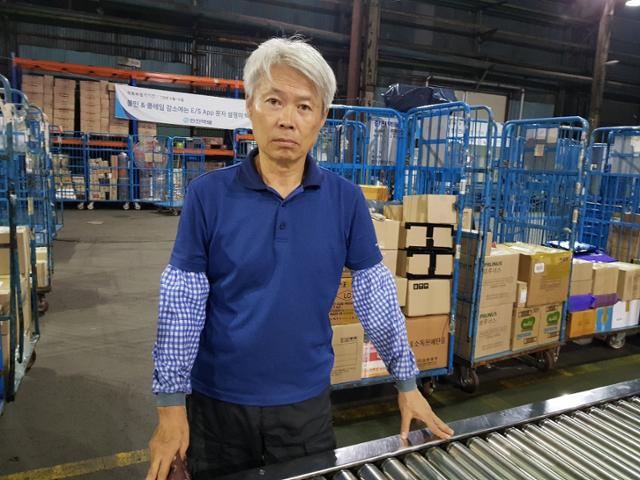

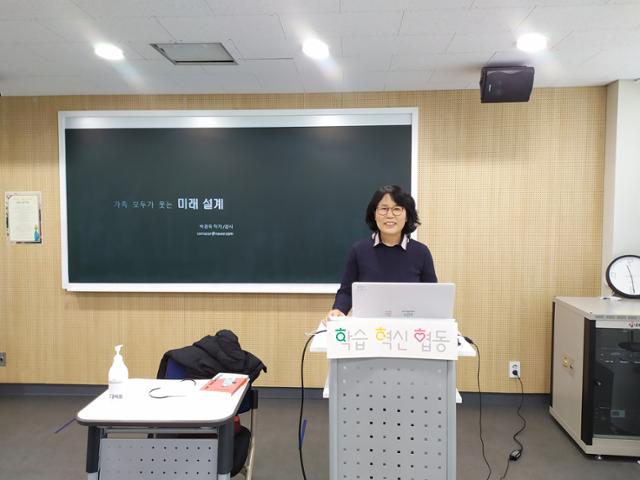

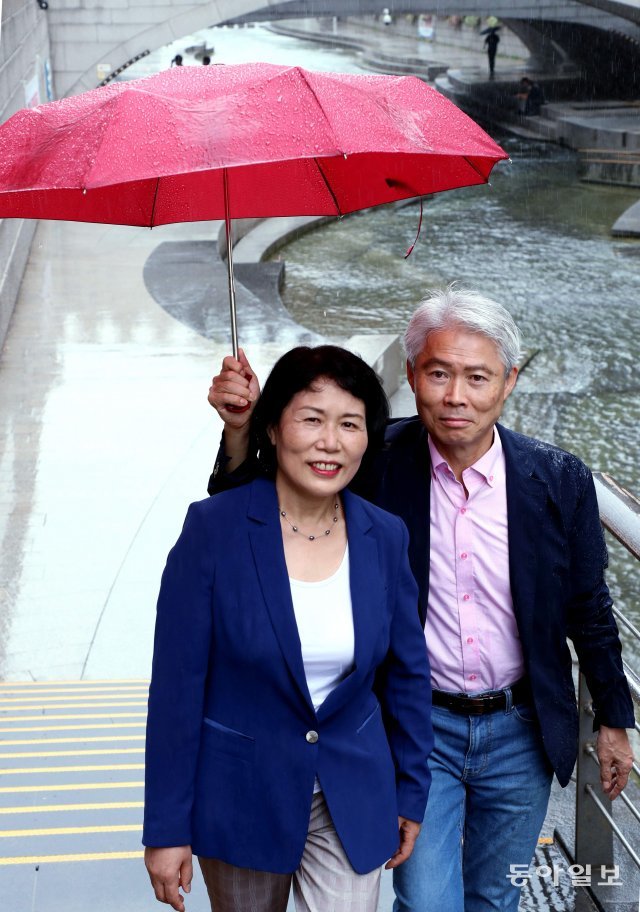
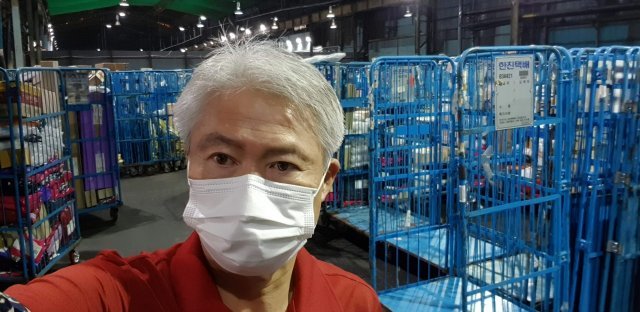
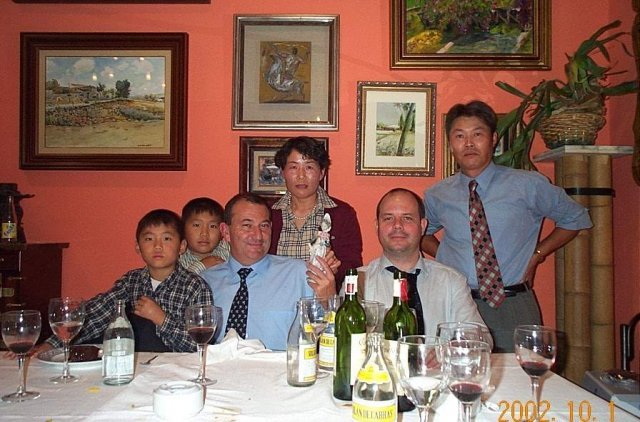
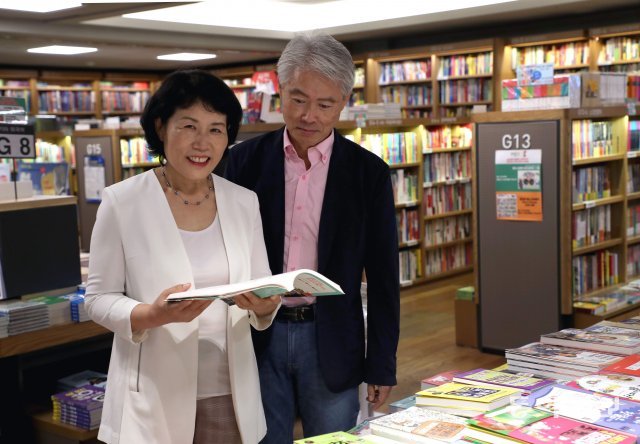
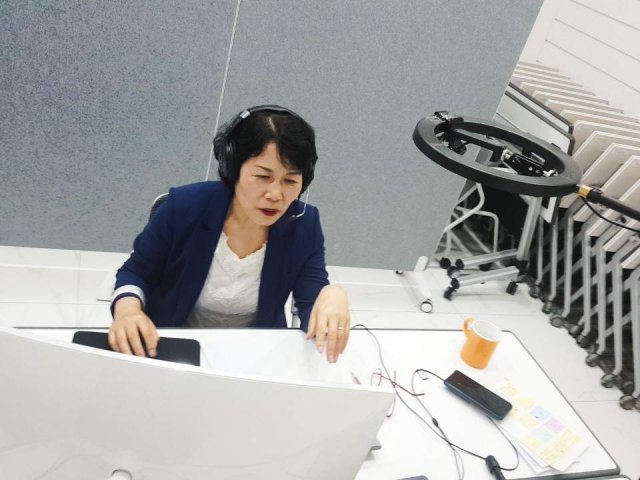
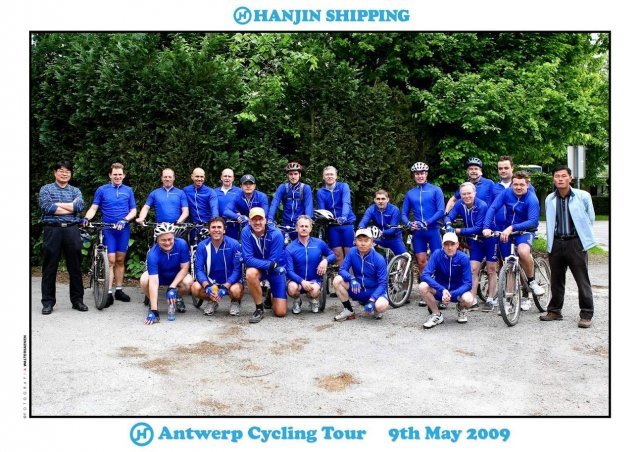

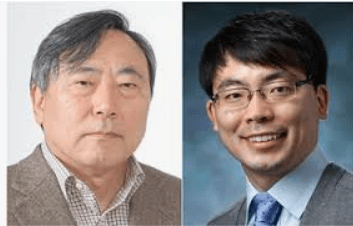
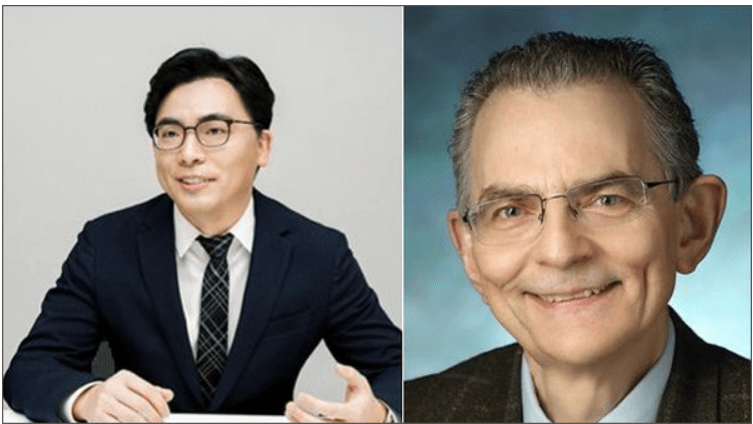

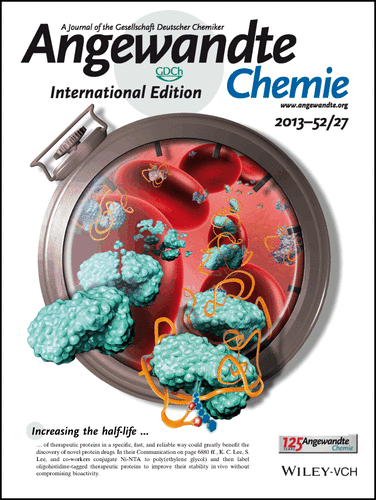


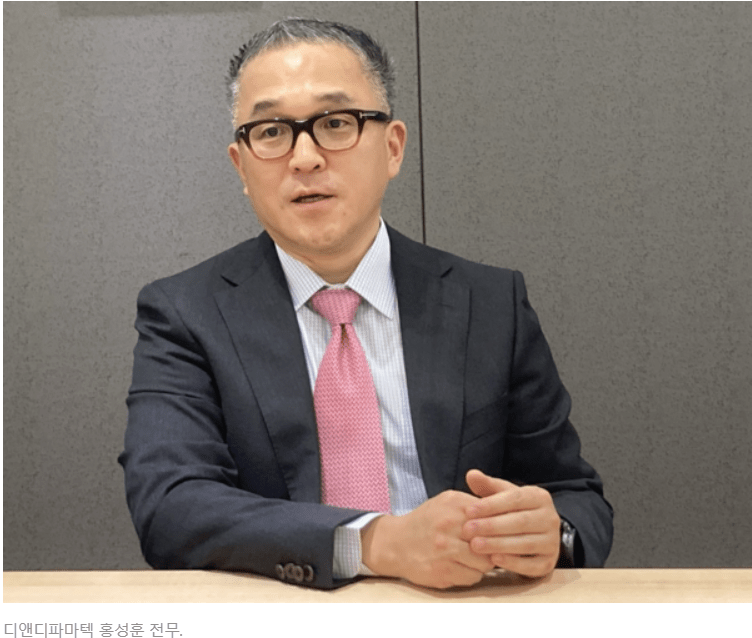
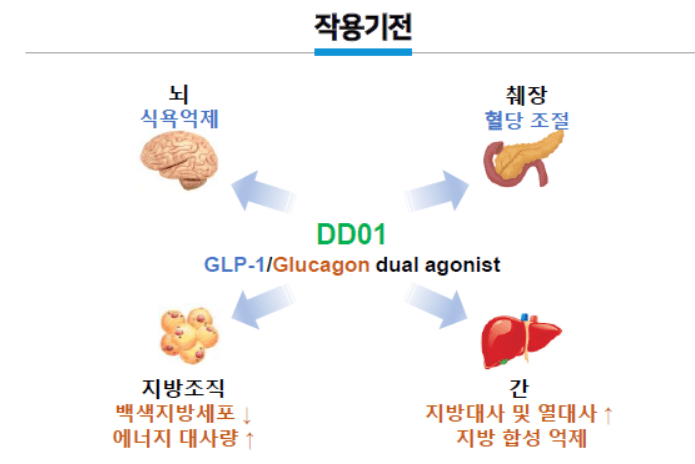
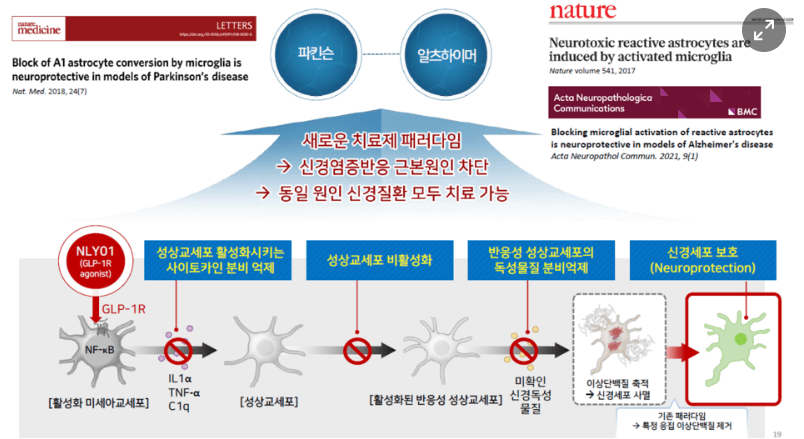
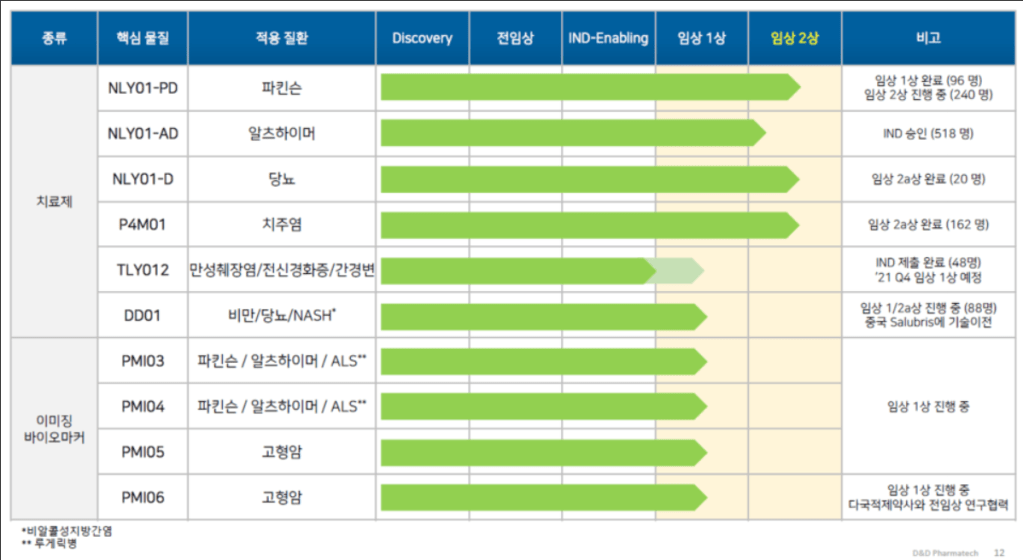
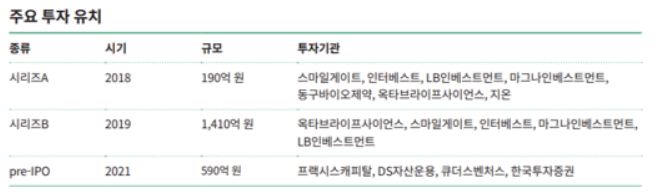
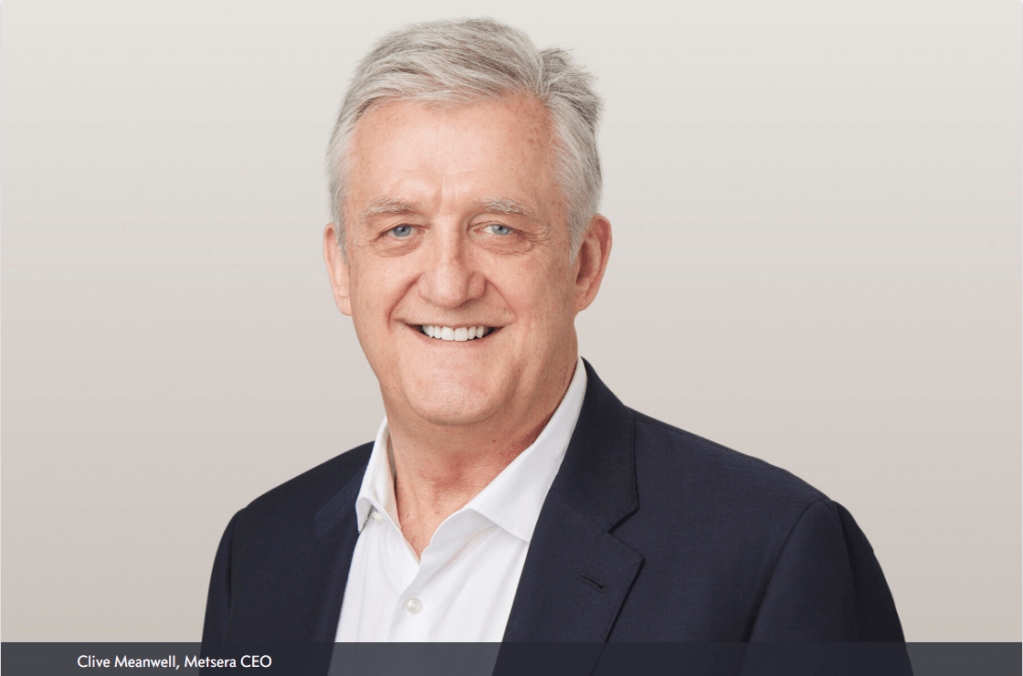



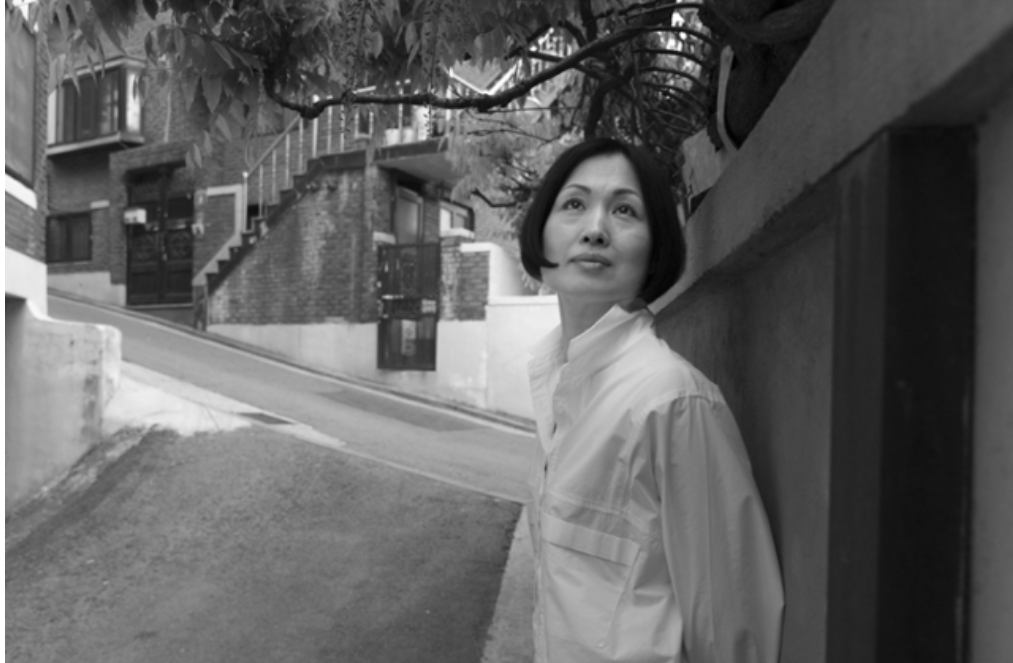


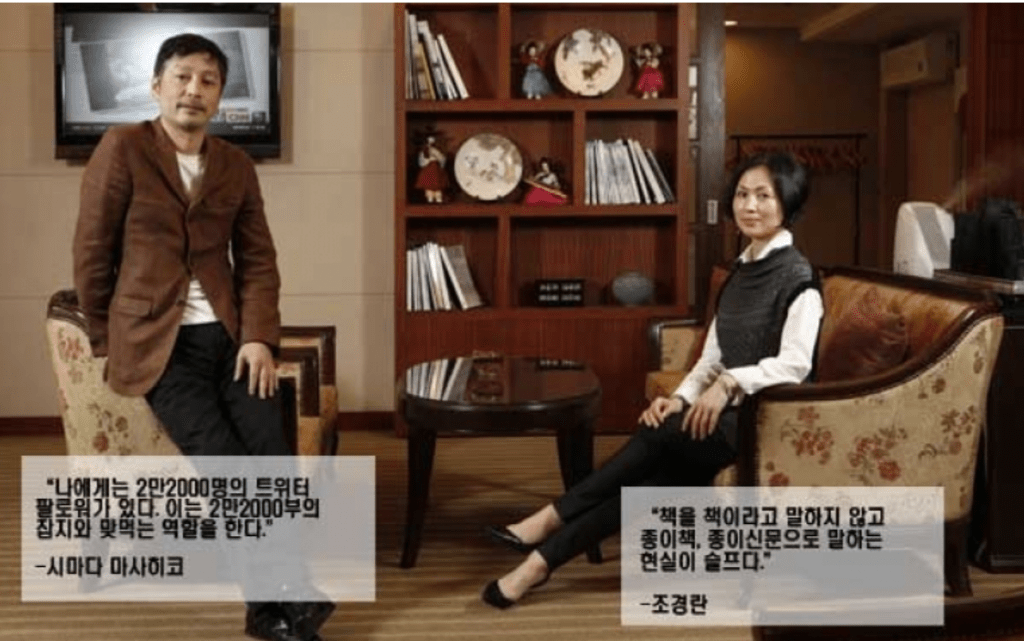

![[집이 사람이다] (16) 문학과 꼬박 지새는 밤들…그녀의 일과 쉼을 지켜준 ‘균형의 방’](https://img.khan.co.kr/news/2016/04/29/l_2016043001003925700319251.jpg)
![[집이 사람이다] (16) 문학과 꼬박 지새는 밤들…그녀의 일과 쉼을 지켜준 ‘균형의 방’](https://img.khan.co.kr/news/2016/04/29/l_2016043001003925700319252.jpg)
![[집이 사람이다] (16) 문학과 꼬박 지새는 밤들…그녀의 일과 쉼을 지켜준 ‘균형의 방’](https://img.khan.co.kr/news/2016/04/29/l_2016043001003925700319253.jpg)
![[집이 사람이다] (16) 문학과 꼬박 지새는 밤들…그녀의 일과 쉼을 지켜준 ‘균형의 방’](https://img.khan.co.kr/news/2016/04/29/l_2016043001003925700319254.jpg)


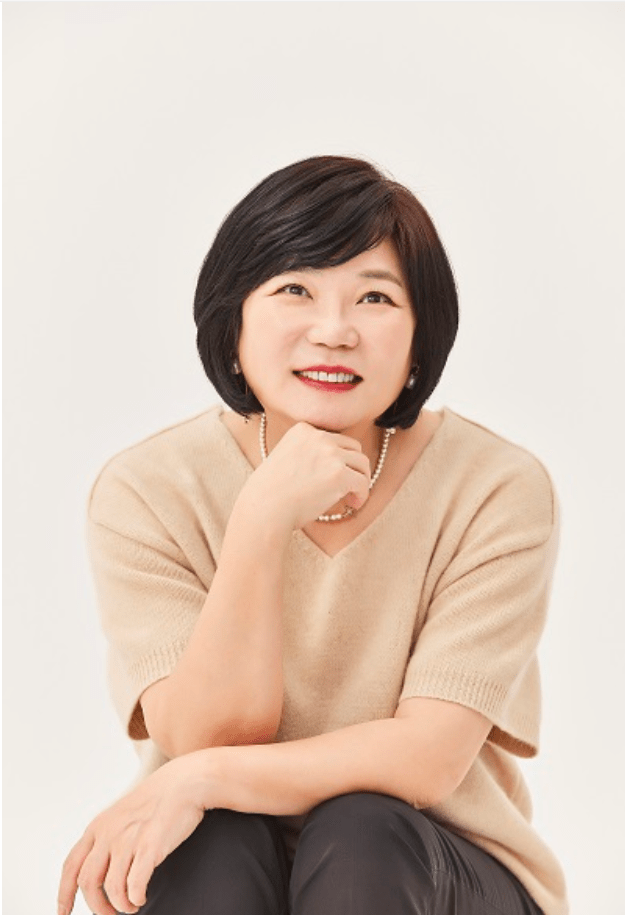






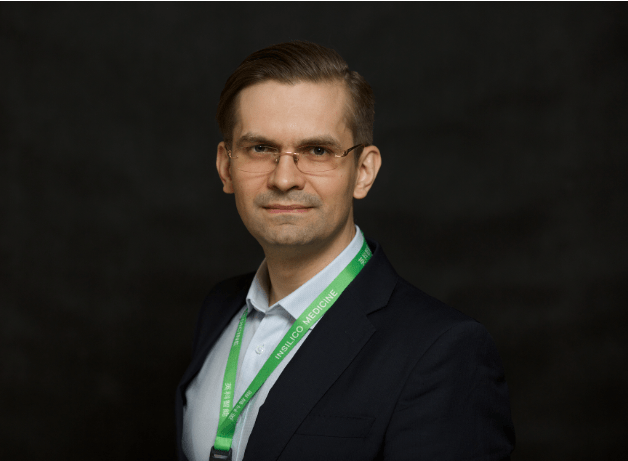
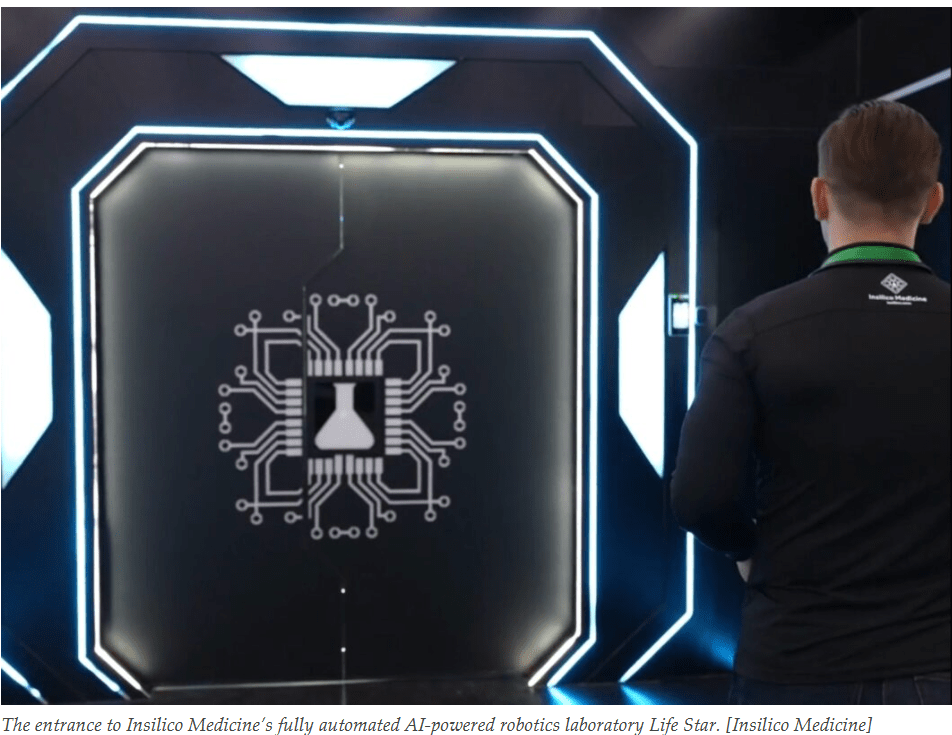
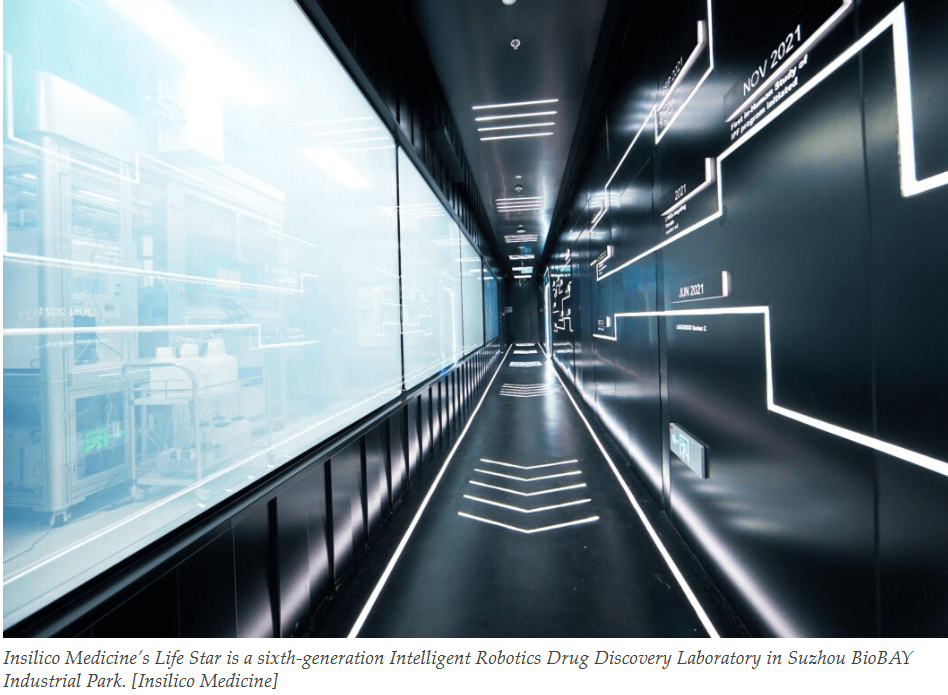
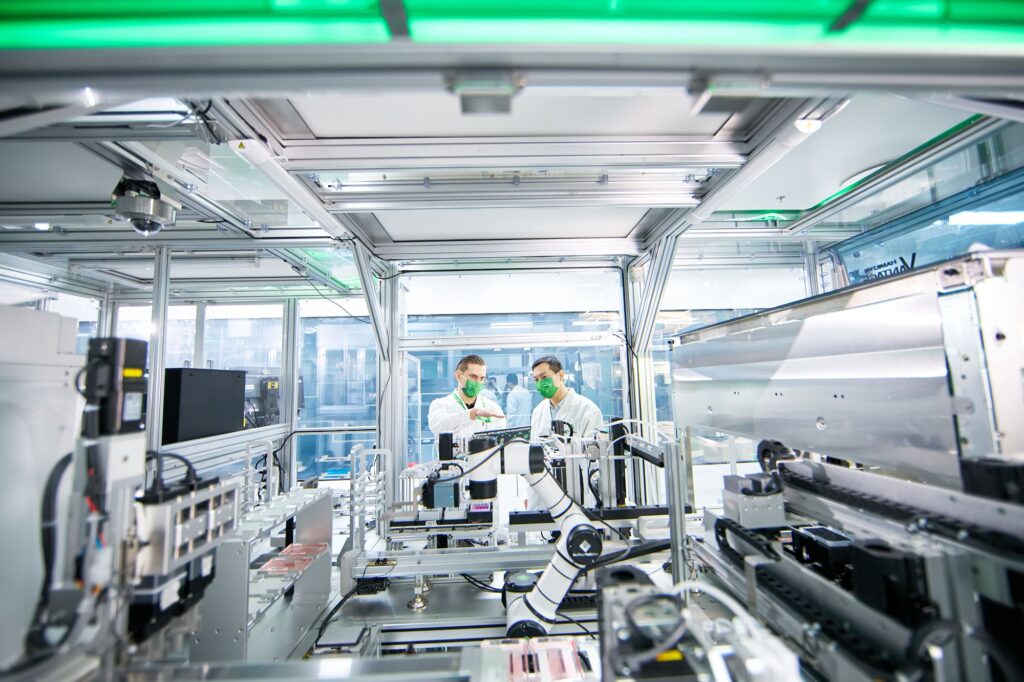
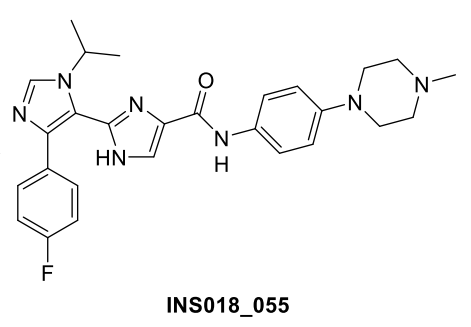
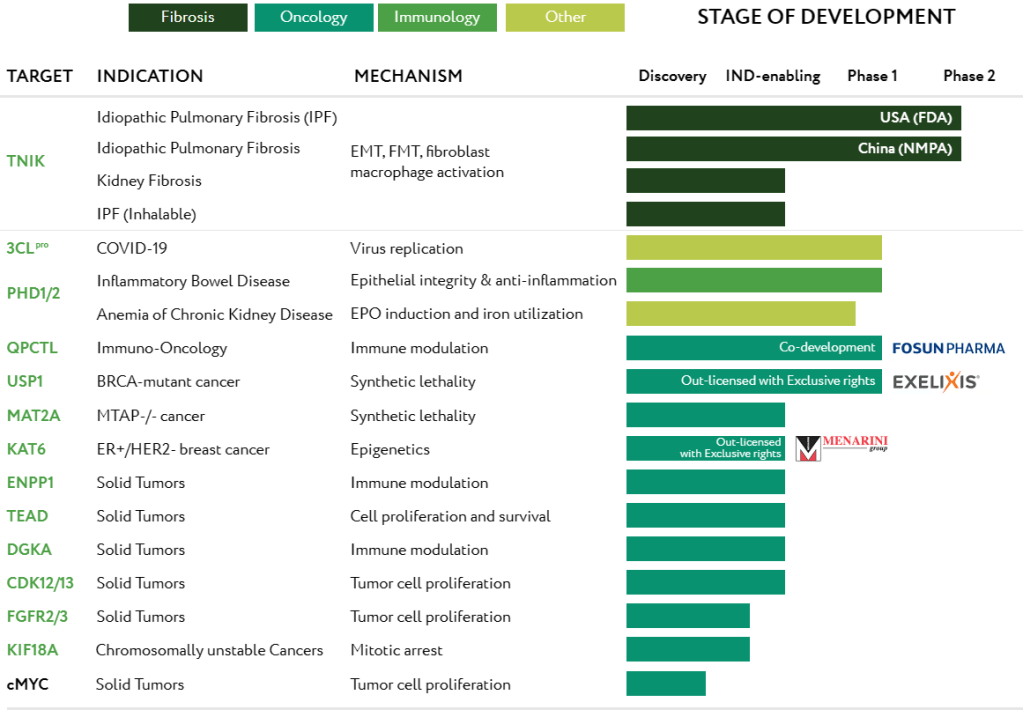

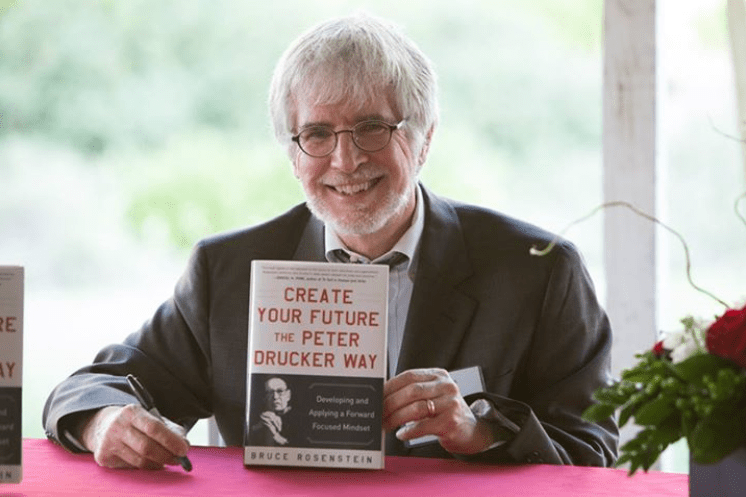

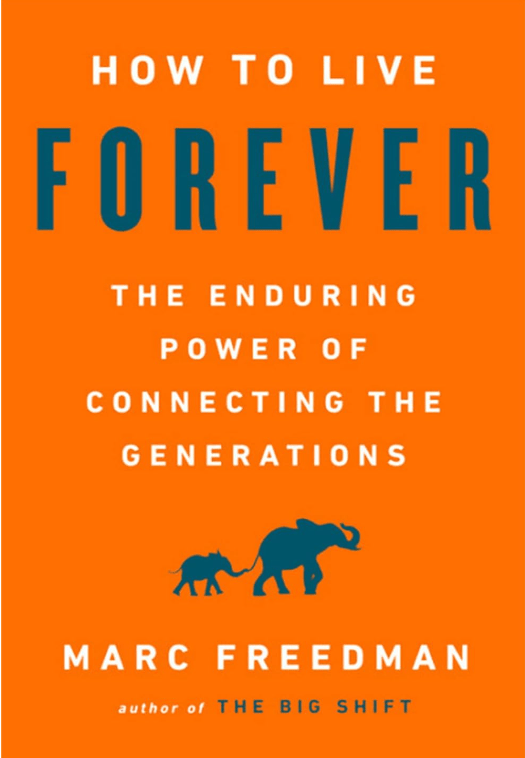

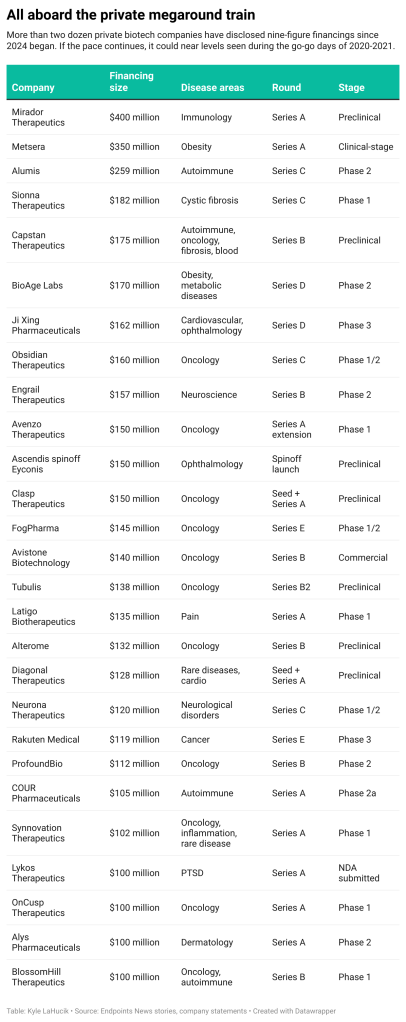

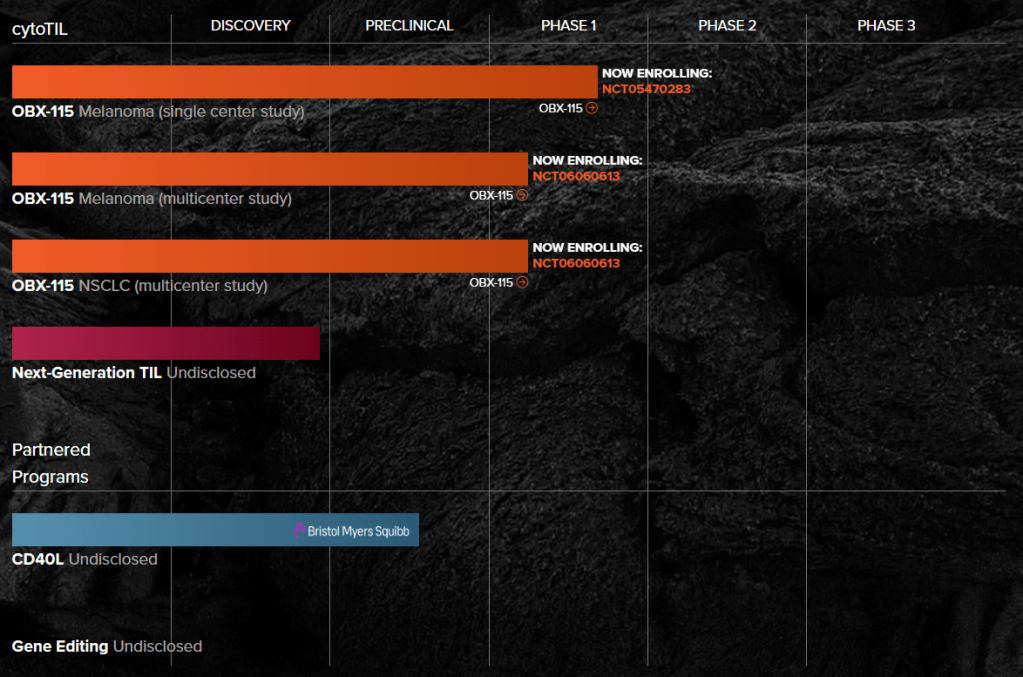




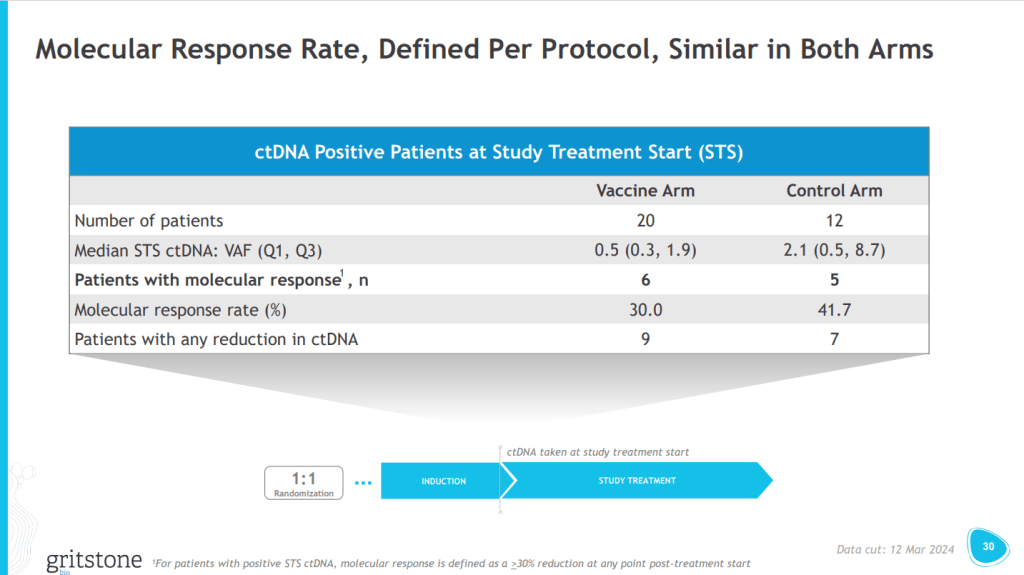


 BOSTON DR LIM