BIOTECH (92) – Vertex Non-Opioid Replacement NaV1.8 Inhibitor Suzetrigine (VX-548) Phase 3

안녕하세요 보스턴 임박사입니다.

Opioid 약물이 FDA로 부터 승인을 받은 이후부터 사회적 반향이 많이 일어나고 있는데요 이 문제를 해결하기 위해 Non-Opioid Replacement Therapy를 개발하기 위한 Pharma/Biotech의 노력이 계속되고 있습니다.
Vertex는 일찍부터 Sodium Channel Voltage 1.8 (NaV1.8) Inhibitors 개발을 위해 노력해 왔는데 지금까지 VX-150, VX-128, VX-961 및 VX-548과 같은 다양한 NaV1.8 Inhibitors를 임상시험을 통해 개발해 왔습니다.

가장 먼저 임상시험에 진입한 약물은 VX-150이었습니다.

Vertex’s big week continues as nonopioid pain drug clears second phase 2 test – Fierce Biotech 2/15/2018

Vertex Announces Treatment with the NaV1.8 Inhibitor VX-150 Showed Significant Relief of Acute Pain in Phase 2 Study – Vertex Press Release 2/14/2018

In its phase 2 trial in 243 patients undergoing bunionectomy surgery, Vertex’s orally active drug—a sodium ion channel blocker targeting the NaV1.8 channel—outperformed placebo in alleviating pain using the Sum of the Pain Intensity Difference measure at 24 and 48 hours. It also seemed to provide a similar benefit to an active control of hydrocodone plus acetaminophen, although the study wasn’t powered to make a direct comparison between the active arms.

Vertex has previously reported encouraging phase 2 data in the treatment of osteoarthritis pain, showing significant pain relief compared to placebo in the 14-day trial. The new study is the first to assess the drug’s effects on acute pain, and Vertex says it will now start a phase 1 trial later this year of an intravenous formulation of the drug for acute pain indications.

The biotech is also waiting on the results of a third phase 2 trial of the oral formulation, this time looking at the drug’s effects on hard-to-treat neuropathic pain in subjects with small fiber neuropathy, which are due in early 2019.

Having two positive trials is “de-risking the asset and making it more valuable—and perhaps attractive for a future partner,” says Jefferies, which puts Vertex ahead of rivals such as Biogen among companies with pain drugs targeting voltage-gated sodium channels. The analysts also note that the biotech has started a phase 1 trial in healthy subjects of a second NaV1.8 inhibitor, VX-128, which seems to be more potent than VX-150.

Vertex drops VX-961 to continue search for perfect pain drug – Fierce Biotech 1/31/2020

The NaV1.8 inhibitor (VX-961) failed to meet Vertex’s desired pharmacokinetic and tolerability profile, leading it to dump the drug and outline plans to move a follow-up candidate into the clinic. 

VX-961 moved into early-phase development last year on the back of midphase data linking VX-150, another NaV1.8 inhibitor, to improved outcomes in people with acute, chronic and neuropathic pain. The midphase data led Vertex to conclude NaV1.8 inhibition can yield opioid-like efficacy without the side effects or abuse potential associated with that class of medicines. 

Yet, Vertex opted to hold off on starting a late-phase trial of VX-150, choosing instead to gather data on the drug’s siblings before deciding which molecule to advance. The early phase study of VX-961 was part of Vertex’s effort to triage its NaV1.8 inhibitors.

Vertex’s willingness to drop VX-961 based on those variables reflects a belief that safety and efficacy are “table stakes” in pain. To succeed, Vertex is looking for “a molecule with the perfect PK” for the indication, Kewalramani said. That search is underpinned by an understanding of how pain drugs are used. Once or twice daily dosing is one essential requirement but is far from the only factor. 

“We need to ensure that this medicine can be taken with food or without food. If you’re talking about acute pain, immediately post-surgery, being able to take it without food is going to be really important. We’re also thinking about [drug-drug interactions] and [cost of goods sold],” Kewalramani said.

Vertex’s criteria for the ideal molecule differ somewhat across acute, chronic and neuropathic pain, which Kewalramani sees as “three distinct groups.” The search for the chemistry that will meet the criteria goes on, but Vertex is sure NaV1.8 inhibition is the right approach. 

“We’ve cracked the biology,” Kewalramani said.

Vertex will open a new stage of its search for the perfect NaV1.8 inhibitor when it moves another of VX-150’s siblings into phase 1 later in the first half of 2020. Data from that trial will inform Vertex’s decision about which pain drug to advance into later-stage development. 

Vertex moves pain drug into mid-stage testing – Biopharmadive 4/26/2021

In pain, the company has been working to show that small molecule drugs can block the NaV1.8 channel and provide a non-opioid alternative for pain relief. Two of Vertex’s earlier candidates, known as VX-961 and VX-150, ran into challenges during clinical testing, and development of them has since stopped.

VX-548, meanwhile, is the most recent of Vertex’s channel-blocking agents to enter clinical testing. Having proved safe and tolerable in Phase 1 testing of healthy volunteers, the drug is now headed to Phase 2 “proof-of-concept” trials.

Carmen Bozic, Vertex’s chief medical officer, said in a Monday statement that the company is pushing VX-548 forward “with urgency, as these studies are the key next step toward our ultimate goal of developing transformative medicines for the treatment of pain.

While Vertex and a few other large drug companies have their sights on developing better pain drugs, setbacks have been common. In one recent example, advisers to the Food and Drug Administration expressed concerns about the safety plans surrounding a closely watched experimental pain medicine from Pfizer and Eli Lilly. 

Vertex reports positive trial results for acute pain candidate VX-548 – The Pharma Letter 1/4/2022

Vertex Pharmaceuticals (Nasdaq: VRTX) has been moving to diversify its product offerings, and today announced positive results from two Phase II proof-of-concept (POC) studies that investigated treatment with the selective NaV1.8 inhibitor VX-548 for acute pain following abdominoplasty surgery or bunionectomy surgery.

This is Vertex’ fourth attempt to develop a sodium channel Nav1.8

Vertex’s non-opioid drug reduces nerve pain in trial, shares hit record high – Reuters 12/13/2023

Vertex’s VX-548 hits primary endpoint in Phase II DPN trial – Clinical Trials Arena 12/13/2023

Vertex Pharmaceuticals’ (VRTX.O), opens new tab non-opioid painkiller significantly decreased pain in patients with diabetes suffering from chronic nerve pain in a mid-stage trial, fueling efforts to develop a treatment without the potential risk of addiction.

The trial studied the drug, VX-548, in patients with diabetic peripheral neuropathy, a type of nerve damage caused by high blood sugar.

Vertex is also testing the drug in keenly watched late-stage studies for acute pain, with data due in the first quarter of next year.

VX-548 has the potential to be a multi-billion dollar product for both conditions, executives said in a call.

Ahead of the data, analysts had estimated that the drug could generate peak sales of more than $5 billion.

Treatment with VX-548 resulted in a statistically significant reduction in weekly average of daily pain intensity, as measured on a scale at 12 weeks, Vertex said. On the scale, which ranges from 0 for no pain to 10 for worst pain imaginable, patients treated with the drug showed reductions of 2.26, 2.11 and 2.18 at the high, mid and low doses, respectively.

Vertex’s pain prospect hits main goal in phase 3 trials but fails to beat Vicodin – Fierce Biotech 1/30/2024

After the biotech discarded a pair of NaV1.8 inhibitors based on early clinical data, a third drug candidate, VX-548, aimed at the sodium channel has beaten placebo in two late-phase clinical trials. The significant improvements in pain intensity in the 48 hours after patients underwent tummy tucks and bunionectomies caused the studies to meet their primary endpoints.

While the primary endpoints compared VX-548 to placebo, Vertex randomized some participants in both trials to take the common pain combination of hydrocodone bitartrate and acetaminophen (HB/APAP). The drug, which is sold as Vicodin, contains the opioid hydrocodone and is frequently abused. 

VX-548 had a numerical advantage over HB/APAP in the tummy tuck trial but the difference fell short of statistical significance. In the bunionectomy trial, HB/APAP performed significantly better than VX-548, resulting in a p value of 0.0016. The finding that HB/APAP provides more pain relief than Vertex’s drug candidate in bunion surgery patients complicates the case for VX-548. 

Vertex’s pain program has focused on achieving opioid-like efficacy without the abuse potential of that class of effective but problematic medicines. Talking at the J.P. Morgan Healthcare Conference earlier this month, Vertex CEO Reshma Kewalramani discussed the need to fill the “gaping hole in the treatment landscape between acetaminophen and NSAIDs and opioids.”

VX-548’s mechanism “does not hold addictive potential,” Kewalramani said, and the CEO restated her belief that the molecule can fill the gap in the treatment landscape after seeing the phase 3 data. Even so, the failure to beat, and in one trial even to match, the opioid leaves Vertex open to skepticism as it works to persuade payers that VX-548 is a better option than established, relatively cheap alternatives.

That all awaits Vertex down the line. First, the big biotech needs to get VX-548 to market. Vertex plans to file for FDA approval by the middle of the year and is seeking a broad label in moderate-to-severe acute pain. The opportunity is huge, with Vertex estimating acute pain affects more than 80 million people a year in the U.S., a market currently largely served by generic medicines. 

Vertex’s push to get VX-548 over the line in acute pain is part of a broader program. The drug candidate came through a phase 2 test in painful diabetic peripheral neuropathy last month, emboldening Vertex to start planning a pivotal program, and the biotech has other NaV1.8 and NaV1.7 inhibitors in clinical and preclinical development with a view to developing monotherapies and combinations.

A New Pain Mechanism Works. Pretty Much. – Derek Lowe’s In the Pipeline 2/2/2024

BIOTECH (91) – Replicate Bioscience: Self-Replicating mRNA against Therapy-Acquired Neoantigen

안녕하세요 보스턴 임박사입니다.

mRNA-based cancer vaccine or individualized neoantigen therapy는 현재 많은 Biotech에서 개발하고 있는 상황이고 특히 Moderna의 INT therapy는 아주 좋은 결과를 나타냈습니다.

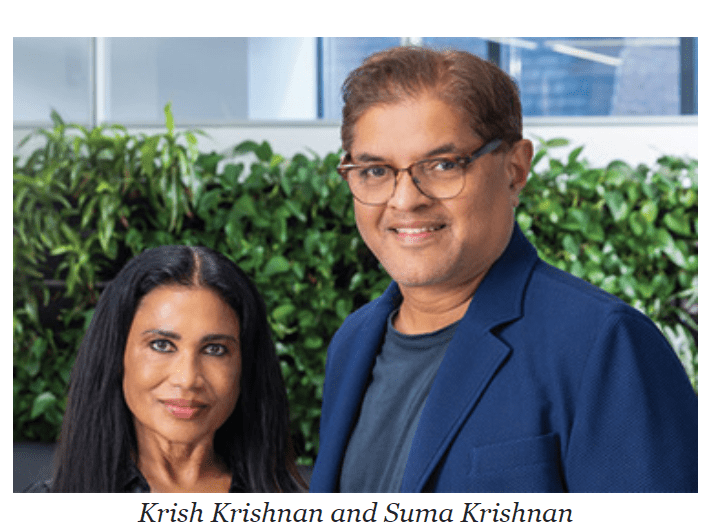
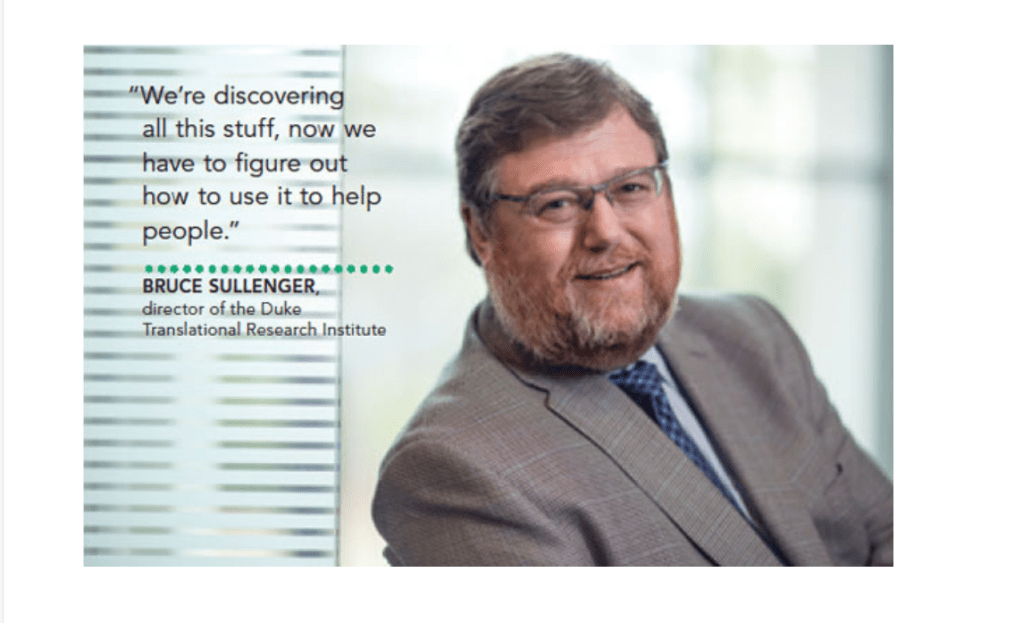
Duke University의 Herbert Kim Lyerly 교수 (picture)와 Zachary Hartman 박사는 Self-Replicating mRNA cancer vaccine연구를 진행하고 있었습니다.

Duke OTC Startup – Replicate Bioscience: Replicate Bioscience is developing RNA-based treatments for cancer using proprietary Synthetic Replicon for gene delivery (SynRGY) technology to deliver the genetic code of a virally derived RNA molecule.

How close are we to a cancer vaccine? Duke University scientists are closing in – Fox8 4/11/2022

For the last several years, researchers have been working with technology based around mRNA—messenger RNA, which is something that compliments the work of your DNA—to see if they can utilize it to get your body’s own immune system to fight cancers. At Duke University, they’re working with mRNA technology to create vaccines for cancer.

“It is a product which is RNA nucleic acid which encodes a specific protein and then that can be encapsulated in something we like to call a lipid nanoparticle, which is really a little fat bubble, and that can be injected into your body and sort of teaches your body what to go after immunologically,” said Zachary Hartman who works in the Lyerly Lab at Duke.

Lyerly has been at Duke nearly 40 years and has seen massive changes in how we can combat cancer going from relatively crude chemotherapy to very targeted immunotherapy.

그러던 중 Apple Tree Partners의 Mark Ehlers는 Novartis 등에서 synthetic biology 연구를 했던 Nathaniel Wang과 mRNA vaccine development를 했던 Andrew Geall을 만나면서 Duke University의 Hebert Kim Lyerly교수와 Zachary Hartman 교수와 함께 Replicate Bioscience를 만들게 됩니다.

아래는 Andrew Geall이 2012년에 Novartis에서 발표한 PNAS논문입니다.

Venture capital pours more money into RNA medicines with the launch of Replicate – Biopharmadive 9/8/2021

To Ehlers and later Apple Tree, one of the big draws to Replicate was the team. Wang was experienced at developing and applying synthetic biology after working with companies like Synthetic Genomics, Novartis and Johnson & Johnson. Andrew Geall, another co-founder, led messenger RNA vaccine development at Novartis before heading to Avidity Biosciences, where he served as vice president of formulations, analytics and chemistry. Avidity went public in June 2020, raising just shy of $260 million.

Replicate’s two other co-founders, Hebert Kim Lyerly and Zachary Hartman, are professors of cancer research and immunology at Duke University.

Replicate Bioscience looks to replicate RNA’s pandemic response success with $40M to go after cancers, immune disorders – Fierce Biotech 9/8/2021

The srRNA technology is meant to prevent or remove drug-resistant cancer mutations via “synthetic immune lethality” and is also being tested in autoimmune and inflammatory disorders.

Replicate has two programs focused on breast cancer and lung cancer, another looking at immunotherapy resistance in solid tumors and a fourth program that addresses inflammation related to autoimmune disorders that goes after “downstream mediators of the inflammasome,” Wang said. 

Wang was previously head of the RNA medicines unit at Synthetic Genomics, where he worked on infectious diseases and various immunotherapies. While there, he worked on collaborations with Novartis on synthetic genomics for vaccines and with Johnson & Johnson’s Janssen on replicating RNA for treating infectious diseases.

During his collaboration with Novartis, Wang met Replicate co-founder and Chief Development Andrew Geall, Ph.D., who led mRNA vaccine exploration at Novartis. Since leaving Novartis in 2015, Geall has been vice president of formulations and chemistry at Avidity Biosciences and chief scientific officer of Precision NanoSystems. 

Geall and Wang teamed up with Duke University cancer research and immunology professors Herbert Kim Lyerly, M.D., and Zachary Hartman, Ph.D., to found Replicate.

Replicate Launches with $40 Million to Eliminate Drug Resistance in Cancer – Biospace 9/8/2021

Replicate focuses on using self-replicating RNA (srRNA) to develop therapies for autoimmune and inflammatory diseases and prevent drug resistance in cancer

Replicate, which was founded in February 2020, currently has four pipeline programs, all in the discovery or preclinical phase. These include RBI-1000, an endocrine therapy resistance for breast cancer; RBI-2000, immunotherapy resistance for solid tumors; RBI-3000, targeted therapy resistance for lung cancer; and RBI-8000, inflammasome for inflammatory disease and autoimmune disorders. The first therapy is expected to begin clinical trials in the second half of 2022.

Nathan Wang, Replicate’s Chief Executive Officer and Andrew Geall, Chief Development Officer, collaborated earlier on srRNA technologies at Synthetic Genomics and at Novartis Vaccines & Diagnostics. They worked with a former colleague, Herbert Kim Lyerly, and Zachary Hartman, both professors of cancer research and immunology at Duke University, to work on srRNA to prevent or remove drug-resistant cancer mutations. This approach is called “synthetic immune lethality.

Lyerly교수와 Hartman 교수는 2019년 Clinical Cancer Research에 Vaccine-induced memory CD8+ T Cells이 HER2-breast cancer 치료제로 가능성이 있슴을 Mouse to Human Translational Study로 발표했습니다.

Nathan Wang은 Replicate의 VP of Research로 채용된 Aliahmad와 2018년에 self-replicating RNA vectors에 대한 리뷰를 낸 바 있습니다.
Replicate Bioscience는 2023년 4월 AACR에서 2개의 포스터를 발표했는데요 RBI-2000 cancer vaccine의 경우에는 Molecule 1 (Immune cell activator)와 Molecule 2 (reverses inflammation and prevents angiogenesis and tumor invasiveness)의 두가지 self-replicating mRNAs를 포함한다고 발표했고 Mouse PoC data를 발표했습니다.

같은 AACR의 다른 포스터에서는 Self-replicating RNA로 ER+ breast cancer에 작용하는 것을 발표했습니다.

Synthetic immunology lethality concept을 아래와 같이 보여주었는데요. Chemo-reistant neoantigen을 사멸시키며 (lethality) 역시 Molecule 1과 Molecule 2를 사용합니다.

RBI-1000의 Mouse PoC data를 보여주었습니다.

그리고 11월에 SITC학회에서 새로운 포스터를 발표했습니다.

역시 RBI-1000에 대한 것으로 breast cancer와 lung cancer에 대해 작용함을 보여주었습니다.

RBI-4000 (Rabies vaccine)에 대한 결과를 이번주에 발표했습니다.

Self-replicating RNA rabies vaccine clears early test, boosting Replicate’s plans for platform – Fierce Biotech 2/14/2024

The phase 1 trial is comparing three doses of its vaccine candidate, RBI-4000, to Bavarian Nordic’s approved product RabAvert in healthy volunteers. 

In “most subjects,” all three RBI-4000 doses generated antibody titers of at least 0.5 IU/ml, the level that the World Health Organization considers to be protective. Replicate said the 0.1-mcg dose is the smallest amount of any RNA technology reported to achieve the surrogate of protection in humans.

The biotech said a single shot of RBI-4000 met the surrogate protection metric “for a majority of subjects in multiple cohorts.” Replicate tested single shots at all dose levels, plus a two-administration regimen at the highest, 10 mcg, dose. GSK studied one- and two-dose regimens of its self-amplifying mRNA rabies vaccine in a phase 1 study that finished in 2022.

Replicate saw “favorable tolerability across all dose levels tested, with no severe adverse events,” but is yet to share safety data.

Beyond rabies, Replicate CEO Nathaniel Wang, Ph.D., believes the results de-risk the srRNA platform, manufacturing processes and pipeline, boosting the biotech’s prospects as it pursues diseases including breast and lung cancers. CSL Seqirus and Arcturus Therapeutics won approval for a self-amplifying vaccine that uses similar technology last year, but Replicate is still validating its platform.

RBI-4000으로 biology risk를 낮춘 약물로서 임상시험을 하면서 srRNA platform을 검증하고 추후에 cancer vaccine trial을 준비한다는 계획입니다. saRNA or srRNA는 현재 CSL Sqirus/Arcturus Therapeutics에서 FDA 승인을 받은 상태인데 향후 Replicate의 cancer vaccine RBI-1000의 임상시험 진입과 결과가 주목됩니다.

부러우면 지는거다 (25) – Victor Gonzalez: Chemist with Art Pigments Analysis

안녕하세요 보스턴 임박사입니다.

지난번에 생물의학자이면서 Visual Artist인 Daniel Jay 교수에 대해서 글을 올린 적이 있는데요.

부러우면 지는거다 (23) – Daniel Jay at Tufts University – Art+Science

이번에 소개할 분은 순수한 Analytical Chemist로서 Art Painting Pigments 연구를 하는 연구원입니다.

Victor Gonzalez at PPSM as CNRS Fellow

Victor Gonzalez 박사는 2023년 10월 1일에 프랑스 파리에 위치한 PPSM에서 CNRS research fellow로 조인했습니다. 아래는 이 분이 인터뷰한 자기소개 및 연구내용입니다.

“I obtained my PhD thesis (Chemistry, Sorbonne U.) in 2016. This thesis was conducted at the Centre de Recherche et de Restauration des Musées de France (C2RMF), and focused on the study of structure/property relationships of ancient lead carbonate mineral pigments as markers of their synthesis route. I then worked on post-doctoral contracts in the Netherlands, first at the Materials Science and Engineering Department of TU Delft University, then at the Science Department of the Rijksmuseum. I was interested in the reactivity of inorganic lead pigments in an organic medium. I finally returned to France on a Marie Curie European Fellowship, hosted at the PPSM, where I worked on understanding the weathering mechanisms of modern pigments for two years before joining the CNRS as a research fellow.”

“My work focuses on the chemical study of ancient materials, in particular those making up historic paint layers. These layers are composite media, consisting of an organic binder in which organic and/or inorganic coloring materials are dispersed. Chemical mechanisms are active here, and can result in the formation of weathering products that can threaten the optical or physical integrity of the paint. My aim is to identify markers of the manufacturing processes and reactivity of ancient pictorial materials. To achieve this, I specialize in using multi-scale analytical methods to probe paintings. At the scale of a single work, I use instruments to chemically image the entire surface of a painting. At the scale of a paint layer, sometimes as fine as a hair, or micro-scale, I frequently use synchrotron radiation to study the chemical phenomena at play at the level of individual pigment grains.”

“The skills developed at PPSM, in photochemistry, functional molecule synthesis and instrumental development, represent a fantastic opportunity for me to take an innovative approach to the chemical study of heterogeneous systems such as historic paintings. For example, my aim is to use specific functional molecules as probes of certain key parameters in the evolution of paint layers over time, such as the concentration of certain metal ions. When I joined the laboratory, I initiated collaborations with colleagues specializing in the development of this type of molecule (Rémi MétivierIsabelle LerayClémence Allain), hoping to create new links between photochemistry and the study of pictorial matter. What’s more, the “Ancient Materials” theme is still new at PPSM, so it’s very stimulating to be building this new theme alongside all my colleagues!”

“The PPSM environment is fundamentally interdisciplinary. By joining this laboratory, I hope to benefit from the wealth of expertise around me to help me advance my research. I’m convinced that building bridges between different research communities is fundamental to overcoming the analytical challenges I face. The Paris-Saclay ecosystem is ideal for benefiting from a wealth of know-how, for example with the forthcoming creation of the Centre Pompidou’s new conservation and creation center in Massy.”

Victor Gonzalez박사가 한 연구 중 두가지 연구내용이 알려져 있습니다.
첫번째 연구는 Rembrandt의 그림에 대한 연구입니다.

Rembrandt’s impasto: Maestro’s techniques – Science Daily 1/30/2019

Scientists Have Found the Rare Secret Ingredient Rembrandt Used to Make His Paintings So Vibrant – ArtNet 1/16/2019

아래 그림은 Rijksmuseum에 있는 “The Portrait of Marten Soolmans (1634)”입니다.

“Based on historical texts, we believe that Rembrandt added lead oxide, or litharge, to the oil in this purpose, turning the mixture into a paste-like paint,” conservation expert Marine Cotte said.

Annelies van Loon of the Rijksmuseum said the next step was to look at more pictures by Rembrandt and his peers. “We are working with the hypothesis that Rembrandt might have used other recipes, and that is the reason why we will be studying samples from other paintings by Rembrandt and other 17th Dutch Masters, including Vermeer, Hals, and painters belonging to Rembrandt’s circle.

Plumbonacrite (PN)이라는 것인데 이것은 산화납 (PbO)으로 아래와 같이 만들어 졌다고 예상했습니다.
두번째 연구는 Leonardo da Vinci의 Monalisa에 대한 연구입니다.
Scientists Learn Another ‘Mona Lisa’ Secret – VOA 10/13/2023

Monalisa의 우측상단 base layer와 최후의 만찬 (The Last Supper)를 연구했습니다.
X-ray and Infrared Microanalyses of Mona Lisa’s Ground Layer and Significance Regarding Leonardo da Vinci’s Palette. J. Am. Chem. Soc. 2023, 145 (42), 23205–23213.
“He (Leonardo da Vinci) was someone who loved to experiment, and each of his paintings is completely different technically,” said Victor Gonzalez. He is the study’s lead writer and a chemist at France’s top research organization, the National Center for Scientific Research (CNRS). Gonzalez has studied the chemical makeup of several works by Leonardo, Rembrandt and other artists.

“In this case, it’s interesting to see that indeed there is a specific technique for the ground layer of Mona Lisa,” he said in an interview with The Associated Press.

Specifically, the researchers found a rare compound, plumbonacrite, in Leonardo’s first layer of paint. The discovery, Gonzalez said, confirmed that da Vinci most likely used lead oxide to thicken and help dry his paint.

Carmen Bambach, a specialist in Italian art at New York’s Metropolitan Museum of Art, called the research “very exciting.” Bambach, who was not involved in the study, said it shows “Leonardo’s spirit of passionate and constant experimentation as a painter,” she wrote in an email.

Plumbonacrite is really a fingerprint of his recipe,” Gonzalez said. “It’s the first time we can actually chemically confirm it.”

Dutch artist Rembrandt may have used a similar mixture when he was painting in the 17th century. Gonzalez and other researchers have found plumbonacrite in his work, too.

“It tells us also that those recipes were passed on for centuries,” Gonzalez said. “It was a very good recipe.”

Leonardo is thought to have melted lead oxide powder, which has an orange color, in linseed or walnut oil to make it thicker and dry faster.

“What you will obtain is an oil that has a very nice golden color,” Gonzalez said. “It flows more like honey.”

저도 화학자로서 Visual Art 분야에서 일을 하고 싶은 마음이 있는데요. Victor Gonzalez 박사는 저의 Role Model로 삼아도 좋을 것 같습니다. 계속 좋은 연구를 기다립니다.

참고로 Mona Lisa는 여러 버전이 있습니다.

BIOTECH (90) – Iovance Biotherapeutics: FDA Accelerated Approval of lifileucel (Amtagvi), the first Tumour-Infiltrating Lymphocyte (TIL) Cancer Therapy

안녕하세요 보스턴 임박사입니다.

이번주에 Iovance Biotherapeutics가 개발하던 최초의 TIL Therapy인 “lifileucel”이 Advanced Melanoma 치료제로서 FDA의 Accelerated Approval을 받았습니다. First-In-Class 혁신신약개발이 그러하듯 lifileucel이 결국 FDA Approval을 받기까지 여정은 결코 쉬운 일이 아니었습니다. 이 신약의 개발 과정에 대해서 나눠보려고 합니다.

1986년 National Cancer Institute (NCI)의 Steven Rosenberg 박사 연구팀은 Tumor-Infiltrating Lymphocytes (TIL)과 Interleukin-2 (IL-2)를 투여하면 고형암의 면역치료제로 가능성이 있슴을 보고했습니다.

Picture: Steven A. Rosenberg. M.D., Ph.D.

Using Tumor‑Infiltrating Lymphocytes to Treat Metastatic Melanoma – The ASCO Post 12/10/2018

A New Approach to the Adoptive Immunotherapy of Cancer with Tumor-Infiltrating Lymphocytes. Science 1986, 233, 1318-1321. Steven A. Rosenberg, M.D., Ph.D. et al.

The adoptive transfer of tumor-infiltrating lymphocytes (TIL) expanded in interleukin-2 (IL-2) to mice bearing micrometastases from various types of tumors showed that TIL are 50 to 100 times more effective in their therapeutic potency than are lymphokine-activated killer (LAK) cells. Therefore the use of TIL was explored for the treatment of mice with large pulmonary and hepatic metastatic tumors that do not respond to LAK cell therapy. Although treatment of animals with TIL alone or cyclophosphamide alone had little impact, these two modalities together mediated the elimination of large metastatic cancer deposits in the liver and lung. The combination of TIL and cyclophosphamide was further potentiated by the simultaneous administration of IL-2. With the combination of cyclophosphamide, TIL, and IL-2, 100% of mice (n = 12) bearing the MC-38 colon adenocarcinoma were cured of advanced hepatic metastases, and up to 50% of mice were cured of advanced pulmonary metastases. Techniques have been developed to isolate TIL from human tumors. These experiments provide a rationale for the use of TIL in the treatment of humans with advanced cancer.

그리고 1988년 Metastatic Melanoma 환자들을 위한 면역치료제로 가능성이 있슴을 보고했습니다.

Use of Tumor-Infiltrating Lymphocytes and Interleukin-2 in the Immunotherapy of Patients with Metastatic Melanoma. N. Eng. J. Med. 1988:319:1676-1680. Steven A. Rosenberg, M.D., Ph.D. et al.

이 기술을 임상시험을 통해 상용화를 하기 위해 2007년에 Genesis Biopharma가 설립되었고 2013년에 Lion과 합병되면서 Lion Biotechnologies가 된 이후에 2017년에 Iovance Biotherapeutics로 Rebrand 되었습니다.

Genesis Biopharma Announces Completion of Merger with Lion Biotechnologies – Business Wire 7/25/2013

The merger will create a publicly traded biotechnology company, to be called Lion Biotechnologies, focused on developing T-cell based immunotherapy products for the treatment of cancer. Developed by Steven A. Rosenberg, chief of surgery at the National Cancer Institute (NCI), the company’s core technology has demonstrated robust efficacy in Phase II clinical trials, indicating 50-72% response rates in Stage IV metastatic melanoma.

2022년 5월에 나온 pivotal clinical data로 인해 Iovance의 주가는 크게 출렁였지만 경영진은 lifileucel의 승인을 위해 계속 나아갔습니다.

Iovance sinks 50% as pivotal cell therapy data disappoint investors, but approval plan pushes ahead anyway – Fierce Biotech 5/27/2022

2023년 7월에 lifileucel의 commercial launch를 위해서 $172.5 Million의 유상증자를 했습니다.

Iovance Biotherapeutics Announces Closing of $172.5 Million Common Stock Public Offering – Biospace 7/13/2023

Iovance는 또한번 setback을 경험하는데요. lifileucel BLA를 한 이후에 다른 TIL치료제 “LN-145 TIL” NSCLC 치료제가 임상시험 도중 환자 사망으로 인해 FDA Clinical Hold를 맞게 되었습니다. 이것으로 당시만 해도 lifileucel의 승인에 빨간불이 켜진게 아닌가 하는 우려가 있었습니다.

US FDA puts clinical hold on Iovance’s cancer therapy trial – Reuters 12/27/2023

그러나 이런 우려를 불식하고 마침내 2월 16일에 FDA로 부터 Accelerated Approval을 받게 된 것입니다.

FDA grants accelerated approval to lifileucel for unresectable or metastatic melanoma – FDA Press Release 2/16/2024

FDA Approves First One-time Cell Therapy for a Solid Tumor – Biospace 2/16/2024

CAR-T치료제가 세포면역항암제로 승인이 많이 되었지만 주로 혈액암에서만 효과를 발휘할 뿐 고형암에서는 기대에 미치지 못했습니다. TIL 치료제의 경우는 고형암인 Melanoma에서 효과를 발휘함으로써 이번 승인은 TIL을 통한 고형암 세포면역항암제의 승인이라는 의미가 있습니다.

Iovance completed its rolling BLA submission to the FDA in March 2023, backed by clinical data showing that lifileucel elicited a 31% objective response rate with a median duration of response not reached at 18.6 months follow-up, with 42% of responses lasting for two years or longer.

기존의 TIL Manufacturing 시간은 6주였으나 Iovance는 22일만에 생산할 수 있도록 대폭 개선하였고 2021년에 GMP 공장을 자체적으로 건설하였습니다.

Iovance, however, does not expect to run into any manufacturing snags, Chief Operating Officer Igor Bilinsky told BioSpace earlier this month, adding that the company has shortened the manufacturing time for lifileucel from six weeks to 22 days. The company instituted its first centralized cell therapy center in Philadelphia in 2021 to keep up with the potential rise in demand.

NCI가 보유한 lifileucel 특허는 Iovance Biotherapeutics로 이전되었습니다.

2024년 2월 16일에 발표한 Iovance Biotherapeutics의 Corporate Presentation에 나타난 Pipeline은 다음과 같습니다.

lifileucel이 Advanced Melanoma 환자 치료에 활용될 수 있는 길이 열리는 데까지 1986년부터 거의 40년 가까운 시간이 걸렸습니다. 정말 오랜 기간 이 치료제의 성공을 위해 애쓴 Iovance의 과학자들에게 박수를 보냅니다.

내가 쓰는 나의 삶 (34) – 미래에셋 투자와 연금센터: 투자와 연금 11호 퇴직전 준비하지 못해 후회하는 것들

안녕하세요 보스턴 임박사입니다.

한국의 대표적인 은퇴연금 연구소로서 “미래에셋 투자와 연금센터“가 있는데요 전에 말씀드린 김경록님이 이곳의 전 대표이셨고 현재 고문이십니다.

투자살롱 – 김경록님의 인생후반전 준비에 대한 좋은 강의

미래에셋 투자와 연금센터에서는 “투자와 연금”이라는 저널을 분기마다 편찬하는데요 2023년 여름호에서 “퇴직 전 준비 못해 가장 후회하는 것은?” 시리즈를 한 것이 있어서 정리를 해 보면 좋을 것 같아요.

출처: 투자와연금 11호 COVER STORY“퇴직 전 준비 못해 가장 후회되는 것은?”

[Part 1 Regret]

1. [은퇴자 400명 서베이] “개인연금 관리하고 투자 좀 신경쓸 걸…”

2. [선배들의 오답노트] 은퇴자들의 실제 사례로 알아본 미리 준비 못하면 불행해지는 4가지 돈, 건강, 관계, 일

3. [일본 은퇴자들은 무엇을 후회하나] 일본 고령자들이 후회하는 1순위 “연금이면 다 될 줄 알았어요”

[Part 2 Advice]

4. [후회없는 노후 위한 준비_돈] 돈 걱정 없는 노후 위해 필요한 9가지 체크포인트

5. [후회없는 노후 위한 준비 _일] 50대 기술직 도전! 퇴직 5년 전부터 나는 이렇게 준비했다  

6. [후회없는 노후 위한 준비 _가족] 은퇴 부부는 무엇으로 사는가

7. [후회없는 노후 위한 준비 _마음건강] 노후의 마음 건강을 위해 지켜야 할 8계명

내가 쓰는 나의 삶 (33) – 日 베스트셀러 ‘진짜 정년후’ 사카모토씨 인터뷰

안녕하세요 보스턴 임박사입니다.

일본 민간 연구기관인 ‘리쿠르트웍스연구소’의 사카모토타카시(坂本貴志) 연구원은 지난해 정년 후의 진실 15가지를 담은 책 <진짜 정년후 (ほんとうの定年後)>를 펴내 일약 스타가 된 인물입니다. 히토츠바시대학 대학원을 졸업한 이후 후생노동성에서 일했고 공무원 시절엔 내각부 관청 이코노미스트로 ‘경제재정백서’를 집필했는데요 조선일보의 왕개미연구소 이경은 기자가 2번에 걸쳐서 사카모토타카시 연구원과 인터뷰한 기사를 실은 것이 있어서 나눕니다.

1회 “연금만으론 살기 팍팍”… 10년 후 늙은 대한민국에 닥칠 일 [왕개미연구소] – 조선일보 9/23/2023

“노후에 연금에만 기대서 사는 건 점점 어려워집니다. 일본은 퇴직 후에도 남녀가 모두 일해서 생활비에 보태는 것이 당연한 시대로 변하고 있습니다.

일본 민간 연구기관인 ‘리쿠르트웍스연구소’의 사카모토타카시(坂本貴志) 연구원은 이달 초 본지 인터뷰에서 “고령 취업자 10명 중 6명은 정년 후 일자리에 만족하고 행복하게 생활한다”면서 “현역 때보다 수입은 크게 줄지만 그 대신 업무량이나 책임, 인간관계 등 스트레스가 사라지기 때문”이라고 말했다.

정년이 지났어도 노동 시장에 여전히 남아 일하는 고령자들이 계속 늘어나고 있다. 2010년만 해도 70세 남성의 35%만 일을 했지만, 2020년엔 전체의 46%가 일하고 있다.

예전보다 더 오래 사는데 연금액을 매년 높여가면서 지급하면 재정이 버티지 못한다. 이에 대한 대안은 시니어 일자리다. 정부는 연금액이 줄어든 고령자들이 생계에 곤란을 겪지 않도록 양질의 일자리를 제공해야 한다.

지금 일본은 저출산으로 일손이 부족하고 실업률은 역대급(약 2.5%)으로 낮아졌다. 일자리가 구직자보다 훨씬 많기 때문에 일자리 관련 세대 갈등은 거의 없다. 한국은 65세 이상 노인 인구 비중이 18% 정도로 지금은 일본보다 낮지만, 출산율이 0.7명대로 낮기 때문에 10여년 후엔 일본과 비슷한 상황이 펼쳐질 것이다.

“현역 때 직위가 높았던 사람들은 정년 이후 확 줄어든 월급에 당황한다. 하지만 시간이 흐르면서 차차 적응해 가고, 나이가 들수록 직업 만족도가 전반적으로 높아진다. 정년 후 일자리는 스트레스가 대폭 줄어들기 때문이다. 현역 시절처럼 업무량이나 책임, 권한, 대인 관계 같은 것으로 고민할 필요가 없어진다. 60세 이상 취업자의 65%가 “업무 관련 스트레스는 크지 않다”고 답한 후생노동성 조사도 있다.”

중년엔 ‘승진과 명예, 고연봉’과 같은 가치관이 중요했지만 60대 이후엔 ‘사회에 공헌하기’나 ‘신체 움직이기’, ‘생활과의 조화’와 같은 가치관을 더 중시하게 된다.

퇴직 후 일자리는 월 소득 10만엔(90만원)이면 충분하다. 퇴직한 65~69세 고령부부의 생활비는 대략 월 30만엔(270만원) 전후다. 65세 이후엔 연금 등으로 20만엔 정도 수입이 생기므로, 10만엔 정도가 부족하다는 계산이 나온다. 정년 후 ‘소소한 일자리’는 바로 부족한 10만엔을 채우기 위한 수단이다. 가계 적자가 심해지는 65~69세도 그럭저럭 버텨낼 수 있다.

“일하는 고령자는 계속해서 늘어나는 중이다. 60세 남성의 79%, 65세 남성은 63%, 70세 남성은 46%가 일을 하고 있다. 퇴직금 액수가 예전보다 줄고 생활고 때문에 늘어나는 것일 수도 있지만, 그만큼 노인 일자리가 많아졌다는 의미도 된다. 현재 일본은 일손이 모자라서 건강한 고령자들이 밖에 나와 일해주길 바라고 있다. 임금 환경도 나아지는 중이다. 정규직 임금은 수십년째 오르지 않았지만 단시간 근로자 평균 시급은 10년 전에 비해 20% 이상 올랐다. 앞서 말한 ‘월 10만엔’을 벌기 위해선 하루 7시간, 주 3일 정도 일하면 충분하다.”

2회 日 고령자 10명 중 9명이 꼽은 ‘은퇴 후 최고의 주거지’ [왕개미연구소] – 조선일보 9/29/2023

“가계 지출은 나이가 들수록 점점 늘어나 50대에 피크를 찍는다. 일본의 경우, 50~54세 가구 지출이 월평균 58만엔(약 522만원)으로 전 연령대 중 가장 높다. 식비, 교육비, 임차료, 세금, 건강보험료 등 이런 저런 이유로 돈이 많이 든다. 하지만 그때부턴 점점 지출이 줄어든다. 특히 정년퇴직이 있는 5말6초(50대 말~60대 초)엔 57만엔에서 44만엔으로 감소해 가파른 소비절벽이 찾아온다. 이후 60대 후반에 32만엔, 70대 후반부터는 26만엔(약 234만원) 정도로 줄어든다.”

나중에 지원 받은 자녀들이 부모의 생계를 끝까지 책임져 준다면 모르겠지만 그렇지 않다면 100세 시대에 (성인자녀 지원은) 적절한 방향은 아니다.

“일본에선 퇴직 전에 대출을 거의 대부분 상환한다. 월급이 끊기는 노년기엔 1000엔 한 장도 소중해지기 때문에 대출이 있으면 힘들어진다. 실제로 연령대별 주택대출 평균 상환금액 추이를 보면, 30~40대가 매달 5만엔 전후로 빚을 갚아야 해서 전 연령대 중에서 가장 많다. 하지만 60대엔 월 이자 부담이 1만엔 수준으로 급감하고, 70세 이후부터는 주택빚이 거의 없다. 현재 70세 이후 세대는 과거 일본 버블 시기에 집을 비싸게 구입한 경우가 많은데, 통계를 보면 어떻게든 대부분 빚은 갚은 셈이다.”

“실제 통계를 보면 65~74세 의료비는 월평균 1만7000엔 정도다. 중병이 걸려 장기 간병이 필요하다거나 혹은 지속적으로 고액 치료비가 들어간다면 다른 얘기겠지만, 의료보험 제도가 잘 되어 있어 의료비 부담은 생각보다 크지 않다. 설사 노후에 의료비 부담이 생긴다고 해도 비소비지출이 크게 줄어들기 때문에 충분히 대응 가능하다. 비소비지출이란, 세금, 연금보험료, 건강보험료처럼 가계가 자유롭게 조절할 수 없는 비용을 말한다. 50대 후반엔 14만엔 넘게 지출하지만, 60대엔 9만엔, 60대 이후엔 4만엔 정도로 확 줄어든다. 수입이 적기 때문에 현역 시절보다 소득세나 주민세 부담이 덜하며, 연금도 ‘납부’에서 ‘수령’으로 위치가 바뀌고, 건강보험료는 소득이 줄어드니 최소한만 내면 된다. 이밖에 외식비, 의류비, 자동차 관련 비용, 통신비, 용돈 등 전항목에서도 감축이 일어난다(※일본은 소득에 대해서만 건보료를 부과하며, 부동산은 건보료에 영향을 미치지 않는다).”

사카모토타카시 연구원 인터뷰를 읽은 후 나의 생각은…

65세 이후의 노후 일자리는 “소소한 일자리”로 월 10만엔 (환율 생각하지 않고 $1,000) 정도 벌 수 있는 일이고 1주일에 2-3일 일하는 것이면 가장 만족하고 일할 수 있다는 것에 대해 배웠습니다.

은퇴할 가능성이 있는 나이까지 빚이 없어야 한다는 것에 대해 배웠습니다. 저는 Mortgage를 다 갚아야 한다고 생각했습니다.

그리고 생활비가 60대를 기점으로 5년마다 뚝뚝 떨어지는 것과 어느 정도 생활비가 필요한지를 배운 것은 다른 어떤 곳에서도 얻기 힘든 정보였습니다. 노년 은퇴연금 계산에 도움이 될 것 같습니다.

본래는 65세 정도까지 Full-time으로 일하고 이후에 Staged Retirement를 하려고 생각을 했는데요 사카모토 연구원의 말을 듣고 보니 꼭 틀린 생각은 아니라고 생각하고 66-75세 사이에 하는 “소소한 일자리”도 중요하다는 것을 배운 것 같습니다.

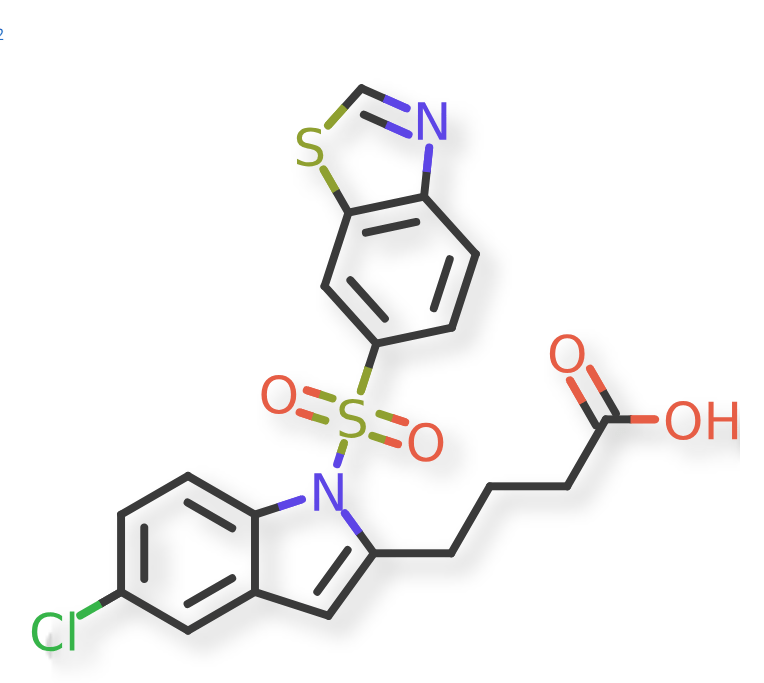
BIOTECH (89) Cymabay Therapeutics: Seladelpar, an oral, selective peroxisome proliferator-activated receptor delta (PPARδ) agonist

안녕하세요 보스턴 임박사입니다.

MASH (NASH)는 간질환 중에서 가장 환자들도 많고 시장도 그만큼 큽니다. 저도 오랜기간 MASH 치료제 개발에 관심을 가지고 있고 Madrigal의 Resmetirom에 대해 얘기를 한 적이 있습니다.

  • MASH: Metabolic dysfunction-Associated SteatoHepatitis
  • NASH: Non-Alcoholic SteatoHepatitis

BIOTECH (10) – Madrigal Pharmaceuticals의 NASH 치료제 MGL-3196 (Resmetirom) 임상 3상 결과

CymaBay Therapeutics는 1992년에 Metabolex라는 회사명으로 설립해서 PPAR-γ modulator 인 Arhalofenate (MBX-102)를 자체개발해서 Johnson & Johnson과 제휴로 임상시험을 하고 있었고 Janssen Pharmaceutica NV (Johnson & Johnson company)로 부터 PPAR-δ Agonist인 Seladelpar (MBX-8025, RWJ-800025) in-licensed the patents and the exclusive development and commercialization rights해서 2007년에 Dyslipidemia 치료제로 임상2상을 시작했습니다.

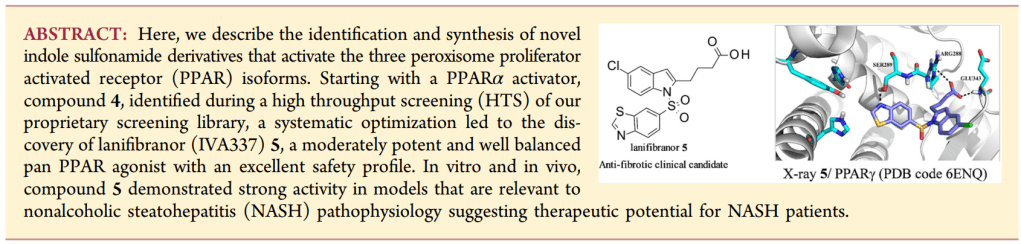
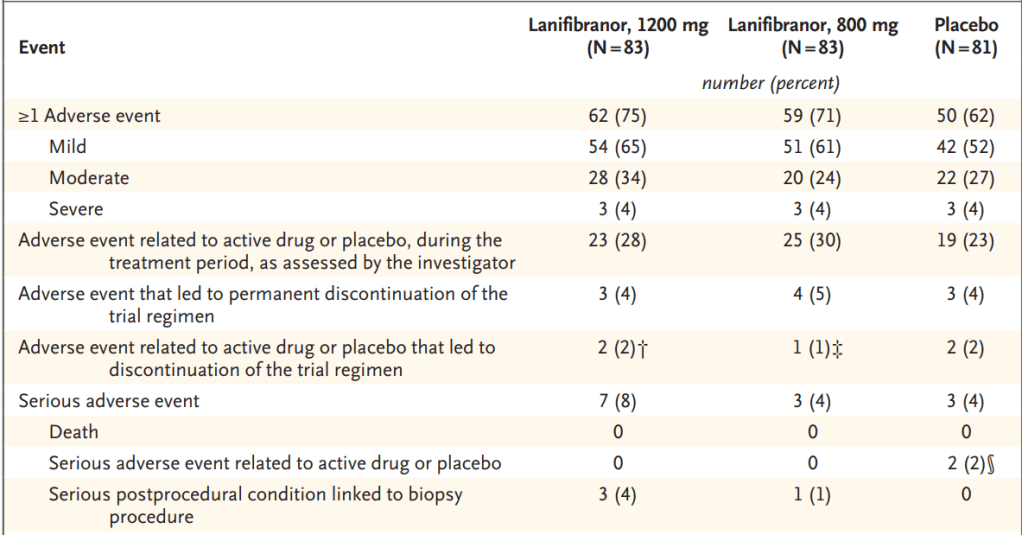
PPAR-targeted drugs의 최근 MASH와 연관된 NAFLD 임상시험 상황은 아래 리뷰로 볼 수 있습니다.

Metabolex Privately Raises $27M For MBX-102 Phase II Program – BioWorld 8/28/2003

Alta Bets on Resurrected Metabolex – Buyouts 12/6/2004

Metabolex, Inc. Enters Into A Comprehensive Development And Commercialization Agreement With Ortho-McNeil Pharmaceutical, Inc. For Drugs For Metabolic Diseases; Metabolex To Receive Up To $508 Million – Biospace 6/26/2006

Metabolex, Inc. announced today that it has entered into a comprehensive global strategic agreement with Ortho-McNeil, Inc., a Johnson & Johnson (NYSE: JNJ – News) company, and will collaborate on the development and commercialization of multiple programs addressing metabolic diseases, including type 2 diabetes, obesity and dyslipidemia. The agreement includes Metabolex’s two clinical compounds, metaglidasen and MBX-2044, and additional follow-on compounds for which Ortho-McNeil has received an exclusive license for worldwide development and commercialization.

In addition, as part of the transaction, Metabolex gains exclusive license to a PPAR-delta agonist program, including RWJ-800025, which has completed Phase 1b clinical testing, and a cannabinoid receptor-1 inverse agonist clinical program, which targets obesity. This agreement also includes a target collaboration in which Ortho-McNeil and Metabolex will work together to screen metabolic disease targets identified by Metabolex.

Metabolex Begins Phase 2 Trial of MBX-8025 for Treatment of Dyslipidemia – Pipeline Review 9/26/2007

Metabolex는 2013년에 CymaBay Therapeutics로 사명을 변경하면서 증자와 함께 구조조정을 단행했습니다. PPAR-γ modulator 인 Arhalofenate (MBX-102)가 3개의 임상 파이프라인 중 대표적인 약물이었는데 Gout 치료제로서 당시 Phase 2에 있었습니다.

Metabolex Undergoes Capital Restructure and Renames as CymaBay Therapeutics – CymaBay Therapeutics Press Release 12/10/2013

CymaBay는 지난주에 Seladelpar의 NDA가 FDA에 의해 접수되고 Priority Review Date가 2024년 8월 14일로 결정되었다고 발표를 했고 이날 Gilead는 CymaBay Therapeutics를 $4.3 Billion에 인수한다고 발표했습니다.

CymaBay Announces FDA Acceptance of NDA and Priority Review for Seladelpar for the Treatment of Primary Biliary Cholangitis – PR Newswire 2/12/2024

The FDA has granted priority review and set a Prescription Drug User Fee Act (PDUFA) target action date of August 14, 2024 and notified the company that it is not currently planning to hold an advisory committee meeting to discuss the application.

Gilead to Acquire CymaBay for $4.3B, Adding to Liver Portfolio – GEN Edge 2/12/2024

In September, CymaBay announced that seladapar generated positive data in the pivotal Phase III RESPONSE trial (NCT04620733), by achieving statistical significance over placebo across primary composite endpoints of:

  • Biochemical response (61.7% for patients on seladelpar vs. 20.0% for placebo).
  • Normalization of alkaline phosphatase (ALP) at 12 months (25.0% for patients on seladelpar vs. 0.0% for placebo).
  • Improvement in pruritus at six months among people living with moderate-to-severe itch, a result that was sustained through 12 months.

Seladelpar previously received the FDA’s Breakthrough Therapy Designation, the European Medicines Agency (EMA)’s PRIME status (EMA), and the orphan drug designations of both regulatory agencies.

Seladelpar is projected to generate sales of $1.9 billion by 2029, according to the London Stock Exchange Group (LSEG), though Jefferies equity analyst Michael J. Yee has estimated the drug “could bring in $500M to $1B+ in peak sales.

Seladelpar의 임상시험은 2019년 11월에 FDA Clinical Hold를 맞으면서 큰 위기를 겪었습니다. 한달 후 60% 임직원을 구조조정했고 8개월간의 천신만고 끝에 Clinical Hold는 해소됩니다.

CymaBay Therapeutics Halts Clinical Development of Seladelpar – CymaBay Therapeutics Press Release 11/25/2019

CymaBay to cut 60% of workforce; shares down 8% after hours – Seeking Alpha 12/19/2019

CymaBay resurrects seladelpar 8 months after NASH flop – Fierce Biotech 7/23/2020

The development halt came after biopsies of some 30% of patients in a Phase IIb NASH/MASH trial showed atypical histological findings in the form of an interface hepatitis presentation, with or without biliary injury. That led to an FDA clinical halt, followed by CymaBay eliminating some 60% of its workforce in December 2019 and launching a strategic review of its options.

Management was forced to make difficult operational decisions following the emergence of atypical histological findings from the Phase II nonalcoholic steatohepatitis study. We commend management’s resilience and persistence that ultimately led to seladelpar demonstrating the best-in-class clinical profile in PBC, and we expect the drug to benefit thousands of patients living with PBC as soon as later this year,” Hsieh wrote in a research note.

Seladelpar (MBX-8025)의 Patent United States Patent 9,381,181에 의해 특허유효기간은 적어도 2035년까지 유지됩니다.

2024년 1월에 발표한 CymaBay Therapeutics의 Presentation는 아래와 같습니다. Seladelpar가 FDA에서 승인되어 MASH 환자들에게 큰 도움이 되길 바랍니다.

BIOTECH (88) – Recode Therapeutics: SORT LNP Delivery Platform Beyond Liver

안녕하세요 보스턴 임박사입니다.

Lipid Nanoparticle (LNP)는 Alnylam Pharmaceuticals, Pfizer/BioNTech, Moderna에 의해 이미 상용화된 검증된 Delivery system인데요 현재까지는 Liver Delivery에만 되는 것으로 알려져 있습니다.

UT Southwestern Medical Center의 Daniel Siegwart 교수 연구팀은 2020년 Selective Organ Targeting (SORT) LNP를 Nature Nanotechnology에 발표했습니다.

그리고 이후에 Lung SORT를 이용한 Cystic Fibrosis Transmembrane Conductance Regulator (CFTR)에 대한 치료제 가능성을 발표했습니다.

이 연구결과를 바탕으로 ReCode Therapeutics가 설립되어 $80 Million Series A를 받았습니다. Orbimed Advisors가 Series A를 주도했습니다.

ReCode Therapeutics Raises $80 Million in Oversubscribed Series A Financing – Business Wire 3/26/2020

 ReCode will use the proceeds to continue the preclinical development of its lead programs in primary ciliary dyskinesia (“PCD”) and cystic fibrosis (“CF”). The Company expects to file an Investigational New Drug Application (“IND”) for both programs in 2021. In addition, the Company will advance its proprietary non-viral lipid nanoparticle (“LNP”) delivery platform for organ-specific delivery of RNA therapies and gene editing components.

그리고 3년여의 노력 끝에 Primary Ciliary Dyskinesia (PCD) 치료제인 RCT1100의 임상시험을 시작했습니다.

ReCode Therapeutics Announces First Participants Dosed in a Phase 1 Healthy Volunteer Clinical Trial of Novel Disease-Modifying Genetic Medicine, RCT1100 for the Treatment of Primary Ciliary Dyskinesia – Biospace 3/15/2023

ReCode Therapeutics, a private, clinical-stage genetic medicines company using superior delivery to power the next wave of mRNA and gene correction therapeutics, announced today that the first healthy volunteer participants have been dosed in a Phase 1 clinical trial of RCT1100, a first-in-class, mRNA-based genetic medicine for the treatment of people with primary ciliary dyskinesia (PCD) caused by pathogenic mutations in the DNAI1 gene.

There are currently no approved treatments for PCD, a rare genetic disease caused by inherited mutations leading to loss of ciliary activity (and therefore the loss of normal mucus clearance) in the airways. Patients with PCD have a high burden of morbidity with chronic respiratory infections and bronchiectasis, and often develop respiratory failure. RCT1100 is designed to be a disease-modifying mRNA-based therapeutic for PCD caused by pathogenic mutations in DNAI1, a gene that encodes a protein essential for ciliary movement. Formulated using ReCode’s proprietary SORT LNP delivery platform, RCT1100 is nebulized and delivered as an aerosol directly into the airway using an optimized eFlow®Nebulizer System (PARI). The intent is for the mRNA delivery to lead to DNAI1 protein production in target cells and thereby rescue ciliary function. Preclinical results supporting the mechanism of action of RCT1100 in vitro and in vivo were presented at the American Thoracic Society (ATS) 2022 International Conference.

Preclinical results는 아래에 발표한 Poster가 있습니다.

임상시험에 진입함과 함께 $260 Million 규모의 Series B를 할 수 있었습니다.

ReCode Raises $260M in Series B Financing to Advance Lead Programs – Biospace 9/20/2023

The California company will use its Series B raise to further advance its clinical development programs for primary ciliary dyskinesia (PCD) and cystic fibrosis (CF). The money will also help ReCode boost its Selective Organ Targeting (SORT) lipid nanoparticle (LNP) pipeline with mRA and gene correction therapies for musculoskeletal, central nervous system, lung and liver indications.

ReCode’s SORT LNP platform allows for the targeted delivery of the encapsulated mRNA modalities and other corrective gene therapies, according to the company’s website. Unlike first-generation LNPs, which are taken in by the liver following administration, SORT LNP’s are specifically engineered with a biochemically unique fifth lipid that directs the nanoparticles to their specific target organs.

Currently, ReCode is harnessing its technology to target lung diseases such as PCD and CF. Its most mature candidate is an inhalable mRNA therapeutic that targets the DNAI1 gene, which in PCD is mutated and produces a faulty protein, leading to impaired ciliary movement.

In March 2023, the company announced that it had dosed its first batch of healthy volunteers in the Phase I study of the candidate. ReCode expects to file an Investigational New Drug application during the second half of this year.

Intellia, ReCode partner on genetic medicines for cystic fibrosis – Biopharmadive 2/15/2024

Intellia Therapeutics will work with a private biotechnology company to develop genetic medicines for cystic fibrosis, with an initial focus on people who have limited or no available treatment options.

Intellia noted how its platform includes “DNA writing” technology, a tool that has attracted considerable interest and investment in recent years. Tessera Therapeutics, for example, was created by Flagship Pioneering — the same biotech incubator that founded Moderna — and is built around “gene writing” technology that it claims can alter DNA in various ways, from changing single units of genetic material to adding in entire genes. Those qualities may make gene writing especially useful in diseases like cystic fibrosis where the genetic causes are well understood. 

현재 Pipeline은 아래와 같이 Lung Delivery와 CNS Delivery Program이 있습니다.

CFTR mRNA치료제의 임상시험이 곧 시작될 것 같습니다. 기대가 됩니다.

BIOTECH (87) – Gilead’s Magrolimab (Hu5F9-G4) CD47-SIRPα blocker with Azacitidine for AML Phase 3 ENHANCE Study Terminated & Solid Tumor Partial Clinical Hold

안녕하세요 보스턴 임박사입니다.

Gilead Sciences는 HIV, HBV, HCV와 같은 Virology 분야의 세계최강자이고 Oncology 분야에서도 Yeskarta, Tecatus, Trodelvy, Zydelic 같은 항암제를 비롯한 다양한 Oncology Pipeline을 가지고 있습니다.

이 중에서 CD47-SIRPα Blocker인 Magrolimab (Hu5F9-G4)에 대해 얘기해 보려고 합니다.

Forty Seven Inc. 는 2015년에 Stanford University의 Irving Weissman교수의 CD47의 Immune evasion role에 대한 연구를 바탕으로 설립된 Biotech입니다.

How Irv Weissman learned to figure things out – Stanford Medicine News Center 1/22/2016

Forty Seven Inc. Completes $75M Series A Financing and Licenses Technology from Stanford University to Advance Next Generation Immuno-Oncology Programs – PR Newswire 2/24/2016

Company founder Irv Weissman said, “Targeting CD47 integrates the adaptive and innate immune systems, creating synergy with existing cancer-specific antibodies like rituximab, cetuximab and trastuzumab through ADCP, and potentially with T-cell checkpoint inhibitors through cross-presentation. We are grateful to the California Institute for Regenerative Medicine (CIRM) for funding the preclinical studies and the current solid tumor clinical trial at Stanford, and to Ludwig Cancer Research for funding much of the research.”

“The founders, Irv Weissman, Ravi Majeti, Mark Chao and Jens Volkmer, have studied the CD47 pathway extensively since they initially identified it as a cancer target in two papers published in 2009,” commented Chris Schaepe, Partner at Lightspeed Venture Partners. “The company’s scientific founders have done an outstanding job of advancing Hu5F9-G4 into two Phase 1 clinical trials in patients with relapsed or refractory solid tumors or acute myeloid leukemia (AML).”

Forty Seven raises another $75M to expand I-O trial slate – Fierce Biotech 10/18/2017

Forty Seven has the means to expand beyond its current slate of five phase 1b and phase 1b/2 clinical trials. The new trials will pair lead candidate Hu5F9-G4 to T-cell checkpoint inhibitors.

The combination could unleash a powerful two-front immune system attack on tumors. Hu5F9-G4 is designed to do for macrophages—white blood cells that gobble up other cells—what Merck’s Keytruda and Bristol-Myers Squibb’s Opdivo do for T cells. On paper, the combination will take the breaks off the anti-tumor activities of both T cells and macrophages.

Forty Seven, Inc. $112.6 Million Initial Public Offering – Davis Polk 7/2/2018

Gilead strikes $4.9B Forty Seven acquisition, paying a hefty premium for cancer drug – Fierce Biotech 3/2/2020

Stanford doctor will get $191 million in cancer-fighting biotech deal – Los Angeles Times 3/6/2020

Gilead Sciences는 2020년 3월에 Forty Seven을 2배 premium인 $4.9 Billion으로 인수합니다.

Gilead announced Monday it will acquire Forty Seven for $95.50 a share, almost double its closing price the preceding Thursday, before Bloomberg News reported on the potential for a deal. Co-founder Majeti’s stake is worth about $120 million. Forty Seven is the fourth company started by Weissman, who also served on the founding scientific advisory board of Amgen Inc.

In December, Forty Seven went some way toward validating its approach by revealing 50% or more of the myelodysplastic syndrome (MDS) and acute myeloid leukemia (AML) patients who took magrolimab and Celgene’s Vidaza had a complete response.  The data triggered a surge in Forty Seven’s stock, which went from below $15 to above $40 in two weeks. Now, the stock has climbed higher again—far higher. Gilead’s accepted bid values Forty Seven at $95 a share. For most of its time on public markets, Forty Seven has traded below $20, dipping as low as $6 back in October. Until Bloomberg broke news of Gilead’s interest in Forty Seven last week, the stock had never breached $50. The hefty premium will bag Gilead a drug that is being tested in a handful of indications. In addition to the aforementioned phase 2 trials in MDS and AML, Forty Seven is testing magrolimab in patients with non-Hodgkin lymphoma, diffuse large B-cell lymphoma and three solid tumor types, namely colorectal, ovarian and bladder.

Gilead Science-Forty Seven Deal은 Daniel O’Day가 CEO가 된 후 (2019년 3월) 가장 처음 한 M&A 였습니다.

인수한지 반년만에 Magrolimab은 FDA Breakthrough Therapy Designation을 받았습니다.

Gilead’s Magrolimab, an Investigational Anti-CD47 Monoclonal Antibody, Receives FDA Breakthrough Therapy Designation for Treatment of Myelodysplastic Syndrome – Gilead Sciences Press Release 9/15/2020

“The Breakthrough Therapy designation recognizes the potential for magrolimab to help address a significant unmet medical need for people with MDS and underscores the transformative potential of Gilead’s immuno-oncology therapies in development,” said Merdad Parsey, MD, PhD, Chief Medical Officer, Gilead Sciences. Magrolimab is currently being studied in the double-blind, placebo-controlled, randomized Phase 3 ENHANCE trial in previously untreated higher risk MDS. The trial will evaluate the safety and efficacy of magrolimab, in combination with azacitidine, as measured by CR and duration of CR.

하지만 2년이 채 지나지 않아서 환자가 사망하면서 MDS와 AML은 Partial Clinical Hold를 받게 되었습니다.

FDA Lifts Partial Clinical Hold on MDS and AML Magrolimab Studies – Gilead Sciences Press Release 4/11/2022

그리고 1년이 조금 지난 후 결국 MDS는 임상이 중단되었습니다.

Gilead’s $4.9B CD47 bet faces latest setback as company cans MDS ambitions for magrolimab – Fierce Biotech 7/21/2023

그리고 1달이 지나서 FDA가 AML 임상3상에 대해서 다시 Partial Clinical Hold를 걸었습니다.

Gilead Announces Partial Clinical Hold for Magrolimab Studies in AML – Gilead Sciences Press Release 8/21/2023

Abbvie/I-Mab의 anti-CD47 antibody와 Celgene의 anti-CD47 antibody는 임상 1상에서 중단된 바가 있습니다. Gilead의 Magrolimab은 anti-CD47 antibody 중 가장 최종단계 임상까지 간 케이스였습니다.

Gilead Axes Phase III Magrolimab Trial Based on Disappointing Data – Biospace 9/27/2023

While the anti-CD47 antibody was seen as a potential treatment for blood cancers, so far it has not proven very effective in the clinic. After inking a $2 billion deal in 2020, Chinese biotech I-Mab and partner AbbVie decided to call it quits on a Phase Ib trial of the former’s lemzoparlimab. The antibody was being tested in MDS and AML in combination with azacitidine and venetoclax.  

This week, AbbVie made the decision to cut its losses and terminate its licensing and collaboration agreement with I-Mab for lemzoparlimab. I-Mab’s SEC filing called it a “strategic decision.” AbbVie is out the $200 million upfront it already paid out to I-Mab. Celgene, once considered a front runner for the anti-CD47 monoclonal antibody market, terminated its Phase I trial of CC-90002 in 2018 after preliminary data for AML and MDS did “not offer a sufficiently encouraging profile for further dose escalation/expansion.” 

그리고 반년만에 Gilead Sciences는 모든 혈액암의 임상을 중단했습니다.

Gilead ends blood cancer path for troubled CD47 med after increased risk of death detected – Fierce Biotech 2/7/2024

Independent data monitoring committee (IDMC)에서 AML Phase 3 ENHANCE-3 trials를 중단하도록 요청했고요 이로써 모든 혈액암 임상3상은 중단시켰지만 당시 고형암 임상은 2상으로 내려서 계속 진행할 생각이라고 밝혔습니다.

Gilead announced that the phase 3 ENHANCE-3 study is being discontinued in acute myeloid leukemia based on the recommendation of the independent data monitoring committee that had been reviewing top-line data from a planned interim analysis, according to a Wednesday release. The analysis showed an increased risk of death when adding magrolimab to the chemotherapy azacitidine and Genentech/AbbVie’s Venclexta, as well as futility. The deaths were caused by infections and respiratory failure, Gilead said. The FDA has now placed a full clinical hold on the anti-CD47 antibody in myelodysplastic syndromes (MDS) and AML, plus related expanded access programs.

Gilead will end all development of the therapy in blood cancer, setting the asset firmly back to phase 2 with tests in breast, lung and gastrointestinal cancers, and other solid tumors. The company is reviewing safety data across all the ongoing solid tumor trials and plans to provide an update soon.

그리고 1주일이 지난 이번주에 고형암 임상2상도 Partial Clinical Hold 상태가 된 것을 발표했습니다.

Gilead pauses CD47 solid tumor trials as FDA seeks partial hold, adding to woes after blood cancer exit – Fierce Biotech 2/16/2024

고형암의 임상시험도 최종적으로 중단이 될지 아니면 지속할 수 있을지 좀더 지켜봐야 할 것 같습니다.

내가 쓰는 나의 삶 (32) – 한국 국회미래연구원 ‘정년제도의 정책과정: 한국과 일본의 비교 사례 분석’ 보고서

안녕하세요 보스턴 임박사입니다.

2025-2026년이 되면 한국도 65세 이상 국민이 전체인구의 20% 이상이 되는 초고령국가에 진입하게 됩니다. 초고령사회가 되면 정년 연장이라든가 계속 고용 같은 정책을 실행해서 인력확보를 해야 할텐데요 아직 그에 대한 논의가 별로 없는 것이 문제가 아닌가 싶습니다. 정년 연장에 대한 국회미래연구원 보고서와 통계청의 보고서가 있어서 이를 인용한 기사와 내용을 바탕으로 얘기를 해보려고 합니다.

일본식 정년 연장, 계속고용 정책에 숨겨진 3가지 핵심 – 브라보 마이 라이프 1/17/2024

“공무원을 제외하고, 정년을 채운 분이 주변에 있나요?”

정혜윤 국회미래연구원 부연구위원(이하 연구원)에게 ‘우리나라도 60세 정년제가 있지 않나’ 묻자 돌아온 답이다. ‘60세 이상 정년 의무화 제도’(60세 정년제)는 2013년 국회를 통과했고 2016년부터 시행됐다. 하지만 정 연구원은 60세 정년제가 도입되기 전에도, 도입된 후에도 실제 은퇴 연령은 49.3세로 바뀌지 않았다고 꼬집었다.

일본 정부는 이 과정에서 고령자가 임금 조정으로 생활에 큰 타격을 입지 않도록 두 가지 제도를 도입했다. 고령자 고용계속급부 제도는 60세 이후 75% 이하로 임금이 줄어든 노동자에게 임금을 보조해준다. 재직노령연금은 후생연금과 임금을 동시에 받는 고령자에 한해 연금액 전부 혹은 일부를 지급 정지할 수 있는 제도(2025년까지 실시)다.

정년 연장 이후, 퇴직 53세→49.3세로 오히려 빨라져 – 조선일보 2/20/2023

정부는 최근 60세 정년 퇴직을 앞둔 근로자가 정년 이후에도 같은 직장에서 일할 수 있게 하는 ‘계속 고용’ 제도를 추진하고 있다. 그런데 앞서 도입한 ‘60세 정년제’도 의도와 달리 오히려 퇴직을 앞당기고 임금이 삭감되는 등 부작용이 많았다는 분석이 나왔다. “너무 서둘러 추진했기 때문”이란 지적이다. ‘65세 고용’ 역시 충분한 논의 없이 도입하면 비슷한 부작용이 생길 수 있다는 얘기다. 반면, 일본은 60세 정년제와 65세 계속 고용제를 도입하는 과정에서 20~30년에 걸친 노사합의를 통해 단점을 보완, 지금은 99% 기업이 이를 성공적으로 운용하는 것으로 나타났다.

다른 OECD 국가들은 평균 64.5세에 완전 은퇴하는데, 한국 근로자들은 ‘평생 직장’이라 생각했던 곳에서는 50세가 되기 전 퇴직하고, 그 뒤 20년 넘게 생계를 위해 일을 해야 하는 것이다.

위 기사에서 참고한 두개의 중요한 보고서가 있어서 여기에 남깁니다.

“첫번째는 국회미래연구원 “정년제도의 정책과정: 한국과 일본의 비교사례 분석“입니다.

두번째는 통계청의 “경제활동인구조사 고령층 부가조사 결과” 입니다.

한국은 분명히 일본과 다른 나라이고 일본과 같이 오랜 기간의 논의과정을 통하지 않더라도 보다 빠르게 많은 정책들을 잘 정착해 왔다고 생각합니다. 과거에 비해 이제 860만명의 베이비부머가 은퇴연령에 들어가 있는데 속히 정책과 방향이 나와서 “계속 고용”과 “정년 연장”이 정착되었으면 하는 바램입니다.

고용이 줄어들게 되면 결국 국민연금 부담만 급격히 늘어나게 되는 문제가 되기 때문에라도 이런 문제를 슬기롭게 해결하는 노력이 필요할 것입니다.

“100세 시대, 건강한데 일해야죠”…‘한국식 계속고용’ 찾는다 [계속고용이 답이다] – 한국경제신문 1/26/2024