BIOTECH (139) Nxera Pharma (former Sosei Heptares): mini-G proteins (GPCR) & StaR (Stabilized Receptor) Platform

안녕하세요 보스턴 임박사입니다. Heptares Therapeutics는 Membrane-bound GPCRs 표적 신약개발을 위해 2007년에 설립되었습니다. StaR (Stabilized Receptor) platform을 바탕으로 2년후에 $30 Million Series A를 했습니다. Heptares는 영국 MRC의 Christopher Tate교수와 Richard Henderson 박사가 개발한 mini-G proteins라 불리는 small GPCR moeities를 이용한 StaR (Stabilized Receptor)를 통해 새로운 GPCR agonists를 얻는 플랫폼입니다. GPCR은 Kinase와 더불어 가장 큰 단백질 군이면서도 오랜동안 선택적으로 접근하기 어려운 표적으로 알려졌습니다. Heptares Therpaeutics의 시작과 함께 일본 제약회사인 Sosei가 어떻게 이 기술을 발전시키고 최근 그 자신감으로 Nxera Pharma로 사명을 변경하고 새로운 세대를 선도하게 될지에 대해 얘기해 보고자 합니다.

(참고: Structure and function of G protein-coupled receptors. MRC Laboratory of Molecular Biology)

Heptares raises $30M in Series A – Fierce Biotech 2/24.2009

Two-year-old Heptares Therapeutics raised $30.6 million in a Series A that will fund new research on drugs targeting G-protein-coupled receptors. Clarus Ventures led the syndicate for the UK biotech. MVM Life Science Partners and the Novartis Option Fund also joined in, with all three investors contributing equally.

Heptares is a platform company, looking to create a pipeline of experimental therapies using its own technology. The developer says it will advance its own drugs targeted against currently intractable GPCRs and expects to ink R&D pacts with other biopharma companies as well.

GPCRs are the site of action of 25 percent to 30 percent of current drugs, says Heptares. “However, these membrane proteins are notoriously difficult to isolate from cells in an intact and active form and this has severely restricted efforts to study GPCRs using modern drug discovery techniques. Heptares’ StaR (Stabilised Receptor) technology platform enables the company to overcome this technology hurdle by engineering and purifying GPCRs in stable and functional conformations that retain their drug-binding characteristics.”

CEO Malcolm Weir, a veteran scientist who spent 17 years at Glaxo, tells FierceBiotech that the venture money will finance operations for the next three to four years. The developer currently has a staff of 15 and plans to outsource much of its work.

“Over the next year or so we’ll roughly double in size,” he adds. “Our approach is to have a core technology team and also core pharmacology and medicinal chemistry teams as well and use them to supervise a lot of our outsourced work.”

Series A를 하고 4년 후에 $21 Million Series B를 발표했는데, 첫번째 Drug candidate는 M1 muscarinic receptor agonist로 2013년말에 임상에 진입한다는 목표였습니다. 또한 Adenosine A2A, CGRP, Orexin 1, dual Orexin 1/2, mGlu5, 그리고 oral small molecule targeting GLP1/ GPR39 등 총 6개의 프로그램을 발표했습니다.

Heptares Raises US$21 Million to Advance Novel GPCR Medicines into Clinical Development – Fierce Biotech 6/27/2013

Heptares Therapeutics, the leading GPCR drug discovery and development company, today announced it has raised over US$21 million in a Series B financing to advance a clinical pipeline of novel drugs directed towards clinically validated targets for the treatment of neurological and psychiatric diseases. The financing round was co-led by the Stanley Family Foundation (SFF), one of the world’s leading neuroscience disease foundations, and current investor Clarus Ventures with Takeda Ventures also participating.

Heptares is preparing to initiate clinical development for its most advanced programme with a first-in-class selective M1 muscarinic receptor agonist later this year. Muscarinic agonism is clinically validated in the treatment of both Alzheimer’s dementia and cognitive impairment associated with schizophrenia, yet previous compounds lack the necessary selectivity and result in unwanted side effects. There is major unmet medical need in Alzheimer’s disease, where current agents typically offer only modest and transient effects, and currently no drug is approved for cognitive impairment associated with schizophrenia. Heptares has discovered multiple novel selective muscarinic agonists with a variety of pharmacological profiles, uniquely engineered using its StaR®-driven structure-based design approach, which represent first-in-class product candidates with significant commercial potential.

Heptares has also generated a broad pipeline of drug candidates, which are advancing towards the clinic for serious neurological diseases that target other historically undruggable or challenging GPCRs, including Adenosine A2A (multiple neuroscience indications), CGRP (severe migraine/headache disorders), Orexin 1 (addiction/compulsive disorders), dual Orexin 1/2 (chronic insomnia), and mGlu5 (autism, depression and dyskinesia). In addition, Heptares is pursuing novel oral small molecule projects that target GLP1 and GPR39 for the treatment of type 2 diabetes, as well as working with leading pharmaceutical partners on small molecule and antibody discovery and development programmes in multiple therapeutic areas.

Malcolm Weir, Chief Executive Officer at Heptares, commented: “Heptares is entering an exciting new phase of development as the lead compounds in our pipeline approach the clinic. All of these potential new medicines have been developed using our unique GPCR-focused structure-based drug design approach and technologies. Coupled with existing and future revenues from our strategic partnerships, funds from this new financing will enable us to accelerate our evolution into a clinical-stage drug development company.”

John Berriman, Chairman of Heptares’ Board of Directors, added: “We are delighted to conclude this significant financing. We are particularly pleased to welcome the Stanley Family Foundation as a new investor. SFF is a leading neuroscience disease foundation and brings extensive experience and networks that will be of great value as we advance the development of our pipeline in these areas. The involvement of SFF alongside existing investors Clarus and Takeda Ventures is clear recognition of the exceptional potential of Heptares to deliver new medicines to transform the treatment of neurological diseases.”

About Heptares Therapeutics

Heptares creates new medicines targeting clinically important, yet historically challenging, GPCRs (G protein-coupled receptors), a superfamily of drug receptors linked to a wide range of human diseases. Leveraging our advanced structure-based drug design technology platform, we have built an exciting discovery and development pipeline of novel drug candidates, which have the potential to transform the treatment of serious diseases, including Alzheimer’s disease, Parkinson’s disease, schizophrenia, migraine and diabetes. Our pharmaceutical partners include Shire, AstraZeneca, MedImmune, Morphosys, Takeda and Cubist, and we are backed by MVM Life Science Partners, Clarus Ventures, Novartis Venture Fund, Stanley Family Foundation and Takeda Ventures. To learn more about Heptares, please visit http://www.heptares.com

Series B를 마친 후 2년만에 일본 Sosei에 $180 Million upfront, $220 Million milestone 으로 자회사로 편입되게 됩니다. 당시 M1 muscarinic agonist가 임상에 진입한 상태였는데 동물실험 결과 Alzheimer의 원인으로 알려진 beta-amyloid에 작용한다는 결과가 있었습니다. 뿐만 아니라 AstraZeneca와 공동연구결과를 발표했는데 통증과 감염에 중요한 GPCR인 PAP2 inhibitor를 발표했습니다.

$400M buyout deal puts Heptares’ GPCR pipeline in Sosei’s hands – Fierce Biotech 2/22/2015

An expansive-minded Sosei has swooped in to buy Heptares Therapeutics, a U.K.-based biotech that’s been at work building a pipeline of G protein-coupled receptor-targeted drugs with a slate of some of the world’s biggest pharma partners. Sosei is paying $180 million in cash and offering up to $220 million in milestones. And rather than absorbing the tech, the Heptares group will now continue its efforts as a wholly owned subsidiary of the Japanese company.

Heptares picked up a Fierce 15 award back in 2007 as it was settling in to work on preclinical GPCR programs. Since then the biotech has inked pacts with AstraZeneca ($AZN) and MedImmune; Cubist, which was acquired by Merck ($MRK); Takeda Pharmaceutical; MorphoSys and Novartis ($NVS). Those partnerships provided some key financing for the company, which raised a $21 million B round back in 2013.

The company got started with technology from Richard Henderson and Christopher Tate at the MRC Laboratory of Molecular Biology, building a structure-based drug design platform dubbed StaR. Just weeks ago the company touted a big advance in their collaboration with AstraZeneca, noting that researchers had used their knowledge of GPCRs to find molecules that could block PAR2, a GPCR which is activated by cleavage with a protease enzyme. It’s a target for pain and inflammation.

GPCRs represent a big target in drug development, accounting for dozens of top-selling drugs. Heptares has been using its tech to come up with improved and stabilized drugs for some of these targets.

Heptares has one clinical-stage asset in its pipeline, a muscarinic M1 receptor agonist. That’s been the subject of considerable preclinical work in the field, with some suggestions in animal studies that it has an impact on amyloid beta and other key culprits in the disease, positively influencing cognition and behavior.

“While core to our future, an independent subsidiary structure will ensure Heptares is able to maintain the culture and business model that has been the foundation of its success so far,” says Sosei CEO Shinichi Tamura. Heptares CEO Malcolm Weir will stay in charge of the unit.

MVM Life Science Partners got the company started and then continued to offer financing with a syndicate that includes Clarus Ventures, Novartis Venture Fund, Takeda Ventures and the Stanley Family Foundation.

Heptares Therapeutics의 플랫폼은 광범위해서 Sosei는 2개의 자회사 – Orexia & Inexia – 를 설립하고 Medicxi가 총 €40 Million 펀딩을 하게 됩니다. Orexin agonist platform의 OX1과 OX2 Agonists에 대해 Orexia는 Oral drug을 개발하고 Inexia는 Intranasal drug을 개발하는 것이 목표입니다.

Medicxi put €40m into two Sosei spin off companies – European Biotechnology 2/5/2019
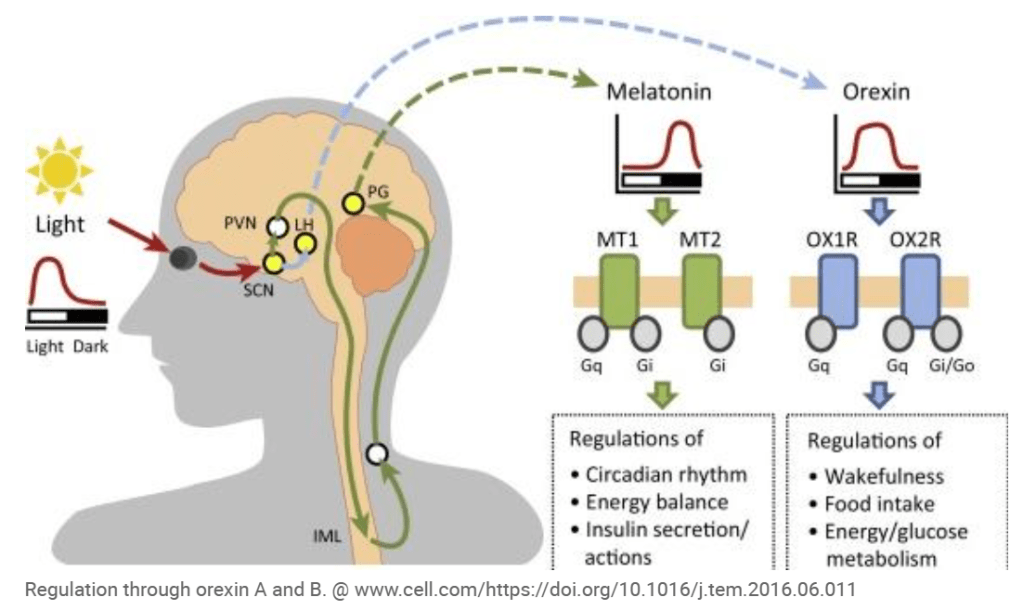
Sosei Group Corporation has spun out two programmes of its neurology pipeline into two newly created companies funded by venture fund Medicxi.

The newly created companies Orexia Ltd and Inexia Ltd aim to develop orally or intranasally administered drug candidates to treat the rare sleep disorder narcolepsy using Sosei Heptares’ orexin agonist platform, which targets the G protein-coupled receptors Orexin OX1 and OX2 (HCTR1 and HCTR2) in the hypthalamus. Medicxi agreed to invest up to €40m in both companies. Mario Alberto Accardi, who helped structure the deal on behalf of Medicxi, will become CEO of both companies.

Under the terms of the agreement, Orexia and Inexia will gain a portfolio of related patents from Heptares Therapeutics Ltd and have the right to exploit a series of Orexin OX1 and OX2 positive modulators and products derived therefrom, including dual OX1/OX2 agonists of Heptares, as well as access to proprietary know-how and development capabilities. While Orexia will focus on the development of oral therapies able to cross the blood-brain barrier (BBB), Inexia will focus on the development of candidates for intranasal delivery using the Optinose Exhalation Delivery System (EDS). Heptares Therapeutics will retain an equity holding in both companies and will receive R&D payments as well as milestone payments.

Orexia and Inexia will use the proceeds from Medicxi for lead optimisation, formulation and clinical development towards Phase IIb POC. According to SoseiHeptares narcolepsy is the primary target indication. Narcolepsy is a socially debilitating disorder characterised by an inability to properly maintain wakefulness, and a pathological intrusion of signs of REM sleep into wakefulness. Narcolepsy  is a non-progressive, life-long condition. A vast majority (>90%) of human narcoleptics lacks detectable levels of the orexin peptides in the cerebrospinal fluid due to a highly specific degeneration of orexin neurons, indicating that human narcolepsy is an “orexin deficiency syndrome.” Most patients with narcolepsy have diminished levels of orexin A concentrations in cerebral spinal fluid, which binds to both OX1 and OX2 in the hypothalamus.

Thus it is probable that the drug cancidates in question represent orexin A mimetics. OX agonists enhance wakefulness, reduce jet leg or anestesia recovery time. Furthermore OX2 agonist can help reduce fat accumulation.  According to estimates, narcolepsy affects about 236,000 patients in the US and the EU, is heavily underdiagnosed – durgs to treat the disorder are forcasted to achieve a market value  of €2.5bn by 2022.

Orexia and Inexia will run out-sourced drug development programmes, leveraging an experienced team of drug developers within Sosei Heptares and additional contributions from a group of leading experts in the orexin space. Both companies follow Medicxi’s asset-centric virtual model utilising minimal infrastructure and thus increasing capital efficiency. 

Currently, there are some interesting therapy options of narcolepsy that could replace amphetamine (“speed”)-based treatment: 

Pitolisant is an EU approved  (2016) histamine H3 receptor inverse agonist that activates histamine neurons, under development in the US to treat excessive daytime sleepiness and cataplexy in people with narcolepsy. 

Solriamfetol (JZP-110) is a wake-promoting agent, a dopamine and nonrepinephrine reuptake inhibitor to treat excessive daytime sleepiness in people with narcolepsy and obstructive sleep apnea. Jazz Pharmaceuticals filed for and NDA at the FDA last year.

Sodium oxybate is currently tested in Phase III clinical trails for the treatment of excessive daytime sleepiness (EDS) and cataplexy

Furthermore, two OX2 agonists, YNT-185 and TAK-925 have been shown to reduce daytime sleepiness in mice models for narcolepsy. 

2년 후 Medicxi가 $250 Million 펀딩으로 새로 설립한 Centessa Pharmaceuticals에 Orexin Ltd와 Inexin Ltd의 병합회사인 Orexin Therapeutics가 다시 합병되어 OX1 & OX2 Agonist 개발은 Centessa에게 옮겨지게 됩니다.

Sosei Heptares spin-off company Orexia Therapeutics merged into newly created Centessa Pharmaceuticals – Biospace 2/16/2021

Sosei Group Corporation (“the Company”) (TSE: 4565) notes the announcement today from Centessa Pharmaceuticals (“Centessa”) about its launch as a novel asset-centric pharmaceutical company designed and built to advance a portfolio of highly validated programs. In conjunction with its launch, Centessa has completed the merger of 10 private biotech companies (“Centessa Subsidiaries”) that will each continue to develop its assets with oversight from the Centessa management team.

Centessa was founded by specialist life science venture capital firm Medicxi and raised $250 million in an oversubscribed Series A financing from a group of blue-chip investors.

Centessa’s asset-centric R&D model applied at scale has assembled best-in-class or first-in-class assets, each of which is led by specialized teams committed to accelerate development and reshape the traditional drug development process. With its unique operational framework, Centessa aims to reduce some of the key R&D inefficiencies that classical pharmaceutical companies face because of structural constraints.

Each Centessa Subsidiary team is asset-focused, in that it prosecutes a single program or biological pathway, with leadership provided by subject matter experts who are given a high degree of autonomy to advance each program. With a singular focus on advancing exceptional science, combined with proprietary capabilities, including structure-based drug discovery and design, the subsidiary teams enable Centessa to potentially develop and deliver impactful medicines to patients.

Orexia Therapeutics (“Orexia”), a new entity comprising Orexia Limited and Inexia Limited, which were created in February 2019 by Sosei Heptares and Medicxi, has been merged into Centessa. Orexia is developing oral and intranasal orexin receptor agonists using structure-based drug design approaches. These agonists target the treatment of narcolepsy type 1, where they have the potential to directly address the underlying pathology of orexin neuron loss, as well as other neurological disorders characterized by excessive daytime sleepiness.

Sosei Heptares continues to provide research services to Orexia and its equity holding in Orexia has been converted into a proportional shareholding in Centessa. The full announcement from Centessa can be found at www.centessa.com

Miles Congreve, Chief Scientific Officer of Sosei Heptares, commented: “This is a very exciting development for Orexia and we are delighted that it has been selected to be part of Centessa. We look forward to seeing this novel scaled asset-centric operating model in action and believe it will overcome existing pharma R&D inefficiencies to drive the rapid development of new medicines for patients.”

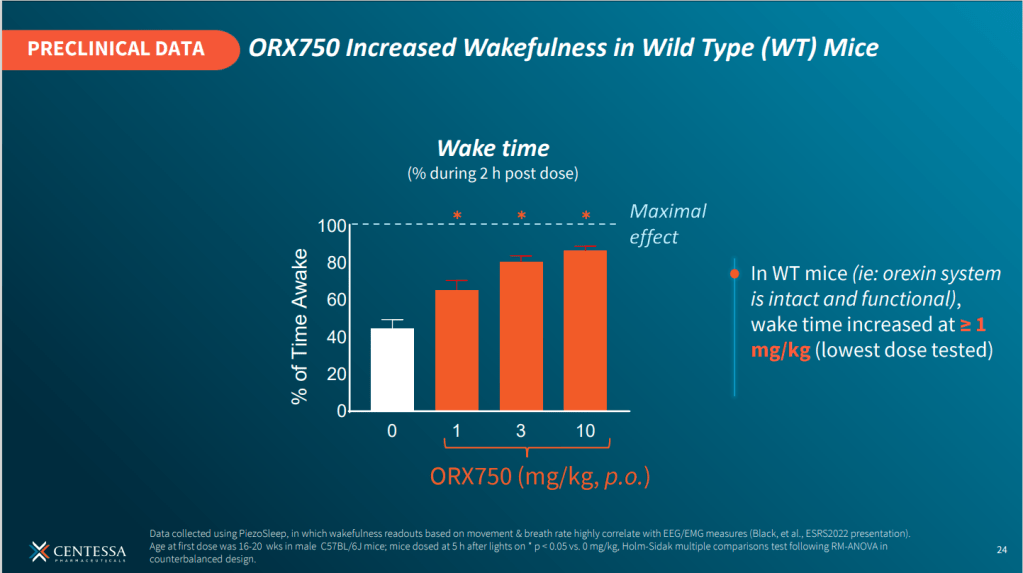
2024년 3월에 발표한 Centessa Pharmaceuticals의 Corporate Presentation에 의하면 OX2 Agonist인 ORX750이 2023년에 Drug candidate nomination되어 2024년에 임상에 진입하여 Human PoC data를 얻을 계획이라고 밝혔습니다. 전임상 결과를 몇가지 나누면 ORX750은 hOX1R과 비교해서 hOX2R에 0.11 nM 로서 거의 1만배의 선택성을 보인다고 합니다.

또한 Sosei는 2019년에 Roche/Genentch과 $26 Million upfront를 포함한 총 $1 Billion 규모의 GPCR 공동연구를 발표했습니다.

Sosei Heptares pens $1B biobucks GPCR pact with Genentech – Fierce Biotech 7/16/2019

After spinning out two companies at the start of the year, Sosei Heptares has now inked a new deal with Roche biologics unit Genentech. The headline $1 billion biobucks is, as ever, heavily backloaded, with the upfront a mere $26 million. Under the deal, the pair will seek to work on new meds that modulate G protein-coupled receptor (GPCR) targets “across a range of diseases.”

For its part, Sosei Heptares will wed its GPCR-focused structure-based drug design work to Genentech’s expertise as they look for GPCR targets of interest to the Big Biotech.

Genentech said in a statement that it will be responsible for developing and selling any new therapies coming out of the deal and “will have exclusive global rights to these agents.”

GPCRs are a broad class of membrane receptors the members of which bind to a variety of signaling molecules and are involved in a wide range of functions in the human body.

Researchers estimate that between one-third and one-half of all marketed drugs act by binding to GPCRs, according to Nature, and that has made them a big target for drug developers although many GPCRs are “orphan,” meaning their precise roles and ligands in the body are unknown.

This isn’t Roche’s first foray into the area, as back in 2017 it entered into a neurological and developmental disorder drug discovery pact with Confo Therapeutics, giving the Swiss major a potential source of small-molecule agonists of an undisclosed GPCR.

Sosei Heptares, too, has a long list of biopharma partners, including the likes of Allergan, AstraZeneca and Daiichi Sankyo. It did have a pact with Israeli generics giant Teva Pharmaceutical, but this was scrapped last spring.

This comes six months after the company spread out its GPCR workload: When Sosei bought out U.K. biotech Heptares for $400 million in 2015, it inherited a big pipeline of GPCR-targeted programs—too many to take forward on its own.

Back in January, it spun some of those out into two new U.K.-based biotechs that will be bankrolled in part by Anglo-Swiss venture fund Medicxi to the tune of €40 million (around $46 million).

The two new companies—dubbed Orexia and Inexia—have been created to advance various projects targeting the GPCR protein orexin that have grown out of Sosei Heptares’ R&D operations in Cambridge, and specifically agonists of orexin OX1 and OX2 for neurological diseases including narcolepsy.

Dr. Malcolm Weir, executive vice president and chief R&D officer of Sosei Heptares, said: “Sosei Heptares has strived to collaborate with leaders in the industry who appreciate the potential of combining their extensive drug development and commercialization expertise with our world-leading GPCR structure-based drug design approach to generate and advance new therapeutics across multiple disease areas.

“We are therefore delighted to enter this new partnership with Genentech, one of the most innovative companies in the biopharmaceutical industry, and excited to see what the combination of our respective capabilities can deliver.”

James Sabry, M.D., Ph.D., global head of pharma partnering at Roche, added: “We believe GPCRs are an important target class that play a role in many serious diseases. Sosei Heptares brings truly unique capabilities to enable and accelerate GPCR drug discovery. We look forward to collaborating with the Sosei Heptares team to hopefully bring novel GPCR-targeted medicines to patients as quickly as possible.”

Neurocrine pens $2.6B biobucks pact with Sosei Heptares for next-gen neuro targets. Fierce Biotech 11/21/2021

Neurocrine Biosciences and Sosei Heptares, no strangers to major research pacts, are joining forces for a range of early- to midstage neuro assets.

This area has proven to be a high-risk R&D target for the industry, but Neurocrine is willing to put down $100 million—and up to $2.6 billion—in a heavily backloaded biobucks deal to get its hands on Sosei Heptares’ muscarinic receptor agonists for schizophrenia, dementia and other neuropsychiatric disorders.

Neurocrine is already plotting a phase 2 with selective M4 agonist HTL-0016878 in schizophrenia next year, while also in the cards are phase 1 tests for a dual M1/M4 and a selective M1 agonist in the year after.

Under the pact, Sosei Heptares retains the rights to develop M1 agonists in Japan, while Neurocrine nabs co-development and profit share options. Muscarinic receptors are crucial to brain function and researched in drug targets in psychosis and cognitive disorders.

Sosei Heptares says in early, mainly preclinical work, this platform has shown the potential to deliver therapeutic effects while avoiding both the harmful side effects caused by nonselective agonists and the efficacy issues experienced in some older patients.

This came out of its G protein-coupled receptor (GPCR) stabilized receptor platform (StaR), technology also being used by the likes of Roche’s Genentech, which signed up with the biotech in a $1 billion biobucks pacts two years ago.

Neurocrine, too, has form when it comes to relatively small upfronts but heavily backloaded biobucks pacts, having penned a deal with gene therapy player Voyager Therapeutics in 2019 worth $1.8 billion. It will, however, hope to have better luck with Sosei, given that earlier this year it exited that Voyager pact after an FDA clinical hold seemingly scared it away from the deal.

Neurocrine also has its own work across similar areas as its new deal with Sosei, including more recently picking up an exclusive license to seven assets from Takeda’s early- to midstage psychiatry pipeline, including clinical-stage programs in schizophrenia, treatment-resistant depression and anhedonia, or the inability to feel pleasure.

The Takeda pact hasn’t, however, seen much luck in schizophrenia, with the pair’s asset luvadaxistat failing a phase 2 earlier this year. The companies said they would continue work on the drug, though Neurocrine now has a backup in hand.

“Our partnership collaboration with Sosei Heptares to advance their selective muscarinic agonist portfolio leverages the strengths of both our organizations with one goal in mind, to bring important medicines to patients who need better treatment options,” said Kevin Gorman, Ph.D., CEO at Neurocrine Biosciences.

“We continue to add potential best-in-class compounds to our growing pipeline, which further positions Neurocrine Biosciences as a leading neuroscience-focused biopharmaceutical company.”

금년 2월에 발표한 회사의 전체적인 2023년 결과를 보면 GPCR program을 통한 선도기업으로서의 지위를 공고히 하고 있다는 느낌을 받습니다.

  • HTL0048149; 임상 1상 진입 – 첫번째 환자 dosed
  • NBI-1117569 (Muscarinic M4 agonist); 임상1상 시작
  • NBI-1117567 (Muscarinic M1 agonist); 2024년 중 임상시험 계획
  • PF-06954522 (oral GLP-1 R agonist): 임상1상 시작

Sosei Heptares Operational Highlights and Consolidated Results for 12 Months ended 31 December 2023 – Biospace 2/13/2024

Tokyo, Japan and Cambridge, UK, 13 February 2024 – Sosei Group Corporation (“Sosei Heptares” or “the Company”; TSE: 4565) provides an update on operational activities and reports its consolidated results for the 12 months ended 31 December 2023. The full report can be found by clicking here.

Chris Cargill, President & CEO of Sosei Heptares, commented: “2023 has been a transformational year for Sosei Group and the progress made by our teams across all areas of the business has been exceptional. This progress is enabling the Group to accelerate its development in 2024 as an integrated, technology powered, commercial-stage biopharmaceutical company focused on cutting-edge science and delivering life-changing medicines for patients in Japan and globally.

“We continue to accelerate business integration following the acquisition of Idorsia Pharmaceuticals Japan Ltd (“IPJ”) and Idorsia Pharmaceuticals Korea Co., Ltd (“IPK”), which has brought an exciting new dimension to our Group including the potential for many strategic development and commercial opportunities. We embark on this next phase of our journey as a well-financed organization and with a clear vision to create value for all our stakeholders and I want to thank all our employees for their efforts in making this a reality.”

Operational Highlights for Q4 2023

  • Landmark investment of ~JPY8 billion (~USD54m) into Sosei Group from new OPF1 fund operated by JIC Venture Growth Investments Co., Ltd., an affiliate of Japan Investment Corporation – in conjunction with a share offering and convertible bond restructuring to finance the Group’s strategic growth initiatives; to extend the maturity profile of its debt; and further strengthen its financial base.
  • Marketing approval for PIVLAZ® in South Korea – for the prevention of cerebral vasospasm and related conditions after aneurysmal subarachnoid hemorrhage (“aSAH”) securing.
  • New Drug Application submitted in Japan for the approval of daridorexant, a novel dual orexin receptor antagonist, for the treatment of adult patients with insomnia – in relation to the submission, the Group received JPY 1.5 billion, which has been recognized as revenue in Q4 2023.
  • Partner Neurocrine confirmed its plans to evaluate two new muscarinic agonist candidates in Phase 1 studies – both NBI-1117569 (a muscarinic M4-preferring agonist) and NBI-1117567 (a muscarinic M1-preferring agonist) are oral compounds that may have the potential to treat neurological and neuropsychiatric conditions. A Phase 1 study of NBI-1117569 has begun and a Phase 1 study of NBI-1117567 is expected to begin in 2024.
  • Partner Pfizer entered a new oral small molecule GLP-1 receptor agonist into a Phase 1 clinical trial targeting metabolic diseases – PF-06954522 was discovered by Pfizer scientists during a multi-target research collaboration in which Pfizer had access to Sosei Heptares’ StaR® technology.
  • Discussions underway with GSK to regain full ownership of GSK43814061, a clinic-ready, first-in-class, oral GPR35 agonist targeting Inflammatory Bowel Diseases (“IBD”) – upon regaining ownership, the Group expects to proceed with a planned UK Phase 1 trial of GSK43814061 while determining the optimal strategy for the further clinical development and/or re-partnering of the program.
  • US$3.75 million milestone payment received from partner Genentech – the discovery-based payment is related to progression of a potential first-in-class project targeting an undisclosed GPCR. Genentech will now be responsible for further development and commercialization of this potential new medicine.
  • Strong progress in collaborations with leading technology companies
    • Kallyope – identification, validation and nomination of a first GPCR target to enter a therapeutic discovery program for gastrointestinal diseases,
    • Verily – launching a new discovery program based on the successful validation and nomination of a GPCR target for immune-mediated diseases with an initial indication focus of IBD, and
    • PharmEnable Therapeutics – expansion of a collaboration to drive discovery of novel small molecule drug candidates against a second neurological disease target.

Operational Highlights for Full Year 2023

  • Transformational acquisition of Idorsia’s pharmaceutical business in Japan and APAC – achieves key strategic milestone to become a fully integrated biopharmaceutical company:
    • Adds complementary late-stage clinical development capability with profitable and fast-growing commercial operations in Japan.
    • Brings highly experienced team, with proven clinical development and commercial launch track record.
    • Lean, go-to-market commercial model, well positioned to scale rapidly to generate significant value from Japan and APAC geographic expansion.
    • Includes Japan and APAC (ex-China) rights to two medicines with significant growth potential (PIVLAZ®) and daridorexant, as well as exclusive options and selected rights to up to seven other products from Idorsia’s clinical development pipeline.
    • Purchase price of JPY65 billion is fully funded from existing cash (JPY25 billion) and new JPY40 billion long-term, low-rate corporate loan.
  • First subject dosed with wholly owned HTL0048149 in Phase 1 trial – HTL’149 is a first-in-class GPR52 agonist designed by the Company as a once-daily oral treatment to address positive and negative symptoms and cognitive impairment in schizophrenia patients without the adverse effects typically associated with existing antipsychotic drugs.
  • First patient dosed with cancer immunotherapy candidate HTL0039732in Phase 1/2a trial – HTL’732 is an orally available small molecule EP4 antagonist for advanced solid tumors being evaluated under an agreement with Cancer Research UK.
  • Partner Neurocrine Biosciences initiated Phase 1 clinical study with NBI-1117570 – an investigational, oral, muscarinic M1/M4 selective dual agonist that may have the potential to treat neurological and neuropsychiatric conditions.
  • Partner Tempero Bio received FDA clearance to advance clinical development of TMP-301 for alcohol and substance use disorders – TMP-301 (formerly HTL0014242) is a selective, orally available mGluR5 negative allosteric modulator (NAM) candidate discovered by Sosei Heptares and out-licensed to Tempero Bio.
  • Sosei Group’s share listing elevated to the Tokyo Stock Exchange Prime Market – shortly after, Sosei Group shares were included in the Tokyo Stock Price Index (TOPIX).
  • Changes to Board and Executive Management team – Ms. Eiko Tomita, a highly experienced pharmaceutical executive, was elected as an Independent External Director. Ms. Candelle Chong was promoted to Executive Vice President and Chief of Staff.

그리고 회사명을 최근 Nxera Pharma로 변경하였습니다.

Sosei ushers in new era with Nxera Pharma name change – Fierce Biotech 2/16/2024

The Sosei Group is making a major change to its corporate business as it renames and changes up its head office location.

This comes amid two major buyouts for the group in the form of Heptares Therapeutics in 2015 (which had become Sosei Heptares) and its deal to snap up Idorsia Pharmaceuticals’ Japan business last year.

Now, the group has decided to formally merger Idorsia Pharmaceuticals Japan (aka IPJ) into Sosei “with the strategic goal to expand the company’s operations in Japan,” the company said in a statement.

This has, however, left a lot of legacy names and subsidiaries that now won’t technically exist, so, for the sake of simplicity, Sosei has decided to bring all these names under one corporate umbrella from April 1 into Nxera Pharma.

Simplicity also exists within the rebrand: “The name ‘Nxera’ derives from the words ‘Next’ and ‘Era’ to express the company’s determination to be a leader in the next era of science and healthcare,” the company said in its press release.

Its mission statement is to be a “technology enabled pharma company that will challenge the status quo in its pursuit of better treatments for patients in need across multiple therapeutic areas.”

While the umbrella exists for Nxera, there are country names wedded to each new-look company. This sees Sosei Group Corporation become Nxera Pharma, while IPJ becomes Nxera Pharma Japan and its Korea biz becomes Nxera Pharma Korea.

Heptares Therapeutics, meanwhile, becomes Nxera Pharma UK.

This also sees the moving of its head offices to the same location as the head office of what was IPJ, which is in Minato City in Tokyo. This is to “accelerate business integration and enhance operating efficiencies,” the company said.

Byron Carpenter와 Christopher G. Tate 교수는 2016년에 mini-G proteins에 대한 논문을 Protein Engineering, Design & Selection에 발표를 하였습니다.
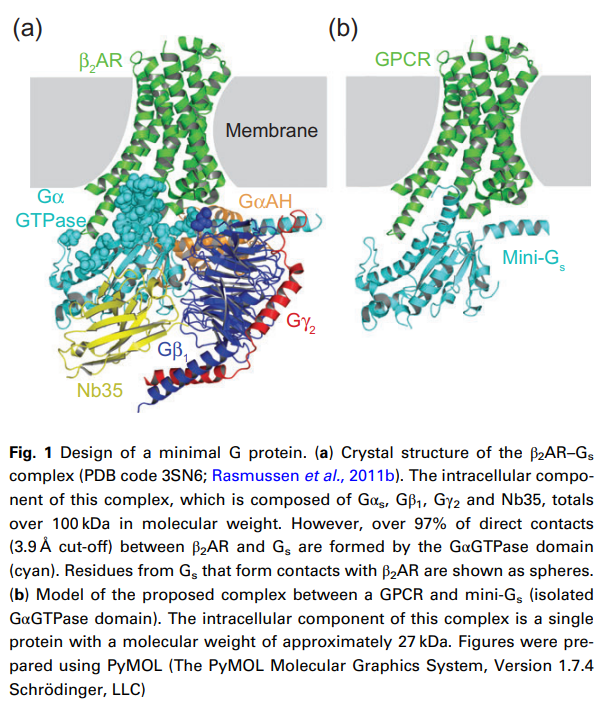
Christopher Tate 등은 mini-G proteins라는 GPCR의 저분자형 단백질을 이용해서 Agonists를 찾을 수 있다는 결과를 PLOS 2017년에 발표했습니다.

M1 muscarinic receptor agonist 개발에 대한 결과는 2021년 Cell에 발표를 했습니다.
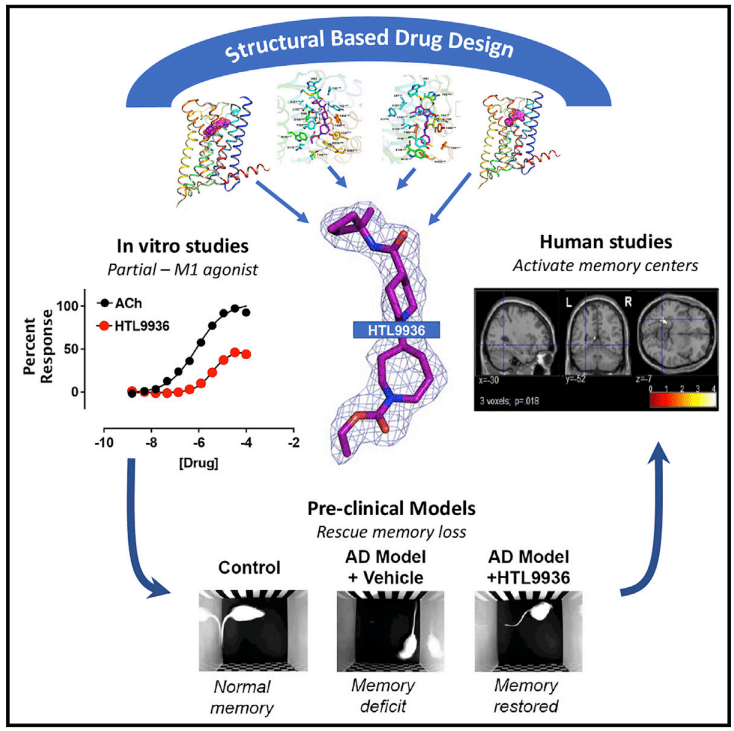
From structure to clinic: Design of a muscarinic M1 receptor agonist with the potential to treat Alzheimer’s disease. Cell 2021, 184, 5886-5901. Malcome Weir, Andrew B. Tobin et al.

2023년 11월에 Sosei에서 발표한 Corporate Presentation을 보면 조금 더 알 수 있습니다.

노잼투자 (10) Verizon (VZ)

안녕하세요 보스턴 임박사입니다.

경제적 자유를 위하여 최근에 배운 몇가지 점에 유의해서 다시 배당성장주에 대한 공부를 시작하려고 합니다. 이전에 얘기한 바와 같이 아직은 주로 VOO, QQQ, SCHD 등에 투자를 하고 있지만 개별주 중에서 배당률과 배당성장률 및 성장 가능성이 좋은 기업들로서 계속 보유할 기업을 찾는 노력은 하려고 합니다.

Verizon은 미국의 대표적인 통신주입니다.

  • PER: 14.7
  • PBR: 1.80
  • Operating Margin: 22.59%
  • ROE: 12.65%
  • Dividend Yield: 6.74%
  • 5-Year Dividend Growth Rate: 1.92%
  • Dividend Payout Ratio: 94.93%
  • Consecutive Dividend Growth Years: 19 years

영업마진이 22%이고 ROE가 12.6%이며 배당률이 6.7%로 높은 상태입니다. 지난 19년간 배당을 꾸준히 늘려왔고 1.9%의 배당성장률을 유지하고 있습니다. 다만 Payout Ratio가 95%에 육박하여 높은 것이 배당주 투자자로서 장기투자하기에 리스크가 있어 보입니다. 장기적으로는 5G 부문의 성장이 기대되기 때문에 성장 여력은 충분하다고 생각합니다.

Verizon의 사업부문은 매출별로 아래와 같습니다. 소비자 부문이 2021년에 비해 늘어난 것을 알 수 있습니다.
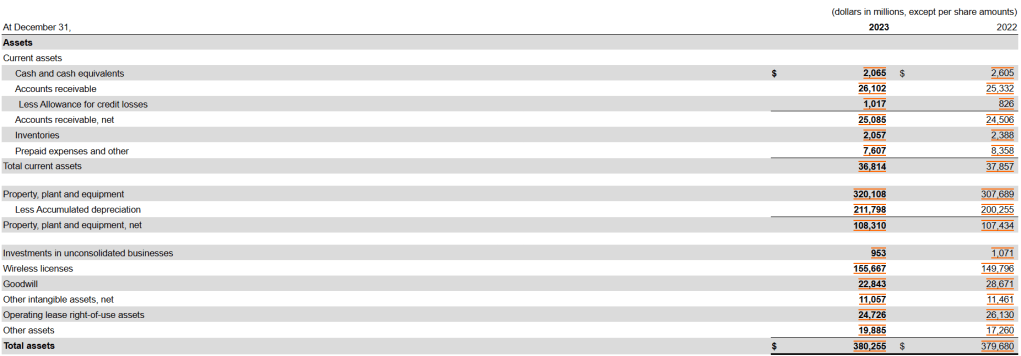
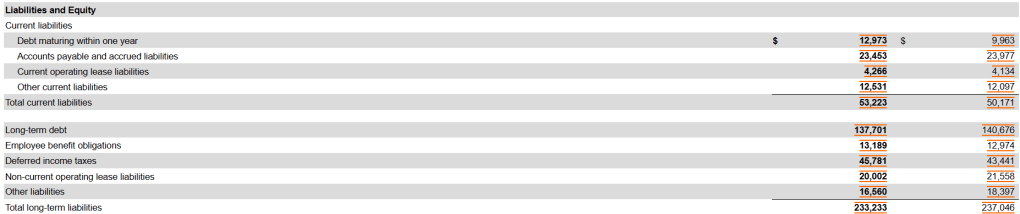
총자산은 중에서 총부채 비율은 61%이고 부채 총액 중 단기부채비율이 22.7%로서 비교적 양호한 재무구조로 판단됩니다.

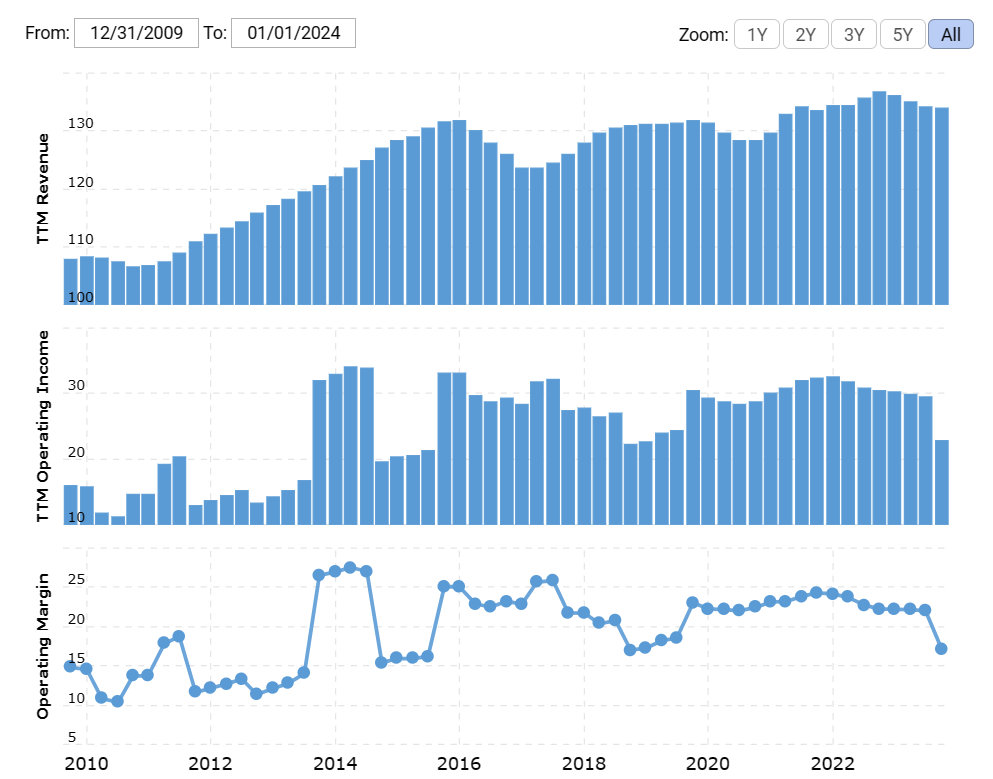
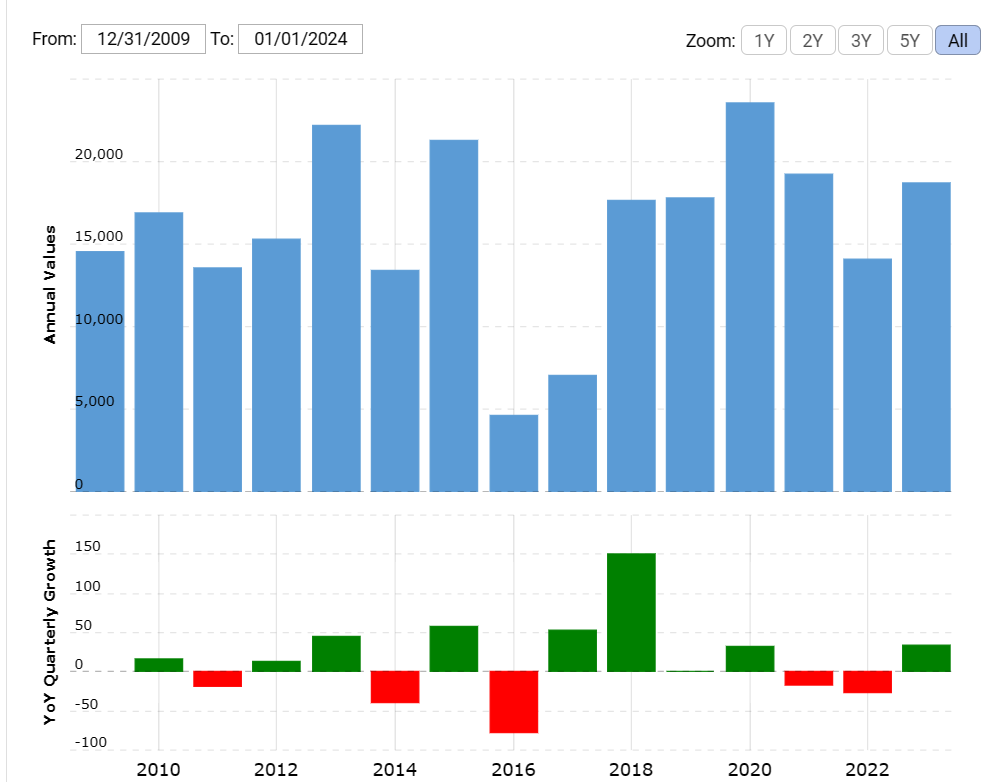
2009년 이후 매출액은 꾸준히 상승을 하고 다소 Cyclical 한 모습을 보이고 있습니다.

영업이익률도 꾸준한 상승세를 보이고 있습니다.

2009년 이후 Free Cash Flow는 꾸준히 플러스를 유지했습니다.

부러우면 지는거다 (35) European Dividend Growth Investor

안녕하세요 보스턴 임박사입니다.

이번의 부러우면 지는거다 시리즈 주인공은 얼굴없는 분입니다. Netherland출신으로 Poland에 사는 분으로 “European Dividend Growth Investor (유럽인 배당성장주 투자자)”라는 ID를 쓰는 분으로 블로거 주소는 아래와 같습니다. 직장인이기 때문에 얼굴 공개를 하지 않는다고 합니다.

EuropeanDGI.com

자기 소개를 보면 현재 42살이고 두자녀와 4가족이 네델란드출신으로 현재는 폴란드에서 사는 중산층 가정입니다. 어려서 어렵게 자랐다고 하고요 유럽의 경제/사회보장 시스템을 믿을 수 없어서 스스로 미래를 준비하기로 하고 2014년부터 배당성장주 투자를 시작해서 10년이 지금 현재 생활비의 56%를 배당성장주에서 나오는 배당으로 생활 가능한 상태가 되었고 47세가 되는 5년후에 경제적 자유를 이루는 것이 목표입니다. 유럽 배당성장주를 발굴하는 것과 함께 미국 배당성장주에도 투자합니다.

그리고 유튜브 채널도 운영합니다.

European Dividend Growth Investor

이분을 인터뷰한 영상이 아래에 있습니다. 물론 얼굴은 알려지지 않았지만 그분의 철학은 들을 수 있습니다.

유럽의 사회보장시스템이 미국에 비해 인플레이션을 따라잡지 못하기 때문에 배당주투자를 시작했다고 합니다. DividendMantra.com의 Jason Fieber의 삶에도 영향을 받았다고 합니다. 그는 회계전공자입니다. 주로 재무분석에 의존하지 CEO의 말에 의존하지 않는것이 중요하다고 합니다. “Analyzing Economics” 라는 책을 추천하네요. 그는 월급이나 보너스를 Index Fund에 넣어두었다가 좋은 배당주를 찾으면 Index Fund를 팔고 그 배당주를 사는 방식으로 살았다고 합니다. 투자기회를 놓치지 않기 위해서입니다. 너무 싼 가격에 사려고 하다가 살 기회를 놓치는 기회가 많았다고 합니다. MC는 14살 딸의 Wedding Fund를 만들어서 배당주 투자를 하고 있다고 합니다. 배울점이군요.

그가 추천하는 배당주 리스트입니다: Microsoft, Loreal, Siemens AG, NIKE, Walters Kluwer NV, Texas Instrument, Exxon Mobil 그리고 네델란드 회사인데 Koninklije Ahold Delhaize NV라고 처음 들어보는 회사를 추천하는군요.

다른 인터뷰 영상도 있습니다. 물론 얼굴은 공개하지 않고 목소리만 나옵니다.

ETF Investing이 도움을 주었다고 합니다. 하지만 장기적으로는 개별주에 집중해서 배당성장주를 발굴하는 노력이 더 좋다고 합니다. 유럽에서 Energy, Healthcare 부문이 가장 Innovation이 많이 일어나는 분야라고 생각한다고 합니다. 그는 매달 투자를 합니다. 자신이 사는 폴란드의 인플레이션 (16%) 이 너무 높아서 재정적이 충격이 크다고 합니다. 모기지 금리도 2.5%에서 10%로 올라갔다고 합니다. 그러니까 인플레이션 문제는 중요합니다. 그리고 달러에 대한 환투자도 하고 있다고 합니다. (Price Anchoring)

BIOTECH (138) Totus Medicines: DNA-Encoded Covalent Library & AI/ML

안녕하세요 보스턴 임박사입니다.

Covalent DNA-Encoded Library는

Totus tots up $40M in series A funding to go after competitive cancer space – Fierce Biotech 12/9/2021

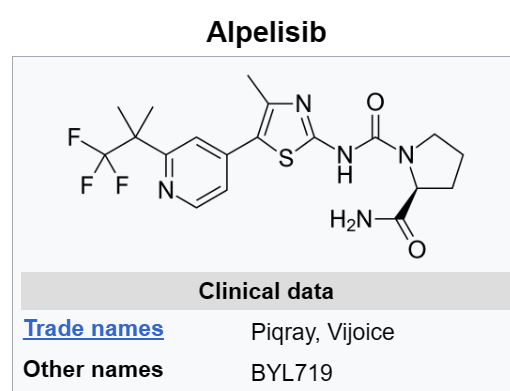
Totus Medicines is making a play for the PI3Kα inhibitor market. Exiting stealth with a $40 million series A round, the Massachusetts-based biotech plans to advance a molecule designed to improve on existing PI3Kα inhibitors such as Novartis’ Piqray.

Piqray (Alpelisib)

PI3K, in both its alpha and delta forms, is a long-standing target of interest to oncology drug developers. With studies implicating overactivity of the kinase in multiple cancer types, researchers have delivered a series of approvals ranging from Gilead Sciences’ Zydelig to TG Therapeutics’ Ukoniq. Many of the drugs hit the delta form of kinase, but Piqray is specific to PI3Kα.

Totus references the competition in the statement to disclose its $40 million series A round, arguing that there is an opportunity for its asset because, after spending “decades and billions of dollars,” the pharma industry has only achieved “moderate success in <10% of patients with PI3Kα-mutant cancers.”

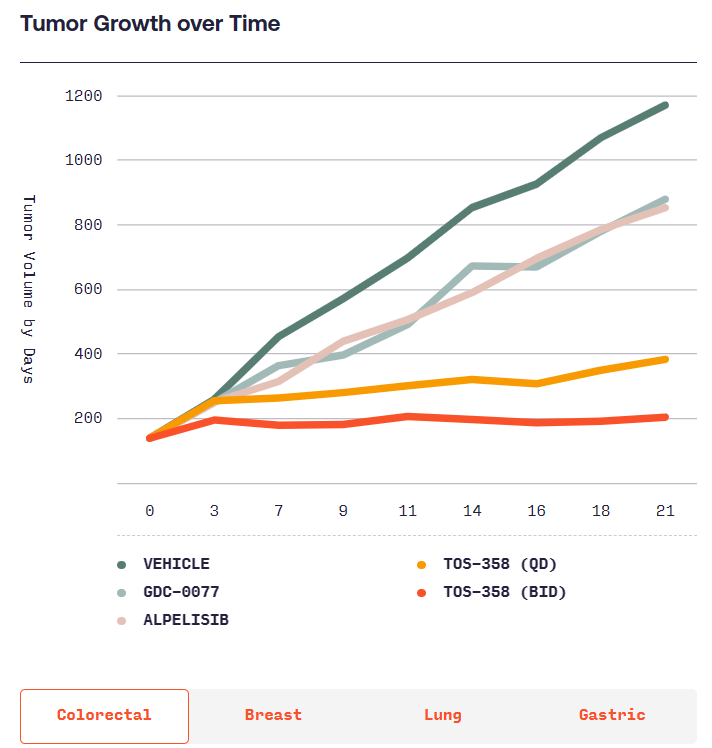
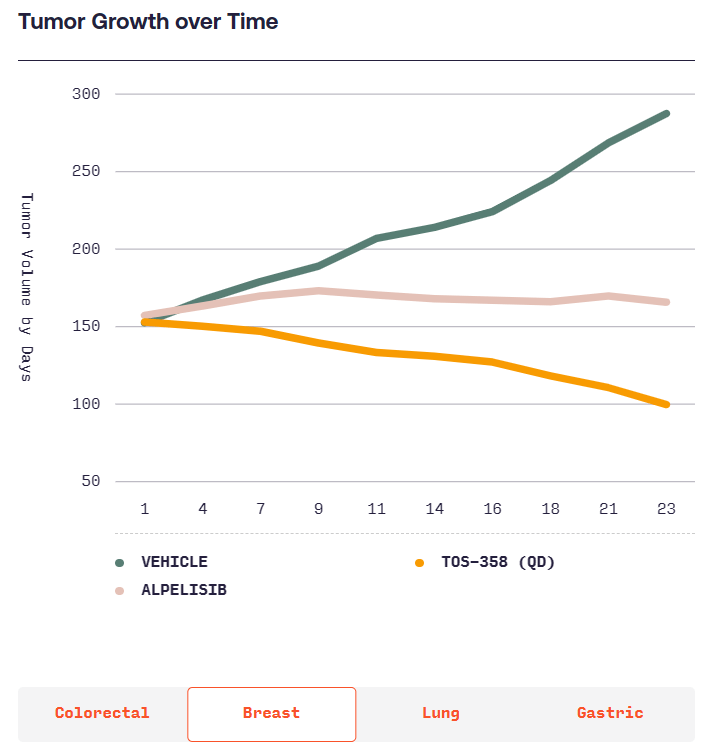
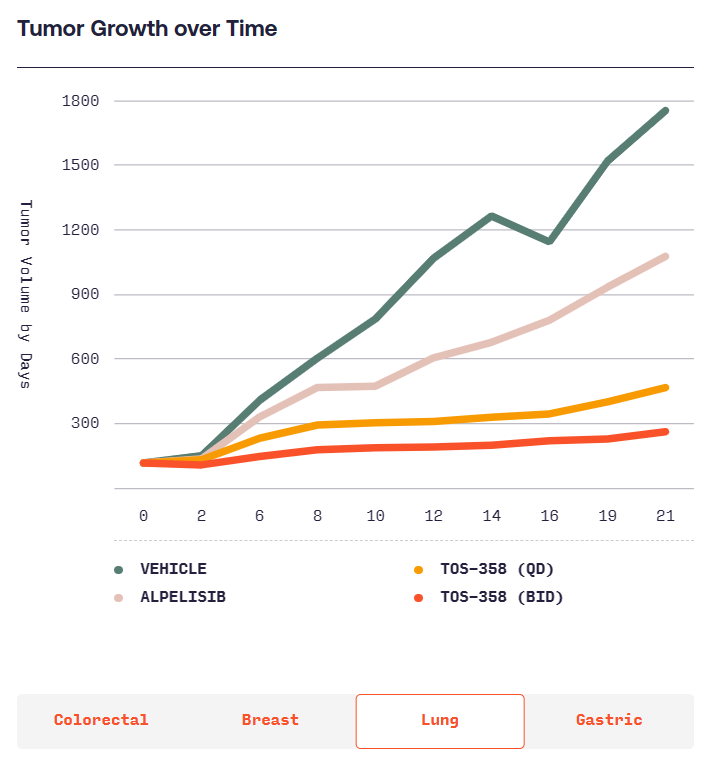
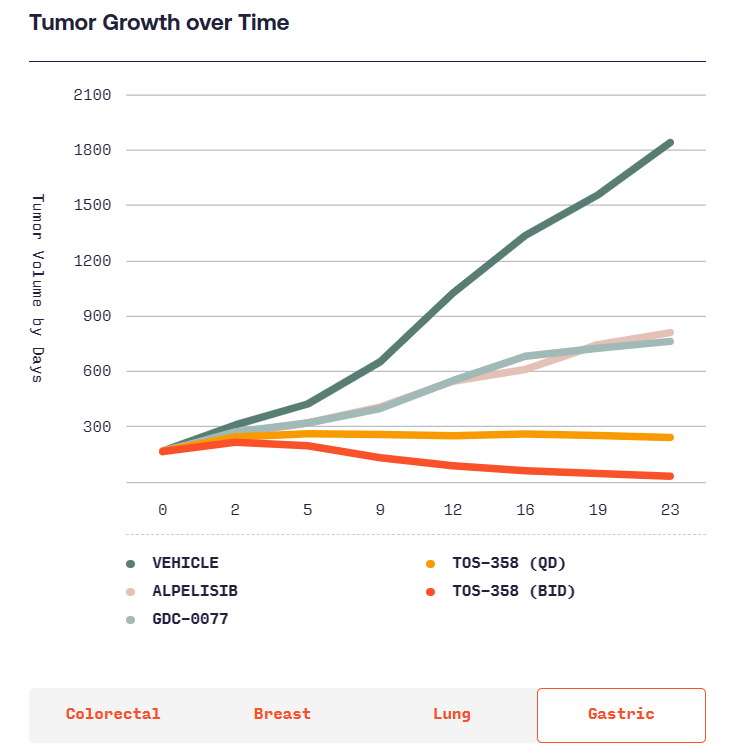
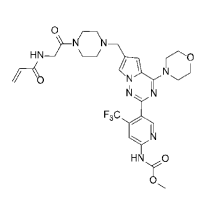
Armed with cash from a syndicate led by DCVC Bio and Northpond Ventures, Totus wants to improve on the performance of existing PI3Kα inhibitors. Totus’ belief that it can do so is underpinned by preclinical studies in which its lead therapy, TOS-358, showed efficacy in PI3Kα-mutant tumor types that are largely unaffected by existing molecules.

Preclinical characterization of TOS-358, a potent and selective covalent inhibitor of wild-type and mutant PI3Kα with superior anticancer activity. Eur. J. Cancer 2022, 174, Supplement 1, S38.

Phosphoinositide 3-kinase alpha (PI3Kα) is the most frequently mutated oncogene in cancer, inferring a critical role for this protein in neoplasia. The molecular biology of PI3Kα reveals it to be a protein that integrates a large and diverse set of cellular signals. In the development of small molecule inhibitors of this target protein it has been demonstrated that deep but also durable inhibition is critical to potent anti-cancer activity, an area traditionally challenging for reversible competitive and allosteric inhibitors. TOS-358 was developed to inhibit covalently both wild-type and mutant PI3Kα with observed IC50 s of 2.2 nM for WT PI3Kα and 4.1 nM for mutant PI3Ka (H1047R). TOS-358 is highly selective in a kinome-wide screen and selective for PI3Kα over other isoforms. We confirmed covalent binding to PI3Kα by NanoBRET in washout experiments, where it was observed that TOS-358 maintained 90% binding at 100 nM 6 hours after washout; in contrast, binding of Alpelisib at 100 nM was completely lost over the same time frame. Irreversible binding was further established using TR-FRET assay in which Kinact/KI was found to be 5.6 × 10⁷ M−1s−1. Importantly, we also noted that TOS-358 produced sustained inhibition of phosphorylated AKT(S473) to 48 hours while allosteric inhibitors lose >60% inhibition. TOS-358 mediated cell growth inhibition has been evaluated in a panel of 120 cell lines and compared with Alpelisib in the same panel. This analysis revealed approximately 50% more cell lines to be responsive to TOS-358 compared with Alpelisib. There was no strong association of response and PI3Kα mutation status, and in fact for both TOS-358 and Alpelisib there was a higher frequency of WT PI3Kα cell lines responding to either treatment. TOS-358 activity has been tested in multiple different cell-derived and patient-derived xenograft cancer models and was found to produce reproducible and substantial tumor growth inhibition. Indeed, in several PDX models, TOS-358 induced tumor regressions while the clinical stage molecules Alpelisib and Inavolisib were unable to generate similar tumor regressions despite pharmacokinetic exposures comparable to, or in excess of, TOS-358. Finally, TOS-358 generated little or no glucose impact in mice and dogs at exposures that produced superior efficacy in these cancer models. Taken together, our in vitro and in vivo data reveal TOS-358 to be a potent, selective covalent inhibitor of PI3Kα with superior anticancer activity to comparator molecules.

According to Totus, TOS-358 induces tumor regressions in models of breast, colon, lung and stomach cancers, while other PI3Kα inhibitors only have “mild effects.” Totus will start showing whether the effects of TOS-358 translate into humans when it takes the candidate into the clinic in the second half of next year.

(Source: https://www.totusmedicines.com/pipeline#colorectal)

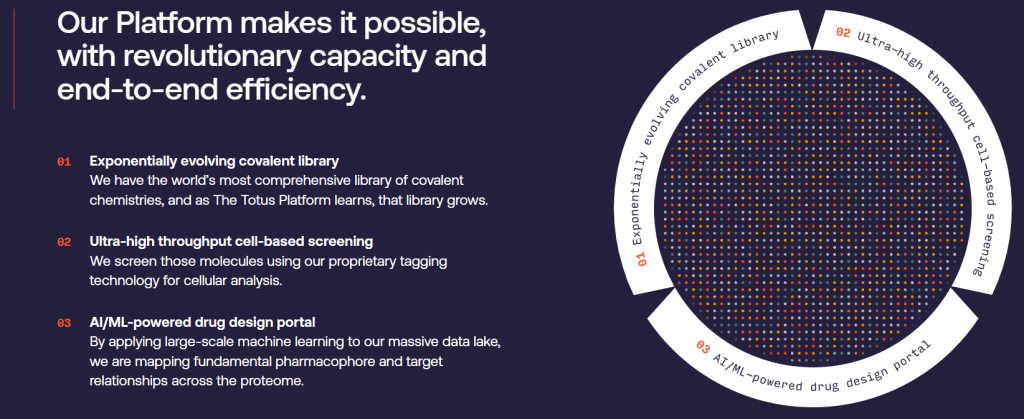
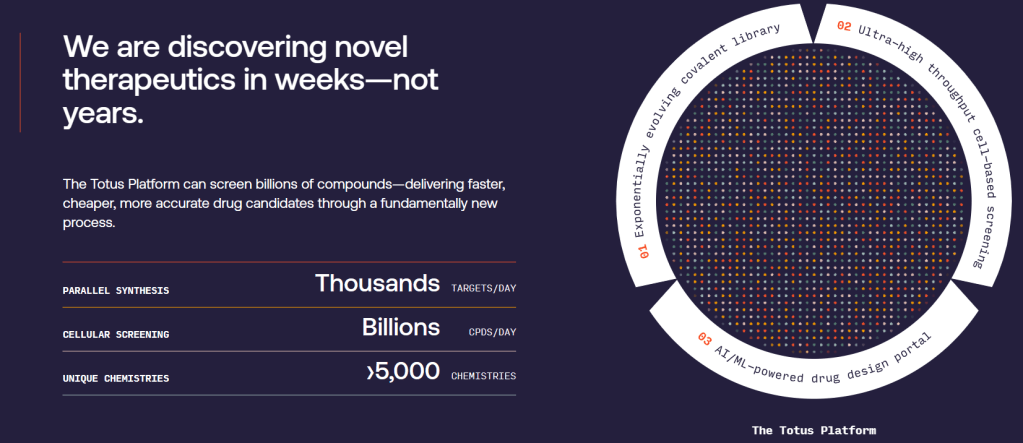
The candidate is the product of a platform that uses molecular tags that track drug binding in individual cells. Using the platform, Totus claims it can screen billions of drug molecules across thousands of genes in parallel, enabling it to find hits against high-value targets. 

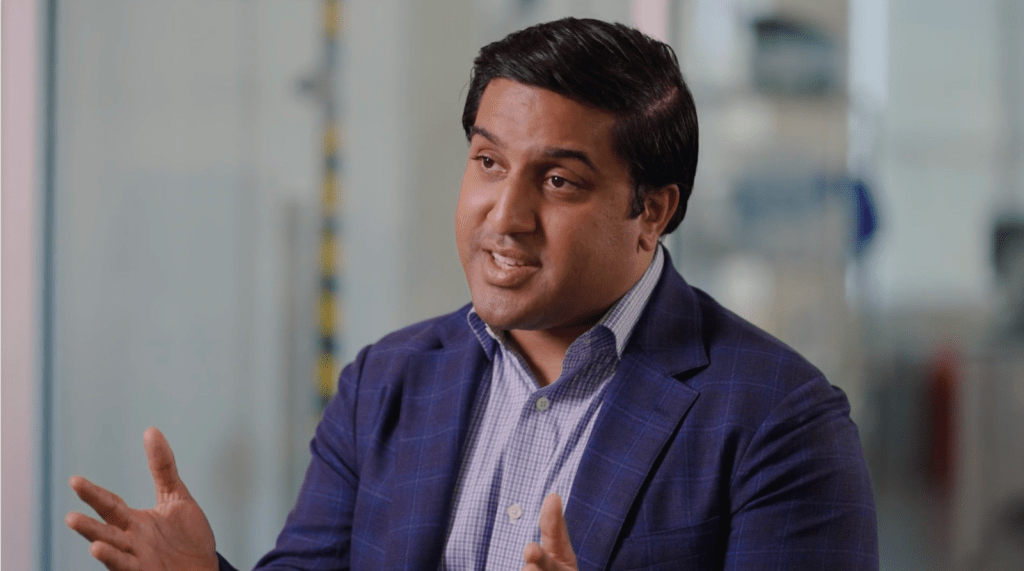
“Our drug discovery platform is capable of creating treatments for previously untreatable diseases. We are drugging undruggable targets at scale, moving us closer to a world where every physician and every patient can look forward to effective treatments for the most devastating illnesses,” Totus CEO and co-founder Neil Dhawan, Ph.D., said in a statement.   

Earlier in his career, Dhawan co-founded Dual Therapeutics, a startup that set out to simultaneously block two important and common cancer signaling pathways using a small molecule. The biotech landed a deal with Bristol Myers Squibb but then disappeared from view.  

Phase 1 Trial of TOS-358 for PI3Kα-Mutated Tumors Begins Dosing – Targeted Oncology 4/18/2023

The first patient in a trial of TOS-358, a first-in-class covalent PI3Kα inhibitor, in patients with various solid tumors with known PI3Kα mutations, began treatment according to a press release from Totus Medicines.1

The multicenter phase 1 TOS-358-001 trial (NCT05683418) evaluating the safety and efficacy of TOS-385 includes 2 parts: a dose escalation portion and a dose expansion portion using the recommended phase 2 dose. Investigators will enroll an estimated 241 patients with PI3Kα-mutated tumors including colorectal cancer, gastric cancer, HER2-negative breast cancer, lung cancer, and endometrial cancer.

PI3Kα, which is mutated in approximately 15% of all cancers, can be targeted with PI3K signaling pathway inhibitors, but current pathway inhibitors lack specificity, leading to toxicity, and cannot achieve continuous greater than 95% inhibition needed for best antitumor efficacy.2 TOS-358 is the first highly specific covalent inhibitor of PI3Kα, which demonstrated durable near 100% inhibition of PI3Kα activity in preclinical studies.

The phase 1 portion of the study uses a 3+3 dose escalation design to determine the minimum effective dose and maximum tolerated dose.1 TOS-358 will be investigated orally as once daily or twice daily doses. The phase 1b portion will enroll patients with PIK3Cα mutations or amplifications in separate cohorts based on tumor type including colorectal, gastric, non–small cell lung, breast, squamous cell carcinoma of the head and neck, urothelial and selected gynecological cancers (ovarian cancer, cervical cancer, or endometrial cancer).

Eligible patients must have a PIK3Cα mutation or amplification and have received no prior treatment with PI3K, AKT or mTOR inhibitors, except for patients with breast cancer. They could not have recent systemic anticancer treatment prior to the start of treatment. Additionally, patients with central nervous system metastases were excluded.

The primary end points are dose-limiting toxicities within the first 21 days of treatment and the incidence and severity of adverse events from the start of treatment until 30 days after patients receive the last dose.

Using cellular analysis based on proprietary molecular tags that track drug binding in individual cells, Totus’s Accel™ Platform led to the rapid drug development of TOS-358. This enabled the company to file an investigational new drug application 18 months after the drug’s discovery.

In preclinical animal model studies, TOS-358 was shown to potently and specifically lead to deep and durable PI3Kα inhibition.2 It did not lead to significant hyperglycemia in mice, rats, and dogs at efficacious dose levels, unlike reversible PI3Kα inhibitors. When compared with previous ATP-competitive and allosteric reversible PI3Kα inhibitors across over 30 different PDX and CDX mutant PI3Kα dependent cancer models, TOS-358 demonstrated superior efficacy.

“TOS-358 represents a promising new approach to the treatment of the root cause of nearly 15% of all cancers, and we are excited to be able to advance it into clinical development at such an accelerated rate,” said Neil Dhawan, PhD, chief executive officer and co-founder of Totus Medicine, in a press release.1


REFERENCES

1. Totus Medicines announces first patient dosed in phase 1 trial of TOS-358 for the treatment of select solid tumors. News release. Totus Medicines. April 13, 2023. Accessed April 17, 2023. https://prn.to/3KLRwZX

2. MacDougall JR, Bradley J, Mak R, Dhawan N, Chen W. TOS-358, a first-in-class covalent PI3Kα inhibitor, demonstrates superior efficacy and does not induce significant hyperglycemia at efficacious doses in multiple animal models. Cancer Res. 2023;83(7_suppl):4946. doi:10.1158/1538-7445.AM2023-4946

Totus Medicines Announces Appointment of Nassim Usman, Ph.D., as President & CEO and the Closing of a $66M Series B Funding – PR Newswire 12/15/2023

Totus Medicines, a company revolutionizing small molecule drug discovery and development using covalent libraries and AI tools, announced today that Nassim Usman, Ph.D., has been named President & Chief Executive Officer and closed a $66M Series B financing led by DCVC Bio. Neil Dhawan, Ph.D, Totus co-founder, founding CEO, and CSO, will transition into a new role as CSO and Head of R&D, where he will continue to oversee the company’s platform, programs, and data.

“We are thrilled by Nassim’s arrival,” said DCVC Bio Managing Partner John Hamer. “He brings exceptional experience and acumen to a company poised to bring much-needed therapies to market. I’m equally excited by the fact that Neil – whose vision and determination have brought Totus to where it is – will continue to contribute at a senior level to the company’s rapid growth.”

“Nassim is exactly the right leader for Totus,” said Dhawan. “His extensive drug development background and vision for the Totus platform will help lead us through the next phase of growth for the company. His strong management experience will help shape Totus as we continue to advance breakthrough therapeutics, and just as importantly, Nassim embodies our culture and values.”

Before joining Totus Medicines, Dr. Usman served as President, CEO and Board member at Catalyst Biosciences (NASDAQ:CBIO, now Gyre Therapeutics, NASDAQ:GYRE). Dr. Usman has an extensive background in C-Suite management (CSO, COO, CEO and Principal Financial Officer), Board membership on and venture capital investing (Morgenthaler Ventures) in several private and public companies including Sirna Therapeutics (acquired by Merck) and Principia Biopharma (acquired by Sanofi). Dr. Usman currently serves on the Board of GYRE and the advisory boards of two private biotechnology companies. During his career, he has advanced several drugs into clinical development, executed multiple licensing deals, and raised capital through private and public financings. Dr. Usman received his B.Sc. and Ph.D. in Organic Chemistry from McGill University and completed a post-doctoral fellowship at MIT.

“Neil and the entire team at Totus have built an extraordinary a platform that has the potential to transform small molecule discovery and have built a pipeline of clinical candidates led by TOS-358, a covalent inhibitor of PI3Ka in the clinic,” said Dr. Usman. “I am delighted to join Neil, our investors and the team as we build out the platform and advance our clinical development pipeline.”

The company closed the final tranche of a Series B financing totaling $66 million, led by DCVC Bio and including the participation of North Pond Ventures, Camford Capital, and the Regents of the University of Minnesota. Proceeds from the Series B financing will be used to advance Totus’ clinical program, expand the pipeline, and evolve the platform.

About Totus Medicines
Totus Medicines is discovering and developing small molecule medicines using a novel DNA-encoded covalent library technology combined with artificial intelligence/machine learning (AI/ML). With the unprecedented ability to screen billions of drug candidates against thousands of targets simultaneously, the company’s novel platform can find drugs that are dramatically superior to molecules discovered through previous technologies, including drug candidates for currently undruggable targets.

Sitting down with… Neil Dhawan – Drug Discovery World 8/10/2023

Reece Armstrong speaks to Neil Dhawan, the Co-founder and CEO of Totus Medicines about the company’s approach to drug discovery using fundamental technologies in chemistry, biology and artificial intelligence (AI).

RA: How is Totus Medicines attempting to target untreatable or undruggable diseases?

ND: Discovering a highly effective drug is like winning the lottery. If you can buy 100,000 times the number of tickets – or screen 100,000 times as many therapeutic molecules – you’re going to win a lot more and a lot faster. Totus has enabled cellular search across vast chemical space at massive scale to deliver effective medicines at an unprecedented pace. Totus has been able to identify the first highly-effective covalent molecule against the most mutated oncogene, PI3K-alpha, in four months and moved this molecule into clinical trial in two years.

RA: Could you discuss how Totus uses high-throughput cell-based screening, AI/ML & covalent chemistry to improve its drug discovery processes?

ND: Totus has innovated three interdependent and fundamental technologies in chemistry, biology, and AI to enable screening of billions of candidate molecules against hundreds of targets in parallel. First, we have built a technology to rapidly synthesise billions of highly drug-like compounds. Second, we have created a novel DNA-tracking technology to analyse billions of molecular interaction in a cellular setting. Third, we have created a 3D-AI platform to analyse all of this data and rapidly design highly-effective drug candidates.

RA: How have advancements in technology enabled companies like Totus to begin to target previously untreatable diseases?

ND: For many untreatable diseases like cancer, there are an array of drug targets that we know are driving the disease. However, current technologies have not been able to yield effective molecules to impact these drug targets. Effectively drugging all of these undrugged targets would lead to enormous patient benefit and potentially produce curative options. By enabling a million-fold improvement in drug screening, Totus is rapidly unearthing effective candidate molecules in months against targets that have plagued current technology for decades.

RA: You’ve recently dosed the first patient in a clinical trial of TOS-358, your first-in-class covalent PI3Kα inhibitor for the treatment of numerous cancers. Could you tell us about the trial and TOS-358?

ND: TOS-358 is an orally available, highly selective covalent inhibitor of PI3Kα designed to achieve deep and durable inhibition of PI3K-AKT signalling with no off-target effects. TOS-358 consistently demonstrated efficacy superior to non-covalent PI3Kα inhibitors (ATP competitive and allosteric) in patient-derived and cell line-derived xenograft models with no significant toxicities. The TOS-358-001 study is a multicentre dose escalation Phase I), dose expansion (Phase Ib) clinical study evaluating the safety, tolerability, and preliminary efficacy of TOS-358. Eligible subjects are adults with PI3Kα-mutant tumours. The study is currently enrolling in the US with European sites planned to open later in 2023.

RA: How impactful could TOS-358 be across a range of cancers?

ND: Based on our preclinical studies, TOS-358 is highly effective across PI3Kα-mutant tumours, including breast, colorectal, lung, gastric, head and neck, and ovarian tumours. Our Phase I study (NCT05683418) tests TOS-358 as a monotherapy in cohorts of patients with a range of tumour types.

RA: What have been some of the long-term challenges in targeting harder to treat diseases?

ND: Many hard-to-treat diseases are driven by hard-to-drug targets. While reliable targets may be unclear in certain disease, the genetics revolution has unearthed central and critical targets in a variety of diseases. However, even when we know the important drug targets, finding effective molecules to intervene with that drug target has proved challenging. Totus’ platform is seeking to solve this critical challenge by enabling cellular screening on a million-fold improve scale versus current technologies.

RA: Could you talk more about Totus Medicines’ goal of identifying molecules for every gene in the human genome? How can this impact drug discovery?

ND: It’s impossible to overstate the potential of Totus’ work. If you can screen the whole human genome, you can attempt to drug any relevant target with highly effective and specific drugs. By understanding how your drug is interacting with the full array of human proteins at the same time, we can rapidly deduce safe, effective drugs for almost any target.

RA: With such large volumes of data generated through screening approaches, is data analysis a challenge for Totus?

ND: The Totus platform innovation is especially timely with the emergence of ML, which are very data hungry. At Totus we say, “The more data, the better!”

RA: What’s the future outlook for Totus Medicines?

ND: In 2023 at Totus, we have the opportunity to prove the power of our platform with the most important form of data – clinical data. Through the Totus platform, we have discovered and advanced TOS-358 into the clinic to achieve efficacy for patients with PI3Kα-mutant tumours. 15% of all cancer patients have PI3Kα- mutant tumours, representing one of the most significant unmet needs in all of oncology. Importantly, TOS-358 is just the beginning for Totus. We are building an array of drug programmes targeting other incredibly important targets in oncology.

DDW Volume 24 – Issue 3, Summer 2023

Biography:

Neil Dhawan is the Co-founder and CEO of Totus Medicines, where he focuses on combining small molecule design, structural biology, genetics, biochemistry, and cell biology to design new classes of drugs to target untreatable diseases.

Totus Medicines closes $66M Series B to fund early-stage PI3Ka inhibitor, names new CEO – Endpoints News 12/15/2023

Totus also added industry go-to John Maraganore, the former founding CEO of Alnylam, to its scientific advisory board this fall..

Totus’ lead drug, TOS-358, is a covalent inhibitor of PI3Ka and is in Phase Ia in multiple types of solid tumors. The company is testing once- and twice-daily dosing regimens for the oral candidate.

Once the company collects Phase Ia data sometime next year, it will likely evaluate its next financing route, Usman said. A crossover round is “most likely,” he said, noting Totus’ next key executive hire will be a chief financial officer “as we approach the inflection point where you need one for going public.”

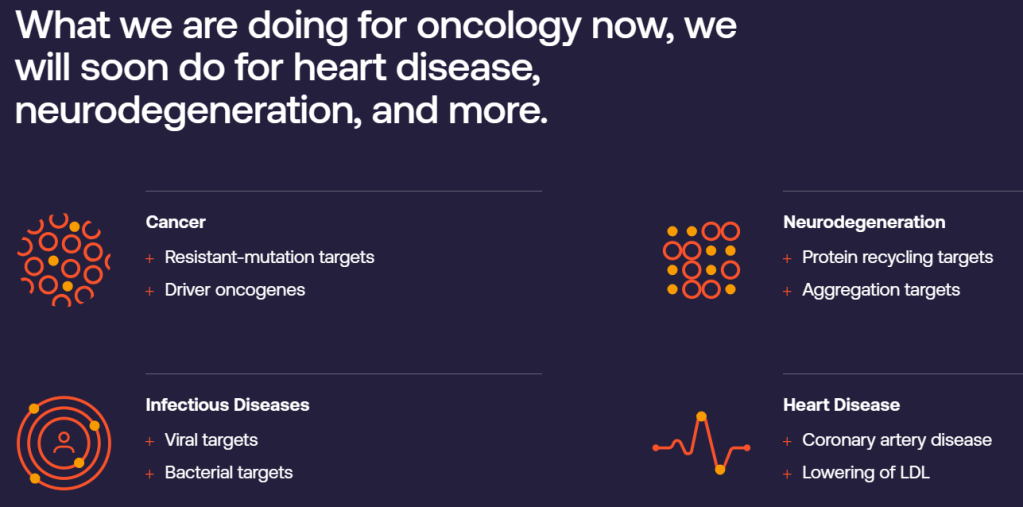
The two dozen-employee biotech could also benefit from R&D collaborations, Usman said. Totus is exploring ways to partner up its machine learning platform to expand into CNS and cardiometabolic diseases. Those two therapeutic areas have seen increasing investor and pharma interest on the backs of neuroscience drug advancements and the explosion of obesity and diabetes treatments.

Elsewhere in oncology, Totus is nearing the development candidate stage for an AKT program and its pipeline also includes work on beta-catenin, which was largely thought to be undruggable but has recently seen a clinical race among biotechs.

부러우면 지는거다 (34) Bob Lai: TawCan.com – Dividend Investing & FIRE Blog

안녕하세요 보스턴 임박사입니다.

Internet의 세상에서 가장 흥미롭고 즐거운 일은 세계 곳곳을 방문하지 않아도 다른 사람들의 생각을 읽을 수 있는 Blog나 Youtube 등이 있다는 것입니다. 모두 다 좋은 블로거나 유튜버가 아닌 것이 꾸준히 10년 이상 그 일을 묵묵히 해야 비로소 진가를 드러내는 사이버 세상에서 만나게 되는 이런 꾸준한 블로거들과 유튜버들을 만나면 참 반갑죠.

오늘 소개할 분은 “배당주 투자 (Dividend Investing)”나 FIRE Movement를 말하는 한국 블로거나 유튜버들에게 많이 알려진 분입니다.

Bob Lai – TawCan.com

Bob Lai는 캐나다 뱅쿠버에서 두자녀를 포함한 4인가족으로 살고 있고 Hi-Tech에서 일하는 대만계 캐나다인입니다. 그는 아내와 함께 글로벌 금융위기 시기인 2011년부터 배당주 투자를 시작해서 지금까지 13년간 지속적으로 투자했습니다. 그의 투자기록을 남기기 위해 블로그를 2014년부터 쓰기 시작해서 블로거로서도 10년이 되었죠.

2023년에는 $3,600/month를 배당주 투자로 이루었고 2024년부터는 >$4,500/month를 배당으로 벌고 있으며 2025년에 배당만으로도 >100% 생활비를 벌게되어 경제적 자유를 이룰 수 있을것 같다고 했습니다.

I started this blog to show it is possible to achieve financial independence as a single-income family with two young kids while living in Vancouver Canada, one of the most expensive cities in the world. My wife and I started building our dividend portfolio in 2011 after a financial epiphany. Today, the portfolio generates over $4,500 in dividends per month. Our dream is to become financially independent and live off dividends by 2025. (Source: https://www.tawcan.com/)

Bob Lai의 이야기를 들어볼까요? 작년에 2차례에 걸쳐서 인터뷰한 것이 있습니다.

Bob Lai가 블로그를 통해 몇년 전에 알게된 익명의 투자자 “Canadian Reader B”에 대한 이야기를 소개한 글이 있는데, 굉장히 특이합니다. 익명의 Reader B는 2004년에 55세의 나이로 배당주 투자수익만으로 은퇴를 한 분입니다. 그러니까 지금은 75세가 되었겠죠. 그는 엔지니어였고 아내는 사무직이었으며 두사람 합산 소득은 약 $200,000 (2억 6천만원) 이었다고 합니다.

Living off dividends – How I’m receiving $360k dividends a year & paying almost no taxes (1) – TawCan.com 1/4/2023

그가 처음에는 $10,000을 배당주에 투자하기 시작해서 2021년 4월 기준으로 $360,000/year (4억6천만원)을 매년 배당으로 벌고 있다고 합니다. 뿐만 아니라 세금도 거의 내지 않고 있다고 하는군요. 이렇게 배당주 투자자가 된지도 이제 36년이 되었다고 합니다. 그러니까 1985년 (36세) 에 주식투자를 시작해서 1990년 (41세) 에 뉴스레터를 통해 배당주 투자에 대해 알게 되고 배당주 투자를 시작해서 2004년 (55세)에 은퇴를 한 것이죠.

“장기적으로 세금을 적게 내려면 401(k), IRA보다는 주식계좌에 배당주를 사서 장기보유하라는 것입니다. (The most optimum way to achieve tax-efficiency under such conditions is to focus on buying and holding Canadian dividend paying stocks in non-registered accounts.)”

Reader B가 자신의 계좌에서 4.2%를 인출한다고 했는데요. 이 말에 의하면 그의 배당주 가치는 2021년 4월 기준 $8.5 Million (110억원) 입니다. 그의 배당주 투자원칙은 다음과 같습니다.

“캐나다 주식 중 실적이 좋은 배당주에 투자를 매년 늘리고 절대 팔지 않는 것입니다. (To buy gradually over time, high-quality Canadian tax-efficient dividend paying stocks and hold them indefinitely.)”

그가 투자한 주식은 “방어주이면서 시가총액 높은 주식 (Conservative large cap stocks) – 배당귀족주”을 $10,000씩 투자하는 것이었습니다. 배당률이 2% 이상되어야 투자를 했습니다. 2% 이상 배당률을 고수했지만 너무 높은 배당률도 피했습니다. 배당컷 가능성이 있기 때문입니다. 만약 배당컷이 있으면 반드시 팔고 더 안정적인 배당성장주를 투자했습니다.

TSX60에 있는 Dividend Aristocrats에 투자를 한 것입니다. 그는 미국회사나 어떤 외국기업에 투자하지 않고 캐나다 회사에만 투자를 했습니다.

REITs 투자도 했는데 캐나다의 세금문제 때문에 Tax-efficient account에서 REITS 투자를 했다고 합니다.

Living off dividends – My $360k per year dividend income (2) – TawCan.com 1/15/2024

115개 주식을 보유하고 주로 금융주와 Utilities 주라고 합니다. 그리고 REITs도 있습니다.

Dividends – A Canadian Dividend Investor’s Dream – TawCan.com

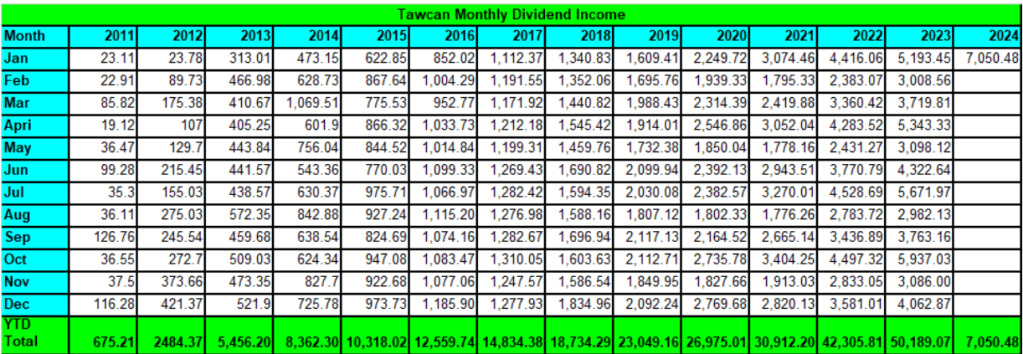
2011년부터 배당성장주와 ETF 투자를 시작한 이래 13년째에 접어든 지금 받고 있는 배당금을 아래와 같이 기록했습니다. 단위는 USD입니다.

내가 쓰는 나의 삶 (38) 슬기로운 직장생활: 직장에서 최대로 혜택을 받고 일하는 삶이 가능할까?

안녕하세요 보스턴 임박사입니다.

직장생활을 하는 동안에 회사는 임직원들에게 다양한 혜택을 주며 최대한 일을 열심히 할 수 있도록 독려합니다. 하지만 또 한편으로는 언제든지 회사가 어려울 때 아니면 임직원이 필요하다고 느끼지 않을 때 내보낼 가능성이 상존하죠. 미국회사에는 고용계약서에 “at-will termination”이라는 문구를 반드시 넣습니다. 이 문구를 이용해서 언제든지 Layoff (정리해고)를 할 명분이 있고 임직원의 입장에서도 언제든지 자신이 그만두거나 다른 회사로 옮기고 싶다면 퇴사할 수 있습니다. 다만 퇴사할 때에는 통상적으로 2주 미리 알려서 업무인수인계에 차질이 없게 하는 것이 도의적인 룰입니다. 회사가 정리해고를 할 경우에도 많은 경우에는 바로 그날 당장 통보하고 나가라고 하지만 어떤 경우에는 몇주 혹은 몇달 미리 알려주어서 준비를 시키는 경우도 있습니다. 제가 지난 회사가 M&A 되어서 정리해고 될 당시가 그랬는데 저는 당시 2주 Notice를 받고 퇴사를 했습니다.

미국에는 사실 정년 (停年) 이라는 개념이 없습니다. 한국처럼 “60세 정년이면 정년퇴임 혹은 정년퇴직” 이런 개념이 없는거죠. 물론 미국 소셜연금 (Social Security Benefit)을 받을 때 몇세에 자신이 받을 수 있는 연금의 100%를 받느냐를 의미하는 “Full Retirement Age (FRA)”라는 개념이 있기는 합니다. 현재는 67세가 FRA에 해당되어서 만약 62세에 소셜연금을 받으면 70% 정도를 받고 반대로 70세에 소셜연금을 받으면 124%를 받게 됩니다. 하지만 그렇다해서 67세가 정년 (停年) 이라는 뜻은 아닙니다. 주위에도 이 나이를 지나서 일하는 분이 있습니다. 한국의 임금피크제나 일본의 시니어사원제도 같이 특정 나이에 이르면 연봉이 깍이는 것도 없습니다. 연공서열제로 연봉을 채택하는 것이 아니라 철저히 성과와 직무 위주의 연봉제를 택하기 때문에 자신의 가치에 따라 연봉이 오르기도 하고 내리기도 할 뿐 단지 나이가 많아는 이유만으로 연봉을 일괄적으로 깍는다면 미국에서는 바로 소송감입니다. 미국법이 보호하는 “Age Discrimination (나이 차별)” 조항에 걸리기 때문입니다.

그래도 나이가 들면서 “언제까지 일하는게 좋은가?”는 저의 오랜 화두이다 보니 몇년 전부터는 가족들과 이 주제로 자주 얘기하곤 합니다. 아이들은 “은퇴를 하고 아빠의 삶을 즐기세요!” 라고 하고 아내는 “되도록이면 회사를 그냥 다니세요!” 하는 얘기를 듣곤 하지요.

화두를 바꾸어서 언제 그만두느냐 말고 “언제 그만두든지간에 회사를 다니는 동안에 직장생활의 혜택을 어떻게 얼마나 최대로 누리느냐?”에 대해 한번 생각을 해 보려고 합니다. 두사람의 의견을 먼저 청취해 보고자 합니다.

첫번째 분은 KT 본부장이신 신수정님의 말씀입니다. 부러우면 지는거다 (30) 신수정님 – 페이스북의 현인

  • 직장생활은 나의 배움의 터전이다.
  • 회사는 현금흐름창출의 기회이다.
  • 기업가라는 생각으로 회사생활을 하라.
  • 세가지 포트폴리오가 필요하다: 근로소득, 부캐소득, 투자소득
    • 근로소득: 직장생활을 통해 버는 돈
    • 부캐소득: 부캐 (副 Character의 준말) 생활을 통해 버는 돈
      • 블로그 글로 작가가 됨.
      • 회사생활 중 주식트레이딩 프로그램 개발로 소득창출
      • 경매투자 – 보통 소득까지 생기는데 5년이상 걸린다. 즉, 축적의 시간이 필요하기 때문에 직장생활 기간 중에 시작해야 한다.
    • 투자소득: 투자활동으로 버는 돈 – 부를 통해 당당함을 가질 수 있다 (경제적 자유)

신수정님의 말씀을 경청해 보면 직장생활의 혜택을 활용하는 것은 결국 회사에 올인하는 것이 아니라 (1) 직장생활에 충실하면서 (2) 부캐로 소득을 얻을 수 있는 준비를 시작하고 (3) 투자활동을 해서 부를 늘여 나가는 것 – 이라는 세가지로 결론을 낼 수 있습니다. 신수정님은 현직에 계시기 때문에 이렇게 말씀하실 수 있는 것일 수도 있습니다.

두번째 소개할 분은 김상진 작가라는 분인데 대기업에서 임원으로 계시다가 해직되신 분이십니다. 강제퇴직 당하다 보니 좀더 현실적인 (?) 말씀을 하시는 것 같습니다. 김상진님은 평생 4번의 퇴직을 하신 특이한 경력이 있으신데 3번은 자진퇴사였고 한번은 강제퇴직이었는데 마지막이 강제퇴직이었습니다.

가장 후회스러운 것이 주제입니다.

  • 주인의식을 가졌던 것: “주인이 아니다!” 주인처럼 일하다 보니 강제퇴직 후 허탈감, 분노, 억울함이 컸다.
    • 더하고 싶은 욕심이 있었지만 회사는 그렇지 않았던 것이다. 타인에 의한 퇴사여서 받아들이기 힘들었다.
    • 회사에서 높은 직위에 오르면 노후가 준비된다고 생각했는데 잘못된 생각이었다.
  • 나의 미래를 위해 투자했어야 한다: 회사에 대한 열정을 제2의 인생을 준비하는데 썼다면 어땠을까?
    • 회사 다닐 때 공부를 했어야 한다. 대학원을 다녀서 지식을 축적하고 도움을 주자.
  • 55세에 퇴직 이후를 위해 준비를 했어야 한다. 60세는 늦다. – (예) 배당주 투자, 구매대행
  • 은퇴자금 축적을 했어야 한다: 연봉이 2억대였지만 고연봉 세금이나 직위로 인한 씀씀이 (골프 등)로 인해 퇴직 후 자금이 부족했다.
  • 강제퇴직 후 아내가 다른 사람에게 도움이 되도록 책을 써보라고 권유해서 책을 쓰면서 치유가 됨.

세번째 분은 정도영 소장입니다. 이 분은 유체이탈화법이라고 하죠. 자신의 말씀을 제3자처럼 말씀하십니다.

  • 퇴직 이후에 무엇을 할지 알고 있다는 것만으로도 50%는 된 것이다: 다른 삶에 대해 생각해 보지못한 사람들이 많다. 퇴직 후 여행은 한달만 다니면 지친다.
  • 50대/60대는 변화에 취약하기 때문에 미리 준비하는 자세가 중요하다.
    • 유망자격증에 따르지 말고 구인공고가 많이 나는 자격증을 따야 한다. 자신에게 맞는 자격증을 따야 한다.
      • 요양보호사 – 일은 힘드나 일자리는 많다.
      • 전기분야 자격증 (전기기능사, 전기산업기사, 전기기사)이 일자리가 많다.
      • 지게차 운전기능사가 일자리가 많다 – 그러나 자신에게 맞는지 따져봐야 한다.
      • 사회복지사가 쓰임새가 넓다.
  • 중장년 일자리의 70% 이상은 소개, 추천에 의한 것이다. 채용을 하는 경우는 지인 추천을 통한다. 퇴직 전 2년전부터 네트워킹을 해야 한다. 오랜만에 만나는 사람을 만나야 한다 (정보채널이 넓혀진다는 연구결과가 있다) 좋은 자리는 공고가 나오지 않는다.
  • 은퇴 1년전 준비하면 좋을 것은?
  • 방향 설정 (A, B, Z)
    • A: 이상적인 것
    • B: 현실을 감안해서 가장 좋은 것
    • Z: 최악의 경우를 대비한 최후의 보루
  • 구체적 계획 수립 (A, B, Z에 대해 각각 5년간 계획 수립)
  • 사람관리 – 네트워킹

이렇게 세분의 말씀을 정리해 보면 지금부터 해야할 것은 다음과 같습니다.

  • 급여 일부를 저축해서 투자소득을 만들어가며 경제적 자유를 이루어야 한다.
  • 부캐소득을 만들어야 한다.
  • 퇴직 이후를 위한 대학원 공부를 시작해야 한다.
  • 60대 이후에 구인공고가 많이 나는 분야의 자격증을 따야 한다.
  • 새로운 사람을 만나기 시작해야 한다.

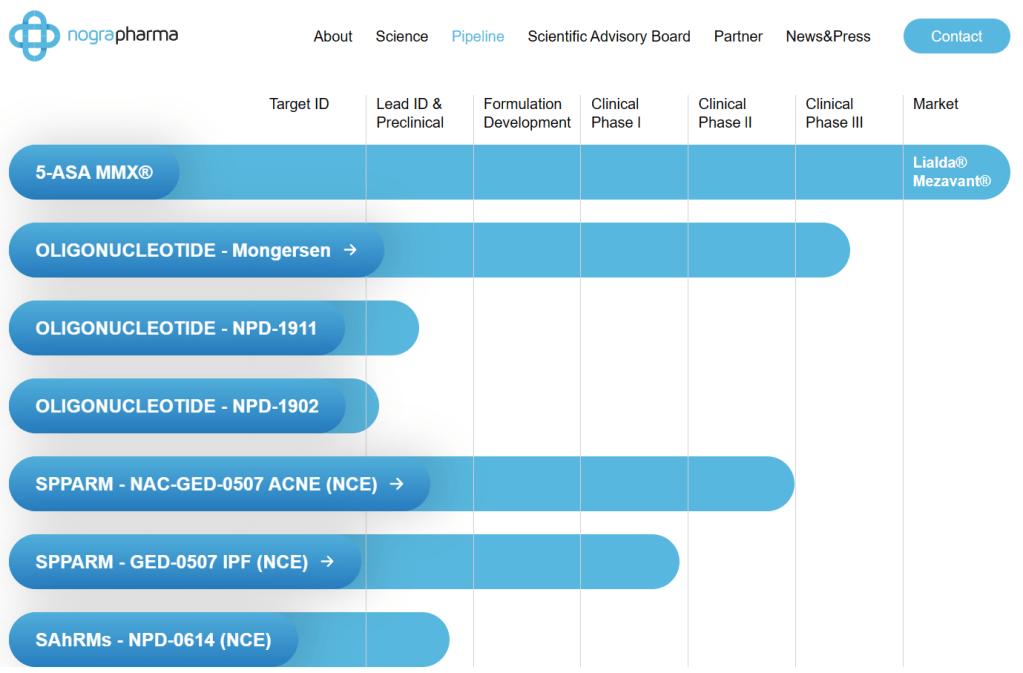
BIOTECH (137) Nogra Pharma: Mongersen – Oral SMAD7 Antisense Oligonucleotide

안녕하세요 보스턴 임박사입니다.

지난 수년간 mRNA Translation을 Small Molecule로 조절하려는 노력이 활발한데 Small molecule의 가장 큰 장점은 먹을 수 있다는 점 (Oral Delivery)이라고 할 수 있습니다.

BIOTECH (71) – Expansion Therapeutics – RIBOTAC Degrader by RNA-Small Molecule Binding

BIOTECH (126) Accent Therapeutics: Small Molecules Targeting RNA-Modifying Protein

그런데 Oligonucleotide 자체가 Oral Delivery가 된다면 어떨까요? mRNA Translational Regulation에 Clinically validated regimen은 Antisense Oligonucleotide 나 siRNA인데 RNA 기반인 siRNA에 비해 DNA gapmer를 보유한 Antisense Oligonucleotide는 Formulation Development에 따라 Oral Delivery가 될 가능성이 여전히 있어 보입니다. 다른 Tide 약물인 Peptide 약물이 최근 GLP-1 치료제 분야에서 경구용으로 성공하고 있는 것을 보면 더욱 이런 가능성을 간과하기 어려운데요.

BIOTECH (119) Novo Nordisk: Semaglutide – Wegovy, Ozempic & Rybelsus for Type 2 Diabetes & Weight Loss

그래서 Oral Antisense Oligonucleotide에 대한 생각을 좀 해보고자 합니다. 이것에 대해 Novartis 연구원이면서 블로거인 Derek Lowes의 글에서 시작해 볼까 합니다. 2017년에 쓴 글인데요 이렇게 오래 전의 글도 다시 읽어볼 수 있다는 게 역시 블로그의 매력이라 할 수 있습니다.

Mongersen Fails – In The Pipeline by Derek Lowe 10/23/2017

Readers may recall a post here last year about an odd trial of an antisense drug for Crohn’s disease. Celgene had acquired the drug (mongersen, GED-301) from Nogra Pharma of Ireland back in 2014 as a late-stage candidate, and for a while, things looked good. In fact, going back and reading the stories, you’d think that everything was pretty much on track:

Celgene ($CELG) bet big on the little-known Irish biotech Nogra Pharma when it partnered on a mid-stage drug for Crohn’s disease. And today Celgene spelled out the reasons why it gambled $710 million upfront on a Phase II drug, highlighting data that support a clear case that the therapy can help spur clinical remission in a broad group of patients.

An oral antisense agent is a pretty bold move, but then again, a Crohn’s drug of that sort just needs to hit its target in the gut wall, not make it into circulation. And mongersen’s target is Smad7, a key player in the transcriptional signaling machinery for an important inflammation pathway (among other things). This is the sort of target that is very difficult indeed to go after with a small molecule, and that’s when you see the antibodies and oligonucleotide-based modes get tried.
Later results were not as encouraging, though. And the reason I called that trial uninterpretable almost exactly a year ago was that it had no control arm, making it very hard to tell the difference between mongersen’s effects and a placebo. On Friday, Celgene had an announcement on a full placebo-controlled Phase III trial, and guess what? It actually isn’t that different from a placebo. Fancy that. The announcement was that the trial was being discontinued due to futility; an interim analysis showed that nothing was happening.
Unfortunately, that candidate was actually a pretty important part of Celgene’s plans and revenue projections. When the company did their 2014 deal, it raised eyebrows because of the steep upfront price for a relatively unproven therapy from a relatively unknown (and very small) partner, but Celgene was (as they said at the time) into Planning Boldly For the Future, as well as Executing Transformative Deals on Late-Stage Clinical Assets and all that stuff. Unfortunately, the science crept up and sank its teeth into the ankle of this mighty deal, and one would assume that mongersen itself is no more. There’s a lot of finger-pointing about putting that much money into something so thin, but of course if the compound had worked, everyone would be taking visionary dealmaker victory laps. It’s evaluating that “if the compound works” part that is the tricky part, and a tiny company’s oral antisense agent for Crohn’s was always going to be a gamble. You just wonder if it had to be quite as expensive a gamble as it was.
And as always, whenever something like this happens, I will remind people that this is why you run big, well-controlled Phase III trials. Back in Phase II, mongersen looked as if it were going to work (as that quote above illustrates). It doesn’t seem to have any particularly bad safety issues, so under some regulatory proposals, that would have been the time to let suffering Crohn’s patients take it on a risk basis, speed up development, get the regulatory barriers out of the way, all that stuff. But that would have given everyone three years of useless placebo, at a no doubt stiff price. And since more drugs in clinical trials fail than work, I’m still baffled at how giving people a chance to pay for them at that point is supposed to improve health or save anyone money. It certainly wouldn’t have in this case. Celgene stuffed well over $700 million in real money into the shredder on this effort, and a million Crohn’s patients could have joined them.

이 블로그 글이 올라온 지 7년여가 지났지만 어찌된 영문인지 Nogra Pharma의 홈페이지에는 여전히 Mongersen의 임상3상이 진행 중인 것으로 나옵니다.

2015년 New England Journal of Medicine에 Mongersen의 임상2상 결과가 나와 있습니다.

Mongersen, an Oral SMAD7 Antisense Oligonucleotide, and Crohn’s Disease. N. Eng. J. Med. 2015, 372:1104-1113.

A Pharmacological Batch of Mongersen that Downregulates Smad7 is Effective as Induction Therapy in Active Crohn’s Disease: A Phase II, Open-Label Study. BioDrugs 2021, 35, 325-336.

Mongersen (GED-0301) for Active Crohn’s Disease: Results of a Phase 3 Study. The American Journal of Gastroenterology 2020, 115, 738-745. Bruce E. Sands et al.

Introduction: 

The objective was to assess the efficacy and safety of GED-0301, an antisense oligodeoxynucleotide to Smad7, in active Crohn’s disease (CD).

METHODS: 

This phase 3, blinded study randomized patients (1:1:1:1) to placebo or 1 of 3 once-daily oral GED-0301 regimens: 160 mg for 12 weeks followed by 40 mg continuously or alternating placebo with 40 or 160 mg every 4 weeks through week 52.

RESULTS: 

In all, 701 patients were randomized and received study medication before premature study termination; 78.6% (551/701) completed week 12, and 5.8% (41/701) completed week 52. The primary endpoint, clinical remission achievement (CD Activity Index score <150) at week 12, was attained in 22.8% of patients on GED-0301 vs 25% on placebo (P = 0.6210). At study termination, proportions of patients achieving clinical remission at week 52 were similar among individual GED-0301 groups and placebo. More placebo vs GED-0301 patients achieved endoscopic response (>50% decrease from baseline Simple Score for CD) at week 12 (18.1% vs 10.1%). Additional endoscopic endpoints were similar between groups at weeks 12 and 52. More placebo vs GED-0301 patients had clinical response (≥100-point decrease in the CD Activity Index score) at week 12 (44.4% vs 33.3%); at week 52, clinical response rates were similar. Adverse events were predominantly gastrointestinal and related to active CD, consistent with lack of clinical and endoscopic response to treatment. Two deaths occurred (GED-0301 total group) due to small intestinal obstruction and pneumonia; neither was suspected by the investigator to be treatment-related.

DISCUSSION: 

GED-0301 did not demonstrate efficacy vs placebo in active CD.

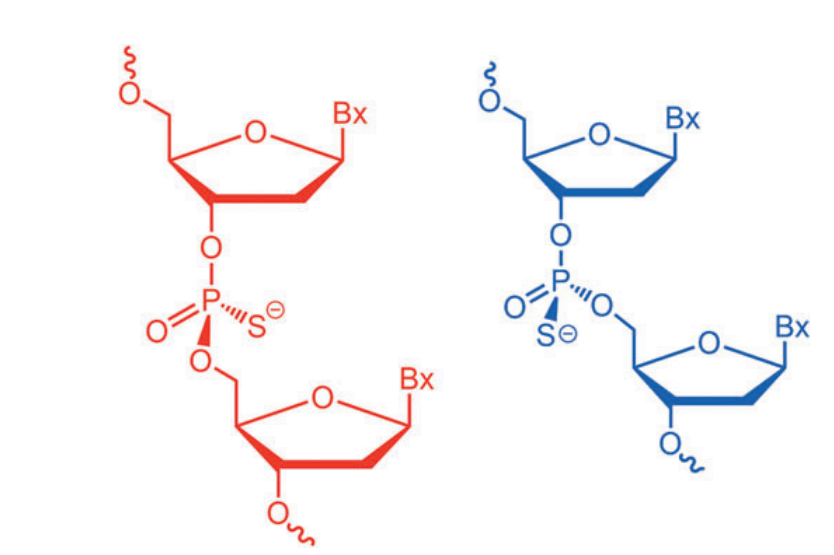
Inhomogeneous Diastereomeric Composition of Mongersen Antisense Phosphorothioate Oligonucleotide Preparations and Related Pharmacological Activity Impairment. Nucleic Acid Ther. 2022, 32, 312-320. Marie McNulty et al. at Nogra Pharma

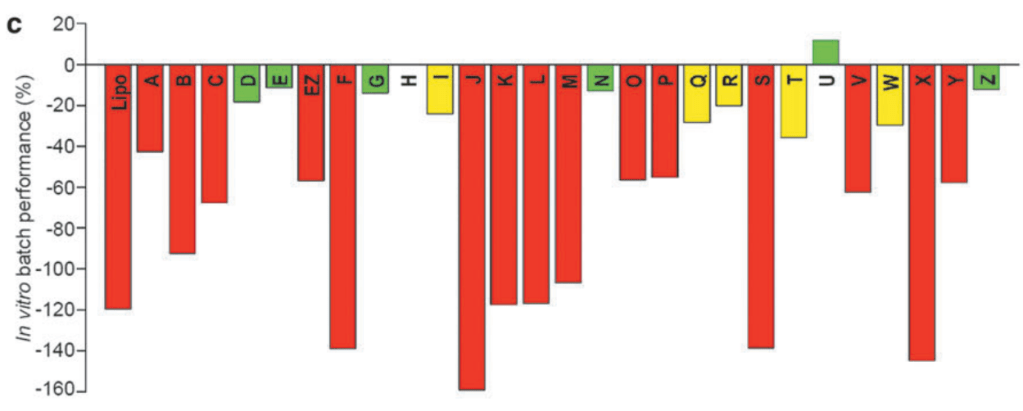
Batch 별로 SMAD7 in vitro test를 했을 때 약효가 크게 차이가 나는 것을 관찰했습니다. Green (best performance batches), Yellow (decreased performance batches), Red (poor performance batches)의 세가지 군으로 나눠보았을 때, Red의 것이 크게 낮은 것을 알 수 있습니다.
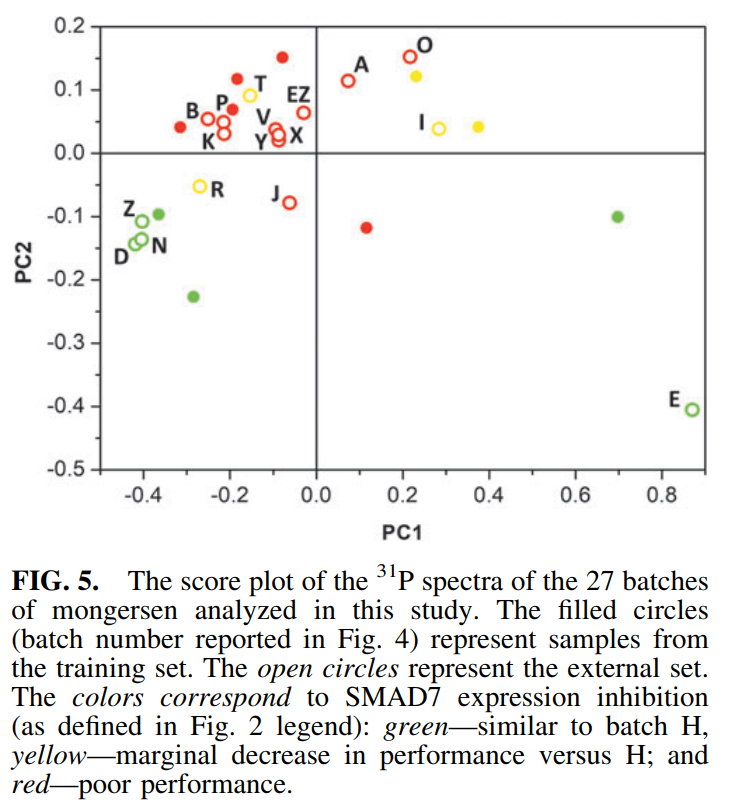
그리고 그 이유로 13P NMR을 측정해 본 결과 Batch 별로 Thiophosphates의 Chirality가 다르게 분포한 것을 발견한 것입니다. Green (best performance batches), Yellow (decreased performance batches), Red (poor performance batches)의 세가지 군으로 나눠보더라도 위치가 크게 차이가 나는 것을 알 수 있습니다. 따라서 Nogra Pharma의 결론은 Chirality of thiophosphates가 Critical Quality Attributes (CQAs)라는 것입니다. 흥미로운 관찰입니다.
Mongersen은 21-nt Oligonucleotide인데 (3′-5′)d(P-thio)(G-T-m5C-G-C-C-C-C-T-T-C-T-C-C-C-m5C-G-C-A-G-C)로서 세번째 C와 17번째 C는 5-meC이고 모든 Linker는 Thiophosphate Bonds로 되어 있어서 실제로 N20 개의 Stereoisomers가 가능합니다.

이 결과에 대해 2023년 Pharmaceutics에서 이탈리아 과학자들은 Monsergen의 임상2상과 임상 3상 데이타가 큰 차이가 난 이유는 Thiophosphates Stereochemistry에 대한 Batch-by-batch variability 때문이라고 하는 논조를 냈습니다. 이 약물이 개발될 당시에는 Thiophosphate bond의 Chirality를 Control하는 Synthetic methods가 없었는데요 하지만 이제는 다양한 방법들이 존재합니다.

예를 들면 Wave Life Sciences가 바로 Thiophosphate Stereocontrol을 Platform 기술로 하는 회사입니다.

BIOTECH (8) – Wave Life Sciences의 RNA Editing 신약 가능성에 GSK가 투자하다.

Scripps Institute의 Phil Baran Group도 BMS와 함께 Phosphate chirality control 방법을 개발한 바가 있습니다.

Nucleoside (5) – Phil Baran의 Stereochemical Synthesis of Nucleoside Triphosphates

이외에도 Antisense Oligonucleotide 기술이 지금은 훨씬 진화해서 아마 새로운 디자인을 해야할 것으로 보이지만 Oral Antisense Oligonucleotide Drugs에 대한 가능성은 아직 개발 가능성이 남아있다고 볼 수 있을 것 같습니다. Mongersen은 아마 결국 다시 사용될 수는 없을 것 같습니다. 이 결과를 인정한다고 하더라도 어떤 Stereocontrol을 해야할지에 대한 연구도 필요하고 또한 Stereocontrolled Antisense Oligonucleotide 생산은 훨씬 비싸서 투자자를 만나기도 아마 어려울 것 같습니다. 그래도 한가지 알게 된 사실은 임상2상에서 성공하고 임상3상에서 실패한 경우 그냥 지나칠 것이 아니라 이와 같이 원인 규명이 반드시 필요하다는 것입니다. 기술진보는 계속되어 언젠가 Oral Antisense Oligonucleotides의 시대가 오기를 기대합니다.

Smad7 Antisense Oligonucleotide in Crohn’s Disease: A Re-Evaluation and Explanation for the Discordant Results of Clinical Trials. Pharmaceutics 2023, 15, 95.

BIOTECH (136) Latigo Biotherapeutics: Non-Opioid Pain Medicine – Nav1.8 Antagonist LTG-001

안녕하세요 보스턴 임박사입니다.

Opioid 약물을 FDA에서 승인해 준 이래로 Opioid 약물로 인한 여러가지 부작용으로 인한 Opioid Endemic이 연일 기사를 도배하고 있습니다. 이런 가운데 Vertex는 최근 Non-Opioid Replacement NaV1.8 Inhibitor Suzetrigine에 대한 기대되는 임상3상 결과를 발표했습니다.

BIOTECH (92) – Vertex Non-Opioid Replacement NaV1.8 Inhibitor Suzetrigine (VX-548) Phase 3

Amgen 출신의 Sean Harper 박사 등이 세운 VC 인 Westlake Village BioPartners가 2020년에 Suzetrigine에 대항하는 Best-in-class NaV1.8 Inhibitors를 개발하기 위해 Amgen 연구원들을 모아서 Latigo Biotherapeutics를 설립했습니다.

BIOTECH (82) – Westlake Village BioPartners VC

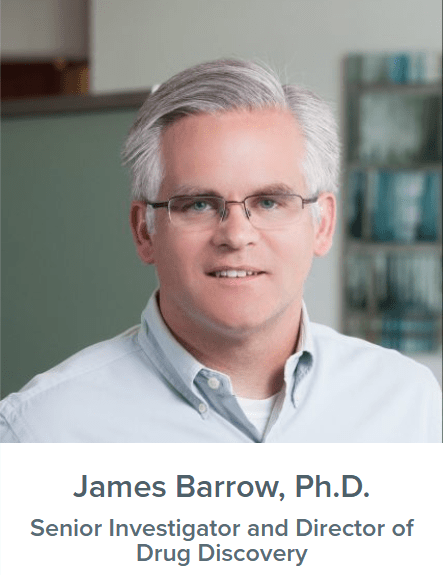
Amgen에서 NaV1.7 Inhibitor 개발을 했던 Bryan Moyer박사가 Co-founder and SVP Discovery로 참여하고 있습니다.

Latigo Biotherapeutics의 홈페이지에 나온 파이프라인을 보면 LTG-001이 임상1상을 진행 중이고 Follow-on molecule (NaV1.8 Inhibitor) 가 전임상 단계에 있습니다.

Latigo Biotherapeutics는 Amgen Neuroscience와 연관이 있습니다. 기사를 통해서 보면 Amgen은 2015년에 Novartis와 AMG 334 (Erenumab)라는 Calcitonin-Gene-Related Peptide (CGRP) receptor를 공동개발한다고 발표한 바 있습니다. 이 당시 Novartis의 BACE Inhibitor도 공동개발에 함께 들어가 있었습니다.

Amgen, Novartis Launch Neuroscience Drug Collaboration – GEN Edge 9/2/2015

As for the migraine program, the companies said they will work to co-develop new Amgen drugs that include the Phase III compound AMG 334, the Phase I compound AMG 301, and potentially another Amgen compound. Novartis will have global co-development rights and commercial rights to Amgen’s migraine treatments outside the U.S., Canada, and Japan.

AMG 334 is a fully human monoclonal antibody under study for the prevention of migraine. AMG 334 targets the Calcitonin-Gene-Related-Peptide (CGRP) receptor, which according to Amgen is believed to transmit signals that can cause incapacitating pain. AMG 334 is currently under evaluation in several large global, randomized, double-blind, placebo-controlled trials to assess its safety and efficacy in migraine prevention. AMG 301 is a monoclonal antibody being investigated for the treatment of migraine.

“Our collaboration on BACE inhibition reflects Amgen’s strategic focus on genetically validated drug candidates while our collaboration in migraine creates an opportunity to more rapidly advance AMG 334 on a global scale,” Sean E. Harper, M.D., Amgen evp of research and development, said in a statement.

이 약물 Aimovig (AMG 334, Erenumab)은 2018년에 FDA로 부터 승인을 받았습니다.

FDA approves novel preventive treatment for migraine – FDA Press Release 5/17/2018

The U.S. Food and Drug Administration today approved Aimovig (erenumab-aooe) for the preventive treatment of migraine in adults. The treatment is given by once-monthly self-injections. Aimovig is the first FDA-approved preventive migraine treatment in a new class of drugs that work by blocking the activity of calcitonin gene-related peptide, a molecule that is involved in migraine attacks. The FDA granted the approval of Aimovig to Amgen Inc. 

Pain Medicine으로 Amgen에서는 오랜 기간 NaV1.7 Inhibitor의 개발에 투자를 해 왔습니다. Latigo의 SVP Discovery인 Bryan Moyer박사는 2017년에 Journal of Medicinal Chemistry에 NaV1.7 Inhibitor의 Lead Optimization에 관한 논문을 발표한 바 있습니다.

Sulfonamides as Selective NaV1.7 Inhibitors: Optimizing Potency and Pharmacokinetics While Mitigating Metabolic Liabilities. J. Med. Chem. 2017, 60, 5969–5989. Bryan D. Moyer et al. at Amgen

그리고 같은 해에 Bryan Moyer박사 등은 2017년에 Journal of Pharmacology and Experimental Therapeutics에 NaV1.7 Inhibitor인 AMG8379에 대해 발표한 바가 있습니다.

Pharmacologic Characterization of AMG8379, a Potent and Selective Small Molecule Sulfonamide Antagonist of the Voltage-Gated Sodium Channel NaV1.7. Journal of Pharmacology and Experimental Therapeutics 2017362, 146-160. Amgen Bryan D. Moyer et al.

뿐만 아니라 2017년에는 Boston Children’s Hospital과 새로운 Pain Syndrome Targets를 발굴하기 위한 Genetic collaboraton을 발표한 바 있습니다. 이렇듯 Amgen의 Neuroscience 부문에서 Pain과 관련한 연구는 오랜기간 지속적으로 발전해 왔습니다.

Amgen And Boston Children’s Hospital Enter A Collaboration To Find New Genes And Drug Targets For Severe Pain Syndromes – PR Newswire 10/16/2017

Amgen (NASDAQ:AMGN) and Boston Children’s Hospital today announced that they have entered into a neuroscience research collaboration aimed at identifying novel pain targets based on human genetic analyses. The one-year collaboration will focus on patients with genetic anomalies of pain sensitivity. Amgen will leverage its industry-leading expertise in genetic target identification and validation and will have access to Boston Children’s Hospital’s Division of Pain Medicine to identify patients with abnormal pain conditions. Amgen and Boston Children’s Hospital will collaborate to validate the genetic findings as potential pain targets.

“Traditional approaches to analgesic drug discovery have been pretty disappointing during the past 20 years,” says Charles Berde, M.D., Ph.D., chief of the Division of Pain Medicine in the Department of Anesthesiology, Perioperative and Pain Medicine at Boston Children’s Hospital. “The most innovative biotech companies have realized that they need to pursue new directions for drug discovery. Patients with unusual patterns of increased or decreased pain responsiveness can offer important clues in this pursuit.”

“Amgen is pleased to enter into this collaboration as it underscores our extensive investment and expertise in pursuing targets that have clear genetic support,” said John Dunlop, Ph.D., vice president of Neuroscience Research at Amgen. “We look forward to working with Boston Children’s Hospital to explore novel pain targets that will potentially include new non-addictive approaches to treating pain in patients.”  

The agreement brings Amgen, a world leader in human genetic target validation, together with Boston Children’s Hospital’s Division of Pain Medicine, the first and most active pediatric pain program in the world, and its Manton Center for Orphan Disease Research. Both organizations have leading researchers in neuroscience and genomics, including Michael Costigan, Ph.D., of the F.M. Kirby Neurobiology Center and Catherine Brownstein, M.P.H., Ph.D., in the Division of Genetics and Genomics and scientific director of the Manton Center for Orphan Disease Research.

Boston Children’s Hospital’s Division of Pain Medicine treats patients with rare conditions that make them strikingly insensitive to pain or, conversely, hypersensitive to pain or apt to experience pain spontaneously, with no apparent stimulus.

As part of the collaboration, the teams will study patients with the following pain syndromes:

  • genetic disorders that diminish pain sensitivity;
  • erythromelalgia, a condition causing intense, burning pain in the extremities;
  • paroxysmal extreme pain disorder, a condition characterized by skin flushing and severe pain attacks in various parts of the body; and
  • hereditary sensory and autonomic neuropathy.

그러나 2019년 10월말에 Amgen은 Neuroscience R&D 부문을포기하고 Layoff를 하게 됩니다. 항상 위기는 누군가에게 기회가 됩니다. Amgen Neuroscience EVP였던 Sean Harper 박사는 Westlake에서 새로운 벤처 스타트업을 생각하고 있었는데 Amgen이 Novartis와 공동으로 개발하던 BACE Program이 Alzheimer치료제로서 효과를 보이지 않자 뇌과학 분야를 중단한다는 발표는 Sean Harper 박사에게는 기회가 되었습니다. 2020년에 Bryan Moyer 박사를 비롯한 ex-Amgen Neurosciences Drug Hunters들을 모아 Latigo Biotherapeutics를 설립할 수 있었습니다.

Amgen exits neuroscience R&D as pharma pulls back from field – Biopharmadive 10/30/2019

Recent scientific breakthroughs have transformed treatment of some cancers, as well as a number of rare genetic diseases. But disease-modifying medicines for the most prominent diseases of the brain, such as Alzheimer’s and Parkinson’s, have remained elusive. 

Earlier this year, Amgen reported a major clinical setback in Alzheimer’s. Along with its partner Novartis, the drugmaker stopped two studies testing an experimental BACE inhibitor in pre-symptomatic patients with the neurodegenerative disease. 

The trial failure was one of many for the Alzheimer’s field, but, for Amgen, it brought to a close the only named clinical neuroscience program in its pipeline outside of the approved migraine therapy Aimovig (erenumab). 

Now, Amgen will steer its internal R&D efforts clear of neuroscience, prioritizing instead cardiovascular disease, oncology and inflammatory diseases. As a result of the decision, approximately 180 roles will be affected, according to a company spokesperson.

“We made the difficult decision to end our research in neuroscience, which is largely based in Cambridge, Mass.,” said the spokesperson in an emailed statement. “We are consolidating our U.S.-based research presence primarily in Thousand Oaks and San Francisco.” 

On Tuesday’s earnings call, company executives previewed how Amgen could stay involved via partnerships. CEO Bob Bradway said they’ll explore models with venture capital or academic institutions, particularly via deCODE, a subsidiary specializing in genetics, to better understand these diseases.

“We believe that genetics will ultimately drive progress in this area, and we’ll continue to work with deCODE to generate insights,” Bradway said on the Tuesday call.

Reese also added the company will maintain support for the ongoing clinical development of its migraine therapy, Aimovig (erenumab).

Amgen’s decision bears similarities with those taken by some of its peers. 

Pfizer, for instance, first announced its intention to halt neuroscience work in January 2018. Several months later, the big pharma teamed up with Bain Capital to launch a start-up called Cerevel that took over development efforts for many of Pfizer’s CNS compounds.

Still, there are a handful of industry players that have bucked the trend. Last month, the Danish drugmaker Lundbeck reached a deal to acquire Alder BioPharmaceuticals for $1.95 billion.

And Biogen has remained focused on developing central nervous system treatments, even as it has suffered multiple clinical failures. In a shocking turn, the big biotech recently revived development efforts for an experimental Alzheimer’s drug.

Latigo Biotherapeutics는 Johns Hopkins University의 Lieber Institute와 새로운 NaV1.9 Inhibitor에 대해 2022년 10월에 발표한 적이 있습니다. 이 약물의 적용분야로 거론된 것은 진통제, 관절염, 심장병, 위경련, 암, 정신병 등 광범위한 분야의 통증완화 치료제의 개발이었습니다.

Latigo Biotherapeutics, Lieber Institute present new Nav1.8 channel blockers – BioWorld 10/6/2022

Latigo Biotherapeutics Inc. and Lieber Institute Inc. have synthesized new methyl-substituted pyridine and pyridazine compounds acting as sodium channel protein type 10 subunit α (Nav1.8) channel blockers reported to be useful for the treatment of pain, arthritis, atherosclerosis, irritable bowel syndrome, cancer and psychiatric, respiratory and neurological disorders, among other disorders.

Latigo 의 특허 WO 2022/192487 A2에 따르면 Lieber Institute of Brain Research at Johns Hopkins UniversityDr. James BarrowDr. Michael Poslusney 라는 Merck 출신 과학자들이 LTG-001의 개발에 참여했습니다.

2022년에 발표한 Lieber Institue의 발표에 의하면 4,000개 이상의 뇌질환 환자 시료를 보유하고 있고 NeuroGenetics 연구에 강점을 가진 연구소임을 알 수 있습니다.
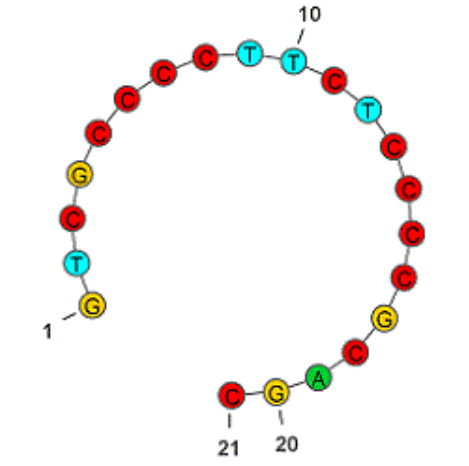
그리고 지난달에 $135 Million Series A를 했다는 발표를 했습니다. 이미 LTG-001이 임상1상에 진입을 한 상태인데 Vertex를 속히 따라잡기 위해서 조기에 임상1상을 완료하고 다양한 임상2상을 시작한다는 계획입니다. Vertex 약물이 primary endponts는 좋게 나왔지만 secondary endpoint는 아직 확실한 승리를 장담할 수 없다고 생각하고 이런 Vertex 약물 Suzetrigine (VX-548)의 약점을 파고든다는 전략입니다. 임상2상에서는 Chronic Pain 에 대해서도 임상시험을 계획하고 있습니다.

Latigo, running behind Vertex in non-opioid pain race, raises $135M to catch up – Fierce Biotech 2/134/2024

A new pain-focused biotech is emerging this Valentine’s Day—not to cure heartache, but pretty close. Latigo broke stealth cover today with $135 million to chase Vertex, the front runner in the effort to develop a new non-opioid pain option

Latigo Biotherapeutics unveiled Wednesday with a lead nav1.8 inhibitor, LTG-001, currently being tested in healthy volunteers. If that target sounds familiar, it’s because Vertex is going after it as well with its own non-opioid treatment. VX-548 just beat placebo in a phase 3 trial in patients with acute pain but did not manage to best the standard of care, VicodinVertex plans to file for FDA approval anyway this year and is seeking a broad label in moderate to severe acute pain. 

Sean Harper, M.D., co-founding managing director of Westlake Village BioPartners, which founded and incubated Latigo beginning in 2020, said beating opioids is a “tough bar.” 

“I think a goal in an acute pain setting to beat that type of comparator handsomely … would have to be [an] aspiration,” he said in an interview. With that said, Harper believes Latigo’s molecule will differentiate from Vertex’s by mitigating off-target effects in the brain and by tackling chronic pain

“We have every reason to believe that our nav1.8 inhibitor will be effective in both acute and chronic pain,” Harper said in an interview. “But obviously, that remains to be proven.”

The asset is in a healthy volunteers study now, and executives hope to initiate a phase 2 study for patients with acute pain later this year. 

Harper said some of the foundational science behind LTG-001 originated from the Lieber Institute for Brain Development in Baltimore but that preclinical work was done at labs in Thousand Oaks, California. The VC firm plucked homegrown talent for help, hiring many Amgen employees who left as part of the pharma’s neuroscience divestment in late 2019. The next molecule behind LTG-001 was developed completely in-house, Harper said, in addition to other discovery work. 

Desmond Padhi, an operating partner at Westlake, will be the interim CEO while Neuron23 CEO Nancy Stagliano, Ph.D., has been called upon to chair the board. Although corralling investor interest is never easy, Stagliano acknowledged that Latigo has “hit this important catalyst at just the right time.” 

“Once in a while, you get the timing to be perfect,” she said. 

The inaugural financing was co-led by 5AM Ventures and Foresite Capital with participation from Corner Ventures. Padhi wouldn’t lay out how much of a runway the $135 million affords but expects it would allow the company to complete the ongoing phase 1 trial and a future phase 2 acute pain study while planning for the chronic pain study. He also said Latigo was planning to initiate a clinical trial for the second molecule in the “near future.” 

같은 날 Biospace의 기사는 좀더 약물의 디자인과 관련한 차별점에 방점을 찍고 기사를 송고했습니다. 독성 완화를 위해 peripheral nervous system에만 전달을 하고 Central Nervous System (CNS)에는 약물이 들어가지 않도록 디자인하고 테스트를 했다는 것을 강조하고 있습니다. 뿐만 아니라 Latigo 연구팀이 Amgen에서 오랜기간 개발에 참여한 NaV1.7과의 병용이 중요하다는 얘기도 Yale University의 Waxman 박사의 입을 빌려 어필하고 있습니다.
Latigo Launches into Non-Opioid Pain Medicine Space with $135 Million Series A – Biospace 2/14/2024

Founded by Westlake Village BioPartners in 2020, Latigo is developing non-opioid-based therapeutics against genetically validated targets for pain—and with the opioid epidemic continuing to ravage the U.S., new options are urgently needed. In an interview with BioSpace, Sean Harper, founding managing director at Westlake, noted a dearth of available programs in which to invest.

“When we began to get into this focus of a pain company, we found that . . . it [was] really hard to find any programs that you could license in,” he said. Additionally, he said it was difficult to find people with expertise in the space, “because there’s so little investment and innovation going on in biopharma or academia in pain. It’s kind of shocking.” 

Fortunately for Westlake, Amgen—where Harper was previously head of R&D—had recently made the strategic decision to get out of the neuroscience space, which included pain, Harper said. “I knew the pain research unit . . . had these fabulous drug hunters with deep expertise in pain, and when they were laid off, we swooped in and we hired them and assembled this team.

‘Best-in-Class’ Potential

Like Vertex’s VX-548, Latigo’s lead program, LTG-001, is a selective NaV1.8 inhibitor. “There definitely is room for multiple agents targeting NaV1.8,” said Stephen Waxman, a professor of neurology at Yale School of Medicine who previously consulted for Latigo. “At a minimum, there are going to be small nuances of difference.” 

While hitting the primary endpoint of significant reduction of pain intensity from 0 to 48 hours in two Phase III trials, VX-548 missed a key secondary endpoint—superiority to Vicodin—and analysts also questioned the drug’s performance in another secondary endpoint: median time to pain relief. VX-548’s time-to-onset had a “more rapid onset to meaningful pain relief” than placebo, Vertex reported, with median time to pain relief being two hours in patients following abdominoplasty (tummy tuck) and four hours in bunionectomy patients versus eight hours for the placebo group.

In its press release, Latigo stated that LTG-001, currently in Phase I trials, has the potential for rapid onset. Harper said VX-548’s time-to-onset “may not be entirely a characteristic of the target. . . . It may be partially due to the particular characteristics of the compound, and we hope that the particular characteristics of our compound could result in faster time to onset.” 

Desmond Padhi, interim CEO of Latigo, said the team believes LTG-001 has the potential to be best-in-class. “We’re very focused on making sure that we get optimal biodistribution of our compounds to the tissue of interest . . . the peripheral nervous system where the target is expressed, and minimizing exposure in tissues where the target is not expressed,” the central nervous system (CNS).

But Waxman noted that the jury is still out on the benefits of specifically targeting the peripheral nervous system. He pointed to research suggesting that another sodium channel, NaV1.7, must be blocked within the spinal cord in order to get adequate pain relief. This question has not been raised regarding NaV1.8, he said, but “whether peripheral sequestration of the NaV1.8 blocker is an advantage or not, I think, is still up for grabs.”

Alongside Latigo and Vertex in the pain space, Orion Pharmaceuticals is developing also developing a NaV1.8 inhibitor, and Virpax Pharmaceuticals is looking at other targets

Harper said he has been interested in the pain space for a long time but has been met a “huge amount of resistance” with people noting the very genericized market. “Of course, that’s what happens when there’s been no innovation for 30 years. Everything’s off-patent.”

“I believe that . . . you have to be a little bit of a contrarian, and kudos to Vertex for having the first real breakthrough here to get it into proof of concept in humans,” he said. “It’s huge for patients.”

같은 날에 나온 Biopharmadive의 기사는 Vertex 약물이 통증 완화에 몇시간이 걸린다는 약점을 파고드는 디자인이라는 것에 방점을 찍고 있습니다. 하지만 Vertex도 Best-in-class 약물 개발이 진행 중이라는 점을 잊지 않고 있습니다.
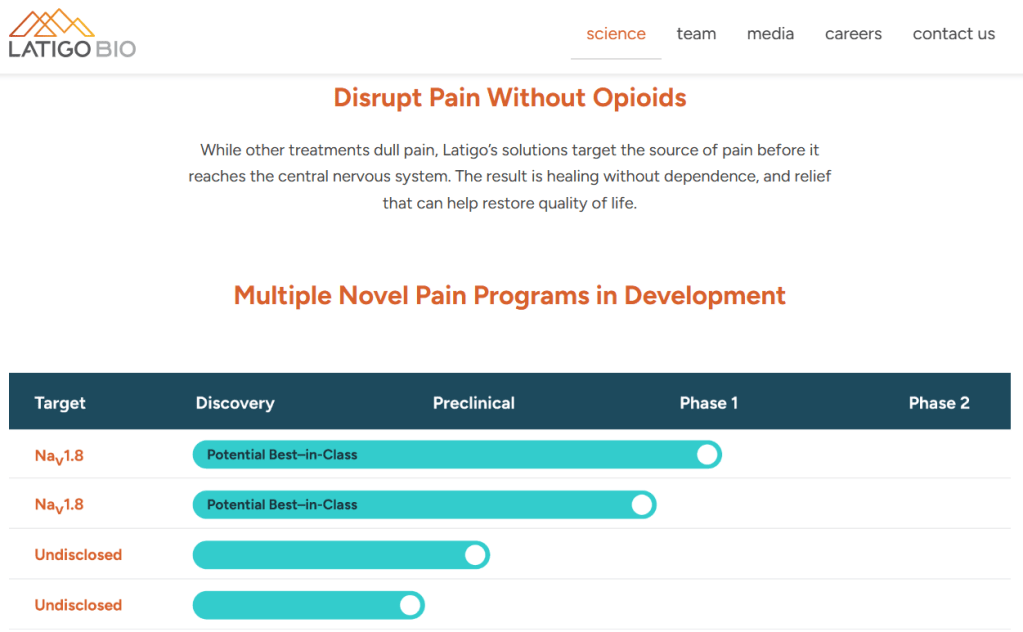
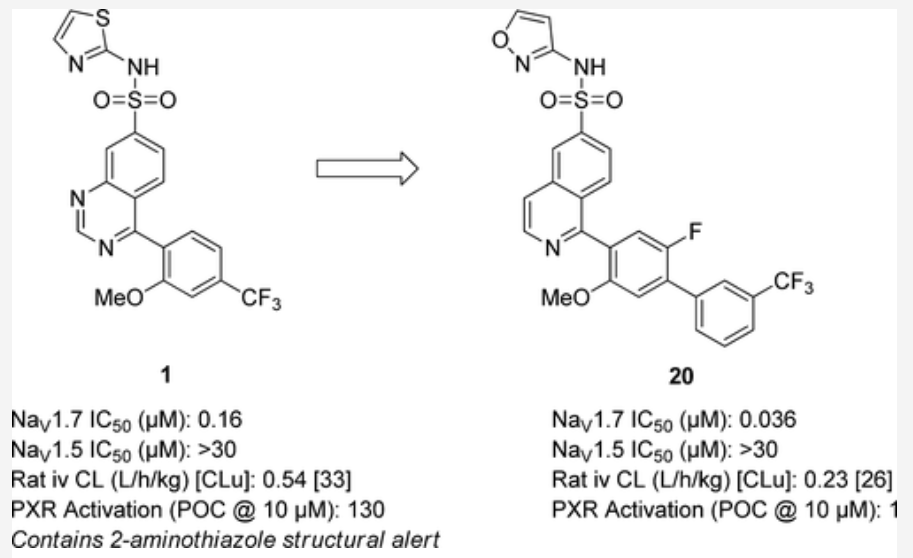
Hunting a non-opioid painkiller, a biotech reveals plans to chase Vertex – Biopharmadive 2/14/2024

Vertex’s results provided clinical validation of a hypothesis that was already well supported by genetic data. They also set a high bar for success. And with a drug ready for regulatory review, Vertex has established a sizable head start on any competition.

Even so, Latigo claims there’s room to improve on its larger rival’s treatment.

“When a new category opens up like this, somebody makes a first-in-class molecule. Occasionally, that’s the best-in-class, but most of the time something else comes along that is more refined,” said Harper. “So we’re really focused on the differentiation that we can bring to the table.”

Latigo’s lead drug, dubbed LTG-001, is currently in a Phase 1 study. The company is preparing to advance it into a mid-stage trial in acute pain, such as after bunion or stomach surgeries. Testing in chronic pain is also part of the plan, said Desmond Padhi, interim CEO and an operating partner at Westlake.

According to Padhi, preclinical data has shown LTG-001 to be highly selective for NaV1.8, avoiding penetration into the brain and the side effects that would go with it. He also noted early safety data suggesting Latigo could explore a wide range of doses.

Selectivity was also prioritized by Vertex’s chemists, who crafted a molecule that’s at least 30,000 times more selective for NaV1.8 than eight other sodium channels. The Massachusetts company is working on successor molecules, too.

Harper describes such selectivity for NaV1.8 as “table stakes” for companies who, like Latigo, hope to follow Vertex. Still, he noted questions that remain unanswered, such as whether the several hours it took for Vertex’s compound to provide relief in testing reflect the Nav1.8 approach or the drug.

“We think it’s possible that could be a molecule attribute,” said Harper. “We think it’s possible that you could get a faster onset with a different molecule, along with perhaps more efficacy by being able to push dose safely in the chronic setting.”

Latigo, which currently has 26 employees, has to prove that in testing. But investor interest is high, said board chair and Neuron23 CEO Nancy Stagliano, giving Latigo options for further fundraising.

“I do think the potential here is to raise capital via a number of vehicles,” said Stagliano. “It’s now going to be a question of what the company views as the best situation.”

Endpoints News에서는 좀 색다른 것을 적고 있는데, Sean Harper가 Drug Pricing에 대해 경험한 일을 나누고 있습니다. 과거 Migraine 약물인 Avvig을 개발할 때 경험을 토대로 만성 통증 완화 치료는 Opioid로 거의 불가능하기 때문에 이러한 Unmet Medical Need를 만족하는 Non-Opioid 약물의 가격적 Merit이 있다는 것을 얘기하고 있습니다.

Latigo, a pain biotech years in the making, emerges with $135M on heels of Vertex PhIII success – Endpoints News 2/14/2024

The company uses computer-assisted structural-based drug design to “optimize the selectivity, potency and biodistribution” of its compounds, Padhi said. In Nav1.8, Latigo is making sure its drug gets into the peripheral nervous system while avoiding the central nervous system.

During his days at Amgen, Harper was confronted with the realities of drug pricing, a key factor that Vertex, Latigo and other biotechs will have to contend with as they develop non-opioid pain medicines. He pointed to his experience developing biologics for migraine prophylaxis, describing migraine as a “different kind of pain syndrome.”

Trying to treat patients with chronic pain with opioids is really virtually impossible, so you end up with a lot of patients who you send home with nothing that works. There’s an enormous opportunity,” Harper said.

올해초에 Latigo Biotherapeutics의 Bryan Moyer 팀은 LTGO-33이라는 약물에 대한 연구결과를 Molecular Pharmacology에 발표했습니다. LTGO-33의 구조는 아래와 같습니다.

NaV1.1을 비롯한 8개의 타겟에 비해 NaV1.8에 대한 선택성이 600배 이상입니다. LTG-001은 LTGO-33에서 보다 Lead Optimization 된 약물일 것이니까 선택성이나 약효면에서 좋다는 가정을 할 수 있겠습니다. Non-Opioid Pain Medicine 개발에서 과연 ex-Amgen vs Vertex의 경쟁이 어떻게 판결나게 될지 흥미진진합니다.

Pharmacologic Characterization of LTGO-33, a Selective Small Molecule Inhibitor of the Voltage-Gated Sodium Channel NaV1.8 with a Unique Mechanism of Action. Mol. Pharm. 2024, 105, 233-249. Bryan D. Moyer et al.

BIOTECH (135) Ionis Pharmaceuticals: ION224 (Ionis-DGAT2rx) for MASH Phase 2 Result

(Picture: Stanley Crooke, Ph.D. Founder and former CEO & Chairman)

(Picture: Eric Swayze, Ph.D. at Ionix Pharmaceuticals)

안녕하세요 보스턴 임박사입니다.

Ionix Pharmaceuticals는 Antisense Oligonucleotide 분야의 글로벌 선두기업이고 오래전에 블로그를 쓴 적이 있습니다.

BIOTECH (3) – Ionis Pharmaceuticals

최근에는 Neurology 분야에서도 좋은 결과가 많이 나오지만 NASH (Non-Alcoholic Steatohepatitis) 분야에도 3개의 약물이나 파이프라인에 있습니다. 이 중 AstraZeneca와 파트너쉽된 두개 약물과 자체 개발 약물인 ION224 (Ionix-DGAT2rx)가 있습니다.

Ionis-AstraZeneca NASH drug deal은 2018년에 $30 Million upfront 및 총 $400 Million으로 계약을 했습니다.

AstraZeneca licenses Ionis’ clinical-phase antisense NASH drug – Fierce Biotech 4/9/2018

AstraZeneca has licensed a NASH candidate from Ionis. The Big Pharma is paying $30 million upfront to pick up the rights to the program and take it into the clinic.

Ionis advanced the asset through target validation and into development with the strategic support of AstraZeneca, which secured a front-row seat on its progress through a cardiovascular, metabolic and renal disease deal it struck in 2015.

The drug, like one previously licensed by AstraZeneca, features antisense technologies intended to improve affinity chemistry and cell-specific targeting.

This combination provides us with drugs that are substantially more potent than either Generation 2.5 or LICA alone, and supports administration of infrequent, very low doses, and even enables the potential for oral dosing,” Ionis COO Brett Monia said in a statement.

Gen 2.5 LICA는 현재 가장 약효와 독성 및 세포선택성 등에서 가장 앞선 기술 플랫폼입니다.

Beyond that, little is known publicly about the program. There are no online references to the drug, IONIS-AZ6-2.5-LRx, from before news of the licensing deal broke and neither Ionis nor AstraZeneca has disclosed its target. 

Ionis has a long-standing interest in NASH, though. The biotech’s Akcea-partnered angiopoietin-like 3 protein drug AKCEA-ANGPTL3-LRx is currently undergoing phase 2 testing in patients with NASH and other conditions to assess its effect on endpoints including liver fat. A phase 2 trial of another Ionis drug, IONIS-DGAT2Rx, is also using liver fat as an endpoint. The IONIS-DGAT2Rx trial is enrolling type 2 diabetics at risk of NASH. 

By offloading its latest NASH drug, Ionis has landed a $30 million upfront fee and a chance to pull in up to $300 million in milestones. If IONIS-AZ6-2.5-LRx comes to market, AstraZeneca will pay Ionis tiered royalties that top out in the low teens.

The financial terms are the same as for the last Ionis drug licensed by AstraZeneca. That deal gave AstraZeneca the rights to the kidney disease candidate IONIS-AZ5-2.5Rx, now known as AZD2373.

2020년에 UC San Diego School of Medicine의 Rohit Roomba 교수 연구진에서 ION224 (Ionix-DGAT2rx)의 13주 임상2상 결과를 The Lancet Gastroenterology and Hepatoloty에 발표했습니다.

Novel Antisense Drug Shows Promise in Slowing Fatty Liver Disease – UC San Diego Health 6/16/2020

Using a first-of-its-class drug in a clinical trial, an international research effort headed by a scientist at University of California San Diego School of Medicine reports that inhibition of a key enzyme safely and effectively improved the health of persons with non-alcoholic fatty liver disease (NAFLD), a chronic metabolic disorder that affects hundreds of millions of people worldwide.

The gene silencing approach represents a novel way to reverse NAFLD. The findings are published in the June 15, 2020 online issue of The Lancet Gastroenterology and Hepatology.

Novel antisense inhibition of diacylglycerol O-acyltransferase 2 for treatment of non-alcoholic fatty liver disease: a multicentre, double-blind, randomised, placebo-controlled phase 2 trial. The Lancet Gastroenterology and Hepatology, 2020, 5, 829-838. Rohit Roomba et al.

아래는 2018년 Investor Day에서 발표한 자료 중 발췌한 것입니다. ION224는 NASH에서 이전 단계인 NAFLD 단계로 개선할 수 있는 약물입니다.

44명의 Hepatic Steatosis with Type 2 Diabetes 환자에게 13주간 매주 SC 주사를 한 이후에 약물을 중단하고 13주의 기간의 경과를 보는 임상2상의 초기 결과를 보고했습니다.

3개월 치료 후 50% 환자에서 < 30% 이상의 간지방 감소를 보였습니다.

NAFLD occurs when fat accumulates in liver cells due to causes other than excessive alcohol intake. The precise cause is not known, but diet and genetics are believed to play substantial roles. The condition is typically not noticed until the disease is well-advanced, and perhaps has transitioned to non-alcoholic steatohepatitis (NASH), a progressive form that can lead to cirrhosis, liver cancer and liver failure. 

There is no cure. Treatment primarily consists of ameliorating contributory factors, such as losing weight, improving diet, exercising more and controlling for other conditions, such as diabetes and hypertension. No Food and Drug Administration-approved medications exist. In worst cases, a liver transplant may be required.

“NAFLD wasn’t even recognized as a disease three decades ago; now it is alarmingly prevalent, affecting roughly one-quarter of all Americans and emerging as one of the leading causes for liver transplant in the United States,” said the study’s lead author Rohit Loomba, MD, professor of medicine in the Division of Gastroenterology at UC San Diego School of Medicine and director of the UC San Diego NAFLD Research Center. “Given its relative ubiquity and its potentially calamitous consequences, safe and effective treatments are absolutely needed.”

In the double-blind, randomized, placebo-controlled Phase II trial, Loomba and colleagues enrolled 44 qualifying participants at 16 sites in Canada, Poland and Hungary. For 13 weeks, participants were injected with either an antisense inhibitor called IONIS-DGAT2 or a placebo. The inhibitor, produced by Carlsbad-based Ionis Pharmaceuticals, interferes with Diacylglycerol-O-acyltransferace or DGAT2, one of two enzyme forms required to catalyze or accelerate the production of triglycerides, a type of fat found in blood. High levels of triglycerides boost fat storage throughout the body, including the liver.

The researchers found that after 13 weeks of treatment, participants who received the enzyme inhibitor experienced measurable reductions in fatty liver levels compared to baseline, without elevated levels of fats, enzymes or sugars in the blood. There were six reported serious adverse events, including a cardiac arrest and deep vein thrombosis, but the researchers determined the events were unrelated to the study drug.

“These findings showed robust reduction in liver fat by MRI without corresponding increases in blood lipids,” said Loomba. “Given significant proportion of patients achieving roughly a 30 percent reduction in MRI-PDFF, the threshold that corresponds with higher odds of histologic response when treated for a longer duration, it looks like after just 13 weeks of treatment, the drug was actually slowing progression of NAFLD to NASH.

“All of this is very encouraging and argues for the next step: longer term trials to further investigate the potential of this drug in improvement of liver histologic features associated with NASH, the progressive sub-type of NAFLD.”

Co-authors of the study include: Erin Morgan, Lynnetta Watts, Shuting Xia, Lisa A. Hannan, Richard S. Geary, Brenda F. Baker and Sanjay Bhanot, all at Ionis Pharmaceutical, Carlsbad, Calif.

Funding for this research came from Ionis Pharmaceuticals. Loomba is supported, in part, by the National Institute of Diabetes and Digestive and Kidney Diseases (grants R01DK106419 and P30DK120515).

Disclosures: Rohit Loomba is a consultant or advisory board member for Arrowhead Pharmaceuticals, AstraZeneca, Bird Rock Bio, Boehringer Ingelheim, Bristol-Myer Squibb, Celgene, Cirius, CohBar, Conatus, Eli Lilly, Galmed, Gemphire, Gilead, Glympse bio, GNI, GRI Bio, Intercept, Ionis, Janssen Inc., Merck, Metacrine, Inc., NGM Biopharmaceuticals, Novartis, Novo Nordisk, Pfizer, Prometheus, Sanofi, Siemens, and Viking Therapeutics. In addition, his institution has received grant support from Allergan, Boehringer-Ingelheim, Bristol-Myers Squibb, Cirius, Eli Lilly and Company, Galectin Therapeutics, Galmed Pharmaceuticals, GE, Genfit, Gilead, Intercept, Grail, Janssen, Madrigal Pharmaceuticals, Merck, NGM Biopharmaceuticals, NuSirt, Pfizer, pH Pharma, Prometheus, and Siemens. He is also co-founder of Liponexus, Inc. His co-authors are all employees and/or stockholders of Ionis Pharmaceuticals.

최근에 160명 환자에 대한 51주 경과에 대한 임상2상 발표를 했는데 120 mg을 맞은 환자에서 44%가 >50% 의 Liver Steatosis 개선을 보였습니다. 아주 긍정적입니다. 그리고 32%는 1기 이상의 Stage 개선을 보였습니다. 이러한 임상결과를 가지고 Pivotal clinical trials로 진입할지 기대됩니다.

Ionis announces positive results from Phase 2 study of ION224, an investigational medicine demonstrating clinical efficacy in the treatment of NASH/MASH – PR Newswire 3/13/2024

Ionis Pharmaceuticals, Inc. (Nasdaq: IONS) announced positive results from a Phase 2 study of ION224, an investigational DGAT2 antisense inhibitor in development for the treatment of metabolic dysfunction-associated steatohepatitis (MASH), previously referred to as nonalcoholic steatohepatitis (NASH). The study met its primary endpoint at both doses (120 mg and 90 mg), achieving liver histologic improvement, and also met the important secondary endpoint of MASH resolution.

Key highlights from the 160-patient study at 51 weeks included:

  • ION224 achieved statistically significant liver histologic improvement as measured by at least a 2-point reduction in NAFLD Activity Score (NAS)* (p<0.001 (120 mg) and p=0.015 (90 mg)). 
  • Subgroup analysis indicated that significant improvements in the primary endpoint were observed in patients with both F2 and F3 (advanced) fibrosis.
  • ION224 achieved statistically significant MASH resolution without worsening of fibrosis, as measured by biopsy (p=0.039).
  • 44% of patients treated with 120 mg achieved ≥50% relative reduction in liver steatosis as measured by MRI-PDFF compared to 3% for placebo.
  • 32% of patients treated with 120 mg achieved a ≥1 stage improvement in fibrosis without worsening steatohepatitis as measured by biopsy compared to 12.5% for placebo.
  • ION224 was safe and well-tolerated in the study.

“This Phase 2 trial of ION224 is the first to demonstrate clinical evidence that the reduction of hepatic fat after DGAT2 inhibition correlates with improvements in MASH histological endpoints,” said Rohit Loomba, MD, MHSc, professor of medicine and chief, division of gastroenterology and hepatology, University of California San Diego; founding director, MASLD Research Center, University of California San Diego. “I believe ION224 offers a unique precision medicine opportunity with an approach that is potentially complementary to others in development for MASH, and I look forward to continued evaluation of this important investigational medicine.” 

MASH is the more severe form of metabolic dysfunction-associated steatotic liver disease (MASLD) and can lead to liver fibrosis, cirrhosis and liver-related death. ION224 is an investigational LIgand-Conjugated Antisense (LICA) medicine designed to reduce the production of diacylglycerol acyltransferase 2 (DGAT2) to treat patients with MASH. 

“Reducing the production of DGAT2 enzyme decreases the overproduction of triglycerides that contribute to excess liver fat, which can result in liver damage and inflammation. We are encouraged by these ION224 data, showing that a monthly subcutaneous medicine targeting DGAT2 has the potential to improve MASH and prevent its progression to more severe stages, including advanced liver fibrosis and cirrhosis,” said Sanjay Bhanot, MD, PhD, senior vice president and chief medical officer at Ionis. “The inhibition of DGAT2 represents a novel approach for MASH, a progressive disease in need of better treatment options. We look forward to sharing the full results from this study at an upcoming medical conference and discussing next steps to advance this potentially promising therapy for patients.” 

In this study, ION224 was safe and well-tolerated in MASH participants. Those in the ION224 study arms did not experience any worsening of hepatic or renal function or gastrointestinal side effects, and there was a lower rate of early termination compared to placebo. Additionally, there were no on-study deaths or treatment-related serious adverse events. 

The adaptive Phase 2, two-part, multi-center, randomized, double-blind, placebo-controlled study was designed to assess the efficacy, safety and pharmacokinetics of multiple doses of ION224 when administered subcutaneously once-monthly in adults with MASH. The study enrolled 160 patients to receive ION224 or placebo over a period of 49 weeks. In Part 1, 93 patients were randomized 1:1:1 to the three dose cohorts (60, 90, and 120 mg) and within each dose cohort, randomized 3:1 to receive ION224 or placebo. In Part 2, an additional 67 patients were randomized 1:1 to two selected dose cohorts (90 and 120 mg) and then in a 2:1 ratio to receive either ION224 or placebo within each cohort. The study was powered for the primary endpoint, which was the percentage of patients who achieved MASH histologic improvement, defined as achieving at least a 2-point reduction in NAS with at least 1-point improvement in hepatocellular ballooning or lobular inflammation, and without worsening of fibrosis at end of the treatment period.

About ION224
ION224 is an investigational LIgand-Conjugated Antisense (LICA) medicine designed to reduce the production of diacylglycerol acyltransferase 2 (DGAT2) to treat patients with MASH. DGAT2 is an enzyme that catalyzes the final step in triglyceride synthesis in the liver. Reducing the production of DGAT2 should therefore decrease triglyceride synthesis in the liver. Additionally, there is evidence of an increase in both fatty acid oxidation and oxidative gene expression associated with antisense inhibition of DGAT2. ION224 offers a unique approach, which is potentially complementary to other therapies currently in clinical development.

About Metabolic dysfunction-associated steatohepatitis (MASH)
MASH is the more severe form of metabolic dysfunction-associated fatty liver disease (MASLD). It is related to the epidemic of obesity, pre-diabetes and diabetes. Unlike liver disease caused by alcohol consumption, MASH is the result of an accumulation of fat in the liver, which can lead to inflammation and cirrhosis, an advanced scarring of the liver that prevents the liver from functioning normally. About 20% of MASH patients are reported to develop cirrhosis, which is associated with increased risk of liver-related and overall mortality.i MASH is the fastest growing indication for liver transplantation in the U.S. and Europe.ii 

In 2023, several multinational liver societies made the recommendation to update NAFLD to metabolic dysfunction-associated steatotic liver disease (MASLD) and to update non-alcoholic steatohepatitis (NASH) to metabolic dysfunction-associated steatohepatitis (MASH). Ionis has adopted the use of MASH to describe this Phase 2 trial. ION224-CS2 is registered on clinicaltrials.gov as a study in patients with non-alcoholic steatohepatitis (NASH) and was registered before the recommended update. 

About Ionis Pharmaceuticals, Inc.
For three decades, Ionis has invented medicines that bring better futures to people with serious diseases. Ionis currently has five marketed medicines and a leading pipeline in neurology, cardiology, and other areas of high patient need. As the pioneer in RNA-targeted medicines, Ionis continues to drive innovation in RNA therapies in addition to advancing new approaches in gene editing. A deep understanding of disease biology and industry-leading technology propels our work, coupled with a passion and urgency to deliver life-changing advances for patients. To learn more about Ionis, visit Ionispharma.com and follow us on X (Twitter) and LinkedIn. 

Forward-looking Statements
This press release includes forward-looking statements regarding Ionis’ business and the therapeutic and commercial potential of ION224, additional medicines and technologies. Any statement describing Ionis’ goals, expectations, financial or other projections, intentions, or beliefs is a forward-looking statement and should be considered an at-risk statement. Such statements are subject to certain risks and uncertainties, including but not limited to those related to our commercial products and the medicines in our pipeline, and particularly those inherent in the process of discovering, developing and commercializing medicines that are safe and effective for use as human therapeutics, and in the endeavor of building a business around such medicines. Ionis’ forward-looking statements also involve assumptions that, if they never materialize or prove correct, could cause its results to differ materially from those expressed or implied by such forward-looking statements. Although Ionis’ forward-looking statements reflect the good faith judgment of its management, these statements are based only on facts and factors currently known by Ionis. Except as required by law, we undertake no obligation to update any forward-looking statements for any reason. As a result, you are cautioned not to rely on these forward-looking statements. These and other risks concerning Ionis’ programs are described in additional detail in Ionis’ annual report on Form 10-K for the year ended Dec. 31, 2023, which is on file with the SEC. Copies of this and other documents are available at www.ionispharma.com.    

Ionis Pharmaceuticals® is a registered trademark of Ionis Pharmaceuticals, Inc. 

* Nonalcoholic Fatty Liver Disease Activity Score (NAS) with at least 1-point improvement in hepatocellular ballooning or lobular inflammation, and without worsening in fibrosis stage.

iLe MH, et al. Clin Mol Hepatology 2022;28:841–850.
iiEstes C, et al. Hepatology. 2018;67(1):123-133.

BIOTECH (134) Madrigal Pharmaceuticals: The First MASH Drug Rezdiffra (Resmetirom) Got FDA Approval.

안녕하세요 보스턴 임박사입니다.

이런 날을 보려고 바이오텍 연구원으로 삽니다. 드디어 기다리고 기다리던 MASH (Metabolic dysfuction-associated steatohepatitis) 치료제가 FDA 승인 관문을 넘었습니다. 그 약물은 전에 임상3상 성공소식을 올렸던 Madrigal Pharmaceuticals의 Resmetirom입니다.

BIOTECH (10) – Madrigal Pharmaceuticals의 NASH 치료제 MGL-3196 (Resmetirom) 임상 3상 결과

약물의 Original Brand Name은 “Rezdiffra”입니다.

MASH는 질병 메카니즘이 아직 밝혀진 바가 없어서 수십년간 바이오텍과 제약회사들이 노력해도 계속 실패하고 있었습니다. 이제 드디어 최초의 MASH Drug이 승인된 만큼 다른 계열의 치료제도 임상3상을 통해 속속 FDA 승인 문턱에 다다를 것으로 보입니다.

현재로서는 FGF21 Inhibitors와 GLP-1 Agonist 등이 차기 MASH 치료제로서 가능성을 증명하기 위한 Pivotal Clinical Trials를 진행 중입니다.

FDA approves Madrigal’s NASH drug, marking the first-ever treatment for the liver disease – Endpoints News 3/14/2024

Madrigal Pharmaceuticals’ NASH drug won an accelerated approval on Thursday, becoming the first treatment for a liver disease that for years has vexed scientists and investors.

The medication, resmetirom, was approved under the brand name Rezdiffra for patients with stage 2 and 3 fibrosis. It’s expected to be available in April, according to Madrigal. While the FDA described the disease as NASH in its label, it is now often referred to as metabolic dysfunction-associated steatohepatitis (MASH).

The company declined to comment on the price it will charge for Rezdiffra, its first approved drug. Earlier this year, CEO Bill Sibold touted resmetirom as a specialty drug that “provides tremendous value” in a high-need area and would be priced as such. ICER, a drug pricing watchdog, determined in May that the drug would be cost-effective if it was priced between $39,600 and $50,100 per year.

In an interview before the approval, Sibold told Endpoints News that Madrigal will initially focus on the roughly 315,000 MASH patients in the US who have stage 2 or 3 fibrosis and are being seen by hepatologists and gastroenterologists.

“They’ve been diagnosed. They’re with the right physicians who know the disease. They’ll understand the product and know how to follow these patients,” he said. “Let’s focus on those patients and give them something because they haven’t had anything.”

The approval is likely to be viewed as a crucial milestone in the treatment of nonalcoholic steatohepatitis (NASH), which is now referred to as metabolic dysfunction-associated steatohepatitis, or MASH. For years, companies have tried to bring treatments to market, only to be foiled by negative readouts or safety questions.

A ‘huge moment’ for MASH

“This is one of those diseases that industry has tried for years to find a solution,” Sibold said. “To be the first, it’s really a huge moment for patients, a huge moment for the medical community, a huge moment for industry, a huge moment for Madrigal.”

He’s optimistic about access and said Madrigal has had “extremely productive conversations” with health insurers.

“Payers also understand what the cost of NASH is as it progresses along,” he said, noting that some patients develop liver cancer or eventually need a transplant.

Madrigal’s drug follows the high-profile failure of a product that once led the field — and helped inspire it. In 2014, Intercept Pharmaceuticals’ early data readout for its experimental drug, obeticholic acid, helped put MASH on the map as a disease that offered a huge number of patients and no approved treatments. The readout triggered a surge of interest from investors and the medical community.

But it never made it across the finish line. The FXR agonist was rejected by the FDA for a second time last year after members of an advisory committee raised safety concerns. Shortly after the rejection, Intercept scuttled its MASH programs and sold itself to Alfasigma, with analysts highlighting the importance of a “pristine” safety profile.

Madrigal’s drug works a bit differently than Intercept’s. It’s designed to activate the thyroid hormone beta-receptor in the hopes of reducing a patient’s liver fat, inflammation and fibrosis, while also lowering their cholesterol.

It met both primary endpoints in a Phase III study, helping patients achieve MASH resolution with no worsening of fibrosis, and fibrosis reduction with no worsening of the nonalcoholic fatty liver disease (NAFLD) activity score, a widely-used metric that tracks changes in patients with nonalcoholic liver disease, including MASH.

About half of the patients treated with 100 mg of resmetirom and biopsied at 52 weeks showed MASH resolution or fibrosis improvement, Madrigal announced in February.

There was “no incidence of drug-induced liver injury,” the safety concern that worried FDA advisors about Intercept’s drug. The FDA did not require an adcomm for resmetirom.

The first, but not likely the last 
Rezdiffra is now the only approved treatment for MASH patients. Previously, patients have been told to make lifestyle changes such as diet and exercise to avoid the need for a liver transplant.

“It’s just an awful thing to have them say, ‘Well, you have cirrhosis, and I’m sorry. We have no treatment,’” said Wayne Eskridge, a MASH patient and founder of the Fatty Liver Foundation, which has received contributions from MASH drug developers. “For patients coming on that will be diagnosed over the next few years, just not having to have that terrifically negative interaction is awesome.”

But he doesn’t think Madrigal’s medication will be the only option for long.

“With FDA, you never know,” Eskridge said. “But there’s been good progress and research. So we’re hoping that in the next two or three years, we see some other drugs as well to give broader treatment options for patients.”

He expects a class of drugs called FGF21s will pose the greatest competition to Rezdiffra, including a pair of late-stage therapies in development by Akero Therapeutics and 89bio. FGF21 is an endogenous metabolic hormone, and enhancing its activity has been shown to improve a list of symptoms, including hepatic fibrosis and inflammation. 89bio recently launched a Phase III trial for pegozafermin, while Akero’s efruxifermin is in an ongoing Phase III trial.

Akero recently unveiled additional data from its Phase IIb study suggesting that MASH patients treated with efruxifermin saw improvements in fibrosis without worsening of MASH through week 96. And Novo Nordisk and Eli Lilly are also testing their respective GLP-1 drugs, semaglutide and tirzepatide, in MASH.

In a trial readout in February, Eli Lilly reported that 74% of participants who took tirzepatide in a Phase II study showed an absence of MASH with no worsening of fibrosis at week 52, compared to about 13% of patients on placebo. The patients had stage 2 or 3 fibrosis.

Sibold previously suggested GLP-1s may perform best in early-stage MASH, before there is fibrosis or significant fibrosis, while later-stage patients “are in need of a liver-directed therapy quickly.”