살다보면 진짜와 가짜를 구분하는 눈이 생기는 것 같습니다. 뜬금없이 무슨 말이냐? 고 할 수 있겠지만 어떤 사람은 말은 번듯이 해도 자신이 경험하지 않은 것을 얘기해서 혼란을 주기도 하고 어떤 사람은 투박하지만 진짜로 자신이 경험한 것을 말하는 사람이 있습니다.
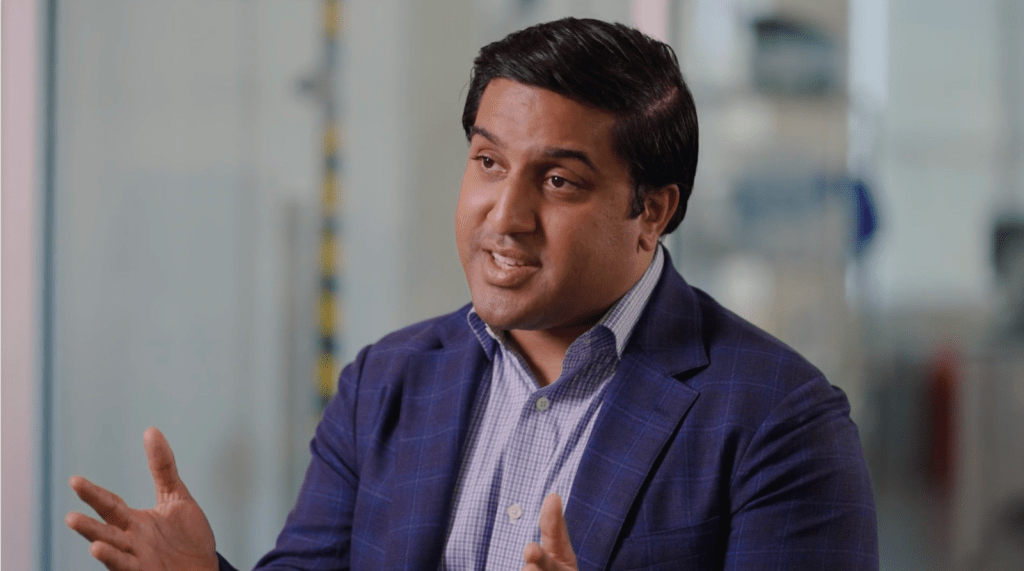
편정현 헤드헌터는 후자에 속하는 사람이라고 생각합니다. 나이가 들어서 정년퇴직을 당하는 (?) 경우가 많은데 이에 대해 편정현 헤드헌터는 절대 좌절하게 하지도 않고 그렇다고 해서 돈을 굴리라는 둥 뜬구름 잡는 말을 하지도 않습니다. 그대신 퇴직금을 3년에 나눠서 생활비로 쓰면서 공부를 해서 3년후부터는 벌 생각을 하라고 말합니다.
아래의 유튜브 영상은 편정현님의 자기 경험담입니다. 대리운전을 3년여를 하면서 배운 것에 대해 말씀하시고 계십니다.
경기불황 속 인재전쟁이 다시 시작된다. 뛰어난 인재를 채용하기 더 어려워지고 있다. 최근 뉴스에서는 우리나라가 경기불황에 접어들고 있으며 이 상황이 장기간 지속될 것이라는 전망을 내놓고 있다. 경기불황은 인재전쟁 시대의 서막이다. 회사 입장에서는 경제 상황이 어려워질수록 뛰어난 인재를 확보하기 어려워진다.
인재를 확보하기 위한 보편적인 방법 중 하나는 헤드헌터다. 헤드헌터는 문자 그대로 풀이하면 ‘머리를 사냥하는 사람’이다. 단어 자체의 느낌은 살벌하지만, 머리처럼 중요한 인재를 확보할 수 있다는 점에서 적절한 용어라고 할 수 있다. 헤드헌팅은 대공황을 겪었던 1930년 미국에서 새로운 채용방식으로 등장해, 현재까지 경력인재에 대한 수요를 충족시키는 방법으로 활용되는 중이다. 컨설팅 업체 ‘인파트너스’의 편정현 대표 헤드헌터가 인재전쟁에서 승리할 수 있는 노하우에 대해 밝혔다. PD 출신으로 방송계에서만 15년 이상의 경력을 쌓은 베테랑인 편정현 씨는 삼성, SK, 한화, 하나금융그룹 등과 같이 굵직한 대기업에서의 채용 프로젝트를 연달아 성공시킨 경험이 있다. 대기업뿐만이 아니다 인재 한 명 한 명이 소중한 스타트업도 많이 활용을 하고 있다.
-인재를 확보하기 위해 헤드헌터로서 갖춰야 할 역량은 무엇인가? “우선, 소명의식이 있어야 한다. 헤드헌터는 인재전쟁에서 고객사를 대신해 싸우는 용병이다. 용병의 가장 큰 문제는 충성심의 결여다. 훌륭한 용병이 되기 위해서는 용병으로서의 소명의식을 갖춰야 한다. 스위스 용병이 아직도 교황청을 지키는 이유는 500년 전 200여 명의 근위병 중 150명이 목숨을 잃으면서까지 교황을 지켰기 때문이다. 헤드헌터도 마찬가지다. 돈에 의해서만 움직이는 헤드헌터는 좋은 헤드헌터라고 할 수 없다. 소명의식이 있는 헤드헌터가 되어야 한다.
또한, 고객의 요구사항과 지시사항을 명확하게 파악하기 위해 끊임없이 소통해야 한다. 고객의 언어와 고객의 눈높이에 맞춰 소통하는 능력은 헤드헌터의 기본이다. 헤드헌터의 고객인 고객사와 후보자의 이야기를 경청하는 자세가 바탕이 돼야 한다. 여기에 자신만의 도구가 있어야 한다. 보통 헤드헌터들은 다양한 툴을 활용한다. 여러 툴을 활용해 상황에 따라 그물을 넓게 또는 좁게 던지며 빠르게 인재를 선별해야 한다. 그리고 적절한 인재를 적절한 포지션에 추천하는 것도 중요하다. 나도 여러 인재 서치 툴 및 데이터베이스나 플랫폼을 사용하는 중이다.
특히 ‘위크루트’라는 플랫폼을 애용한다. ‘위크루트’는 기업 인사담당자와 헤드헌터를 연결해주는 헤드헌팅 플랫폼이다. 위크루트의 조강민 대표는 10년 이상 대기업 인사담당자로 일하면서 인재전쟁에서 승리하는 방법을 끊임없이 고민해왔다.”
-인재전쟁에서 승리하기 위한 방법은 무엇인가? “뛰어난 인재를 확보하기 위해서는 뛰어난 헤드헌터를 확보해야 한다. 결국 가장 헤드헌터가 많은 곳이 가장 사람을 잘 찾지 않겠는가? ‘위크루트’는 서비스 출시 1년 만에 430명 이상의 헤드헌터가 가입해 활동하는 국내 최대 헤드헌팅 네트워크로 자리매김했다. 기업 입장에서는 수백 명의 헤드헌터가 필요한 인재를 찾아주는 플랫폼을 이용하는 것도 하나의 방법이다.”
-헤드헌팅 플랫폼 ‘위크루트’만의 특징은 무엇인가? “근성 있는 헤드헌터가 모여있는 곳이다. 인원 수로도 이미 국내 최고지만 헤드헌터의 역량도 최고라고 평가할 수 있다. 헤드헌팅 프로젝트가 주어지면 어떻게든 성공시키는 헤드헌터들이 모여있다. ‘위크루트’를 이용하는 헤드헌터에 대한 믿음이 있다. 또한, 가장 혁신적인 플랫폼이다. ‘위크루트’는 헤드헌팅 플랫폼으로는 최초로 3개의 특허가 등록되었거나 등록 과정에 있다. 아이디어가 사업화되는 일련의 과정을 혁신이라고 부른다는 점에서, ‘위크루트’는 가장 혁신적인 플랫폼이다. 한 번 사용한 인사담당자들의 재사용률은 90% 이상이다.
여기에 소통이 편리한 플랫폼이다. 기존의 인사담당자와 헤드헌터 간 이메일을 통한 커뮤니케이션의 한계를 보완해준다. 특히 소통 방식의 개선으로 한화그룹 채용담당자의 업무 효율이 300% 이상 올라갔다고 한다. 삼성, SK, KT와 같은 대기업 인사담당자가 사용하는 이유 중 하나다.
06 July 2025 Update
편정현님에 대한 보다 업데이트된 기사가 있어서 글을 올립니다. 편정현님의 좋은 조언을 보면서 저 또한 베이비부머 세대로서 좀더 고민하고 새로운 기술에 도전해 봐야겠다고 생각했습니다. 아래는 기사입니다.
미국과 일본에서 연구비를 받아서 초기의 연구를 진행하다가 2021년에 $37 Million Series A를 했습니다. 현재 Self-Amplifying RNA-LNP 백신인 COVID-19 Vaccine이 임상3상을 진행 중이고 VLP 백신인 Malaria 백신이 임상2상에 있고 VLP 백신인 Dengue Vaccine이 IND-enabling study를 진행하고 있습니다.
2017년에 미국 NIH SBIR grant를 Cancer vaccine 연구과제로 받았습니다.
Cancer immunotherapy has revolutionized today s treatments for many forms of cancers In particular blocking antibodies to immune checkpoint proteins such as programmed cell death PD and its ligand programmed cell death ligand PD L effectively unleash immune cell destruction of cancerous cells. However the high cost of these antibody-based immunotherapies their intensive therapeutic regimen and availability only at specialized medical centers make current immunotherapies impractical in all but the most advantaged societies. We hypothesize that an effective vaccine which can overcome these significant shortcomings of antibody-based immunotherapies while simultaneously mimicking their potent therapeutic benefits can impact the lives of countless more patients in particular a vaccine that induces durable levels of host antibodies against the tumor associated PD L protein will have powerful anti tumor effects by inhibiting the PD L PD immunosuppressive checkpoint interaction. We at VLP Therapeutics have developed a proprietary plug and play vaccine platform called inserted alphavirus virus like particle i VLP using the Chikungunya CHIK VLP VLPs mimic the conformation of native viruses without the viral genome thus capable of stimulating a robust host response absent safety issues Foreign antigens can be inserted into the surface loop domains of i VLP Due to its unique structure i VLP can efficiently present a dense array of copies of the inserted antigen on the particle surface i VLP induces highly effective immune responses to the inserted antigen and CHIK VLPs have shown acceptable safety profiles in a Phase I clinical trial. We propose to establish proof of concept of our PD L targeting vaccine s efficacy in a triple negative breast cancer TNBC like model given that TNBCs have shown some responsiveness to PD L PD antibody therapies in clinical trials and there remains a high unmet need for effective therapies against this particularly aggressive form of breast cancer which has the worst five year survival prognosis among all breast cancers and for which standard chemotherapy treatment is largely ineffective. The goal of this proposal is to determine the extent to which vaccination with our proprietary i VLP based PD L vaccine PD L VLP can mimic the effects of passive PD L monoclonal antibody therapy This study will provide the basis for advancing this exciting approach into clinical trials To create this vaccine we propose the following Specific Aims:
Aim: Determine the ability of PD L VLP to stimulate the production of antibodies that bind to tumor associated PD L and inhibit its binding to the T cell immune checkpoint receptor PD in murine models.
Aim: Determine the therapeutic effects of PD L VLP vaccination in a PD PD L antibody therapy sensitive murine tumor model benchmarked against PD L monoclonal antibody treatment.
Aim: Determine whether potential immune related adverse events including autoimmunity can be induced by our PD L VLP vaccine Narrative Cancer immunotherapy in particular blocking antibodies to immune checkpoint proteins effectively unleash immune cell destruction of cancerous cells However their high cost intensive therapeutic regimen and limited availability only at sophisticated medical centers make current antibody based immunotherapies impractical in all but privileged societies An effective vaccine directed against the tumor associated PD L protein which mimics the therapeutic benefits of antibody based PD L immunotherapy while overcoming its significant shortcomings described above will have powerful anti tumor effects.
3월의 시리즈 A와 12월의 시리즈 A-1에 모두 SK Impact Fund가 참여를 했습니다. 코로나 팬데믹 동안에 COVID-19 Vaccine 개발로 펀딩이 될 수 있었던 것 같습니다. 일본 바이오텍 벤처는 미국과 달리 서서히 기술개발을 이어가면서 공동연구를 주로 하는 방법으로 회사가 성장을 합니다. VLP Therapeutics는 saRNA-LNP 혹은 saRNA-VLP 백신 개발을 하는데 기대가 많이 됩니다.
US-based biotech company VLP Therapeutics, Inc. (VLPT) announced on March 15 that it has raised US$16 million in a Series A funding round from MIYAKO Capital Co., Ltd., Sojitz Corporation, Konishiyasu Co., Ltd. in Japan, and three existing investors in the US (Mr. Robert G. Hisaoka, SK Impact Fund, LLC, and RJ Fund, LLC) for research and development of a cancer treatment vaccine. With this funding, VLPT aims to accelerate the project well underway in the US and move into clinical trials at the earliest date possible.
“I have a high hope for VLP Therapeutics to become a leading company with its innovative platform technologies in the fields of infectious diseases and cancer, deep-rooted with CEO Wataru Akahata’s continuing commitment to virus and vaccine research and extensive experience of clinical trials,” says Dr. Hiroyuki Misawa, director and partner of MIYAKO Capital Co., Ltd. “It is my great pleasure to back up, as a shareholder, a biotech company with such advanced technologies.”
“I am optimistic that the innovative vaccines now being developed at VLP Therapeutics will make a significant contribution to the treatment of cancer, the prevention of malaria and dengue fever, and the fight against new threats such as COVID-19. In turn, I believe this will improve health and well-being for all and advance the development of medicine,” says Masayoshi Fujimoto, president and CEO of Sojitz Corporation. “We, Sojitz Corporation, are very pleased to work with VLPT CEO Wataru Akahata, an ambitious scientist with considerable experience in vaccine R&D, as well as with the members of the research team and the company founders who are well-versed in pharmaceutical development. We will do whatever we can to help VLPT grow going forward.”
“Since its inception over 190 years ago, we, Koshishiyasu, have been devoted to making the world a better place through the sales of industrial chemicals. It is therefore our great honor to invest in the cancer treatment vaccine R&D underway at VLP Therapeutics, which is also combating malaria and Covid-19 with its novel technologies.” says Toshiyuki Konishi, president and CEO of Konishiyasu Co., Ltd. “We are confident that, by financially supporting VLPT, we can contribute to the well-being of society, and they will make further progress in their vaccine R&D efforts.”
US-based biotech company VLP Therapeutics, Inc. (VLPT) announced on December 27 that it has signed an agreement for an investment of US$21 million in a Series A-1 round from six investors, consisting of two new investors: Nobelpharma Co., Ltd. and MUFG Bank, Ltd., and four existing investors: Sojitz Corporation, MIYAKO Capital Co., Ltd., Mr. Robert G. Hisaoka and SK Impact Fund, LLC.
With this funding, VLPT aims to further accelerate the research and development of a cancer treatment vaccine as well as prophylactic vaccines against malaria, dengue, etc. and move into clinical trials at the earliest date possible. This is an additional investment following US$16 million raised in a Series A round in March 2021.
“I have long committed to the research and development of vaccines against cancer and infectious diseases so the people across the globe can lead normal lives,” says Wataru Akahata, CEO and co-founder of VLPT. “We were fortunate enough to be able to raise funding in March to facilitate our cancer treatment vaccine R&D. This additional funding will now allow us to further accelerate our other R&D efforts in infectious diseases area as well. This means a lot as it helps us to push our scientific endeavors forward at much faster pace, enabling us to get one step closer in making a greater social impact.”
About VLP Therapeutics: VLP Therapeutics, Inc. (VLPT), co-founded in 2013 by Drs. Wataru Akahata, Ryuji Ueno, and Sachiko Kuno, is a Gaithersburg, MD-based biotech company with a mission to address unmet medical needs worldwide and expand the frontiers of vaccine treatment. Led by CEO Akahata VLPT is currently engaged in research and development of a cancer treatment vaccine as well as prophylactic vaccines against malaria, dengue, etc. using VLPT’s proprietary platform technologies.
Cell Reports에 낸 논문에 saRNA-LNP COVID-19 백신의 임상1상 결과를 보고했는데 BioNTech의 백신 30 mcg과 비교하여 VLP의 3 mcg 용량으로도 동등하거나 우수함을 증명했습니다. 기존 백신과 차별점은 RBD-anchoring을 한 것이 특징입니다.
저는 Science Writer나 Medical Writer에 대한 생각이 있는데요. 이 분야에서 앞서가는 한 분을 저는 흠모하고 있습니다.
Elie Dolgin 박사는 University of Edinburgh에서 진화유전학 (Evolutionary Genetics)으로 박사학위를 받고 Science Journalist로 활동을 하는 분입니다.
STAT, Nature Medicine 이나 The Scientist 에 글을 올리고 있고 . The New York Times, Science, IEEE Spectrum, Nature 와 같은 저널에 글을 기고하는 Freelancer Science Journalist입니다. 저는 Elie Dolgin 박사의 글의 정교한 스타일을 좋아하는데요. 정말 오랜 기간 인터뷰와 준비를 거쳐서 글이 다음어진 것이 느껴집니다.
대표적인 글로 2021년에 쓴 아래의 글이 있습니다. mRNA Vaccine이 나오기까지의 과학자들의 노력에 대해 조사하고 글을 쓴 것입니다.
Hundreds of scientists had worked on mRNA vaccines for decades before the coronavirus pandemic brought a breakthrough.
In late 1987, Robert Malone performed a landmark experiment. He mixed strands of messenger RNA with droplets of fat, to create a kind of molecular stew. Human cells bathed in this genetic gumbo absorbed the mRNA, and began producing proteins from it1.
Realizing that this discovery might have far-reaching potential in medicine, Malone, a graduate student at the Salk Institute for Biological Studies in La Jolla, California, later jotted down some notes, which he signed and dated. If cells could create proteins from mRNA delivered into them, he wrote on 11 January 1988, it might be possible to treat RNA as a drug”. Another member of the Salk lab signed the notes, too, for posterity. Later that year, Malone’s experiments showed that frog embryos absorbed such mRNA2. It was the first time anyone had used fatty droplets to ease mRNA’s passage into a living organism.
Those experiments were a stepping stone towards two of the most important and profitable vaccines in history: the mRNA-based COVID-19 vaccines given to hundreds of millions of people around the world. Global sales of these are expected to top US$50 billion in 2021 alone.
But the path to success was not direct. For many years after Malone’s experiments, which themselves had drawn on the work of other researchers, mRNA was seen as too unstable and expensive to be used as a drug or a vaccine. Dozens of academic labs and companies worked on the idea, struggling with finding the right formula of fats and nucleic acids—the building blocks of mRNA vaccines.
Today’s mRNA jabs have innovations that were invented years after Malone’s time in the lab, including chemically modified RNA and different types of fat bubble to ferry them into cells. Still, Malone, who calls himself the“inventor of mRNA vaccines”, thinks his work hasn’t been given enough credit.“ I’ve been written out of history,” he told Nature.
The debate over who deserves credit for pioneering the technology is heating up as awards start rolling out—and the speculation is getting more intense in advance of the Nobel prize announcements next month. But formal prizes restricted to only a few scientists will fail to recognize the many contributors to mRNA’s medical development. In reality, the path to mRNA vaccines drew on the work of hundreds of researchers over more than 30 years.
The story illuminates the way that many scientific discoveries become life-changing innovations: with decades of dead ends, rejections and battles over potential profits, but also generosity, curiosity and dogged persistence against scepticism and doubt.“ It’s a long series of steps,” says Paul Krieg, a developmental biologist at the University of Arizona in Tucson, who made his own contribution in the mid-1980s,“and you never know what’s going to be useful”.
The beginnings of mRNA
Malone’s experiments didn’t come out of the blue. As far back as 1978, scientists had used fatty membrane structures called liposomes to transport mRNA into mouse3 and human4 cells to induce protein expression. The liposomes packaged and protected the mRNA and then fused with cell membranes to deliver the genetic material into cells. These experiments themselves built on years of work with liposomes and with mRNA; both were discovered in the 1960s.
The history of mRNA vaccines: A timeline that shows the key scientific innovations in the development of mRNA vaccines.
Back then, however, few researchers were thinking about mRNA as a medical product—not least because there was not yet a way to manufacture the genetic material in a laboratory. Instead, they hoped to use it to interrogate basic molecular processes. Most scientists repurposed mRNA from rabbit blood, cultured mouse cells or some other animal source.
That changed in 1984, when Krieg and other members of a team led by developmental biologist Douglas Melton and molecular biologists Tom Maniatis and Michael Green at Harvard University in Cambridge, Massachusetts, used an RNA-synthesis enzyme (taken from a virus) and other tools to produce biologically active mRNA in the lab5—a method that, at its core, remains in use today. Krieg then injected the lab-made mRNA into frog eggs, and showed that it worked just like the real thing6.
Both Melton and Krieg say they saw synthetic mRNA mainly as a research tool for studying gene function and activity. In 1987, after Melton found that the mRNA could be used both to activate and to prevent protein production, he helped to form a company called Oligogen (later renamed Gilead Sciences in Foster City, California) to explore ways to use synthetic RNA to block the expression of target genes—with an eye to treating disease. Vaccines weren’t on the mind of anyone in his lab, or their collaborators.
Diptych of portraits of Paul Krieg and Douglas Melton
“RNA in general had a reputation for unbelievable instability,” says Krieg.“ Everything around RNA was cloaked in caution.” That might explain why Harvard’s technology-development office elected not to patent the group’s RNA-synthesis approach. Instead, the Harvard researchers simply gave their reagents to Promega Corporation, a lab-supplies company in Madison, Wisconsin, which made the RNA-synthesis tools available to researchers. They received modest royalties and a case of Veuve Clicquot Champagne in return.
Patent disputes
Years later, Malone followed the Harvard team’s tactics to synthesize mRNA for his experiments. But he added a new kind of liposome, one that carried a positive charge, which enhanced the material’s ability to engage with the negatively charged backbone of mRNA. These liposomes were developed by Philip Felgner, a biochemist who now leads the Vaccine Research and Development Center at the University of California, Irvine.
Despite his success using the liposomes to deliver mRNA into human cells and frog embryos, Malone never earned a PhD. He fell out with his supervisor, Salk gene-therapy researcher Inder Verma and, in 1989, left graduate studies early to work for Felgner at Vical, a recently formed start-up in San Diego, California. There, they and collaborators at the University of Wisconsin–Madison showed that the lipid–mRNA complexes could spur protein production in mice7. (Malone and his Vical coworkers also explored using mRNA for vaccines: their early patent filings describe injecting mRNA coding for HIV proteins into mice, and observing some protection against infection, although not the production of specific immune cells or molecules; this work was never published in a peer-reviewed journal).
Then things got messy. Both Vical (with the University of Wisconsin) and the Salk began filing for patents in March 1989. But the Salk soon abandoned its patent claim, and in 1990, Verma joined Vical’s advisory board.
Malone contends that Verma and Vical struck a back-room deal so that the relevant intellectual property went to Vical. Malone was listed as one inventor among several, but he no longer stood to profit personally from subsequent licensing deals, as he would have from any Salk-issued patents. Malone’s conclusion:“ They got rich on the products of my mind.”
Verma and Felgner categorically deny Malone’s charges.“ It’s complete nonsense,” Verma told Nature. The decision to drop the patent application rested with the Salk’s technology-transfer office, he says. (Verma resigned from the Salk in 2018, following allegations of sexual harassment, which he continues to deny.)
Malone left Vical in August 1989, citing disagreements with Felgner over“scientific judgment”and“credit for my intellectual contributions”. He completed medical school and did a year of clinical training before working in academia, where he tried to continue research on mRNA vaccines but struggled to secure funding. (In 1996, for example, he unsuccessfully applied to a California state research agency for money to develop a mRNA vaccine to combat seasonal coronavirus infections.) Malone focused on DNA vaccines and delivery technologies instead.
In 2001, he moved into commercial work and consulting. And in the past few months, he has started publicly attacking the safety of the mRNA vaccines that his research helped to enable. Malone says, for instance, that proteins produced by vaccines can damage the body’s cells and that the risks of vaccination outweigh the benefits for children and young adults—claims that other scientists and health officials have repeatedly refuted.
Manufacturing challenges
In 1991, Vical entered into a multimillion-dollar research collaboration and licensing pact with US firm Merck, one of the world’s largest vaccine developers. Merck scientists evaluated the mRNA technology in mice with the aim of creating an influenza vaccine, but then abandoned that approach.“ The cost and feasibility of manufacturing just gave us pause,” says Jeffrey Ulmer, a former Merck scientist who now consults with companies on vaccine-research issues.
Researchers at a small biotech firm in Strasbourg, France, called Transgène, felt the same way. There, in 1993, a team led by Pierre Meulien, working with industrial and academic partners, was the first to show that an mRNA in a liposome could elicit a specific antiviral immune response in mice8. (Another exciting advance had come in 1992, when scientists at the Scripps Research Institute in La Jolla used mRNA to replace a deficient protein in rats, to treat a metabolic disorder9. But it would take almost two decades before independent labs reported similar success.)
The Transgène researchers patented their invention, and continued to work on mRNA vaccines. But Meulien, who is now head of the Innovative Medicines Initiative, a public–private enterprise based in Brussels, estimated that he needed at least€100 million (US$119 million) to optimize the platform—and he wasn’t about to ask his bosses for that much for such a“tricky, high-risk”venture, he says. The patent lapsed after Transgène’s parent firm decided to stop paying the fees needed to keep it active.
Meulien’s group, like the Merck team, moved to focus instead on DNA vaccines and other vector-based delivery systems. The DNA platform ultimately yielded a few licensed vaccines for veterinary applications—helping, for example, to prevent infections in fish farms. And just last month, regulators in India granted emergency approval to the world’s first DNA vaccine for human use, to help ward off COVID-19. But for reasons that are not completely understood, DNA vaccines have been slow to find success in people.
Still, the industry’s concerted push around DNA technology has had benefits for RNA vaccines, too, argues Ulmer. From manufacturing considerations and regulatory experience to sequence designs and molecular insights,“ many of the things that we learned from DNA could be directly applied to RNA”, he says.“ It provided the foundation for the success of RNA.”
Continuous struggle
In the 1990s and for most of the 2000s, nearly every vaccine company that considered working on mRNA opted to invest its resources elsewhere. The conventional wisdom held that mRNA was too prone to degradation, and its production too expensive.“It was a continuous struggle,” says Peter Liljeström, a virologist at the Karolinska Institute in Stockholm, who 30 years ago pioneered a type of‘self-amplifying’RNA vaccine.
“RNA was so hard to work with,”s ays Matt Winkler, who founded one of the first RNA-focused lab supplies companies, Ambion, in Austin, Texas, in 1989. “If you had asked me back [then] if you could inject RNA into somebody for a vaccine, I would have laughed in your face.”
The mRNA vaccine idea had a more favourable reception in oncology circles, albeit as a therapeutic agent, rather than to prevent disease. Beginning with the work of gene therapist David Curiel, several academic scientists and start-up companies explored whether mRNA could be used to combat cancer. If mRNA encoded proteins expressed by cancer cells, the thinking went, then injecting it into the body might train the immune system to attack those cells.
Curiel, now at the Washington University School of Medicine in St Louis, Missouri, had some success in mice10. But when he approached Ambion about commercialization opportunities, he says, the firm told him:“ We don’t see any economic potential in this technology.”
Another cancer immunologist had more success, which led to the founding of the first mRNA therapeutics company, in 1997. Eli Gilboa proposed taking immune cells from the blood, and coaxing them to take up synthetic mRNA that encoded tumour proteins. The cells would then be injected back into the body where they could marshal the immune system to attack lurking tumours.
Gilboa and his colleagues at Duke University Medical Center in Durham, North Carolina, demonstrated this in mice11. By the late 1990s, academic collaborators had launched human trials, and Gilboa’s commercial spin-off, Merix Bioscience (later renamed to Argos Therapeutics and now called CoImmune), soon followed with clinical studies of its own. The approach was looking promising until a few years ago, when a late-stage candidate vaccine failed in a large trial; it has now largely fallen out of fashion.
But Gilboa’s work had an important consequence. It inspired the founders of the German firms CureVac and BioNTech—two of the largest mRNA companies in existence today—to begin work on mRNA. Both Ingmar Hoerr, at CureVac, and Uğur Şahin, at BioNTech, told Nature that, after learning of what Gilboa had done, they wanted to do the same, but by administering mRNA into the body directly.
“There was a snowball effect,” says Gilboa, now at the University of Miami Miller School of Medicine in Florida.
Start-up accelerator
Hoerr was the first to achieve success. While at the University of Tübingen in Germany, he reported in 2000 that direct injections could elicit an immune response in mice12. He created CureVac (also based in Tübingen) that year. But few scientists or investors seemed interested. At one conference where Hoerr presented early mouse data, he says,“ there was a Nobel prizewinner standing up in the first row saying,‘ This is completely shit what you’re telling us here—completely shit’.”(Hoerr declined to name the Nobel laureate.)
Eventually, money trickled in. And within a few years, human testing began. The company’s chief scientific officer at the time, Steve Pascolo, was the first study subject: he injected himself13 with mRNA and still has match-head-sized white scars on his leg from where a dermatologist took punch biopsies for analysis. A more formal trial, involving tumour-specific mRNA for people with skin cancer, kicked off soon after.
Şahin and his immunologist wife, Özlem Türeci, also began studying mRNA in the late 1990s, but waited longer than Hoerr to start a company. They plugged away at the technology for many years, working at Johannes Gutenberg University Mainz in Germany, earning patents, papers and research grants, before pitching a commercial plan to billionaire investors in 2007.“ If it works, it will be ground-breaking,” Şahin said. He got €150 million in seed money.
The same year, a fledgling mRNA start-up called RNARx received a more modest sum: $97,396 in small-business grant funding from the US government. The company’s founders, biochemist Katalin Karikó and immunologist Drew Weissman, both then at the University of Pennsylvania (UPenn) in Philadelphia, had made what some now say is a key finding: that altering part of the mRNA code helps synthetic mRNA to slip past the cell’s innate immune defences.
Fundamental insights
Karikó had toiled in the lab throughout the 1990s with the goal of transforming mRNA into a drug platform, although grant agencies kept turning down her funding applications. In 1995, after repeated rejections, she was given the choice of leaving UPenn or accepting a demotion and pay cut. She opted to stay and continue her dogged pursuit, making improvements to Malone’s protocols14, and managing to induce cells to produce a large and complex protein of therapeutic relevance15.
In 1997, she began working with Weissman, who had just started a lab at UPenn. Together, they planned to develop an mRNA-based vaccine for HIV/AIDS. But Karikó’s mRNAs set off massive inflammatory reactions when they were injected into mice.
She and Weissman soon worked out why: the synthetic mRNA was arousing16 a series of immune sensors known as Toll-like receptors, which act as first responders to danger signals from pathogens. In 2005, the pair reported that rearranging the chemical bonds on one of mRNA’s nucleotides, uridine, to create an analogue called pseudouridine, seemed to stop the body identifying the mRNA as a foe17.
Drew Weissman
Few scientists at the time recognized the therapeutic value of these modified nucleotides. But the scientific world soon awoke to their potential. In September 2010, a team led by Derrick Rossi, a stem-cell biologist then at Boston Children’s Hospital in Massachusetts, described how modified mRNAs could be used to transform skin cells, first into embryonic-like stem cells and then into contracting muscle tissue18. The finding made a splash. Rossi was featured in Time magazine as one of 2010’s‘people who mattered’. He co-founded a start-up, Moderna in Cambridge.
Moderna tried to license the patents for modified mRNA that UPenn had filed in 2006 for Karikó’s and Weissman’s invention. But it was too late. After failing to come to a licensing agreement with RNARx, UPenn had opted for a quick payout. In February 2010, it granted exclusive patent rights to a small lab-reagents supplier in Madison. Now called Cellscript, the company paid $300,000 in the deal. It would go on to pull in hundreds of millions of dollars in sublicensing fees from Moderna and BioNTech, the originators of the first mRNA vaccines for COVID-19. Both products contain modified mRNA.
RNARx, meanwhile, used up another $800,000 in small-business grant funding and ceased operations in 2013, around the time that Karikó joined BioNTech (retaining an adjunct appointment at UPenn).
The pseudouridine debate
Researchers still argue over whether Karikó and Weissman’s discovery is essential for successful mRNA vaccines. Moderna has always used modified mRNA—its name is a portmanteau of those two words. But some others in the industry have not.
Researchers at the human-genetic-therapies division of the pharmaceutical firm Shire in Lexington, Massachusetts, reasoned that unmodified mRNA could yield a product that was just as effective if the right‘cap’ structures were added and all impurities were removed.“ It came down to the quality of the RNA,” says Michael Heartlein, who led Shire’s research effort and continued to advance the technology at Translate Bio in Cambridge, to which Shire later sold its mRNA portfolio. (Shire is now part of the Japanese firm Takeda.)
Although Translate has some human data to suggest its mRNA does not provoke a concerning immune response, its platform remains to be proved clinically: its COVID-19 vaccine candidate is still in early human trials. But French drug giant Sanofi has been convinced of the technology’s promise: in August 2021, it announced plans to acquire Translate for $3.2 billion. (Heartlein left last year to found another firm in Waltham, Massachusetts, called Maritime Therapeutics.)
CureVac, meanwhile, has its own immune-mitigation strategy, which involves altering the genetic sequence of the mRNA to minimize the amount of uridine in its vaccines. Twenty years of working on that approach seemed to be bearing fruit, with early trials of the company’s experimental vaccines for rabies19 and COVID-1920 both proving a success. But in June, data from a later-stage trial showed that CureVac’s coronavirus vaccine candidate was much less protective than Moderna’s or BioNTech’s.
In light of those results, some mRNA experts now consider pseudouridine an essential component of the technology—and so, they say, Karikó’s and Weissman’s discovery was one of the key enabling contributions that merits recognition and prizes.“ The real winner here is modified RNA,” says Jake Becraft, co-founder and chief executive of Strand Therapeutics, a Cambridge-based synthetic-biology company working on mRNA-based therapeutics.
Not everyone is so certain.“ There are multiple factors that may affect the safety and efficacy of an mRNA vaccine, chemical modification of mRNA is only one of them,” says Bo Ying, chief executive of Suzhou Abogen Biosciences, a Chinese company with an mRNA vaccine for COVID-19 now in late-stage clinical testing. (Known as ARCoV, the product uses unmodified mRNA.)
Fat breakthrough
As for linchpin technologies, many experts highlight another innovation that was crucial for mRNA vaccines—one that has nothing to do with the mRNA. It is the tiny fat bubbles known as lipid nanoparticles, or LNPs, that protect the mRNA and shuttle it into cells.
This technology comes from the laboratory of Pieter Cullis, a biochemist at the University of British Columbia in Vancouver, Canada, and several companies that he founded or led. Beginning in the late 1990s, they pioneered LNPs for delivering strands of nucleic acids that silence gene activity. One such treatment, patisiran, is now approved for a rare inherited disease.
After that gene-silencing therapy began to show promise in clinical trials, in 2012, two of Cullis’s companies pivoted to explore opportunities for the LNP delivery system in mRNA-based medicines. Acuitas Therapeutics in Vancouver, for example, led by chief executive Thomas Madden, forged partnerships with Weissman’s group at UPenn and with several mRNA companies to test different mRNA–LNP formulations. One of these can now be found in the COVID-19 vaccines from BioNTech and CureVac. Moderna’s LNP concoction is not much different.
The nanoparticles have a mixture of four fatty molecules: three contribute to structure and stability; the fourth, called an ionizable lipid, is key to the LNP’s success. This substance is positively charged under laboratory conditions, which offers similar advantages to the liposomes that Felgner developed and Malone tested in the late 1980s. But the ionizable lipids advanced by Cullis and his commercial partners convert to a neutral charge under physiological conditions such as those in the bloodstream, which limits the toxic effects on the body.
What’s more, the four-lipid cocktail allows the product to be stored for longer on the pharmacy shelf and to maintain its stability inside the body, says Ian MacLachlan, a former executive at several Cullis-linked ventures.“ It’s the whole kit and caboodle that leads to the pharmacology we have now,” he says.
By the mid-2000s, a new way to mix and manufacture these nanoparticles had been devised. It involved using a‘T-connector’apparatus, which combines fats (dissolved in alcohol) with nucleic acids (dissolved in an acidic buffer). When streams of the two solutions merged, the components spontaneously formed densely packed LNPs21. It proved to be a more reliable technique than other ways of making mRNA-based medicines.
Once all the pieces came together,“ it was like, holy smoke, finally we’ve got a process we can scale”, says Andrew Geall, now chief development officer at Replicate Bioscience in San Diego. Geall led the first team to combine LNPs with an RNA vaccine22, at Novartis’s US hub in Cambridge in 2012. Every mRNA company now uses some variation of this LNP delivery platform and manufacturing system—although who owns the relevant patents remains the subject of legal dispute. Moderna, for example, is locked in a battle with one Cullis-affiliated business—Arbutus Biopharma in Vancouver—over who holds the rights to the LNP technology found in Moderna’s COVID-19 jab.
An industry is born
By the late 2000s, several big pharmaceutical companies were entering the mRNA field. In 2008, for example, both Novartis and Shire established mRNA research units—the former (led by Geall) focused on vaccines, the latter (led by Heartlein) on therapeutics. BioNTech launched that year, and other start-ups soon entered the fray, bolstered by a 2012 decision by the US Defense Advanced Research Projects Agency to start funding industry researchers to study RNA vaccines and drugs. Moderna was one of the companies that built on this work and, by 2015, it had raised more than $1 billion on the promise of harnessing mRNA to induce cells in the body to make their own medicines—thereby fixing diseases caused by missing or defective proteins. When that plan faltered, Moderna, led by chief executive Stéphane Bancel, chose to prioritize a less ambitious target: making vaccines.
That initially disappointed many investors and onlookers, because a vaccine platform seemed to be less transformative and lucrative. By the beginning of 2020, Moderna had advanced nine mRNA vaccine candidates for infectious diseases into people for testing. None was a slam-dunk success. Just one had progressed to a larger-phase trial.
But when COVID-19 struck, Moderna was quick off the mark, creating a prototype vaccine within days of the virus’s genome sequence becoming available online. The company then collaborated with the US National Institute of Allergy and Infectious Diseases (NIAID) to conduct mouse studies and launch human trials, all within less than ten weeks.
BioNTech, too, took an all-hands-on-deck approach. In March 2020, it partnered with New York-based drug company Pfizer, and clinical trials then moved at a record pace, going from first-in-human testing to emergency approval in less than eight months.
Both authorized vaccines use modified mRNA formulated in LNPs. Both also contain sequences that encode a form of the SARS-CoV-2 spike protein that adopts a shape more amenable to inducing protective immunity. Many experts say that the protein tweak, tailored for coronaviruses by NIAID vaccinologist Barney Graham and structural biologists Jason McLellan at the University of Texas at Austin and Andrew Ward at Scripps, is also a prize-worthy contribution, albeit not one that is specific to mRNA vaccination, because the concept can be applied to many viral vaccines.
The lightning-fast quest for COVID vaccines—and what it means for other diseases
Some of the furore in discussions of credit for mRNA discoveries relates to who holds lucrative patents. But much of the foundational intellectual property dates back to claims made in 1989 by Felgner, Malone and their colleagues at Vical (and in 1990 by Liljeström). These had only a 17-year term from the date of issue and so are now in the public domain.
Even the Karikó–Weissman patents, licensed to Cellscript and filed in 2006, will expire in the next five years. Industry insiders say this means that it will soon become very hard to patent broad claims about delivering mRNAs in lipid nanoparticles, although companies can reasonably patent particular sequences of mRNA—a form of the spike protein, say—or proprietary lipid formulations.
Firms are trying. Moderna, the dominant player in the mRNA vaccine field, which has experimental shots in clinical testing for influenza, cytomegalovirus and a range of other infectious diseases, got two patents last year covering the broad use of mRNA to produce secreted proteins. But multiple industry insiders told Nature they think these could be challengeable.
How COVID unlocked the power of RNA vaccines
“We don’t feel there’s a lot that is patentable, and certainly not enforceable,” says Eric Marcusson, chief scientific officer of Providence Therapeutics, an mRNA vaccines company in Calgary, Canada.
Nobel debate
As for who deserves a Nobel, the names that come up most often in conversation are Karikó and Weissman. The two have already won several prizes, including one of the Breakthrough Prizes (at $3 million, the most lucrative award in science) and Spain’s prestigious Princess of Asturias Award for Technical and Scientific Research. Also recognized in the Asturias prize were Felgner, Şahin, Türeci and Rossi, along with Sarah Gilbert, the vaccinologist behind the COVID-19 vaccine developed by the University of Oxford, UK, and the drug firm AstraZeneca, which uses a viral vector instead of mRNA. (Cullis’s only recent accolade was a $5,000 founder’s award from the Controlled Release Society, a professional organization of scientists who study time-release drugs.)
Some also argue that Karikó should be acknowledged as much for her contributions to the mRNA research community at large as for her discoveries in the lab.“ She’s not only an incredible scientist, she’s just a force in the field,” says Anna Blakney, an RNA bioengineer at the University of British Columbia. Blakney gives Karikó credit for offering her a speaking slot at a major conference two years ago, when she was still in a junior postdoc position (and before Blakney co-founded VaxEquity, a vaccine company in Cambridge, UK, focusing on self-amplifying-RNA technology). Karikó“ is actively trying to lift other people up in a time when she’s been so under-recognized her whole career”.
Although some involved in mRNA’s development, including Malone, think they deserve more recognition, others are more willing to share the limelight.“ You really can’t claim credit,” says Cullis. When it comes to his lipid delivery system, for instance,“ we’re talking hundreds, probably thousands of people who have been working together to make these LNP systems so that they’re actually ready for prime time.”
“Everyone just incrementally added something—including me,” says Karikó.
Looking back, many say they’re just delighted that mRNA vaccines are making a difference to humanity, and that they might have made a valuable contribution along the road.“ It’s thrilling for me to see this,” says Felgner.“ All of the things that we were thinking would happen back then—it’s happening now.”
References
1. Malone, R. W., Felgner, P. L. & Verma, I. M. Proc. Natl Acad. Sci. USA 86, 6077–6081 (1989).
2. Malone, R. W. Focus 11, 61–66 (1989).
3. Dimitriadis, G. J. Nature 274, 923–924 (1978).
4. Ostro, M. J., Giacomoni, D., Lavelle, D., Paxton, W. & Dray, S. Nature 274, 921–923 (1978).
5. Melton, D. A. et al. Nucleic Acids Res. 12, 7035–7056 (1984).
6. Krieg, P. A. & Melton, D. A. Nucleic Acids Res. 12, 7057–7070 (1984).
7. Wolff, J. A. et al. Science 247, 1465–1468 (1990).
8. Martinon, F. et al. Eur. J. Immunol. 23, 1719–1722 (1993).
9. Jirikowski, G. F., Sanna, P. P., Maciejewski-Lenoir, D. & Bloom, F. E. Science 255, 996–998 (1992).
10. Conry, R. M. et al. Cancer Res. 55, 1397–1400 (1995).
11. Boczkowski, D., Nair, S. K., Snyder, D. & Gilboa, E. J. Exp. Med. 184, 465–472 (1996).
12. Hoerr, I., Obst, R., Rammensee, H. G. & Jung, G. Eur. J. Immunol. 30, 1–7 (2000).
13. Probst, J. et al. Gene Ther. 14, 1175–1180 (2007).
14. Karikó, K., Kuo, A., Barnathan, E. S. & Langer, D. J. Biochim. Biophys. Acta 1369, 320–334 (1998).
15. Karikó, K., Kuo, A. & Barnathan, E. Gene Ther. 6, 1092–1100 (1999).
16. Karikó, K., Ni, H., Capodici, J., Lamphier, M. & Weissman, D. J. Biol. Chem. 279, 12542–12550 (2004).
17. Karikó, K., Buckstein, M., Ni, H. & Weissman, D. Immunity 23, 165–175 (2005).
18. Warren, L. et al. Cell Stem Cell 7, 618–630 (2010).
19. Aldrich, C. et al. Vaccine 39, 1310–1318 (2021).
Susan Molineaux,는 Serial Entrepreneur입니다. Proteasome Inhibitor를 개발하는 Proteolix를 설립해서 2003년부터 2005년까지 CSO였다가 2005년부터 2009년까지 President & CEO였습니다. Susan Molineaux가 CEO로 있는 동안 Carfilzomib (Kryprolis, treatment of multiple myeloma)의 상용화를 이끌어내고 Onyx Pharmaceuticals에 Proteolix가 M&A 됩니다.
Proteolix, Inc. today announced that it has signed a definitive agreement to be acquired by Onyx Pharmaceuticals, Inc. (Nasdaq: ONXX). Proteolix is a privately-held biopharmaceutical company focused on discovering and developing novel therapies that target the proteasome for the treatment of hematological malignancies and solid tumors. Proteolix’s lead compound, carfilzomib, is a proteasome inhibitor currently in multiple clinical trials, including an advanced Phase 2b clinical trial for patients with relapsed and refractory multiple myeloma.
“Proteolix has succeeded in pioneering a new class of potent proteasome inhibitors, as demonstrated by the promising data achieved in multiple studies of our lead candidate, carfilzomib. We believe Onyx truly shares our vision for carfilzomib as an important new therapy in oncology and recognizes Proteolix’s scientific leadership in proteasome inhibition,” said John A. Scarlett, M.D., President and Chief Executive Officer of Proteolix. “Onyx’s proven track record and commercial resources in oncology are impressive. We are excited to join forces and together we are poised to advance carfilzomib through regulatory approval and achieve our ultimate objective of helping patients.”
Under the terms of the transaction, Onyx will make a $276 million cash payment upon closing of the transaction. Additional payments include $40 million payable in 2010 based on the achievement of a development milestone and up to $535 million contingent upon the achievement of anticipated approvals for carfilzomib in the U.S. and Europe. Of the potential $535 million, a payment of $170 million is based upon the achievement of accelerated U.S. Food and Drug Administration approval. The transaction is expected to close in the fourth quarter of 2009, subject to the receipt of clearance under the Hart-Scott-Rodino Act and customary closing conditions.
Proteolix is a leader in developing therapeutics that inhibit the cellular proteasome, a validated and well-characterized approach to treating certain hematologic cancers. Carfilzomib is the first in a new class of selective and irreversible proteasome inhibitors. To date, carfilzomib has demonstrated strong response rates in multiple studies and a potentially more tolerable safety profile than currently approved agents. An ongoing accelerated approval Phase 2b trial in patients with relapsed and refractory multiple myeloma is expected to complete enrollment in 2009 with data anticipated in the second half of 2010. Carfilzomib is also being evaluated in a companion Phase 2 trial in relapsed multiple myeloma. A Phase 3 trial evaluating carfilzomib in combination with lenalidomide and dexamethasone as a potential treatment option for patients with multiple myeloma is expected to begin in 2010. Carfilzomib is also being evaluated in a Phase 1b/2 study for solid tumor cancers. In addition, Proteolix has discovered additional next-generation proteasome inhibitors to which it holds worldwide development and commercialization rights, including an oral proteasome inhibitor and a selective immunoproteasome inhibitor.
“Treatment options in multiple myeloma have historically been limited, and there is a tremendous need to expand the treatment paradigm with agents offering an improved efficacy and safety profile,” said Michael Kauffman, M.D., Ph.D., Chief Medical Officer at Proteolix. “Carfilzomib is in multiple ongoing clinical studies and has revealed clear single-agent activity in a heavily pre-treated multiple myeloma patient population, as well as being well tolerated alone, or in combination with Revlimid. Upcoming data for carfilzomib could support the potential near-term introduction of a novel therapy for this debilitating disease.”
Susan Molineaux,는 2010년에 UCSF의 기술을 임상에 적용하기 위해 Calithera Biosciences라는 Oncology 회사를 설립하게 됩니다.
Calithera Biosciences, a company developing novel oncology therapeutics, today announced the completion of a Series A financing totaling $40 million. Morgenthaler Ventures led the financing with U.S. Venture Partners, Advanced Technology Ventures, Delphi Ventures and Mission Bay Capital also participating in the round. The capital will be used to support the company’s pioneering efforts to develop activators of caspases, the proteases that promote apoptotic cell death, for the treatment of cancer and other proliferative diseases.
“Promoting apoptosis in cancer cells is a validated approach to the treatment of cancer, as many oncology drugs on the market today are known to kill tumor cells by activating apoptotic pathways, albeit through indirect means,” said Susan Molineaux, Ph.D., co-founder and Chief Executive Officer of Calithera. “By targeting caspases directly, we hope to develop agents that have broad utility across many types of cancer, with greater specificity than current treatments and the potential to overcome chemoresistance.”
Calithera’s technology was developed by and licensed from the laboratory of co-founder James Wells, Ph.D., chair of the Department of Pharmaceutical Chemistry in the University of California, San Francisco School of Pharmacy. Dr. Wells’s laboratory has successfully identified several novel compounds that selectively activate procaspases and trigger apoptosis in cancer cells. Proceeds from the financing will be used to advance one or more caspase activators through preclinical development and into Phase 1 clinical trials in cancer patients. In parallel, the company will expand its technology for targeting allosteric activating sites to other enzymes with therapeutic potential in cancer.
“Most drug discovery efforts are focused on identifying drugs that inhibit enzyme function,” said Dr. Wells. “But, interestingly, many cellular enzymes remain dormant until activated. In the case of caspases, they can be activated on demand by mimicking the natural process with small molecules.”
“I am excited about the novel chemical approach that Calithera is taking,” said Chris Christoffersen, Ph.D., of Morgenthaler Ventures and Chairman of the Calithera Board. “The technology to discover small molecules that target binding sites to activate, rather than inhibit, enzymes has the potential to be a powerful and broadly applicable approach to developing innovative therapies across many targets.”
Expert Leadership Team in Place
The management team of Calithera brings to the company both deep scientific expertise and extensive experience in drug development.
Susan Molineaux, Ph.D., was most recently a founder and Chief Executive Officer of Proteolix, a company that developed proteasome inhibitors. Proteolix was in late-stage clinical trials with carfilzomib in multiple myeloma when Onyx Pharmaceuticals acquired the company in 2009 for $851 million. Prior to forming Proteolix, Dr. Molineaux held leadership positions at Rigel Pharmaceuticals and Praecis Pharmaceuticals. Dr. Molineaux began her career as a scientist in the Immunology group at Merck.
Mark Bennett, Ph.D., Senior Vice President of Research at Calithera, was Vice President of Research at Proteolix. Previously, he was Director of Cell Biology at Rigel Pharmaceuticals. Prior to that, Dr. Bennett served as an Assistant Professor in the Department of Molecular and Cell Biology at University of California, Berkeley.
Eric Sjogren, Ph.D., Senior Vice President of Drug Discovery at Calithera, was most recently the Vice President and Head of Medicinal Chemistry at Roche, Palo Alto. He held a series of positions during his 15-year tenure at Roche. Prior to that, Dr. Sjogren was at Syntex for eight years.
Calithera’s Board of Directors includes Susan Molineaux, Ph.D., Chris Christoffersen, Ph.D., Larry Lasky, Ph.D., from U.S. Venture Partners, Jean George from Advanced Technology Ventures, Deepa Pakianathan, Ph.D., from Delphi Ventures, and James Wells, Ph.D.
(By Dan Fost) With innovation as the watchword, a biotech spinoff from the UCSF School of Pharmacy announced a $40 million Series A round of investment last week – hailed by an investor as “one of the largest first rounds of financing in some time.” Calithera Biosciences, which launched this year out of the lab of Jim Wells, PhD, at Mission Bay, brings a novel approach to killing cancer cells that several major biotech investors see as having the potential to help speed recovery from the disease. Calithera provides the latest example of cutting-edge research and technology that have originated at UCSF and spun out into companies or industry partnerships, with the intent of having a direct, positive impact on patients’ lives. Since UCSF spawned the biotech industry in the 1970s with the launch of Genentech and the discovery of recombinant insulin as the first biotech drug, the University has issued 1,757 biomedical patents and has spun off more than 66 companies from its research. Those UCSF patents have led the UC system in generating license and royalty fees during these cash-tight times. The UCSF discovery that led to the current hepatitis B vaccine generates the largest royalties of the entire UC system, and the discovery of human growth hormone, which was developed and brought to market by Genentech, is among the top five. Although it’s not the largest UC campus, UCSF has consistently ranked first in the 10-campus system, as measured by total utility licenses issued, total utility patents and total license income. Over the last 10 years alone, the biomedical campus has issued 602 UCSF patents, averaging $64 million per year in licensing, litigation and royalty income. “We are certainly very prolific in winning US patents, and overall, we’ve been very successful in licensing,” said Joel Kirschbaum, PhD, director of the UCSF Office of Technology Management. While Kirschbaum said the licensing revenue helps support programs as well as the University’s educational mission, he noted, “Our fundamental mission is to transfer the fruits of publicly funded research to benefit the public.” The real win in cases like Calithera, he said, will come if the therapy the company develops achieves its goal of significantly helping cancer patients. Calithera’s announcement comes one month after the release of an economic impact report that UCSF commissioned, which showed that the University – through its vast research and medical enterprise – has a $6.2 billion annual economic impact on the Bay Area. The Calithera deal also stands in the vanguard of a new model that could generate faster translation of scientific research into patient care, while also increasing funding to the UC system. Among its venture backers is Mission Bay Capital (MBC), an independent venture fund that is managed by the California Institute for Quantitative Biosciences (QB3), based at UCSF’s Mission Bay campus. “In the long term, universities need to be more innovative about finding revenue streams to survive,” said Douglas Crawford, PhD, QB3’s associate director and a pro bono managing partner of Mission Bay Capital, noting that California will never return to its 1960s-level of investment in the University system. “We’ve got to be nimble about finding resources.” MBC benefits from advisers that include renowned investors Brook Byers, Chris Christoffersen, PhD, and John Wadsworth Jr. as it helps connect savvy investors with the world-class research taking place in University labs. In the past few years, UCSF has put a renewed emphasis on working with industry in an effort to expedite translational medicine, a trend that has accelerated under Chancellor Susan Desmond-Hellmann, MD, MPH, a former Genentech executive. Like Desmond-Hellmann, Wells is a veteran UCSF scientist who left the University for a long stint in industry. A member of the prestigious National Academy of Sciences, Wells spent 16 years at Genentech, and then started his own firm, Sunesis Pharmaceuticals, now a publicly traded company. He returned to UCSF in 2005 and now chairs the Department of Pharmaceutical Chemistry in the School of Pharmacy, with a joint appointment in the School of Medicine’s Department of Cellular and Molecular Pharmacology. His lab is focused on understanding and modulating signals in human cells, working with small molecules. For the past five to seven years, the lab has taken an unconventional approach to studying caspases – enzymes that kill cells – which cancer cells have been able to avoid. Most drugs work to inhibit enzyme function, but Wells’ lab has studied what would happen if the enzymes were activated instead. “Cells have within them the ability to commit suicide,” Wells said. “When they are heavily virally infected or have accrued mutations on the pathway to developing cancer, they have inborn mechanisms by which can they commit suicide for the benefit of the organism. But most cancers find a way to avoid this inborn mechanism. They create mutations that don’t allow it to happen.” Many cancer drugs try to stimulate that process of programmed cell death, known as apoptosis. Those drugs start at a point that, Wells said, is upstream from the cancer. They launch what he called a “bucket brigade” designed to cause cell death farther downstream. The problem, he said, is that “cancers figure out ways to lesion it, and avoid the bucket brigade. We thought it might be an interesting approach as an anticancer drug if we could activate caspases directly” at the downstream junction. Three years ago, a postdoctoral fellow in the lab, Dennis Wolan, PhD, used a high-throughput screen in Wells’ Small Molecule Discovery Center at QB3 to discover a compound that would activate the caspases in a cancer cell and kill it. “For reasons we don’t fully understand, but are beginning to understand, it will kill cancer cells much more rapidly than other cells,” Wells said. The lab published a paper in Science last fall, which attracted interest from venture capitalists. Teaming up with biotech industry veteran Susan Molineaux, PhD, who is co-founder and chief executive officer of Calithera, led to the formation of the company, which is based in South San Francisco. In last week’s announcement, Calithera announced the hiring of Molineaux and the rest of the management team and board of directors, which includes Wells. The $40 million funding round was led by Morgenthaler Ventures and included, in addition to Mission Bay Capital, US Venture Partners, Advanced Technology Ventures and Delphi Ventures.
Glutaminase Inhibitor인 Telaglenastat (CB-839)의 임상1상을 진행시키기 위해 $35 Million Series D를 했습니다.
Calithera Biosciences, a biotechnology company focused on the development of novel cancer therapeutics, today announced the successful completion of a $35 million Series D financing led by Adage Capital Partners, LP. Joining Adage as new investors in this financing are the Longwood Fund and two other institutional investor groups. Existing investors Morgenthaler Ventures, Advanced Technology Ventures and Delphi Ventures, who have funded the company through earlier rounds of financing, also participated in the transaction. In conjunction with this financing, Christoph Westphal, MD, PhD, Partner and Co-Founder of the Longwood Fund, will join Calithera’s Board of Directors as an observer.
Calithera will use the proceeds from the financing to accelerate the development of the company’s lead clinical-stage candidate CB-839 through Phase 1 clinical trials in patients with advanced solid and hematological tumors. CB-839 is a potent and selective orally bioavailable glutaminase inhibitor that blocks the growth and survival of many different types of cancer cells by interfering with their metabolism of glutamine. Calithera will also continue to develop its pipeline of novel therapeutics, including an inhibitor of MCL-1, an anti-apoptotic BCL-2 homolog over-expressed in many cancers.
“With this strong support from new and current investors, we will advance CB-839 through an early set of clinical trials aimed at identifying specific populations of cancer patients with glutamine-dependent tumors that would benefit from treatment with CB-839,” said Susan Molineaux, PhD, President and Chief Executive Officer of Calithera Biosciences. “CB-839 has demonstrated promising anti-tumor activity in a broad range of tumor types that depend on glutaminase for cell growth and survival. We look forward to initiating clinical studies for CB-839.”
“The Calithera team possesses an impressive track record in discovering and developing successful oncology drugs,” said Christoph Westphal. “Calithera’s drug, CB-839, is an important new therapeutic candidate that has the pharmacological characteristics necessary to compete as a successful commercial oncology product. We look forward to CB-839 and additional innovative pipeline candidates entering clinical trials and making significant contributions to the advancement of cancer therapy.”
Calithera Biosciences, Inc. (Nasdaq: CALA), a clinical stage biotechnology company focused on discovering and developing novel small molecule drugs for the treatment of cancer and other life-threatening diseases, today announced the closing of its previously announced public offering of 5,750,000 shares of common stock, including 750,000 shares sold pursuant to the underwriter’s exercise in full of its option to purchase additional shares. Gross proceeds from the offering at a public offering price of $6.25 per share, before underwriting discounts and commissions and offering expenses, were approximately $36 million. Citigroup acted as the sole book-running manager for the offering.
그러나 Glutaminase Inhibitor인 Telaglenastat (CB-839)의 임상2상 중 하나였던 CANTATA 임상이 primary end point를 맞추는 데 실패함에 따라 35%의 인력 구조조정을 하게 됩니다. 여기서부터 회사가 위태로워지기 시작합니다. 그래도 이 때까지는 $115 Million이나 현금이 있는 상태여서 개발에 힘을 실을 시간은 있었던 것이 아닌가 싶습니다. 하지만 이후 경영진은 Caspase Hypothesis를 포기하고 Takeda의 두신약에 매달리게 됩니다. 그리고 엎친데 덮친 격으로 코로나 팬데믹으로 인해 임상 진행도 쉽지 않았던 것 같습니다.
A phase 2 clinical trial of Calithera Biosciences’ telaglenastat in renal cell carcinoma has missed its primary endpoint. The failure of the glutaminase inhibitor to improve progression-free survival (PFS) prompted Calithera to lay off 35% of its staff to stretch its cash reserves beyond future readouts.
Telaglenastat is designed to stop cancer cells from consuming the glutamine they need to survive and grow. Calithera tested the hypothesis by randomizing 444 metastatic renal cell carcinoma patients to receive telaglenastat or placebo orally twice a day, in addition to Exelixis’ Cabometyx, and assessing the effect of the experimental drug on PFS.
The drug flunked the test. Median PFS in the telaglenastat arm was 9.2 months, compared to 9.3 months in the control cohort. Almost two-thirds of patients had previously been treated with PD(L)-1 therapies. Calithera said the arms were well balanced.
Calithera responded to the setback in the CANTATA clinical trial by outlining plans to lay off 35% of its employees. With Calithera having 90 full-time employees at the last publicly disclosed count, the proposal suggests around 30 positions are at risk. The cuts are intended to stretch the $115 million Calithera had in the bank at the end of 2020 past data drops from two clinical trials.
One of the studies, KEAPSAKE, is assessing telaglenastat in KEAP1/NRF2 mutant non-small cell lung cancer (NSCLC) patients. Calithera is continuing the NSCLC trial despite the clear failure of CANTATA in the belief that there is a strong, distinct rationale for targeting the patient population.
The KEAP1/NRF2 pathway’s regulation of reactive oxygen species is implicated in the development of some cases of NSCLC. As the process results in cells that depend on glutaminase activity, Calithera sees reasons to think telaglenastat can succeed in a genetic subset of NSCLC patients despite failing in renal cell carcinoma.
Laying off the staff is intended to enable Calithera to keep going into 2022, by which time it will have delivered interim results from the NSCLC clinical trial. The extended cash runway also takes Calithera past the completion of a phase 1 clinical trial of arginase inhibitor CB-280 in cystic fibrosis patients.
The readouts could revitalize Calithera, but, for now, the company is at a low point. Shares in the West Coast biotech fell more than 50% in premarket trading, sinking to their lowest point since its 2014 IPO.
Calithera Biosciences, Inc. (Nasdaq: CALA), a clinical-stage, precision oncology biopharmaceutical company, today announced an agreement with Takeda Pharmaceutical Company Limited (“Takeda”) to acquire two clinical-stage compounds, both of which have demonstrated single-agent clinical activity with the greatest potential in biomarker-defined cancer-patient populations. The compounds, sapanisertib (CB-228, formerly TAK-228) and mivavotinib (CB-659, formerly TAK-659), further strengthen Calithera’s pipeline of clinical-stage targeted therapies.
“We believe that these clinical-stage compounds are an excellent complement to our internally-developed pipeline programs, and fit well with our current strategic focus on biomarker-driven therapeutic approaches. We are encouraged by the promising single-agent clinical data that suggest these investigational therapies could help transform treatment for multiple cancer patient populations with high unmet need,” said Susan Molineaux, PhD, president and chief executive officer of Calithera. “Specifically, sapanisertib has the potential to be the first targeted treatment for patients with NRF2-mutated squamous non-small cell lung cancer. We have learned a great deal about the unmet medical need of patients with KEAP1/NRF2 mutations, as well as how to identify and recruit these patients, during the conduct of our KEAPSAKE trial evaluating telaglenastat. This complementary approach in KEAP1/NRF2-mutant squamous NSCLC demonstrates our commitment to these patients and the pathway.
“Additionally, mivavotinib has the potential to be a best-in-class SYK inhibitor in non-Hodgkin’s lymphoma, as well as a first-to-market approach for patients with diffuse large B-cell lymphoma whose tumors harbor MyD88 and/or CD79 mutations.
“We plan to start a clinical trial in squamous NSCLC with sapanisertib and a clinical trial in DLBCL with mivavotinib, both in biomarker specific populations, and generate data in the next 12 to 18 months that will define the clinical development and potential regulatory approval paths for both of these compounds.”
The terms of the transaction include a total upfront cash payment to Takeda of $10 million and $35 million issued to Takeda in Calithera Series A preferred stock. Additionally, Takeda will be eligible to receive from Calithera clinical development, regulatory and sales milestone payments across both programs. Calithera will pay tiered royalties of high single-digits to low teens on future net sales should these candidates achieve regulatory approvals and subsequent commercial availability.
“Collaboration is an important aspect of our R&D strategy and at the center of our efforts to deliver new treatment options to patients. We are confident that Calithera, with their highly capable and experienced team, is the ideal partner to resume the development of sapanisertib and mivavotinib, and to maximize their potential to address underserved patient populations,” said Christopher Arendt, Ph.D., head of Oncology Cell Therapy and Therapeutic Area Unit of Takeda. “We look forward to seeing how these programs advance under Calithera’s leadership.”
Sapanisertib is a dual TORC 1/2 inhibitor that targets a key survival mechanism in KEAP1/NRF2-mutated tumor cells. These mutations are found in a considerable sub-population of patients across multiple solid tumor types. Sapanisertib has demonstrated promising single-agent activity in patients with relapsed/refractory NRF2-mutated squamous non-small cell lung cancer (NSCLC) and exhibits differential anti-tumor activity compared to rapalog inhibitors of TORC1 in NRF2-mutant squamous NSCLC in vivo models. A Phase 2 study planned to begin in the first quarter of 2022 will further evaluate sapanisertib as a monotherapy in patients with squamous NSCLC harboring a NRF2 mutation.
Mivavotinib is a SYK inhibitor that targets the constitutively active BCR pathway in many non-Hodgkin’s lymphoma (NHL) cases as well as the constitutively active inflammatory signaling pathway in MyD88-mutated NHL. In early phase studies, mivavotinib showed promising single-agent responses in relapsed/refractory diffuse large B-cell lymphoma (DLBCL). In addition, recent preclinical studies have shown enhanced SYK activity and sensitivity to SYK inhibition in DLBCL and other NHLs harboring mutations in MyD88 and/or CD79, which comprise a distinct genetic subset of DLBCL known to have poor outcomes with standard-of-care therapy. Accordingly, Calithera plans to initiate a Phase 2 study of mivavotinib in 2022 for the treatment of patients with DLBCL with and without mutations in MyD88 and CD79. Beyond DLBCL, both preclinical and clinical data support expansion across additional NHL subtypes and other hematologic malignancies as part of long-term plans.
Calithera Biosciences has reported that it will suspend the Phase II KEAPSAKE clinical trial of telaglenastat in stage IV non-squamous non-small cell lung cancer (NSCLC) due to a lack of clinical benefit.
This placebo-controlled, randomised, double-blind trial analysed the safety and anti-tumour activity of telaglenastat in combination with standard-of-care chemoimmunotherapy as front-line treatment for stage IV NSCLC patients. These subjects had tumours with Kelch Like ECH Associated Protein 1 (KEAP1) or Nuclear factor-erythroid factor 2-related factor 2 (NRF2) mutations. The trial had randomised a total of 40 subjects when it was unblinded on 27 October 2021. The efficacy results, which included investigator-evaluated progression-free survival, did not show any clinical benefit. Interim analysis findings of the trial also showed a reduced likelihood of an eventual positive outcome.
Calithera Biosciences has kept its head down since a phase 2 fail in 2021 caused layoffs for a third of its workforce. But in the wake of enrollment delays for two lead cancer therapies, the cash-strapped biotech has given up the fight and announced it’s liquidating the business.
“The board of directors and management devoted substantial time and effort in identifying and pursuing various opportunities, but we were unable to complete a transaction that would allow us to continue the development of our clinical programs and enhance shareholder value,” CEO Susan Molineaux, Ph.D., said in a release Monday.
As a result, all clinical programs will be shut down, with “most” of the company’s employees terminated by the end of this quarter.
“Importantly, I would like to sincerely thank our employees and others who have supported Calithera over the years,” Molineaux added in her statement yesterday. “We appreciate your partnership and participation, and we truly wish the outcome was different today.”
Money had been tight at the biotech for a while. Calithera had cash and equivalents of $34.1 million at the end of September, which was only expected to last into the second quarter of this year. In November, the company revealed it was “evaluating all options for its programs, including strategic collaboration or licensing agreements and actively considering the sale of certain programs, in order to extend its cash runway.”
It can’t have helped that things weren’t quite going to plan for its lead programs, either. Calithera also used its November financial report to reveal that “site activation delays” meant that enrollment for trials of sapanisertib and mivavotinib had been “slower than anticipated.” Still, the company said at the time that initial data from these studies were expected in mid-2023, with sapanisertib having secured an FDA fast-track tag for non-small cell lung cancer in October.
The biotech licensed both drugs from Takeda in 2021 after the failure of its own drug telaglenastat in a midstage kidney cancer test prompted Calithera to wield the ax on 35% of staff.
Calithera’s announcement is just the latest in a string of recent closures for struggling biotechs, with Otonomy winding down in December, followed by Nabriva Therapeutics last week.
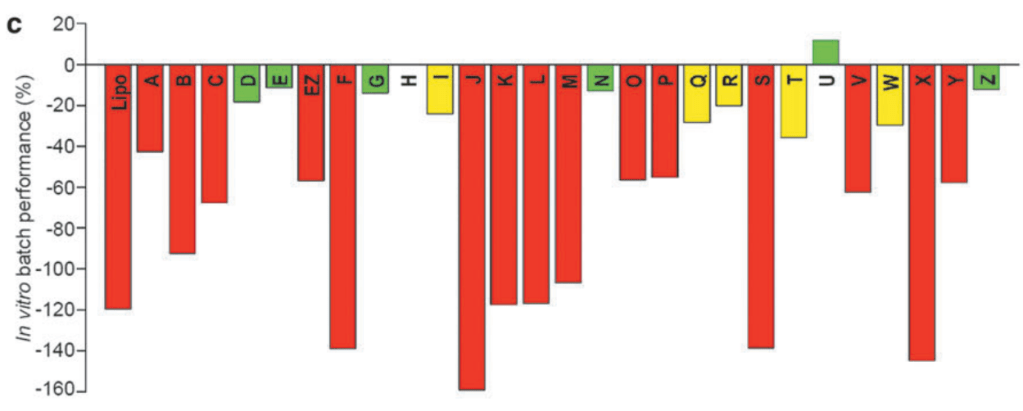
2022년 3월의 파이프라인은 2021년과 완전히 달라져 버렸습니다. 저는 2021년부터 2022년 사이의 결정이 잘못된 것이 아닌가하고 생각합니다. 이해하기 힘든 것은 왜 CD73 Inhibitor인 CB-708의 임상을 시도하지 않았는가 하는 것입니다. 전임상 데이타로 봤을 때는 Best-in-class 약물이었습니다. 2019년 STIC에서 발표한 포스터입니다.
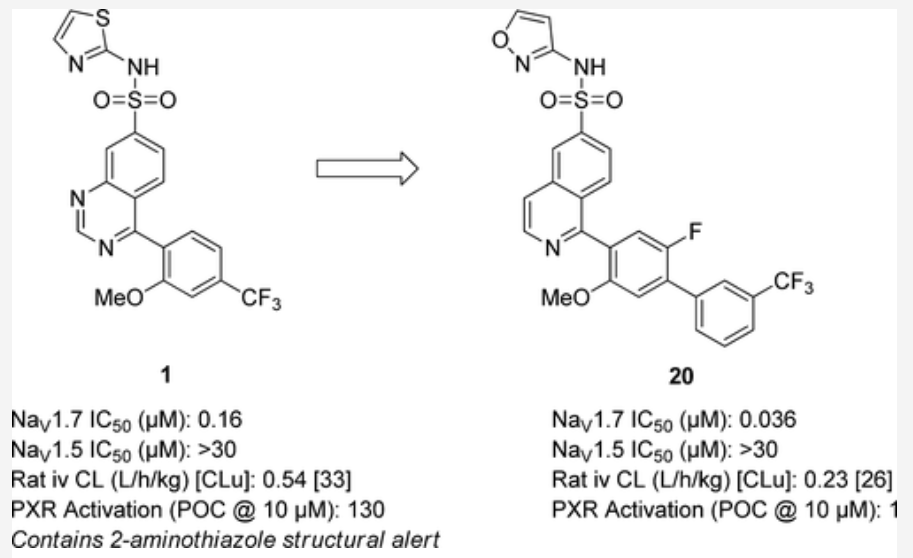
CD73 (ecto-5′-nucleotidase) has emerged as an attractive target for cancer immunotherapy of many cancers. CD73 catalyzes the hydrolysis of adenosine monophosphate (AMP) into highly immunosuppressive adenosine that plays a critical role in tumor progression. Herein, we report our efforts in developing orally bioavailable and highly potent small-molecule CD73 inhibitors from the reported hit molecule 2 to lead molecule 20 and then finally to compound 49. Compound 49 was able to reverse AMP-mediated suppression of CD8+ T cells and completely inhibited CD73 activity in serum samples from various cancer patients. In preclinical in vivo studies, orally administered 49 showed a robust dose-dependent pharmacokinetic/pharmacodynamic (PK/PD) relationship that correlated with efficacy. Compound 49 also demonstrated the expected immune-mediated antitumor mechanism of action and was efficacious upon oral administration not only as a single agent but also in combination with either chemotherapeutics or checkpoint inhibitor in the mouse tumor model.
2023년 5월에 Susan Molineaux는 Para Therapeutics를 새로 창업했습니다. Proteolix의 성공과 Calithera의 실패로 부터 배운 Susan Molineaux의 새로운 도전에 또 새로운 기대를 해 봅니다.
Off-the-shelf Cell Therapy는 꿈의 치료제라고 할 수 있는데 특히 Neurology 분야에서는 더욱 어렵지만 만일 할 수 있다면 환자들에게 정말 좋은 뉴스라 할 수 있습니다. 예를 들면 파킨슨씨병의 경우 Neuron의 Dopamine 분비에 이상이 생긴 것인데 이를 위한 회사 중 Autologous Stem Cell Therapy for Parkinson’s Disease인 “BlueRock Therapeutics”에 대해 블로그를 적은 적이 있습니다.
반대로 Kenai Therapeutics는 Allogeneic Stem Cell Therapy for Parkinson’s Disease”회사로서 iPSC-induced Stem Cell로 Doparminergic Neuron을 주입하는 치료법을 개발하는 것이 목표입니다. 이 회사의 CMO인 Howard Federoff 교수는 University of California at Irvine의 Vice Chancellor였기도 하고 Nasdaq 상장사인 Brooklyn ImmunoTherapeutics의 President & CEO였습니다. 하지만 그는 2022년 5월 새로운 벤처를 위해 사임합니다. 그 벤처가 바로 Kenai Therapeutics 인 것이죠.
2020년에 Howard Federoff교수는 하버드 대학교 김광수 교수의 Autologous Stem Cell Therapy for Parkinson’s Disease에 대한 New England Journal of Medicne의 논문과 관련한 글을 통해서 Autologous vs Allogeneic에 대해 평한 것이 있는데요. Redosability와 면역억제제를 복용할 필요가 없다는 점에서 Autologous Stem Cell Therapy가 보다 유용할 것으로 글을 썼습니다.
Cell therapies hold great promise to treat Parkinson’s disease, but there’s an ongoing debate over how to best do this. One group—and I am firmly in this camp—maintains an autologous therapy, derived from a patient’s own cells, is the correct path. Others believe an allogeneic approach, using donor cells, would be more cost-effective.
A recent study, published in the New England Journal of Medicine, added fuel to the fire. A research team, led by Harvard’s Kwang-Soo Kim, PhD, harvested cells from a person suffering from Parkinson’s disease, created induced pluripotent stem cells (iPSCs) and differentiated them into dopamine-producing neurons, which were ultimately transplanted into that person’s brain.
While this work generated some controversy, the procedure was well-tolerated for the study’s only participant, and that’s a first step towards establishing a safe track record for autologous neuronal cell transplants.
This narrow proof-of-concept will do little to settle the ongoing debate between allogeneic and autologous transplants. However, as the discussion moves forward, we must carefully assess all the evidence. This choice is an important inflection point for people with Parkinson’s disease—we need to make the right decisions based on the best, currently available data.
Autologous vs. allogeneic
Given the evidence, autologous therapies offer the most compelling opportunities to treat Parkinson’s disease, and give patients better quality of life, because they do not precipitate an immune response. Since allogeneic cells come from a donor and not from the person being treated, they are like heart, lung or kidney transplants: Recipients must take immunosuppressive drugs for their grafts to survive.
The jury is still out on which immunosuppressive regimens will be needed to protect allogeneic transplants from the immune system and how long those will be needed. Immunosuppression has a dramatic impact on quality of life, making people more vulnerable to opportunistic infections. The COVID-19 pandemic is an ongoing reminder that being immunosuppressed, for any amount of time, can be quite dangerous.
Since autologous transplants are generated from a person’s own cells, they will not need any immunosuppression, and that would be a big win for patients.
There’s also evidence that autologous neurons create synapses more efficiently. Presynaptic axons must scan their environments to make the appropriate connections with dendrites from other neurons. They perform this feat with such accuracy that many researchers believe axons and dendrites are encoded in some way to make those correct connections.
Alternatively, dopaminergic and other neurons can form autapses, in which they connect to themselves rather than targeting the right neurons. Though we do not fully understand how this mechanism works, we do know that neurons from autologous transplants share the same coding with their neighbors. As a result, they appear to reject autapses, favoring synapses and generating optimal connections to produce functional circuits. This may seem like a subtle detail, but it’s critically important if we want to restore function in Parkinson’s disease patients.
Another potential issue is redosing. We don’t know how long any cell transplant–autologous or allogeneic—will benefit certain patients. Parkinson patients with the sporadic (non-familial) form of the disease can start developing symptoms before they turn 50. As a result, they may need a second, or possibly even a third, transplant procedure to manage their disease.
This is an important consideration when choosing which path is the best choice for patients. If they have received an allogeneic transplant, that original cell line will have become immunogenic. However, patients who benefit from autologous transplants can continue to receive their own cells without any concerns over immunogenicity. For patients who need additional dopamine-producing neurons down the road, autologous cells are clearly the better option.
Making the fine distinctions
When assessing autologous and allogeneic transplants, we must recognize that there is significant diversity in these methods, and the scientific community should not treat them as two monolithic approaches.
For example, researchers can adopt various methods to convert mature cells into iPSCs and differentiate them into dopaminergic neurons for transplant. Kwang-Soo Kim’s group used a flavanol to destroy senescent cells during the differentiation process. This added another step that exposes transplant cells to a chemical, and that may not be the best way to proceed.
There are also different types of Parkinson’s disease, and treatments should reflect that diversity. Patients with sporadic Parkinson can receive transplanted dopaminergic neurons without any additional molecular interventions.
Patients with familial Parkinson’s disease, such as those who have mutations in their GBA gene, may be better served by autologous neuronal transplants that also deliver gene therapy. Providing patients with healthy genes, which produce appropriate amounts of the GBA enzyme, could go a long way towards restoring function.
These are just a couple examples of how complex it can be to develop cell therapies for Parkinson’s disease. This complexity should always be taken into account when assessing new therapies; apples should always be compared to apples.
Calculating cost and value
Sophisticated therapies and cost concerns often go together. On the surface, allogeneic neuron transplants would project as being less expensive than autologous therapies. Because a given cell line could serve a relatively large population of affected people, manufacturing costs could be reduced. However, there are other variables to consider.
While it’s true allogeneic lines could be scaled up effectively, there are risks associated with higher volumes. Larger scale can translate into greater risks of generating mutations in these cell lines. Some of these mutations could activate oncogenes.
Manufacturers would have to invest in elaborate quality control measures to protect patients, and that would add significant costs to the overall process.
Immunosuppression would also be costly. These drugs are expensive, and no one currently can say how long people will need them. Being vulnerable to infection generates other issues. For high-risk transplant patients, routine viral infections could lead to precautionary hospitalizations, as well as outpatient visits. For others, health-related complications from immunosuppression could lead to lengthy, expensive hospitalizations. The longer people need immunosuppression, the greater their risk.
We must also remember that cost projections to produce autologous neurons are moving targets, and they have a tendency to move lower. As we perfect iPSC protocols, and transfer those approaches from the lab to manufacturing, we will continue to automate processes and identify other efficiencies. By implementing the most innovative manufacturing protocols, companies can significantly reduce the cost of producing autologous neurons.
If we factor in all these expenses, the cost advantages associated with allogeneic transplants tend to dissipate. Still, costs are not exclusively a monetary realm. Some have expressed concerns that producing neurons for autologous transplant will take too long, and patients may decline precipitously while waiting.
This is actually a red herring. Mature cells can be converted into iPSCs and subsequently differentiated into dopaminergic neurons in less than four months. During that short period, it’s unlikely that a Parkinson patient eligible for this type of therapy would experience any clinically-detectable deterioration.
We still have a long way to go with cell therapies. To move forward with autologous neuron transplants, we need to approach them in a rigorous and systematic way, conduct robust, well-designed clinical trials to study safety, tolerability and efficacy and develop innovative neurosurgical approaches.
그러나, 그의 연구는 Augologous가 아닌 Allogeneic iPSC-derived dopamine progenitor cell Therapy였는데 2022년 NPJ Regenerative Medicine에 연구결과를 발표합니다.
This news came shortly after Memorial Day. Howard Federoff, chief executive of Brooklyn ImmunoTherapeutics, leaves. As announced by Brooklyn ImmunoTherapeutics Inc. in a news release and in a regulatory filing published on Tuesday, May 31, 2022, Howard J. Federoff has left his post as chief executive officer at the biopharmaceutical company, after about a year in the role, effective May 26, 2022.
Howard Federoff’s duties as CEO will be taken over temporarily by Matthew (Matt) Angel, most recently Chief Executive Officer at Factor Bioscience Inc., as Interim Chief Executive Officer.
The management change is explained as follows. Brooklyn ImmunoTherapeutics said: “Brooklyn ImmunoTherapeutics, Inc. (Nasdaq:BTX) (“Brooklyn” or the “Company”), a biopharmaceutical company focused on exploring the role that cytokine, gene editing, and cell therapy can have on the immune system for treating patients with cancer, blood disorders, and monogenic diseases, today announced the appointment of Matt Angel, Ph.D., Co-Founder, Chairman, and CEO of Factor Bioscience Inc., as Interim Chief Executive Officer and President. He will replace Howard J. Federoff, M.D., Ph.D., Chief Executive Officer and President, who departs to focus on building a new venture.”
Precise information regarding Howard Federoff’s future plans was not immediately available.
Kenai Therapeutics (previously Ryne Biotechnology)는 CIRM으로 부터 $4 Million grant를 받아서 RNDP-001이라는 iPSC-derived dopamine neuron progenitor 약물의 전임상을 할 수 있는 초기 자금을 확보합니다.
Ryne Biotechnology, Inc. (Ryne Bio), a therapeutics company leveraging induced pluripotent stem cell (iPSC) technology to discover and develop a platform of off-the-shelf neuron replacement therapies for neurological disorders, today announced that the California Institute for Regenerative Medicine (CIRM) has awarded the company a $4 million Clinical Stage Research Program (CLIN1) grant. This funding will enable the company to advance its lead candidate RNDP-001, an iPSC-derived dopamine neuron progenitor for the treatment of both inherited and idiopathic forms of Parkinson’s disease, through submission of an Investigational New Drug (IND) application within the next 12 months.
RNDP-001 has completed preclinical efficacy and safety studies.This CIRM award will allow Ryne Bio to finalize its IND-package including the production of GMP-grade materials to enable the evaluation of RNDP-001 in Phase 1 clinical trials for both inherited and idiopathic forms of Parkinson’s disease.
“We appreciate CIRM’s partnership in our vision to reverse degenerative conditions of the brain by developing off-the-shelf cell replacement therapies,” said Nick Manusos, Chief Executive Officer of Ryne Bio. “A dramatic shift in the standard of care for patients with neurodegenerative disease is long overdue. We are thrilled to be developing groundbreaking therapies for patients in need of better treatment options.”
Beyond RNDP-001, Ryne Bio is developing a platform of drug candidates, including next-generation, gene-modified programs that have the potential to modify and reverse disease progression in Parkinson’s disease and other moderate to severe central nervous system disorders.
“The underlying cause of Parkinson’s disease is progressive degeneration of a patient’s dopamine neurons. Ryne Bio is able to directly replace dopamine neurons that have been lost by utilizing precision manufacturing techniques,” said Howard Federoff, M.D., Ph.D., Ryne Bio’s Chief Medical Officer, scientific co-founder and Principal Investigator on the CLIN1 award.
In addition to funding from CIRM, Ryne Bio was launched and seeded in 2022 by Saisei Ventures, an emerging venture capital firm focused on building revolutionary advanced medicine companies. “The potential of off-the-shelf cell replacement therapies is on the cusp of being realized for complex and intractable disease,” said Jonathan Yeh, Managing Partner of Saisei Ventures. “This funding decision from CIRM provides robust validation of the Ryne Bio approach, and supports the delivery of this best-in-class therapy to patients.”
그리고 1년 후 $82 Million Series A를 통해서 RNDP-001의 임상 준비에 박차를 가할 수 있는 자금을 확보하게 됩니다. 보스턴에 있는 Fujifilm Cellular Dynamics에서 연구와 GMP 생산을 하기로 계약이 되어 있고 RNDP-001을 IND filing하고 임상에 진입함과 동시에 다른 Neurological Diseases에 대해서도 파이프라인을 늘려 간다는 계획입니다. BlueRock의 Autologous Stem Cell Therapy와 함께 Kenai의 Allogeneic Stem Cell Therapy가 Parkinson’s Disease 환자들에게 희망이 되어줄 수 있을지 기대가 됩니다.
San Diego-based Kenai Therapeutics announced its arrival on the biotech scene Thursday with $82 million in Series A financing to fund an investigational asset designed to treat Parkinson’s disease.
According to Kenai, which was formerly known as Ryne Bio, the funding was co-led by Alaska Permanent Fund Corporation, The Column Group and Cure Ventures. The round also saw participation from Saisei Venture and Euclidean Capital.
The Series A is meant to help Kenai submit an IND for RNDP-001, an iPSC-derived allogenic dopamine progenitor cell therapy intended to treat idiopathic and inherited forms of Parkinson’s. Funding will also go toward the completion of Phase I trials which will start sometime this year.
Kenai said the asset has shown “robust survival, innervation, and behavioral rescue” in preclinical models.
“We are grateful for the support of a syndicate of leading life science investors and a team of industry veterans, including scientific co-founders Dr. Howard Federoff and Dr. Jeffrey Kordower, who see the promise in Kenai’s approach to treating central nervous system disorders,” Kenai CEO Nick Manusos said in a statement. “Their guidance will be invaluable as we soon advance our lead candidate, RNDP-001, into the clinic to treat Parkinson’s disease.”
In addition to the Parkinson’s candidate, Kenai is pursuing a pipeline of off-the-shelf dopamine neuron replacement cell therapy assets targeting neurological disorders. However, no other specific disease targets were revealed in the announcement. Kenai is using Fujifilm Cellular Dynamics for its manufacturing and development services.
“Kenai’s proprietary platform leverages an emerging approach to treating central nervous system disorders by replacing neurons lost due to neurodegeneration,” Jeff Jonas, chair and board member of Kenai Therapeutics and partner at Cure Ventures, said in a statement. “The potentially curative nature of RNDP-001 for Parkinson’s disease could dramatically alter outcomes for patients with very few treatment options.”
In February 2023, when the company was known as Ryne Bio, it received a $4 million grant from the California Institute for Regenerative Medicine to support the development of RNDP-001.
RNA-level의 Gene Regulation을 Small molecule로 하는 회사들 중에서 Expansion Therapeutics에 대해 글을 쓴 적이 있습니다. Expansion 의 경우는 RNA-Small Molecule Direct Binding에 의해 단백질 합성을 조절하는 메카니즘입니다.
Accent Therapeutics는 RNA-Modifying Proteins (RMPs)를 표적함으로써 RNA level Gene Regulation을 하려는 회사로서 2018년에 Epizyme founder이자 CEO 였던 Robert Copeland 박사가 CSO이면서 Stanford University의 Howard Chang 교수와 University of Chicago의 Chuan He 교수와 함께 공동으로 창업을 한 후 시리즈 A $40 Million을 받았습니다.
Accent Therapeutics, a biopharmaceutical company developing breakthrough treatments for cancer patients, today announced $40 million in Series A capital to establish a discovery platform and pipeline of therapeutic candidates targeting RNA-modifying proteins (RMPs), a novel target space for precision cancer therapies. The Column Group, Atlas Venture and EcoR1 Capital provided the investment.
Accent Therapeutics was established to create innovative therapeutics in the rapidly advancing area of epitranscriptomics – the role of RNA structure, stability, function and translation in cell biology. Recent studies have linked certain human cancers to the activity of particular RMPs, providing a rich new target space for drug development. The Accent Therapeutics team includes seasoned drug developers, with an established record of translating novel science into innovative therapies. Leaders of that team have recently published a peer-reviewed overview of advances in the field in Nature Reviews Drug Discovery entitled “RNA-Modifying Proteins as Anticancer Drug Targets” (doi:10.1038/nrd.2018.71).
Accent’s founders include Howard Y. Chang, M.D., Ph.D. of Stanford University, Chuan He, Ph.D. of the University of Chicago and Robert A. Copeland, Ph.D., President and Chief Scientific Officer of Accent Therapeutics, who together bring broad and deep expertise in the emerging biology of epitranscriptomics, its role in human diseases and the translation of novel science to cancer drug discovery and development. “Epitranscriptomics opens a rich new target space, including RMPs that are associated with specific cancers, many with poor patient prognoses,” said Dr. Copeland. “We plan to treat patients by precisely targeting cancers that are uniquely dependent on these specific RMPs.”
“There is great value in targeting the molecular mechanisms that can go awry and drive specific cancers. We are excited to support Accent as they develop efficacious and truly differentiated cancer therapeutics,” said Larry Lasky, PhD., Partner at The Column Group and a member of the Accent Therapeutics board of directors.
“The Accent team is anchored by experienced drug developers with a track record of success in the creation of innovative precision therapies. They are well-suited to undertake the development of effective new therapies targeting RMPs,” said Jason Rhodes, Partner at Atlas Venture and a member of the Accent Therapeutics board of directors.
2년 후에 METTL3와 ADAR1 Programs을 발굴하면서 $63 Million Series B를 했는데 Abbvie Ventures와 Google Ventures 등이 새로 참여를 했습니다.
Accent Therapeutics, a biopharmaceutical company developing breakthrough treatments for cancer patients, announced today that it has completed a $63 million Series B financing. The Series B was led by EcoR1 Capital with participation by GV, AbbVie Ventures, The Mark Foundation for Cancer Research, NS Investment and Droia Ventures as well as existing investors, Atlas Venture and The Column Group.
Proceeds from the financing will be used to advance the development of Accent’s novel therapies targeting RNA-modifying proteins (RMPs), including its lead programs METTL3 and ADAR1, and to continue to expand its pipeline in the rich target space of RNA modification.
“We are thrilled to have the support of this remarkable group of investors that share our vision for developing novel therapies for patients in need,” said Shakti Narayan, Chief Executive Officer of Accent Therapeutics. “With the progress we have made to-date and expect to make in the coming months, the next phase of Accent’s growth is set to be truly transformational.”
Since launching in 2018, Accent has advanced a broad pipeline of programs, including its two lead programs – METTL3 and ADAR1. METTL3 is an RNA methyltransferase implicated in AML, specific solid tumors and immuno-oncology. ADAR1 is an RNA editor with compelling validation for solid tumors with elevated intrinsic Type I interferon-stimulated gene signaling (comprising ~15-30% of solid tumors) and has also been suggested to play a key role in immuno-oncology. By targeting the proteins that modify RNA, Accent is able to apply the proven approach of enzyme-directed small molecule therapies to a rich and novel class of enzymes with the ability to impact RNA pathobiology.
“Opportunities to have such a broad impact in novel areas of biology are becoming increasingly rare,” said Oleg Nodelman, Founder and Managing Director of EcoR1 Capital. “The team at Accent is well-positioned to lead this area of drug development and achieve the rich therapeutic potential of these exciting programs.”
시리즈B를 한 지 몇달 안되어 AstraZeneca와 $55 Million Upfront를 포함 총 $1.1 Billion 규모의 공동연구계약을 했습니다. Accent는 전임상부터 임상1상까지를 맡고 AstraZeneca는 그 이후부터 상용화까지를 맡는 계약이었습니다.
AstraZeneca will partner with Accent Therapeutics to discover, develop, and commercialize cancer therapeutics based on Accent’s RNA-modifying protein (RMP) inhibition technology, the companies said today, through a collaboration that could generate more than $1.1 billion for the Lexington, MA, biopharma.
The partnership is intended to combine AstraZeneca’s expertise in oncology drug development with Accent’s focus on small-molecule, RMP-targeting precision cancer therapeutics. Since its launch in 2018, Accent has developed two lead candidates: METTL3 is an RNA methyltransferase implicated in AML, specific solid tumors, and immuno-oncology; and ADAR1, an RNA editor with compelling validation for solid tumors with elevated intrinsic Type I interferon-stimulated gene signaling.
By targeting proteins that modify RNA, Accent reasons, it can effectively apply the proven approach of enzyme-directed small molecule therapies to a new class of enzymes with the ability to impact RNA pathobiology.
Under its collaboration with AstraZeneca, Accent has agreed to oversee R&D activity for a nominated preclinical program through Phase I clinical trials. Upon completion of Phase I, AstraZeneca has agreed to lead development and commercialization activities for the nominated program, with Accent having the option to jointly develop and commercialize with AstraZeneca in the U.S.
AstraZeneca will also have the exclusive option to license worldwide rights to two further preclinical discovery programs, for which Accent will conduct certain preclinical activities.
“A compelling area”
“The promise of RMP inhibition is a compelling area of exploration for AstraZeneca. With this collaboration, we will seek to identify novel targets and unlock the full potential of our medicines,” José Baselga, executive vice president, Oncology R&D, AstraZeneca, said in a statement.
AstraZeneca has agreed to pay Accent $55 million upfront. If Accent elects to jointly develop the nominated program, AstraZeneca would pay Accent an additional up to $1.1 billion in option fees and payments tied to achieving milestones across all programs, as well as tiered royalties on net sales ranging from mid-single digit to low-double digits.
Both companies agreed to split profits and losses in the U.S.
“This collaborative effort will enable us to rapidly advance and achieve the rich therapeutic potential of these exciting programs,” added Accent CEO Shakti Narayan, PhD, JD. “This collaboration leverages both AstraZeneca’s vast cancer expertise and resources and Accent’s rich pipeline of RMP therapeutic programs to bring new and potentially life-changing medicines to patients.
Accent’s collaboration with AstraZeneca comes less than two months after Accent completed a $63 million Series B financing.
The Series B was led by EcoR1 Capital with participation by GV, AbbVie Ventures, The Mark Foundation for Cancer Research, NS Investment and Droia Ventures as well as existing investors, Atlas Venture and The Column Group.
At the time, Accent said proceeds from the financing would be used to advance its development of RMP-inhibiting therapeutics, including METTL3 and ADAR1, and to continue expanding expand its RNA modification pipeline.
1년 후에는 Ipsen에서 METTL3 프로그램을 총 $446 Million 및 Sales royalties를 포함하는 계약으로 인수했습니다.
Ipsen (Euronext: IPN; ADR: IPSEY) and Accent Therapeutics (Accent) have signed an exclusive worldwide-collaboration agreement to research, develop, manufacture, and commercialize Accent’s pre-clinical stage METTL3 program.
Acute myeloid leukemia (AML) is a difficult to treat cancer of the blood and bone marrow, accounting for a third of all new cases of leukemia in the US each year.1 Globally, the incidence of AML has been increasing year on year across the last 20 years.2 RNA modifying proteins (RMPs) are an emerging target class that control multiple aspects of RNA biology and represent a new approach for the potential treatment of various cancers. METTL3 is an RMP that has been validated pre-clinically as a novel therapeutic target for AML.1,3 This collaboration combines Accent’s expertise in RMP-targeting therapeutics with Ipsen’s capabilities and proven track record in Oncology medicine development and commercialization.
Christelle Huguet, Senior Vice President, Head of Research, External Innovation and Early Development, Ipsen, said “Oncology is a key focus area for Ipsen as we grow our pipeline. We are delighted to partner with Accent to progress the METTL3 program as we continue our expansion into hematologic oncology. Our teams are steadfast in our commitment to areas of high unmet medical need including rare cancers, so this collaboration is strongly aligned with Ipsen’s mission and strategy for growth.”
Shakti Narayan, Chief Executive Officer of Accent Therapeutics said “This collaboration blends Ipsen’s commitment to developing and commercializing transformative oncology medicines with Accent’s leading expertise in the field of RNA modification. As we focus on developing our rich pipeline of novel RMP-targeted therapies, we are pleased to entrust our METTL3 program to the innovative team at Ipsen to bring this novel investigational therapy to patients in need.”
Under the agreement, Ipsen will pay up to $446m, comprising upfront payment as well as pre-clinical, clinical, regulatory, and sales-based milestone payments, plus tiered sales royalties ranging from mid-single digits to low-double digits.
2023년말에 Precision Medicine Online을 통해 그동안의 Accent Therapeutics의 프로그램에 대해 전체적으로 정리하는 기사가 있었습니다.
설립 초기부터 RNA modification을 하는 수백개의 유전자를 발굴하고 이 중에서 항암효과를 가진 유전자를 Knock-out 방법으로 발굴해서 1,500개의 RNA-binding protein을 찾았고 이 중에서 Precision Oncology Targets로 가장 좋은 10여개의 단백질 표적을 발굴했습니다.
Lead Program은 DHX9인데 Colorectal cancer를 포함해서 암치료제로서의 가능성에 대해 2024년 후반에 IND Filing을 하고 2025년에 임상을 시작한다는 계획입니다.
전임상 단계인 ADAR1 프로그램은 Checkpoint Inhibitors에 듣지 않는 Head and Neck Cancer, NSCLC 환자를 대상으로 하고 초기연구 중인 RNA exonuclease XRN1과 또다른 전임상 프로그램으로 Ovarian, Triple-Negative Breast, Small Cell Lung, Colorectal Cancer 환자들을 위한 표적 프로그램이 있습니다. 또한 Ipsen에 Lience-Out한 METTL3은 Acute Myeloid Leukemia 프로그램입니다.
Accent Therapeutics is advancing the first of its pipeline drugs targeting RNA-modifying proteins into investigational new drug (IND)-enabling studies in a range of cancers including tumors with microsatellite instability (MSI-high).
Accent’s lead small molecule therapeutic program inhibits DHX9, an RNA helicase that binds and unwinds double-stranded RNA and DNA. It stabilizes the genome through regulation of cellular processes such as DNA replication, transcription, translation, and RNA processing and transport. Loss of DHX9 interferes with DNA replication and increases genome instability.
Accent Founder and CSO Robert Copeland explained that DHX9’s role in stabilizing the genome is what could make DHX9 inhibitors effective against MSI-high cancers, which comprise a subset of colorectal, uterine, gastric, and other malignancies. The Lexington, Massachusetts-based company is expecting to submit an investigational new drug application for the anti-DHX9 drug in the second half of 2024 and begin clinical trials in late 2024 or early 2025.
“To the best of our knowledge, we’re the only company that has small molecule inhibitors of [DHX9] and is pursuing that as a precision cancer therapeutic,” Copeland said.
Accent launched in 2018 with $40 million in Series A financing and secured another $63 million in a Series B round in April 2020. The company’s mission is to discover and develop therapeutics targeting modifications in post-transcriptional RNA — a new field analogous to epigenetics known as epitranscriptomics. These modifications affect gene expression through regulation of RNA stability, localization, and functional efficiency. In cancer, disruption of the epitranscriptome has been implicated as a driver of tumor growth and drug resistance.
Copeland founded Accent with Howard Chang, a professor of cancer genomics at Stanford University, and Chuan He, a professor of biochemistry at the University of Chicago. Before Accent, Copeland was a founder and CSO at Epizyme, where Copeland guided the development of Tazverik (tazemetostat), an inhibitor of the histone-modifying protein EZH2 approved in the US for non-Hodgkin lymphoma and epithelial sarcoma, and numerous other clinical programs involving proteins that modify DNA.
“In 2017, I was approached by the Column Group about starting a new company that would be focused not on chromatin and histone modifications but instead RNA modifications,” Copeland said. However, Copeland added, “it’s very difficult to have potent selective small molecules that will bind directly to RNA.”
Instead, Accent’s approach is to target the proteins involved in modifying RNA. “It’s a novel area of medicine in targeting RNA pathobiology, [but] we’re doing it through a very well-established mechanism of small molecules that inhibit enzyme targets,” Copeland said.
Accent is particularly focused on cancer, he noted, because that’s the area with the most extensive literature on the effects of RNA modification. Early in the company’s history, Accent researchers studied the human genome and identified hundreds of genes involved in RNA modification. They began systematically assessing the effects of knocking out those genes in cancer cells, looking for a promising anti-cancer result.
Those efforts produced about 1,500 candidate RNA-binding proteins, and from that the researchers picked out about a dozen that were attractive as precision oncology targets, Copeland said. A subset of those became discovery targets for small molecule inhibitors including the preclinical-stage ADAR1 program in head and neck cancer, non-small cell lung cancer, and tumors refractory to checkpoint inhibitors; a discovery-stage program targeting the RNA exonuclease XRN1 in the same set of cancers; and an undisclosed preclinical program in ovarian, triple-negative breast, small cell lung, and colorectal cancers. Accent also licensed a program targeting METTL3 to Ipsen in 2021 for R&D, manufacturing, and commercialization in acute myeloid leukemia.
However, DHX9, as Accent’s most advanced in-house program, made an attractive target, Copeland said, because it is “absolutely essential” for survival of cancers characterized by deficiencies such as DNA damage repair. At the same time, in normal cells, Accent has found that DHX9 is dispensable.
“We can define which cancers are likely to respond to DHX9 knockdown or inhibition with a small molecule, and in that way, identify patients that are most likely to benefit,” Copeland said. Accent has selected a lead drug candidate and begun investigational new drug application-enabling studies with the intention of submitting an application in the second half of 2024, which if cleared by the FDA will allow it to take the agent into clinical trials.
In preclinical studies, targeting DHX9 was lethal to cancer cells, and in mice, reduction of DHX9 expression did not have any adverse effects on body weight, blood biochemistry, and histology of various tissues compared to control mice. In data presented at the American Association of Cancer Researchers annual meeting earlier this year, Accent showed that inhibitors of DHX9 had anti-proliferative activity in MSI colorectal cancer cells with defective mismatch repair and that oral dosing of mice with the DHX9 inhibitor ATX968 resulted in robust and durable tumor regression correlating with intra-tumoral expression of the mRNA circBRIP1, a potential biomarker for clinical studies.
2023년 AACR Meeting에서 DHX9 Inhibitor 중 하나인 ATX968에 대해 발표를 했는데 mRNA circBRIP1 PD 에 Dose-Dependent Efficacy가 있슴을 보고했습니다.
Copeland said it is likely that Accent’s initial clinical studies for DHX9 will focus on MSI-high colorectal cancer, an indication well-supported by preclinical data. However, in the course of IND-enabling studies, Accent researchers will seek to understand the full spectrum of cancers that may be treatable with a DHX9 inhibitor before committing to a plan for clinical trials.
“We’re going to make our decision on the specifics of the clinical trial design probably in the first half of 2024,” Copeland said. In considering how to position such a drug on the market, Copeland added that the company would most likely establish activity of the drug in a relapsed or refractory patient population then attempt to build a case for its use in earlier lines of therapy. But, ultimately, those expectations could change depending on data collected from clinical studies. Biomarkers for patient stratification will also be an integral part of clinical trials for a DHX9 inhibitor, Copeland noted.
In addition to its internally run drug development efforts, Accent has also been active in pursuing partnerships for its pipeline programs. In June 2020, Accent inked a deal with AstraZeneca to discover, develop, and commercialize cancer therapies targeting RNA-modifying proteins. Accent received an upfront payment of $55 million from AstraZeneca in that deal and is eligible to receive up to $1.1 billion in milestone payments, option fees, and tiered royalties based on net sales.
Thus far, Accent has not actively pursued a partnership for the DHX9 program. However, following the data presentation at AACR, Copeland said, “That talk really created a lot of interest on the part of large pharma to engage with Accent. We’ve had many different conversations, and we are open to further conversations.”
이렇듯 프로그램들의 발전에 고무된 BMS, Johnson & Johnson 등이 참여하여 Series C $75 Million을 할 수 있었습니다. DHX9과 새롭게 공개한 KIF19A 약물들을 올해 연말까지 IND Filing을 하고 2025년에 임상1상을 할 예정이라고 공개했습니다.
Accent Therapeutics has reeled in investments from two more pharmaceutical companies as part of a $75M series C, the latest validation for the RNA drug developer.
Bristol Myers Squibb and Johnson & Johnson’s investment arm, JJDC, participated in the funding round that was announced Tuesday, which was led by the recently launched Mirae Asset Capital Life Science. The two pharmas join AbbVie’s venture arm which had previously participated in the biotech’s series B.
Accent CEO Shakti Narayan, Ph.D., said the money will help drive further development of the company’s two lead small molecules, targeting DHX9 and KIF18A, respectively. Accent’s plan is to formally ask regulators to enter human trials for both programs before the end of the year and put each in phase 1 studies by early 2025.
The three pharma backers come in addition to Accent’s existing research and licensing collaboration with AstraZeneca, announced in 2020. That gave the British pharma the option to a preclinical program that Accent would develop through phase 1 studies, plus worldwide licensing rights to two additional preclinical assets should AstraZeneca want more. Narayan wouldn’t specify which programs in the pipeline, if any, were assigned to AstraZeneca, saying only that the two lead programs were wholly owned.
All told, Narayan says the attention shows that Big Pharma “is excited about our story [and] is excited about the programs we’re driving forward.”
“Together with our collaboration with AstraZeneca, there’s just a great sense of endorsement and engagement from Big Pharma around our strategy and our vision,” he said.
The DHX9 asset has the potential to be first-in-class, but the KIF18A program is lagging slightly behind Volastra Therapeutics, which has two such assets in the clinic, one of which the biotech snagged from Amgen. Naveen Krishnan, M.D., managing director of Mirae Asset Capital’s new life science fund and incoming Accent board member, said Accent could gain from Volastra’s learnings.
KIF18A Program은 Volastra Therapeutics가 Sovilnesib과 VLS-1488의 두 프로그램이 이미 임상1상을 진행 중입니다. 이 데이타를 통해 Accent Therapeutics도 향후 이 프로그램의 향방을 결정할 수 있을 것 같습니다.
“Accent had a unique approach for how they’re pursuing their KIF18 asset that to me, really focuses on widening that therapeutic index,” Krishnan said. “And I think there’s certainly room for more than one player, particularly in KIF18A.”
Accent marks the first public investment for Kirshnan and Mirae’s new life science arm, which was unveiled last week with $50 million to spend. Krishnan, who took the reins after more than two years at Leaps by Bayer, expects the fund to make up to eight investments this year. He and the firm are already finalizing plans to participate in another unnamed biotech’s financing.
오늘 현재 Accent Therapeutics의 파이프라인은 아래와 같습니다. DHX9이 가장 앞선 상태이고 KIF18A가 그 뒤를 따르고 있습니다. RNA-Modifying Proteins를 표적하는 Accent의 전략과 RNA-binding Small Molecule을 개발하는 Expansion Therapeutics 등의 전략 중 어떤 회사들이 웃을지 궁금합니다.
Bicycle Therapeutics, a next generation biotherapeutics company developing first-in-class bicyclic peptides, today announced that it had secured an equity financing of £20 ($32M) million for the clinical development of therapeutic bicycle drug candidates in oncology. The existing investor syndicate, Atlas Venture, Novartis Venture Fund, SR One, SV Life Sciences and Astellas Venture Management participated in the round.
Bicycle has used its proprietary bicyclic peptide technology that enables it to discover a new class of drug candidates, which have similar selectivity and potency to antibodies but are 100-fold smaller and are manufactured using simple, economic chemical synthesis. This financing will support the clinical development of bicycle-drug conjugates (BDCs) that are highly selective to tumour-specific targets, with sub-nanomolar affinities. Preclinical models show that these BDCs extravasate and penetrate tissues much more rapidly and efficiently than antibodies, effecting rapid cell killing through the tumour mass and fast clearance. This results in effective tumour lysis with minimal systemic exposure.
Bicycle technology has broad applicability in oncology, respiratory, inflammatory and ophthalmology disease, as agonists, antagonists or for delivering payloads. The company’s projects in BDCs for oncology will be leveraged by pharma partnerships addressing targets nominated by partners, where the rapidity of lead discovery and optimisation enables drug candidate selection in months. The first partnership, with ThromboGenics, is developing bicyclic peptide drug candidates to a specific ophthalmology target, for the treatment of diseases such as diabetic macular edema.
Andrew Sandham, Chairman of Bicycle, said, “This second round financing enables us to advance our BDC candidates to clinical development in cancer indications. We also have the capacity to work collaboratively with pharma partners on other targets and indications in many diseases.”
Rolf Günther, CEO, added, “Bicycle technology was invented by our founders, Sir Gregory Winter and Professor Christian Heinis. We have developed the platform for rapid discovery and optimisation of drug candidates, and are delighted that we are now able to demonstrate clinical utility of this exciting new class of molecules.”
2017년에 $52 Million Series B를 했습니다. 이 당시에는 BT1718의 임상을 시작한다는 발표를 했습니다.
Bicycle Therapeutics, a biotechnology company pioneering a new class of therapeutics based on its proprietary bicyclic peptide (Bicycle®) product platform, today announced the successful completion of a £40million Series B financing round. Proceeds will be used to further the development of multiple drug candidates, including Bicycle’s lead molecule, BT1718, a first-in-class drug for cancers of high unmet need.
New investor Vertex Ventures HC led the financing round with participation by additional new investors Cambridge Innovation Capital (CIC) and Longwood Fund. Bicycle’s existing investors – Novartis Venture Fund, SROne, SVLS and Atlas Venture also participated. As part of this financing, the company also announced the addition of Dr. Christopher Shen, M.D., Managing Director at Vertex Ventures HC, and Dr. Michael Anstey, D.Phil., Investment Director at CIC, to its Board of Directors.
“Bicycle Therapeutics has a highly innovative platform with the potential to transform the course of treatment for patients suffering from a range of diseases, including difficult-to-treat cancers,” said Dr. Christopher Shen from Vertex Ventures HC. “We are delighted to lead this financing and to support Bicycle’s seasoned management team to realize the promise of this new class of therapies.”
Bicycle Therapeutics is developing novel first-in-class medicines based on its Bicycle®product platform. Bicycles®can combine properties of several therapeutic entities in a single modality: exhibiting the affinity and selective pharmacology associated with antibodies; the distribution kinetics of small molecules, allowing rapid tumour penetration; and the “tuneable” pharmacokinetic half-life and renal clearance of peptides.
Bicycle’s lead molecule, BT1718, is the first example of its Bicycle Drug Conjugate® (BDC) technology, in which toxic chemical payloads are targeted specifically to malignant tumours, minimising systemic toxin exposure through renal clearance. BT1718 targets Membrane Type 1 Matrix Metalloproteinase (MT1-MTP), which is highly expressed in many solid tumours, including triple negative breast cancer and non-small cell lung cancer. It is expected to enter the clinic in 2017 in partnership with Cancer Research UK (CRUK). The Series B will also fund additional pipeline programs through early clinical development, the first of which will be selected in the second half of 2017.
“This financing represents an important validation of our approach, while providing Bicycle with the resources to continue to advance our pipeline and translate our bicyclic peptide technology into important new treatment options for patients,” said Dr. Kevin Lee, Ph.D., Chief Executive Officer of Bicycle Therapeutics. “We are grateful for the continued strong support from our investors as we move BT1718 rapidly toward the clinic and continue to advance our preclinical programs, including toxin drug conjugates and immune modulators to treat cancer and other debilitating diseases.”
2019년에는 $60 Million Nasdaq IPO를 했습니다. BT1718은 phase 1/2a를 진행 중이었습니다.
Bicycle Therapeutics announced the pricing of its initial public offering (IPO), offering 4,333,333 shares at an IPO price of $14 per share. The company expects to raise about $60.6 million. It is trading on the Nasdaq under the BCYC ticker symbol.
The company focuses on developing a novel class of drugs called Bicycles. Bicycles are fully synthetic short peptides constrained to form two loops—hence “bi” cycles—that stabilize their structural geometry.
The company was founded in 2009 based on science coming out of the laboratory of Sir Greg Winter, winner of the Nobel Prize in Chemistry in 2018 for his work in phage display. Phages are viruses that infect bacteria. The company is co-headquartered in Lexington, Mass. and Cambridge, UK.
On May 7, Bicycle announced a collaboration with the Dementia Discovery Fund (DDF) to use Bicycle technology to develop novel drugs for neurodegenerative diseases. DDF is a specialized venture capital fund focused on discovering and developing therapies for dementia.
“This is a landmark collaboration for Bicycle,” stated Kevin Lee, chief executive officer of Bicycle Therapeutics. “Fifty million people worldwide live with dementia, yet there is no cure for these terrible diseases. Despite the huge burden of these illnesses on individuals, families and society, conventional approaches have so far provided limited benefit. We believe our Bicycles bring a fresh approach to this area, and we are thrilled to work with DDF to apply our proprietary technology to the potential treatment of dementia.”
Under the collaboration, Bicycle will identify Bicycles that bind to clinically-validated dementia targets. If any good compounds are identified, Bicycle will own the resulting intellectual property. Bicycle and DDF will have the option to found a new company together to develop those compounds.
The company’s phage display screening platform is used to identify Bicycles efficiently. Its internal programs focus on cancer. Its lead product candidate is BT1718, a Bicycle Toxin Conjugate in a Phase I/IIa clinical trial funded by the Centre for Drug Development of Cancer Research UK.
BT1718 is being studied for tumors that express membrane Type 1 matrix metalloprotease. The bicycle attaches to the cancer cells and the toxin cleaves from the bicycle and kills the tumor cells. Preliminary data from the trial is expected in the second half of this year.
The company’s other pipeline candidates are BT5528 and BT8009, also for oncology indications.
At the end of 2018, Bicycle reported collaboration revenues of $7.14 million. The net loss was $16.3 million for the year, not unusual as operating expenses grew as the company moved its compounds into the clinic.
The company plans to use between $35 million and $40 million of the funds raised for Phase II and Phase III trials of BT1718. It also will use funds to advance its preclinical compounds into the clinic.
Prior to the IPO, the company had raised about $116 million. In addition to the DDF collaboration, Bicycle Therapeutics has cut deals with AstraZeneca to focus on respiratory, cardiovascular and metabolic diseases, with Bioverativ on hemophilia drugs, and with Oxurion on ophthalmology therapeutics.
2024년 2월 현재 파이프라인은 아래와 같습니다. BT8009가 현재 임상3상에 진입해서 pivotal clinical study를 진행하고 있습니다.
Daylight Savings를 시작해서 잠이 잘 오지 않는군요. 잠도 오지 않는 새벽에 그래도 남기고 싶은 글이 있어서 이 글만은 쓰고 잠이 들려고 합니다.
막내딸은 한국식으로는 고3 이고 미국에서는 12학년 Senior입니다. 한참 대학입시 결과를 받고 있는 중이죠. 한국도 그렇지만 미국 대학 입시도 쉽지 않은 여정이고 도무지 어떤 사람이 붙고 어떤 사람이 떨어지는지 모를 지경입니다. 미칠 노릇이죠.
오늘 저녁에 막내딸과 이런 저런 얘기를 할 시간을 가졌는데 한가지 새로운 사실을 알게 되었고 큰 희망을 봤습니다. 그것은 우리 딸이 이 모든 과정을 하나님께 맡기고 있다는 것을 알게 된 것입니다.
그러더라구요.
“만약 잘 안되더라도 잘 안되게 하시는 뜻이 있을 것이고 난 그 뜻을 믿고 열심히 공부할거야”
라고 말이죠. 정말 깜-짝 놀랐습니다. 요즘 들어서 친구와 교회 모임에 꼭 나가려고 하는 것은 알았지만 우리 딸이 하나님을 인격적으로 만나고 있다는 것을 알고 얼마나 기뻤는지 모릅니다. 사실 대학을 어디 가는 것이 뭐 중요하겠습니까? 하나님의 인도를 믿고 따른다면 그 자체만으로도 우리 딸은 성공한 것입니다.
오늘 얘기를 들으면서 너무나 감사함을 느꼈습니다. 전 하나님을 대학원을 졸업하고 취직한 첫해 겨울에 만났거든요. 그 만남이 반갑고 좋았지만,
“더 일찍 고등학생 때 만났으면 어땠을까?”
이런 생각이 들어서 하나님께 이렇게 기도했거든요.
“하나님, 우리 딸들은 저처럼 나중에 하나님을 만나지 않고 고등학생일 때 만나게 해 주세요!:
아~! 그런데 그 기도가 이루어진 것을 오늘에야 알게 되었습니다.
한인 교회에 다니다가 담임목사와의 갈등으로 친구들과 잘 지내던 막내 딸을 반강제로 미국교회로 데려와서 항상 마음 한 가운데에 미안한 마음과 막내딸이 신앙을 잃지 않을까? 걱정을 하고 있었는데 하나님은 살아계셔서 저의 기도를 잊지 않으시고 이렇게 신실하게 들어주시고 계시다는 것을 깨닫게 되니 너무나 한량없는 감사와 기쁨이 넘칩니다.
우리 딸이 어쩌면 저와 같은 길을 갈지도 알 수 없고 아니면 다른 길을 갈지도 알 수 없지만 그래도 한가지 분명한 것은…
김경록 박사님의 생애자산관리 두 퍼즐에 대한 글을 나눕니다. 생애자산관리는 축적과 인출로 나뉘는데요. 축적시기에 주식에 투자하지 않는 것에 대한 퍼즐이 주식시장 참여 퍼즐 (Stock Market Participation Puzzle) 과 인출시에는 연금으로 받는 것이 좋지만 대부분 목돈으로 인출하는 연금퍼즐 (Annuity Puzzle) 이 있습니다. 미국의 경우에는 401(k)나 IRA를 투자할 때, ETF나 Mutual Fund도 있고 Target Date Fund (TDF)가 있어서 주식시장에 머물 수 있는 옵션이 있고 인출할 때에는 QLAC (Qualified Longevity Annuity Contract)라는 상품이 있어서 401(k)나 IRA에서 $200,000까지 85세 이후부터 죽을 때까지 연금을 받는 장수보험에 가입할 수 있습니다. 소셜연금을 받는 나이인 67-70세에 85세 이후에 받는 QLAC을 가입해야 겠군요.
호랑이는 늙어서 사냥할 수 없으면 죽는다. 반면에 사람은 생산 능력이 없어져도 오래 산다. 돈이라는 수단이 있기 때문이다. 만일 호랑이가 돈이 있다면 젊을 때 멧돼지를 많이 잡아서 남은 걸 돈으로 바꾸었다가, 늙어 사냥이 어려울 때 그 돈으로 젊은 호랑이가 잡은 멧돼지와 바꾸면 오래 살 수 있다. 호랑이도 생애자산관리가 있으면 평안한 노후를 보낼 수 있는 것이다.
생애자산관리는 크게 축적과 인출로 이루어진다. 그런데, 이 둘은 반대되는 특징을 갖고 있다. 축적은 소득을 수단으로 자산축적이라는 목표를 달성해야 하고 인출은 축적된 자산을 수단으로 안정적인 소득을 얻는 걸 목표로 해야 한다. 또한, 축적은 자산을 증식시키는 것이 중요한 반면 인출은 죽을 때까지 안정적인 소득이 이어지게 해야 한다. 이러한 축적과 인출의 과정을 성공적으로 이루어내기 위해서는 다음의 두 퍼즐을 극복해야 한다.
첫번째는, 축적 과정에서 나타나는 주식시장참여 퍼즐(stock market participation puzzle)이다. 축적은 자산을 증식시키는 과정으로 여기에는 주식이 가장 적합하다. 특히, 젊을 때는 채권의 성격을 띤 인적자본이 풍부하므로 충분히 주식을 보유해야 한다. 하지만, 이론과 달리 현실에서는 주식 보유 비중이 높지 않은데, 이를 주식시장참여 퍼즐이라 부른다.
미국은 이를 극복하기 위해 2006년에 디폴트 옵션 제도를 도입했고 이후 퇴직연금에서 주식 비중이 60%를 넘게 됐다. 미국 이외에 영국·호주 등 선진국들 역시 주식시장참여 퍼즐이 많이 해소됐다.
반면에, 우리나라는 여전히 주식시장참여 퍼즐이 극명하게 나타나고 있다. 퇴직연금에서 DC (확정기여형)와 IRP (개인형 퇴직연금)의 경우 보유 주식 비중이 2021년 현재 10% 정도 된다. 주식 비중이 낮다 보니 장기적으로 수익률도 낮을 수밖에 없어, 지난 5년간 퇴직연금 DC의 연 수익률이 2% 수준에 머물렀다.
두번째는 인출 과정에서의 연금 퍼즐(annuity puzzle)이다. 퇴직을 하면 축적한 자산에서 인출을 통해 소득을 만들어야 한다. 주식 시장 침체가 올지, 얼마나 오래 살지 불확실할 때는 약속한 연금액을 평생 지급하는 종신연금을 사는 게 좋다. 이를 연금화한다고 하는데 이론적으로 노후에는 연금화 비중을 충분히 높이는 게 좋다. 그런데, 사람들은 의외로 연금화를 하지 않는다. 합리적으로 행동하지 않으니 퍼즐이다. 여러 이유가 있지만 빨리 죽으면 손해를 본다는 생각과 목돈을 주고 푼돈을 받으니 심리적으로 손해라는 생각도 있다.
그래서, 퇴직부터 받는 종신연금이 아니라 대략 평균 수명 이후부터 받는 장수연금을 활용하는 차선책이 제시되기도 한다. 예를 들면, 85세부터 죽을 때까지 연금을 받는 식이다. 미국은 2014년에 퇴직연금에 적격장수연금을 도입하고 2019년 SECURE 법을 제정하여 퇴직연금 계좌에서 종신연금을 편입하는 걸림돌을 제거하여 연금화를 유도하고 있다. 이외에도 민간에서는 수익성과 안정성이 결합된 구조화된 연금 상품을 많이 내놓고 있다.
우리는 퇴직 후 연금화 비율이 3.3%로 연금화가 거의 이루어지지 않고 있다. 이것도 종신연금이 아닌 단순 인출이어서 자칫하면 노후 파산이 될 위험도 있다. 연금화를 도와줄 장수연금이나 구조화된 연금 상품도 부족하기 짝이 없다. 설상가상으로 연금화도 하기 전에 중간에서 많이 인출된다. 2020년 한 해에 DC에서 중도인출한 것과 IRP에서 해지한 금액을 합하면 16조 6천억원이다.
이처럼, 생애자산관리의 축적과 인출 과정을 비효율적으로 만드는 두 퍼즐이 우리 연금시장에서는 너무나 극명하게 나타난다. 겉만 생애자산관리인 셈이다. 장기 자산배분 관점에서 주식시장참여 비중을 높이고 장수연금이나 구조화된 연금 상품을 개발해야 한다. 무엇보다, 단순 인출 시스템이 아닌 투자 상품에 걸맞은 체계적인 인출 시스템이 필요하다.
올 들어 주가가 하락하고 예금 금리가 많이 올랐다. 이런 시점에서 개인은 단기적인 시장 상황에 휘둘리지 말고 생애에 걸친 장기 자산배분을 유지해야 한다. 금융회사는 매출 극대화가 아닌 가입자의 자산 가치 극대화 관점에서 자산을 배분하는 수탁자 책임(fiduciary duty)을 꼭 가져야 한다.
“There is a lot in SECURE 2.0 that can benefit higher net worth savers,” said Joel Dickson, principal and head of enterprise advice methodology at Vanguard, “but the provisions also create planning opportunities for those who are charitably inclined, face a higher retirement tax bracket, want to leave a legacy, or want to take advantage of tax-diverse planning.”
Savers rejoice: SECURE 2.0 creates opportunities to boost tax-advantaged savings—and to hold on to them for longer. There’s a lot to dig into within this new law, including start dates that span the next few years. Here we break down the provisions that may be most meaningful for higher net worth savers, including the year when each takes effect.
New rules for required minimum distributions (RMDs)
A delayed start:Provisions in SECURE 2.0 delay the RMD start to age 73, rising to age 75 by 2033. This change may be a big boost for seniors who don’t need access to retirement funds. They can now keep that money sheltered in tax-advantaged 401(k), traditional IRA, and other qualified retirement plan accounts for longer. (Effective immediately, with an additional change in 2033.)
Reduced penalties:The penalty is steep for those who fail to take their RMD but the new law reduces that hit from a 50% excise tax on distribution shortfalls to a more palatable 25%. Even more, that penalty drops to 10% for those who take the necessary RMD and submit a tax return reflecting the paid excise tax within a specified correction window. (Effective immediately.)
Waived for Roth 401(k) accounts:Bringing them in line with Roth IRA distribution rules, Roth 401(k) accounts will no longer be subject to RMD rules during the account holder’s lifetime. (Effective 2024.)
Expanded use for qualifying longevity annuity contracts (QLACs): SECURE 2.0 repeals the 25% limit on retirement plan balances for the tax-free transfer of assets on the purchase of a QLAC. (A QLAC is a deferred income annuity, which is a pension-like annuity; QLACs are not subject to RMDs until age 85.) It also bumps the maximum dollar amount to $200,000 (adjusted for inflation each year), increasing the level of funds that may be shielded from RMDs for a longer period of time. (Effective immediately.)
Broader qualified charitable donation (QCD) rules:People aged 70½ or older may use a QCD to donate up to $100,000 to a qualified charity, directly from an IRA; a QCD can be counted toward annual RMD requirements, if certain rules are met. SECURE 2.0 adds a provision to index that annual $100,000 cap to inflation. Also, to note: The new law also includes a one-time election for a QCD to a split-interest trust, a move that allows people to pursue philanthropic goals while maintaining a lifetime interest in the income generated by the donated funds. (Effective immediately.)
Supersized catch-ups and expanded Roth contribution options
A supersized catch-up contribution:Defined contribution participants between the ages of 60 and 63 will be able to sock away up to $10,000 ($5,000 for SIMPLE plans) in catch-up contributions or 50% more than the standard catch-up amount, whichever is greater. (The catch-up limit for people aged 50 and older in 2023 is $7,500 and $3,500 for SIMPLE plans.) (Effective 2025.)
To know: Starting in 2026, employees earning more than $145,000 in the prior calendar year must make catch-up contributions in an after-tax Roth account.1
More Roth savings opportunities and requirements:SECURE 2.0 requires all catch-up contributions be made in an after-tax Roth account for employees earning more than $145,000 (indexed for inflation). Starting in 2023, small business owners may now create Roth options for their SIMPLE and SEP IRAs*; larger employers can match contributions in 401k and 403b accounts with Roth dollars. (Effective 2024.)
Also notable: The legislation doesn’t include any provisions that restrict or eliminate the existing non-deductible traditional to Roth IRA conversion (backdoor Roth IRA) strategy.
529 to Roth IRA conversions for beneficiaries
Starting in 2024, the new rules allow up to $35,000 of unused 529 plan assets to be moved to a Roth IRA, so long as certain conditions are met. The 529 plan must have been in existence for 15 years, funds must be in the 529 for five years before they (and associated earnings) can be moved, and they must be transferred to an IRA for the same beneficiary as the 529. The 529 to Roth IRA conversion limit is equal to the annual Roth IRA contribution limit ($6,500 in 2023), with a lifetime cap of $35,000 per beneficiary. (Note: The $6,500 annual Roth IRA contribution limit still applies. A $6,500 529 to Roth IRA conversion can be made in place of an annual Roth IRA contribution but not in addition to it.)
“With a series of well-planned-out annual transfers, a 529 to Roth IRA conversion may offer an effective opportunity for wealth transfer between generations,” said Dickson. “The $35,000 lifetime limit, if reached earlier in the beneficiary’s life, could compound into a substantial nest egg by the time retirement age is reached or even provide a strong foundation for meeting other savings goals.”
Savers beware: A tax bomb may lie in wait
While these changes are largely good news for those with a high net worth, there is a caveat. The combination of these provisions—a longer savings horizon and increased contribution limits among them—may leave some super savers under threat of a ticking tax bomb.
Here’s how it works: Some savers are so good at socking away tax-deferred cash that they wind up with RMDs that, combined with other income, pay more than their previous annual salaries. The problem? A larger income could push a retiree into a higher tax bracket, which can crimp cash flow—but that’s not all. It can also trigger Medicare surcharges, increase taxes on Social Security payments, and create a tax burden on heirs.
In short, the SECURE Act of 2022 (SECURE 2.0) offers expanded options for estate, legacy, and tax planning, as well as one potential boon for those with an eye on tax-advantaged intergenerational wealth transfer. Even so, it also creates a number of planning opportunities and potential outcomes to be aware of—including challenging tax situations. A financial or tax advisor can help individual investors understand how the SECURE 2.0 changes may apply to individual situations.
‘자격있는 장수 어누이티 계약’(qualified longevity annuity contracts·QLACs)라는 고령에 대비한 은퇴 저축 플랜에 대해 아는 한인들이 많지 않다. 3년전 버락 오바마 행정부가 장수시대를 맞아 은퇴 자금이 말년에 모두 고갈 되는 것을 막기 위한 새로운 연금상품 방식으로 출범했다. 주요 골자는 이렇다. 401(k), 403(b)와 같은 직장 은퇴저축플랜과 전통 IRA와 같은 개인 은퇴저축플랜을 가진 경우 돈의 일부를 ‘롱지비티 어누이티’(장수시대 대비 은퇴연금보험)에 투자한 후 일정 기간이 지나면 죽을 때가 매달 고정금액을 받는 것이다. 이들 은퇴저축플랜은 세금을 내기전 수입에서 적립하므로 감세 효과는 물론이고 말년에 보장된 수입을 올릴 수 있는 저축 상품으로 환영을 받아왔다.
많은 보험회사들이 뛰어 들어 QLAC 상품을 선보이고 있지만 적지 않은 사람들이 구입할지를 놓고 고심하고 있다. 사실 완벽한 은퇴 저축플랜은 없다. QLAC 역시 새로운 상품이기 때문에 아직 장단점이 완전히 파악되지는 않았다.
65세 여성의 예를 들어 설명해 보자. 이 여성은 IRA에 50만 달러를 가지고 있다. 4%규칙에 따라 65세부터 매년 4%씩 찾는다고 가정하면 한달 수입이 1,666달러이고 그 금액은 매년 줄어들어 30년 후에는 모든 저축금이 고갈된다.
이 여성이 어누이티(은퇴연금보험) 옵션을 사용한다면 이야기는 달라진다. IRA에서 최대 12만5,000달러까지 인출해 QLAC에 투자한다. 85세까지는 찾아 않아도 된다. 이후 매달 3,300달러, 또는 연간 4만 달러를 받는다. 이 금액은 여성이 120까지 산다고 해도 죽기 전까지 계속 동일한 금액으로 받을 수 있다.
이 여성은 IRA에 남은 37만5,000달러를 여유 있고 공격적으로 투자해 돈을 더 불려나갈 수 도 있고 또 여유 있게 돈을 지출할 수 있다. QLAC에 투자한 돈으로 85세 이후 은퇴 수입을 보장받기 때문이다.
▲QLAC
QLAC는 401(k), 403(b) 또는 전통 IRA와 같은 세금 유예 은퇴저축플랜에서 구입할 수 있는 은퇴연금보험 계약이다. 상품의 목적은 말년까지 은퇴 수입을 만들 수 있도록 하자는데 있다. 물론 세금은 찾아 쓸 때까지 유예된다.
은퇴 유예저축플랜은 59½세부터 벌금 없이 찾아 쓸 수 있지만(세금은 내야 함) 70½세까지는 한푼도 찾지 않아도 된다. 하지만 70½세가 지나면 의무적으로 정부가 정한 계산법에 따라 최소한의 돈을 찾아 써야 한다. 이를 최소분배금(Required Minimum Distribution) 또는 RMD라고 부른다.
그런데 QLAC에 적립되는 돈은 RMD 계산 때 적용되는 은퇴 플랜 총액에서 제외된다. 이에따라 RMD가 줄어들 것이고 소득세도 그만큼 줄어들게 된다. 그러나 QLAC 적립금에도 한계가 있다. QLAC 적립금은 은퇴저축플랜에 있는 총액의 최고 25%까지 또는 12만5,000달러중 적은 쪽을 택해야 한다.
▲QLAC 혜택
세금 혜택 외에의 장점은 QLAC는 일반적으로 즉시 지불 은퇴연금보험 상품(single premium annuity product)보다 비싸지 않다는 점이다.
70세의 나이에 8만 달러를 투자했다면 80세에 찾을 경우 남성은 매년 1만2,850달러, 여성은 매년 1만1,500 달러를 받을 수 있다. 반대로 보험료를 일시불로 다 낸 후부터 즉시 매년 돈을 받는 즉시 은퇴연금보험(immediate annuity)에 같은 금액을 투자했다면 남성은 연간 6,150달러, 여성은 5,750달러를 찾아 쓸 수 있다. 거의 절반 수준이다.
은퇴 자금이 거의 동날 시점인 만년에 적당한 은퇴 수입을 지속적으로 받을 수 있는 매우 유익한 상품이다. QLAC는 또 일반적으로 직접 투자 관리를 하지 않아도 된다. 투자가 필요 없어 연례 관리비를 내지 않아도 된다.
▲부부 공동 가능
QLAC은 부부 또는 누군가와 공동으로 오픈할 수 있다.
다시말해 평생 보장된 수입을 죽을 때까지 부부 또는 공동으로 어카운트를 오픈하는 사람과 받을 수 있다는 의미다. 물론 매달 받는 수입은 혼자 받을 때 보다 줄어든다. 만약 공동 어카운트가 부부가 아닌 경우에는 별도의 제약이 따른다.
부부가 별도의 QLAC를 구입해도 된다. 이 경우 각각 IRA등 은퇴 저축플랜이 있어야 한다. 이런 경우 배우자 사망했을 때 생존한 배우자는 자신이 받는 돈을 그대로 유지할 수 있다.
▲유산 가능
가입자가 QLAC 페이먼트를 받기 전에 죽거나 돈을 받는 도중에 죽었고 구좌에 원래 지불했던 보험금이 남아 있다면 이 돈은 유산으로 물려 줄 수 있다.
페이먼트가 시작되기 전에 죽었다면 처음 냈던 보험금 100%를 일시불로 상속자에게 물려 줄수 있다. 페이먼트를 받는 동안에 죽었다면 남은 금액을 물려 줄 수 있다는 말이다.
얼핏 듣기에는 보험금을 모두 돌려 받을 수 있어 좋은 것으로 들리지만 사실은 그렇지 않다. 돈이 묶여 있는 동안에 불어난 수입은 찾지 못하고 원금만 돌려 받는다. 다른 투자상품들과 다른점이다.
▲QLAC 단점
장점도 많지만 그만큼 단점도 많은 상품이다.
우선 QLAC의 가장 큰 단점은 은퇴 자산의 일부를 한 투자처에 묶어 놓는다는 점이다. 앞서 말한대로 QLAC는 말년의 평생 수입을 보장해 주지만 일찍 죽을 경우 투자에 따른 수익은 지불이 되지 않는다. 원금은 보장되지만 수익까지 돌려받지는 못한다.
인플레이션 역시 우려할 문제다. 일부 어누이티 상품은 지불이 시작될 때 인플레이션에 따라 조절하는 조건을 붙인다. 하지만 일반적인 QLAC는 인플레이션으로부터 보호받지 못한다. 현금 가치가 줄어들 수 있다.
요즘같이 저금리 시대에서 과연 QLAC가 그만큼 이익을 내 줄 수 있는지에 대해 의문을 갖는 사람들도 많다. 그 돈을 다른 곳에 투자 했을 때 얻는 수익이 QLAC 투자수익보다 더 많다는 것이다. 따라서 이 상품을 구입할 때는 자신의 건강상태 등을 종합해 구입 여부를 판단하는 것이 좋다.
장수연금보험(QLAC) 요약
▲세금 감면 IRA 또는 401(k) 세금유예 은퇴구좌 적립금의 25% 또는 12만5,000달러까지(둘 중 작은 금액) QLAC 구좌에 이채할 수 있다. 이 돈은 최소분배금(RMD) 계산 때 제외된다. RMD 금액이 줄어들기 때문에 RMD 이상을 찾을 때 내야 하는 소득세 금액이 줄어든다.
▲RMD 금액 줄어RMD 금액이 많으면 소득세를 그만큼 많이 내야 한다. 예를들어 IRA 세금유예 은퇴 구좌에 50만달러가 있다면 최고 12만5,000달러까지 QLAC에 돈을 옮겨 놓을 수 있다. 이에따라 70½세 이후에 찾아야 하는 연 RMD는 50만달러가 아닌 37만5,000달러로 계산한다.
▲미래의 수입 계획QLAC는 입금 후 최대 15년 또는 85세까지 불려 나갈 수 있고 죽기 전까지 평생 수입을 보장해 준다.
▲배우자 또는 비배우자 혜택 모든 돈은 배우자 등 상속자에게 물려준다. 어누이티 보험회사가 갖는 것이 아니다.
▲원금 보장 QLAC는 장수은퇴연금 구조다. 고정금을 평생 받는다. 원금이 100% 보장된다.
▲COLA 추가보험사에 따라 생계비 조정(COLA)을 붙일 수 있고 도시 생활자 기준 소비자 물가지수(CPI-U)를 붙일 수 있다.
▲연 수수료 없음 QLAC는 고정을 돈을 지급하는 어누이티이며 연 수수료가 없다. 에이전트가 받는 커미션은 상품 판매 때 지불되며 변동 또는 인덱스 어누이티와 비교해 매우 낮다.
▲인덱스 또는 변동 투자 불허 변동 및 인덱스 어누이티는 QLAC로 사용할 수 없다. 오직 장수 어누이티 구조만이 QLAC로 인정된다.
▲인플레이션 적용 QLAC 규정에 따라 보험료를 인플레이션 수준에 맞출수 있다. 일시불 금액은 1만 달러이고 매 3~4년에 한번씩 올릴 수 있다.
HitGen은 Astrazeneca의 연구원이었던 Jin Li박사에 의해 2012년에 설립되었습니다. Jin Li 박사는 당시로서는 새로운 분야였던 DNA-Encoded Library (DEL) Platform Technology를 성숙시키기 위해 회사를 시작했고 창업 후 3년만에 10억개 화합물 라이브러리를 만들었고 2023년 현재 1.2 Trillion (1조 2천억개) 이상의 화합물 라이브러리를 만들었습니다.
HitGen은 3개의 부문으로 나뉘어져 있는데
Discovery Chemistry Unit: DEL Synthesis
Lead Generation Unit: Screening against Multiple Biological Targets
Discovery Project Unit: Lead Validation for producing IND packages
Targeted Protein Degraders (TPDs), RNA-Binding Small Molecules, Macrocyclic Peptides DELs, Frangment-DELs 등 속도가 빠르고 Precision Medicine의 영역으로 확장하고 있습니다.
Dr Li, could you start by introducing your motivation for establishing HitGen back in 2012?
HitGen was established in 2012 in the city of Chengdu in Sichuan province, China. Since our inception, we have focused on the development and application of an important drug discovery technology platform: DNA-encoded chemical library (DEL) design, synthesis and selection (a technology for using DNA barcodes to organize large libraries of chemical compounds). This technology’s main purpose is to significantly increase the molecular diversity for the screening of new chemical leads or hits to interact with new drug targets.
Traditionally, once the biological target for a certain disease has been determined, pharma companies try to find a chemical or biological molecule that can modulate the biological function of that target in order to achieve some kind of therapeutic effect. Now, traditional small-molecule screening libraries involve a few million molecules, which has already been a tremendous resource for the industry over the past 30 to 40 years. Conventionally, high-throughput screening (HTS) has been the main drug discovery technology platform used to identify potential leads but it can only screen a few million molecules at a time. It was – and still is – difficult to find small molecules to modulate the functions of many important biological targets, such as protein-protein interactions (PPIs).
DELs can screen up to hundreds of millions or even billions of molecules. This dramatic increase in molecular diversity has the potential to increase the success of early drug discovery tremendously.
This technology had been invented by Nobel laureate Sydney Brenner and Richard Lerner of the Scripps Research Institute in the 1990s but its industrialization and broader application took many more years, with the technology really only adopted in the 2000s, when a few pharma companies in the US and Europe started to use it. At that time, I had been working with AstraZeneca in the UK in the lead generation space for many years, so when I noticed this promising technology, I decided to seize the opportunity to build a company specializing in the development and applications of this technology in China.
Back then, very few companies were using this as a core platform for lead generation, and they were all in the US and Europe. In the 2010s, China was starting to develop an innovative biopharma industry. I knew that in order for Chinese companies to develop novel drugs and New Chemical Entities (NCEs), this technology platform would be a critically important resource and I had the personal experience and capabilities in the early drug discovery space to bring it to China. That was what incentivized me to establish HitGen in 2012.
Of course, it was not easy to introduce such a novel technology in China. I had to secure initial funding from private investors, VCs and government grants. DEL technology was essentially unknown within the Chinese market and many people were skeptical about the claim that DELs could screen up to a billion molecules because the standard compound screening collections were only in the range of a few million. I had to educate the market and investors to foster an understanding of the technology as well as the trends and developments in the US and European markets.
How has HitGen continued to innovate and develop your DEL platform technology?
We have been constantly evolving since 2012. At that point, we set the goal of building a DEL of one billion molecules within three years. By now, we have a platform of over 500 billion small molecules, and in terms of published numbers, we probably have the largest DEL collections in the world. By the end of this year, we hope to have built a DEL of over one trillion small molecules!
In addition to DELs’ core competitive advantage of increased molecular diversity, as I highlighted previously, we have also improved on other aspects such as molecular type, molecular properties and other pharmaceutical considerations. This is part of our library design, synthesis and selection process.
The DELs themselves are one aspect but we have also built all the necessary corresponding research capabilities for screening, data analysis, hits confirmation and downstream evaluation so that we can offer our platforms to our collaboration partners and the general industry to support their drug discovery efforts.
Over the past few years, we have formed partnerships with most of the Top 20 global Big Pharma companies as well as over 100 biotechs and research foundations to help advance their drug discovery projects on an exclusive basis. This has been a significant revenue stream for us both in the present as well as in the future as our partners’ programs progress into clinical trials and meet various milestones. This works very well for us because DELs are a tremendously efficient resource that can last for a long time.
You are also working on your own portfolio of assets. Could you share more about how your pipeline is progressing?
We currently have two Phase I assets in China. The first, HG146, is a Class I/IIb-selective HDAC inhibitor for multiple myeloma and selected solid tumor indications. The second, HG030 is a second-generation TRK inhibitor, which is the first second-generation TRK inhibitor to receive IND approval and is entering the clinic in China, also for solid tumor indications.
We have a third asset, HG381, for which we hope to submit for IND approval by end-2020. This is an IV injectable STING agonist that leverages innate immunity to fight cancer. Hopefully we can be the first to bring such an asset to the Chinese market as well.
We also have a number of exciting pre-clinical programs. Most of our programs target novel mechanisms in cancer, such as epigenetics, immuno-oncology, cell cycle control, etc. In addition to oncology, we also work in inflammation/immunology, with for instance, one of our programs in auto-immune diseases targeting IL-17(A). Most of the assets in the clinic or on the market for this target are antibodies but we are using an orally bioavailable small molecule, which has already shown encouraging signs of possessing similar activity to antibodies in our in vivo model. We are still doing further optimization to improve the properties of this molecule but we hope that it will become a clinical candidate in the not too distant future, either in our own portfolio or as a potential asset to be out-licensed.
With such different business activities, how is HitGen organized in terms of resources and business operations?
We now have over 400 employees but the company has always retained a strong research focus so we are organized a little differently from traditional R&D biotechs or other pharma companies. We want each business unit to focus on a particular research area in the drug discovery process while being linked to the relevant commercial and market needs. We currently have three research/business units.
The first is our Discovery Chemistry Unit, which focuses on the design and synthesis of DELs, for both internal and external use. For instance, we work on library design and synthesis based on our partners’ commercial needs. This Unit is also responsible for the construction of our internal DELs for downstream application screening. This is our largest unit because the work is both instrument- and manpower-intensive as we need to produce hundreds of billions of molecules.
The second is our Lead Generation Unit. Once we have a biological target, we screen our existing DELs or our customers’ own libraries against that target to generate validated leads, either for our partners or to advance our own programs. This is our second-largest unit.
The third is our Discovery Project Unit, which takes the validated leads and advance them through the pre-clinical stage to produce IND packages for submission and/or out-licensing.
The first two Units are already profitable and I hope the third will become profitable soon.
With your focus on such a niche technology platform like DEL, what are the challenges you face with recruitment, especially given China’s competitive talent environment?
We do work in a very niche technological area but like any new technology in the industry, it is based on foundational science: medicinal chemistry, automation, molecular biology, biochemistry and biophysics, computational biology, computational chemistry, bioinformatics and so on. From there, it is about bringing these different areas together and setting the team a clear goal to achieve. DELs are a multidisciplinary technology operating platform so we have to integrate many different disciplines and specialties together.
What is beneficial is that HitGen has a lot of expertise. Our CSO, Dr Barry Morgan, is one of the pioneers in the DEL space; he was previously SVP for Chemistry and Discovery Sciences with Praecis Pharmaceuticals and became VP of Molecular Discovery at GSK in Boston when GSK acquired Praecis in 2007. Many of our other colleagues similarly joined me in 2012 so within the company, we have probably the most experienced DEL team in China. We have been innovating far beyond the original technology platform so we have that early-start advantage as well as the leadership position. In addition, we also have probably some of the largest DELs available globally and we have gained a lot of experience in the screening many different targets and molecules. That helps us immensely in training the next generation of talents, which is important so that we can continue to push the boundaries of this innovative technology platform.
With so many biopharmaceutical advances including the increasing prevalence of biologics, cell and gene therapies and so on, what role do you think small molecules will continue to play in terms of driving innovation within the industry?
I think there are two sides to this. On one hand, it is true that small molecules are a more mature field. The characteristics of small molecule therapeutics are well-known and well-established. It can target any part of the body, it is either orally available or injectable, and the industry knows how to manage small molecules fairly well. Not much will probably change here.
However, on another hand, there are many exciting developments within this space. There is a lot of potential to use small molecules to target the new biological mechanisms uncovered over the past couple of decades – in fact, the speed of discovery is actually accelerating. Even with traditional targets like proteins, we are still only targeting a small percentage of them. We used to focus predominantly on small molecules as inhibitors or activators of proteins important for disease onset and progression. Today, we are exploring many different therapeutic mechanisms for small molecules. For instance, we have small molecules that could cause protein degradation, multifunctional small molecules that recruit protein partners to affect other disease-causing proteins, as well as small molecules targeting RNA or RNA-modifying enzymes, and many others. Small molecules could do a great job targeting RNA. Another important advantage is that small molecules can enter cells or penetrate the blood-brain barrier. So far, we can see that neurological diseases have been a difficult area for biologics to tackle.
That being said, all modalities are important but we are a strong advocate for the innovative potential of small molecule therapeutics, which we believe will continue to have a major role in the industry’s development.
Moving forward, could you articulate your strategy for HitGen’s continued growth?
It has given our investors even more confidence in us, and increased HitGen’s visibility as well as funding for the next stage of our development. We have a clear vision for the next three to five years.
The top priority is to continue to innovate. We want to strengthen our leadership position in the DEL area. We also believe that this technology has a lot more to offer for drug discovery. The chemical space is so vast, there is almost endless potential to explore, and we are not even close to finishing the job. At the same time, we know that biology is now driving many drug discovery opportunities so we want to see how we can use our technology to explore targets and mechanisms of action in this space. For instance, AstraZeneca’s Tagrisso®, has been a huge success in non-small-cell lung cancer (NSCLC), showing that it is possible to develop covalent small-molecule kinase inhibitors. We have created a library of a vast number of small molecules with covalently attached moieties using DEL technology to explore the potential here.
We are also continuing to push the boundaries of science by producing fragment-based DELs. Traditional fragment-based lead discovery (FBLD) coupled with structural biology has proven to be really effective but not very efficient, using huge amounts of resources to explore only a few thousand fragments. With our DELs, we could screen hundreds of thousands of fragments in a very short period of time. Generally speaking, we believe that there are still many more areas we can explore and innovate in order to generate greater impact and value.
The second priority is to continue to build our downstream capabilities for exploiting the output from DEL screening and turn leads into clinical candidates.
Thirdly, we want to advance our own pipeline in a steady fashion so that we can gradually explore different commercial outcomes. For instance, we might out-license some assets, some for global markets and some for ex-China markets. Now that China has implemented a Marketing Authorization Holdership (MAH) system, we might also consider launching products on the China market ourselves, since we would be able to partner with other companies for the manufacturing and distribution.
Finally, we want to strengthen our innovation foundation. Our operations are fairly concentrated in Chengdu at the moment, though we have a few colleagues in Boston and Europe. We aim to build a presence, probably in the form of small research centers, in the UK and the US, which would enable us to join the research and innovation community in the US and Europe while bringing us close to our partners in those regions.
Finally, China’s biopharma industry has advanced so rapidly in the past two decades. What are you looking forward to the most for the next few years?
Ultimately, I hope we can maintain the momentum within the industry. The pharma industry requires long-term, sustained investment. We cannot stop the efforts after a few years or even a few decades. It is critical that the financial markets continue to see this industry as an important and profitable segment to invest in. I also believe that continued effort, investment and innovation in the biopharmaceutical industry will bring more innovative and life-changing therapeutics to the patients who need them.