제가 근무하는 Cambridge까지 집에서 출퇴근을 하려면 편도 1시간 이상을 달리게 되는데요 이 시간동안 저는 WCRB Radio에서 나오는 Classic Music을 줄곧 들으면서 다닙니다. 제 차가 다행히 빵빵한 사운드를 자랑하다 보니 Rush Hour의 출퇴근길에 도로가 정체되더라도 저로서는 음악을 더 많이 들을 수 있으니까 가장 행복한 시간이 되었죠. 종전에는 주로 Popsong을 들었는데 Popsong은 노래가 너무 짧고 중간 중간에 나오는 DJ의 추임새를 저는 별로 선호하는 편이 아니어서 차츰 WCRB를 듣게 되었습니다.
저는 아직 클래식 음악에는 문외한에 가까워서 공부하는 중인데요. WCRB의 음악을 듣다보면 저는 교향곡이나 협주곡을 좋아하는 것 같더라구요. 저의 귀에 마음이 드는 음악을 만나면 다시 집에 와서 Youtube로 찾아서 다시 들어봅니다. 그리고 그 노래에 대한 역사적 배경이라든가 작곡가에 대한 것, 연주한 Orchestra와 지휘자 등에 대해 찾아보게 되는데요.
클래식음악의 장점은 같은 곡이라도 지휘자의 해석과 연주자의 연주에 따라 천차만별로 다른 것 같아요. 전 그런 다양함이 좋더라구요. 그리고 클래식 음악은 가사가 없기 때문에 상상이 풍부해지기도 하고요.
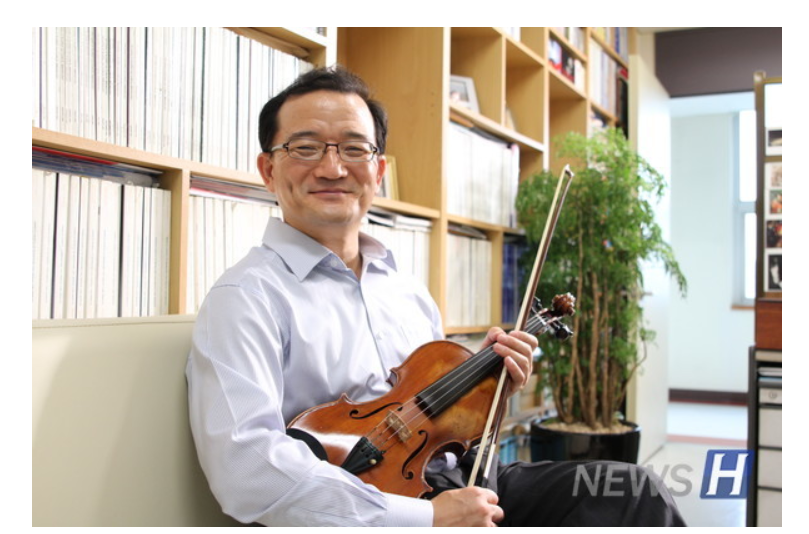
Classic Music과 과학자를 접목시킨 분에 대해서는 오늘 처음으로 올리게 된 것 같습니다. 소개할 분은 오재원 한양대학교 소아청소년과 교수입니다. 오재원 교수님은 한양대학교 의과대학을 졸업하고 모교에서 교수직을 맡으시고 있는데요.
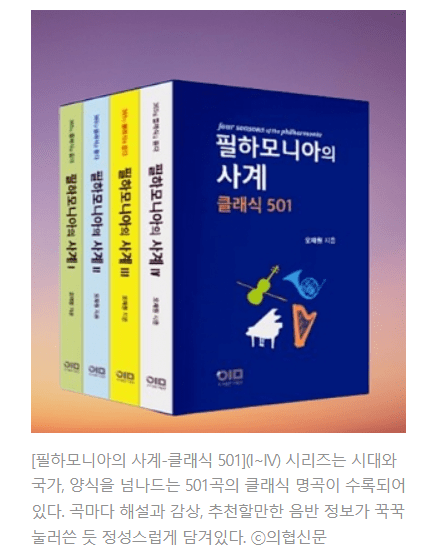
오재원 의학과 교수는 한양대병원 개원 50주년을 기념해 저서 <필하모니아의 사계> 1,200여 권을 기증했다. <필하모니아의 사계>는 총 4권으로 10여 년에 걸쳐 완간됐다.
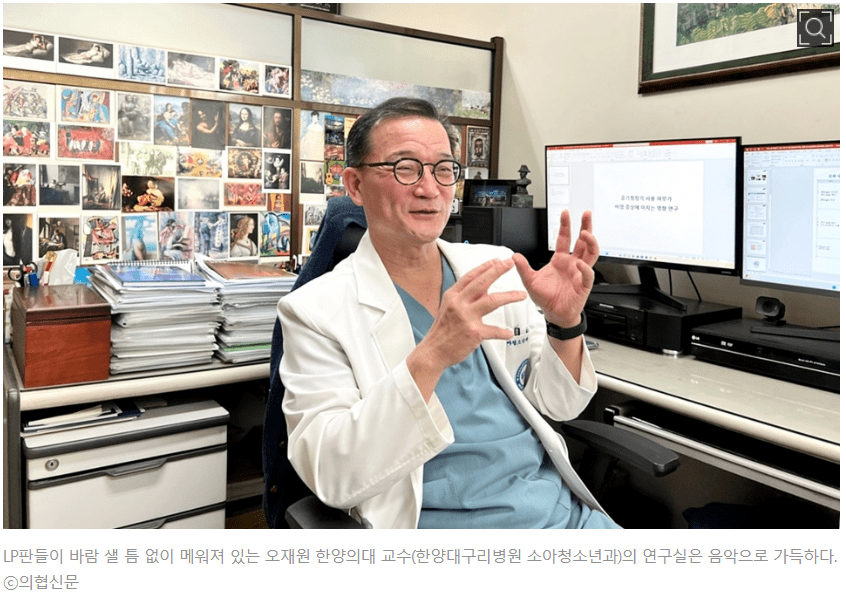
오 교수는 의과대학 소아청소년과 교수이자 한양대학구리병원 소아과 과장이다. 또한, 미국 The University of Tennessee 알레르기 면역학 연구 전임의, Johns Hopkins University 소아 알레르기학 연구 전임의, 미국 Stanford University School of Medicine 소아 임상 면역학 교환교수를 맡고 있다. 본업인 의사부터 취미 생활인 음악인, 작가까지 세 마리의 토끼를 모두 잡은 오 교수를 만나 그의 삶을 들어봤다.
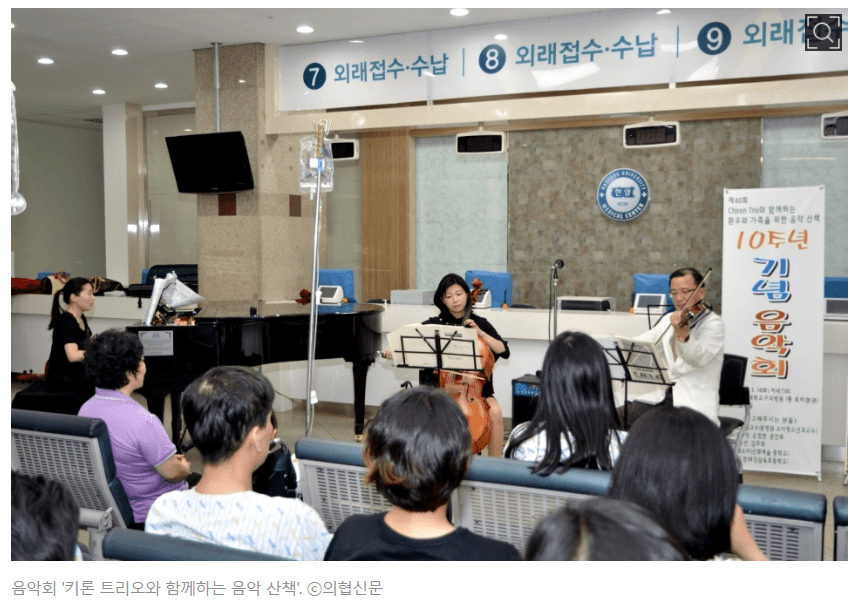
오 교수는 음악인과 작가로서도 활동하고 있다. 그는 2003년부터 코로나19 유행 전까지 병원에서 환자들을 위한 ‘음악산책’이라는 콘서트를 매달 마지막 주에 진행해왔다. 콘서트에서는 직접 바이올린을 연주하며 환자들의 쾌유를 빌었다. 이를 바탕으로 2005년 한양대 의료원 매거진 <사랑을 실천하는 병원>에서 ‘클래식 스토리’ 연재를 제안받은 그는 매달 클래식 음악에 대한 글을 쓰기 시작했다.
클래식 스토리’는 해를 거듭하며 흥행했다. 이후 2008년 의학전문지 <의사신문>으로부터 클래식 음악에 대한 칼럼을 제안받아 <클래식 이야기>를 매주 연재했다. 이에 대해 오 교수는 “어느덧 글을 쓴 지 15년이 됐다”며 “그간 작성해온 글을 정리해 <필하모니의 사계 I, II, III, IV>를 집필하게 됐다”고 말했다.
오 교수는 “특히나 클래식 음악에는 철학이 가미돼 있다”며 “시대를 뛰어넘는 고전을 읽듯 좋은 작품을 들을수록 마치 칡뿌리 씹듯 처음엔 쓰다가도 점점 그 단맛을 느낄 수 있다”고 클래식 음악을 설명했다. 또한, 그는 “음악은 우리의 무기력함에 무거워진 육체를 드높여 완벽한 아름다움으로 도약하게 하는 생명력이 있다”고 덧붙였다.
취재를 위해 오 교수의 연구실 문을 두드리고 안에 발걸음을 내려놓자 진풍경이 펼쳐진다. 벽면 한 쪽은 밀스타인과 호로비츠를 비롯해 역사를 장식한 음악가들의 명 음반들이 천장 바로 밑 손이 닿지 않는 선반까지 빼곡하게 채우고 있다. 사무 책상과 가장 가까운, 손이 바로 뻗치는 칸에는 LP판들이 바람 샐 틈 없이 메워져 있다. 제작된 지 수십 년은 되었을 터지만 옛 모습을 그대로 간직하고 있다. 맞은편에는 턴테이블이 고풍스러운 자태를 뽐내고 있다. 누가 봐도 예술을 깊이 사랑하는 이의 공간임을 단번에 알아챌 수 있다. 그가 수많은 LP판 중 하나를 꺼내 턴테이블 위에 올려놓자, 이윽고 바늘 끝이 빙글빙글 돌아가는 LP판을 찬찬히 훑으면서 베토벤 교향곡 3번이 흘러나온다. 커다란 스피커 두 대를 마주 보고 안락의자에 앉아 눈을 감으니, 예술의전당 R석을 방불케 하는 서라운드에 잠시 취재를 잊고 음악에 잠기게 된다.
“클래식 음악을 스트리밍으로 듣는 것은 마치 최고의 요리사가 정갈하게 만든 음식을 통조림 껍데기에 넣어 먹는 것과 같아요. 디지털 신호로 변환된 음악은 본래의 예술적 혼을 담을 수는 없습니다. 그래서 조금 손이 더 가더라도 LP판으로 음악을 듣거나, 직접 공연을 보러 가는 것을 선호합니다.“
그의 연구실에 들어온 지 10분이 채 되지 않아 음악에 대한 그의 비범한 애정에 금세 매료되고 말았다. 무언가에 온전히 몰두할 수 있는 축복에 감사한다고 오 교수는 말한다.
“음악이 좋아서 사실 음대에 진학하고 싶었던 생각도 있었죠. 초등학생 때 처음 바이올린을 시작했는데, 그때는 공부보다도 바이올린 연습을 더 많이 했던 것 같습니다. 하지만 전공을 하려면 더 어린 나이부터 체계적으로 배워야 하는데, 제가 시작한 나이는 현실적으로 너무 늦은 나이였습니다. 어쩔 수 없이 음대의 꿈은 포기했지만, 그게 의대에 진학하고서도 약간 미련이 남았는지 음대생 친구들과 많이 어울렸어요. 예과 때는 4중주나 3중주를 결성해 라이브 카페에서 공연하면서 용돈 벌이도 했습니다. 우리 모교(한양대학교의과대학)의 오케스트라에서도 악장 자리를 맡아서 활동했는데, 지금 오케스트라 공식 명칭인 ‘키론 오케스트라’는 40년 전 제가 본과 1학년 시절에 지은 이름입니다.”
“책 <필하모니아의 사계>도 처음부터 책으로 내려고 생각한 건 아니었고, 원래는 작은 칼럼으로 시작했습니다. 여기 병원(한양대학교구리병원) 원보에 지금까지도 제가 매달 클래식 음악을 소개하는 글을 써내고 있는데, 우연히 <의사신문> 기자가 그걸 본 거죠. 어느날 연락이 와서 <의사신문> 한 면을 줄 테니 연재를 해줄 수 있겠느냐고 부탁하더군요. 그렇게 <클래식 이야기>라는 이름으로 2008년부터 매주 정식 연재를 시작하게 됐습니다. 시간이 지나면서 점점 좋아해 주시는 분들이 많아지고, 많은 분이 찾아 주셨습니다. 그렇게 총 12년 동안 총 500곡의 글을 투고했고, 이 글들을 모아서 책으로 만든 것이 바로 <필하모니아의 사계>입니다.”
“라디오도 정말 우연한 계기로 시작했습니다. 처음 라디오에 출연한 건 KBS의 이충헌 의학 기자가 진행하던 ‘라디오 주치의’에서였는데, 제가 소아과 알레르기 전문의 패널로 거기에 몇 번 나가서 의학적인 이야기로 인터뷰를 했습니다. 그러다가 어느 날 이충헌 기자가 제가 클래식 음악을 좋아하는 것을 알고, “프로그램 끝나는 시간에 10분 정도 시간을 줄 테니 거기에 음악을 한 곡씩 틀어주고 끝냈으면 좋겠다”고 제안을 하더군요. 그렇게 ‘힐링 뮤직’이라는 이름으로 음악 코너를 시작하게 되었습니다. 주로 슈만의 트로이메라이라든지, 베토벤의 비창 소나타 2악장처럼 라이트한 클래식들, 많은 사람이 한 번쯤은 ‘이 곡 좋은데?’라고 생각할 수 있는 곡들을 위주로 했습니다.”
“뭐든지 열심히 하는 게 중요한 것도 있지만, 결국 자기가 좋아하는 일이어야만 끝까지 할 수 있습니다. 저 같은 경우는 글 쓰는 게 즐거웠고, 어디 가서 누구한테 이런 음악 얘기해 주는 게 되게 즐거웠습니다.”
“어느 날 회진을 도는데 한 10살쯤 된 아이가 “선생님 사진 보니까 바이올린 하던데” 하며 대뜸 자기가 선생님 앞에서 연주를 해보고 싶다고 하더군요. 며칠 후에 진짜로 다인 병실 앞에서 그 아이가 연주 했습니다. 연주를 끝까지 하고는 저에게 3/4사이즈의 그 조그만 악기를 내밀면서 연주해달라고 그러더군요. 그래서 저도 답가를 해줬더니 환아들도 되게 좋아하고 옆에 있던 보호자들도 굉장히 좋아했습니다. 제가 회진 끝나고 나갈 때쯤, 보호자 한 분이 “환자를 위한 콘서트를 한 번 제대로 해보는 건 어떠냐”고 말씀하셨는데, ‘환자와 보호자도 원한다면 정말 뜻깊겠다’는 생각이 들더군요. 그렇게 연주회를 처음 시작하게 됐습니다.
그래서 제가 직접 피아노도 구매해서 로비에 놓고, 주변에 계신 첼리스트 그리고 피아니스트 전공자들의 도움을 얻어 삼중주를 결성했습니다. 음악회 이름을 ‘음악 산책’이라고 붙였는데, 환자들이 편한 때에, 언제든 늦게 와도 되고 그냥 몸이 힘들면 일찍 올라가도 되고, 편한 마음으로 들르시라는 취지에서 그렇게 했습니다. 휠체어나 침대 같은 것도 들어올 수 있게 장소도 병원 강당 말고 로비로 정했습니다. 저녁 6시 이후가 되면 회진도 끝나고 식사도 끝나고 환자들이 무료하게 TV만 쳐다보고 있는 경우가 많아요. 그래서 7시에 하면 환자들이 많이 내려와서 봅니다. 한 70, 80명씩 내려와서 볼 때도 있고 그랬어요. 그리고 음악도 너무 어려운 것보단, 영화 음악이나 팝송, 어떨 때는 조용필·최백호 분들의 가요까지도 삼중주로 편곡해서 많이 했습니다. 그럼 할아버지 할머니들도 참 좋아했습니다. 사실 환자들하고 의사들의 관계를 보면, 의사는 딱딱하게 의학적인 얘기만 하게 될 때가 많고, 특히 소아청소년과는 어린아이들도 많다보니 의사를 어렵게 생각하는 환자들이 많습니다. 이렇게 환자를 위한 음악회를 여니까 환자들이 관심을 둔다고 느끼고 더 가깝게 느끼는 것 같아 뿌듯하죠.”
“여러 가지 행복 중 최고의 것은 내가 가진 것을 나누어주는 일입니다. 인생은 결국 빈손으로 나서 빈손으로 간다는 말이 있죠. 그러니 살아있는 동안 내가 가진 것들을 최대한 많은 사람에게 나누어주는 것이 가장 좋은 일입니다. 지금까지 학술 서적과 교양서적도 많이 썼고, 거기에 논문도 쓰고 음악 활동도 하려다보면 사실 저녁 10시까지도 집에 못 가는 일이 부지기수였죠. 하지만 그게 저한테는 행복입니다. 개인적인 목표로 나중에는 의료봉사를 해보고 싶네요. 우리나라 지방 소도시나 외국으로 나가서 의술을 베풀고 싶습니다.”
오재원 교수님의 이야기를 듣고 보니 Classical Music을 공부하기로 한 건 잘한 것 같은데 Streaming service로 듣는 것보다 LP를 사서 들어야하나? 이런 생각도 드네요. 아직은 초보니까 Youtube도 감지덕지한 상황입니다. 바쁘시지만 부러운 삶입니다.
George A. Scangos 박사 (75세) 는 현재 Infectious Disease Biotech인 Vir Biotechnology의 이사로 계시는 분입니다. 40년의 Biotech career 동안 동부와 서부를 넘나들면서 CEO로 Biotech들을 일군 분이시죠. 작년 1월에 CEO에서는 완전히 은퇴하신다고 선언하셨습니다. 74세때입니다.
미국에는 Greece 출신 이민자들 중에서 성공한 Pharma/Biotech CEO들이 꽤 있습니다. 예를 들면 Merck CEO였더 Roy Vagelos 박사님이 계시죠.
Scangos, who grew up in Lynn, Massachusetts before moving to Connecticut, is of direct Greek descent on his father’s side, as his grandparents came to the United States from Greece.
Apart from a successful career in several of the top biotech companies in the US, Dr. Scangos has also served as a Professor of Biology at Johns Hopkins University. He is currently serving on the Board of Trustees of Cornell University and the Board of Overseers of the University of California at San Francisco.
The Greek-American scientist received his B.A. in Biology from Cornell University and a Ph.D. in Microbiology from the University of Massachusetts.
Johns Hopkins University에서 Connecticut에 있는 Bayer으로 옮기셔서 10년간 계시면서 1993-1996년에는 President로 계셨죠.
그리고 San Francisco로 넘어가서 Exelixis의 CEO로 1996년부터 2010년까지 CEO로서 14년간 Exelixis의 성장을 이끌었고요 보스턴으로 오셔서 Biogen Idec으로 옮기셔서 2010년부터 2016년까지 회사의 Business Model을 Oncology에서 Neurology로 바꾸셨습니다. Exelixis의 성공을 이끈 George Scangos박사님의 중요성은 Forbes에서 취재한 일이 있습니다. Exelixis의 기반기술보다 George Scangos의 역할이 더 중요하다는 언급이 인상깊습니다.
How does Formela pick them? “I’m looking at four big components: What they’re doing, why they’re doing it, how they’re doing it, and who’s doing it.“
Sometimes “the who” can be incredibly important. For example, Formela says that if Craig Venter Craig Venter , the founder of Celera Genomics , were to walk into his office wanting to start a new company, he might jump at the chance before Venter even explained what he was going to do. But for mere mortals, Formela feels that to start a hot biotech firm, one has to find a way to match top scientists who have a cutting edge technique with an important use for the new technology.
That was the case when he first met with CEO George Scangos George Scangos of San Francisco’s Exelixis, which was originally just going to use fruit flies to look at a few particular proteins. “The what and the why did not impress me that much,” Formela says. “But the who were the brightest in the world.”
2017년에 보스턴 VC인 Arch Venture Partners와 세운 Vir Biotechnology에서 2023년까지 Scangos 박사님이 보여주신 Leadership은 정말 대단했습니다. Scangos박사님의 Biotech Network의 결정체라 할 수 있을까요?
Less than a year after its launch, Vir Biotechnology today disclosed it has secured more than $500 million in financing toward an acquisition and a series of collaborations launched with two companies—each of which could generate over $1 billion—and four top-tier academic research institutions.
The collaborations, acquisition, and financing are aimed at building the company’s pipeline, technology, and global footprint, all with the goal of developing treatments for infectious diseases, Vir said.
Vir has pinpointed three areas of initial focus: chronic infectious diseases including hepatitis B (HBV), tuberculosis (TB), and human immunodeficiency virus (HIV); respiratory diseases that include influenza, respiratory syncytial virus (RSV), and metapneumovirus (MPV); and health-care acquired infections.
“We expect to move several compounds into clinical development in the next 18 months and we have an option to acquire a portion of a Phase 2 compound targeting flu. We also continue to evaluate several near-term opportunities to acquire additional mid- and late-stage clinical compounds, as well as expand our technology base even further,” Vir CEO George A. Scangos, Ph.D., said in a statement.
Dr. Scangos previously served as Biogen CEO before joining executives with research and industry experience to launch Vir in January with a $150 million commitment from ARCH Venture Partners alone, and additional funds from another prominent lead investor, the Bill & Melinda Gates Foundation.
“I am pleased that in our first year we have been able to align leading ideas, technology, and expertise focused on transforming the care of people with serious infectious diseases and providing a return to our investors,” Dr. Scangos added.
Vir has acquired Humabs BioMed, a Swiss discoverer and developer of fully human monoclonal antibodies to treat serious infections, for an undisclosed price. Humabs’ technology is designed to enable rapid isolation and development of antibodies that have passed natural selection by the human immune system in response to viral and bacterial diseases.
In acquiring Humabs, Vir has added to its portfolio more than 15 antibody development candidates—including preclinical antibodies designed to treat HBV, RSV/MPV, Zika, and dengue—as well as a proprietary antibody discovery platform and antibody engineering capabilities. Vir said Humabs and its employees will continue to operate the acquired company’s facilities in Bellinzona, Switzerland, and maintain its research collaboration with the Institute for Research in Biomedicine.
Vir also agreed to partner with Visterra on developing up to six antibodies to treat infectious diseases and with Alnylam on up to five RNA interference (RNAi) therapeutics programs for the treatment of infectious diseases.
Visterra could gain from Vir more than $1 billion in payments tied to achieving development, regulatory, and sales milestones, plus royalties from future product sales, under an exclusive research collaboration, license, and option agreement signed by the companies.
Vir and Visterra also agreed to advance three infectious disease antibodies developed with Visterra’s novel HierotopeTM technology, including antibodies against influenza, RSV, and fungal infections. Vir has the right to launch two additional research programs to develop antibodies against pathogens of its choosing.
With Alnylam, Vir has signed an exclusive license and collaboration agreement covering up to five RNAi therapeutics programs to treat infectious diseases. The companies have agreed to advance ALN-HBV02 for the treatment of HBV jointly, with Alnylam retaining an option to participate in commercialization of the product.
Vir also announced agreements of undisclosed value with four academic research institutions:
Stanford University—Vir has licensed artificial intelligence technology designed to mine gene expression data for early diagnostic predictions and target discovery.
Harvard University—Under a five-year strategic research alliance, Vir agreed to foster scientific collaboration with Harvard and provide financial support for innovative research projects in infectious diseases, to which Vir will have exclusive access to negotiate licenses.
Oregon Health & Science University—Vir expanded an existing relationship with OHSU to include additional sponsored research. OHSU remains a key partner, Vir said, in the development of its cytomegalovirus (CMV) vaccine platform.
Fred Hutchinson Cancer Research Center—Vir and Fred Hutch have inked a sponsored research agreement focused on cell therapy.
2년만에 Scangos 박사님은 Vir Biotechnology를 Nasdaq에 IPO합니다. 이 결정이 정말 신의 한수인 게 COVID-19이 2019년 11월경부터 알려졌는데 바로 직전에 IPO를 한 것입니다.
Exelixis의 CEO로 1996년부터 2010년까지 CEO로서 14년간 Exelixis의 성장을 이끌었고 이후에도 이사회 멤버로 일하시다가 COVID-19 pandemic에 대응하기 위한 BIO에서의 역할을 맡으시기 위해 2020년 3월에 이사회직을 사퇴하셨습니다. 아래는 Scangos 박사님의 이사회 퇴직에 대한 창업자인 Stelios Papadopoulos 박사의 변과 Scangos 박사님의 말씀입니다.
“George’s relationship with Exelixis reaches back to the earliest days of the company,” said Stelios Papadopoulos, Ph.D., co-founder of Exelixis and chairman of the Exelixis Board of Directors. “He was instrumental in getting Exelixis off the ground and establishing the scientific, technological, and business foundations that helped to pave the way for Exelixis to mature into the successful commercial oncology company it is today. Our Board of Directors is deeply grateful for his long-term service to Exelixis.”
Dr. Scangos cited his multiple professional and philanthropic commitments as principal reasons for his decision to retire from the Exelixis Board. Since January 2017, he has served as chief executive officer and board member of Vir Biotechnology, Inc., a clinical-stage immunology company focused on treating and preventing serious infectious diseases, including COVID-19.
“I consider myself extremely fortunate to have had the opportunity to serve Exelixis for more than two decades, first as CEO and then in an advisory role as a member of the company’s Board,” said Dr. Scangos. “Since stepping down as CEO almost 10 years ago, it has been tremendously exciting to see Exelixis persevere and prosper. With four marketed products, an expansive clinical development program for cabozantinib, and a reenergized discovery organization, Exelixis’ future is indeed very bright.”
그리고 때를 만난 Vir Biotechnology는 COVID-19 pandemic 동안 중요한 획을 긋게 됩니다.
The chief executive of infectious disease biotech Vir, George Scangos, has been handed the reins to lead the biotech industry’s battle against the novel coronavirus COVID-19.
U.S. Vice President Mike Pence is heading up the government’s response to the coronavirus, but Scangos has been tapped by BIO to help lead its efforts to research therapeutics and diagnostics to stave off the spread of the virus.
“The role is still evolving, but it is clear someone needs to pick up the reins. It is only natural for us here at Vir to take on a leadership role,” Scangos said in an interview with Reuters.
This comes as the first deaths from the disease were registered in the U.S. over the weekend. The country is now stepping up its response to the disease with wider testing, which had been fairly limited over the past two months.
BIO의 수장으로서 뿐만 아니라 Vir Biotechnology의 CEO로서도 COVID-19 pandemic을 종식시키기 위해 애쓰셨고 Vir Biotechnology의 Antibody “Sotrovimab“는 GSK와의 협력으로 FDA 승인을 받게 됩니다.
GlaxoSmithKline plc (LSE/NYSE: GSK) and Vir Biotechnology, Inc. (Nasdaq: VIR) today announced that the US Government will purchase an additional 600,000 doses of sotrovimab, an investigational monoclonal antibody for the early treatment of COVID-19, enabling further nationwide access to sotrovimab for patients. The additional 600,000 doses will be delivered throughout the first quarter of 2022. This agreement is an amendment to earlier commitments announced with the US Government in November 2021
Including the commitments announced today, GSK and Vir have received binding agreements for the sale of approximately 1.7 million doses of sotrovimab worldwide. In addition, today’s agreement also includes the option for the US government to purchase further additional doses in the second quarter of 2022.
Sotrovimab, which was granted Emergency Use Authorization (EUA) by the US Food and Drug Administration (FDA) in May 2021, is an investigational single-dose intravenous (IV) infusion SARS-CoV-2 monoclonal antibody. Under the EUA, sotrovimab can be used for the treatment of mild-to-moderate COVID-19 in adults and paediatric patients (12 years of age and older weighing at least 40 kg) with positive results of direct SARS-CoV-2 viral testing, and who are at high risk for progression to severe COVID-19, including hospitalisation or death.
GSK and Vir expect to manufacture approximately 2 million doses globally in the first half of 2022 and additional doses in the second half of the year.
George Scangos, PhD, chief executive officer of Vir, said: “As the Omicron variant continues its rapid spread alongside the still prevalent Delta variant, we are pleased to once again work with the US government to provide more access to sotrovimab for people in the US at high risk of progression to severe COVID-19. Data from multiple pseudo-virus and live virus preclinical studies, generated by industry and academia, continue to demonstrate that sotrovimab retains activity against all tested variants of concern and interest. We are proud of our ongoing contributions to the fight against the COVID-19 pandemic here in the US and around the world.”
안타깝게도 이후에 변종에 대한 약효 미달로 인해 승인은 취소되었지만 그래도 이 노력은 높이 사야한다고 생각합니다.
Scangos, a biotech lifer, is perhaps best known for previously serving as CEO at Biogen for six years starting in 2010, where he helped steer the company in a new direction. Under Scango’s leadership, Biogen dropped programs in cancer and instead focused its efforts on neuroscience – including the ALS drug Spinraza.
Scangos left Biogen in 2016 and joined Vir in 2017, where he guided the company through the tumultuous years of the COVID-19 pandemic. A crowning achievement was Vir’s COVID-19 monoclonal antibody, sotrovimab, which was granted emergency use authorization by the FDA in 2021.
“George led the company through a period of significant transformation, accelerated its growth and established a broad pipeline and strategy that we believe will support our long-term success,” Vicki Sato, chairman of the board at Vir, said in a statement. Before his stint at Biogen, Scangos also served as president and CEO of Exelixis for 14 years, as well as chair of lobbying group PhRMA in 2016.
“[Vir] is operating from a position of strength with significant cash, an impressive pipeline and critical near-term catalysts that have the potential to support multiple important therapies,” Scangos said in a statement. “[W]e have laid out a vision for the company that gives me great confidence in Vir’s ability to transform the infectious disease landscape.”
이제 CEO 역할에서는 은퇴를 공식적으로 하신 상태이지만 일을 완전히 그만두신 건 아닙니다. 현재 George Scangos 박사님은 Arch Venture Partners의 Venture Partner로 계십니다.
He is a former Chair of PhRMA, and the California Healthcare Institute. He was also a member of the Board of Directors of the Global Alliance for TB Drug Development.
Dr. Scangos currently serves on the boards of Agilent Technologies, Inc., Voyager Therapeutics, Inc., Octave Bioscience, Rezo Therapeutics and Life Sciences Cares. Dr. Scangos is currently a venture partner at ARCH Venture Partners.
George Scangos 박사님이 지금도 새로운 Biotech Platform을 만드는데 중요한 역할을 하시고 Global Biotech, Pharma, Academia 등과의 Networking을 통해서 이 분야의 발전에 조력하시는 모습은 저에게 큰 귀감이 되어서 이렇게 글을 남깁니다.
60대 일본인 부부가 남다른 패션 감각을 자랑하는 커플룩으로 소셜미디어 스타 반열에 올랐다. 개설 4개월이 조금 넘은 이 부부의 인스타그램은 5일 현재 42만여명이 소식을 받아보고 있다. 올리는 사진마다 수만 개의 ‘하트’가 쏟아진다.
주인공은 남편 본(Bon·61)과 아내 폰(Pon·60)씨다. 모두 인스타그램에서 쓰는 애칭이다. 일본 매체에 인터뷰가 제법 실렸지만, 부부가 사는 곳과 실제 이름은 알려지지 않았다.
학창시절 만나 20대 초반 부부의 연을 맺은 뒤 37년간 결혼생활을 했다. 그 시절을 살아온 다른 부부의 인생과 다를 바 없다. 그러나 이 부부가 인스타그램(www.instagram.com/bonpon511)에서 보여준 커플룩 센스와 다정한 모습은 우리의 머릿속에 있는 노부부와 완연히 달랐다.
결혼생활이 37년이라고 해도 실제 함께한 시간은 그 세월의 3분의 1 정도밖에 안 된다. 최근 은퇴해 이제 겨우 천천히 둘만의 시간을 가질 수 있게 돼 기쁘다. 남은 인생을 사이좋게 살고 싶다“는 아내 폰의 마마스타 인터뷰 대답이, 노부부의 ‘졸혼’을 떠올리는 요즘 세태에 깊은 울림을 줬다.
일본의 노부부들이 나이가 들어도 ‘멋’을 포기하지 않는 법을 알려주고, 저렇게 늙어갈 수 있다면 나이 먹을 만하겠다 싶은 용기를 준다. 일본은 우리에게 ‘졸혼’이란 신세계를 알려준 나라이지만, 앞서 고령화를 경험한 사회답게 부부가 행복하게 늙어갈 수 있는 노하우를 알려줄 인생 선배들도 많다.
<아직 즐거울 날이 잔뜩 남았습니다>(웅진지식하우스)는 인스타그램에서 어느새 80만명의 글로벌 팬을 거느리고 있는 일본의 은퇴한 60대 부부의 이야기다. 책은 이들이 원래 살던 단독주택에서 체력적으로 관리가 가능한 작은 아파트로 이사하는 것에서부터 시작한다. 가지고 있던 가구와 식기 등 모든 살림살이의 양을 10분의 1로 줄이고 낡은 아파트를 직접 수리하면서 삶의 ‘마지막 터전’을 준비하는 모습은 역설적이게도 첫 보금자리를 꾸미는 신혼부부처럼 설렘 가득하다.
그러나 무엇보다 이 부부를 사회관계망서비스(SNS) 스타로 만든 것은 ‘커플룩’ 패션이다. 요새는 젊은 연인들도 손발 오그라든다며 잘 입지 않는 커플룩이지만, 서로를 ‘본’(bon·남편)과 ‘폰’(pon·아내)이란 애칭으로 부르는 은발의 부부가 맞춰입은 커플룩은 의외로 신선하고 귀엽다. 딸의 권유로 시작한 커플룩 덕분에 오히려 젊은 시절보다 나이가 든 지금 패션의 즐거움에 눈을 뜨게 됐다. 폰이 체크무늬 티셔츠를 입으면, 본은 같은 패턴에 색깔만 다른 셔츠를 입거나 머플러를 두르는 식이다. 연금으로 생활하고 있으니 값비싼 옷은 사기 어렵다. 이들은 젊은이들처럼 인터넷 옥션을 통해 모던한 분위기의 저렴한 옷들을 구입한다. 이들의 커플룩 사진이 올라오는 인스타그램은 그때마다 수많은 ‘좋아요’ 세례를 받는다.
노부부의 일상과 패션을 다룬 일본의 책들이 연이어 한국에 소개되고 있는 것은 일본이 우리보다 앞서 고령화 사회를 경험한 나라임과 무관하지 않다. 일본 서점가에는 노인들이 읽으면 좋은 책, 노인들이 가면 좋은 음식점 등 노년생활을 즐기며 살 수 있는 세부적인 조언의 책들이 많이 출간된다.
<아직 즐거울 날이 잔뜩 남았습니다>를 낸 웅진지식하우스 측은 “발매 일주일도 되지 않아 2쇄가 결정되는 등 한국에서의 반응도 뜨겁다”면서 “인스타그램 팔로어나 독자 반응을 살펴보면, ‘이 부부처럼 살고 싶다!’ ‘따라하고 싶다!’라는 반응들이 많다”고 말했다.
일본의 60대 부부인 본(63·Bon)씨와 그의 아내 폰(61·Pon) 여사가 화제다. 백발 패셔니스타로 불리는 이 부부는 단정하면서도 센스 있는 커플 패션을 담은 사진을 인스타그램에 올려 유명인사가 됐다.
본·폰 부부는 2016년 12월부터 인스타그램으로 SNS(사회관계망서비스) 활동을 시작했다.
본·폰 부부는 퇴직 후 일상 생활을 사진으로 찍게 됐는데, 이를 인스타그램에 공유한 게 큰 인기를 끌었다.
네티즌들은 이 부부에게 수만개의 ‘좋아요’를 선사하면서 각국 언어로 “이렇게 살고 싶다”, “정말 멋진 부부다”, “이 부부처럼 늙고 싶다” 등의 댓글을 다는 등 이들의 포스트에 열광했다.
본·폰 부부는 지난 13일 인스타그램을 통해 조선일보와 가진 인터뷰에서 “호기심을 잃지 않고 긍정적 사고를 하는 것이 젊게 사는 비결“이라고 라이프 스타일을 설명했다.
두 사람이 지난 8일 출간한 에세이집 ‘아직 즐거운 날이 잔뜩 남았습니다'(웅진지식하우스·표지 사진)에 의하면 이 부부는 1970년대 도쿄의 미술전문학교에서 만나 80년 5월11일 결혼했다.
그래픽 디자이너로 일하던 본씨가 퇴직하자 부부는 30년간 거주하던 아키타의 2층짜리 단독 주택을 떠나 센다이 소재 방 2개짜리 저렴한 아파트에 정착한 뒤 제2의 신혼생활을 만끽하고 있다. 연금 생활자인 만큼 자동차는 없애고 살림살이도 10분의 1로 줄였다. 옷을 구입할 땐 한벌에 5000엔(약 5만원) 이하의 중·저가 브랜드에서 골랐고, 야후 옥션에서 중고 의류도 사 입었다.
두 사람은 에세이집에서 소박한 삶에서 느끼는 잔잔한 행복과 세월의 연륜에서 묻어나는 생활 지혜, 철학을 소개하고 있다. 또 화제를 모은 옷차림과 패션 센스를 공유하게 된 사연도 공개했다.
결혼생활 40년차 노부부가 전한 삶의 철학과 금슬좋은 부부관계의 팁은 그리 대단하지는 않다. 소박하면서도 남다른 일상을 보내다 보면 행복한 노년을 맞을 수 있다고 부부는 입을 모은다.
보스턴 임박사 생각
너무 보기 좋지 않나요? 나이가 든다고 낡아질 것이 아니라 호기심을 가지고 매사에 열심히 사랑하다 보면 이렇게 예스럽게 나이들어갈 수 있을 것 같아요. 부럽습니다.
RAPT Therapeutics는 2015년에 Bristol-Myers Squibb (BMS)가 Flexus Biosciences를 $1.25 Billion에 인수한 이후 BMS가 관심이 없는 “FLX925, a dual inhibitor of FLT3 and CDK4/6″을 가지고 Spin off해서 FLX Bio라는 이름으로 설립되었습니다.
Less than two months later, two of the Flexus’s executives and founders, Terry Rosen, Flexus chief executive officer, and Juan Jaen, head of Flexus research and development, have joined to form a new company. They plan to crank out a new immuno-oncology drug candidate once a year.
The Bristol-Myers Squibb deal bought the company and the ID01 and TD02 compounds, but the rest of the assets are being spun into the new company. Although details are still pending, Rosen and Jaen expect funding will come from investors who invested in Flexus.
The most likely candidate for the new company is FLX925, a dual inhibitor of FLT3 and CDK4/6, which were licensed from Thousand Oaks, Calif.-based Amgen in 2004. They first met while students at the University of Michigan. Rosen stayed with Amgen in May 2014.
The two men worked together at South San Francisco, Calif.-based Tularik before that company was acquired by Amgen . Rosen stayed with Amgen, but Jaen left to be the chief science officer and senior vice president of drug discovery at ChemoCentryx, Inc. , then joined together in 2013 to form Flexus.
“We’ve done some good initial work,” says Rosen in a statement, “and we feel good about it, but our goal is to build something that is long term and sustainable.”
FLX Bio는 Celgene 주도하에 $29 Million Series A를 한 후 $50 Million Series B를 했습니다.
FLX’s FLX925 is a selective inhibitor of FLT3 and CDK4/6 and is being studied in a proof-of-concept study in patients with acute myeloid leukemia. The drug is moving into a Phase I clinical trial. FLX925’s dual-inhibitor action may be more effective in treating FLT3-mutated AML than other FLT3 inhibitors, resulting in greater clinical benefit. Furthermore, FLX925 has the potential to treat a wider array of cancers beyond AML, the company said on its website. In addition to FLX925, FLX also has two pre-clinical immuno-oncology programs in early development.
The $50 million raised in the latest round will go nicely with $29 million in Series A funding privately-held FLX previously raised. That makes $79 million in less than one year since FLX Bio was founded. The Series B financing was supported by multiple venture capital and biotech groups, including The Column Group (TCG), Topspin Partners, Kleiner Perkins Caufield & Byers (KPCB) and Celgene .
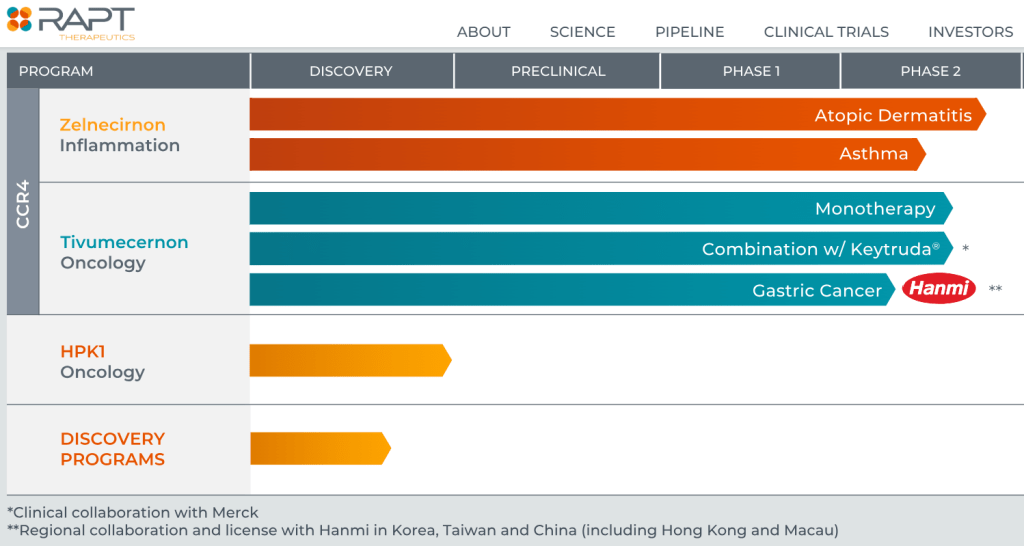
그리고 1년만에 다시 $60 Million Series C를 했습니다. 이 때에는 Google Ventures (GV)가 투자를 했습니다. 2017년에 CCR4 Inhibitor Tivumecirnon (FLX475)의 임상1상이 시작했습니다. BMS/Flexus Biosciences에서 가져온 FLX925는 파이프라인에서 제외되었습니다.
South San Francisco, California-based FLX emerged from Bristol-Myers Squibb’s $800 million takeover of Flexus Biosciences, with a pipeline of prospects the Big Pharma decided it could live without.
It now has the cash and the early data to push on with phase 1 tests, just started, for its oral CCR4 inhibitor FLX475. This drug focuses on a key pathway by which tumors recruit regulatory T cells to suppress tumor immunity. By blocking this pathway with a CCR4 antagonist, the biotech is betting that it can prevent regulatory T cell recruitment to the tumor site, reduce the number of regulatory T cells in the tumor and importantly, enable immune activation and tumor killing. The biotech also sees FLX475 as having the potential to boost cell-based immunotherapies, such as CAR-T and cancer vaccines, which could lead to combos in the future.
The company adds that it’s also now looking to pick out another clinical candidate next year, this time targeting ubiquitin specific protease 7 (USP7), as well as working on its GCN2 program. USP7 plays a key role in two cancer pathways: it promotes the formation and function of regulatory T cells by deubiquitinating and stabilizing FOXP3; and it maintains low levels of p53, a prevalent tumor suppressor protein (and the focus of several other early-stage biotechs), thereby allowing the tumor to grow unchecked.
GCN2, meanwhile, is a myeloid-derived suppressor cell target that works downstream of IDO and arginase. GCN2 inhibition has the potential for superior efficacy, as it can reverse immune suppression caused by depletion of both tryptophan and arginine.
FLX475 hits the clinic on the strength of preclinical data presented by FLX earlier this year. Those results showed that FLX’s CCR4 antagonists block the migration of regulatory T cells—in the tumor but not in peripheral tissues—and aid the expansion of activated effector T cells. Adding the CCR4 antagonist to anti-PD-L1 and anti-CD137 antibodies dialed up the tumor-killing effects of these drugs.
FLX lists the CCR4 antagonist program as the most advanced in its pipeline, despite having started life with a FLT3 and CDK4/6 inhibitor that was already in phase 1. Flexus moved that drug, FLX925, into the clinic just before being bought by Bristol-Myers. FLX925 has since disappeared from FLX’s pipeline, although a phase 1/1b dose-escalation trial is listed as ongoing on ClinicalTrials.gov.
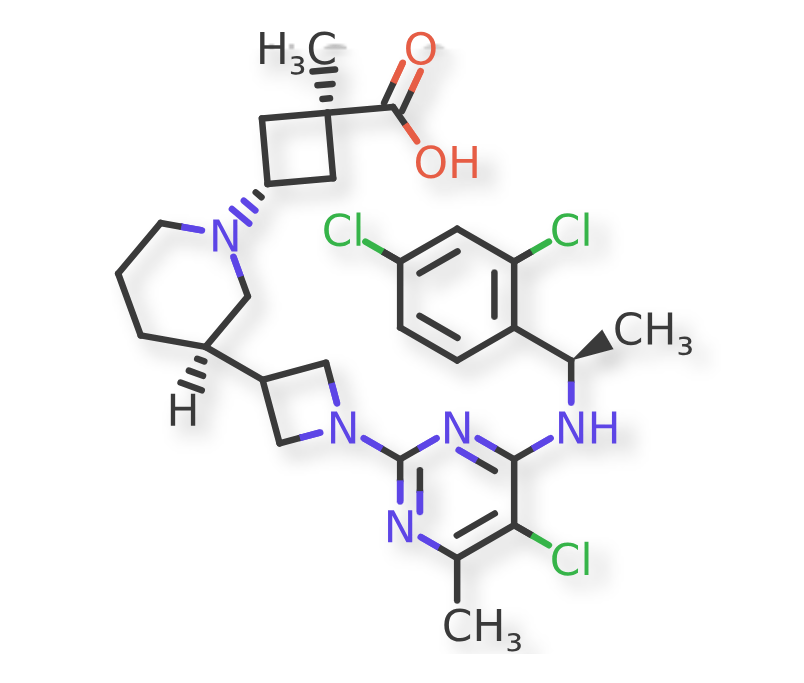
2년 후 FLX Bio는 Immuno-Oncology에 주력하던 Business Model을 Allergy와 Inflammator Diseases로 확대하면서 사명을 RAPT Therapeutics로 바꿉니다. 그리고 오늘 얘기할 Zelnecirnon (RPT193)의 임상시험 계획을 발표했습니다.
Now, the biotech is renaming itself RAPT Therapeutics to reflect its expansion into allergy and inflammatory diseases.
“Since our founding, we have internally discovered and advanced two unique drug candidates that target CCR4, with FLX475 in development for the treatment of multiple cancers and RPT193 expected to enter clinical studies in the second half of 2019,” Wong said.
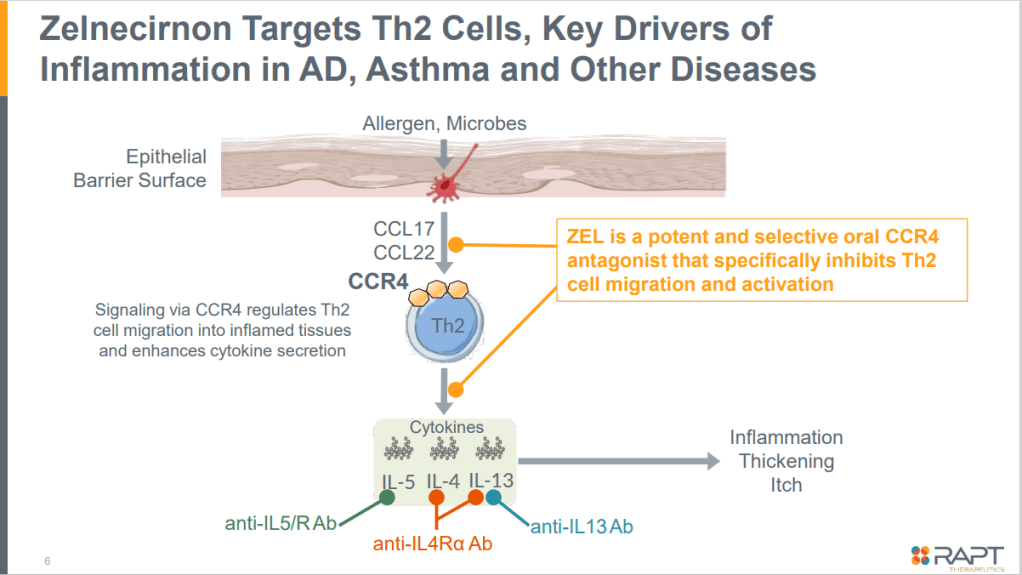
Unlike FLX475, which focuses on Tregs, the inflammation candidate RPT193 takes aim at helper T cells. Tregs suppress other immune cells to shut down the immune response—for example, to prevent autoimmune disease—while helper T cells activate other immune cells. RPT193 is designed to block the movement of type 2 helper T cells into inflamed tissues and reduce inflammation in diseases such as asthma, rhinosinusitis and atopic dermatitis. RAPT plans to file an IND for the drug by the end of the year.
사명 변경을 한 지 한달 후 $37 Million Series C Extension을 했고요.
유상증자로 충분한 자금확보를 하고 Zelnecirnon (RPT193)과 Tivumecirnon (FLX475) 의 임상이 잘 진행되던 중 Zelnecirnon의 임상시험을 받던 아토피 피부염 환자의 간기능이 나빠지면서 임상시험이 중단되었습니다. Tivumecirnon (FLX475)의 임상시험은 계속 진행됩니다.
Rapt Therapeutics is reeling from an “unfortunate and unexpected” clinical hold after a patient in a phase 2 immunology trial experienced liver failure that may be related to the study drug.
The serious adverse event occurred in a phase 2b atopic dermatitis trial. The cause remains unknown but Rapt said the event may be “potentially related to zelnecirnon.”
The FDA notified Rapt of the clinical hold on both the phase 2b atopic dermatitis trial and a phase 2a study in asthma.
Rapt noted that roughly 350 patients have been treated with the drug across three trials and no signs of liver toxicity had been reported before now and there has been no evidence of potential liver toxicity in clinical trials. At the end of November, Rapt published phase 1 data of zelnecirnon which found that the drug was “generally well-tolerated” with no serious adverse events and that all reported side effects were mild-to-moderate.
The South San Francisco biotech says that the person had a drug allergy to Dupixent, an autoimmune disease requiring thyroid hormone replacement therapy, contracted COVID-19 during the trial and used “an herbal supplement known to be associated with liver failure.”
That meant little to investors, with the company’s share price nosediving after the markets opened Tuesday, down 64% from $25.97 to $9.25.
With the inflammation program on hold for now, all attention turns to Rapt’s phase 2 oncology med, tivumecirnon, which is being tested alone and in a combo with Merck & Co.’s Keytruda.
Rapt reported $184.8 million in cash on hand at the end of September, enough to last into the middle of 2025.
아토피 피부염 임상2b를 진행하는 중이었는데 QD 50mg, 200mg, 400mg의 3개의 cohort로 진행 중이었고 환자는 268명이 참가한 상태입니다.
Zelnecirnon (RPT193)의 메카니즘은 아래와 같습니다. helper T cell을 조절합니다.
Opioid 약물이 FDA로 부터 승인을 받은 이후부터 사회적 반향이 많이 일어나고 있는데요 이 문제를 해결하기 위해 Non-Opioid Replacement Therapy를 개발하기 위한 Pharma/Biotech의 노력이 계속되고 있습니다.
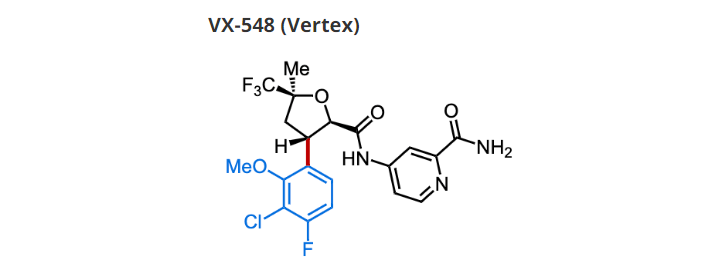
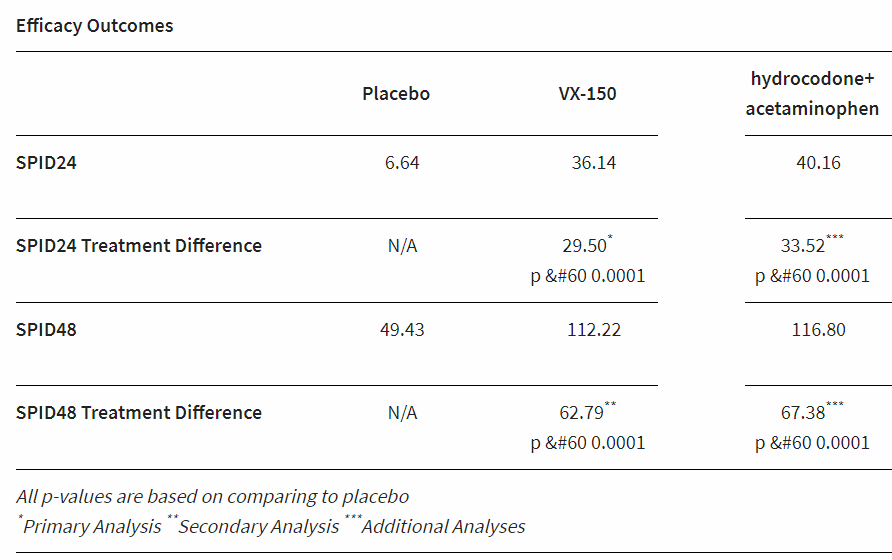
Vertex는 일찍부터 Sodium Channel Voltage 1.8 (NaV1.8) Inhibitors 개발을 위해 노력해 왔는데 지금까지 VX-150, VX-128, VX-961 및 VX-548과 같은 다양한 NaV1.8 Inhibitors를 임상시험을 통해 개발해 왔습니다.
In its phase 2 trial in 243 patients undergoing bunionectomy surgery, Vertex’s orally active drug—a sodium ion channel blocker targeting the NaV1.8 channel—outperformed placebo in alleviating pain using the Sum of the Pain Intensity Difference measure at 24 and 48 hours. It also seemed to provide a similar benefit to an active control of hydrocodone plus acetaminophen, although the study wasn’t powered to make a direct comparison between the active arms.
Vertex has previously reported encouraging phase 2 data in the treatment of osteoarthritis pain, showing significant pain relief compared to placebo in the 14-day trial. The new study is the first to assess the drug’s effects on acute pain, and Vertex says it will now start a phase 1 trial later this year of an intravenous formulation of the drug for acute pain indications.
The biotech is also waiting on the results of a third phase 2 trial of the oral formulation, this time looking at the drug’s effects on hard-to-treat neuropathic pain in subjects with small fiber neuropathy, which are due in early 2019.
Having two positive trials is “de-risking the asset and making it more valuable—and perhaps attractive for a future partner,” says Jefferies, which puts Vertex ahead of rivals such as Biogen among companies with pain drugs targeting voltage-gated sodium channels. The analysts also note that the biotech has started a phase 1 trial in healthy subjects of a second NaV1.8 inhibitor, VX-128, which seems to be more potent than VX-150.
The NaV1.8 inhibitor (VX-961) failed to meet Vertex’s desired pharmacokinetic and tolerability profile, leading it to dump the drug and outline plans to move a follow-up candidate into the clinic.
VX-961 moved into early-phase development last year on the back of midphase data linking VX-150, another NaV1.8 inhibitor, to improved outcomes in people with acute, chronic and neuropathic pain. The midphase data led Vertex to conclude NaV1.8 inhibition can yield opioid-like efficacy without the side effects or abuse potential associated with that class of medicines.
Yet, Vertex opted to hold off on starting a late-phase trial of VX-150, choosing instead to gather data on the drug’s siblings before deciding which molecule to advance. The early phase study of VX-961 was part of Vertex’s effort to triage its NaV1.8 inhibitors.
Vertex’s willingness to drop VX-961 based on those variables reflects a belief that safety and efficacy are “table stakes” in pain. To succeed, Vertex is looking for “a molecule with the perfect PK” for the indication, Kewalramani said. That search is underpinned by an understanding of how pain drugs are used. Once or twice daily dosing is one essential requirement but is far from the only factor.
“We need to ensure that this medicine can be taken with food or without food. If you’re talking about acute pain, immediately post-surgery, being able to take it without food is going to be really important. We’re also thinking about [drug-drug interactions] and [cost of goods sold],” Kewalramani said.
Vertex’s criteria for the ideal molecule differ somewhat across acute, chronic and neuropathic pain, which Kewalramani sees as “three distinct groups.” The search for the chemistry that will meet the criteria goes on, but Vertex is sure NaV1.8 inhibition is the right approach.
“We’ve cracked the biology,” Kewalramani said.
Vertex will open a new stage of its search for the perfect NaV1.8 inhibitor when it moves another of VX-150’s siblings into phase 1 later in the first half of 2020. Data from that trial will inform Vertex’s decision about which pain drug to advance into later-stage development.
In pain, the company has been working to show that small molecule drugs can block the NaV1.8 channel and provide a non-opioid alternative for pain relief. Two of Vertex’s earlier candidates, known as VX-961 and VX-150, ran into challenges during clinical testing, and development of them has since stopped.
VX-548, meanwhile, is the most recent of Vertex’s channel-blocking agents to enter clinical testing. Having proved safe and tolerable in Phase 1 testing of healthy volunteers, the drug is now headed to Phase 2 “proof-of-concept” trials.
Carmen Bozic, Vertex’s chief medical officer, said in a Monday statement that the company is pushing VX-548 forward “with urgency, as these studies are the key next step toward our ultimate goal of developing transformative medicines for the treatment of pain.”
While Vertex and a few other large drug companies have their sights on developing better pain drugs, setbacks have been common. In one recent example, advisers to the Food and Drug Administration expressed concerns about the safety plans surrounding a closely watched experimental pain medicine from Pfizer and Eli Lilly.
Vertex Pharmaceuticals (Nasdaq: VRTX) has been moving to diversify its product offerings, and today announced positive results from two Phase II proof-of-concept (POC) studies that investigated treatment with the selective NaV1.8 inhibitor VX-548 for acute pain following abdominoplasty surgery or bunionectomy surgery.
This is Vertex’ fourth attempt to develop a sodium channel Nav1.8
Vertex Pharmaceuticals’ (VRTX.O), opens new tab non-opioid painkiller significantly decreased pain in patients with diabetes suffering from chronic nerve pain in a mid-stage trial, fueling efforts to develop a treatment without the potential risk of addiction.
The trial studied the drug, VX-548, in patients with diabetic peripheral neuropathy, a type of nerve damage caused by high blood sugar.
Vertex is also testing the drug in keenly watched late-stage studies for acute pain, with data due in the first quarter of next year.
VX-548 has the potential to be a multi-billion dollar product for both conditions, executives said in a call.
Ahead of the data, analysts had estimated that the drug could generate peak sales of more than $5 billion.
Treatment with VX-548 resulted in a statistically significant reduction in weekly average of daily pain intensity, as measured on a scale at 12 weeks, Vertex said. On the scale, which ranges from 0 for no pain to 10 for worst pain imaginable, patients treated with the drug showed reductions of 2.26, 2.11 and 2.18 at the high, mid and low doses, respectively.
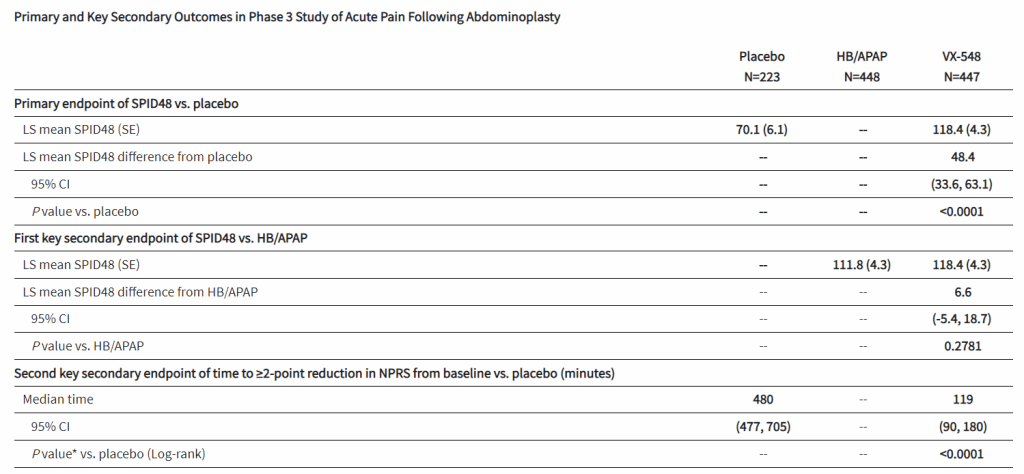
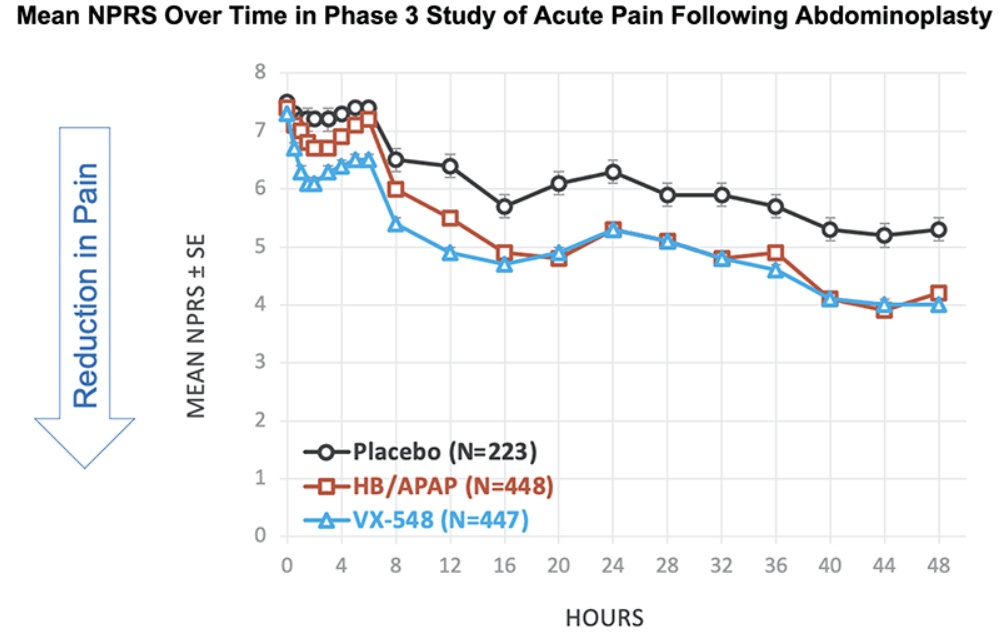
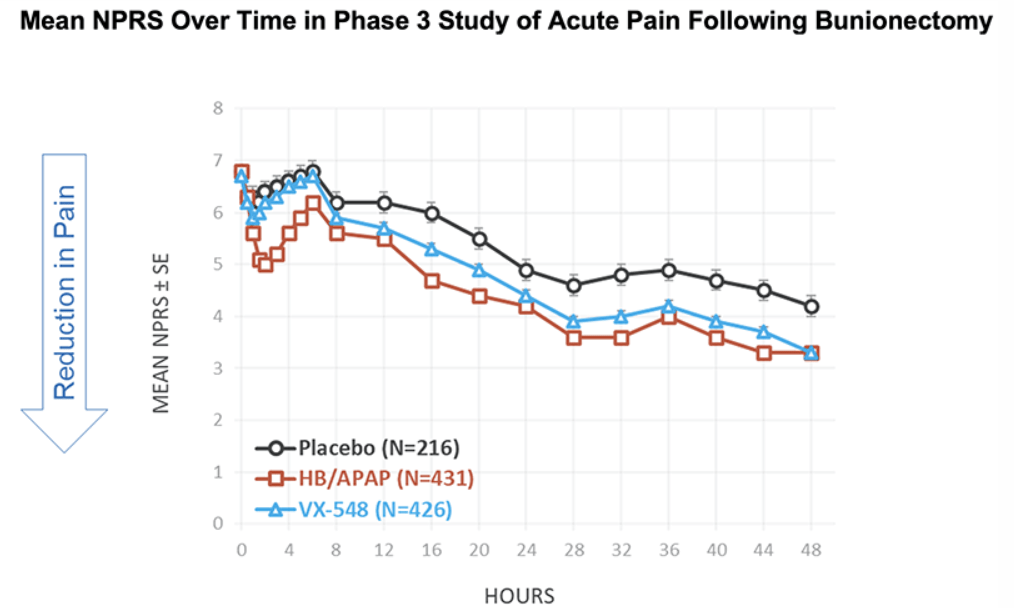
After the biotech discarded a pair of NaV1.8 inhibitors based on early clinical data, a third drug candidate, VX-548, aimed at the sodium channel has beaten placebo in two late-phase clinical trials. The significant improvements in pain intensity in the 48 hours after patients underwent tummy tucks and bunionectomies caused the studies to meet their primary endpoints.
While the primary endpoints compared VX-548 to placebo, Vertex randomized some participants in both trials to take the common pain combination of hydrocodone bitartrate and acetaminophen (HB/APAP). The drug, which is sold as Vicodin, contains the opioid hydrocodone and is frequently abused.
VX-548 had a numerical advantage over HB/APAP in the tummy tuck trial but the difference fell short of statistical significance. In the bunionectomy trial, HB/APAP performed significantly better than VX-548, resulting in a p value of 0.0016. The finding that HB/APAP provides more pain relief than Vertex’s drug candidate in bunion surgery patients complicates the case for VX-548.
Vertex’s pain program has focused on achieving opioid-like efficacy without the abuse potential of that class of effective but problematic medicines. Talking at the J.P. Morgan Healthcare Conference earlier this month, Vertex CEO Reshma Kewalramani discussed the need to fill the “gaping hole in the treatment landscape between acetaminophen and NSAIDs and opioids.”
VX-548’s mechanism “does not hold addictive potential,” Kewalramani said, and the CEO restated her belief that the molecule can fill the gap in the treatment landscape after seeing the phase 3 data. Even so, the failure to beat, and in one trial even to match, the opioid leaves Vertex open to skepticism as it works to persuade payers that VX-548 is a better option than established, relatively cheap alternatives.
That all awaits Vertex down the line. First, the big biotech needs to get VX-548 to market. Vertex plans to file for FDA approval by the middle of the year and is seeking a broad label in moderate-to-severe acute pain. The opportunity is huge, with Vertex estimating acute pain affects more than 80 million people a year in the U.S., a market currently largely served by generic medicines.
Vertex’s push to get VX-548 over the line in acute pain is part of a broader program. The drug candidate came through a phase 2 test in painful diabetic peripheral neuropathy last month, emboldening Vertex to start planning a pivotal program, and the biotech has other NaV1.8 and NaV1.7 inhibitors in clinical and preclinical development with a view to developing monotherapies and combinations.
Duke OTC Startup – Replicate Bioscience: Replicate Bioscience is developing RNA-based treatments for cancer using proprietary Synthetic Replicon for gene delivery (SynRGY) technology to deliver the genetic code of a virally derived RNA molecule.
For the last several years, researchers have been working with technology based around mRNA—messenger RNA, which is something that compliments the work of your DNA—to see if they can utilize it to get your body’s own immune system to fight cancers. At Duke University, they’re working with mRNA technology to create vaccines for cancer.
“It is a product which is RNA nucleic acid which encodes a specific protein and then that can be encapsulated in something we like to call a lipid nanoparticle, which is really a little fat bubble, and that can be injected into your body and sort of teaches your body what to go after immunologically,” said Zachary Hartman who works in the Lyerly Lab at Duke.
Lyerly has been at Duke nearly 40 years and has seen massive changes in how we can combat cancer going from relatively crude chemotherapy to very targeted immunotherapy.
그러던 중 Apple Tree Partners의 Mark Ehlers는 Novartis 등에서 synthetic biology 연구를 했던 Nathaniel Wang과 mRNA vaccine development를 했던 Andrew Geall을 만나면서 Duke University의 Hebert Kim Lyerly교수와 Zachary Hartman 교수와 함께 Replicate Bioscience를 만들게 됩니다.
아래는 Andrew Geall이 2012년에 Novartis에서 발표한 PNAS논문입니다.
To Ehlers and later Apple Tree, one of the big draws to Replicate was the team. Wang was experienced at developing and applying synthetic biology after working with companies like Synthetic Genomics, Novartis and Johnson & Johnson. Andrew Geall, another co-founder, led messenger RNA vaccine development at Novartis before heading to Avidity Biosciences, where he served as vice president of formulations, analytics and chemistry. Avidity went public in June 2020, raising just shy of $260 million.
Replicate’s two other co-founders, Hebert Kim Lyerly and Zachary Hartman, are professors of cancer research and immunology at Duke University.
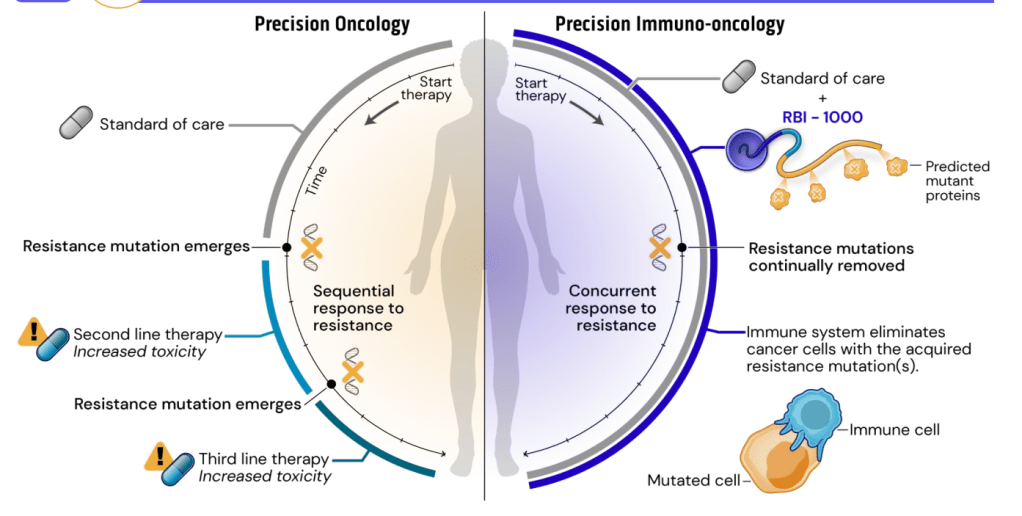
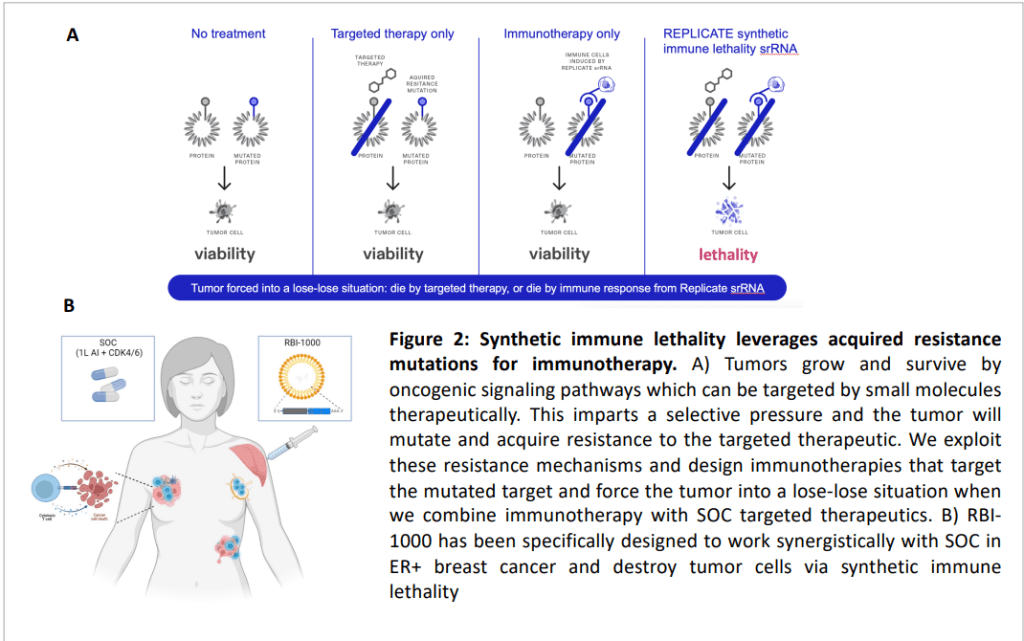
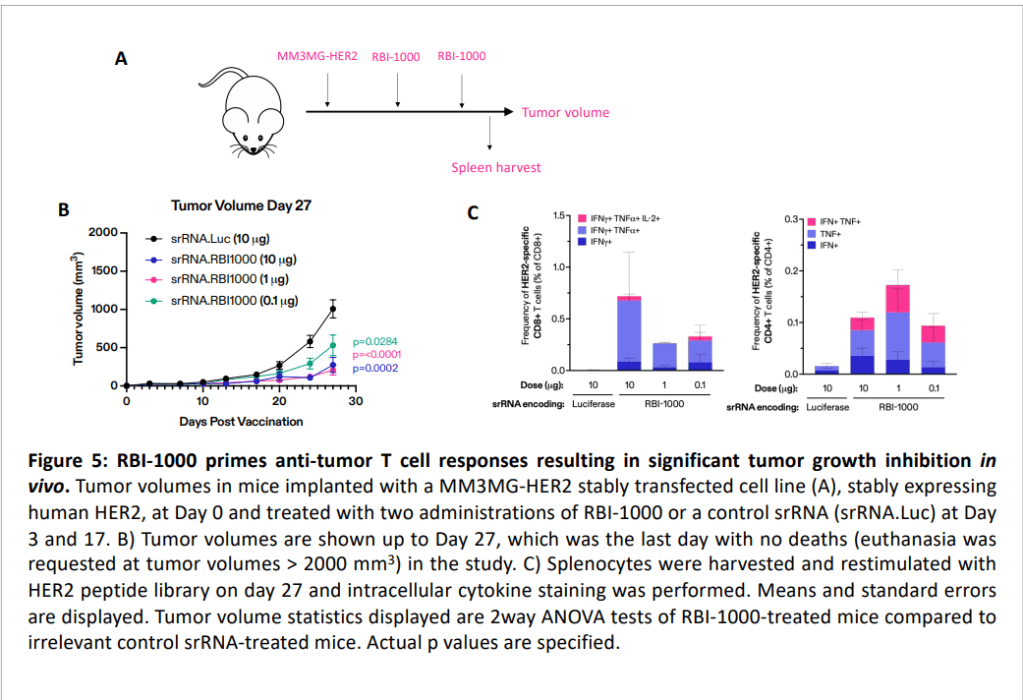
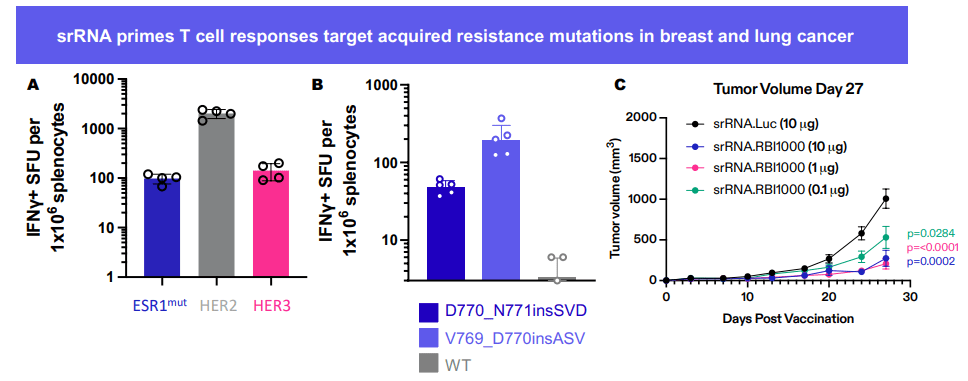
The srRNA technology is meant to prevent or remove drug-resistant cancer mutations via “synthetic immune lethality” and is also being tested in autoimmune and inflammatory disorders.
Replicate has two programs focused on breast cancer and lung cancer, another looking at immunotherapy resistance in solid tumors and a fourth program that addresses inflammation related to autoimmune disorders that goes after “downstream mediators of the inflammasome,” Wang said.
Wang was previously head of the RNA medicines unit at Synthetic Genomics, where he worked on infectious diseases and various immunotherapies. While there, he worked on collaborations with Novartis on synthetic genomics for vaccines and with Johnson & Johnson’s Janssen on replicating RNA for treating infectious diseases.
During his collaboration with Novartis, Wang met Replicate co-founder and Chief Development Andrew Geall, Ph.D., who led mRNA vaccine exploration at Novartis. Since leaving Novartis in 2015, Geall has been vice president of formulations and chemistry at Avidity Biosciences and chief scientific officer of Precision NanoSystems.
Geall and Wang teamed up with Duke University cancer research and immunology professors Herbert Kim Lyerly, M.D., and Zachary Hartman, Ph.D., to found Replicate.
Replicate focuses on using self-replicating RNA (srRNA) to develop therapies for autoimmune and inflammatory diseases and prevent drug resistance in cancer.
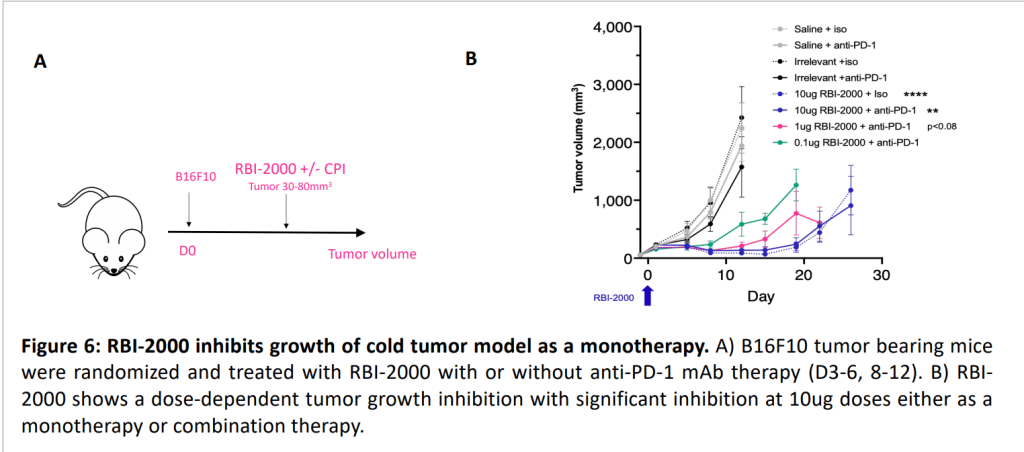
Replicate, which was founded in February 2020, currently has four pipeline programs, all in the discovery or preclinical phase. These include RBI-1000, an endocrine therapy resistance for breast cancer; RBI-2000, immunotherapy resistance for solid tumors; RBI-3000, targeted therapy resistance for lung cancer; and RBI-8000, inflammasome for inflammatory disease and autoimmune disorders. The first therapy is expected to begin clinical trials in the second half of 2022.
Nathan Wang, Replicate’s Chief Executive Officer and Andrew Geall, Chief Development Officer, collaborated earlier on srRNA technologies atSynthetic Genomics and at Novartis Vaccines & Diagnostics. They worked with a former colleague, Herbert Kim Lyerly, and Zachary Hartman, both professors of cancer research and immunology atDuke University, to work on srRNA to prevent or remove drug-resistant cancer mutations. This approach is called “synthetic immune lethality.”
Lyerly교수와 Hartman 교수는 2019년 Clinical Cancer Research에 Vaccine-induced memory CD8+ T Cells이 HER2-breast cancer 치료제로 가능성이 있슴을 Mouse to Human Translational Study로 발표했습니다.
The phase 1 trial is comparing three doses of its vaccine candidate, RBI-4000, to Bavarian Nordic’s approved product RabAvert in healthy volunteers.
In “most subjects,” all three RBI-4000 doses generated antibody titers of at least 0.5 IU/ml, the level that the World Health Organization considers to be protective. Replicate said the 0.1-mcg dose is the smallest amount of any RNA technology reported to achieve the surrogate of protection in humans.
The biotech said a single shot of RBI-4000 met the surrogate protection metric “for a majority of subjects in multiple cohorts.” Replicate tested single shots at all dose levels, plus a two-administration regimen at the highest, 10 mcg, dose. GSK studied one- and two-dose regimens of its self-amplifying mRNA rabies vaccine in a phase 1 study that finished in 2022.
Replicate saw “favorable tolerability across all dose levels tested, with no severe adverse events,” but is yet to share safety data.
Beyond rabies, Replicate CEO Nathaniel Wang, Ph.D., believes the results de-risk the srRNA platform, manufacturing processes and pipeline, boosting the biotech’s prospects as it pursues diseases including breast and lung cancers. CSL Seqirus and Arcturus Therapeutics won approval for a self-amplifying vaccine that uses similar technology last year, but Replicate is still validating its platform.
RBI-4000으로 biology risk를 낮춘 약물로서 임상시험을 하면서 srRNA platform을 검증하고 추후에 cancer vaccine trial을 준비한다는 계획입니다. saRNA or srRNA는 현재 CSL Sqirus/Arcturus Therapeutics에서 FDA 승인을 받은 상태인데 향후 Replicate의 cancer vaccine RBI-1000의 임상시험 진입과 결과가 주목됩니다.
Victor Gonzalez 박사는 2023년 10월 1일에 프랑스 파리에 위치한 PPSM에서 CNRS research fellow로 조인했습니다. 아래는 이 분이 인터뷰한 자기소개 및 연구내용입니다.
“I obtained my PhD thesis (Chemistry, Sorbonne U.) in 2016. This thesis was conducted at the Centre de Recherche et de Restauration des Musées de France (C2RMF), and focused on the study of structure/property relationships of ancient lead carbonate mineral pigments as markers of their synthesis route. I then worked on post-doctoral contracts in the Netherlands, first at the Materials Science and Engineering Department of TU Delft University, then at the Science Department of the Rijksmuseum. I was interested in the reactivity of inorganic lead pigments in an organic medium. I finally returned to France on a Marie Curie European Fellowship, hosted at the PPSM, where I worked on understanding the weathering mechanisms of modern pigments for two years before joining the CNRS as a research fellow.”
“My work focuses on the chemical study of ancient materials, in particular those making up historic paint layers. These layers are composite media, consisting of an organic binder in which organic and/or inorganic coloring materials are dispersed. Chemical mechanisms are active here, and can result in the formation of weathering products that can threaten the optical or physical integrity of the paint. My aim is to identify markers of the manufacturing processes and reactivity of ancient pictorial materials. To achieve this, I specialize in using multi-scale analytical methods to probe paintings. At the scale of a single work, I use instruments to chemically image the entire surface of a painting. At the scale of a paint layer, sometimes as fine as a hair, or micro-scale, I frequently use synchrotron radiation to study the chemical phenomena at play at the level of individual pigment grains.”
“The skills developed at PPSM, in photochemistry, functional molecule synthesis and instrumental development, represent a fantastic opportunity for me to take an innovative approach to the chemical study of heterogeneous systems such as historic paintings. For example, my aim is to use specific functional molecules as probes of certain key parameters in the evolution of paint layers over time, such as the concentration of certain metal ions. When I joined the laboratory, I initiated collaborations with colleagues specializing in the development of this type of molecule (Rémi Métivier, Isabelle Leray, Clémence Allain), hoping to create new links between photochemistry and the study of pictorial matter. What’s more, the “Ancient Materials” theme is still new at PPSM, so it’s very stimulating to be building this new theme alongside all my colleagues!”
“The PPSM environment is fundamentally interdisciplinary. By joining this laboratory, I hope to benefit from the wealth of expertise around me to help me advance my research. I’m convinced that building bridges between different research communities is fundamental to overcoming the analytical challenges I face. The Paris-Saclay ecosystem is ideal for benefiting from a wealth of know-how, for example with the forthcoming creation of the Centre Pompidou’s new conservation and creation center in Massy.”
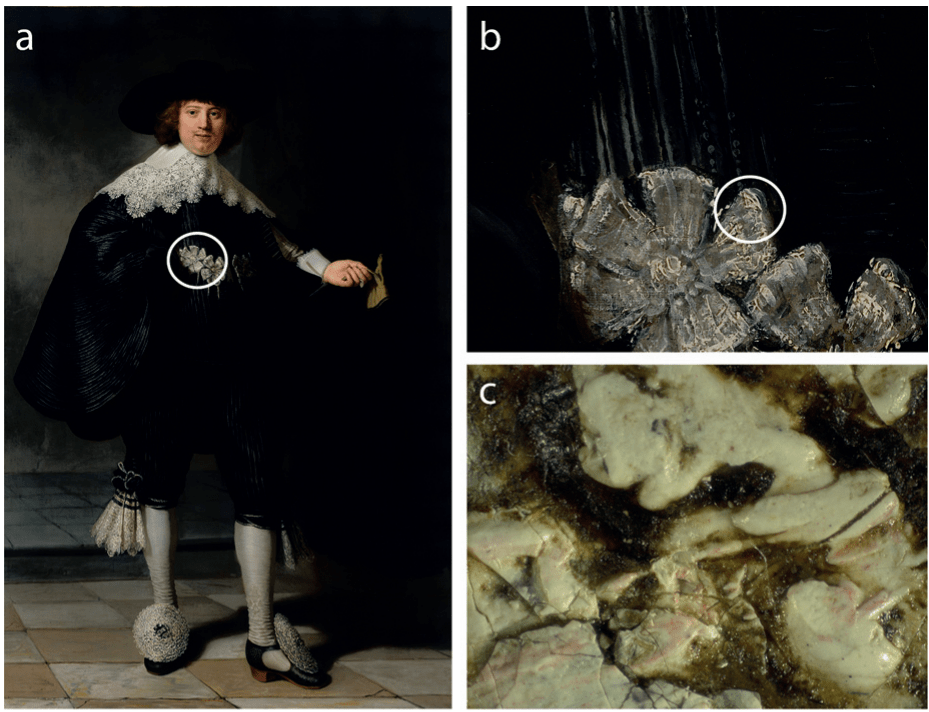
아래 그림은 Rijksmuseum에 있는 “The Portrait of Marten Soolmans (1634)”입니다.
“Based on historical texts, we believe that Rembrandt added lead oxide, or litharge, to the oil in this purpose, turning the mixture into a paste-like paint,” conservation expert Marine Cotte said.
Annelies van Loon of the Rijksmuseum said the next step was to look at more pictures by Rembrandt and his peers. “We are working with the hypothesis that Rembrandt might have used other recipes, and that is the reason why we will be studying samples from other paintings by Rembrandt and other 17th Dutch Masters, including Vermeer, Hals, and painters belonging to Rembrandt’s circle.”
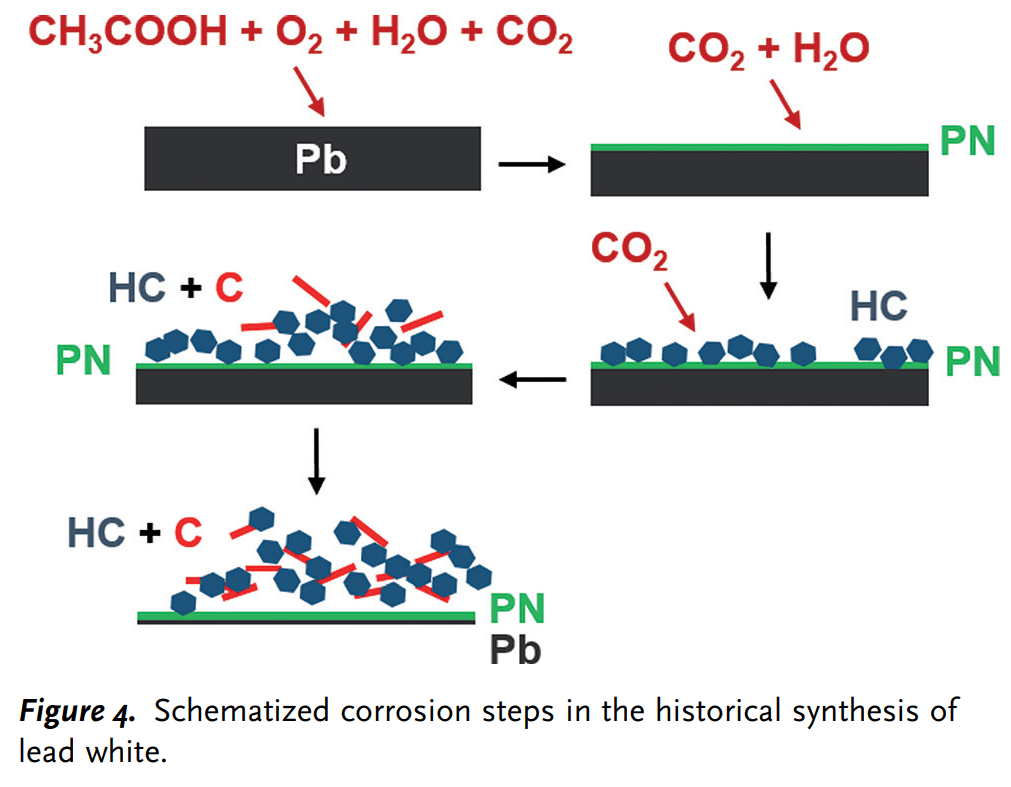
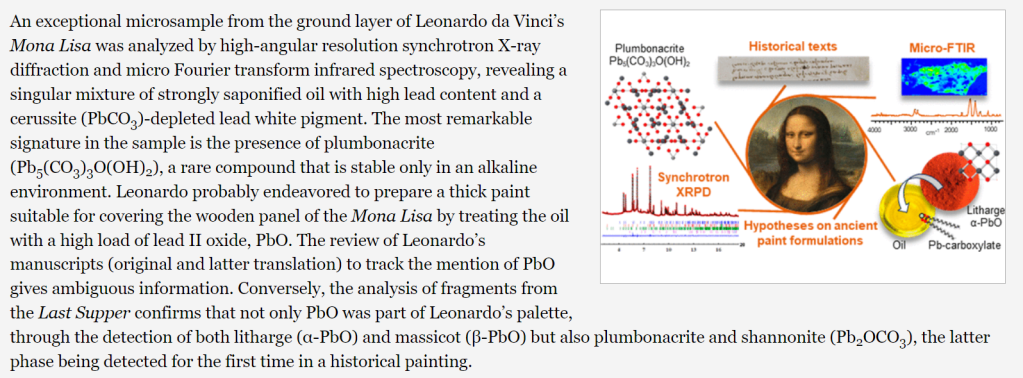
Plumbonacrite (PN)이라는 것인데 이것은 산화납 (PbO)으로 아래와 같이 만들어 졌다고 예상했습니다.
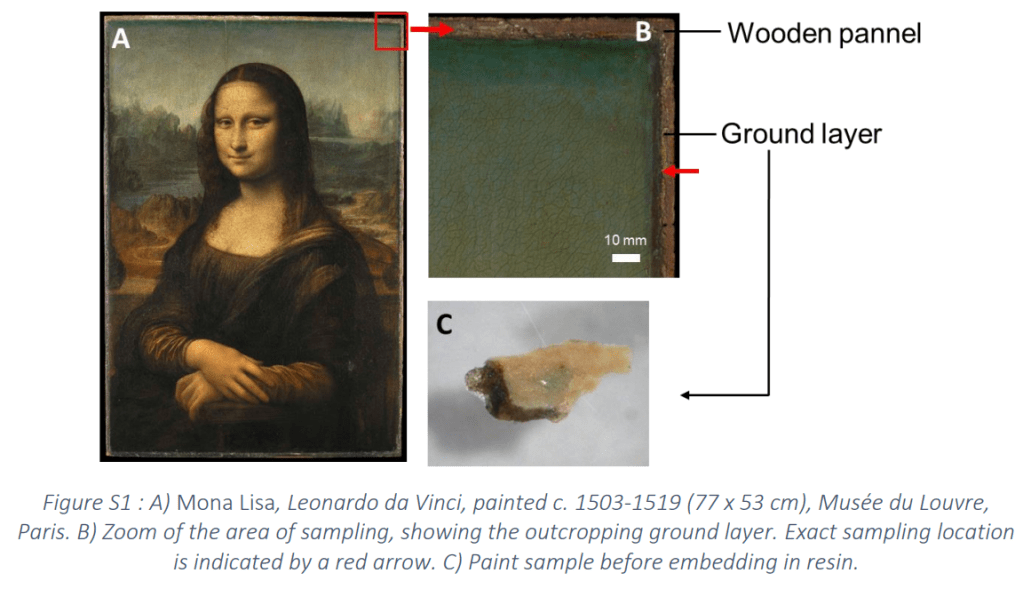
“He (Leonardo da Vinci) was someone who loved to experiment, and each of his paintings is completely different technically,” said Victor Gonzalez. He is the study’s lead writer and a chemist at France’s top research organization, the National Center for Scientific Research (CNRS). Gonzalez has studied the chemical makeup of several works by Leonardo, Rembrandt and other artists.
“In this case, it’s interesting to see that indeed there is a specific technique for the ground layer of Mona Lisa,” he said in an interview with The Associated Press.
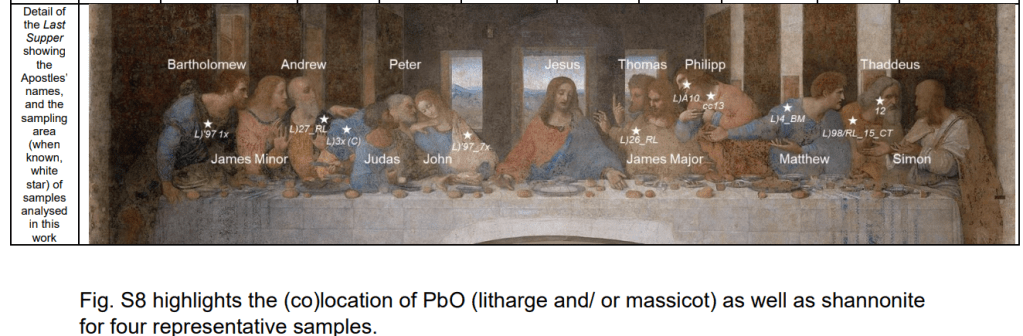
Specifically, the researchers found a rare compound, plumbonacrite, in Leonardo’s first layer of paint. The discovery, Gonzalez said, confirmed that da Vinci most likely used lead oxide to thicken and help dry his paint.
Carmen Bambach, a specialist in Italian art at New York’s Metropolitan Museum of Art, called the research “very exciting.” Bambach, who was not involved in the study, said it shows “Leonardo’s spirit of passionate and constant experimentation as a painter,” she wrote in an email.
“Plumbonacrite is really a fingerprint of his recipe,” Gonzalez said. “It’s the first time we can actually chemically confirm it.”
Dutch artist Rembrandt may have used a similar mixture when he was painting in the 17th century. Gonzalez and other researchers have found plumbonacrite in his work, too.
“It tells us also that those recipes were passed on for centuries,” Gonzalez said. “It was a very good recipe.”
Leonardo is thought to have melted lead oxide powder, which has an orange color, in linseed or walnut oil to make it thicker and dry faster.
“What you will obtain is an oil that has a very nice golden color,” Gonzalez said. “It flows more like honey.”
저도 화학자로서 Visual Art 분야에서 일을 하고 싶은 마음이 있는데요. Victor Gonzalez 박사는 저의 Role Model로 삼아도 좋을 것 같습니다. 계속 좋은 연구를 기다립니다.
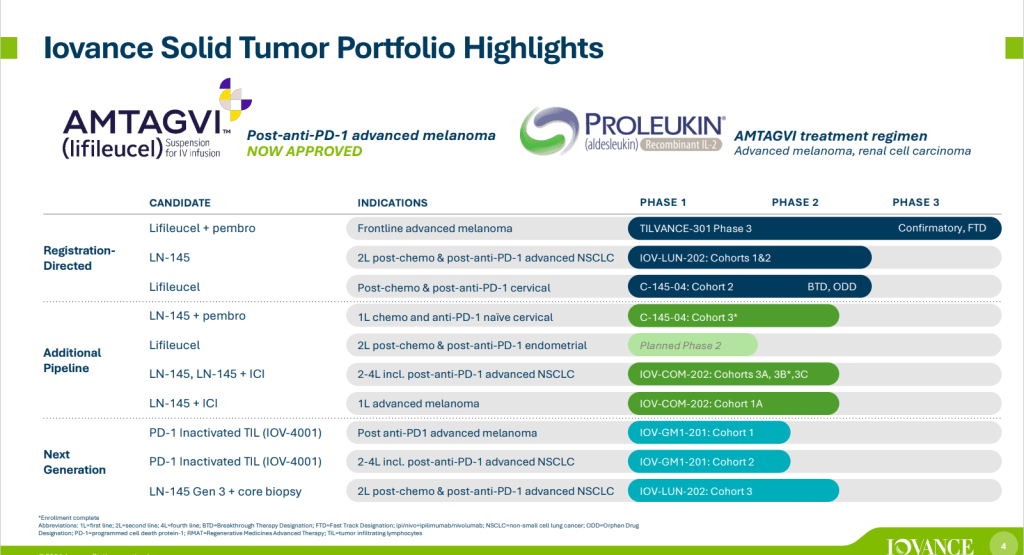
이번주에 Iovance Biotherapeutics가 개발하던 최초의 TIL Therapy인 “lifileucel”이 Advanced Melanoma 치료제로서 FDA의 Accelerated Approval을 받았습니다. First-In-Class 혁신신약개발이 그러하듯 lifileucel이 결국 FDA Approval을 받기까지 여정은 결코 쉬운 일이 아니었습니다. 이 신약의 개발 과정에 대해서 나눠보려고 합니다.
1986년 National Cancer Institute (NCI)의 Steven Rosenberg 박사 연구팀은 Tumor-Infiltrating Lymphocytes (TIL)과 Interleukin-2 (IL-2)를 투여하면 고형암의 면역치료제로 가능성이 있슴을 보고했습니다.
The adoptive transfer of tumor-infiltrating lymphocytes (TIL) expanded in interleukin-2 (IL-2) to mice bearing micrometastases from various types of tumors showed that TIL are 50 to 100 times more effective in their therapeutic potency than are lymphokine-activated killer (LAK) cells. Therefore the use of TIL was explored for the treatment of mice with large pulmonary and hepatic metastatic tumors that do not respond to LAK cell therapy. Although treatment of animals with TIL alone or cyclophosphamide alone had little impact, these two modalities together mediated the elimination of large metastatic cancer deposits in the liver and lung. The combination of TIL and cyclophosphamide was further potentiated by the simultaneous administration of IL-2. With the combination of cyclophosphamide, TIL, and IL-2, 100% of mice (n = 12) bearing the MC-38 colon adenocarcinoma were cured of advanced hepatic metastases, and up to 50% of mice were cured of advanced pulmonary metastases. Techniques have been developed to isolate TIL from human tumors. These experiments provide a rationale for the use of TIL in the treatment of humans with advanced cancer.
그리고 1988년 Metastatic Melanoma 환자들을 위한 면역치료제로 가능성이 있슴을 보고했습니다.
이 기술을 임상시험을 통해 상용화를 하기 위해 2007년에 Genesis Biopharma가 설립되었고 2013년에 Lion과 합병되면서 Lion Biotechnologies가 된 이후에 2017년에 Iovance Biotherapeutics로 Rebrand 되었습니다.
The merger will create a publicly traded biotechnology company, to be called Lion Biotechnologies, focused on developing T-cell based immunotherapy products for the treatment of cancer. Developed by Steven A. Rosenberg, chief of surgery at the National Cancer Institute (NCI), the company’s core technology has demonstrated robust efficacy in Phase II clinical trials, indicating 50-72% response rates in Stage IV metastatic melanoma.
2022년 5월에 나온 pivotal clinical data로 인해 Iovance의 주가는 크게 출렁였지만 경영진은 lifileucel의 승인을 위해 계속 나아갔습니다.
Iovance는 또한번 setback을 경험하는데요. lifileucel BLA를 한 이후에 다른 TIL치료제 “LN-145 TIL” NSCLC 치료제가 임상시험 도중 환자 사망으로 인해 FDA Clinical Hold를 맞게 되었습니다. 이것으로 당시만 해도 lifileucel의 승인에 빨간불이 켜진게 아닌가 하는 우려가 있었습니다.
CAR-T치료제가 세포면역항암제로 승인이 많이 되었지만 주로 혈액암에서만 효과를 발휘할 뿐 고형암에서는 기대에 미치지 못했습니다. TIL 치료제의 경우는 고형암인 Melanoma에서 효과를 발휘함으로써 이번 승인은 TIL을 통한 고형암 세포면역항암제의 승인이라는 의미가 있습니다.
Iovance completed its rolling BLA submission to the FDA in March 2023, backed by clinical data showing that lifileucel elicited a 31% objective response ratewith a median duration of response not reached at 18.6 months follow-up, with 42% of responses lasting for two years or longer.
기존의 TIL Manufacturing 시간은 6주였으나 Iovance는 22일만에 생산할 수 있도록 대폭 개선하였고 2021년에 GMP 공장을 자체적으로 건설하였습니다.
Iovance, however, does not expect to run into any manufacturing snags, Chief Operating Officer Igor Bilinsky told BioSpace earlier this month, adding that the company has shortened the manufacturing time for lifileucel from six weeks to 22 days. The company instituted its first centralized cell therapy center in Philadelphia in 2021 to keep up with the potential rise in demand.
NCI가 보유한 lifileucel 특허는 Iovance Biotherapeutics로 이전되었습니다.
일본 민간 연구기관인 ‘리쿠르트웍스연구소’의 사카모토타카시(坂本貴志) 연구원은 지난해 정년 후의 진실 15가지를 담은 책 <진짜 정년후 (ほんとうの定年後)>를 펴내 일약 스타가 된 인물입니다. 히토츠바시대학 대학원을 졸업한 이후 후생노동성에서 일했고 공무원 시절엔 내각부 관청 이코노미스트로 ‘경제재정백서’를 집필했는데요 조선일보의 왕개미연구소 이경은 기자가 2번에 걸쳐서 사카모토타카시 연구원과 인터뷰한 기사를 실은 것이 있어서 나눕니다.
“노후에 연금에만 기대서 사는 건 점점 어려워집니다. 일본은 퇴직 후에도 남녀가 모두 일해서 생활비에 보태는 것이 당연한 시대로 변하고 있습니다. ”
일본 민간 연구기관인 ‘리쿠르트웍스연구소’의 사카모토타카시(坂本貴志) 연구원은 이달 초 본지 인터뷰에서 “고령 취업자 10명 중 6명은 정년 후 일자리에 만족하고 행복하게 생활한다”면서 “현역 때보다 수입은 크게 줄지만 그 대신 업무량이나 책임, 인간관계 등 스트레스가 사라지기 때문”이라고 말했다.
정년이 지났어도 노동 시장에 여전히 남아 일하는 고령자들이 계속 늘어나고 있다. 2010년만 해도 70세 남성의 35%만 일을 했지만, 2020년엔 전체의 46%가 일하고 있다.
예전보다 더 오래 사는데 연금액을 매년 높여가면서 지급하면 재정이 버티지 못한다. 이에 대한 대안은 시니어 일자리다. 정부는 연금액이 줄어든 고령자들이 생계에 곤란을 겪지 않도록 양질의 일자리를 제공해야 한다.
지금 일본은 저출산으로 일손이 부족하고 실업률은 역대급(약 2.5%)으로 낮아졌다. 일자리가 구직자보다 훨씬 많기 때문에 일자리 관련 세대 갈등은 거의 없다. 한국은 65세 이상 노인 인구 비중이 18% 정도로 지금은 일본보다 낮지만, 출산율이 0.7명대로 낮기 때문에 10여년 후엔 일본과 비슷한 상황이 펼쳐질 것이다.
“현역 때 직위가 높았던 사람들은 정년 이후 확 줄어든 월급에 당황한다. 하지만 시간이 흐르면서 차차 적응해 가고, 나이가 들수록 직업 만족도가 전반적으로 높아진다. 정년 후 일자리는 스트레스가 대폭 줄어들기 때문이다. 현역 시절처럼 업무량이나 책임, 권한, 대인 관계 같은 것으로 고민할 필요가 없어진다. 60세 이상 취업자의 65%가 “업무 관련 스트레스는 크지 않다”고 답한 후생노동성 조사도 있다.”
중년엔 ‘승진과 명예, 고연봉’과 같은 가치관이 중요했지만 60대 이후엔 ‘사회에 공헌하기’나 ‘신체 움직이기’, ‘생활과의 조화’와 같은 가치관을 더 중시하게 된다.
퇴직 후 일자리는 월 소득 10만엔(90만원)이면 충분하다. 퇴직한 65~69세 고령부부의 생활비는 대략 월 30만엔(270만원) 전후다. 65세 이후엔 연금 등으로 20만엔 정도 수입이 생기므로, 10만엔 정도가 부족하다는 계산이 나온다. 정년 후 ‘소소한 일자리’는 바로 부족한 10만엔을 채우기 위한 수단이다. 가계 적자가 심해지는 65~69세도 그럭저럭 버텨낼 수 있다.
“일하는 고령자는 계속해서 늘어나는 중이다. 60세 남성의 79%, 65세 남성은 63%, 70세 남성은 46%가 일을 하고 있다. 퇴직금 액수가 예전보다 줄고 생활고 때문에 늘어나는 것일 수도 있지만, 그만큼 노인 일자리가 많아졌다는 의미도 된다. 현재 일본은 일손이 모자라서 건강한 고령자들이 밖에 나와 일해주길 바라고 있다. 임금 환경도 나아지는 중이다. 정규직 임금은 수십년째 오르지 않았지만 단시간 근로자 평균 시급은 10년 전에 비해 20% 이상 올랐다. 앞서 말한 ‘월 10만엔’을 벌기 위해선 하루 7시간, 주 3일 정도 일하면 충분하다.”
“가계 지출은 나이가 들수록 점점 늘어나 50대에 피크를 찍는다. 일본의 경우, 50~54세 가구 지출이 월평균 58만엔(약 522만원)으로 전 연령대 중 가장 높다. 식비, 교육비, 임차료, 세금, 건강보험료 등 이런 저런 이유로 돈이 많이 든다. 하지만 그때부턴 점점 지출이 줄어든다. 특히 정년퇴직이 있는 5말6초(50대 말~60대 초)엔 57만엔에서 44만엔으로 감소해 가파른 소비절벽이 찾아온다. 이후 60대 후반에 32만엔, 70대 후반부터는 26만엔(약 234만원) 정도로 줄어든다.”
나중에 지원 받은 자녀들이 부모의 생계를 끝까지 책임져 준다면 모르겠지만 그렇지 않다면 100세 시대에 (성인자녀 지원은) 적절한 방향은 아니다.
“일본에선 퇴직 전에 대출을 거의 대부분 상환한다. 월급이 끊기는 노년기엔 1000엔 한 장도 소중해지기 때문에 대출이 있으면 힘들어진다. 실제로 연령대별 주택대출 평균 상환금액 추이를 보면, 30~40대가 매달 5만엔 전후로 빚을 갚아야 해서 전 연령대 중에서 가장 많다. 하지만 60대엔 월 이자 부담이 1만엔 수준으로 급감하고, 70세 이후부터는 주택빚이 거의 없다. 현재 70세 이후 세대는 과거 일본 버블 시기에 집을 비싸게 구입한 경우가 많은데, 통계를 보면 어떻게든 대부분 빚은 갚은 셈이다.”
“실제 통계를 보면 65~74세 의료비는 월평균 1만7000엔 정도다. 중병이 걸려 장기 간병이 필요하다거나 혹은 지속적으로 고액 치료비가 들어간다면 다른 얘기겠지만, 의료보험 제도가 잘 되어 있어 의료비 부담은 생각보다 크지 않다. 설사 노후에 의료비 부담이 생긴다고 해도 비소비지출이 크게 줄어들기 때문에 충분히 대응 가능하다. 비소비지출이란, 세금, 연금보험료, 건강보험료처럼 가계가 자유롭게 조절할 수 없는 비용을 말한다. 50대 후반엔 14만엔 넘게 지출하지만, 60대엔 9만엔, 60대 이후엔 4만엔 정도로 확 줄어든다. 수입이 적기 때문에 현역 시절보다 소득세나 주민세 부담이 덜하며, 연금도 ‘납부’에서 ‘수령’으로 위치가 바뀌고, 건강보험료는 소득이 줄어드니 최소한만 내면 된다. 이밖에 외식비, 의류비, 자동차 관련 비용, 통신비, 용돈 등 전항목에서도 감축이 일어난다(※일본은 소득에 대해서만 건보료를 부과하며, 부동산은 건보료에 영향을 미치지 않는다).”
사카모토타카시 연구원 인터뷰를 읽은 후 나의 생각은…
65세 이후의 노후 일자리는 “소소한 일자리”로 월 10만엔 (환율 생각하지 않고 $1,000) 정도 벌 수 있는 일이고 1주일에 2-3일 일하는 것이면 가장 만족하고 일할 수 있다는 것에 대해 배웠습니다.
은퇴할 가능성이 있는 나이까지 빚이 없어야 한다는 것에 대해 배웠습니다. 저는 Mortgage를 다 갚아야 한다고 생각했습니다.
그리고 생활비가 60대를 기점으로 5년마다 뚝뚝 떨어지는 것과 어느 정도 생활비가 필요한지를 배운 것은 다른 어떤 곳에서도 얻기 힘든 정보였습니다. 노년 은퇴연금 계산에 도움이 될 것 같습니다.
본래는 65세 정도까지 Full-time으로 일하고 이후에 Staged Retirement를 하려고 생각을 했는데요 사카모토 연구원의 말을 듣고 보니 꼭 틀린 생각은 아니라고 생각하고 66-75세 사이에 하는 “소소한 일자리”도 중요하다는 것을 배운 것 같습니다.

















 BOSTON DR LIM