BIOTECH (155) Stoke Therapeutics: Splicing Up-regulation by Antisense Oligonucleotides

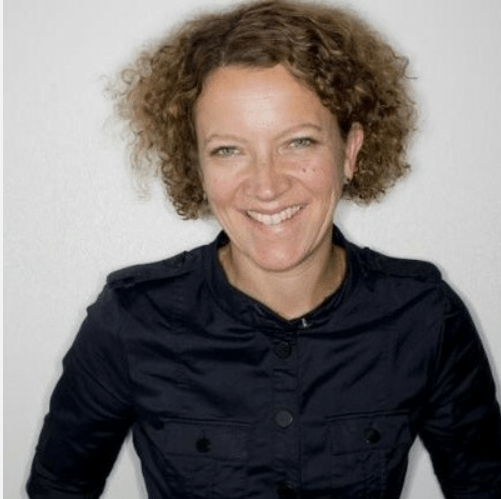
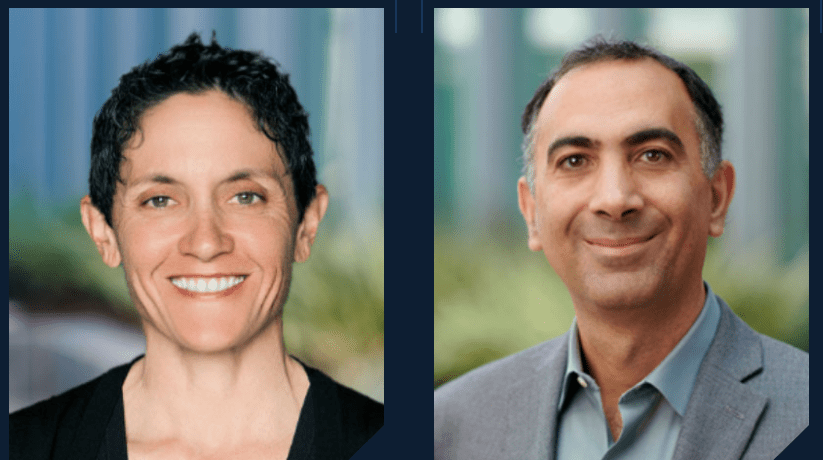
(Picture: Edward M. Kaye, MD, CEO of Stoke Therapeutics)

안녕하세요 보스턴 임박사입니다.

Stoke Therapeutics는 Biogen/Ionis Pharmaceuticals의 Spinraza 개발에 참여한 Adrian Krainer 박사와 Isabel Aznarez 박사에 의해 2014년에 설립되었습니다.

Stoke는 TANGO (Targeted Augmentation of Nuclear Gene Output) Platform에 기반을 둔 Antisense Oligonucleotide 회사입니다. TANGO에 대해서는 2020년 Nature Communications에 발표를 했습니다.

Stoke Therapeutics TANGO
TANGO (Targeted Augmentation of Nuclear Gene Output), Stoke’s proprietary research platform, aims to restore missing proteins by increasing—or stoking—protein output from healthy genes, thus compensating for the non-functioning copy of the gene. [Stoke Therapeutics]

Lead Compound인 STK-001에 대해서는 2020년 Science Translational Medicine에서 Mouse Model을 이용한 PoC 결과를 발표하였습니다.

Stoked About ASOs: Stoke Therapeutics Treats Rare CNS Diseases With RNA-Based Medicines – GEN Edge 11/21/2022

Using their proprietary TANGO (Targeted Augmentation of Nuclear Gene Output) approach, Stoke Therapeutics is developing antisense oligonucleotides (ASOs) to restore protein levels selectively.

For decades, Adrian Krainer, professor at Cold Spring Harbor Laboratory (CSHL), has studied the mechanisms of RNA splicing, how they go awry in cancer and genetic diseases, and how to correct faulty splicing. Krainer’s lab has found that it is possible to stimulate protein production by altering mRNA splicing through the introduction into cells of chemically modified pieces of RNA called antisense oligonucleotides (ASOs).

In late 2016, one such molecule, nusinersen (sold by Biogen under the brand name Spinraza), became the first FDA-approved drug to treat spinal muscular atrophy (SMA) by injection into the fluid surrounding the spinal cord. Nusinersen was conceived and tested over several years in SMA mouse models by Krainer and his CSHL colleagues, in a long-standing collaboration with drug developers led by Frank Bennett PhD at Ionis Pharmaceuticals.

Two years earlier, in 2014, Krainer co-founded Stoke Therapeutics (Nasdaq: STOK) with Isabel Aznarez, PhD, to use their groundbreaking science targeting pre-mRNA splicing to develop precision medicines that treat genetic diseases. Headquartered in Boston, Stoke Therapeutics is a biotechnology company focused on upregulating protein expression with RNA-based medicines. Using a proprietary TANGO (Targeted Augmentation of Nuclear Gene Output) approach, Stoke is developing ASOs to restore protein levels selectively.

Stoke’s initial focus includes haploinsufficiencies and diseases of the central nervous system and the eye, although proof of concept for its proprietary approach has been demonstrated in other organs, tissues, and systems. Stoke’s first compound, STK-001, is in clinical testing for the treatment of Dravet syndrome, a severe and progressive genetic epilepsy. Dravet syndrome is one of many diseases caused by haploinsufficiency (in which a loss of ~50% normal protein levels causes disease).

STK-001은 현재 임상1/2a상을 진행 중이고 가장 최근의 데이타는 몇일전에 발표되었습니다. 70mg을 받은 환자들은 3개월간 85%, 6개월간 74%의 높은 확률로 Seizure 빈도가 줄어들었고 30mg, 45mg을 받은 환자들의 경우 12개월간 인지 행동 측정결과 개선되고 Seizure 감소를 보였습니다. 이에 따라 FDA는 3 Dose (70mg, 2 x 45 mg)을 승인했습니다. 이 뉴스에 의해 오늘 주가가 거의 두배나 올랐습니다.

Stoke’s Early-Stage Data for Genetic Epilepsy Drug Sends Stock Skyrocketing – Biospace 3/26/2024

Stoke is also pursuing the development of STK-002 to treat autosomal dominant optic atrophy (ADOA), the most common inherited optic nerve disorder. In August 2022, Stoke enrolled the first ADOA patient in a two-year prospective clinical study.

STK-002에 대해서는 2022년 ASGCT 학회에서 발표한 바가 있습니다.

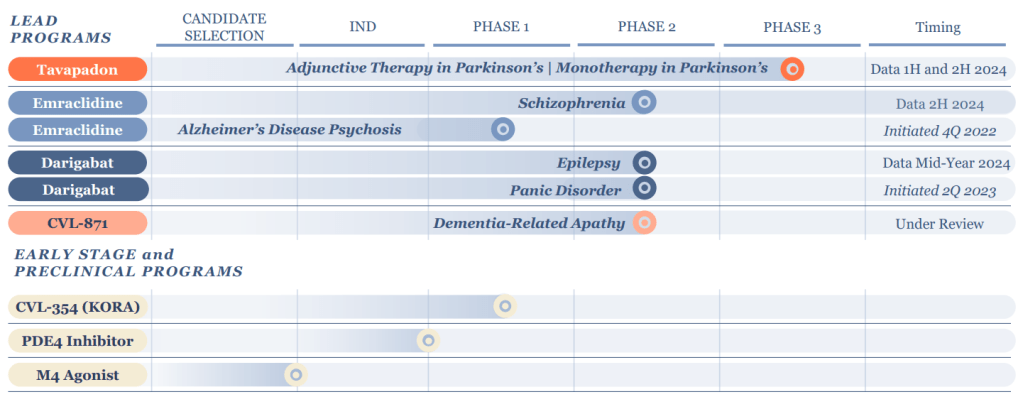
Stoke Therapeutics의 2024년 Corporate Presentation 자료를 올립니다. 현재 파이프라인은 아래와 같습니다. STK-001과 STK-002는 Stoke Therapeutics가 개발하고 Acadia와 공동개발하는 프로그램이 세개가 있습니다. Stoke Therapeutics가 개발하는 STK-001이 임상3상을 향해 가고 있습니다. 지난 10년간의 노력의 결실이 서서히 보이는 것 같습니다.

GEN Edge interviewed CEO and director Edward M. Kaye, MD, to learn how he was brought onto the leadership team at Stoke Therapeutics and the company’s latest progress treating rare genetic diseases with ASOs.

GEN Edge: Edward, what attracted you to be a part of Stoke Therapeutics?

Edward Kaye: I worked with Adrian on the Spinraza program when I was working with Genzyme. I got to know him as a scientist and respected his work. He called me and said we’ve got this new company interested in protein up-regulation using RNA splicing. I realized this is a fascinating approach to upregulating protein.

Most people have thought about upregulating proteins using messenger RNA (mRNA). There’s a lot of interest in mRNA because of vaccine development with Moderna. But one thing that is complicated with mRNA is that it breaks down immediately—all these endonucleases break it down. Getting it delivered into a cell to express a protein was challenging. It worked for things like vaccines because lymphocytes immediately took it up. However, other indications were a lot more challenging. Certainly, gene therapy is a way to upregulate a missing protein permanently. Still, the challenge is to deliver the exact amount of protein in the right cells using the current number of capsids and our gene therapy mechanisms.

This is a good approach to correct autosomal dominant diseases, where you’re missing 50% of the protein (haploinsufficiency). As a pediatric neurologist and biochemical geneticist, this was something that had stymied me. Most of the diseases we worked on were recessive diseases. At Genzyme, we avoided the dominant diseases! But now there’s an approach that we can titrate the exact amount of protein. We can take it from 50% to 100% and hopefully restore that protein and have a biological effect on the disease. It was an interesting opportunity to go after a set of previously difficult diseases.

I decided that this was too interesting of a scientific platform to miss out on, and I joined the company and came in as CEO in 2017. It’s been a fun experience going after new targets, especially since we are focused on rare diseases, most of which are pediatric. It was in my wheelhouse.

GEN Edge: Why go after pediatric CNS diseases?

Kaye: I had taken care of patients with Dravet syndrome and realized this was a challenging disease. I experienced firsthand that it’s more than just a seizure disorder. Dravet syndrome is considered one of the more common genetic seizure disorders. But when you take care of these patients, there’s more than simply seizures. There are other aspects of the disease, such as behavioral problems: sleep, gait, and speech problems. These children reach a period of stagnation in their development; for the first couple of years of life, they seem to be developing quite typically, and then they stop progressing.

That was as upsetting to families as the seizures. The treatments are anti-epileptic, which is fine, and they treat seizures. But they need to address the other aspects. Treating genetic epilepsy by going after the primary genetic cause seemed to be a very reasonable approach. In other words, if you’re missing the sodium channel and could upregulate that sodium channel to get it back up to a hundred percent, it should significantly improve these patients. That was the hypothesis that we had developed. We’re in the clinic now, and we can demonstrate that that is the case.

GEN Edge: How does delivery go into the choice of drug modality for pediatric CNS diseases?

Kaye: One of the reasons why we decided to go after the CNS is that antisense oligonucleotides (ASOs) are indeed quite good, but they don’t get into every organ or every cell type. Adrian had shown with Spinraza that if you deliver ASOs by intrathecal delivery, you get nice biodistribution throughout the brain. So, that was already precedent with the use of Spinraza. We knew we could get into very diffuse parts of the brain by giving an intrathecal administration. It does not work with this particular ASO if you give it systemically because it doesn’t cross the blood-brain barrier. You could get nice delivery into the eye with an intravitreal injection. One of the reasons why we focused on the CNS and the eye was a delivery issue.

That doesn’t mean we wouldn’t go after other organs and diseases. But we would have to have a delivery mechanism that went into those organs and tissues. Stoke has a whole program where we look at different ASO-backbone chemistries for delivery. We’ve looked at conjugation with fatty acids or antibodies. We are exploring and looking at other tissues that have already been demonstrated. One is the kidney. The other tissue is the lung. Others have demonstrated that if you give ASOs by an aerosol delivery, it gets into many parts of the lung. We’ve thought about muscle and heart, but we have to have a different delivery system. Several companies we’ve talked to have systems that might be amenable to us.

We also look at the TANGO signature. Only some genes have the TANGO signature. Specific genes are easy to regulate where you have a lot of RNA messages that are non-productive that you can turn into productive. Each gene and each disease is different. We go through a rigorous process before we decide on a new therapeutic area or target we want to go after.

GEN Edge: How does Stoke Therapeutic manufacture ASOs?

Kaye: We use a couple of contract manufacturers and go through a fairly rigorous process to audit other companies. One nice feature about using ASOs is that there’s been a lot of work done on manufacturing. There are a lot of contract manufacturers that can make these, so we don’t have to manufacture them ourselves. It’s not that complex. It’s not like gene therapy, which is very complicated.

You have to deal with the percentage of empty versus full capsids. Many companies have said this is important, and we have to do it ourselves. But that’s a massive investment. I remember looking at gene therapy when I was at Genzyme. We figured out this’s a half-billion-dollar investment to invest in a manufacturing facility to do it right.

If you can contract out and have quality manufacturers know how to do it, why reinvent the wheel if you don’t have to while spending money. So, that’s a fortunate thing for us that we can use contract manufacturers to make our product. The cost of goods is certainly much less than what you’d have to spend on things like gene therapy, which are costly and difficult to make.

GEN Edge: What milestones does Stoke Therapeutics have in its sights?

Kaye: Dravet syndrome is a major focus right now. We hope to get data from our Phase II that will inform us of the trial design for Phase III. We want to demonstrate proof of concept in humans with Phase II and then go on to Phase III, a placebo control study for registration and commercialization. That’s step number one.

We also plan to be in the clinic with our next program next year. That would be for dominant optic atrophy, the leading genetic cause of optic atrophy. This is similar to Dravet in that it’s a nonsense mediate decay (NMD) exon. You’re missing 50% of the OPA1 protein —an essential protein for mitochondrial function and structure.

These children are born with normal vision. Then, somewhere at the end of the first decade of life, typically in school when they have a vision test, they find out that their vision is affected and can’t be corrected by glasses. It’s a non-refractive error. Then you get sent to an ophthalmologist or a neuro-ophthalmologist, and somebody picks up that there’s optic atrophy, which is just a whiteness or a power of the optic nerve. Because these retinal ganglion cells are very energy dependent, they slowly die. But it’s a very slowly progressive process that takes decades.

If somebody finds out they have optic atrophy and are unsure why, they can undergo standard testing. People are currently being tested and explicitly diagnosed with autosomal dominant optic atrophy. But again, we’ve demonstrated recently that you can get the ASOs into those retinal ganglion cells. More importantly, we’ve shown that we can regulate protein very nicely—and even more importantly, we can improve oxidative phosphorylation in these cells. It is a good demonstration that we can get the ASO where we want it to be, and it has an effect. We like that one and expect to be in the clinic next year with that program and move that along.

We also have a collaboration with Acadia. That’s a program where we have three targets that we’ve identified, two of which we’ve announced publicly. One is Rett syndrome—a fairly common progressive disease that includes not only epilepsy but also autistic spectrum and a neurodevelopment problem. The other is genetic epilepsy. But more importantly, it has a big neurodevelopmental component to it. With both or at least one of these programs, we’d like to address some of these progressive diseases’ neurologic problems.

Rett syndrome is very similar. There are affected girls, and there could also be more severely affected boys that appear normal. In the first few years of life, they start to have these atypical movements in this progressive autistic spectrum disorder. There’s certainly evidence in mouse models that you probably can arrest this progression again if you can replace that protein, MECP2, which is a critical protein for brain function. That would lead to [therapeutic programs for] not only epilepsy but nerve developmental disorders.

There’s a host of haploinsufficient diseases that affect cognition, so that could be a fascinating area for us too. Nobody has cracked that. No one has gone after these developmental disorders. Based on animal work, we now know that it’s not all prenatally determined that this disorder continues to progress. Especially something like Rett syndrome, where these girls are quite normal at birth and then seem quite normal for four to six years, and then suddenly have this deterioration. So if you can identify these early, I think we could also affect some of these symptoms.

This has been a challenging time for small- and mid-cap companies, but we saw this coming two years ago, I thought it would happen a year earlier, but we went public, did financing, and used our at-the-market (ATM) offering. Part of it was to develop a war chest to survive the downturn. We have enough cash to get us into 2025, which is a nice position. We’re not worrying about running out of money. We’re just focused on trying to ensure we do the best science.

Antisense player Stoke Therapeutics picks up $40M series A – Fierce Biotech 1/4/2018

Stoke Therapeutics completed a series A round to support the development of its antisense approach to boost gene expression and treat disease caused by genetic insufficiency.

Apple Tree Partners ponied up the $40 million, which will drive Stoke’s antisense oligonucleotide preclinical development programs. The company’s focus is upregulating RNA splicing to ramp up production of messenger RNA that can be translated into protein.

“Stoke Therapeutics represents a bold step forward in opening up a vast new area of drug development focused on upregulation of gene expression,” new CEO Ed Kaye, who takes the helm in the briefest of periods after leaving his former DMD biotech Sarepta, said in a release. “By restoring gene dosage using target-specific antisense approaches, we have the opportunity to create a new way of treating diseases that are not amenable to enzyme replacement, gene therapy or other existing modalities.”

Stoke licensed its tech, dubbed Targeted Augmentation of Nuclear Gene Output (TANGO), from scientific founder Adrian Krainer of Cold Spring Harbor Laboratory.

Our plan for 2018 is to identify at least three preclinical programs that we can bring for IND studies in 2019,” Kaye said.

“Right now, we are focusing on the central nervous system,” he said. “We are looking at some of the genetic epilepsies and also some of the autosomal dominant forms of blindness. … We are looking at other organs, but those [programs] are not as well-developed at this time.”

The company will initially zero in on diseases caused by a single malfunctioning gene, but TANGO could potentially be used to modulate a nonmutated gene in order to halt or reverse disease progression, the company said.

We’re focusing on smaller indications and on organs we think we can handle as a small company, but I think the potential for this platform could be much larger,” Kaye said.

“We are tremendously impressed by the broad potential of this approach to address so many debilitating diseases and have assembled the team, platform and funding to thoroughly exploit this opportunity,” said Seth L. Harrison, M.D., founder and managing partner of Apple Tree Partners and chairman of the Stoke board of directors.

Stoke joins Atlantic Healthcare and Ionis Pharma in the antisense field. The former kicked off a rolling FDA submission for its inflammatory bowel disease candidate in May, while the latter recently licensed a second gastrointestinal antisense drug to J&J’s Janssen.

Stoke Therapeutics nabs $90M series B for oligonucleotide work – Fierce Biotech 10/23/2018

Stoke has completed a meaty $90 million second funding round as the startup eyes getting its leading candidate into the clinic by 2020.

The Bedford, Massachusetts-based biotech said it will also push on with work across its pipeline of antisense oligonucleotide medicines in other severe genetic diseases.

The financing round was led by RTW Investments with help from founding investor Apple Tree Partners. New investors include RA Capital Management and Cormorant Asset Management, as well as a host of others.

This builds on the $40 million series A it grabbed back at the start of the year. Stoke licensed its tech, dubbed Targeted Augmentation of Nuclear Gene Output (a.k.a. TANGO), from scientific founder Adrian Krainer of Cold Spring Harbor Laboratory.

Stoke said it has “identified thousands of genes that could be addressed” by its TANGO tech, which targets nonproductive RNA splicing to increase gene expression, aimed at getting to the heart of monogenic diseases caused by loss or reduction of gene function.

The company said it is “rapidly advancing” its lead program in Dravet Syndrome, a rare, lifelong form of epilepsy that begins in the first year of life with frequent and/or prolonged seizures. Current treatment options are limited, and patients with Dravet face a 15-20% mortality rate, according to the Dravet Syndrome Foundation.

Its early-stage pipeline also includes drugs targeting other diseases of the central nervous system, as well as diseases of the eye, ear, liver and kidney.

“Our technology is designed to address, for the first time, the genetic cause of diseases like Dravet Syndrome so we can do more than alleviate symptoms—we can potentially prevent the long-term disabling consequences of these diseases,” said Ed Kaye, M.D., CEO of Stoke, and former Sarepta chief. “We are delighted to have the support of such an outstanding group of crossover investors to speed our progress toward the clinic.”

Stoke joins Atlantic Healthcare and Ionis Pharma /Akcea in the antisense field, with the latter getting approvals earlier this year for its effort in Tegsedi (inotersen injection), an antisense oligonucleotide for certain patients with the rare disease hereditary transthyretin amyloidosis (hATTR), as well as Biogen’s SMA drug Spinraza.

Stoke Therapeutics raises $163.3M in Nasdaq IPO – S&P Global 6/21/2019

Stoke Therapeutics Inc. closed its planned IPO on the Nasdaq Global Select Market, raising gross proceeds of about $163.3 million.

The company sold 9,074,776 shares at $18 apiece, including 1,183,666 shares that were sold upon full exercise of the underwriters’ option.

The Bedford, Mass.-based company started trading on the Nasdaq under the ticker STOK on June 19.

Stoke Therapeutics has said earlier that it would use the proceeds for a phase 3 clinical development of its lead product candidate STK-001 to treat Dravet syndrome, a type of epilepsy with seizures often triggered by high body temperatures or fever. The funds would also go toward conducting preclinical studies for other product candidates.

J.P. Morgan Securities LLC, Cowen and Co. LLC and Credit Suisse Securities (USA) LLC acted as joint book-running managers, while Canaccord Genuity LLC acted as lead manager for the offering.

BIOTECH (154) Cardior Pharmaceuticals: micro RNA Oligonucleotides Targeting Cardiology

(Picture: Thomas Thum, MD, PhD, Professor of Hanover Medical School, Co-Founder, CSO, CMO of Cardior Pharmaceuticals)

안녕하세요 보스턴 임박사입니다.

micro RNA (miRNA)가 다시 돌아왔습니다. Antisense Oligonucleotide, siRNA와 함께 주목을 받았지만 miRNA는 임상에서 성공하지 못하고 속수무책으로 미국의 miRNA 바이오텍이 스러져 갔습니다. 그런데 이런 와중에도 독일 하노버에 있는 Cardior Pharmaceuticals GmbH는 2016년에 설립된 이래 꾸준히 연구를 지속해서 마침내 임상2상까지 좋은 약물을 만들어낸 것으로 인정되어 오늘 Novo Nordisk에 인수된다는 발표가 났습니다. 정말 꿈인지 생시인지 알 수가 없군요.

Cardior Pharmceuticals는 Hanover Medical School 교수인 Thomas Thum 박사의 오랜 miRNA 연구결과를 바탕으로 CEO인 Claudia Ulbrich박사와 공동으로 2016년에 창업되었습니다.

Thomas 교수는 mir-212와 mir-132가 항암제인 Doxorubicin으로 인한 Atrophy와 Cardiotoxicity를 줄인다고 보고한 연구결과를 Molecular Therapy 2019년에 발표했습니다.

Cardior의 접근법은 두가지 점에서 기존의 miRNA 회사들과 차이가 있습니다.

  • Oligonucleotide Chemistry에서 LNA (Locked Nucleic Acid)를 사용해서 효과와 안전성을 높였습니다.
  • 200여마리의 돼지 (Porcine) 동물모델을 이용해서 임상시험을 지지할 훌륭한 전임상 데이타를 확보했습니다.

PCT 2020/249713 Al에 따르면 CDR132L의 구조는 아래와 같습니다. 5’부터 염기 하나씩 건너서 LNA가 있고 Phosphorothioate linkage로 연결되어 있는 16-mer Oligonucleotide입니다.

Thomas Thum 교수의 연구실적에 대해서는 Fraunhofer 연구소에서 2021년에 게재한 바가 있는데 Cardiology와 RNA Biology 분야의 탄탄한 연구업적이 있는 과학자라고 소개가 되었습니다.

Fraunhofer Institute Director Prof. Thomas Thum is one of the most highly cited researchers worldwide – Fraunhofer Institute Press 11/23/2021

For the second time already, Prof. Dr. Dr. med. Thomas Thum is one of the most frequently cited scientists worldwide. Once a year, the U.S. company Clarivate Analytics reports which publications in a particular discipline are among the one percent that have been cited most. Thomas Thum is a specialist in cardiology and bioscience, with a clear research focus on the functional characterization and translational potential of therapeutic RNA strategies, and his publications have had a major impact on the progress of cardiac research.

Citations are the most important currency in the world of science. Results published by scientists in peer-reviewed journals can be used by other researchers for their own work, as long as they are clearly indicated as citations. The number of citations, however, is not the only indicator of the impact of a scientist: the reputation of the journal in which an article is published also plays an important role – and so it does in the evaluation criteria applied by Clarivate Analytics.

Thomas Thum is one of the most important pioneers of RNA-based therapeutics. With his team at the Hannover Medical School he was the first to successfully test an RNA compound for the treatment of heart failure patients in a clinical trial. He joined the Fraunhofer Institute for Toxicology and Experimental Medicine ITEM in Hannover (Germany) as institute director on January 1, 2021 and has since been managing this institute together with Prof. Norbert Krug. “To be a part of the global Who’s Who of science is really a great honor for me and makes me very happy,” Thum commented on this success. “I am quite optimistic that patients will soon be able to benefit from the findings of our research in clinical practice.” Prof. Thum is listed in the “Cross Fields” category, indicating that his work has an impact on science beyond his actual field of research.

For a complete list of the most highly cited researchers, please refer to the Internet page of Web of Science: https://recognition.webofscience.com/awards/highly-cited/2021/

Cardior Pharmaceuticals는 설립 후 1년이 지난 2017년에 EUR 15 Million ($17 Million) Series A를 했습니다. 이 때 Boehringer Ingelheim과 BMS가 참여했습니다.

Cardior Pharmaceuticals raises €15 million in series A financing – Bionty 5/11/2017

Cardior Pharmaceuticals, a spin-off from Hannover Medical School (MHH), today announced the completion of a €15 million Series A financing round led by LSP (Life Sciences Partners), Boehringer Ingelheim Venture Fund (BIVF), Bristol-Myers Squibb (BMS), BioMedPartners (with its new BioMedInvest III Fund) and High-Tech Gründerfonds (HTGF). Cardior is pioneering its proprietary RNA technology to revolutionize predicting and treating heart failure. The molecular targets are non-coding RNAs linked to heart failure development that simultaneously control cardiac growth and calcium handling/contractility of cardiomyocytes. The targeting of certain specific non-coding RNAs reverses maladaptive cardiac remodeling and restores normal cardiac function.

“It is a rare opportunity to develop cutting-edge science in the area of cardiovascular diseases with a high unmet medical need. I am delighted to join Cardior at this exciting development stage of the company and together with its motivated team, quickly put on the map a novel class of drugs and companion diagnostics with the potential to prevent and overcome heart failure” said Dr. Claudia Ulbrich, Chief Executive Officer of Cardior.

“The significant funding raised at this stage of development of the company will provide the resources for an ambitious development plan for our lead compound,” added Prof. Thomas Thum, who is joining the management team as Chief Scientific Officer.

“We are very excited to be leading this financing” said Dr. Joachim Rothe, Managing Partner at LSP and a Director of Cardior. “There has been a painful lack of scientific and clinical progress in the cardiovascular field for the past 15 years, and Cardior is well positioned to change this.”

2019년에 BioWorld에서 Cardior에 대해 기사가 나온 바가 있습니다. 이 때 이미 200마리의 돼지 동물실험으로 얻은 전임상 결과를 얻은 것으로 얘기를 하고 있습니다.

2020년 Nature Communications에 Anti-miR-132 Oligonucleotide인 CDR132L의 전임상 결과를 발표했습니다. 200마리나 되는 돼지를 대상으로 광범위한 동물실험 결과를 얻었습니다. 돼지는 인간과 심장의 크기 등이 유사해서 Gold Standard로 하는 동물모델입니다.

그리고 2021년 Journal of American College of Cardiology에 돼지 동물 모델을 통해서 CDR132L이 Myocardial Hypertrophy를 감소시킨다는 사실을 증명했습니다.

2021년에는 Biocentury에서 Cardior에 대한 기사가 나왔습니다. 이 때는 CDR132L의 임상1상을 끝내고 임상 2상을 준비한다고 얘기를 했습니다.

같은해에 $76 Million Series B를 했습니다. 이 펀딩으로 CDR132L의 임상2상을 수행할 수 있고 새로운 후속 파이프라인을 개발한다는 계획이었습니다. 유럽에서 이 정도 규모의 펀딩은 흔치 않은 규모입니다.

Cardior Raises €64M Series B to Advance Clinical Pipeline of RNA Therapeutics to Treat Cardiac Disease – Business Newswire 8/25/2021

HANOVER, Germany–(BUSINESS WIRE)–Cardior Pharmaceuticals, a clinical-stage biotech company developing non-coding RNA (ncRNA)-based therapeutics for patients with cardiac diseases, announced today the closing of a €64 million ($76 million) Series B financing round. The round was led by Inkef Capital, supported by fellow new investors Fund+, Sunstone, Hadean Ventures and Coparion with participation from existing investors including LSP, BioMedPartners, Bristol Myers Squibb and High-Tech Gründerfonds.

We believe ncRNAs can fundamentally change the treatment of heart disease by preventing, repairing and reversing damage to cardiac tissue. We thank our new and existing investors for their support and their confidence in our ability to achieve our goal,” said Dr. Claudia Ulbrich, Chief Executive Officer and Co-Founder of Cardior“This substantial funding, provided by leading biotech investors, validates the strength of our RNA approach and our team. We welcome our new directors and look forward to working closely with our board as we continue our rapid progress toward the start of the Phase 2 trial with our lead program CDR132L, which has the potential to demonstrate clinical proof-of-concept as a transformative heart disease treatment and to set the stage for the emergence of a new class of medicines.”

In conjunction with the financing, representatives from Inkef Capital, Fund+ and Sunstone will join the Company’s Advisory Board. The full composition of the Board can be found under the following link.

The Series B proceeds will be used to fund the late-stage clinical development of Cardior’s lead program and the expansion of the company’s earlier-stage pipeline. Lead candidate CDR132L is an oligonucleotide-based ncRNA inhibitor targeting micro-RNA-132. micro-RNAs are endogenous molecules that function as cellular regulators and their dysregulation contributes to the development of many diseases including cardiovascular diseases. Cardior’s lead program is intended to block the abnormal cardiac levels of micro-RNA-132 in heart failure patients thereby triggering a concerted therapeutic effect against key hallmarks of heart disease including cardiac hypertrophy, fibrosis, impaired contractility and reduced vascularization. Cardior’s approach is applicable to a broad range of heart diseases as represented in its development pipeline, which addresses large cardiac indications as well as rare diseases such as hypertrophic and dilated cardiomyopathies.

“Heart diseases are the leading cause of death worldwide, causing a massive burden on patients, their families and global healthcare systems,” added Dr. Simone Botti, Junior Partner at Inkef. “Cardior’s RNA approach has shown an encouraging safety and efficacy profile in its initial clinical read-out and has the potential to provide a true disease modifying therapy to patients. We are excited to support Cardior on its continued progress advancing the first ncRNA-therapeutic towards commercialization.”

“Cardior is on an exciting trajectory which is reflected in the Series B syndicate. I look forward to working with the incoming investors as we leverage the current momentum in the RNA therapy field to position Cardior for success,” said Dr. Karin Kleinhans, Partner at LSP.

***

About CDR132L

CDR132L is a highly stable water-soluble oligonucleotide ncRNA inhibitor directed to block aberrant micro-RNA-132 levels and thereby reverses the cellular pathology and restores normal function in cardiomyocytes, contributing to improved cardiac systemic and diastolic function in patients with heart failure (HF). CDR132L has completed Phase 1b development demonstrating a favorable safety profile and beneficial cardiac effects in 28 HF patients. Cardior is currently initiating a Phase II clinical trial of the antisense drug.

About Cardior

Cardior Pharmaceuticals is a leading clinical-stage biopharmaceutical company pioneering the discovery and development of RNA-based therapeutics designed to prevent, repair and reverse diseases of the heart. Cardior’s therapeutic approach uses distinctive non-coding RNAs as an innovative platform for addressing the root causes of cardiac dysfunctions. The company aspires to bring transformative therapeutics and diagnostics to patients and thereby make a lasting impact on the treatment of cardiac diseases worldwide.

About INKEF Capital

INKEF Capital is a venture capital firm based in Amsterdam, backing promising early-stage companies in Europe. INKEF takes pride in being a patient, long-term investor with the ability to support companies through several rounds of funding. From the early stages of a technology or life science venture, INKEF Capital supports entrepreneurs building their ideas into successful international businesses. For more information, please visit: https://www.inkefcapital.com/.

About LSP

LSP is one of the largest European investment firms providing financing for life sciences and health care companies. LSP’s management has raised over €2.7 billion ($3.2 billion) and supported the growth of 300 companies since it started to invest in 1988, including signature deals such as argenx, Crucell and Neuravi. With offices in Amsterdam, Munich and Boston, LSP currently has the possibility to invest through five strategies, each having a distinctive investment scope and a dedicated team: LSP 6 invests in private early- to late-stage drug development and medical technology companies; LSP HEF 2 focuses on private late-stage medical technology companies; the LSP Dementia Fund invests in companies targeting neurodegenerative diseases; LSP Public targets public healthcare companies; and EBAC is the first healthcare SPAC to exclusively focus on European biotech. LSP is an active contributor to the global life sciences industry and the European life science eco-system by assuming for-profit and not-for-profit roles as initiators, founders and board members in various private and public bodies and organizations, for example being founder and board member of the Oncode Institute. For more information: lspvc.com.

올해 2월에 있었던 학회에서 Thomas Thum 박사는 Cardior Pharmaceuticals의 CDR132L을 중심으로 Corporate Presentation을 발표했습니다.

임상 1b에서 NT-proBNP의 레벨이 23.3%의 감소를 보였고 placebo는 반대로 0.9% 상승했습니다. HFrEF subpopulation결과는 -37.1% vs +17.7% (placebo)로 격차가 더 큽니다.

이 발표 후 한달이 지난 오늘 Novo Nordisk는 $1 Billion에 Cardior를 인수한다고 발표했습니다. 지금 Novo는 GLP-1 당뇨병 및 비만치료제가 성공해서 자금 여력이 있지요. 그동안은 당뇨병 전문제약회사였는데 이제 심장병 분야도 진출하기 위해 노력하고 있습니다. 현재 IL-6 inhibitor ziltivekimab 의 임상3상이 진행 중입니다. Novo 입장에서는 First-in-class인 CDR132L의 가능성을 본 것 같습니다.

Novo Nordisk inks $1B Cardior buyout to pump up heart failure plans – Fierce Biotech 3/25/2024

Novo Nordisk is pumping up its heart failure plans. The drugmaker, swelled by its GLP-1 windfall, has decided to buy Cardior Pharmaceuticals and its midphase prospect in a deal that could top out above 1 billion euros ($1.1 billion).

Cardior is developing an antisense oligonucleotide to inhibit a piece of non-coding RNA, miR-132, that is implicated in heart failure. Upregulation of the RNA when certain cells are stressed can lead to changes in the size and shape of the heart. Blocking elevated miR-132 could therefore prevent or reverse changes that are associated with poor prognosis in patients who have heart attacks.

The biotech raised 64 million euros from investors including Bristol Myers Squibb in 2021 and used the cash to take (PDF) its oligonucleotide, CDR132L, into a phase 2 trial the next year. Cardior has designed the 280-subject study to show CDR132L’s effect on the volume of blood in part of the heart.

Cardior is still months away from the primary completion of the study, according to ClinicalTrials.gov, but Novo Nordisk is already planning to expand development. The Danish drugmaker plans to run another phase 2 trial in chronic heart failure patients with cardiac hypertrophy, a condition that negatively affects the heart’s ability to pump blood.

CDR132L will slot into a pipeline that already features heart failure programs. Novo Nordisk reported clinical trial data on semaglutide, the active ingredient in Ozempic and Wegovy, in heart failure patients last year. The company is running a phase 3 trial of the IL-6 inhibitor ziltivekimab in a heart failure patient population and is working with Heartseed to test a cell therapy in an early-phase study. 

Novo Nordisk moved to buy Cardior after identifying CDR132L as a molecule with “a distinctive mode of action” that has the “potential to become a first-in-class therapy designed to halt or partially reverse the course of disease for people living with heart failure.” Advances in the treatment of heart failure have so far largely focused on managing the symptoms. CDR132L could address the underlying causes.

The potential for CDR132L to provide long-lasting improvement in heart function led Novo Nordisk to put together an offer worth up to 1.025 billion euros for Cardior. The package includes an upfront payment and milestones, but neither party has provided a breakdown of the deal.

현재 홈페이지에 나타난 파이프라인은 아래와 같습니다. CDR132L은 세가지 임상이 진행 중이고 그 이외에 세개의 전임상 물질을 보유하고 있습니다. CDR132L이 승인까지 간다면 세계 최초로 승인되는 miRNA 약물이 됩니다. 정말 기대가 되는군요.

Bucket List (36) Art Conservator

(Picture: Museum of Fine Arts Houston – Art Conservation)

안녕하세요 보스턴 임박사입니다.

Science와 Art를 좋아하는 제가 오늘 논문을 찾아보다가 Art Preservation이라는 것을 배웠습니다. Biocide라고 불리는 산업용 항균제를 이용해서 그림이나 조각품들의 부패를 방지한다는 것도 알게 되었습니다. 제가 오래전이지만 Biocide 연구를 한 적도 있어서 전혀 문외한인 분야도 아닙니다. Art Conservation이라는 분야는 미국이나 유럽에서는 많이 하는 분야입니다. 이 분야가 저와 같이 Organic Chemistry 분야 전문가가 Technical 분야에서 중요하고 또 한분야는 Art를 배워야 합니다.

그래서 가장 이상적인 사람이 Art와 Chemistry Double Major를 한 사람이라고 합니다. 아마 Art Conservator로 일을 하려면 Art 공부를 해야할 것 같습니다. 한번 Art 공부는 해보고 싶은 마음이 있어서 어려울 것도 아닙니다. Skill Share라는 사이트에 Art Conservator 에 대해 좀 상세히 나와 있습니다.

How to Become an Art Conservator – Skill Share 5/27/2022

Ever wondered how paintings and sculptures from hundreds, if not thousands, of years ago still look so pristine, like they were only created a few weeks ago? Well, we have art conservators to thank for that.

If you have a passion for art and history, working as an art conservator could be a rewarding career option. We’re here to give you the rundown on what the job actually involves, the type of background you need to work in the industry, and how to become an art conservator for museums and private collections around the world.

What Is an Art Conservator?

Conservation work is all about preserving pieces of our collective history and culture so that future generations can enjoy them as much as we do. When we’re thinking about what art conservation is, the primary function is to stop artwork from degrading as a result of aging, damage, or environmental changes and to keep it as close to its current state for as long as possible.

Art conservators are crucial members of a gallery or museum’s behind-the-scenes team, responsible for the maintenance, storage, handling, and display of the collection of work to ensure that no further damage impacts the pieces.

Working as an art conservator shouldn’t be confused with the role of an art restorer. While the professions are similar, restoration is considered to be a sub-field of conservation. A restorer focuses their attention on correcting flaws or bringing a piece of art back to its original form after it’s been damaged. The goal is to ensure that no one would ever know that it wasn’t in its perfect, original condition.

Conservation, on the other hand, is about preserving the existing state, protecting against damage, and delaying any inevitable aging that might happen. 

What Does an Art Conservator Do?

So what do art conservators do in their day-to-day work? Most art conservator jobs are in museums, which means working with hundreds of different pieces of historically significant art, whether that’s photographs, paintings, sculptures, or ceramics. From monitoring the works that are currently on display to the public to addressing those that are being housed in storage, art conservation is an ongoing process that requires plenty of attention to detail.

Many conservationists have a particular focus in their work. Some choose to specialize in paper conservation (which can include both paintings and other types of paper sources like books, letters, or maps), while others may work with a handful of stoneware pieces like marble sculptures, pottery, or woods and metals.

While there are plenty of different tasks that conservation specialists do, most art conservator job descriptions will outline similar requirements like:

  • Gathering information about how a piece of art was made, determining what could be causing any environmental damage to the work, and coming up with a plan to prevent further degradation.
  • Undertaking specialized conservation techniques and practices to keep artwork in its current condition.
  • Working with the rest of the restoration and conservation team to determine the appropriate conditions for storage, handling, or display—this could include things like making sure harsh lights aren’t being placed directly over a painting on display or keeping a piece of wooden art in a temperature-controlled case.
  • Monitoring pest management systems to ensure that works of art aren’t exposed to damaging insects that could ruin a piece beyond repair.
  • Planning and coordinating with senior team members on emergency preparedness plans and providing solutions for removing and transporting artwork in an emergency situation, without causing any unnecessary or lasting damage.

Some art conservators may also supervise other members of the conservation team, including restoration experts and trainee conservationists.

Degree and Education Requirements

As art conservation is such a unique field, it’s almost impossible to find a job without an advanced art conservation degree.

At the undergraduate level, most art conservators complete either an art degree or go straight into the technical side of things with a chemistry degree. Combining these fields into a double major can be even more beneficial and help you to get accepted into prestigious master’s level art conservation degree programs.

Having a comprehensive understanding of physical sciences, particularly in how different materials function and operate in various environments, is a crucial part of the job. 

cleaning painting
Source: instagram
Cleaning artwork with special chemicals is one of the most common tasks of conservation. (Via 
@jessie.carter.conservator)

While an interest in art is obviously helpful, knowing the science behind why materials are behaving in certain ways will be invaluable throughout your career as a conservator. Almost all advanced degrees in this field require you to have taken at least several classes in chemistry, organic chemistry, and trigonometry in order to be eligible for their master’s level classes.

Since the educational process can be quite lengthy, finding experience where you can work alongside your studies will always be helpful. Try to find volunteering or part-time work in a museum or archive. These contacts can be incredibly useful when you’re looking for full-time employment and will help you to decide which kind of work environment might be best suited to your skills.

Apprenticeships

Whether you have a background in both art and science, or choose to pursue a chemistry degree alone, you will also need a significant amount of practical experience to become an art conservator. Even if you’ve managed to work part-time in a museum during your studies, that’s not enough to get you more than a foot in the door.

As part of most art conservation degrees, you’ll work as an apprentice for an existing conservator for anywhere between 400 and 4,000 hours over the course of your program. This will give you the hands-on experience that you need in order to qualify as an art conservator.

This level of advanced training is the perfect way to test out everything you’ve been learning in the classroom, all while under the careful supervision and guidance of someone who’s been there before. You will work with them on real projects and pick up the techniques needed to have a long and successful career.

Average Art Conservator Salary

You’re probably wondering, “With such a specialized set of skills, how much does an art conservator make?” 

The vast majority of conservators are employed by galleries and museums in full-time positions, so their average salary reflects the stability of their role and the specialized training that they’ve had to work in these positions. 

The average salary for a conservator is around $53,208 according to Glassdoor, but can be up to $86,000 for more senior levels and at museums or galleries in major cities.

Art Conservation Jobs

Art Galleries, Museums, and Archives

The most common employment route for art conservators is in museums, art galleries, or archives. But don’t just think about places like the National Gallery, the Met, or a Smithsonian museum. Even smaller, local museums often own significant amounts of artwork that needs caring for.

conservator with goggles on
Source: instagram
Conservators with different specialties will be responsible for various types of artwork. (Via 
@chiara.restoration)

Depending on the size of the museum or gallery that you work for, you may be one of a number of conservators and curators who look after both the permanent and temporary collections. In larger museums, there are usually several conservationists who all specialize in different materials. 

You’ll work both individually and collaboratively, especially if an artwork is made from several types of materials—for example, a painting might be done on paper but displayed on a wooden canvas or within an ornate wooden frame that needs just as much attention as the painting itself.

If you dream of working with some of the world’s most famous paintings and sculptures, this type of work is your best opportunity to do so. But that also makes these positions very competitive. Attending a top degree program with a track record of helping graduates secure work at larger galleries and museums is key. 

Private Collections

Museums and galleries aren’t the only places that are home to priceless and, often, very old artwork. Private art collectors often hire conservation specialists to assist them in caring for pieces of art in their own homes or offices. 

ficing painting
Source: instagram
Art conservators ensure that pieces are cared for, wherever they may be stored or displayed. (Via 
@conversationconservation)

This is quite common in historic buildings, even those that aren’t open to the public, and the conservator will work with the other members of the maintenance team to ensure that any artwork is being taken care of correctly.

Some private collectors may also hire art conservators on a temporary basis to help with the transportation and storage of artwork during house moves or relocations or if a new piece is being added to their collection. 

Particularly if the collector is purchasing a very expensive or old piece of art, having experts on hand to ensure that it arrives safely and is preserved in the right condition is worth every penny.

Keep Our Cultural Heritage Preserved

We learn so much from those who have come before us. Working to ensure that future generations can enjoy art from centuries ago and conserve the hard work of the world’s best artists is an incredibly satisfying job.

BOSTONIAN (43) – Moving 고윤정님의 노력에 박수를 보내며…

안녕하세요 보스턴 임박사입니다.

요즘 막내의 대학입시 결과를 초조하게 기다리면서 함께 시간을 좀 보내고 싶은 마음이 있었는데 큰딸이 추천을 해 주어서 “무빙 (Moving)”이라는 20부작 드라마를 함께 볼 수 있었습니다.

드라마라고 하기엔 쟁쟁한 영화배우들이 나오는 이 드라마의 신인 연기자들의 부담감도 만만치 않았을까 싶은데요 특히 류승룡님의 딸 “장희수”라는 캐릭터를 연기한 고윤정님의 연기에 저는 박수를 보내고 싶었습니다. 류승룡님과의 Chemistry도 좋았고 상대역이었던 “김봉석”을 연기한 이정하님과의 Chemistry도 아주 좋았다고 생각합니다.

특히 장희수의 주특기가 달리기 선수여서 정말 뛰는 Scene이 많았는데요 열심히 뛰는 모습을 보며

“참 힘들었겠다!”

하는 생각이 많이 들었습니다. 하지만 몸을 사리지 않고 정말 열심히 해 주어서 보는 저희들은 몰입이 정말 잘 되었습니다.

이런 판타지물은 사실 연기를 어설프게 하면 만화처럼 보이기가 쉽상인데요. 특히 강풀님의 웹툰만화를 영화로 한 것이기 때문에 연기자들의 실력이 정말 중요했는데 정말 잘 소화해 주신 것 같아서 많이 기뻤습니다.

좋은 드라마와 영화 등에 많이 나와서 좋은 배우자로 오래오래 연기해 주기를 바랍니다.

‘무빙’ 고윤정 “연기 칭찬, 행복해…처음으로 인정받아” [인터뷰] – 머니투데이 8/25/2023 김나라 기자

'무빙' 고윤정 "연기 칭찬, 행복해…처음으로 인정받아" [인터뷰]/
(사진=월트디즈니컴퍼니 코리아)

기대주’ 고윤정(27)이 디즈니+ 오리지널 시리즈 ‘무빙’으로 인생 캐릭터를 탄생시키며 대세 배우로 떠오르고 있다.고윤정은 지난 2019년 드라마 ‘사이코메트리 그녀석’으로 데뷔, 최근 가장 핫하게 주가를 올리고 있는 대세 중의 대세다. 넷플릭스 ‘보건교사 안은영’ ‘스위트홈’, 드라마 ‘환혼: 빛과 그림자’ ‘로스쿨‘ 그리고 이정재의 감독의 연출 데뷔작 ‘헌트’ 등에서 빼어난 미모와 안정적인 연기력으로 단박에 대중의 눈도장을 찍으며 빠른 성장세를 보였다.
특히 고윤정은 인기리에 스트리밍 중인 ‘무빙’에서 초능력을 지닌 체대 입시생 장희수로 완벽 변신, 눈부신 존재감을 뽐내고 있다. 그는 아빠 장주원(류승룡)과 훈훈한 부녀 관계부터 남사친(남자 사람 친구) 김봉석(이정하)과 풋풋한 케미까지 다채로운 활약으로 극에 재미를 높였다.
또한 물오른 연기력으로 상처를 입어도 다시 재생, 치유되는 초능력을 가진 인물을 설득력 있게 표현하며 전 세계 시청자들을 사로잡았다.고윤정 스스로도 장희수와 높은 싱크로율을 자랑, 찰떡 열연의 비결을 엿보게 했다. 그는 “‘무빙’은 오디션을 보고 출연했는데, 현장에서 대본을 접하고 어떤 캐릭터인지 알게 됐다. 원래 제가 사전에 준비해서 가는 건 괜찮은데 즉석 리딩은 어려워하는 스타일이다.
그런데 특이하게 희수 캐릭터는 낯설지 않게 해낼 수 있었다. 보여주고 싶은 만큼 편하게 보여주고 나왔다. 그만큼 희수가 저랑 성격이 비슷하다. 툭툭 내뱉는 말투도 비슷하고 낯간지러운 말 잘 못하고 감정 표현에 무딘 그런 면이 많이 닮은 것 같다”라고 남다른 의미를 강조했다.
마침내 인생 캐릭터를 만났다는 고윤정. 그는 “보통 맡은 캐릭터가 왜 이런 행동을 할까, 이해가 안 돼서 저를 납득시키려는 과정이 필요한데 희수는 그럴 필요가 없었다. 이전까지 다 매력적인 역할들을 연기해 봤지만 내 성격과 정말 똑같은 캐릭터를 해보고 싶었다. 말하듯이 연기하는. 희수가 이렇게 딱 제가 바랐던 인물이었다“고 밝혔다.

'무빙' 고윤정 "연기 칭찬, 행복해…처음으로 인정받아" [인터뷰]

환상적인 팀워크까지 그야말로 ‘무빙’은 고윤정에게 여러모로 귀중한 경험을 안긴 작품이었다. 그는 “마치 진짜 학교를 다닌 듯이 즐겁게 찍었다. 제가 남사친이 한 명도 없는데 이번 작품을 하면서 희수처럼 봉석이, 강훈(김도훈)이 두 명이 생겼다. 이 친구들과 정말 재밌게 촬영해서 ‘케미가 잘 나오겠다’ 하는 기대가 있었다. 정말 편하게 찍어서 오히려 고민을 좀 했어야 하는 거 아닌가 하는 걱정이 들 정도였다. 걱정 반, 기대 반의 마음으로 ‘무빙’을 기다렸는데 다행히 케미가 잘 묻어나서 ‘우리 정말 잘했구나’ 싶더라”라고 만족스러워했다.
특히 이정하와 극 중 우정과 사랑 사이를 넘나들며 설레는 케미를 형성, 시청자들을 열광하게 했다. 고윤정은 “(이)정하와 붙는 장면이 많다 보니 빨리 친해져야 한다는 생각이 컸는데 그 생각이 듦과 동시에 친해졌다. 정하의 친누나가 저와 동갑이고, 제 남동생이 정하와 동갑이라 바로 누나-동생 포지션이 잡힌 거다. 서로 얘기할 거리가 많아서 저절로 케미든 호흡이든 쌓아졌다”라고 이정하를 향한 애정을 과시했다.봉석이와의 미묘한 관계에 대해선 “그 나이대만 할 수 있는 사랑인지 베프(베스트 프렌드)인지 애매함을 살리고 싶었다. 어른들의 로맨스가 나오니까 더더욱. 그래서 봉석이와 관계 면에선 단정 짓거나 크게 고민하고 촬영하지 않았다”라고 답했다.극 중 아빠 류승룡을 실제로도 ‘아빠’라고 칭하며 찐 부녀 포스를 풍기기도. 고윤정은 “류승룡 선배님은 워낙 ‘딸 바보’로 유명하시지 않나. 선배님은 항상 잘해오시던 딸 바보의 아이콘이시니까, ‘나만 잘하면 되겠다’ 민폐 끼치면 안 된다는 마음으로 촬영에 임했다. 근데 현장에서 선배님과 눈을 마주치고 있으면 저도 모르는 감정이 올라오더라. 노을 지는 운동장에서 ‘아빠 나 왜 이래’라고 말했던 중요한 감정신도 사실 연습을 많이 안 하고 갔다. 대본을 보자마자 울컥해서, 여러 번 보면 무뎌질까 봐 현장에서 아빠의 눈을 보고 해야지 했는데 역시나 아빠의 눈을 보니 감정들이 자연스럽게 생기더라”라고 호흡을 맞춘 소감을 이야기했다
.'무빙' 고윤정 "연기 칭찬, 행복해…처음으로 인정받아" [인터뷰]
또한 고윤정은 ‘무빙’의 웰메이드 완성도에 놀라움을 금치 못했다. 그는 “지금 공개된 9회까지 다섯 번을 정주행했다. 촬영장에서도 박인제 감독님이 놀라웠지만 ‘내가 정말 엄청난 사람과 일했구나’, 더 실감이 나더라. 또 ‘무빙’을 보면서 음악이 주는 힘이 크다는 걸 새삼 느꼈다. 봉석과 희수의 계단신은 몽환적인 음악이 더해져 ‘인터스텔라’처럼 느껴지기도 했다. 부모님 세대 이야기 또한 너무 푹 빠져서 ‘과몰입’해서 봤다. 특히 한효주, 조인성 선배님의 멜로는 마치 부모님의 옛날 사진을 보면서 ‘이럴 때가 있었네’ 하는 것처럼 마음이 이상했다. 내 친구의 부모님이지만 어떻게 태어난 건지 사연을 알게 되면서 갑자기 우리의 존재가 더 소중해지는 거 같았다. 그리고 단순히 멜르로 바뀔 거라고 생각했는데 장르를 떠나 1~7회의 캐릭터가 훨씬 더 풍부해진 효과를 느꼈다”고 만족감을 내비쳤다.더불어 그는 “선배님들이 현장에 계시면 그냥 대기하고 대본을 보고 카메라 앞에 서 있기만 하셔도 배울 게 많더라. 선배님들의 연기는 ‘난 언제 저렇게 하나’ 당연히 더 배울 게 많고. 저는 아직 4년 차다 보니 선배님들의 작은 습관, 행동 하나하나 루틴에는 다 이유가 있을 거 같이 보여서 전부 다 배울 점이었다. 그래서 이번 ‘무빙’을 통해 많은 선배님을 만나 뵈면서 연기하시는 모습도 각기 다르시니까, 더 많이 배울 수 있었다”고 존경심을 드러냈다.'무빙' 고윤정 "연기 칭찬, 행복해…처음으로 인정받아" [인터뷰]
고윤정은 연일 뜨거운 호평에 행복한 비명을 지르기도 했다. 그는 “연기력을 칭찬받아서 좋은 요즘이긴 하다. 그전엔 못 한다, 잘한다 어떻다는 얘기를 아예 들어본 적이 없어서 갈증조차 없었다. 드디어 듣고 나니까 좋더라. 일곱 작품 만에 처음으로 인정을 받았다. 그러니까 앞으로 포부가 좀 달라지는 것 같다. 작품을 더 신중하고 책임감 있게 고르게 됐다. 무엇보다 연기가 더 재밌어졌고 흥미가 생겼다. 빨리 현장에 가고 싶다는 생각이 들어서 요즘 너무 행복하다”라고 기뻐했다.이어 그는 “미술을 호기심으로 시작했듯이, 연기도 처음엔 호기심이었다. 명확하게 ‘대한민국의 배우가 될 거야’는 아니었다. 오디션을 몇 십 번씩 떨어지고 또 준비하면서 그때부터 욕심이 생긴 거다. 오디션 현장에 가면 내가 작품으로만 보던 감독님을 실제로 만나게 되니까, ‘내가 진짜 배우를 준비하고 있구나’ 체감하면서 욕심이 생기더라. 미술을 그만두고 배우의 길을 택한 것에 후회는 없다. 제 성격 자체가 선택을 신중히 하고 한 번 선택하면 뒤도 안 돌아보고 직진하는 스타일이라 후회되진 않는다. 그때의 내가 옳은 선택을 했을 테고 그 선택엔 다 이유가 있지 않을까. 다른 선택을 했다면, 그럼 제게 지금의 ‘무빙’은 없을 테니까 후회는 없다”고 배우로서 단단한 마음을 드러냈다.치솟은 인기에 부담감은 없을까. 고윤정은 “다음 작품에서 부담이 커질 거 같다. 지금은 ‘무빙’이 정말 잘 되고 있고 많은 사람이 봐주시고 있구나 싶어 뿌듯하다. 같이 재밌게 촬영할 수 있게 도와준 (이)정하, (김)도훈이도 많이 생각 나고 그렇다”라고 전했다.
'무빙' 고윤정 "연기 칭찬, 행복해…처음으로 인정받아" [인터뷰]
끝으로 고윤정은 절반을 넘긴 ‘무빙’에 대해 “아직 안 나온 캐릭터들이 많다. 이 말은 안 나온 배우들이 많다는 거고 그렇기 때문에 스케일이 엄청 커지고 공간 활용도도 더 넓어지고 액션도 더 화려해질 거라는 얘기다. 누가, 언제, 어디서 싸우는지 궁금해하시면 좋을 거 같다 .커지는 판을 기대하면서 봐주시면 좋겠다”라고 당부의 말을 남겼다.’무빙’은 총 20부작으로 23일 10-11회가 공개됐다. 매주 수요일 오후 4시에 2편씩 오픈되며 마지막 주엔 3개 에피소드를 만나볼 수 있다.
'무빙' 고윤정 "연기 칭찬, 행복해…처음으로 인정받아" [인터뷰]/
(사진=월트디즈니컴퍼니 코리아)

기대주’ 고윤정(27)이 디즈니+ 오리지널 시리즈 ‘무빙’으로 인생 캐릭터를 탄생시키며 대세 배우로 떠오르고 있다.고윤정은 지난 2019년 드라마 ‘사이코메트리 그녀석’으로 데뷔, 최근 가장 핫하게 주가를 올리고 있는 대세 중의 대세다. 넷플릭스 ‘보건교사 안은영’ ‘스위트홈’, 드라마 ‘환혼: 빛과 그림자’ ‘로스쿨‘ 그리고 이정재의 감독의 연출 데뷔작 ‘헌트’ 등에서 빼어난 미모와 안정적인 연기력으로 단박에 대중의 눈도장을 찍으며 빠른 성장세를 보였다.
특히 고윤정은 인기리에 스트리밍 중인 ‘무빙’에서 초능력을 지닌 체대 입시생 장희수로 완벽 변신, 눈부신 존재감을 뽐내고 있다. 그는 아빠 장주원(류승룡)과 훈훈한 부녀 관계부터 남사친(남자 사람 친구) 김봉석(이정하)과 풋풋한 케미까지 다채로운 활약으로 극에 재미를 높였다.
또한 물오른 연기력으로 상처를 입어도 다시 재생, 치유되는 초능력을 가진 인물을 설득력 있게 표현하며 전 세계 시청자들을 사로잡았다.고윤정 스스로도 장희수와 높은 싱크로율을 자랑, 찰떡 열연의 비결을 엿보게 했다. 그는 “‘무빙’은 오디션을 보고 출연했는데, 현장에서 대본을 접하고 어떤 캐릭터인지 알게 됐다. 원래 제가 사전에 준비해서 가는 건 괜찮은데 즉석 리딩은 어려워하는 스타일이다.
그런데 특이하게 희수 캐릭터는 낯설지 않게 해낼 수 있었다. 보여주고 싶은 만큼 편하게 보여주고 나왔다. 그만큼 희수가 저랑 성격이 비슷하다. 툭툭 내뱉는 말투도 비슷하고 낯간지러운 말 잘 못하고 감정 표현에 무딘 그런 면이 많이 닮은 것 같다”라고 남다른 의미를 강조했다.
마침내 인생 캐릭터를 만났다는 고윤정. 그는 “보통 맡은 캐릭터가 왜 이런 행동을 할까, 이해가 안 돼서 저를 납득시키려는 과정이 필요한데 희수는 그럴 필요가 없었다. 이전까지 다 매력적인 역할들을 연기해 봤지만 내 성격과 정말 똑같은 캐릭터를 해보고 싶었다. 말하듯이 연기하는. 희수가 이렇게 딱 제가 바랐던 인물이었다“고 밝혔다.

'무빙' 고윤정 "연기 칭찬, 행복해…처음으로 인정받아" [인터뷰]

환상적인 팀워크까지 그야말로 ‘무빙’은 고윤정에게 여러모로 귀중한 경험을 안긴 작품이었다. 그는 “마치 진짜 학교를 다닌 듯이 즐겁게 찍었다. 제가 남사친이 한 명도 없는데 이번 작품을 하면서 희수처럼 봉석이, 강훈(김도훈)이 두 명이 생겼다. 이 친구들과 정말 재밌게 촬영해서 ‘케미가 잘 나오겠다’ 하는 기대가 있었다. 정말 편하게 찍어서 오히려 고민을 좀 했어야 하는 거 아닌가 하는 걱정이 들 정도였다. 걱정 반, 기대 반의 마음으로 ‘무빙’을 기다렸는데 다행히 케미가 잘 묻어나서 ‘우리 정말 잘했구나’ 싶더라”라고 만족스러워했다.특히 이정하와 극 중 우정과 사랑 사이를 넘나들며 설레는 케미를 형성, 시청자들을 열광하게 했다. 고윤정은 “(이)정하와 붙는 장면이 많다 보니 빨리 친해져야 한다는 생각이 컸는데 그 생각이 듦과 동시에 친해졌다. 정하의 친누나가 저와 동갑이고, 제 남동생이 정하와 동갑이라 바로 누나-동생 포지션이 잡힌 거다. 서로 얘기할 거리가 많아서 저절로 케미든 호흡이든 쌓아졌다”라고 이정하를 향한 애정을 과시했다.봉석이와의 미묘한 관계에 대해선 “그 나이대만 할 수 있는 사랑인지 베프(베스트 프렌드)인지 애매함을 살리고 싶었다. 어른들의 로맨스가 나오니까 더더욱. 그래서 봉석이와 관계 면에선 단정 짓거나 크게 고민하고 촬영하지 않았다”라고 답했다.
극 중 아빠 류승룡을 실제로도 ‘아빠’라고 칭하며 찐 부녀 포스를 풍기기도. 고윤정은 “류승룡 선배님은 워낙 ‘딸 바보’로 유명하시지 않나. 선배님은 항상 잘해오시던 딸 바보의 아이콘이시니까, ‘나만 잘하면 되겠다’ 민폐 끼치면 안 된다는 마음으로 촬영에 임했다. 근데 현장에서 선배님과 눈을 마주치고 있으면 저도 모르는 감정이 올라오더라. 노을 지는 운동장에서 ‘아빠 나 왜 이래’라고 말했던 중요한 감정신도 사실 연습을 많이 안 하고 갔다. 대본을 보자마자 울컥해서, 여러 번 보면 무뎌질까 봐 현장에서 아빠의 눈을 보고 해야지 했는데 역시나 아빠의 눈을 보니 감정들이 자연스럽게 생기더라“라고 호흡을 맞춘 소감을 이야기했다

.'무빙' 고윤정 "연기 칭찬, 행복해…처음으로 인정받아" [인터뷰]

또한 고윤정은 ‘무빙’의 웰메이드 완성도에 놀라움을 금치 못했다. 그는 “지금 공개된 9회까지 다섯 번을 정주행했다. 촬영장에서도 박인제 감독님이 놀라웠지만 ‘내가 정말 엄청난 사람과 일했구나’, 더 실감이 나더라. 또 ‘무빙’을 보면서 음악이 주는 힘이 크다는 걸 새삼 느꼈다. 봉석과 희수의 계단신은 몽환적인 음악이 더해져 ‘인터스텔라’처럼 느껴지기도 했다.
부모님 세대 이야기 또한 너무 푹 빠져서 ‘과몰입’해서 봤다. 특히 한효주, 조인성 선배님의 멜로는 마치 부모님의 옛날 사진을 보면서 ‘이럴 때가 있었네’ 하는 것처럼 마음이 이상했다. 내 친구의 부모님이지만 어떻게 태어난 건지 사연을 알게 되면서 갑자기 우리의 존재가 더 소중해지는 거 같았다. 그리고 단순히 멜르로 바뀔 거라고 생각했는데 장르를 떠나 1~7회의 캐릭터가 훨씬 더 풍부해진 효과를 느꼈다”고 만족감을 내비쳤다.더불어 그는 “선배님들이 현장에 계시면 그냥 대기하고 대본을 보고 카메라 앞에 서 있기만 하셔도 배울 게 많더라. 선배님들의 연기는 ‘난 언제 저렇게 하나’ 당연히 더 배울 게 많고. 저는 아직 4년 차다 보니 선배님들의 작은 습관, 행동 하나하나 루틴에는 다 이유가 있을 거 같이 보여서 전부 다 배울 점이었다. 그래서 이번 ‘무빙’을 통해 많은 선배님을 만나 뵈면서 연기하시는 모습도 각기 다르시니까, 더 많이 배울 수 있
었다”고 존경심을 드러냈다.

'무빙' 고윤정 "연기 칭찬, 행복해…처음으로 인정받아" [인터뷰]

고윤정은 연일 뜨거운 호평에 행복한 비명을 지르기도 했다. 그는 “연기력을 칭찬받아서 좋은 요즘이긴 하다. 그전엔 못 한다, 잘한다 어떻다는 얘기를 아예 들어본 적이 없어서 갈증조차 없었다. 드디어 듣고 나니까 좋더라. 일곱 작품 만에 처음으로 인정을 받았다. 그러니까 앞으로 포부가 좀 달라지는 것 같다. 작품을 더 신중하고 책임감 있게 고르게 됐다. 무엇보다 연기가 더 재밌어졌고 흥미가 생겼다. 빨리 현장에 가고 싶다는 생각이 들어서 요즘 너무 행복하다”라고 기뻐했다.이어 그는 “미술을 호기심으로 시작했듯이, 연기도 처음엔 호기심이었다. 명확하게 ‘대한민국의 배우가 될 거야’는 아니었다. 오디션을 몇 십 번씩 떨어지고 또 준비하면서 그때부터 욕심이 생긴 거다. 오디션 현장에 가면 내가 작품으로만 보던 감독님을 실제로 만나게 되니까, ‘내가 진짜 배우를 준비하고 있구나’ 체감하면서 욕심이 생기더라. 미술을 그만두고 배우의 길을 택한 것에 후회는 없다. 제 성격 자체가 선택을 신중히 하고 한 번 선택하면 뒤도 안 돌아보고 직진하는 스타일이라 후회되진 않는다. 그때의 내가 옳은 선택을 했을 테고 그 선택엔 다 이유가 있지 않을까. 다른 선택을 했다면, 그럼 제게 지금의 ‘무빙’은 없을 테니까 후회는 없다“고 배우로서 단단한 마음을 드러냈다.
치솟은 인기에 부담감은 없을까. 고윤정은 “다음 작품에서 부담이 커질 거 같다. 지금은 ‘무빙’이 정말 잘 되고 있고 많은 사람이 봐주시고 있구나 싶어 뿌듯하다. 같이 재밌게 촬영할 수 있게 도와준 (이)정하, (김)도훈이도 많이 생각 나고 그렇다“라고 전했다.

'무빙' 고윤정 "연기 칭찬, 행복해…처음으로 인정받아" [인터뷰]

끝으로 고윤정은 절반을 넘긴 ‘무빙’에 대해 “아직 안 나온 캐릭터들이 많다. 이 말은 안 나온 배우들이 많다는 거고 그렇기 때문에 스케일이 엄청 커지고 공간 활용도도 더 넓어지고 액션도 더 화려해질 거라는 얘기다. 누가, 언제, 어디서 싸우는지 궁금해하시면 좋을 거 같다 .커지는 판을 기대하면서 봐주시면 좋겠다”라고 당부의 말을 남겼다.’무빙’은 총 20부작으로 23일 10-11회가 공개됐다. 매주 수요일 오후 4시에 2편씩 오픈되며 마지막 주엔 3개 에피소드를 만나볼 수 있다.

BOSTONIAN (42) Museum of Fine Arts Boston – “Hallyu” Special Exhibition

안녕하세요 보스턴 임박사입니다.

미국 3대 미술관으로 불리는 보스턴의 Museum of Fine Arts (MFA) 에서 “한류 (Hallyu) 특별 전시회”가 열렸습니다. 우리 가족은 MFA Family Member이기 때문에 24일에 멤버들에게만 공개하는 첫번째 전시회에 참여할 수 있었습니다. 두 딸과 함께 갔는데 딸들은 너무나 좋아하고 자랑스러워한 것 같습니다.

조금 특이했던 것은 “기생충” 영화의 반지하 화장실 세트를 그대로 재현해 놓은 것과 K-Pop Dance Practice Room 그리고 한복을 개량한 패션들이 눈에 들어오더라구요.

최근들어 보스턴 중심지에서 열리는 이런 K-Culture들이 저희를 참 자랑스럽게 합니다. 감사합니다.

순수미술 전시공간도 뚫은 K-문화…보스턴미술관서 ‘한류특별전’ – 미주 한국일보 2/17/2024

▶ 한국 역사·K팝·영화·패션 주제 강좌에 공연 등 부대행사도 준비

미국의 3대 미술관으로 꼽히는 보스턴미술관이 한류에 대한 특별전시회를 개최한다. 보스턴미술관은 다음 달 24일부터 7월28일까지 ‘한류! 코리안 웨이브'(Hallyu! The Korean Wave)란 이름의 전시를 진행한다고 17일 밝혔다.

국제적으로 주목받고 있는 함경아 작가 등 현대미술 작품도 전시되지만, 전시회의 뼈대는 K팝과 K드라마 등 한국 대중문화다. 관객들은 한국 패션디자이너의 의상과 영화 소품, 포스터 등 250점의 물품을 접하게 된다.

최근 미국에서 실험미술 등 한국 순수예술에 대한 관심이 높아지고 있지만, 한국 대중문화를 전면에 내세운 전시회가 미국 주요 미술관에서 개최되는 것은 이번이 처음이다. 1870년에 설립된 보스턴미술관은 뉴욕 메트로폴리탄미술관, 시카고 미술관과 함께 수준 높은 전시물을 소장한 미국의 대표적인 미술관으로 꼽힌다.

보스턴미술관은 지난 2022년 영국의 빅토리아 앤드 앨버트 박물관이 기획한 한류 전시회의 전시품을 중심으로 자체 소장품인 달항아리와 불교 경전함 등을 전시할 계획이다. 특히 보스턴미술관은 전시와는 별개로 5월 초까지 한국 문화 전반에 대한 특별 강좌도 준비했다.

한국이 6·25 이후 70년 만에 문화강국이 됐다는 역사적 흐름을 소개하는 ‘잿더미에서 문화강국으로’를 시작으로 K팝과 한국 영화, 한국 패션, 한국 순수미술 등 6개의 유료 강좌가 3월부터 5월까지 진행된다. 이와 함께 보스턴미술관은 보스턴을 근거로 활동하는 한국 아쟁연주자 김유나와 미국의 블루스 기타 연주자 로만 바튼-셔먼의 ‘한국음악과 델타블루스’라는 특별공연도 미술관 내에서 개최키로 했다.

전시 외에도 강좌와 공연 등을 통해 한국 문화 전반에 대한 관람자의 이해를 제고하겠다는 것이다. 관람객 유치를 위해 1년에 여러 차례 열리는 특별전시에 각종 부대행사를 준비하는 미국 미술관의 일반적인 운영 방식을 감안한다고 하더라도 이례적으로 입체적인 기획이라는 것이 미술계의 평가다.

<연합뉴스>

부러우면 지는거다 (38) Sylvie Garneau-Tsodikova, PhD – Artistic Scientist & Scientific Artist

안녕하세요 보스턴 임박사입니다.

저는 최근 몇년간 제자신의 정체성 (생명과학자 vs 미래 예술가?)에 대해 많은 생각을 하게 되었습니다. 어쩌면 저의 블로그도 이런 제자신을 돕고자 하는 한토막의 조언 묶음이 아닐까하고 생각을 하곤 합니다. 처음에는 정말 막연했습니다. 대학에 들어가서 지금까지 생명과학자 (더 자세히는 Nucleic Acid Chemist) 로 사는 것이 당연하다는 식으로 생각하고 있다가 수년전에 프랑스 파리 Museo d’Orsay를 방문하고 인상주의 (Impressionism) 그림에 푹빠지게 되면서부터 저는 제자신이 단순히 생명과학자가 아닐지도 모른다는 정체성 갈등을 겪게 된 것이죠. 특히 이것은 제가 인생 2막 혹은 3막을 어떻게 여는게 좋을지를 고민하는 지금의 순간에 정말 반드시 필요했던 것이 아닐까하고 생각하게 되었습니다. 미술만 저의 관심사가 아니었습니다. 저는 K-Pop, US Pop, Hip-hop 등을 망라하는 대중음악과 A Capella를 포함하는 클래식 음악을 모두 좋아하는 사람이거든요. 이런 제자신이 많이 혼란스럽게 느껴지기도 했습니다.

“이제 새로운 직종 (Artist 나 Art 평론가 같은?) 으로 갈아타야 하지 않을까?”

그런데 저의 이런 질문에 대해 도움을 주는 글을 만나게 되었습니다. 그 분을 저의 ‘부러우면 지는거다’ 38번째 Role Model로 소개합니다.

Sylvie Garneau-Tsodikova, PhD, Professor, Associate Vice President for Research at University of Kentucky

보시다시피 소개할 Sylvie 교수님은 켄터키 주립대학 약학과 교수이자 부학장이십니다. 그 이전에는 이 분에 대해 알지 못했지만 오늘 “Artistic Scientist”를 Googling 하는 과정에서 이 분을 만나게 되었습니다. AAAS에 이 분의 블로그 한토막이 저를 사롭잡았습니다.

Sylvie 교수님은 어려서부터 그림그리기, 피아노, 댄스 등을 좋아하는 사람이어서 당연히 예술가가 되려고 했는데 고등학교 때 화학수업에서 과학의 세계를 배우게 되고 진로 변경을 위한 고민을 시작하게 되었다고 합니다. 아무의 도움도 받을 수 없는 상황에서 오랜 기간 방황한 끝에 그녀의 대답은 “두가지를 다할 수 있다” 였습니다.

“Artistic Scientist or Scientific Artist”

로 살면 된다는 것이었습니다.

그리고 그녀는 의약화학자 (Medicinal Chemist)로서 항생제 등을 연구하는 교수가 되었습니다. 그리고 또한 미래 과학자 꿈나무들을 키우는 SciCats (과학으로 유능한 학생을 키운다, Science Cultivates Academically Talented Students)라고 하는 초등학교 3학년-5학년 학생을 대상으로 하는 프로젝트를 대학원생 시절에 창설해서 지금까지 하고 계십니다.

Scientist or artist? – AAAS 3/2/2018 by Sylvie Garneau-Tsodikova

When I was younger I loved dancing, painting, and playing piano, but most of all, I treasured learning. When I was not doing homework, my evenings and weekends were consumed by painting, music, as well as ballet, jazz, contemporary, and tap dance lessons. It was obvious to me and to everybody in the small village where I grew up that one day I would become an artist!

Then, in high school, I was introduced to the world of science, more specifically to chemistry, a topic that most of my friends did not like in the least, but that totally fascinated me. The wonder of how atoms could get together in a multitude of ways to create life and cure diseases became a new passion of mine. However, with this newly found passion came a profound dilemma. What would I do for the rest of my life? What career path would I follow? Would I become an artist — my childhood dream — or a scientist?

The apparent conflict between these two career paths troubled me deeply. Nobody, including myself, could help me reconcile what seemed to be a world of differences. How could I choose one lifestyle over the other? How could I abandon the world of beauty as well as freedom of creativity and expression that art offered me to become a scientist? How could I let go of the possibility that science offered me of making new discoveries and understanding how nature functions, to become an artist?

My time in high school was approaching an end and I had to make a decision (of course, it is never too late to follow your passion in life, and I understand that very well now. However, at that time, I needed to make a decision for my next step). After countless hours of soul-searching and weighing the pros and cons of each career option, I came to a resolution:

I would become an artist… I would become a medicinal chemist!

Now, that might seem silly and indecisive to those who do not consider themselves artistic scientists, but it made total sense to me then, and 30 years or so later, makes even more sense.

Let me explain. I believe that all scientists, whether they realize it or not, are artists, as both disciplines require:

Creativity/Imagination: To be an artist, one has to be creative and imaginative and produce beauty out of raw materials (e.g., painters use blank canvas, colors, and brushes to create chef-d’oeuvres; sculptors form beautiful and inspiring pieces out of a variety of materials, some create masterpieces out of wood logs and chain saws; fashion designers design couture from unique fabrics and interesting patterns; musicians compose melodies from the alphabet of music; poets invent impactful stories out of simple words, etc.). Scientists, regardless of their field of research, need to be creative to come up with new ways to understand the intricacies of the world (e.g., chemists have to be creative in the way that they mix molecules to create new chemical matter; biochemists can create enzymes with new functions by manipulating DNA, etc.).

Inspiration: Both artists and scientists are inspired by what surrounds them: particularly by people and nature. People can inspire musicians to write new songs, painters and photographers to create beautiful images, dancers to combine movements into intricate choreographies, etc. People can also inspire scientists to work on understanding and combating various diseases or create new technologies to meet the needs of those they love/care about. Similarly, nature offers the beauty that inspires artists, and the puzzles that intrigue scientists.

Perseverance: Artists and scientists alike spend countless hours working on their craft, and have to persevere through the failed attempts, the days where inspiration is lacking, and many rejections and critiques of their work. Without perseverance, one cannot be an artist or a scientist.

Dedication/Passion: Not only does it take perseverance to be an artist or a scientist, it also takes dedication and passion. Without a love to create and a passion to make the world a better and more beautiful place to live, artists and scientists could not do what they do.

Since my first foray in the study of chemistry, I have expanded my love of science to biochemistry and microbiology. How nature produces molecules that can cure diseases is still something I am trying to understand and that I am sure will captivate me for the rest of my life. My analogy not only applies to medicinal chemistry. It applies to all fields of science.

For all of those who are trying to decide if you want to be an artist or a scientist, just like I did when I was a teenager, I ask: why not become both? Express your creativity in your favorite field of science or express your love of science in your chosen art form. Become an artistic scientist or a scientific artist!

If you are interested in being both an artist and a scientist, please feel free to get in touch to discuss. I’d also love to hear from those who already engage in both art and science, as to how they do so and what advice they would give to those struggling to marry the two.

About Sylvie Garneau-Tsodikova

Thumbnail

I am a medicinal chemist (associate professor) at the University of Kentucky. My research focuses on understanding and combating infectious diseases, particularly bacterial and fungal infections. I am also the founder of the SciCats (Science Cultivates Academically Talented Students) outreach program. I paint, play piano, and love to dance. You can follow me on Twitter at @GTsodikova.

Blog Name: Public Engagement Reflections

그리고 Sylvie교수님이 멘토로 가르치는 Emily Dennis 박사가 SciCats를 통해서 배운 것들을 나누는 글도 있습니다. Sylvie 교수님은 Artistic Scientist로서 생명과학 현상을 깊이 연구하고 알리는 일을 할 뿐만 아니라 미래의 과학자들을 키우는 데에도 많이 애쓰고 계신 것이죠.

이 글을 쓰다보니 저도 미래 과학 꿈나무를 키워내는 일을 해보고 싶다는 생각도 듭니다. 매일 누군가를 통해 하나씩 배우는게 있어서 저는 참 행복한 사람이라고 느낍니다.

How going back to elementary school helped my Ph.D. – AAAS 10/10/2019 by Emily Dennis

For the past four years, I have been lucky to actively participate in and serve as a leader for a science outreach program called SciCats (Science Cultivates Academically Talented Students). SciCats was started in 2013 by professor Sylvie Garneau-Tsodikova with the help of a graduate student, Maddy (Krentz) Gober. Originally, I joined SciCats to share my love of science with future scientists and also as a fun break from regular class and lab work. Currently, I am coordinator for about a half dozen grad students that go on a bi-weekly basis to do hands-on science experiments with 3rd-5th graders at two local elementary schools. In this short blog, I’d like to share how my experiences with SciCats have ultimately improved my grad school experience.

Public speakingAn important aspect of science is presenting your work; whether it’s to a committee or at a conference. Anyone who knows me, knows I am very soft-spoken and this has made presentations quite difficult. Before my first committee meeting, my PI, to get me to project my voice, asked me to sing very loudly the ABC’s to my lab group (my attempt was pitiful). However, with SciCats, I’m presenting to a whole class, which in past years has included students with hearing challenges. Each week, SciCats has been my time to practice projecting my voice and speaking with confidence. And I can say that, especially on days where we encourage group discussions, it is good practice for me to try talking over the whole class to get the young and very excited students’ attention. I’m happy to say that when I gave my departmental seminar last Spring, everyone could hear me, and I felt more empowered than I had been in past giving my talk.

Presenting ideas in easy to digest waysIt is one thing for the audience to hear you, it is another for the audience to understand you! Part of grad school is learning your field’s jargon, however, using jargon with 3rd-5th graders is a bad idea as you will receive blank expressions (Note: this will also happen with friends and family). Being able to put complex ideas (e.g., cells, DNA, molecules), into simple terms is very important when teaching young students and talking to the general public. We must be able to use analogies that can be understood by all. In my first year, I remember looking to the teacher to help me when I was getting blank stares from students, but now I’m better able to see when this is happening and guide other grad students away from jargon. I have learned that fancy words don’t mean anything if no one can understand what you are trying to explain. The simpler, the better!

A reminder that science goes beyond a dissertationWhile the main goal of grad school is to do research, put together a dissertation, and become an expert in a specific field of research, grad school is also often the first time for us to test our abilities as independent scientists. In this process, it is really easy to see our experiments as a reflection of ourselves; when our experiments work, we’re brilliant and when they continually fail, maybe we feel we shouldn’t be in grad school. For me, working with the elementary school students has been humbling. For one, I was in 3rd grade the first time I looked through a microscope, and I am happy I can provide similar experience for the students. Second, they remind me that I have gained so much knowledge between 3rd grade and now, but there is still so much more to learn. One experiment where this really struck me was when we were simply asking whether a boat would float better on fresh or saltwater. Most students guessed the answer would be fresh water. Instead of being disappointed for making the wrong guess, so many were excited to learn that new fact! Third, working with other grad students to develop activities has provided good lessons about how to collaborate and work in a team setting. And finally, I have been surprised to hear some students saying that they cannot do science. This has challenged me to make sure activities really are hands-on and fun because maybe if a student enjoys one experiment, they might look forward to the next and believe that indeed they too can do science. Science is for everyone! Also, this is a reminder for me that I am more than the success of my experiments.

SciCats has been a fun way to enhance my public speaking skills and to remind me that I am more than what happens with my experiments on a daily basis, while also helping grow the next generation of scientists. Working with kids who are eager to learn about the world we live in is refreshing. Even for grad students who are already great at public speaking, I believe outreach programs like SciCats could be highly beneficial, if only for bringing light to your day when experiments don’t work. I would highly encourage all grad students to take the time to seek out opportunities similar to SciCats. You won’t regret it!

About Emily Dennis

Emily Dennis Headshot

 I am a 5th year graduate student in the Pharmaceutical Sciences Program at the University of Kentucky. My research focuses on discovery of novel antifungal agents. You can follow me on Twitter @emdennis8I am writing this blog as a part of my public engagement class #UKCOPPublicEngagement #UKCOPSciComm.

I would like to thank my mentor Prof. Sylvie Garneau-Tsodikova (Twitter: @GTsodikova; Instagram: gtsodikova; YouTube: Sylvie Garneau-Tsodikova) for encouraging me on my outreach journey.

Blog Name: Public Engagement Reflections

BIOTECH (153) Fusion Pharmaceuticals: Targeted Alpha Particle Radiotherapeutics

(Picture: John Valliant, McMaster University, Founder & CEO of Fusion Pharmaceuticals)

안녕하세요 보스턴 임박사입니다.

요즈음 Targeted Radiotherapeutics가 정말 굉장합니다. 현재 $7 Billion 시장규모인데 2032년이면 $39 Billion까지 커진다고 합니다. 이렇다보니 빅파마들이 Radiotherapeutics 회사들을 인수하는 일이 많이 있습니다. 종전에 Novartis의 Pluvicto와 Point Biopharma 등에 대해 나눈 적이 있습니다.

BIOTECH (104) Novartis: Pluvicto (177Lu-PSMA-617) – the First Precision Radiopharmaceuticals

BIOTECH (106) Point Biopharma: Precision Radioligand Therapy (RLT)

이들 회사들은 177Lu라는 beta-emitter를 사용하는데요 Fusion Pharmaceuticals는 225Ac라는 alpha-emitter를 사용하는 회사로 가장 앞서가는 회사라고 할 수 있습니다.

캐나다에 있는 McMaster 대학의 화학과 교수인 John Valliant가 2014년에 창업한 회사입니다. 2015년에 PCT 에 출원한 특허에 의하면 Linker Library 에 대한 특허입니다.

FUSION PHARMACEUTICALS TO BE ACQUIRED BY ASTRAZENECA FOR MORE THAN $2 BILLION USD – Betakit 3/20/2024

Hamilton-based biopharmaceutical precision oncology firm Fusion Pharmaceuticals has entered an agreement that will see it acquired by pharmaceutical giant AstraZeneca for up to $2.4 billion USD. 

Fusion Pharmaceuticals was founded out of McMaster University in 2014 with the goal to cure cancer by developing targeted alpha therapeutics, a method that employs radioactive substances that undergo radioactive decay to treat diseased tissue at close proximity. 

Fusion has been doing just that, developing radioconjugates (RCs), which combine the precise targeting of antibodies, small molecules, or peptides with medical radioisotopes that aim to deliver radiation directly to cancer cells. Fusion, which has been working with AstraZeneca on developing certain RCs, says the treatment provides a more precise mechanism to kill cancer cells compared to traditional radiation therapy. 

Fusion CEO John Valliant said in a statement that the acquisition will bring together Fusion’s expertise in RCs, including its research, development, manufacturing, and supply chain, with AstraZeneca’s work in small molecules and biologics engineering to develop new RCs. 

“Expanding on our existing collaboration with AstraZeneca where we have advanced [a] targeted [RC] into Phase I clinical trials gives us a unique opportunity to accelerate the development of next-generation [RC] with the aim of transforming patient outcomes,” Valliant said. 

AstraZeneca said the acquisition will strengthen its presence in Canada. 

Following the acquisition, which is expected to close in the second quarter of 2024, Fusion will become a wholly owned subsidiary of AstraZeneca and continue its operations in Canada and the United States (US). 

The transaction’s upfront value is approximately $2 billion USD and will see Fusion’s shareholders receive $21.00 per share, a 97 percent premium on its March 18 closing price of $10.64. However, it has the potential to be valued as high as $2.4 billion upon filing a new drug application with the US Food and Drug Administration by 2029, according to The Globe and Mail. The bonus will be paid out as $3.00 per share in a cash payable, non-transferable contingent value right. 

Following Fusion’s spinout from McMaster, the company raised a $25-million USD Series A round in 2017 led by its founding venture investor, Johnson & Johnson Innovation. The company later picked up investors like OrbiMed in its $105 million USD Series B round in 2019 and the Canada Pension Plan Investment Board (CPPIB) in a $26-million raise ten months later. 

Fusion debuted on the NASDAQ in June 2020 at a share price of $17.00, but has fallen as low as $2.31 per share in the past year. Following the announcement of the deal, its stock price sits at $21.15 as of 2:00 pm EST Wednesday. 

As part of the transaction, AstraZeneca said it will acquire the cash, cash equivalents and short-term investments on Fusion’s balance sheet, which totalled $234 million as of December 31, 2023.

Why Fusion Pharma Is The Latest Billion Dollar Big Pharma Buy In Radiopharmaceuticals – Life Science Leader 3/22/2024

AstraZeneca’s $2.4 billion acquisition of Fusion Pharmaceuticals is the third billion-plus dollar Big Pharma radiopharmaceuticals purchase announced in the last six months; Lilly completed its $1.4 billion acquisition of POINT Biopharma last December, and BMS completed its $4.1 billion acquisition of RayzeBio in February.

As I wrote in January, the field of radiopharmaceuticals is having a moment, due to new product science and isotope sources, improvements on the supply chain and manufacturing side, as well as growing clinical evidence (and growing sales figures for marketed drugs, such as Novartis’s Pluvicto) for a widening number of indications.

That growth has led to a radiopharmaceuticals expertise and capacity crunch, however, which can make outsourcing a challenge, as ARTBIO’s Conrad Wüller, director, strategy and operations, explained in a recent panel discussion.

It’s a problem that was cited by John Valliant, founder and CEO at Fusion Pharma, when I spoke with him in late January. People with the right science backgrounds, and the required nuclear safety qualifications, are in “tremendously short supply,” a fact exacerbated by current and predicted growth in the radiopharmaceutical sector. In 2022, the radiopharmaceuticals market (which includes both radiodiagnostics/imaging and radiotherapeutics/drugs) was worth over $7 billion, a 15% increase over 2021, according to MEDraysintell Nuclear Medicine Report & Directory Edition 2023. By 2032, the market is expected to reach $39 billion, according to the MEDraysintell forecast.

When I asked Valliant in January whether he was receiving (and answering) calls from Big Pharma about a potential acquisition, given the amount of deal activity in the space, he deftly deflected, noting that his “vision for the company has never changed; we have a platform, we have manufacturing [capable of producing 100,000 doses a year], and we want to be vertically integrated. We want to take multiple products all the way through to approval in different indications.”

He did, however, reference Fusion’s partnership with AstraZeneca, which began in 2020. “They are leaders in the antibody-drug conjugate space, so they’re really good at putting the actinium on, using our linker technology. And we co-own the drugs that come out of that,” he said. “For me, that’s the best of both companies coming together.”  

What’s Unique About Fusion Pharma

The emergence of targeted alpha therapies (TAT) is a key driver in the radiotherapeutics development space, and it served as the impetus for founding Fusion Pharma. As a chemistry professor at McMaster University in the early aughts, Valliant was conducting research focused on connecting medically useful isotopes to molecules, when “the potential of the field became clear,” he says. “There wasn’t the ability to move it out of academic labs and into industry … to have the manufacturing, the quality, and the ability to attract the investment needed to do big picture drug development and full-scale manufacturing.”

In 2008, Valliant founded and launched the Centre of Excellence for Commercialization and Research — now called the Centre for Probe Development and Commercialization — which specializes in radiopharmaceutical R&D and manufacturing. He ran that organization for over a decade, and realized that “to be commercially viable, you want to have an isotope with a long half-life, so that you can centrally manufacture products and ship them to the [patient delivery] sites.”

That insight led Valliant to focus on actinium-225, an alpha particle-emitting isotope with a 10-day half-life, which causes double-strand DNA breaks, a potent cancer cell killer. “The majority of currently approved [radio]therapies are based on beta particle emitters,” said Valliant. Beta particles cause single-strand DNA damage, but to really kill a tumor, “you need multiple single-strand breaks, which requires a lot of beta to cause the damage.” An Alpha particle is much larger in size by comparison, and it “destroys everything in its path,” says Valliant. “But it only travels a distance of one to three cells.” To kill cancer cells, it takes a lot less alpha than beta, or “one thousand times less radiation injected into a patient to cause that massive trauma to cancer cells.” In comparing the same delivery molecule, which directs the radioactive payload to the cancer cell, alpha particles drastically outperformed beta particles in terms of potency against solid tumors, said Valliant. “So we decided to create a company around that.”

Most radiopharmaceutical companies developing new therapies are shifting toward alpha emitters from beta, noted Valliant. Rayzebio, for example, is currently in Phase 3 clinical trials with a drug that also uses actinium-225 and is targeting gastroenteropancreatic neuroendocrine tumors. Fusion’s lead candidate (FPI-2265), which is moving into a Phase 2/3 registration trial, targets the same indication as Novartis’s Pluvicto: prostate-specific membrane antigen (PSMA)-positive metastatic castration-resistant prostate cancer. However, Fusion is pursuing an indication for patients that fail on Pluvicto. “There are a significant number of patients who need another therapy [after Pluvicto], and we think that will be our first approval,” he says. “The nice part about that is, it will likely be [administered at] the same site, in the same position, and using the same process, making it super easy for a patient to get that therapy once it’s approved.”

Other Fusion pipeline products will explore different cancer types, an expansion on the prostate and neuroendocrine cancer indications that previously defined the field. “There is no reason why this technology shouldn’t have comparable impacts on breast cancer, colorectal cancer, pancreatic cancer … you’re putting a bomb inside a cell,” says Valliant. “We have three additional clinical programs taking this technology to other cancers. For me, it’s a huge whitespace, and we’re just scratching the surface of this field.”

Fusion Pharmaceuticals Launches With A $25M USD Series A Financing To Develop Targeted Radiotherapeutics As Cancer Treatments – Press Release 2/23/2017

Fusion Pharmaceuticals, a newly formed biopharmaceutical company developing targeted alpha-particle radiotherapeutics for treating cancer, today announced the closing of a $25 million Series A financing led by founding venture investor, Johnson & Johnson Innovation – JJDC, Inc., with investments by HealthCap, TPG Biotech, Genesys Capital and FACIT (Fight Against Cancer Innovation Trust). Targeted alpha-particle emitting radiotherapeutics combine the precision of molecular targeting agents, such as antibodies with the potency of alpha-particle emitting radioisotopes to specifically attack and eradicate cancer cells.
The syndicate is strengthened by HealthCap’s specialized expertise in pioneering a new wave of successful radiotherapeutic companies, such as Algeta and Nordic Nanovector.
Fusion Pharmaceuticals is a spinout from the Centre for Probe Development and Commercialization (CPDC), an organization that Dr. John Valliant, Ph.D., founded in 2008 and is a Centre of Excellence for Commercialization and Research (CECR) located at McMaster University in Hamilton, Ontario, Canada. The CPDC, which was created with the support of multiple stakeholders, including the Networks of Centres of Excellence (NCE) and the Ontario Institute for Cancer Research (OICR), has rapidly become a world leader in the development, translation and manufacturing of radiopharmaceuticals.
In addition to Dr. Valliant, founder and chief executive officer, the company’s board of directors consists of Asish Xavier, Ph.D. (Johnson & Johnson Innovation – JJDC, Inc.), Robert Sutherland, Ph.D., Centre for Probe Development and Commercialization (CPDC), Eran Nadav, Ph.D. (TPG Biotech), Johan Christenson, M.D. (HealthCap) and Damian Lamb (Genesys), who will assume the role of chairman of the board.
“Targeted delivery of medical isotopes that emit alpha particles can be used to kill tumor cells with remarkable precision and unprecedented potency, and it has the added potential of having complementary effects with treatments which activate the immune system,” said Dr. John Valliant, CEO. “Fusion is focused on combining our expertise in radiopharmaceutical development and production with the appropriate targeting molecules to create a new generation of therapeutics that can address the need for better cancer treatments. Fusion is proud to join a wave of new Canadian biotech companies that are being launched with innovative technologies emerging from research institutions like McMaster University.
Fusion Pharmaceuticals will use the financing proceeds to advance its lead program, FPX-01, into human clinical trials. FPX-01 is an antibody-targeted radiotherapy, which seeks out a specific biomarker of resistance that is present on nearly all types of treatment refractory cancers. The technology is designed to selectively deliver actinium-225 to tumor cells so that in conjunction with internalization, the alpha particles emitted will eradicate diseased tissue. In parallel, Fusion Pharmaceuticals gained access to a centyrin-based targeting molecule in preclinical development that has the potential to deliver isotopes to several cancer types and access to the centyrin protein targeting platform in two licensing agreements with Janssen Biotech, Inc. in transactions facilitated by Johnson & Johnson Innovation.
Centyrins are protein targeting agents, proprietary to Janssen Biotech, characterized by high selectivity and specificity, combined with tunable pharmaceutical properties and efficient manufacturing. Fusion Pharmaceuticals is building its pipeline through access to the centyrin platform in combination with proprietary labeling technologies, which can be applied to a wide range of targeting molecules.

FUSION PHARMACEUTICALS – A PRODUCT OF A NATIONAL CENTRE OF EXCELLENCE WITH COMPREHENSIVE SECTOR EXPERTISE

Fusion Pharmaceuticals is a spin out from the Centre for Probe Development and Commercialization (CPDC), which is a Centre of Excellence for Commercialization and Research (CECR) located at McMaster University. The CPDC was created to take promising new technologies developed at Universities and use the arising knowledge advantages to realize economic and health benefits for Canadians. The CPDC, which employs over 80 people and has locations and major partnerships in Hamilton, Toronto, Ottawa and Boston, is supported by a range of stakeholders including the Networks of Centres of Excellence, the Ontario Institute for Cancer Research, McMaster University and several industry partners. See www.imagingprobes.ca for additional details.

INNOVATION DRIVEN AND EXPERIENCED MANAGEMENT TEAM

Fusion Pharmaceuticals was founded by Dr. John Valliant, who was also the founder and CEO of CPDC. Under Dr. Valliant’s direction, the CPDC supplied radiopharmaceuticals for over 40 clinical trials, facilitated the creation of three new companies, including building a rapidly expanding manufacturing business. Dr. Valliant, a Canada Research Chair in Medical Isotopes and Molecular Imaging Probes, is a Professor of Chemistry and Chemical Biology at McMaster University. He has won numerous awards including being selected as one of Canada’s top 40 under 40 in 2010.
Fusion’s discovery and development programs are led by the chief scientific officer, Dr. Eric Burak, Ph.D. Eric previously held positions at CPDC, Theracos, Rib-X Pharmaceuticals and Guilford Pharmaceuticals. Eric oversees a world-class team of chemists and biologists who have extensive experience and unique skills in the alpha therapy field.

ALPHA THERAPIES

Certain medical isotopes emit alpha particles, which are highly energetic ions that deposit their energy over very short distances traveling approximately the width of a single cell. When alpha emitting medical isotopes are delivered to cancer cells, they can kill tumor cells through multiple mechanisms including double stranded DNA breaks, which makes repair and hence resistance unlikely. Targeted alpha therapeutics use significantly smaller amounts of material than typical antibody-drug conjugates making it possible to exploit a wider array of drug targets and they do not require complex linkers to release the warhead. One of the additional benefits of Fusion’s alpha therapeutic approach will be creation of a companion diagnostic with each candidate.

ABOUT FUSION PHARMACEUTICALS, INC.

Fusion Pharmaceuticals is a new pharmaceutical company located in Hamilton, Ontario, Canada focused on becoming the leader in the targeted alpha therapy field. Fusion will exploit its unique expertise in linking medical isotopes to targeting molecules to create highly effective therapeutics. In addition to its lead program, FPX-01, Fusion is building a pipeline of products through a protein discovery platform, that allows for the rapid screening of new targeting molecules to promote biomarker localization of alpha emitting medical isotopes. Fusion’s technology development team also has proprietary methods for introducing alpha emitters into targeting molecules.

Fusion Pharmaceuticals Completes Oversubscribed Series A Financing Totaling $46 Million USD To Develop Targeted Alpha Therapeutics – Press Release 9/25/2017

Fusion Pharmaceuticals, a clinical-stage biopharmaceutical company developing targeted alpha-particle radiotherapeutics for treating cancer, today announced it has completed a second closing of its Series A financing, securing an additional $21 million USD in capital and bringing the total capital raised to $46 million USD. New investors in the second closing include Adams Street Partners, Seroba Life Sciences, and Varian Medical Systems Inc., who join the existing group of international investors, FACIT, Genesys Capital, HealthCap, Johnson & Johnson Innovation – JJDC, Inc., and TPG Biotech.

Fusion Pharmaceuticals also announced that Terry Gould of Adams Street Partners and Alan O’Connell of Seroba Life Sciences have joined the company’s board of directors.

Targeted alpha-particle emitting radiotherapeutics combine the precision of molecular targeting agents, such as antibodies, with the potency of alpha-particle emitting radioisotopes to specifically attack and eradicate cancer cells. Fusion uses its radiochemistry expertise to convert established and novel targeting molecules into potent alpha therapies.

“We are delighted by the significant interest in Fusion Pharmaceuticals, which is driven by the excitement for our pipeline as well as the precision and potency that can be achieved through targeted delivery of medical isotopes that emit alpha particles,” said John Valliant, Ph.D., Fusion’s Chief Executive Officer. “Fusion will use the additional funds to accelerate the clinical development of our lead program FPX-01, expand our pipeline through in-licensing targeting molecules and form new strategic partnerships.”

FPX-01 is an antibody-targeted radiotherapy, which seeks out a specific biomarker of resistance that is present on nearly all types of treatment refractory cancers. The technology is designed to selectively deliver actinium-225 to tumor cells so that in conjunction with internalization, the alpha particles emitted will eradicate diseased tissue.

Fusion Pharmaceuticals is a spinout from the Centre for Probe Development and Commercialization (CPDC), which is a  Centre of Excellence for Commercialization and Research (CECR) located at McMaster University in Hamilton, Ontario, Canada. The CPDC, which was created with the support of multiple stakeholders, including the Networks of Centres of Excellence (NCE) and the Ontario Institute for Cancer Research (OICR), has rapidly become a world leader in the development, translation and manufacturing of radiopharmaceuticals.

Fusion Pharmaceuticals is also developing centyrin-based alpha therapies against a series of cancer markers. Centyrins are small proteins that are characterized by high selectivity and specificity, combined with tunable pharmaceutical properties and efficient manufacturing. Fusion obtained the candidates through two licensing agreements with Janssen Biotech, Inc. in transactions facilitated by Johnson & Johnson Innovation.

OrbiMed, Varian lead $105M round for targeted radiotherapy outfit Fusion Pharma – Fierce Biotech 4/2/2019

Two years after Fusion Pharmaceuticals raised a modest $25 million series A, the targeted radiotherapy player has reeled in $105 million in new capital to push a clinical-stage program and build a pipeline of new treatments and combination therapies. 

Fusion’s founding venture investor, Johnson & Johnson Innovation, joined OrbiMed and Varian in the financing with Perceptive Advisors, Pivotal bioVenture Partners, Rock Springs Capital and other existing backers also pitching in. 

Fusion’s targeted approach combines alpha particle-emitting radiotherapeutics with molecules that deliver them to tumors. Using a molecule such as an antibody to avoid delivering radiation indiscriminately and harming healthy cells is not a new idea. But the company believes that its linker technology—which connects a molecule to a radioactive compound—can clear radiotherapeutics more quickly than commercially available linkers, thereby extending their therapeutic window. 

The company’s lead asset, known as FPI-1434, is currently being tested in advanced solid tumors in a 30-patient phase 1 study. It combines an antibody targeting the cancer biomarker IGF-1R and a radioactive isotope of actinium that has shown promise in treating prostate cancer. Though this treatment uses an antibody, the linker technology can be applied to other targeting compounds, such as small molecules. 

Fusion has a handful of preclinical programs behind FPI-1434 and plans to build its pipeline through internal discovery, in-licensing targeting molecules and striking up new partnerships, the company said in a statement. 

“The investment positions us to implement our clinical and partnering strategies around [225Ac]-FPI-1434, expand our team and fully exploit the unique advantages of our linker technology,” said Fusion CEO John Valliant, Ph.D., in the statement. 

Though targeted radiotherapy has been around for decades without stirring up the excitement surrounding other classes of cancer drugs, the field may just be heating up. Novartis at least seems to think so; in the span of one year, the Big Pharma inked two acquisitions totaling $6 billion to get its hands on radiotherapies from Advanced Accelerator Applications and Endocyte that use small molecules to zero in on cancer cells.

Fusion Pharmaceuticals Announces Pricing of Initial Public Offering – PR Newswire 6/25/2020

Fusion Pharmaceuticals Inc. (NASDAQ: FUSN), a clinical-stage oncology company focused on developing next-generation radiopharmaceuticals as precision medicines, today announced the pricing of its initial public offering of 12,500,000 common shares at a public offering price of $17.00 per share. All of the shares are being offered by Fusion. The gross proceeds of the offering, before deducting underwriting discounts and commissions and other offering expenses payable by Fusion, are expected to be $212.5 million. In addition, Fusion has granted the underwriters a 30-day option to purchase up to an additional 1,875,000 common shares at the initial public offering price.

The shares are expected to begin trading on the Nasdaq Global Market on June 26, 2020 under the ticker symbol “FUSN.” The offering is expected to close on June 30, 2020, subject to the satisfaction of customary closing conditions.

Morgan Stanley, Jefferies, and Cowen, are acting as joint book-running managers for the offering. Wedbush PacGrow is acting as lead manager for the offering.

AstraZeneca and Fusion team up on oncology radiopharmaceuticals – Pharmaceutical Technology 11/16/2020

US-Canadian Fusion Pharmaceuticals is collaborating with Anglo-Swedish pharma giant AstraZeneca to develop next-generation radiopharmaceuticals, known as targeted alpha therapies (TATs), to treat cancer.

For this partnership, “Fusion will bring the radioisotope and linker technology, as well as expertise in radiopharmaceutical development, manufacturing and supply chain,” explains the company’s CEO John Valliant. Fusion’s Fast-Clear linker technology allows for isotopes to be delivered to tumour cells and also be rapidly cleared from the body.

Valliant adds: “AstraZeneca will bring…their industry-leading antibody portfolio and oncology expertise.

AstraZeneca Oncology research and development senior vice-president and head of research and early development Susan Galbraith noted in a release: “With this collaboration, we will seek to identify synergies between our pipelines to unlock the full potential of our medicines, and also to develop novel targeted radiopharmaceuticals.

“We believe that the Fusion team’s expertise in next-generation radiopharmaceuticals complements AstraZeneca’s extensive research and development portfolio.”

According to the terms of the agreement, Fusion and AstraZeneca will jointly discover, develop and have the option to co-commercialise the novel TATs in the US. Fusion will receive an upfront payment from AstraZeneca and will also be eligible for future development milestone and other payments.

TRIUMF Enters Collaboration with Fusion Pharmaceuticals to Boost Production of Actinium-225, a Cancer-Fighting Medical Isotope – Globe Newswire 12/16/2020

TRIUMF, Canada’s particle accelerator centre, today announced it has entered into a collaboration agreement with Fusion Pharmaceuticals Inc. (Nasdaq: FUSN), a clinical-stage oncology company focused on developing next-generation radiopharmaceuticals as precision medicines. Under the agreement, Fusion will provide a financial investment enabling TRIUMF to upgrade its actinium-225 production infrastructure, and in return will receive preferred access to actinium-225, a rare medical isotope that shows great promise in new, cutting-edge cancer therapies.

An alpha-emitting isotope with a short half-life, actinium-225 can be combined with a molecular agent that specifically targets cancer cells, seeking out and destroying the cancer while leaving the surrounding tissue unharmed. The new collaboration will enable TRIUMF to significantly increase its production and delivery of actinium-225.

“Today’s announcement marks an important step in positioning Canada to play a leading role in the development and deployment of next-generation radiotherapies, and in ensuring that researchers and patients around the world have a stable supply of life-saving medical isotopes,” said Dr. Jonathan Bagger, Director of TRIUMF. “Enabled by decades of public investment in TRIUMF’s infrastructure and research programs, this collaboration recognizes the laboratory’s capacity to drive innovation, moving this promising treatment closer to market.”

“Given Fusion’s opportunity to expand our pipeline of actinium-based Targeted Alpha Therapies (TATs), and the importance of isotope production in the supply chain of radiopharmaceuticals, we will continue to proactively address and prioritize actinium supply in our strategic plans,” said Dr. John Valliant, Chief Executive Officer of Fusion. “We are excited to collaborate with TRIUMF, a leader in isotope production, as part of these plans.”

“With its Targeted Alpha Therapy platform technology, Fusion has an opportunity to impact the cancer treatment landscape,” said Kathryn Hayashi, Chief Executive Officer of TRIUMF Innovations. “Through this collaboration agreement, we are partnering with a premier developer of innovative radiotherapies to deepen TRIUMF’s leadership position in isotope production to help save the lives of patients in Canada and around the world”. Read more about the announcement here.

About TRIUMF
TRIUMF is Canada’s particle accelerator centre. The lab is a hub for discovery and innovation, inspired by a half-century of ingenuity in answering some of nature’s most challenging questions. From the hunt for the smallest particles in the universe to the development of new technologies, TRIUMF is pushing frontiers in research, while training the next generation of leaders in science, medicine, and business. Learn more about TRIUMF’s work to produce more actinium-225 here. Discover more at www.triumf.ca and connect on Facebook, Twitter, and Instagram: @TRIUMFLab.

Fusion Pharmaceuticals, Merck to Study Targeted Radiation, Keytruda Combo in Certain Solid Cancers – Precision Medicine Online 5/6/2021

Fusion Pharmaceuticals said on Thursday that it has partnered with Merck on a clinical trial evaluating the combination of Fusion’s targeted radiotherapy, FPI-1434, and pembrolizumab (Merck’s Keytruda) for patients with solid tumors expressing insulin-like growth factor 1 receptor (IGF-1R).

The companies will partner on a Phase I/II clinical trial to evaluate the safety, tolerability and pharmacokinetics of FPI-1434 plus the PD-1 inhibitor pembrolizumab. FPI-1434 is a radio-immunoconjugate therapy designed to deliver alpha-emitting isotopes to tumor cells expressing IGF-1R. Fusion describes this as “targeted alpha therapy,” or “TAT,” which combines an alpha particle-emitting isotope with antibodies and other targeted molecules and is designed to deliver the therapeutic payloads to specific tumor cells expressing the target.

According to Fusion, the trial of the combination regimen will begin about six-to-nine months after a recommended Phase II dose is established in a trial investigating FPI-1434 monotherapy. Under the terms of the partnership, Fusion will sponsor the trial and Merck will supply pembrolizumab.

“With our strong preclinical data demonstrating promising activity with FPI-1434 and immuno-oncology agents, we believe we have an opportunity to improve efficacy in tumor indications where Keytruda is approved, and to potentially expand into new tumor indications,” Fusion CEO John Valliant said in a statement. “This collaboration with Merck builds off our research on the mechanism of action of alpha radiation and aligns with our goal to expand the utility of radiopharmaceutical therapies, including advancing into earlier lines of cancer therapy.”

2021년에는 BD를 강화하기 위해서 CBO & President로 Mohit Rawat과 SVP of BD로 Eric S. Hoffman 박사를 영입했습니다. 에릭은 제가 이전 회사에서 Merck와 M&A 딜을 할 때 큰 역할을 했던 사람입니다. 또한번 큰 사고를 쳤군요.

2022년에는 두개의 펩타이드 딜이 있었습니다. 48Hour Discovery와 Pepscan과의 공동연구계약 발표가 있었습니다.

Fusion Pharmaceuticals Announces Research Collaboration With 48Hour Discovery To Develop Peptide-Based Radiopharmaceuticals – Press Release 1/11/2022

Founded in 2017, 48Hour Discovery Inc. (48HD) is a Canadian biotechnology company focusing on the development of peptide based drugs. 48HD is headquartered in Edmonton, Alberta with satellite sites in San Diego, California and Seoul, South Korea. The 48HD genetically-encoded platform technology and cloud-based discovery management enables rapid identification of pharmaceutical leads in the billion-scale macrocycle therapeutic space. The company has a number of internal discovery projects underway, as well as contracts with five major pharmaceutical companies. For additional information please visit: https://48hourdiscovery.com

Fusion Pharmaceuticals Announces Research Collaboration With Pepscan To Develop Peptide-Based Radiopharmaceuticals – Press Release 1/11/2022

Pepscan is an all-in-one partner in peptides, building on 25 years of experience in advancing and applying peptide expertise to facilitate customers in the development and production of peptides. At its end-to-end facility in Lelystad, the Netherlands, Pepscan offers a range of patented technologies, phage display capabilities, a lead-optimization array platform, and production facilities for R&D- to GMP-grade peptides, including libraries and neoantigen vaccines. Among its patents is the CLIPS™ technology, which locks peptides into active conformations.

Pepscan has a proven track record in the field of radiopharmaceuticals and synthesized precursors for radiolabeled peptides suitable for a wider range of applications. Its unique CLIPS™ phage display platform screens libraries with billions of different peptides and enables the discovery of highly constrained de novo peptides with enhanced affinities, selectivities and proteolytic stabilities. Next to the peptides emerging from the discovery platform, Pepscan has successfully produced radiopharmaceutical peptides at GMP grade as developed by customers themselves.

Fusion Pharmaceuticals And Niowave Announce Actinium-225 Collaboration And Supply Agreement – Press Release 6/10/2022

Fusion Pharmaceuticals Inc. (Nasdaq: FUSN), a clinical-stage oncology company focused on developing next-generation radio pharmaceuticals as precision medicines, and Niowave, Inc., a manufacturer of medical radioisotopes from radium and uranium, today announced that the companies have entered into a collaboration and supply agreement for the development, production, and supply of actinium-225. Under the agreement, Fusion will invest up to $5 million in Niowave to further develop their technology to increase current production capacity of actinium-225, and in return Fusion will have guaranteed access to a pre-determined percentage of Niowave’s capacity of the resulting actinium-225, as well as preferred access to any excess supply produced. As part of the agreement, Fusion will also have an option to invest in future production of actinium-225 to scale with Fusion’s needs.

“As excitement for the tumor-killing potential of alpha-emitting radio pharmaceuticals increases, we intend to stay at the forefront of actinium development and supply to support our growing pipeline of targeted alpha therapies,” said Fusion Chief Executive Officer John Valliant, Ph.D. “We continue to prioritize manufacturing and access to actinium as a critical component of Fusion’s platform, and our partnership with Niowave further strengthens and diversifies our supply chain as we advance multiple actinium-based radio pharmaceuticals in the clinic.”

“The Niowave team has worked hard to scale up our actinium-225 production to the millicurie level and this has allowed us to start working with oncology community partners,” said Niowave Chief Executive Officer/Senior Scientist Terry Grimm, Ph.D. “We have been watching Fusion’s progress in the development of their pipeline of targeted alpha therapies and we are very excited to partner with them on this journey.”

Fusion is developing actinium-based TATs leveraging the potency and precision offered by alpha particles. Actinium-225 decay gives off four alpha emissions in relatively rapid succession, maximizing the damage to the DNA of tumor cells, with a 10-day half life that allows for central manufacturing and distribution of products to clinical sites in a ready-to-use form. Fusion currently has existing actinium supply arrangements with TRIUMF and the U.S. Department of Energy (DOE).

Fusion Pharmaceuticals And BWXT Medical Announce Actinium-225 Partnership To Scale Supply For Developing Targeted Alpha Therapies – Press Release 1/5/2023

Fusion Pharmaceuticals Inc. (Nasdaq: FUSN), and BWXT Medical Ltd., a subsidiary of BWX Technologies, Inc. (NYSE: BWXT), today announced that the companies have entered into a preferred partner agreement for the supply of actinium-225. Under the agreement, BWXT Medical will provide predetermined amounts of Fusion’s actinium supply needs at volume-based pricing.

Actinium-225 is an alpha-emitting isotope used in targeted alpha therapies (TATs) that combine the isotope with specific tumor-seeking targeting vectors to kill cancer cells while minimizing the impact to healthy tissues. There is growing demand for the isotope but a limited number of suppliers who are currently able to produce meaningful quantities of high purity actinium.

Fusion Chief Executive Officer John Valliant, Ph.D., said, “Fusion’s portfolio of clinical-stage targeted alpha therapies is expanding, with three proprietary programs in clinical trials and additional programs advancing under our collaboration with AstraZeneca. Based on emerging clinical data in the literature which show the power of alpha particles over conventional beta emitters, we continue to proactively prioritize access to actinium as a critical component of Fusion’s development plans and we are excited to partner with BWXT Medical. As an established global leader in medical isotope manufacturing and supply with proven ability to produce high purity actinium, BWXT Medical has the necessary infrastructure and shipping logistics capabilities to support both clinical and commercial scale manufacturing and distribution of medical isotopes. This agreement increases our existing actinium supply for both current programs as well as future business development opportunities and partnered programs, diversifies our supply chain, and establishes a relationship to collaborate on longer-term commercial production needs.” 

BWXT Medical President and Chief Executive Officer Jonathan Cirtain, Ph. D., said, “Excitement for the potential of targeted alpha therapies to treat cancer is growing, and we have made the necessary investments in infrastructure and intellectual property to help meet the increasing global demand for actinium. BWXT Medical is now producing high-purity non-carrier added actinium-225. Fusion is a leading developer of targeted alpha therapies, and we are pleased to work with them as their clinical programs continue to advance.”

Fusion Pharmaceuticals To Acquire Phase 2 Program For 225Ac-PSMA I&T, A Radiopharmaceutical Targeting Metastatic Castrate Resistant Prostate Cancer – Press Release 2/13/2023

Fusion Pharmaceuticals Inc. (Nasdaq: FUSN) (“Fusion”), a clinical-stage oncology company focused on developing next-generation targeted alpha therapies (“TATs”) as precision medicines, today announced the acquisition from RadioMedix, Inc. (“RadioMedix“) of the investigational new drug application (“IND”) for an ongoing Phase 2 clinical trial (the “TATCIST” trial) evaluating 225Ac-PSMA I&T, a small molecule targeting prostate specific membrane antigen (“PSMA”) expressed on prostate cancers. Following the closing, the alpha-emitting radiopharmaceutical being evaluated in the TATCIST trial will be known as FPI-2265. 

“We are pleased to announce this acquisition, which adds an ongoing Phase 2 program for a validated cancer target to our pipeline of innovative TATs,” commented Fusion Chief Executive Officer John Valliant, Ph.D. “From our inception, Fusion has recognized the potential opportunity for actinium-based therapies to address unmet needs in cancer given the power and potency of alpha radiation. We believe that with Fusion’s TAT development expertise, and early investments that provide us with our actinium supply advantage, we are uniquely positioned to be first-to-market with an actinium-based PSMA agent.”

“A growing body of clinical data demonstrates the power of targeted alpha therapies in prostate cancer, including for patients who progress on or after lutetium-based PSMA therapies,” said Oliver Sartor, M.D, Laborde Professor for Cancer Research and Medical Director at Tulane Cancer Center. “With more than 250 patients treated with actinium-based radiopharmaceuticals targeting PSMA in investigator sponsored studies, this class of therapy has both the efficacy data and safety profile that supports continued development. I believe 225Ac-PSMA I&T will have the potential to target a growing patient population with significant unmet need. In addition, it has the potential to move into earlier lines of therapy as monotherapy as well as in combination with other agents.”

The TATCIST trial is designed to evaluate patients with metastatic castration-resistant prostate cancer (“mCRPC”) with progressive disease, including patients who are naïve to PSMA targeted radiopharmaceuticals and those who have been pre-treated with 177Lu-based PSMA radiopharmaceuticals such as PLUVICTO™. The trial is expected to evaluate approximately 100 patients with four treatment cycles per patient occurring every eight weeks. Patients are initially dosed at 100 kBq/kg with dose de-escalation possible based on biochemical response. Efficacy will be assessed using change in PSA levels and radiographic response.

Fusion plans to expand the Phase 2 program to additional sites and expects to report data on 20 to 30 patients in the first quarter of 2024.

“Having treated mCRPC patients for many years, I initiated the TATCIST trial to address the unmet needs for the many patients who are not adequately addressed with currently available therapies,” said Ebrahim Delpassand, M.D., Chairman and CEO of RadioMedix and Medical Director of Excel Diagnostics & Nuclear Oncology Center. “Given Fusion’s radiopharmaceutical development capabilities, leadership in Actinium supply and established infrastructure, we look forward to this preeminent partnership to  advance FPI-2265 through the Phase 2 program for the benefit of our patients.”

Dr. Valliant continued, “With one Phase 2 program, three ongoing Phase 1 programs, and an IND submission through our collaboration with AstraZeneca expected in the first quarter of 2023, Fusion continues to extend its leadership in targeted alpha therapy development. Following the encouraging data we reported from the cold antibody sub-study of the FPI-1434 trial in June, we continue to dose escalate and we look forward to reporting the preliminary Phase 1 data in the second quarter of this year. The FPI-1434 data will be the first in what we expect will be multiple clinical updates generated from our pipeline over the next 24 months.”  

Private Placement Financing

In connection with the closing of the acquisition of the TATCIST trial and related assets, Fusion has agreed to sell an aggregate of approximately 17.6 million common shares to certain accredited institutional investors in a private placement in public equity financing (the “Offering”). The Offering is expected to result in gross proceeds to Fusion of approximately $60.0 million, before deducting placement agent fees and other offering expenses payable by Fusion.

Pursuant to the terms of the securities purchase agreement, at the closing of the Offering, Fusion will issue approximately 17.6 million of its common shares at a price of $3.40 per share, equal to the closing price of Fusion’s common shares, as reported by Nasdaq on February 10, 2023. The closing of the Offering is subject to customary closing conditions and is expected to occur on or about February 16, 2023.

Morgan Stanley and Jefferies served as co-placement agents for the Offering. New and existing investors in the Offering include Avidity Partners, Federated Hermes Kaufmann Funds, a fund affiliated with Deerfield Management Company, L.P., Invus, Perceptive Advisors, and Woodline Master Fund LP.

Upon the closing of the Offering, Fusion anticipates having $248.0 million in cash and cash equivalents, which it believes will be sufficient to fund its planned operating expenses and capital expenditure requirements into the first quarter of 2025.

The offer and sale of the foregoing shares are being made in a transaction not involving a public offering and have not been registered under the Securities Act of 1933, as amended (the “Securities Act”). The shares being issued in the private placement may not be offered or sold in the United States or Canada absent registration or pursuant to an exemption from the registration requirements of the Securities Act and applicable state securities laws or pursuant to an exemption from the prospectus requirements of Canadian securities laws, as applicable. Fusion has agreed to file a registration statement with the Securities and Exchange Commission covering the resale of the shares acquired by the investors in the private placement.

This press release does not constitute an offer to sell or the solicitation of an offer to buy the securities, nor shall there be any sale of the securities in any state in which such offer or sale would be unlawful prior to the registration or qualification under the securities laws of such state. Any offering of the shares under the resale registration statement will only be by means of a prospectus.

Fusion Conference Call Information

Fusion will host a live conference call and webcast today beginning at 4:45 p.m. ET to discuss the acquisition. To access the live call, please dial 1-877-870-4263 (U.S.), 1-855-669-9657 (Canada) or 1-412-317-0790 (international) and reference Fusion Pharmaceuticals. A webcast of the conference call will be available under “Events and Presentations” in the Investors & Media section of Fusion’s website at https://ir.fusionpharma.com/overview. The archived webcast will be available on Fusion’s website shortly after the conclusion and will be available for 90 days following the event.

About RadioMedix

RadioMedix, Inc. is a clinical-stage biotechnology company, focused on innovative radiopharmaceuticals for diagnosis, monitoring, and Targeted Alpha Therapy (“TAT”) of cancer. The company has also established facilities including a drug discovery center for the early probe development, a pre-clinical core facility for in vitro and in vivo evaluation of radiopharmaceuticals, and 27,500 SQF cGMP manufacturing and analytical suite for Phase I-III clinical trials, and the large-scale post-approval commercial manufacturing, also known as the Spica Center. To learn more, visit www.radiomedix.com

Fusion Pharmaceuticals Enters Into Exclusive Worldwide License Agreement With Heidelberg University And Euratom For Actinium-Based PSMA Targeted Radiotherapy – Press Release 2/16/2024

Fusion Pharmaceuticals Inc. (Nasdaq: FUSN), a clinical-stage oncology company focused on developing next-generation radiopharmaceuticals as precision medicines, today announced that it has entered into an exclusive worldwide license agreement with Heidelberg University and Euratom represented by the European Commission, Joint Research Centre (together, the “Licensors”). The license agreement grants Fusion exclusive worldwide rights to utilize, develop, manufacture and commercialize compounds covered by the patent, which includes 225Ac-PSMA I&T (“FPI-2265”) for the treatment of prostate specific membrane antigen (PSMA)-expressing cancers. In addition, Fusion and the Licensors have signed an agreement to settle the parties’ dispute related to an inter partes review (“IPR”) of a U.S. patent owned by the Licensors which was instituted in August 2023 by the United States Patent and Trademark Board.

Fusion President and Chief Business Officer Mohit Rawat said, “We are pleased to enter into this exclusive license agreement with Heidelberg University and Euratom for their existing patent as we progress FPI-2265, the most advanced actinium-based PSMA targeted radiotherapy currently in development. With Fusion’s expertise in the development and manufacturing of alpha-emitting radiopharmaceuticals, an operational radiopharmaceutical manufacturing facility, and our advantageous actinium supply, we are well positioned to execute this program. We look forward to providing updates as we reach anticipated upcoming milestones in 2024, including data from the TATCIST study in April and the initiation of our Phase 2/3 registrational study in the second quarter.”

As announced in January 2024, Fusion and the U.S. Food and Drug Administration reached alignment on Fusion’s Phase 2/3 protocol for FPI-2265 in patients with mCRPC who have progressed following treatment with lutetium-based radiopharmaceuticals. The updated development plan includes a Phase 2 dose optimization lead-in, expected to complete enrollment by the end of 2024, and a Phase 3 registrational trial expected to begin in 2025.

Under the terms of the license agreement, Fusion will pay the Licensors an aggregate upfront fee of €1.0 million, in addition to certain regulatory milestones upon potential approval and low single-digit royalties on future net sales of applicable products.

AstraZeneca melds with Fusion in $2B radiopharma buyout – Fierce Biotech 3/19/2024

AstraZeneca is adding to the explosion of interest in radiopharmaceuticals, inking a $2 billion buyout to meld Fusion Pharmaceuticals with its cancer unit.  

Fusion’s pipeline is led by a PSMA-directed radiotherapy, FPI-2265, that is in phase 2 development as a treatment for metastatic castration-resistant prostate cancer (mCRPC). FPI-2265 delivers actinium-225, an alpha radiopharmaceutical that emits more energy than beta therapies such as Novartis’ Pluvicto. By getting the payload to cells that express PSMA, Fusion believes it can improve outcomes in mCRPC.

AstraZeneca formed a collaboration with Fusion in 2020, securing the chance to work on targeted alpha therapies and drug combinations. But, with interest in radiopharmaceuticals intensifying, it has opted to buy Fusion outright rather than rely on the partnership for programs. 

The takeover is worth $2 billion upfront, a 97% premium to Fusion’s closing price Monday. AstraZeneca could pay Fusion shareholders a further $400 million if the biotech meets a certain regulatory milestone

Fusion has focused development of FPI-2265 on post-Pluvicto patients. The biotech expects to see a 30% to 50% reduction in PSA, a prostate cancer biomarker, in the phase 2 trial. If everything goes to plan, the drug candidate could become the first actinium-PSMA-targeted radiotherapy approved for post-Pluvicto use in mCRPC.

Novartis, which helped kick-start the radiopharmaceutical boom, has a rival candidate in development as it seeks to build on the leadership position it established with the approval of Pluvicto in 2022. A recent paper in The Lancet Oncology suggested such therapies are effective in mCRPC.

FPI-2265 gives AstraZeneca an early opportunity to generate a return on its investment, but the full value of the acquisition may take longer to realize. Fusion has other molecules in development, some of which AstraZeneca knows well from its collaboration. As importantly, the biotech has invested in the supply of actinium, insulating it from a bottleneck that could throttle the availability of alpha emitters.

Fusion is producing clinical, GMP doses at its own facility and works with a network of service providers. Radioisotopes have short half-lives and are made at relatively few production sites globally. The facilities require specialized capabilities distinct from those needed to produce other drug modalities. All those factors create barriers to entry that could limit competition.

Buying Fusion will allow AstraZeneca to vault some of those barriers. The Anglo-Swedish drugmaker is the latest in a series of Big Pharma companies to identify M&A as the way to participate in the rush to realize the potential of radiopharmaceuticals.  

Eli Lilly added alpha and beta assets and supply capabilities by acquiring Point Biopharma Global for $1.4 billion. Bristol Myers Squibb joined the party by offering $4.1 billion for alpha specialist RayzeBio. The recent flurry of activity was preceded by Novartis’ $3.9 billion takeover of Advanced Accelerator Applications in 2017.

노잼투자 (13) CFA Institute Book – Lifetime Financial Advice: Human Capital, Asset Allocation and Insurance

(Picture: Roger G. Ibbotson, PhD, Yale University)

안녕하세요 보스턴 임박사입니다.

생애주기 자산관리 (Lifetime Asset Management) 에 대해서 요즘 공부를 하고 있는 중입니다. 제가 언젠가 CFP가 되기 위한 것이기도 하지만 제 스스로가 현직에 있을 때 준비를 미리하는 것이 중요하다는 인식에서 비롯되기도 했습니다.

Bucket List (18) – CFP/CKA 되기

시니어 재정관리에 대한 여러가지 SNS에 돌아다니는 다양한 이야기나 정보들이 있지만 결국 원본을 찾아보면 미국 CFA Institute (재정전문가 연구소, Certified Financial Analyst Institute)의 자료들이 아닐까하고 생각합니다. Yale University의 Roger G. Ibbotson 교수는 Lifetime Asset Management에 대해 오랜기간 연구를 해 오신 분으로 Ibbotson Associates라는 회사를 만들어서 운영하시다가 2005년에 $80 Million에 인수되어 현재는 Morningstar의 사업부로 있습니다. 그는 Zebra Capital Management LLC이라는 Hedge Fund의 Founding Partner이기도 합니다.

History of Ibbotson Associates – American Business History Center 7/25/2019 Written by Laurence Seagel

Ibbotson Associates, an investment research and data firm that is now part of the financial data giant Morningstar, Inc. (NASDAQ: MORN; mid-2019 market cap $6 billion), was founded in 1977 by Roger Ibbotson, then a young University of Chicago professor. I was its first employee, in 1979. Ibbotson gave me some “office space” on his floor. He’s an early riser and I’m a night owl, so when he left in the early afternoon, I took over his desk. Eventually, we rented some office space in downtown Chicago.

Ibbotson, with his co-author Rex Sinquefield, had recently completed one of the oddest projects I had ever heard of: collecting data on capital market returns going back to 1926, so that the authors could compare the historical returns on stocks, bonds, “bills” (cash-like, short-term U.S. Treasury obligations), and inflation (that is, a hypothetical asset returning the rate of increase of the Consumer Price Index) – SBBI for short. The research had made the two authors famous at a young age, but it was not clear how to commercialize the information. Among other things, my job was to help Roger update, enhance, and promote the SBBI database and the ideas that accompanied it.

Why was this information useful? For one thing, while investors had been investing in these assets, or assets resembling them, for centuries, nobody knew what rate of return to expect from them. They didn’t even know what rate of return had been earned on them in the past! Ibbotson and Sinquefield’ Stocks, Bonds, Bills, and Inflation answered this latter question, at least over the roughly 50-year period for which we were able to collect data.

Turning historical information into forecasts

And, by inference (and a little simple math), Ibbotson and Sinquefield were able to transform the historical returns into forecasts by assuming that the relationships between the assets’ returns, what they called risk premiums, would be the same in the future – on average – than they were in the past. Only the base rate – the interest rate earned on U.S. Treasury bonds – needed to be adjusted for current market conditions.

At least, that was the hypothesis on which Ibbotson and Sinquefield relied at the time. More recent developments have suggested that risk premiums may be time-varying, for example low when the market is high (because you’re paying a high price for future earnings and dividends, causing future returns to be lower) and high when the market is low.

Bringing risk into the equation

This insight opened up an avenue for forecasting that had not existed before. Ibbotson and Sinquefield not only measured the average return on each asset class, and on the risk premiums – they also documented all of the monthly and annual returns. Doing so made it possible to measure the variability of returns, that is, the amount of risk for which investors were being rewarded, not just the size of the reward.

By “pricing” risk in this way, Ibbotson and Sinquefield not only estimated the mean or expected return on each asset class; they also forecast the whole distribution of potential future returns. They called these extrapolations probabilistic forecasts.

We were already used to probabilistic forecasts of the weather, but in investment finance this was something really new and different. Under Ibbotson and Sinquefield’s influence, probabilistic forecasts have become standard practice in financial planning. “You have an x% chance of earning at least y%,” a phrase that would have baffled most planners before Ibbotson and Sinquefield did their pioneering work, is now heard everywhere.

The emphasis on risk, on deviation from the expectation, is the most important benefit of this approach. And it is important to focus on downside risk – how much can you lose, and how does that compare to what you can afford to lose? – as well as how much you might gain from whatever amount of risk you’re taking.

Ibbotson Associates becomes a business

While the business was initially little more than a professor’s hobby, which made him a little money (and me a lot less), Ibbotson’s goal was to build a profitable going concern and perhaps even sell the business someday to a large financial data provider. We struggled at first to find a business focus; most of the revenue was from one-off, custom consulting jobs, the kind that professors often are asked to do.

But, one day, a young employee suggested printing the famous Ibbotson-Sinquefield historical return graph on a poster. (A sample poster is reproduced below.) The image later appeared on coffee cups, T-shirts, and in every high school economics classroom and every broker’s and financial planner’s office. More importantly, the underlying monthly return data were for sale on digital media, and the number of indexes (representing different asset classes and sub-classes around the world) grew from the original four to thousands. These are now available through Morningstar Direct, a service of Morningstar, Inc., the company that bought Ibbotson Associates in 2005 for about $80 million.

Source: Morningstar Inc. Used by permission.

In addition, Ibbotson Associates provided 401(k) advice, one of the most marketable and valuable financial services. Such advice is used by employers to help their employees allocate among the various investment choices that are made available to them in their retirement savings plans. Ibbotson also developed optimizers (software for making portfolio choices); cost of capital estimators for appraisers, investment bankers, and regulated industries; and many other products that help professionals with investment decision-making. Ibbotson was “fintech” before fintech was a word!

Ibbotson Associates today

Roger Ibbotson, the founder, is now 76 years old, a professor in the practice of finance at the Yale School of Management, and the founding partner of a hedge fund called Zebra Capital. He is also on the board of Morningstar, where his “baby” is a strategic business unit with its own corporate identity. Ibbotson Associates has come a long way from my office on his floor.

Roger Ibbotson 교수님의 강의자료를 올립니다.

함께 나눌 연구자료는 책으로도 출간이 된 것인데 제목은 “Lifetime Financial Advice: Humqn Capital, Asset Allocation and Insurance” (2007)입니다.

먼저 이 책에서 얘기하는 중요한 내용을 정리하고자 합니다.

2장: 인적자본 (Human Capital) 과 금융자본 (Financial Capital)의 합이 총자본 (Total Wealth)가 되는데 25세를 시작점으로 (미국에서는 25세에 첫직장에 취직하기 때문) 25세에는 인적자본이 가장 최고치이고 금융자본은 가장 최저치에서 시작합니다. 나이가 들어감에 따라 인적자본은 점점 줄어들어서 (즉, 연봉의 시장성) 65세경이 되면 거의 최저가 되고 반대로 금융자본은 최고가 됩니다. 그리고 전체적으로는 총자본은 계속 상승한다는 원리입니다. 그러니까 젊을 때에는 인적자본을 극대화해서 돈을 열심히 벌고 일부를 저축 (투자) 해서 계속 금융자본을 축적하고 인적자본이 최저점에 이르렀을 때부터 금융자본으로 살 수 있도록 해야 한다는 것입니다.

3장: 인적자본을 활용해야 하는 젊은 나이에 가장 큰 리스크는 일찍 죽을 수 있다는 리스크가 있습니다. 이것을 Term Life Insurance (생명보험) 으로 헤징할 수 있다는 것을 얘기합니다. 생명보험의 가치는 사실상 40세를 넘어서면서 급격히 낮아집니다. 왜냐하면 인적자본의 가치가 상당히 줄어들기 때문입니다. (즉, 일할 수 있는 나이가 얼마 남지 않았다는 뜻).

4장: 인적자본이 소멸된 65세부터는 금융자본을 인출하면서 살아가기 때문에 금융자본이 점차 줄어들게 되고 50만불의 금융자본을 가지고 있다고 가정하고 매년 $5만불씩 인출을 한다고 하면 95세가 넘은 시점에서 거의 바닥이 나게 됩니다.

그런데 금융자본을 은퇴로 인해 인출할 때 세가지 리스크에 노출될 수밖에 없게 됩니다.

  • 첫째, 금융시장 리스크 (Financial Market Risk): 은퇴시 금융시장이 크게 떨어지면 어떻게 하나?
  • 둘째, 장수 리스크 (Longevity Risk): 내가 만약 너무 오래 살게 되어 말년에 돈이 부족하면 어떻게 하나?
  • 셋째, 소비 불확실성 리스크 (Risk of Spending Uncertainty): 내가 과연 충분한 은퇴자금을 모았는지 어떻게 확신할 수 있는가?

이 세가지 리스크를 관리해야 하는데 아래와 같이 관리할 수 있습니다.

  • 첫째, 금융시장 리스크: 서로 상관관계가 적은 자산군으로 포트폴리오를 만들어 금융시장 리스크를 헤징합니다.
  • 둘째, 장수리스크: 소셜연금과 장수연금으로 헤징할 수 있습니다.
  • 셋째, 소비 불확실성 리스크:
  • 100%를 스스로 관리하며 인출하는 것보다 즉시연금, 고정비 연금과 스스로 인출하는 것을 적절히 병용함으로써 소비 불확실성 리스크를 헤징할 수 있습니다.

여기까지가 4장까지 요약입니다. 다음에는 5장부터 마지막장인 7장까지에 대해 정리하겠습니다.

BIOTECH (152) Frontier Medicines: Covalent Molecular Glue Degraders by Chemoproteomics & AI/ML

(Picture: Daniel K. Nomura, University of California at Berkeley & Co-Founder of Frontier Medicines)

안녕하세요 보스턴 임박사입니다.

UC Berkeley의 Daniel K. Nomura교수팀은 Chemoproteomics Platforms을 이용하여 Covalent Drug Discovery 를 할 수 있다는 연구결과를 발표했고 이를 기반으로 Frontier Medicines가 설립되었습니다.

Frontier Medicines Closes $67 Million Series A, Will Focus on Chemoproteomics – Biospace 6/25/2019

Frontier Medicines closed on a Series A financing round worth $67 million. The round was led by Deerfield Management, DROIA Oncology Ventures and MPM Capital, with participation from DCVC Bio, RA Capital Management and other investors.

The company will focus on chemoproteomics, which it calls a way of interrogating proteins in living systems. This allows them to identify potential new binding targets on proteins, which will allow the development of small-molecule drugs. The company’s technology platform integrates advanced computation and machine learning.

“Our platform currently includes a database of hotspots that cover a majority of human proteins, including those that were previously considered ‘undruggable;’ an expanding library of diverse, covalent compounds being driven by machine learning; and a novel approach to protein degradation,” stated Daniel K. Nomura, co-founder of Frontier. “This platform enables us to go after almost any protein target of interest for therapeutic intervention.”

The company was founded by Nomura, an associate professor of Molecular and Cell Biology, Chemistry, Nutritional Science and Toxicology at UC Berkeley and Chris Varma, who will act as chief executive officer and president. Varma is a well-known entrepreneur who co-founded and was the former chief executive officer of Blueprint Medicines. And finally, the third co-founder is Roberto Zoncu, assistant professor of Molecular and Cell Biology at UC Berkeley.

“Our therapeutic programs are focused on several of the most important and difficult targets in cancer,” stated Varma. “With our platform, we have the ability to address previously inaccessible disease-causing proteins. While we are taking on a considerable challenge, we believe this approach will have a tremendous impact on transforming patients’ lives for the better, which is our ultimate goal.”

The company’s board of directors will include Varma, who is joined by Luke Evnin of MPM Capital, Othman Laraki, an independent board member, Janwillem Naesens of DROIA Oncology Ventures, and Cameron Wheeler of Deerfield Management.

Johannes Hermann is Frontier’s chief technology officer. He was previously the global Head for Data Science at Johnson & Johnson Medical Devices Technology. Before that, he was the head of the Machine Learning and Advanced Analytics department at Janssen Pharmaceuticals, a J&J company.

Frontier Medicines에는 Carmot Therapeutics에서 Amgen의 KRAS G12C Covalent Inhibitor인 Lumakras를 개발한 Daniel Erlanson 박사가 Chief Innovation Officer로 연구를 주도하고 있습니다. Erlanson 박사는 Chemotype Evolution이라는 Fragment-based drug discovery (FBDD) 분야의 리더입니다.

(Picture: Daniel Erlanson, PhD, CIO at Frontier Medicines)

2020년에 Abbvie와 공동연구계약을 체결했고 $55 Million upfront와 $45 Million Milestones 를 포함 총 규모 $1 Billion 계약입니다. E3 Ligase Small molecule을 개발하는 목적을 가지고 있습니다.

AbbVie pays Frontier $55M to pursue hard-to-drug targets – Fierce Biotech12/3/2020

AbbVie has teamed up with Frontier Medicines to develop molecules against hard-to-drug targets. The collaborators will use Frontier’s technology for uncovering hidden binding pockets to develop protein degraders and small molecules against oncology and immunology targets. 

Frontier, a 2019 Fierce 15 company, is built on a platform designed to spot temporary binding sites that open up when proteins move. The platform could reveal ways to drug targets that have long been recognized as therapeutically important but have remained inaccessible to researchers due to their lack of obvious binding sites. 

AbbVie has bought into the idea. The Big Pharma is paying $55 million to enter into a multiyear R&D collaboration with Frontier. AbbVie is also on the hook for up to $45 million in milestones over the next 12 months, plus R&D costs and a package of success-based payments that could top $1 billion.   

The commitments have landed AbbVie the chance to work with Frontier in several areas relevant to its target-discovery technology. AbbVie has tasked Frontier with discovering small molecules directed to E3 ligases, the enzymes that drive the ubiquitination and degradation of proteins. That concept is at the heart of the work of biotechs including Arvinas and Kymera Therapeutics.

AbbVie moved into the protein degradation space in 2019 through a pact with Mission Therapeutics in Alzheimer’s and Parkinson’s diseases. The Frontier collaboration opens another front in AbbVie’s work on protein degradation while also giving it a chance to go after oncology and immunology targets.

In disclosing the collaboration, AbbVie said it has selected certain targets that “are considered well validated but to date, inaccessible.” Frontier’s technology could render the targets accessible and, in doing so, position AbbVie to act on validated biology for the first time. 

AbbVie and Frontier will collaborate on the research and preclinical aspects of the programs. Once a project passes “defined stages of preclinical development,” AbbVie will take over and handle global development and commercialization. The deal gives Frontier the option to share the costs and work for some oncology programs up to the end of phase 2. AbbVie has an option on additional targets. 

The relationship provides external validation to Frontier’s approach. Frontier broke cover last year with a $67 million series A led by Deerfield Management, Droia Oncology Ventures and MPM Capital. Helmed by former Blueprint Medicines CEO Chris Varma and armed with technology developed at the lab of the University of California, Berkeley’s Daniel Nomura, Frontier immediately established itself as a notable name in the expanding pool of biotechs going after “undruggable” targets but lacked a Big Pharma partner. 

Frontier Medicines Raises $88.5 Million to Advance Chemoproteomics Program – Biospace 7/19/2021

Frontier Medicines launched in 2019 with $67 million in financing and a focus on chemoproteomics, which the company described as a method of interrogating proteins in a living system. This is expected to target new spots on cancer cell proteins the company calls hotspots. 

A significant amount of protein surface cannot be targeted by small molecules due to the lack of binding sites. However, the idea of chemoproteomics follows the reasoning that as proteins move within the cells, they created temporary hotspots that new drugs can target. So far, Bar Area-based Frontier Medicines has identified more than 150,000 hotspots on proteins of interest that have the potential to expand the company’s pipeline. 

Last year the company partnered with AbbVie to develop small-molecule therapeutics against high-interest protein targets, including the approximately 600 E3 ligases.

“Between the substantial protein degradation partnership with AbbVie announced at the end of last year and this financing round, we have significantly strengthened our resources to deliver on our vision of developing breakthrough medicines for patients,” Chris Varma, chairman, chief executive officer, and co-founder of Frontier Medicines said in a statement. 

The addition of the $88.5 million from the Series B round will be used to advance this focus. Frontier’s lead inhibitor is aimed at both activated and inactivated forms if KRASG12C, which has been linked to different cancer types, including non-small cell lung cancer, colorectal carcinoma, and pancreatic ductal adenocarcinoma.

Frank McCormick, a professor at the UCSF Helen Diller Family Comprehensive Cancer Center specializing in KRAS biology and a member of Frontier Medicines Scientific Advisory Board, said the ability to target both the active and inactive states of KRASG12C with a small molecule therapeutic is a “long-awaited scientific breakthrough.” A medication with this dual form of inhibition is likely to be more efficacious than a drug that targets the inactive form of the protein only. McCormick said a dual inhibitor could address the “large majority of patients who are non-responders to first generation single-form KRASG12C inhibitors, as well as those patients whose tumors become resistant to the first-generation molecules.”

The Series B financing round was co-led by Woodline Partners LP and RA Capital Management. Deerfield Management Company had equal participation in the round. New investors in the Series B included Deep Track Capital, ArrowMark Partners, Driehaus Capital Management, and Sphera Healthcare. Existing investors DCVC, Droia Ventures and MPM Capital also participated in the Series B financing round.

In addition to the continued development of its pipeline, Frontier Medicines will use some of the Series B funds to expand into the Boston market. The company will open what it called a “state-of-the-art facility” focused on research and development and discovery, pre-clinical development, translational medicine, and early clinical development. 

The Bay State facility will be integrated with Frontier’s Bay Area headquarters. In its announcement, Frontier Medicines did not provide information on how many people will be working out of its planned Boston site. 

Frontier Medicines also formed a Scientific Advisory Board to help guide its research. The board includes Joan S. Brugge, director of the Harvard Ludwig Cancer Center; Giulo Draetta, the chief scientific officer at the University of Texas MD Anderson Cancer Center; Steven Gygi, a professor of Cell Biology at Harvard Medical School; William C. Hahn, the William Rosenberg Professor of Medicine and chief operating officer of Dana-Farber Cancer Institute; Kevin Koch, the former CSO of Array BioPharma and a venture partner with OrbiMed; Frank McCormick, a professor at the UCSF Helen Diller Family Comprehensive Cancer Center and an expert in KRAS biology; Daniel K. Nomura, co-founder of Frontier Medicines and leading expert in chemoproteomics; and Roberto Zoncu, a co-founder of Frontier Medicines and an expert in cancer biology, small GTPase signaling, and autophagy.

Frontier Medicines Raises $80M in Series C, Targets Amgen and BMS in KRAS – Biospace 2/23/2024

Frontier Medicines on Thursday closed its oversubscribed $80 million Series C funding round,  which it will use to advance its potentially first-in-class next-generation KRAS blocker FMC-376.

The financing brings Frontier’s total capital raised to $235.5 million since its founding, according to the announcement. The funding round was co-led by Deerfield Management Company and Droia Ventures. Galapagos NV, a Belgium-based pharmaceutical company, participated as a strategic investor, along with contributions from MPM Capital, RA Capital Management and DCVC Bio.

Frontier also announced on Thursday that it had dosed the first patient in the Phase I/II PROSPER trial, testing FMC-376 in patients with G12C-mutated KRAS cancers.

CEO Chris Varma in a statement called the development a major milestone for the company. “Frontier Medicines has amassed a robust data set that shows FMC-376 is expected to overcome the resistance seen with prior generating single-acting inhibitors, and we are excited to demonstrate this potential in the clinical setting.”

FMC-376 distinguishes itself from other KRAS inhibitors by directly engaging both the inactive and active forms of the G12C-mutated KRAS. This differentiated dual direct mechanism of action could help FMC-376 to potentially overcome the treatment resistance and suboptimal response observed in single-acting KRAS inhibitors.

In lab studies, FMC-376 showed activity against a wide range of KRAS G12C mutant cancer models, including non-small cell lung cancer (NSCLC), pancreatic cancer and colorectal cancer.

Frontier presented preclinical data for the candidate in April 2023 at the annual meeting of the American Association for Cancer Research, demonstrating that FMC-376 is more than 1,000-fold more effective at blocking the interactions of key effector proteins compared with prior-generation inhibitors. This blocking mechanism results in a “rapid and durable” inhibition of KRAS G12C signaling, according to the company.

With FMC-376, Frontier is looking to challenge Amgen and the recently BMS-acquired Mirati in the KRAS arena.

Amgen’s Lumakras (sotorasib) won the FDA’s accelerated approval in May 2021 for the treatment of NSCLC patients carrying the KRAS G12C mutation. To keep it on the market, Amgen ran the Phase III CodeBreaK 200 study as a confirmatory trial to verify Lumakras’ clinical benefit.

However, in October 2023, the FDA’s Oncologic Drugs Advisory Committee found that progression-free survival data from the study could not be reliably interpreted and voted 10–2 against Amgen. The FDA agreed with the advisory committee two months later, denying full approval for Lumakras and requesting an additional confirmatory trial due no later than February 2028.

Mirati’s Krazati (adagrasib) was granted accelerated approval in December 2022 for the same indication. The KRAS blocker then secured a positive opinion from the European Medicine Agency’s Committee for Medicinal Products for Human Use in November 2023. BMS bought Mirati for $4.8 billion in October 2023, with Krazati as one of the acquisition’s prized assets.

Frontier의 공동창업자인 Daniel Nomura 교수팀은 2023년 Cell Chemical Biology에 Covalent Molecular Glue Degrader 발견에 대해 보고했습니다. 현재 KRAS G12C 약물은 Amgen의 Lumakras와 함께 BMS/Mirati의 Krazati (Adagrasib)이 FDA 승인을 받은 바 있습니다.

BIOTECH (6) – Mirati Therapeutics

Lumakras 개발자가 CIO로 참여하고 있고 Krazati 개발 CSO가 Board of Directors로 참여하고 있는데 과연 FMC-376이 이 두 약물을 넘어설 수 있을지 기대가 되는군요.

BIOTECH (151) Nkarta Therapeutics – CAR-NK의 미래 (2부)

(Picture: Paul Hastings, CEO & President of Nkarta Therapeutics)

안녕하세요 보스턴 임박사입니다.

지난번에 CAR-NK Cell Therapy 회사인 NKarta Therapeutics에 대해 얘기를 하다가 2019년까지의 경과까지 마쳤습니다.

BIOTECH (56) – Nkarta Therapeutics: CAR-NK의 미래 (1부)

2020년에 NKarta Therapeutics는 IPO를 하게 됩니다. $252 Million 규모의 굉장히 큰 IPO였습니다.

Nkarta Announces Pricing of Initial Public Offering – Globe Newswire 7/10/2020

Nkarta, Inc. (Nasdaq: NKTX), a clinical-stage biopharmaceutical company developing engineered natural killer (NK) cell therapies to treat cancer, today announced the pricing of its initial public offering of 14,000,000 shares of common stock at a public offering price of $18.00 per share. Nkarta anticipates total gross proceeds of approximately $252.0 million, before deducting underwriting discounts and commissions and other offering expenses. The shares are expected to begin trading on The Nasdaq Global Select Market on July 10, 2020 under the ticker symbol “NKTX.” All shares of common stock are being offered by Nkarta. The offering is expected to close on or about July 14, 2020, subject to customary closing conditions. In addition, Nkarta has granted the underwriters a 30-day option to purchase up to an additional 2,100,000 shares of common stock at the initial public offering price.

Cowen, Evercore ISI, Stifel and Mizuho Securities are acting as joint book-running managers for the offering.

2021년에 NKarta Therapeutics는 CRISPR Therapeutics와 전략적 제휴를 하게 됩니다.

CRISPR therapeutics, Nkarta pen new cutting-edge cancer tech research pact – Fierce Biotech 5/7/2021

Two next-gen biotech pioneers in natural killer cell therapies and gene editing are coming together to battle cancer.

Under the new deal, financials of which were not disclosed, gene-editing specialist CRISPR Therapeutics and NK cell therapy startup Nkarta will work together to seek out CRISPR/Cas9 gene-edited cell therapies for cancer.

Under the agreement, the companies will both develop and sell two CAR NK cell candidates, one targeting the CD70 tumor antigen and the “other target to be determined,” according to a joint statement.

Nkarta also nabs a license to CRISPR gene editing tech, specifically to edit five gene targets in an “unlimited number” of its own NK cell therapy products. Both biotechs will equally share all R&D costs and profits under the collab products.

Specifics on costs, upfronts, biobucks or targets were not shared by the two companies.

This builds on deals CRISPR has already penned over the years, including most recently an updated pact with Vertex as the biotech continues, alongside its many rivals, to find a way to make the latent promise of gene editing work in the clinic and look ahead to potential first approvals in the future.

“By bringing together CRISPR Therapeutics’ and Nkarta’s highly complementary expertise and proprietary platforms we plan to accelerate the development of potentially groundbreaking genome engineered NK cell therapies,” said Samarth Kulkarni, Ph.D., CEO at CRISPR Tx. “This collaboration broadens the scope of our efforts in oncology cell therapy, and expands our efforts to discover and develop novel cancer therapies for patients.”

Nkarta has had a good run in recent months; last year, it got off a $252 million IPO, one of the biggest life science initial public offerings of 2020, coming off a hefty $114 million B round the year before.

Last year, the company dosed its first patient in the phase 1 trial of its leading asset, NKX101, a first-in-class investigational NK cell cancer immunotherapy engineered to express a chimeric antigen receptor (CAR) targeting NKG2D ligand in certain blood cancers. Nkarta believes using NK cells could clear the hurdles that have limited the success of CAR-T therapies in blood cancers.

“Uniting the best-in-class gene editing solution and allogeneic T cell therapy expertise of CRISPR with Nkarta’s best-in-class CAR NK cell therapy platform will be a major advantage to advancing the next wave of transformative cancer cell therapies,” added Paul Hastings, president and chief at Nkarta.

“With this partnership, Nkarta can systematically apply world-class gene editing across our entire pre-clinical pipeline going forward. CRISPR’s deep understanding of CD70 biology and experience in allogeneic T cell clinical development can accelerate the development of early-stage Nkarta programs, to deliver innovative treatments to patients that much faster.”

Nkarta Announces Proposed Public Offering of Common Stock – Biospace Apr 25, 2022

 Nkarta, Inc. (Nasdaq: NKTX), a biopharmaceutical company developing engineered natural killer cell therapies to treat cancer, today announced that it has commenced a proposed underwritten public offering to issue and sell $150 million of shares of its common stock. The Company also intends to grant the underwriters a 30-day option to purchase up to an additional $22.5 million of shares of its common stock on the same terms and conditions. The offering is subject to market and other conditions, and there can be no assurance as to whether or when the offering may be completed or as to the actual size or terms of the offering. All shares in the offering are to be issued and sold by Nkarta.

Nkarta intends to use the net proceeds from the offering to fund the continued clinical development of NKX101 and NKX019, preclinical studies for research stage programs and the continued buildout of internal manufacturing capabilities, and for working capital and for general corporate purposes.

Cowen, SVB Securities and Evercore ISI are acting as joint book-running managers for the offering.

2022년 12월에 Nkarta는 Clinical Update를 보고했습니다. NKX019는 최고용량인 1.5 Billion cells (3 Doses) 일 때, 4명 중 3명에서 CR과 ORR을 얻어서 초기지만 결과는 나쁘지 않았습니다.

그리고 6개월 후에 다시 Clinical Update를 했습니다.

Fate Therapeutics의 NK Cell Therapy가 실패하면서 Nkarta의 CAR-NK oncology program에 위기가 감지되기 시작합니다. Class action인 것으로 보이죠. 2023년 10월에 Lupus로 NKX019의 임상시험을 할 수 있게 되면서 주가가 100% 이상 급등하였지만 임직원 구조조정이 뒤따랐습니다.

Nkarta stock soars 112% after FDA clears cell therapy to go beyond cancer into lupus – Fierce Biotech 10/18/2023

Nkarta wants cell therapy to go beyond cancer and has been given the FDA green light to move forward with a CAR NK candidate in human trials for lupus—news that sent the company’s stock soaring 112%.

“Autoimmune patients have limited options these days, and those options that they have are often toxic, or hard to take—hard to live with,” Nkarta President and CEO Paul Hastings told Fierce Biotech in an interview. “What we’re hoping to do is to move that patient population into an easier to take, patient-friendly therapy.”

After Nkarta said Oct. 17 that the FDA is allowing a human test of NKX019 in lupus nephritis, the company’s stock rose from $1.47 per share at market open to $3.14 by the end of the day. The allogeneic, CD19-directed CAR NK cell therapy candidate is already being tested out in a phase 1 trial for patients with B-cell malignancies, with top-line data expected next year.

In the shadows of Nkarta’s big announcement lies a workforce reduction, with the company set to lay off 18 employees, according to Securities and Exchange Commission documents filed Oct. 16.

The cuts—which will take place “across the board,” according to Hastings—align with the company’s mission to focus on its later-stage programs, including NKX019.

The layoffs are an attempt to save cash and support operations through 2024, when Nkarta anticipates multiple clinical data readouts. Alongside other cost-cutting measures, the layoffs are expected to extend the company’s cash runway by a year into 2026. 

As of Sept. 30, the biotech had $278.4 million on hand.

Lupus nephritis impacts the kidneys specifically and is one of the most severe forms of systemic lupus erythematosus (SLE), an autoimmune disease in which the immune system attacks its own tissues, causing widespread inflammation and tissue damage.

We’re actively looking at other autoimmune diseases,” Nkarta Chief Medical Officer David Shook, M.D., told Fierce. “There’s lots of diseases that are caused by autoantibodies, not just lupus. And we think that targeting B cells could be helpful in those as well.”

Their theory is supported by a German study among five patients with SLE who received CAR-T cells, Shook said. The study, published last year in Nature Medicine, found all five patients were in remission after three months and that remission was maintained even after the reappearance of B cells beyond three months. 

Anti-CD19 CAR T cell therapy for refractory systemic lupus erythematosus. Nat. Med. 2022,  28, 2124–2132. Georg Schett et al. at Friedrich Alexander University Erlangen-Nuremberg.

Nkarta’s new trial will be a multicenter, open-label, dose-escalation study in patients with refractory lupus nephritis. Patients will receive a three-dose cycle of NKX019 on three separate occasions, each a week apart, after lymphodepletion with cyclophosphamide, an immunosuppressive drug with an established safety profile in lupus that is also used as chemotherapy. The trial is expected to include up to 12 patients, with the first patient set to enroll in the first half of 2024.

Nkarta is also partnering with Lupus Therapeutics, a clinical research affiliate of the Lupus Research Alliance, to help speed up NKX019’s development.

Current lupus treatments include GSK’s SLE drug Benlysta, a biologic therapy approved by the FDA in 2011 that brought in more than $1 billion last year, and AstraZeneca’s Saphnelo, an IV infusion that snagged approval for patients with SLE in 2021.   

“Right now, what’s on the market are largely ineffective and require, more or less, lifetime treatment,” Shook said. 

Bringing cell therapy outside of cancer may be seen as somewhat inaccessible right now, Shook said, adding that there’s “lots of legwork.” However, if NKX019 were to reach the market, Nkarta expects its off-the-shelf availability to reduce patient burden and eliminate the need for costly infrastructure and treatment delays currently associated with autologous cell therapies. The asset is active immediately, is self-sustaining and doesn’t require large cytokine surges from preparative chemotherapy.

Nkarta’s blood cancer CAR stalls again, with falling response rate forcing it out of the race – Fierce Biotech 3/22/2024

Nkarta’s CAR NK blood cancer candidate has again stalled after making a speedy start. The response rate fell away sharply in the latest update, mirroring what happened in an earlier cohort and driving the cell therapy developer to mothball the program.

The off-the-shelf candidate, NKX101, consists of CAR NK cells engineered to express a NKG2D receptor. Through the engineering, Nkarta tried to boost the longevity, potency and activity of NK cells and create a cell therapy that is effective in a range of blood cancers and solid tumors. The drug candidate has failed to live up to those ambitions, despite twice showing promise in small numbers of patients. 

Nkarta reported four complete responses in six acute myeloid leukemia (AML) last year, encouraging it to push ahead. Yet, the next 14 patients only included one complete response. The crumbling response rate, which fell from 67% to 25%, has prompted Nkarta to deprioritize NKX101.

The biotech is yet to completely give up on the asset, with CEO Paul Hastings saying in a statement that the team will “evaluate options for optimizing future study design, dosing schedule and manufacturing.” But Nkarta sees its autoimmune candidate as a better use of the $250.9 million it had at the end of last year. The biotech still expects its cash to last into 2026, a runway made possible by layoffs last year.

William Blair analysts said they view the pipeline reprioritization “positively” in a research note, telling inventors that they believe the shift “accurately reflects increased investor enthusiasm for the potential of allogeneic cell therapies for autoimmune diseases and waning interest in NKX101, particularly in light of the disappointing efficacy in AML.”

The falling response rate echoes what happened in an earlier cohort. In 2022, Nkarta said that three of the first five AML patients to receive the highest doses of NKX101 had complete responses and raised $230 million on the back of the news. However, the biotech only saw one more complete response in the next 13 high-dose patients. 

Nkarta responded to the first collapse of its response rate by switching its focus to a cohort that received a different conditioning regimen. We now know the 67% response rate seen in that cohort was another mirage, not a sign that Nkarta had cracked the CAR NK puzzle by giving cytarabine, a chemotherapy drug, before the cell therapy.

The failure to find a path forward for the cancer candidate leaves Nkarta’s hopes resting on NKX019, the CD19-directed CAR NK prospect that the FDA cleared for testing in lupus nephritis last year. Developers of CD19 cell therapies have surged into lupus over the past 18 months, attracted by data that suggest the treatments may cure the autoimmune disease.

2024년 2월에 발표한 Corporate Presentation에 보면 NKX019의 Lupus Nephritis (SLE)가 가장 앞에 나와 있습니다. Nkarta의 원천 기술이었던 NKG2D를 통한 NKX101은 임상결과가 실망스러웠기 때문에 특별히 진행할 이유가 없어졌고 과연 NKX019의 r/r NHL 결과가 어떻게 나올지도 중요한 관전 포인트가 됩니다. 결국 CAR-T와의 경쟁이지만 CAR-NK는 Allogeneic (Off-the-shelf) 이라는 장점이 있기 때문에 아직 실망하기에는 이르다고 생각합니다. 임상시험을 시작한지 얼마되지 않기 때문에 아직 데이타를 얻는데에는 시간이 좀더 걸릴 것 같습니다. 좋은 임상 결과를 얻어야 다음 펀딩도 가능하지 않을까 싶습니다.