BIOTECH (145) Crinetics Pharmaceuticals: Specialty Endocrine Disorders

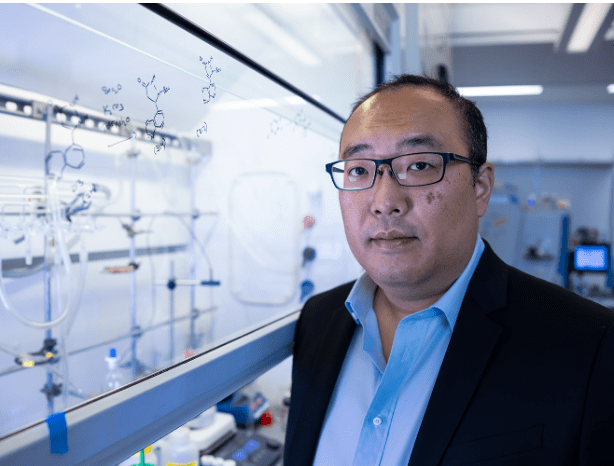
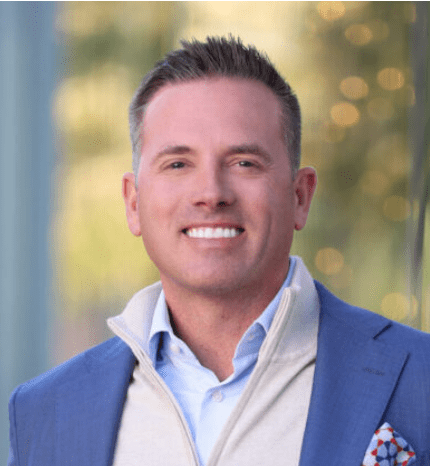
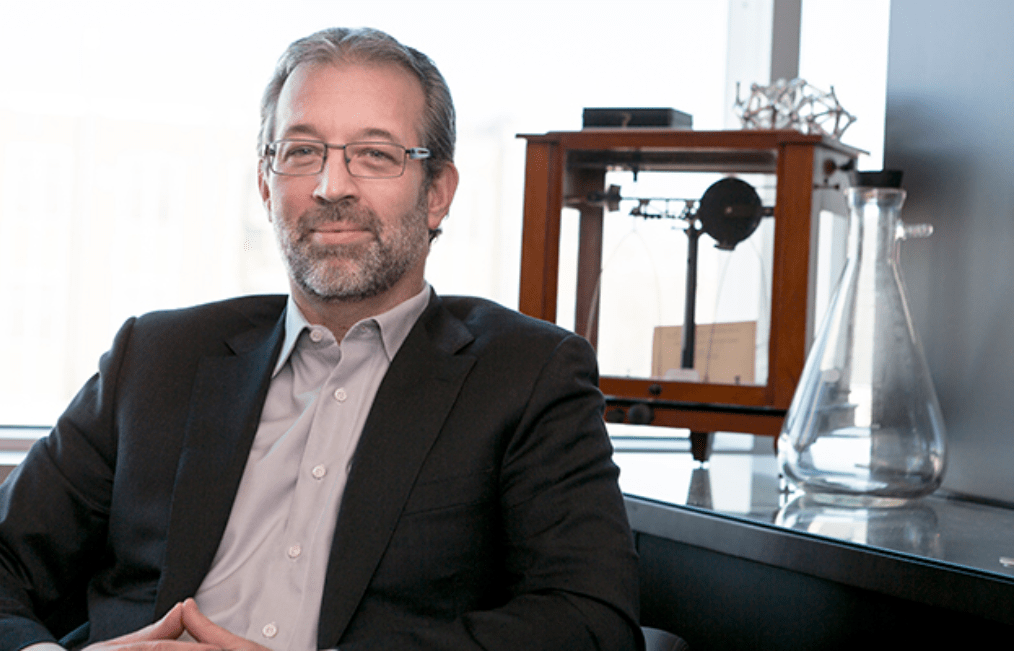
(Picture: R. Scott Struthers, Ph.D. – Founder and CEO of Crinetics Pharmaceuticals)

안녕하세요 보스턴 임박사입니다.

2008년은 미국 바이오텍의 최근 역사 중에 가장 힘들었던 시기입니다. 글로벌 금융위기와 함께 매년 구조조정이 있었습니다. 큰 도시인 보스턴이나 샌프란시스코도 이런데 샌디에이고와 같은 곳은 훨씬 충격이 컸고 2010년대 중후반까지도 샌디에이고에는 바이오텍 일자리가 없다는 말이 정설처럼 들리던 때입니다.

오늘 소개할 회사는 바로 San Diego에서 2008년에 설립한 Crinetics Pharmaceuticqls입니다.

Neurocrine Biosciences에서 1998년까지 2008년까지 10년간 Head of Endocrinology and Metabolism이었던 Scott Struthers는 2008년에 Neurocrine에서 함께 일했던 3명의 동료와 함께 자신의 집 주차장에서 Crinetics Pharmaceuticals를 설립합니다. NIH Grant를 열심히 써가며 월급도 없이 NIH SBIR grant로 회사의 프로그램을 조금씩 키워 나갔습니다. Crinetics의 스토리는 2019년에 San Diego Entrepreneurs Exchange에 비교적 상세히 실렸습니다.

From Startup to NASDAQ – The Story of San Diego-based Crinetics Pharmaceuticals – San Diego Entrepreneurs Exchange 5/1/2019

Of the six San Diego life science initial public offerings (IPOs) in 2018, Crinetics Pharmaceuticals (CRNX) raised the most money at $117 million1. Started by four scientists in 2008 and now developing novel therapeutics for rare endocrine diseases, co-founder Scott Struthers was invited by Devang Thakkar and TiE South Coast to present how Crinetics went from garage to NASDAQ. Scott also co-founded San Diego Entrepreneurs Exchange (SDEE) so were happy to join him at JLABS San Diego for an update on his story.

Starting a Company During the Economic Recession

Crinetics was co-founded by Scott Struthers, PhD, Frank Zhu, PhD, Ana Kusnetzow, PhD, and Stephen F. Betz, PhD, in 2008. They had all worked at Neurocrine Biosciences, where they worked on a small molecule drug that acted on a GPCR peptide hormone receptor for the treatment of endometriosis. This incited ideas for doing drug discovery better. Although the economy was in the depths of the recession, starting a company had some advantages for Crinetics. Many companies were going out of business and selling their belongings. Colleagues in these labs told Crinetics they could have anything they didn’t sell. Not one to pass up a good deal, Scott drove his pickup around town and collected an assortment of lab supplies including chemistry glassware. Today Crinetics has seven chemists and they’ve never bought any glassware. “That was a big help back in the day because we had no money, we did not take a salary. We just filled our garages with this stuff until we got enough money to open a lab,” Scott said.

Private Funding for the First Lab

The first lab was modest and small. Steve would bring in his new puppy, Penny, instead of leaving her at home alone. “Because what is HR going to do?” Scott joked. “I would bring in my dog occasionally and it just became a thing, so you will still see puppies around the offices today.” Crinetics started working on areas where they could get funding. They had an approach for ovarian cancer that could selectively kill ovarian cells. This attracted the attention of a Santa Monica billionaire who wanted to reduce unnecessary euthanasia by spaying and neutering cats and dogs non-surgically. He gave them funding to apply their approach to an injectable method. “One lesson in entrepreneurship for me was to be willing to explore good ideas even if they are a bit outside of your comfort zone,” said Scott. It never panned out, but Scott says he’d like to resume the project when they have more time.

NIH Grant Funding Prompts Move to Second Lab

The NIH has three grant submission deadlines each year and Crinetics would submit two or three every cycle. “We were writing grants all the time to get our ideas funded. We had a 30% hit rate on ideas, and it helped us grow,” Scott said. When they got more money, they moved to their second lab. “There were still only four of us, but in a company at this stage you do everything yourself. We didn’t hire movers or even janitors. We moved ourselves, fixed broken fume hoods, and cleaned the restrooms,” Scott recalled.

Acromegaly and the Genesis of Crinetics

Things started to come together when they began working on a disease called Acromegaly. Acromegaly is excessive growth—enlarged hands, feet, and facial features—caused by a benign tumor in the pituitary gland producing too much growth hormone. Richard Kiel, a famous actor in Jaws and Bond movies, had acromegaly. It causes metabolic changes, hypertension, cardiovascular disease, and diabetes and if left untreated can have a severe effect on mortality, morbidity, and quality of life. Neurosurgery to remove the tumor is tricky and often leaves residual tumor that continues to cause too much growth hormone.

Based on their Neurocrine experience with GPCRS and Scott’s graduate studies at The Salk Institute under Wiley Vale, they knew it was possible to inhibit growth hormone secretion by making analogs of a peptide hormone called somatostatin. They wrote another grant and were awarded a $2 million Phase II SBIR. “We celebrated by taking the whole company and spouses out to a fancy dinner. We have always tried to celebrate our successes,” Scott beamed. This funding allowed them to lease more lab space and add more people. “For the first time, we hired movers, got new furniture, albeit from Ikea, that we put together ourselves. By 2014 we had a respectable-sized team—and added more puppies,” Scott said.

Discovery of CRN808

By 2015, Crinetics had identified some promising small molecules and the beginnings of a drug pipeline. Scott explained how they used iterative medicinal chemistry for small molecule drug discovery—make a molecule and test it to inform of improvements for the next one. Using this approach, they homed in on the 808th molecule as the drug candidate for acromegaly, as 807 were not good enough, but kept going making nearly 5,000 molecules as backups. “This is actually super-efficient, as other companies have made nearly 10,000 in other projects before identifying the first drug,” Scott said. While they had raised $12 million in non-diluted funding from their own sweat equity and grants over the first 10 years, they did not have enough money to move CRN808 forward to clinical trials.

Series A Funding for Clinical Trials

They took a big risk and stopped seeking grant funding and spent a year focused on raising venture capital. The investors valued Crinetics at $12 million and were willing to put in $30 million with an option to draw $10 million later. Crinetics thought that valuation was too low and met to decide if they should walk away. “We decided that the $30 million would allow us create to more value and de-risk fundraising in the future,” Scott said. They didn’t know what the financing environment would be like in the next 6-12 months and decided not to wait. “It was one of the best decisions we ever made,” Scott said. They closed a $40 million Series A, of which they only used $30 million before moving on to their next round.

Company Valuation—Competitive Advantage and Market Potential

The Series A investors were willing to make this large investment because Crinetics was developing their somatostatin analogs as small molecule drugs taken orally once a day—a welcomed alternative to monthly injections. Acromegaly is treated with a 2-ml “goo” injected intramuscularly, once a month, with an 18-gauge needle. “This is not a simple insulin injection,” Scott said. While it is painful, Scott says patients complain more about taking time off work for monthly doctor’s office visits. Their once-a-day oral approach enabled consistent exposure and rapid dosing adjustments. Furthermore, the market for the injectable-based treatments for acromegaly and neuroendocrine tumors was about $3 billion. Their approach to treating acromegaly and the possibility of developing related treatments in the future justified the investment early on. “We celebrated with a dinner out, hired more folks, and bought new equipment,” Scott said.

Successful Phase 1 Clinical Trial

With money in the bank, Crinetics began Phase 1 testing on healthy volunteers. When given CRN808 orally, it blocked 90% of growth hormone, establishing clinical proof of concept and the suitability of a once-a-day oral approach, with a starting dose of 10 mg per day for future trials. The drug worked in cell cultures, rats, and now in healthy volunteers, doing what it was supposed to do. The results from healthy volunteers were consistent with approved injectables drugs, which were being used in patients. “This is probably the most important piece of data that we generated,” Scott said. “This was enough to convince the investment community that we might have a real drug on our hands.”

Series B to Fund Clinical Trials and New Programs

Crinetics started exploring other projects because the peptide hormone somatostatin acts on five different receptors. They wanted to optimize a molecule to inhibit insulin secretion for treating hyperinsulinism. When they showed in a hypoglycemic rat model that increasing doses of their drug candidate 02481 could restore normal glucose, they knew they had a potential drug candidate and a second program. “We went to raise additional money to support the CRN00808 clinical trials and develop new programs, closing a $63.5 million Series B in March 2018,” Scott said. With the momentum of positive trials results, new programs, and the ability to attract funding, they flipped instantly into working on the IPO.

IPO

As the company was busy moving again and generating data, Scott focused his efforts on preparing for the IPO process. He says first you bring in an auditing firm to make sure your financial house is in order. Then you select your banks and sit in a room with 25-30 people—bank lawyers and staff and your senior management team—to produce an S-1 document. You go out on the road for “test the waters” meetings to see who’s interested. When the S-1 becomes public, you go on the actual road show to see if they’ll order. “We ended up with well over $1 billion worth of orders for our $100 million financing, allowing us to pick and choose the investors,” Scott said. “We wanted quality investors who believed our story and would stick with us long term.”

The Crinetics IPO did very well, opening at $17 a share in July 2018, climbing to $42 in September, and settling back to the low 20’s for a market cap of around $500-600 million. “Far from the original pre-money evaluation the Series A investors gave us of $12 million,” Scott said. “I was absolutely right that we were undervalued early on, but it was the right thing for us to take the money and build the company.” Scott added that Crinetics owns all the patents—no licensing in or out—with the first patents expiring in 2037. “This is what builds those valuations because you are looking at billions of dollars of potential drug sales discounted by the time to cash flow and the amount of risk,” Scott said. “Our goal is to commercialize these drugs ourselves and reinvest in the next generation of drugs.

With the move to the new building complete, Crinetics has started new projects, such as a treatment for Cushing’s disease, continuing the theme of small molecule drugs acting on peptide hormone receptors. With CRN808 now in global Phase II trials, they have four molecules and four projects in various stages of discovery and development. At 54 employees Crinetics is actively recruiting in several areas such as patient advocacy and medical affairs. Scott closed with a recruitment pitch, “It’s a fun place to work, and you don’t have to have a dog.”

  1. Reuter, Elise. “Seven San Diego Companies went Public in 2018.” San Diego Business Journal, 13 Dec. 2018. 28 Apr. 2019. https://www.sdbj.com/news/2018/dec/13/seven-san-diego-companies-went-public-2018/

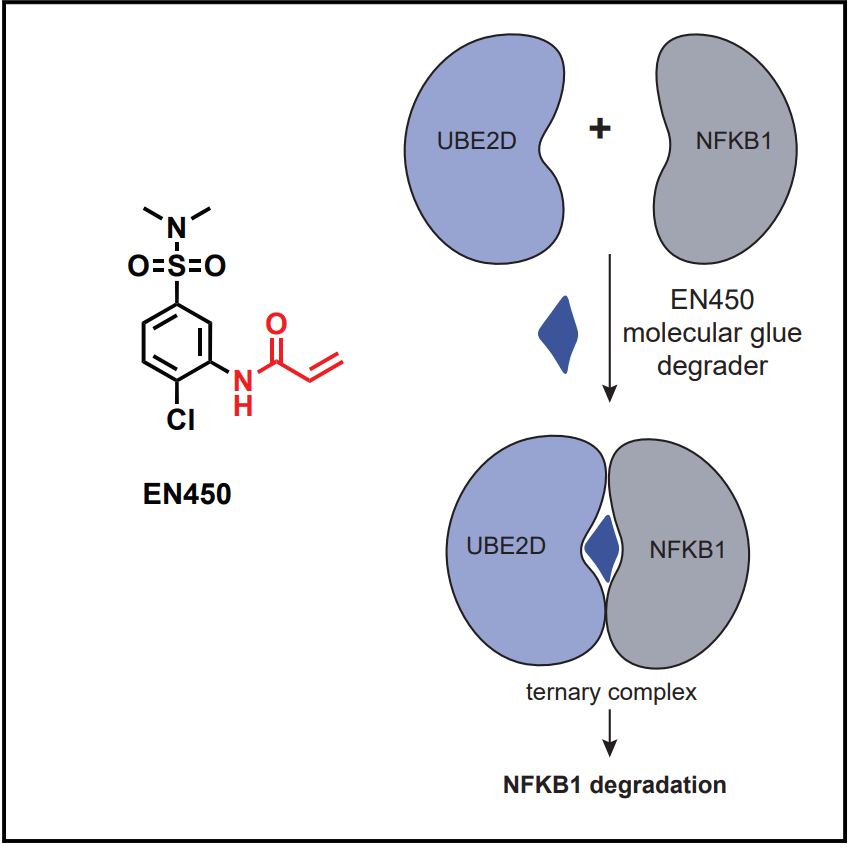
본래 항암제를 개발하려다가 Benign tumor인 Acromegaly에 대해 연구를 시작하고 CRN0808을 발견하고 데이타를 확보한 후 임상에 들어가기 위해 $40 Million 시리즈 A를 합니다. 이 당시 회사의 Valuation으로 $12 Million을 받았다고 합니다. Acromegaly는 성장 호르몬 과다분비로 인해 몸의 손, 발, 얼굴 등이 커지는 병입니다. 당시에는 매주 한번씩 주사를 맞기 위해 병원에 방문해야 했는데 매일 복용할 수 있는 알약을 개발하는 것이 Crinetics의 목표였고 CRN0808이 바로 그런 약이었습니다.

Crinetics Pharmaceuticlas Completes $40 Million Series A Financing – Press Release 11/2/2015

Crinetics Pharmaceuticals, an innovative therapeutics company focused on specialty endocrine disorders, announced today the completion of a $40 million series A financing led by 5AM Ventures, Versant Ventures, and Vivo Capital. Crinetics plans to use the proceeds to advance development of its small molecule somatostatin agonist program to clinical proof-of-concept for the treatment of acromegaly, as well as to move additional programs into development.

Concurrent with the financing, Wendell Wierenga, Ph.D. has been appointed as chairman of Crinetics’ board of directors. In addition, Mason Freeman, M.D. representing 5AM Ventures, Steve Kaldor, Ph.D. representing Versant Ventures, and Mahendra Shah, Ph.D. representing Vivo Capital have joined Crinetics’ board of directors. Drs. Wierenga, Kaldor, and Shah are all highly successful serial entrepreneurs with extensive CEO and senior management experience in the biopharmaceutical industry. In addition to his role as Venture Partner at 5AM Ventures, Dr. Freeman is an endocrinologist and professor of medicine at Massachusetts General Hospital, Harvard Medical School.

“This financing is a major step forward in advancing our pipeline of novel, internally-discovered therapeutics into clinical development,” said Scott Struthers, Ph.D., founder and chief executive officer of Crinetics. “We are thrilled to have on our side top-tier institutional investors to provide the financial resources to continue building our company and pipeline, and new board members who are so experienced in guiding drugs through clinical development and regulatory approval to commercial success.”

Acromegaly, a hormonal disorder caused by over-secretion of growth hormone, affects at least 20,000 individuals in the U.S. Current injectable peptide-based treatments generated over $2 billion in worldwide sales in 2014 for the treatment of acromegaly and other neuroendocrine tumors. “Acromegaly patients need much better options than those they have now,” said Dr. Freeman. “If Crinetics’ lead program is successful, it will represent an important improvement in therapy for these patients because it will be a major advancement in how the drug is administered and improve overall efficacy,” said Dr. Freeman.

“This is a group of highly-accomplished drug hunters that I have known for many years,” said Dr. Wierenga. “I look forward to working with the team to develop drugs that help improve patients’ lives across a range of specialty endocrine disorders.” Dr. Wierenga has a long and distinguished career in the biopharmaceutical industry where he has had a leading role in the discovery and development of 16 FDA approved drugs.

“We invested in Crinetics because we believe in Scott and his team’s ability to build an important new company in the area of specialty endocrinology,” said Tom Woiwode, Ph.D., Managing Director at Versant Ventures. “This investment is very much a continuation of our strategy of investing in proven drug discovery and development teams, such as our prior backing of the Quanticel team, as well as the Inception family of companies, all of which are also in San Diego.”

2918년 3월초에 CRN0808 (Paltusotine)의 임상1상 결과는 성공적이었고 $63Million Series B를 할 수 있었습니다. 시리즈B에서는 RA Capital, Orbimed 같은 큰 자본이 들어왔습니다. Paltusotine (CRN0808)의 개발에 대한 스토리는 ACS Medicinal Chemistry Letters 2023년호에 발표했습니다.

Crinetics Pharmaceuticals Snags $63.5 Million in Series B Funding – Biospace 3/14/2018

Five months after its lead drug began Phase I testing San Diego-based Crinetics Pharmaceuticals Inc has secured $63.5 million in Series B financing.

Crinetics said it will use the funds to continue development of its lead product CRN00808, which is in early-stage trial for acromegaly, a hormonal disorder. CRN00808 is a nonpeptide somatostatin agonist designed to be taken orally to free patients from painful injected therapies and the scheduling of frequent clinic visits to receive them, according to company information. Crinetics initiated a Phase I study in October 2017. The double-blind, placebo-controlled study will evaluate the safety, pharmacokinetics, and pharmacodynamics of CRN00808 in 83 healthy volunteers. Additionally, the trial will test CRN00808’s ability to suppress serum IGF-1 and GHRH-stimulated GH levels. CRN00808 is the first candidate Crinetics has moved into the clinical stage.

In addition to the development of CRN00808, Crinetics said it will use some of the funding “to develop additional new targeted therapeutics for endocrine disorders and endocrine-related cancers, and for general corporate purposes.”

The latest investment round was led by Perceptive Advisors and includes new investors RA Capital and OrbiMed. Existing investors 5AM Ventures, Versant Ventures and Vivo Capital participated in the financing as well, the company said.

Scott Struthers, the founder and chief executive officer of Crinetics, said he was delighted to have “some of the world’s most prominent healthcare investors” support the company as it moves into its next phase of growth.

 “This fundraising puts us on a strong financial footing that allows us to further the development of CRN00808 and advance our pipeline of additional internally-discovered drug programs. We believe Crinetics is poised to make a meaningful contribution to the treatment of rare endocrine disorders and today’s successful fundraising validates that promise and our strategy to date,” Struthers said in a statement.

Joseph Edelman, founder and CEO of Series B backer Perceptive Advisors, touted the potential of Crinetics’ internally developed programs. Edelman said those assets have the potential not only to treat conditions such as acromegaly but also neuroendocrine tumors, hyperinsulinism and Cushing’s disease.

“There is considerable unmet need in rare endocrine disorders, and we are excited to be a part of this effort to bring new options to patients and their physicians,” Edelman said in a statement.

As part of the financing, two members of the Perceptive Advisors team have been appointed to the Crinetics Board of Directors. Weston Nichols, an analyst, and Matthew K. Furst, who has served as Senior Advisor for Perceptive, have taken the board positions. Another board change includes the departure of Vivo Capital’s Mahendra G. Shah. He will be replaced by Jack B. Nielsen, a managing director at Vivo.

시리즈 B를 하자마자 IPO를 준비합니다. 다행히 오랜 어려운 시기를 지나고 IPO 시장이 좋을 때였습니다. CEO의 판단이 돋보이는 부분입니다. 위의 San Diego Entrepreneur Exchange에 보면 수요예측에서 거의 $1 Billion 정도의 구매의사를 확인할 수 있어서 좋은 투자자를 선별할 수 있었다고 합니다.

Crinetics Pharmaceuticals Announces Pricing of Initial Public Offering – Globe News Wire 7/17/2018

Crinetics Pharmaceuticals, Inc. (Nasdaq:CRNX), a clinical stage pharmaceutical company focused on the discovery, development and commercialization of novel therapeutics for rare endocrine diseases and endocrine-related tumors, today announced the pricing of its initial public offering of 6,000,000 shares of common stock at a public offering price of $17.00 per share. All of the shares are being offered by Crinetics. The shares are expected to begin trading on the Nasdaq Global Select Market on July 18, 2018 under the ticker symbol “CRNX.” The gross proceeds from the offering, before deducting underwriting discounts and commissions and other offering expenses payable by Crinetics, are expected to be $102.0 million. The offering is expected to close on July 20, 2018, subject to the satisfaction of customary closing conditions. In addition, Crinetics has granted the underwriters a 30-day option to purchase up to an additional 900,000 shares of common stock at the initial public offering price, less underwriting discounts and commissions.

J.P. Morgan Securities LLC, Leerink Partners LLC and Piper Jaffray & Co. are acting as joint book-running managers for the offering.  

About Crinetics Pharmaceuticals

Crinetics Pharmaceuticals is a clinical stage pharmaceutical company focused on the discovery, development and commercialization of novel therapeutics for rare endocrine diseases and endocrine-related tumors. In March 2018, the Company reported initial results from a Phase 1 trial with its lead product candidate, CRN00808, an oral somatostatin agonist for the treatment of acromegaly, an orphan disease affecting more than 25,000 people in the United States. The Company is also developing other oral somatostatin agonists for hyperinsulinism and neuroendocrine tumors, as well as an oral nonpeptide ACTH antagonist for the treatment of Cushing’s disease. Crinetics was founded by a team of scientists with a track record of endocrine drug discovery and development.

2023년 9월에 임상 3상의 Pathfinder-1 결과가 나왔습니다. 큰 부작용은 없었고 원하는 약효를 얻을 수 있었습니다.

Paltusotine Found Well-Tolerated With No Serious Adverse Events for Patients With Acromegaly in Phase 3 Trial – Reach MD 9/14/2023

A daily oral investigational drug has shown a significant ability to help patients with acromegaly maintain their insulin-like growth factor (IGF-1) levels. Paltusotine, developed by Crinetics Pharmaceuticals, demonstrated statistically significant improvements in primary and secondary efficacy measures during the phase 3 PATHFNDR-1 trial. This 36-week assessment, including an open-label extension, compared paltusotine to a placebo in patients with the rare condition of excessive growth hormone (GH) production.

These findings suggest a promising path for paltusotine to become a groundbreaking treatment for acromegaly, a severe and potentially life-threatening disease that significantly affects daily life and well-being. It offers a less invasive alternative for patients.

According to a statement from Crinetics, the randomized, double-blind, placebo-controlled PATHFNDR-1 trial produced significant positive outcomes with paltusotine. In this study, which is one of two ongoing phase 3 evaluations of the daily oral drug in acromegaly patients transitioning from standard-care injection therapy, the drug was assessed in patients previously controlled with octreotide or lanreotide depot monotherapy. Of the 58 adult patients enrolled, the primary endpoint was the proportion of patients maintaining their IGF-1 levels after switching to paltusotine following 36 weeks of treatment.

Crinetics reported that 25 (83%) patients receiving paltusotine achieved the primary endpoint of maintaining IGF-1 levels below 1.0 times the upper limit of normal (ULN) after 36 weeks, compared to only 1 (4%) of patients receiving the placebo (P <.0001).

Patients were randomized to either treatment (n = 30) or placebo (n = 28) during the treatment period and were given the option to participate in an open-label extension assessment of paltusotine if they were switching from somatostatin analogs.

Additionally, investigators observed significant improvements in three key secondary endpoints:

1. Mean change from baseline IGF-1 level (0.04x ULN vs. 0.83x ULN; P <.0001)

2. Mean change from baseline in Acromegaly Symptoms Diary Score (-0.6 vs. 4.6; P = .02)

3. Proportion of patients who maintained GH levels below 1.0 ng/mL (20 [87%] vs. 5 [18%]; P = .0003).

Data from PATHFNDR-1 also indicated that paltusotine was well-tolerated, with no reports of serious or severe adverse events among participants treated with the drug. The most commonly reported treatment-related side effects included arthralgia, headache, diarrhea, abdominal pain, and nausea, each reported in fewer than 30% of treated patients.

While awaiting a comprehensive, peer-reviewed analysis of PATHFNDR-1, to be presented at upcoming scientific conferences, Crinetics executives and investigators expressed their enthusiasm for these significant outcomes. They believe that paltusotine, if approved, could provide a much-needed, simple, oral, once-daily therapy for acromegaly patients, reducing the burden of injections. The company intends to seek regulatory approval as quickly as possible, pending the completion of the PATHFNDR-2 study early next year.

Reference:

Sherwood, A. (2023, September 10). Crinetics’ once-daily oral paltusotine achieved the primary and all secondary endpoints in the Phase 3. Crinetics Pharmaceuticals – Developing Therapies for Rare Endocrine Diseases.

Crinetics Announces Positive Results From Phase II Study of Paltusotine – Neuroendocrine Tumor Foundation 12/19/2023

The initial findings of a Phase 2 study have shown that the investigational drug paltusotine may significantly reduce both the frequency and intensity of bowel movements and flushing symptoms experienced by those living with carcinoid syndrome.

In addition to reducing two of the key symptoms of the syndrome, the results of the study showed that paltusotine was well-tolerated by trial participants, according to Crinetics Pharmaceuticals, Inc., which developed and is testing the investigational compound.

Paltusotine is an oral, once-daily investigational compound being developed to treat carcinoid syndrome as well as the hormonal disorder called acromegaly.

The paltusotine trial consists of a randomized treatment phase followed by a long-term extension phase. During the open-label treatment phase of the study, 36 participants were randomized to receive either 40 mg or 80 mg of paltusotine daily.

The initial trial findings indicate that:

  • Paltusotine resulted in a 65% reduction in bowel movement frequency and 65% reduction in flushing episodes, a finding consistent with prior clinical studies
  • Paltusotine was generally well-tolerated, with a safety profile consistent with prior clinical studies
  • There were no treatment-related severe or serious adverse events
  • The majority of treatment-related adverse events were mild-to-moderate
  • The most frequently reported adverse events included diarrhea, headache, and abdominal pain.

Crinetics Pharmaceuticals, Inc., focuses on the discovery, development and commercialization of novel therapeutics for rare endocrine diseases and endocrine-related tumors. The company expects to complete the treatment phase of the study in the first quarter of 2024 before moving into phase 3 trial.

Crinetics pads case for oral hormone disorder drug, showing regulation of key biomarker in phase 3 – Fierce Biotech 3/19/2024

Crinetics Pharmaceuticals’ oral med paltusotine regulated levels of a hormone associated with the pituitary gland disorder acromegaly in a phase 3 test, setting up a regulatory submission for the second half.

Paltusotine met the primary endpoint of the PATHFNDR-2 trial with 56% of the 111 participants achieving an insulin-like growth factor 1 (IGF-1) level less than or equal to 1 time the upper limit of normal compared to those on placebo, where just 5% of patients met the mark, according to a Tuesday press release.

Acromegaly is a rare hormone disorder caused by a benign tumor in the pituitary gland that secretes growth hormone, causing excess secretion of IGF-1 from the liver. This can lead to bone, joint, cardiovascular, metabolic, cerebrovascular or respiratory diseases. Symptoms include abnormal growth of hands and feet, enlargement of heart, fatigue, sleep apnea, severe swelling and other complications.

Surgical removal of the tumors is the standard initial treatment for most patients, but therapies are needed for patients without this option or when surgery is unsuccessful. This accounts for about 50% of patients, Crinetics said. Patients are traditionally offered injectable depot somatostatin analogues, but Crinetics wants to offer an easier treatment option with a daily oral med.

Paltusotine also met the key secondary endpoints of the late-stage test, including change from baseline in IGF-1 levels, change in acromegaly symptoms and regulation of growth hormone, among others.

“This study demonstrates that paltusotine can provide both symptom control as well as biochemical control in patients who are not currently on pharmacologic treatment. If approved, the prospect that paltusotine can offer an innovative, once-daily oral alternative represents a significant step forward in improving the treatment experience for patients,” said principal study investigator Monica Gadelha, M.D., Ph.D., professor of endocrinology at the Medical School of the Universidade Federal do Rio de Janeiro.

The therapy was well tolerated, and no serious adverse events were reported in patients who received paltusotine, Crinetics said. Treatment-emergent adverse events were comparable across the treatment and placebo arms, with the most common events reported being diarrhea, headache, joint pain and abdominal pain.

Crinetics plans to submit an approval request for paltusotine in acromegaly in the second half of the year, with a potential launch to follow in 2025.

The PATHFNDR program includes two phase 3 studies. PATHFNDR-1 previously showed that paltusotine maintained IGF-1 levels in patients who switched from monthly injectable medications, backing up earlier phase 2 studies.

This is the second time this month Crinetics has announced a clinical trial win, after the same drug met the main goal of a phase 2 trial for carcinoid syndrome. Paltusotine led to “rapid and sustained reductions in flushing episodes and bowel movement” in patients with the neuroendocrine tumor.

Crinetics’ shares were trading up 13% premarket Tuesday to $42.86 compared to $37.93 at close Monday.

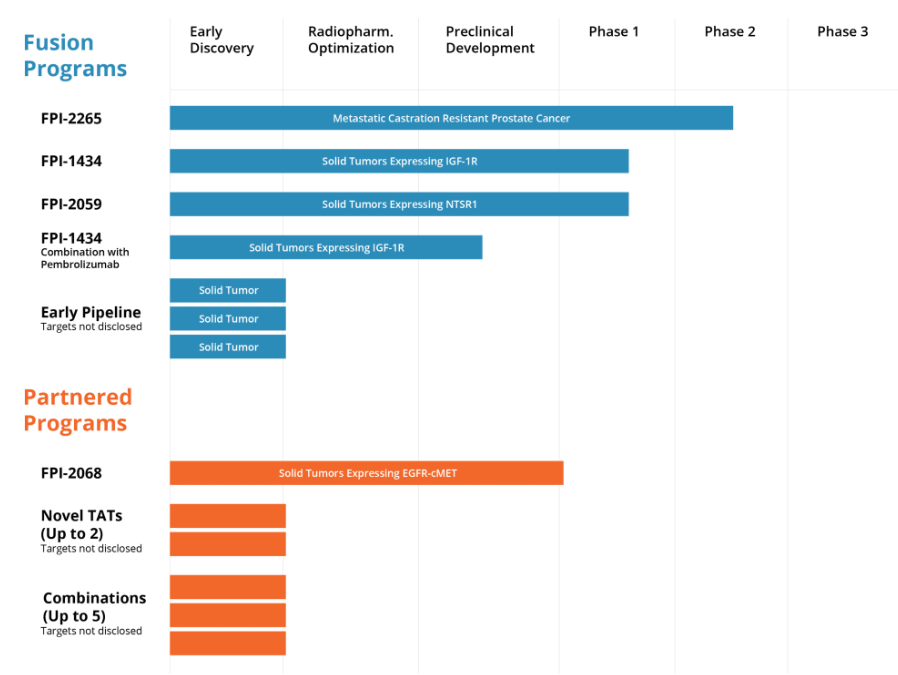
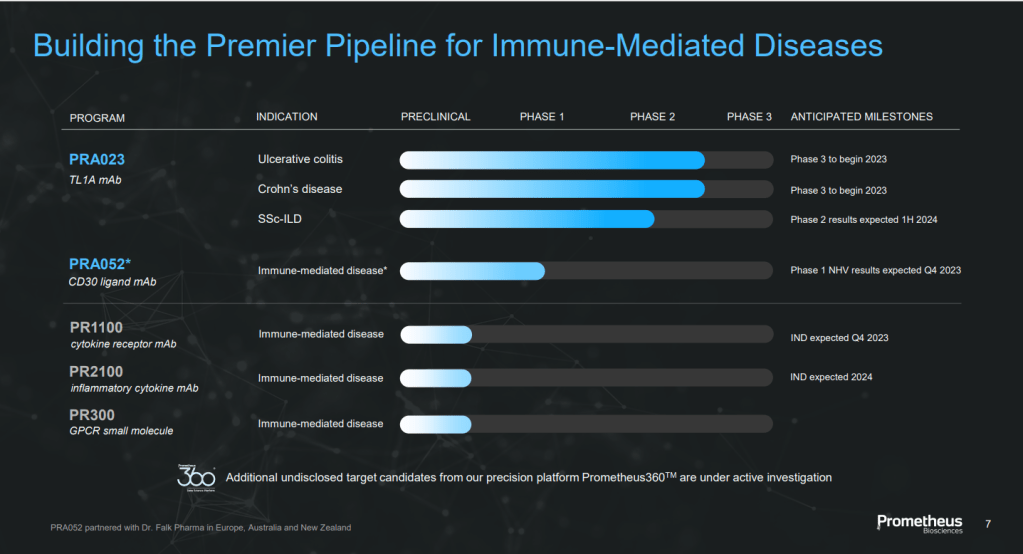
현재 Crinetics Pharmaceuticals의 파이프라인은 아래와 같습니다.

자세한 내용은 2024년 2월에 발표한 Corporate Presentation에서 확인할 수 있습니다. 금년 하반기에 Paltusotine의 NDA Filing을 하고 2025년에 FDA 승인을 받아서 상용화를 하겠다는 계획입니다. 2008년 그 어려운 어둠의 시기를 잘 견디고 이제 Benign tumor 환자들에게 매주 주사를 맞으러 병원에 가지 않고 매일 한번씩 복용하는 알약을 선사할 날이 가까이 온 것 같습니다.

BIOTECH (144) Carmot Therapeutics: Chemotype Evolution (CE) Platform to Lead to Lumakras (Sotorasib, AMG510) KRAS G12C Inhibitor

(Picture: Stig K. Hansen, Ph.D., former CEO of Carmot Therapeutics)

Sunesis Licenses FBLD Technology To Carmot – Pharmaceutical Business Review 2/7/2010

Sunesis Pharmaceuticals (Sunesis) has granted Carmot Therapeutics (Carmot) an exclusive license to its proprietary Fragment-Based Lead Discovery (FBLD) technology.

Carmot is expected to use the FBLD technology, called ‘Chemotype Evolution,’ for identifying drug candidates in a broad range of therapeutic areas, including inflammatory, metabolic, and neurodegenerative diseases. Sunesis retains full rights to the technology for use in its future internal discovery efforts. Terms of the agreement were not disclosed.

Eric Bjerkholt, senior vice president of corporate development and finance at Sunesis, said: “This agreement reflects our strategy to leverage the value of our non-core assets while focusing our resources on advancing voreloxin into a pivotal Phase 3 trial in acute myeloid leukemia later this year.

“The FBLD discovery technology has the potential to generate compounds which may not be identified through traditional means of drug discovery. We are pleased that we can capitalise on Carmot’s use of the technology to advance its research activities while at the same time retain full rights to use the platform technology for our own internal research applications.”

Leader Ventures Supports Innovative Drug Discovery Company Carmot – Biospace 12/20/2010

Leader Ventures, an investment firm offering blended debt and equity financing, today announced equipment financing to Carmot Therapeutics Inc., an innovative drug discovery company.

Chemotype Evolution, Carmot’s proprietary drug-discovery platform invented by Carmot co-founders Stig K. Hansen and Daniel A. Erlanson while at Sunesis, is being used to identify promising drug candidates in a broad range of therapeutic areas.

“Leader’s flexibility and understanding of our needs has been a tremendous source of support for Carmot, not only financially,” said Stig K. Hansen, CEO at Carmot Therapeutics Inc. “We’re looking forward to continuing to work with Leader Ventures as we grow and lead innovation in drug discovery.”

“The leadership team is what first attracted us to Carmot,” said Brian Best, managing director at Leader Ventures. “We then learned about the Chemotype Evolution technology platform making rapid identification of compounds for a wide variety of challenging disease targets a reality.”

About Carmot Inc.

Carmot Therapeutics was founded by Drs. Hansen and Erlanson in 2008 with the goal of commercializing and further developing Chemotype Evolution. Carmot has licensed the technology and fragment libraries from Sunesis, and Carmot is in the process of further expanding the capabilities of Chemotype Evolution. Chemotype Evolution is a patent pending technology that was invented by Drs. Stig K. Hansen and Daniel A. Erlanson while they were working at Sunesis Pharmaceuticals.

Tackling challenging targets with Chemotype Evolution – Michael’s Bioinformatics Blog 3/26/2014

Carmot Therapeutics, a small company located in San Francisco’s Mission Bay, has developed a very innovative drug discovery technology, called Chemotype Evolution (CE), that relies on fragment-based discovery but is different from traditional FBDD and HTS approaches in important ways.

The first important innovation is that CE relies on a “bait” molecule as a starting point for screening.  The bait can be a known ligand, cofactor, or inhibitor.  The bait is then derivatized with a linker moiety that allows it to become chemically bonded with every fragment in a proprietary library.  This process generates a screening library that contains thousands of bait-fragment hybrids. These hybrids are then screened against the target for binding using either biophysical or biochemical screening techniques in a high-throughput plate format.

The most powerful aspect of CE is the ability to iterate over chemical space, allowing access to an exponential number of possible fragment-bait hybrids.  The method can be iterated with new “baits” derived from the best fragment hits of the previous round.  Thus, instead of having 7,000 fragments in your library, after 3 iterations you access 7,000^3 possible combinations (343 billion possible compounds), selecting only the most target-relevant chemotypes at each stage.

The CE approach is similar in concept to the “tethering” approach pioneered at Sunesis, but differs in the fact that no protein engineering of cysteine residues needs to be performed.  The bait molecule performs the role of the engineered cys, providing a “handle” that binds to the target and selects for complementary fragment binders.

Carmot Therapeutics just embarked upon their first major industry collaboration with the January 2014 announcement of a partnership with Amgen to use CE technology against two challenging targets.  Identifying leads and developing hits will be carried out jointly between the companies, while clinical trials will proceed at Amgen.  I think Carmot is definitely a company to watch given its innovative and potentially paradigm-shifting discovery technology and increasing interest from big pharma.

Carmot Therapeutics에 투자한 VC 중 하나인 Axial VC가 Roche와 합병이 발표된 후 블로그를 쓴 것이 있습니다. Chemotype Evolution은 3번만에 1 Billion 이상의 화합물 라이브러리를 만들 수 있는 장점을 가지고 있습니다.

Carmot Therapeutics: Surveying great inventors and businesses- Axial VC Blog 12/26/2023

Carmot Therapeutics is focused on developing novel therapeutics for metabolic diseases like obesity and diabetes. The company’s proprietary drug discovery platform, Chemotype Evolution (CE), allows for the rapid discovery and optimization of small molecule drug candidates.

Obesity and diabetes are two of the most prevalent metabolic diseases globally, affecting over 750M people worldwide. These diseases significantly increase the risk of other severe health complications like cardiovascular disease, chronic kidney disease, and even death. Existing treatments have limitations in efficacy, tolerability, and convenience. There is a significant unmet need for improved therapies that can produce robust and sustained metabolic benefits for patients.

At the core of Carmot’s drug discovery efforts is their Chemotype Evolution platform. This technology aims to rapidly navigate chemical space to identify novel small molecule drug candidates. The key steps of the platform are:

1. Identify a biological target of interest and a “bait” molecule that binds that target. The bait can be a known ligand, inhibitor, etc.

2. Derivatize the bait with reactive linkers to allow covalent bonding with fragment molecules.

3. Screen a proprietary library of fragment molecules against the target. Fragments that bind in proximity to the bait will form stable adducts.

4. Test the bait-fragment adducts for activity against the target using biochemical or biophysical assays.

5. Select the most active adducts, identify their structure, and synthesize follow-up compounds. The bait can also be altered.

6. Repeat the process using the new active compounds as baits to further optimize potency, selectivity, and drug-like properties.

This iterative screening approach allows for the rapid exploration of vast chemical space. Rather than screening a static library, the screening library is constantly changing as new bait-fragment combinations are generated. Even a modest fragment library of 1000 compounds could generate 1000^3 (1 billion) possible adducts after just 3 cycles. This enables remarkably efficient optimization of initial hit molecules.

The Chemotype Evolution platform shares conceptual similarities with other fragment-based screening approaches like SAR by NMR. However, a key difference is that CE starts with an initial bait compound rather than a blank slate. This allows the platform to rapidly focus on chemical space relevant to the biological target of interest. Overall, CE offers an innovative combination of fragment-based screening, covalent tethering, and iterative optimization.

Carmot is using the CE platform to develop a pipeline focused on treating obesity, type 2 diabetes (T2D), and type 1 diabetes (T1D). Their lead programs target peptide hormone receptors called GLP-1 and GIP, which regulate glucose metabolism and food intake.

CT-388 is a long-acting GLP-1/GIP dual agonist designed for weekly subcutaneous injection. It is currently in Phase 1/2 development for obesity and T2D. In preclinical studies, CT-388 demonstrated biased signaling at both the GLP-1 and GIP receptors. This meant potent activation of beneficial cAMP signaling with minimal β-arrestin recruitment. These biased properties could lead to increased therapeutic activity and tolerability compared to unbiased agonists.

In June 2023, Carmot announced positive initial clinical data from the ongoing CT-388 Phase 1/2 trial. Statistically significant weight loss was seen across all doses after just 4 weeks of treatment. In the highest dose cohort, participants lost an average of 8.4% of their body weight. CT-388 also displayed good tolerability with mild GI-related side effects consistent with other GLP-1 therapies. These results provide clinical proof-of-concept for CT-388 and validation of the CE platform.

CT-996 is an oral small molecule GLP-1 agonist in Phase 1 development for obesity and T2D. Oral administration offers a major advantage in convenience for patients over injectable drugs. In October 2023, Carmot reported supportive preliminary Phase 1 data showing pharmacokinetics compatible with once-daily oral dosing. CT-996 was also well tolerated with mostly mild GI side effects. An efficacious oral GLP-1 therapy would be an important advance for diabetes and obesity treatment.

CT-868 is an injectable GLP-1/GIP dual agonist in development as an adjunct therapy to insulin for T1D. T1D patients have an impaired ability to produce insulin. CT-868 aims to improve glycemic control and reduce insulin needs in T1D. It is currently in Phase 2 trials. Early clinical data indicates CT-868 can lower blood glucose and HbA1c (a measure of glucose control). An adjunct therapy that reduces insulin requirements could meaningfully improve outcomes for T1D patients. In addition to these clinical programs, Carmot is also pursuing earlier stage research into new metabolic disease targets like PYY.

Carmot Therapeutics’ have to potential to play an important role in the metabolic disease space. Their innovative Chemotype Evolution platform allows for the rapid design and optimization of small molecule drug candidates. This technology has fueled a promising therapeutic pipeline, including novel GLP-1/GIP dual agonists with differentiated clinical profiles. Initial proof-of-concept data provides clinical validation of Carmot’s approach. Carmot’s patient-focused pipeline has strong potential to provide improved treatment options for patients with obesity, T2D, and T1D.

In late 2023, Carmot was acquired by Roche for $2.7B upfront plus up to $400 million in milestone payments. The acquisition gives Roche access to Carmot’s pipeline and expertise in metabolic biology to develop new therapies. The deal is expected to close in Q1 2024. The acquisition reflects Roche’s strategy to grow through targeted deals to enhance its pipeline in specific disease areas like obesity and diabetes.

Carmot Therapeutics Extends Drug Discovery Collaboration with Amgen – Press Release 2/16/2016

Carmot Therapeutics announced today it has extended the research collaboration and license agreement with Amgen Inc. (Thousand Oaks, Calif.) that was first announced in 2014. Carmot will continue to apply its proprietary lead-identification technology, Chemotype Evolution, to further advance molecules discovered during the initial collaboration. Amgen will be solely responsible for the clinical development of any molecules discovered as part of the collaboration.

Under the terms of the agreement, Carmot is entitled to fully supported research funding and pre-clinical and clinical milestone payments. In addition, a royalty will be paid to Carmot on commercial sales of products emerging from the collaboration.

“This extension of the collaboration with Amgen shows continued validation of our lead-identification technology, Chemotype Evolution,” said Carmot CEO Dr. Stig K. Hansen. “We’ve been able to identify novel chemical matter that has been validated by X-ray crystallography for two targets that historically have been extremely challenging, and we expect these molecules to be advanced in collaboration with the strong scientific team at Amgen.”

About Carmot Therapeutics, Inc.
Carmot is pioneering a transformative lead-identification approach, Chemotype Evolution, to identify superior therapeutics for human diseases. Chemotype Evolution is a proprietary technology that dramatically expands the repertoire of chemical diversity for drug discovery, providing the opportunity to tackle therapeutic targets refractory to traditional approaches. Carmot is using Chemotype Evolution to identify and optimize innovative drugs for difficult therapeutic targets, thereby addressing important unmet chemical needs.

Founded by Drs. Stig K. Hansen and Daniel A. Erlanson, Carmot has built a powerful discovery approach based on Chemotype Evolution that can rapidly and efficiently unlock novel, diverse, chemical space that is difficult to access by conventional small molecule discovery technologies. For its internal pipeline, Carmot is using Chemotype Evolution to discover superior drug candidates targeting validated pathways in metabolic disease, oncology and inflammation, with advanced candidates in metabolic disease entering IND enabling studies in 2016.

Carmot Therapeutics와 Amgen의 공동연구는 매우 성공적이어서 Amgen의 Lumakras (Sotorasib, AMG510)의 FDA 승인으로 현재 상용화되었습니다. 먼저 ACS Med Chem Lett 2019년에 Carmot Therapeutics의 Chemotype Evolution에 대한 부분이 있습니다.

Carmot Therapeutics의 Chemotype Evolution 및 Lead Optimization을 통해 Amgen은 결국 Lumakras (Sotorasib, AMG510)을 발굴하게 되었고 그 스토리는 Journal of Medicinal Chemistry에 2020년에 발표하였습니다.

Amgen의 Lumakras (Sotorasib, AMG510) 개발부터 승인까지의 스토리는 2021년 Drugs에 리뷰가 되었습니다. – Lumakras (Sotorasib) – Amgen Website

Amgen과 연구계약을 한 후 Roche/Genentech과 Dual GLP-1R/GIP-R Agonist 개발에 대한 공동연구계약을 발표했습니다.

Carmot Therapeutics, Inc. Enters Into Discovery Collaboration With Genentech – Biospace 7/6/2016

Carmot Therapeutics announced today that it has entered into a drug discovery collaboration and license agreement with Genentech, a member of the Roche Group. During the collaboration, Carmot will apply its proprietary lead-identification technology, Chemotype Evolution, to discover novel drug hits. Carmot and Genentech will work together to identify lead candidates, while Genentech will be solely responsible for lead optimization, pre-clinical and clinical development, manufacturing, and commercialization activities.

Under the terms of the agreement, Carmot will receive an undisclosed upfront payment and is eligible to receive milestone payments based on achievement of certain predetermined pre-clinical and clinical milestones. In addition, Carmot is eligible to receive royalties on sales of certain products resulting from the license agreement. Financial terms have not been disclosed.

“Signing this new discovery collaboration with Genentech is an important step as we continue to build additional value in the company through strategic partnerships around our proprietary chemistry platform, Chemotype Evolution. We look forward to closely working with scientific teams at Genentech to deliver potent new lead compounds for their programs,” said Carmot CEO, Dr. Stig K. Hansen.

About Carmot Therapeutics, Inc.

Carmot Therapeuticsis pioneering the discovery and development of innovative drugs for the treatment of metabolic diseases, cancer, and inflammation. Carmot’s vision is to become a leader in drug discovery by generating superior drugs for challenging therapeutic targets. Chemotype Evolution, Carmot’s proprietary technology, enables the rapid identification of novel drugs through an evolutionary discovery paradigm and has produced a pipeline of breakthrough therapeutics currently in pre-clinical development. Over the past few years, Carmot has built Chemotype Evolution into a robust technology that has yielded novel lead compounds targeting incretin receptors (GLP-1R and GIP-R) for the treatment of Type 2 diabetes, obesity, and NASH and protein-protein interactions (NEMO/IKK) for the treatment of cancer and inflammation. Carmot plans to enter Phase 1 clinical testing in 2017 with a novel, differentiated dual GLP-1/GIP receptor agonist.

CT-388 (long-acting GLP-1/GIP dual agonist designed for weekly subcutaneous injection)에 대한 포스터를 2023년 Obesity Week Annual Meeting에서 발표했습니다.

CT-868 (Dual GLP-1R/GIP Modulator)에 대한 Preclinical 결과는 ADA 2023년에 발표한 포스터가 있습니다.

CT-868의 임상2상 결과는 2023년 Obesity Week Annual Meeting에서 포스터로 발표했습니다.

Carmot Therapeutics Announces Close of Series B Financing – Press Release 1/17/2018

Carmot Therapeutics, Inc. (Berkeley, CA), a biotechnology company dedicated to the discovery and development of innovative therapeutics generated through Chemotype Evolution, announced today that it has closed a $15M financing. The funds will support development of the company’s lead type 2 diabetes drug, a dual GLP-1R/GIPR agonist, through early clinical proof of concept.

The round was co-led by new investor Horizons Ventures of Hong Kong and existing investor The Column Group, and joined by private investors including Jerome Dahan. Patrick Zhang of Horizons Ventures has joined the board of directors as an observer, and Adriana Tajonar, PhD, from The Column Group has assumed the director position held by Larry Lasky, PhD, who joined Carmot’s scientific advisory board.

“We are thrilled to have secured financing for the advancement of our transformative diabetes program through clinical proof of concept”, said Dr. Stig K. Hansen, Carmot’s CEO. “We are delighted to expand our team of dedicated and visionary investors and welcome Patrick Zhang and Adriana Tajonar to the board. Together with non-dilutive revenue, this financing allows us to progress several pre-clinical leads in the areas of diabetes, obesity and fatty liver disease. The funds will also allow expansion of our efforts targeting de-ubiquitinating enzymes.”

Carmot recently relocated its headquarters to a new facility in Berkeley, CA, while maintaining a research site in Mission Bay, San Francisco.  The company has ongoing collaborations with leading pharmaceutical companies, including Amgen and Genentech, to use Chemotype Evolution to identify novel drugs in multiple therapeutic areas.

About Carmot Therapeutics, Inc.
Carmot Therapeutics (“Carmot”) is a biotechnology company dedicated to the discovery and development of innovative medicines for a variety of clinical indications. Carmot applies a transformative drug discovery approach, Chemotype Evolution, to identify superior therapeutics internally and in collaboration with industry partners. Chemotype Evolution is a proprietary technology that overcomes major limitations in existing drug discovery approaches, providing Carmot a unique opportunity to tackle challenging disease targets. Carmot has identified drug leads targeting class-B GPCRs, protein-protein interactions, and de-ubiquitinating enzymes and is advancing a portfolio of wholly-owned programs in metabolic disease and oncology toward clinical development.

Carmot Therapeutics Expands Leadership Team and Closes $47 Million Series C Financing to Advance Novel Incretin Receptor Modulators Through Phase 2 Studies – Biospace 9/30/2020

Carmot Therapeutics, Inc. (Berkeley, CA), a biotechnology company focused on bringing transformative therapies to patients with metabolic diseases, announced today a $47 million series C financing. The funding will support initiation early in 2021 of a 26-week dose ranging phase 2 study for CT-868 and phase 1-2 studies for CT-388 and involve more than 300 patients. Both programs are dual modulators of the GLP- 1 and GIP incretin receptors and have the potential to be best in a new class of treatments for type 2 diabetes, obese and fatty liver disease patients.

“Leveraging our transformative drug discovery platform, Chemotype Evolution (CE), Carmot has developed deep expertise in therapeutics targeting the GLP-1 and GIP incretin receptors,” commented Stig K. Hansen, PhD, Carmot’s co-founder and Chief Executive Officer. “Based on CT-868’s unique pharmacology we have seen a potential best in class therapeutic window in phase 1 studies that could translate into unprecedented improvements in HbA1c and weight loss for diabetic patients. In addition, both CT-868 and CT-388 have shown pre-clinically to be powerful insulin sensitizers which could translate into profound clinical benefits for patient populations across metabolic diseases”.

Amgen joined existing investors, The Column Group and Horizons Ventures, and other institutional investors in the round. In conjunction with the financing, Peter Svennilson, founder and managing partner of The Column Group, joined Carmot’s Board of Directors. In addition, James Watson joined Carmot as Chief Business Officer and led the series C financing process. Previously he was CBO & President ICT at Sigilon Therapeutics where he led a $485m diabetes partnership with Lilly. Prior, Mr. Watson was CEO of a boutique, life science investment bank and held leadership roles with Alvine, Incyte and Eli Lilly.

On joining the Board, Peter Svennilson commented: “Carmot has already developed valuable clinical assets, an innovative pipeline and a proven drug discovery platform. In addition, the Carmot team has a track record of successful strategic partnerships including the discovery collaboration with Amgen that led to Amgen’s breakthrough new KRAS inhibitor AMG 510. The investors and leadership team look forward to important new clinical data and attractive opportunities for further strategic partnerships and financing, all in the next 18 months”.

About Carmot Therapeutics, Inc.

Carmot Therapeutics (“Carmot”) is focused on the discovery and development of transformative therapies for patients with metabolic disease. Carmot applies Chemotype Evolution (CE), a pioneering drug discovery technology, in combination with unique biological expertise to identify innovative and superior therapeutics. In metabolic disease, Carmot is combining CE with novel insights into incretin receptor signaling to develop a broad, valuable pipeline of peptide-based and small molecule therapeutics. Carmot’s lead program, a dual GLP-1/GIP receptor modulator, is entering phase 2 development and has the potential to be best in a new class of treatment for type 2 diabetes, obese and fatty liver disease patients. In addition, Carmot is internally, and with partners, using CE to identify novel covalent inhibitors and to develop new therapeutics targeting major oncogenic pathways. Carmot has successfully applied CE with strategic partners including the discovery collaboration with Amgen that led to AMG 510, the first KRAS inhibitor to enter the clinic.

금년 1월말에 Carmot Therapeutics는 Roche에 인수를 완료했습니다. Carmot Therapeutics의 기술인 Chemotype Evolution 기술은 지난 14년간 환자들에게 유용한 신약을 만들어낼 수 있슴을 증명했습니다. Amgen의 Lumakras의 성공에 이어 Roche/Genentech에서도 비만치료제 분야에서 성공해서 환자들에게 많은 도움을 주기를 바랍니다.

Carmot Therapeutics Announces Completion of Acquisition by Roche – Biospace 1/29/2024

BERKELEY, Calif., Jan. 29, 2024 (GLOBE NEWSWIRE) —Carmot Therapeutics, Inc. (Carmot), a clinical-stage biotechnology company dedicated to developing life-changing therapeutics for people living with metabolic diseases including obesity and diabetes, today announced that its acquisition by the Roche Group (Roche) has been completed.

Having successfully completed its acquisition of Carmot, Roche obtains access to Carmot’s current R&D portfolio including all clinical and pre-clinical assets, as well as exclusive access to Carmot’s innovative Chemotype Evolution discovery platform in metabolism, further strengthening Roche’s R&D efforts and portfolio across cardiovascular and metabolic diseases. Carmot and its employees will join the Roche Group as part of Roche’s Pharmaceuticals Division.

The acquisition gives Roche access to Carmot’s differentiated portfolio of incretins including:

  • CT-388, the lead asset, is a Phase-2 ready, dual GLP-1/GIP receptor agonist for the treatment of obesity in patients with and without type 2 diabetes. Injected subcutaneously once a week, it has potential as a standalone and combination therapy to improve weight loss and to be expanded to other indications.
  • CT-996, a once-daily oral, small molecule GLP-1 receptor agonist currently in Phase-1 intended to treat obesity in patients with and without type 2 diabetes.
  • CT-868, a Phase-2, once-daily subcutaneous injectable, dual GLP-1/GIP receptor agonist intended for the treatment of type 1 diabetes patients with overweight or obesity.

Financial Considerations

Roche has acquired all outstanding shares and options of Carmot at a purchase price of $2.7 billion. Carmot’s equity holders are additionally entitled to receive payments of up to $400 million depending on the achievement of certain milestones.

About Obesity

Obesity is one of the most pervasive health challenges in the world and an area where recent scientific advances can help meet the high unmet medical need. This condition is associated with many health challenges and comorbidities, including type 2 diabetes, cardiovascular diseases, fatty liver, and chronic kidney disease, which together place an incredible strain on healthcare systems worldwide. Over 4 billion people are estimated to be obese or overweight by 2035, approaching 50% of the world’s population.1

Scientific advances in the field of incretins and an increased understanding of relevant disease biology have significantly changed the possibilities to treat obesity over the last years. Incretins are gut hormones that are secreted after food intake and play a role in modulating blood glucose by stimulating insulin secretion. Emerging scientific data show a wider biologic effect of incretins in multiple organs including the liver, heart and brain, suggesting they may have broader roles in the body. Incretins are clinically validated targets and the emerging standard of care therapies in obesity and could also be effective targets in other disease areas.

About Carmot Therapeutics
Carmot Therapeutics is a clinical-stage biotechnology company dedicated to developing life-changing therapeutics for people living with metabolic diseases, including obesity and diabetes. Carmot’s expertise in metabolic biology has enabled the development of a broad pipeline of therapeutics, including three clinical candidates: CT-388 (once-weekly subcutaneous injectable, dual GLP-1/GIP receptor agonist), CT-996 (once-daily oral, small molecule GLP-1 receptor agonist) and CT-868 (once-daily subcutaneous injectable, dual GLP-1/GIP receptor agonist) and other molecules in preclinical development. All of these are proprietary novel compounds, wholly owned by Carmot, that have the potential to deliver an enhanced treatment response in people with metabolic diseases. For more information, visit the Carmot Therapeutics website.

References
World Obesity Atlas 2023, https://data.worldobesity.org/publications/WOF-Obesity-Atlas-V5.pdf

BIOTECH (143) EvolveImmune Therapeutics: Multifunctional T-Cell Engager Platform

(Picture: Prof. Sidi Chen at Yale University)

안녕하세요 보스턴 임박사입니다.

Yale University Sidi Chen 교수팀에서는 2019년 Cell에 In vivo CD8 T cell tumor infiltration screen을 통해서 새로운 면역 항암제 표적을 찾을 수 있는 방법을 보고했습니다.

2019년에는 AAV-Sleeping Beauty hybrid vector를 이용한 CD8 T cells를 Mouse in vivo CRISPR screening해서 glioblastoma의 면역항암 개선을 위한 membrane targets를 발굴했습니다.

또한 CAR-T therapy를 증진하기 위해서 proline metabolism이 중요하다는 것을 2022년에 Cell Metabolism에 보고했습니다.

Cannan Partners의 VC인 Bloch은 Sidi Chen 교수팀의 연구결과를 Licence-in 하여 EvolveImmune Therapeutics를 2021년 $35 Million의 펀딩과 함께 설립했습니다.

Farmington-launched biotech opens lab in Branford – Hartford Business Journal 10.21.2021

EvolveImmune Therapeutics uses CRISPR gene-editing technology to discover drugs for cancer and autoimmune diseases and is helmed by veteran Connecticut venture capitalist Stephen Bloch, MD. The company has already attracted early-stage backing from some large pharmaceutical firms.

Acompany launched as part of UConn’s Technology Incubation Program (TIP) in Farmington is opening a lab in Branford this week after raising $35 million earlier this year.

Bloch is a longtime partner at Westport venture capital firm Canaan Partners, which has been active in Connecticut’s bioscience industry. He teamed with Charles Fuchs, MD, head of Yale’s Smilow Cancer Center, and geneticist Sidi Chen to co-found EvolveImmune in 2019 with technology licensed from Chen’s lab at Yale.

The company has been operating in stealth mode since January at TIP in Farmington after closing on a $35 million Series A round led by Pfizer and Solasta Ventures. Takeda, Elm Street Ventures and Yonjin Venture also participated.

It has since grown to a team of 17 and is preparing to cut the ribbon on its new 6,200-square-foot lab and office space at 23 Business Park Dr. on Thursday.

The company has not disclosed details about the drugs it is pursuing, but says it has licensed a portfolio of novel drug targets from Chen’s lab that could be applied in immunotherapy treatments for cancer or autoimmune diseases.

The targets were discovered using the game-changing technology known as CRISPR, a tool for editing genomes which has been described as “genetic scissors” because it allows scientists to cheaply and easily alter DNA sequences. The two scientists who discovered the technology were awarded the Nobel Prize for Chemistry this month. 

Bloch said Chen’s research is unique in that it uses CRISPR to conduct mouse model screenings to discover possible new drug targets. He describes the screenings as an unbiased “sifting process” to search for unexpected results that might be useful in developing new drugs. 

“The innovation at Yale was really to be able to edit T cells from normal mice and then re-infuse them back into mice engineered with tumors to see how the T cells then behaved,” Bloch explained. “That’s very, very difficult to do.”

He said the company plans to spend the next two years building “interesting and clinically important packages of antibodies,” with an eye toward developing one or two drugs that can be tested in humans by early 2023.

Chief Operating Officer Rebecca Frey said EvolveImmune was in the midst of hiring this past spring when the TIP incubator temporarily closed during the COVID-19 pandemic, so the company decided to accelerate its plan to search for a larger home in the New Haven area, where it could be close to Yale and a growing cluster of bioscience companies.

“The whole project was really fast tracked. We negotiated the lease in two weeks, and we finished the construction — which was a total gut renovation — in three months,” said Frey, a former vice president of global operations for Alexion Pharmaceuticals. 

The company has an option to lease an additional 3,000 square feet at the Branford location next year and also plans to retain an office at TIP, which she said was instrumental in getting the startup up and running.

Bloch said he is “absolutely committed” to growing the company in Connecticut and helping to augment the biotech ecosystem that is being built here. He is hoping to have up to 25 people on board by next year.

Frey, who has also worked for biotechs in Boston and New York, said there’s a misconception in the industry that there’s not enough talent in Connecticut to run a company. 

But she said EvolveImmune has had no difficulty recruiting in the state, and also has successfully attracted scientists who are relocating from cities like New York, Boston and Chicago.

“It’s absolutely possible to build a great company here,” said Frey. “When you have good science and good leadership, you can attract the right talent.”

EvolveImmune Therapeutics Provides Corporate and Program Update Highlighted by Closing of $37 Million Financing – Biospace 12/13/2023

  • Fundraising Includes Strategic Investment by Bristol Myers Squibb Coupled with Support from Existing Investors
  • EvolveImmune Initiates Chemistry, Manufacturing, and Control (CMC) Activities for Lead Multi-Functional T-cell Engager Program, EV-104, Following Presentation of Latest Preclinical Data at SITC 2023

BRANFORD, Conn., Dec. 13, 2023 (GLOBE NEWSWIRE) — EvolveImmune Therapeutics, an immuno-oncology company developing first-in-category, multifunctional biotherapeutics to overcome the therapeutic challenges of cancer cell resistance to current immune therapy agents, today provided a corporate and program update related to the advancement of its pipeline of first-in-category precision immuno-oncology agents. The company announced the closing of a $37 million financing round, which was supported by existing investors including Pfizer Ventures, Solasta Ventures, and Takeda Ventures, Inc., along with new strategic investor Bristol Myers Squibb.

EvolveImmune intends to use the proceeds from this fundraising to support continued platform and pipeline development including the advancement of its lead multi-functional T-cell engager program, EV-104. To this end, the company also announced the initiation of chemistry, manufacturing, and control (CMC) activities for EV-104 following its recent presentation of preclinical data demonstrating robust anti-tumor efficacy for the program in patient-derived solid tumor models at the 38th Annual Meeting of the Society for Immunotherapy of Cancer (SITC).

“This new capital raise comes at an exciting time for EvolveImmune,” said Stephen Bloch, M.D., chief executive officer of EvolveImmune. “With our EVOLVE platform, we believe we are at the forefront of unlocking the true potential of immunotherapy for the treatment of solid tumors. Our differentiated CD2 costimulation strategy for T cell engagers together with our recently unveiled pioneering insights on tumor features, which regulate tumor antigen expression and immune infiltration in the tumor microenvironment, are laying the groundwork for a new generation of immuno-oncology therapies for solid tumors driven by EVOLVE. This financing, including the investment from Bristol Myers Squibb, offers validation for our work to date on the EVOLVE platform and will enable us to continue to aggressively move our lead programs, including EV-104, through preclinical development and toward first-in-human studies.”

The EVOLVE platform uniquely unleashes potent, selective and integrated T cell costimulation, which amplifies and sustains the tumor killing capacity of these T cells. This approach bypasses low tumor immunogenicity, conditionally activates adaptive immunity and reduces T cell dysfunction to address unmet needs for the treatment of solid and hematologic tumors. The platform also takes advantage the company’s understanding of specific tumor cell characteristics to guide tumor antigen prioritization and program differentiation. By pairing its distinctive costimulation strategy with these critical tumor-intrinsic attributes, EvolveImmune is developing an innovative pipeline of first-in-category precision immuno-oncology agents with an enhanced likelihood of clinical success.

At the recent SITC 2023 conference, EvolveImmune spotlighted advances to the company’s first-in-class EV-104 program, a novel multi-functional T cell engager with integrated CD2 costimulation which conditionally targets ULBP2. Presented data demonstrated robust single-agent anti-tumor activity for EV-104 in patient-derived tumor models of bladder and lung cancer. Additionally, study results showed promising activity for EV-104 in combination with anti-PD1 therapy in pre-clinical models with patient-derived tumors, providing rationale for combination treatment approaches with checkpoint inhibitors. Importantly, the expression pattern for ULBP2, the target antigen for EV-104, is distinct from that of the solid tumor targets for a number of approved or investigational immunotherapies, suggesting opportunities for meaningful clinical differentiation.

About EvolveImmune Therapeutics

EvolveImmune Therapeutics, Inc. is an immunotherapy platform company developing first-in-category, multifunctional biotherapeutics designed to overcome cancer-driven immunodeficiency in a range of solid tumors and hematological cancers. First-in-human clinical trials are anticipated in 2024. The company is supported by a syndicate of top-tier life science industry investors including Pfizer Ventures, Solasta Ventures, Takeda Ventures, Inc., Yonjin Ventures and Elm Street Ventures.

EVOLVE Platform에 대해서는 AACR 2023년에 발표를 한 바가 있습니다.

CRISPR-Cas9으로 multiple T cell exhaustion pathways를 동시에 Inactivation시키는 방법에 대해 같은 AACR에서 보고했습니다.

EvolveImmune Therapeutics에서 발표한 파이프라인은 아래와 같습니다.

38회 SITC에서 EVOLVE-104에 대한 preclinical model에 대한 결과를 발표했습니다.

그리고 같은 SITC 학회에서 EVOLVE-106에 대한 preclinical model 결과도 발표를 했습니다.

BIOTECH (142) Shinobi Therapeutics: Allogeneic CD8αβ iPS-T Cell Platform

UCSF의 Tobias Deuse 교수와 Kyoto University Shin Kaneko 교수팀은 2023년 Cell Stem Cell에 Synthetic Immune Checkpoint Engagers를 이용해서 Innate Immune Cell Cytotoxicity를 감소시킬 수 있다는 논문을 발표했습니다.

같은 해에 Kyoto University의 Shin Kaneko교수팀은 mini-TCRs에 대한 논문을 Molecular Therapey에 발표하였다. mini-TCRs (또는 truncated TCRs)를 이용해서 iPSC로 부터 T cells를 만들어낼 수 있었습니다.

그리고 2024년 Blood에 BCMA-Specific iPS Cell을 Editing해서 CD8ɑβ iPS-TCR을 만들어서 Multiple Myeloma를 치료할 수 있다는 가능성을 보여주었습니다.

이 두 기술을 접목시켜서 Katana Platform을 만들었습니다. 회사의 간단한 설명에 의하면 induced Pluripotent Stem (iPS) Cell을 Editing해서 CD8ɑβ iPS-T master cell bank를 만들고 이것을 이용해 다양한 표적에 사용할 수 있다는 것입니다.

Shinobi Therapeutics Launches with Completion of $51M Series A to Advance Hypoimmune iPS-T Cell Therapy Platform – PR Newswire 12/12/2023

Shinobi Therapeutics (Shinobi), the biotechnology company developing a new class of immune evasive iPS-T cell therapies, today announced that it has closed a $51 million Series A financing. The oversubscribed round was led by EQT Life Sciences, F-Prime Capital and Eight Roads Ventures Japan, with participation from Astellas Venture Management, Fast Track Initiative (FTI), JIC Venture Growth Investments, and D3 LLC. Shinobi will use the funds to advance its ‘Katana’ iPS-T cell therapy platform and progress its first program to treat GPC3+ solid tumor cancers toward the clinic.

“We’re thrilled to launch Shinobi out of stealth with a clear mission to develop an all-in-one solution to address some of the biggest challenges facing the cell therapy space today,” said Dan Kemp, Ph.D., Chief Executive Officer of Shinobi. “Having led several cell therapy programs at other global companies, I’ve never encountered a technology platform that is capable of advancing the field as dramatically as this.”

Cell therapies have shown remarkable promise in treating blood cancers and other intractable diseases, but manufacturing costs render these therapies inaccessible to many patients around the world. Off-the-shelf cell therapies offer a more scalable manufacturing approach, but face the additional challenge of allo-rejection, as patients’ immune systems reject donor-derived and engineered cells as foreign invaders. To overcome this immune response, patients today receive immunosuppressive drugs before treatment, which can often result in unwanted side effects and serious complications. Shinobi is taking a different approach by creating therapies that work with, not against, the patient’s immune system.

Shinobi’s unique approach uses methods developed by scientific co-founders Tobias Deuse, M.D. and Shin Kaneko, M.D., Ph.D., to first edit iPSCs to become highly immune evasive before they are differentiated with the company’s proprietary Katana technology to create CD8αβ iPS-T cells. “Shinobi’s Katana platform has the potential to make CAR-T cell therapies accessible to patients on a global scale,” said Carl June, M.D., who has been appointed to Shinobi’s Scientific Advisory Board.

“Shinobi stands alone in the growing cell therapy field by engineering the most comprehensive immune evasion technology directly into its cell products,” said Robert Weisskoff, Ph.D, Partner at F-Prime Capital. “With our colleagues at Eight Roads Ventures Japan and Donald Payan M.D., we envisioned combining the decade’s worth of iPSC research pioneered by Shin Kaneko M.D., Ph.D and developed by Yasumichi Hitoshi M.D., Ph.D. and Ryosuke Gonotsubo in Kyoto, Japan, with breakthrough immune evasion technology created by Tobias Deuse, M.D. in San Francisco. Shinobi Therapeutics is the result of these merged technologies, which delivers an allogeneic platform that effectively protects cell therapies from T cells, innate immune cells, as well as antibody-mediated immune rejection.

“The full potential of allogeneic cell therapies will likely never be realized without overcoming the challenge of allo-rejection,” said Fouad Azzam, Ph.D., Partner at EQT Life Sciences. “Shinobi’s hypoimmune technology opens the door to a broader pipeline of off-the-shelf cell therapies far beyond T cells and oncology. We’re planning to leverage this platform in important areas of regenerative medicine and autoimmune disease.”

About Shinobi Therapeutics

Shinobi Therapeutics is a biotechnology company developing a new class of off-the-shelf immune evasive iPSC-derived cell therapies. Based on the research of scientific co-founders Shin Kaneko, M.D., Ph.D., at Kyoto University and Tobias Deuse, M.D., at University of California, San Francisco, Shinobi has created a new allogeneic CD8αβ iPS-T cell platform that demonstrates comprehensive immune evasion from all arms of the immune system. For more information, please visit www.shinobitx.com.

홈페이지에 나온 파이프라인은 아래와 같습니다.

Solid Tumor 뿐만 아니라 Autoimmune Disease와 Type 1 Diabetes 등에도 적용할 수 있도록 개발하고 있습니다. 많이 기대가 됩니다.

BIOTECH (141) Moonwalk Biosciences: Epigenome Editing with AI/ML for Methylome

안녕하세요 보스턴 임박사입니다.

얼마전에 Epigenetic Editing을 위해 설립된 Epic Bio에 대해 글을 남긴 적이 있습니다. Stanford의 Stanley Qi교수팀의 연구를 바탕으로 설립된 회사라고 소개를 했었죠.

BIOTECH (72) – Epic Bio: Epigenetic Editing

이번에 소개할 Moonwalk Biosciences는 조금 다르게 보입니다. 첫번째 차이는 Co-founders 대부분이 AI/ML 전문가들입니다. GRAIL bio 출신들이죠.

Co-founders 중 한명이고 CEO인 Alex Aravanis는 2021년에 DNA methylation atlas 연구를 Nature에 이스라엘팀과 공동으로 보고한 적이 있습니다. 아마도 이런 Human Methylome Atlas를 Gene Editing과 융합시키는 것이 회사의 목표인 것 같습니다. 3년정도 후에 IND filing을 시리즈 B와 함께 하겠다는 계획을 봤을 때 아직 기술적으로 준비되어 있지 않은 것이 아닌가 하는 느낌이 납니다. 아마 조금 더 지켜보면 더 뉴스가 있겠죠. 너무 초기여서 아직 크게 말할 것은 없는 것 같습니다

그리고 Feng Zhang의 이름이 있기는 하지만 개념적인 설명일 뿐 아직 어떤 Editor를 쓰겠다는 것이나 어떤 Delivery system을 쓰겠다는 이야기가 없습니다. Feng Zhang교수가 최근에 창업한 VLP delivery platform company – Aera Therapeutics가 있기는 합니다만 이곳도 아직 초기단계이고 시작한지 얼마되지 않아 Layoff도 했습니다.

Biotech (32) – Aera Therapeutics

제가 보기에 Feng Zhang교수 단독으로 창업한 바이오텍이 임상까지 간 것이 있는지 모르겠습니다. 아직은 보지 못한 것 같습니다.

Moonwalk Biosciences Raises $57M to Edit the Epigenome – GEN Edge 1/4/2024

It will be interesting to see where companies developing therapeutics based on epigenome editing technology choose to focus their development efforts over the next few years. For Moonwalk Biosciences CEO Alex Aravanis, MD, PhD, there are ample opportunities for epigenetic editing in cancer, neurodegenerative diseases, metabolic conditions, and much more. And, if all goes according to plan, he hopes Moonwalk will be able to file an investigational new drug application for its first therapeutic in two to three years

Moonwalk, the most recent entrant to the epigenome editing market, is backed by Alpha Wave Ventures, ARCH Venture Partners, Future Ventures, GV, Khosla Ventures, and YK Bioventures. The company announced this week that it has raised $57 million in seed and Series A financing from these investors that will go toward developing its epigenetic profiling and engineering technology platform as well as progressing various epigenetic therapeutics toward the clinic. 

The company has an impressive leadership team with deep expertise in areas such as epigenetic editing and clinical product development. In addition to Aravanis, Moonwalk’s co-founders include Arash Jamshidi, PhD, and Justin Valley, PhD, as well as scientific co-founder Feng Zhang, PhD, a core member at the Broad Institute, a professor of neuroscience at Massachusetts Institute of Technology, and an investigator at the Howard Hughes Medical Institute.

Since leaving his role as Illumina’s chief technology officer last year, Aravanis has spent the bulk of his time working on building Moonwalk. On the surface, moving into epigenome editing can seem like quite a drastic shift given his past roles at both Grail and Illumina. 

But for Aravanis, it was an opportunity to bring his expertise in creating genomics-based tools to bear on a new challenge. “I spent the last 10 years of my career creating tools and diagnostics and assays and working with drug development companies to really take advantage of the power of the genome,” he told GEN. “I was excited about taking all of that background in technology development, diagnostics, clinical development, and applying it to an application that leverage[s] the ability to see complex biology.”

Moonwalk plans to develop a pipeline of treatments capable of using the cells’ natural regulation system to accurately and permanently control multiple genes in a single step without making changes to the primary DNA sequence. This is an important point and one that is highlighted by several companies that are trying to reprogram diseased cells by targeting the epigenetic code. 

Activating or suppressing genes by methylating or demethylating particular targets rather than snipping and inserting DNA sidesteps some of the inherent risks of editing genes directly including potential structural changes or unintended insertions. An added benefit is the durability of epigenetic changes. The data suggests that modifications to methylation do stay in place and those changes are successfully transmitted to daughter cells even after multiple cell divisions. However the effectiveness of epigenomic editing remains to be seen.

“There’s been a lot of evidence mounting over the years about the importance of the epigenome in health and disease. And also obviously cells change a lot as we age and as they develop pathologies. And that’s reflected in the epigenome,” Aravanis said. “It’s a very appealing concept to be able to kind of see root level changes in the epigenome and then have a technology to modify it and then develop therapeutics based on that.”

Moonwalk claims to be the first company to couple an epigenetic discovery platform with precise engineering. Its proprietary technology has two key components. A so-called read component is designed to capture methylation information from the entire genome—about 28 million sites. It gives the company insights into the methylation present in both healthy and diseased states, allowing it to make predictions about complex methylation patterns as well as identify which are the best targets to hit. 

The rubber meets the road in the second component of the company’s platform. This is where the company uses editing technology designed by Zhang, the company’s scientific co-founder, to modify methylation states in the genome. In addition to his work on CRISPR, Zhang is perhaps “one of the earliest inventors of this concept of modifying the epigenome directly,” Aravanis noted, making him a natural fit for the company. 

At this time, Moonwalk is keeping the exact details of its therapeutic pipeline close to its chest; however, Aravanis did say that the goal is to target areas of major unmet need that are tractable from a clinical development standpoint. “We have more work to do over this year to understand where the technology can make the biggest impact initially,” he said. “What’s exciting is that the epigenome and epigenetic changes are relevant in pretty much any disease. So there’s lots of targets and, and lots of indications … but we need to be very thoughtful about what are the first ones that we really want to focus on.”

Moonwalk is not the only company that has taken notice of the epigenome’s potential nor is it the only one with a business model centered on developing and commercializing therapeutics. 

The shortlist includes Chroma Medicine and Tune Therapeutics both of whom are betting big on epigenome editing-based therapeutics. Last March, Chroma completed a $135 million Series B financing that it planned to use to continue building its platform for epigenetically altering gene expression. Tune, which opened its doors in 2021, has already made clear what at least one of its target areas would be. The company announced late last year that it is working on an approach for treating chronic hepatitis B virus infections based on its proprietary epigenome editing technology. It hopes to have TUNE-401 in the clinic by the end of this year. 

Aravanis acknowledged the other players while highlighting what he believes sets Moonwalk apart. Most notably its ability to comprehensively characterize all of the methylation states in the genome, to understand the effects of epigenetic editing and how best to make modifications, and also the ability to make predictions about complex methylation patterns. The companies could also differ in terms of the disease areas they choose to target with their respective platforms.

Moonwalk steps out with $57m for epigenetic reprogramming platform – Longevity Technology 1/4/2024

Biotech co-founded by Alex Aravanis and Feng Zhang targets epigenetic code to reprogram cells to a healthy state.

Genomic medicine company Moonwalk Biosciences has emerged from stealth with $57 million in a combined seed and Series A financing to advance the development of precision epigenetic medicines. Co-founded by former Illumina CTO Dr Alex Aravanis and MIT and Harvard scientist Dr Feng Zhang, the company aims to reprogram cells to their healthy state, using “read-and-write” technologies to develop potentially curative therapies for diseases at the root cause level.

Moonwalk is targeting the epigenetic code – the “software of the genome” – the chemical changes that happen to our genes over time, but without fundamentally changing the DNA sequence itself. Changes to the epigenome are caused by our behavior and environment, and can affect the way our genes work.

Moonwalk says its platform provides a comprehensive view of the epigenome in both healthy and diseased states, combining AI prediction of methylation targets with a suite of epigenetic engineering tools.

Reprogramming the epigenome

Distinguishing itself from existing gene-editing methods, Moonwalk says its epigenetic editors use the cell’s natural regulation system to control multiple genes accurately and permanently in a single step, without altering the DNA sequence. The company claims this approach minimizes off-target effects and toxicities while maintaining the integrity of the primary DNA sequence – potentially enabling the creation of safer and more effective treatments for a range of diseases.

“While changes to the genome are irreversible, edits to the epigenome can be reprogrammed in different ways,” said Moonwalk CEO Aravanis, who co-authored a recent paper in Nature describing a DNA methylation atlas of human cells. “Epigenetic changes determine whether genes are turned on or off, and can potentially reverse disease, broadening the therapeutic landscape to find potential cures previously thought impossible.”

Potential in age-related disease

Cellular reprogramming is a hot topic in longevity, and Aravanis told us that Moonwalk is studying its effect on the epigenome.

“By converting transcription factor expression protocols into more precise epigenetic programs, it may be possible to achieve the benefits of programming or partial reprogramming, but with more specific control over cell state,” he said. “For example, to gain the benefits of higher function without losing the somatic features of cells.”

Aravanis added that combining Moonwalk’s “read” capability to fully characterize the methylation state at the single cell level with its “write” technology to change the methylation state, is “the ideal way to create the epigenetic version of reprogramming.”

When it comes to the company’s potential in targeting diseases of aging specifically, Aravanis told us that epigenetic alterations are “a hallmark of aging that strongly correlate with decline in cell function.”

“There is increasing evidence that these alterations are causally related to loss of function,” he said. “Moonwalk’s epigenome engineering platform can identify these epigenetics changes with unprecedented resolution, predict which targets may be causally related to the loss of function, and then reverse their methylation state, testing them as candidates to restore cell function.”

Funded through to IND studies

The new funding raised will support the ongoing development of Moonwalk’s epigenetic profiling and engineering technology platform, as well as the progression of its pipeline of epigenetic therapeutics towards clinical trials.

“The Series A will take the company toward IND enabling studies and filing,” Aravanis told us, explaining that the funding gives Moonwalk a cash runway of approximately three years, and that the company will work toward taking its development candidates into the clinic as part of a Series B financing.

Investors in the round include Alpha Wave Global, ARCH Venture Partners, Future Ventures, GV, Khosla Ventures, and YK Bioventures.

“Historically, the epigenome was poorly understood,” said Rick Gerson, Chairman of Alpha Wave Global. “Moonwalk is operating at a different level of biology, by profiling and unlocking our understanding of the epigenome to enable more precise engineering. The company’s novel platform technology provides the highest-resolution, complete view of the epigenome in health and disease to uniquely address unmet medical needs across various indications, including complex diseases.”

BIOTECH (140) Tr1X: T Regulatory Type 1 (Tr1) Cell Therapy for Autoimmune Disease

(Picture: Maria Grazia Roncarolo, M.D.)

안녕하세요 보스턴 임박사입니다.

Regulatory T cell에 대한 임상연구는 오랜 기간 이루어진 상태인데 Stanford Medicine Prof. Maria Grazia Roncarolo, M.D. 박사팀은 2009년 T reg type 1 cell을 처음으로 발견하였습니다.

2012년 Roncarolo 교수팀은 IL10 expression을 통해서 인간의 CD4+ T cells에서 type 1 regulatory T cell을 발현할 수 있다는 것을 증명하여 Molecular Therapy에 보고하였습니다.

그리고 2014년에 exploratory clinical trials를 통해서 IL-10 allogeneic T cells로 haploididentical- HSC transplanted 환자의 면역적 반응에 대한 임상결과를Frontiers in Immunology에 발표했습니다. 12명의 혈액암 환자에 대해 임상시험을 했는데 T-cell depleted haploidentical hematopoietic stem cell transplantation을 한 다음에 IL10으로 처리한 donor T cell을 넣어주었을 때 5명이 Immune reconstitution이 일어났고 이 중 4명의 환자가 Complete remission이고 면역억제제를 사용하지 않았는데도 7년 이상 생존했다는 결과입니다. 초기에는 graft-versus-host disease (GvHD)가 나타났지만 환자들에게는 큰 영향이 적었다는 것이고 이를 통해서 Tr1 cell therapy의 가능성을 확인할 수 있었습니다.

이러한 연구결과 및 초기 임상결과를 바탕으로 Tr1X를 설립하고 $75 Million Series A를 받았고 올해 TRX 103이라고 명명한 Tr1 cell therapy 약물을 골수이식 후 GvHD 환자에게 투입하는 임상시험을 올해 중으로 시작한다는 계획입니다. 전임상 연구결과는 Molecular Therapy 2017년에 발표를 했습니다.

Tr1X Secures $75M Series A – San Diego Business Journal 1/29/2024

Local biotech firm Tr1X, Inc. secured a $75 million Series A financing to develop therapies to treat and possibly cure autoimmune and inflammatory diseases using specialized types of T-cells – the white blood cells that fight infections. Financing was led by The Column Group, with participation from NEVA SGR and Alexandria Ventures.

David de Vries, MPhil
Co-Founder & COO
Tr1X Bio

“Our VC investors are confident in our world-class team’s ability to revolutionize the field through our innovative, breakthrough science,” David de Vries, MPhil, Tr1X Co-Founder and COO told the Business Journal. “In just 18 months, the Tr1X team has already demonstrated a solid track record of execution.” He added that the new financing round will help fund the company through most of 2025.

Tr1X is part of a burgeoning clan of startups focusing on the use of regulatory T cells to target various autoimmune diseases. Other notable players include Northern California’s Sonoma Biotherapeutics and Quell Therapeutics, based in London.

With its headquarters in Torrey Pines, Tr1X’s tech is based on Scientific Founder, President & Head of R&D Maria Grazia Roncarolo’s discovery of Type 1 regulatory T (Tr1) cells, which have features that can benefit patients with autoimmune and other inflammatory diseases. The company has developed a method of engineering donated CD4-positive T cells (cells that play a critical role in the adaptive immune system) into ones that mimic naturally occurring Tr1 cells, including protein expression and function.

Maria Grazia Roncarolo
Scientific Founder, President & Head of R&D
Tr1X Bio

“The ability to develop a pipeline of medicines based on our work on regulatory T cells represents the culmination of decades of discovery and research into the underpinnings of immunological tolerance and autoimmunity,” she shared. “Tr1 cells have unique properties and represent the ideal therapeutic platform to develop ‘immune reset’ therapies.”

Trial Coming Soon

Tr1X is working on its first investigational Tr1 cell therapy — TRX103 — which could treat what’s known as Graft versus Host Disease (GvHD) in patients undergoing mismatched bone marrow transplants. Additional therapies in its development pipeline could treat inflammatory bowel disease, Type 1 diabetes and multiple so-called B-cell mediated autoimmune diseases.

At the helm of the team is CEO Bill Lis, who comes with more than 25 years of biotech executive leadership experience. Lis most recently served as Chairman and interim CEO of Jasper Therapeutics where he led the company’s Series A and follow-on financings and successful brequilimab Phase 1 study readouts in bone marrow stem cell transplantation. Before that, he served as CEO and a Director of Portola Pharmaceuticals (acquired by Alexion Pharmaceuticals) where he built the company from a private research-stage startup into a multi-billion-dollar public company that launched Andexxa and Bevyxxa.

Tr1X is now planning to initiate clinical trials of its TRX103 therapeutic.

“We are preparing to move our TRX103 program into Phase 1 and look forward to updating you on our progress as the study kicks off later this year,” added de Vries. “We hope to be a leader in the field of cell therapies for autoimmune diseases.”

Tr1X Bio
FOUNDED: 2021
CEO: Bill Lis
HEADQUARTERS: 4242 Campus Point Ct. Suite 500
EMPLOYEES: 30
BUSINESS: biotech
FUNDING: $75 million (Series A)
WEBSITE: tr1x.bio
CONTACT: hello@tr1x.bio
NOTABLE: Tr1X’s world-class team has been involved in the development and launch of more than a dozen approved medicines for diseases including RSV, HPV, Metachromatic leukodystrophy, Severe Combined Immunodeficiency (ADA-SCID), Multiple Sclerosis, Psoriasis, DVT and atopic dermatitis.

현재 회사 홈페이지에 나타난 파이프라인은 다음과 같습니다. TRX193을 GvHD뿐만 아니라 IBD 에도 사용한다는 계획이고 CAR-Treg에 대한 약물인 TRX319도 전임상 중에 있습니다.

BIOTECH (139) Nxera Pharma (former Sosei Heptares): mini-G proteins (GPCR) & StaR (Stabilized Receptor) Platform

안녕하세요 보스턴 임박사입니다. Heptares Therapeutics는 Membrane-bound GPCRs 표적 신약개발을 위해 2007년에 설립되었습니다. StaR (Stabilized Receptor) platform을 바탕으로 2년후에 $30 Million Series A를 했습니다. Heptares는 영국 MRC의 Christopher Tate교수와 Richard Henderson 박사가 개발한 mini-G proteins라 불리는 small GPCR moeities를 이용한 StaR (Stabilized Receptor)를 통해 새로운 GPCR agonists를 얻는 플랫폼입니다. GPCR은 Kinase와 더불어 가장 큰 단백질 군이면서도 오랜동안 선택적으로 접근하기 어려운 표적으로 알려졌습니다. Heptares Therpaeutics의 시작과 함께 일본 제약회사인 Sosei가 어떻게 이 기술을 발전시키고 최근 그 자신감으로 Nxera Pharma로 사명을 변경하고 새로운 세대를 선도하게 될지에 대해 얘기해 보고자 합니다.

(참고: Structure and function of G protein-coupled receptors. MRC Laboratory of Molecular Biology)

Heptares raises $30M in Series A – Fierce Biotech 2/24.2009

Two-year-old Heptares Therapeutics raised $30.6 million in a Series A that will fund new research on drugs targeting G-protein-coupled receptors. Clarus Ventures led the syndicate for the UK biotech. MVM Life Science Partners and the Novartis Option Fund also joined in, with all three investors contributing equally.

Heptares is a platform company, looking to create a pipeline of experimental therapies using its own technology. The developer says it will advance its own drugs targeted against currently intractable GPCRs and expects to ink R&D pacts with other biopharma companies as well.

GPCRs are the site of action of 25 percent to 30 percent of current drugs, says Heptares. “However, these membrane proteins are notoriously difficult to isolate from cells in an intact and active form and this has severely restricted efforts to study GPCRs using modern drug discovery techniques. Heptares’ StaR (Stabilised Receptor) technology platform enables the company to overcome this technology hurdle by engineering and purifying GPCRs in stable and functional conformations that retain their drug-binding characteristics.”

CEO Malcolm Weir, a veteran scientist who spent 17 years at Glaxo, tells FierceBiotech that the venture money will finance operations for the next three to four years. The developer currently has a staff of 15 and plans to outsource much of its work.

“Over the next year or so we’ll roughly double in size,” he adds. “Our approach is to have a core technology team and also core pharmacology and medicinal chemistry teams as well and use them to supervise a lot of our outsourced work.”

Series A를 하고 4년 후에 $21 Million Series B를 발표했는데, 첫번째 Drug candidate는 M1 muscarinic receptor agonist로 2013년말에 임상에 진입한다는 목표였습니다. 또한 Adenosine A2A, CGRP, Orexin 1, dual Orexin 1/2, mGlu5, 그리고 oral small molecule targeting GLP1/ GPR39 등 총 6개의 프로그램을 발표했습니다.

Heptares Raises US$21 Million to Advance Novel GPCR Medicines into Clinical Development – Fierce Biotech 6/27/2013

Heptares Therapeutics, the leading GPCR drug discovery and development company, today announced it has raised over US$21 million in a Series B financing to advance a clinical pipeline of novel drugs directed towards clinically validated targets for the treatment of neurological and psychiatric diseases. The financing round was co-led by the Stanley Family Foundation (SFF), one of the world’s leading neuroscience disease foundations, and current investor Clarus Ventures with Takeda Ventures also participating.

Heptares is preparing to initiate clinical development for its most advanced programme with a first-in-class selective M1 muscarinic receptor agonist later this year. Muscarinic agonism is clinically validated in the treatment of both Alzheimer’s dementia and cognitive impairment associated with schizophrenia, yet previous compounds lack the necessary selectivity and result in unwanted side effects. There is major unmet medical need in Alzheimer’s disease, where current agents typically offer only modest and transient effects, and currently no drug is approved for cognitive impairment associated with schizophrenia. Heptares has discovered multiple novel selective muscarinic agonists with a variety of pharmacological profiles, uniquely engineered using its StaR®-driven structure-based design approach, which represent first-in-class product candidates with significant commercial potential.

Heptares has also generated a broad pipeline of drug candidates, which are advancing towards the clinic for serious neurological diseases that target other historically undruggable or challenging GPCRs, including Adenosine A2A (multiple neuroscience indications), CGRP (severe migraine/headache disorders), Orexin 1 (addiction/compulsive disorders), dual Orexin 1/2 (chronic insomnia), and mGlu5 (autism, depression and dyskinesia). In addition, Heptares is pursuing novel oral small molecule projects that target GLP1 and GPR39 for the treatment of type 2 diabetes, as well as working with leading pharmaceutical partners on small molecule and antibody discovery and development programmes in multiple therapeutic areas.

Malcolm Weir, Chief Executive Officer at Heptares, commented: “Heptares is entering an exciting new phase of development as the lead compounds in our pipeline approach the clinic. All of these potential new medicines have been developed using our unique GPCR-focused structure-based drug design approach and technologies. Coupled with existing and future revenues from our strategic partnerships, funds from this new financing will enable us to accelerate our evolution into a clinical-stage drug development company.”

John Berriman, Chairman of Heptares’ Board of Directors, added: “We are delighted to conclude this significant financing. We are particularly pleased to welcome the Stanley Family Foundation as a new investor. SFF is a leading neuroscience disease foundation and brings extensive experience and networks that will be of great value as we advance the development of our pipeline in these areas. The involvement of SFF alongside existing investors Clarus and Takeda Ventures is clear recognition of the exceptional potential of Heptares to deliver new medicines to transform the treatment of neurological diseases.”

About Heptares Therapeutics

Heptares creates new medicines targeting clinically important, yet historically challenging, GPCRs (G protein-coupled receptors), a superfamily of drug receptors linked to a wide range of human diseases. Leveraging our advanced structure-based drug design technology platform, we have built an exciting discovery and development pipeline of novel drug candidates, which have the potential to transform the treatment of serious diseases, including Alzheimer’s disease, Parkinson’s disease, schizophrenia, migraine and diabetes. Our pharmaceutical partners include Shire, AstraZeneca, MedImmune, Morphosys, Takeda and Cubist, and we are backed by MVM Life Science Partners, Clarus Ventures, Novartis Venture Fund, Stanley Family Foundation and Takeda Ventures. To learn more about Heptares, please visit http://www.heptares.com

Series B를 마친 후 2년만에 일본 Sosei에 $180 Million upfront, $220 Million milestone 으로 자회사로 편입되게 됩니다. 당시 M1 muscarinic agonist가 임상에 진입한 상태였는데 동물실험 결과 Alzheimer의 원인으로 알려진 beta-amyloid에 작용한다는 결과가 있었습니다. 뿐만 아니라 AstraZeneca와 공동연구결과를 발표했는데 통증과 감염에 중요한 GPCR인 PAP2 inhibitor를 발표했습니다.

$400M buyout deal puts Heptares’ GPCR pipeline in Sosei’s hands – Fierce Biotech 2/22/2015

An expansive-minded Sosei has swooped in to buy Heptares Therapeutics, a U.K.-based biotech that’s been at work building a pipeline of G protein-coupled receptor-targeted drugs with a slate of some of the world’s biggest pharma partners. Sosei is paying $180 million in cash and offering up to $220 million in milestones. And rather than absorbing the tech, the Heptares group will now continue its efforts as a wholly owned subsidiary of the Japanese company.

Heptares picked up a Fierce 15 award back in 2007 as it was settling in to work on preclinical GPCR programs. Since then the biotech has inked pacts with AstraZeneca ($AZN) and MedImmune; Cubist, which was acquired by Merck ($MRK); Takeda Pharmaceutical; MorphoSys and Novartis ($NVS). Those partnerships provided some key financing for the company, which raised a $21 million B round back in 2013.

The company got started with technology from Richard Henderson and Christopher Tate at the MRC Laboratory of Molecular Biology, building a structure-based drug design platform dubbed StaR. Just weeks ago the company touted a big advance in their collaboration with AstraZeneca, noting that researchers had used their knowledge of GPCRs to find molecules that could block PAR2, a GPCR which is activated by cleavage with a protease enzyme. It’s a target for pain and inflammation.

GPCRs represent a big target in drug development, accounting for dozens of top-selling drugs. Heptares has been using its tech to come up with improved and stabilized drugs for some of these targets.

Heptares has one clinical-stage asset in its pipeline, a muscarinic M1 receptor agonist. That’s been the subject of considerable preclinical work in the field, with some suggestions in animal studies that it has an impact on amyloid beta and other key culprits in the disease, positively influencing cognition and behavior.

“While core to our future, an independent subsidiary structure will ensure Heptares is able to maintain the culture and business model that has been the foundation of its success so far,” says Sosei CEO Shinichi Tamura. Heptares CEO Malcolm Weir will stay in charge of the unit.

MVM Life Science Partners got the company started and then continued to offer financing with a syndicate that includes Clarus Ventures, Novartis Venture Fund, Takeda Ventures and the Stanley Family Foundation.

Heptares Therapeutics의 플랫폼은 광범위해서 Sosei는 2개의 자회사 – Orexia & Inexia – 를 설립하고 Medicxi가 총 €40 Million 펀딩을 하게 됩니다. Orexin agonist platform의 OX1과 OX2 Agonists에 대해 Orexia는 Oral drug을 개발하고 Inexia는 Intranasal drug을 개발하는 것이 목표입니다.

Medicxi put €40m into two Sosei spin off companies – European Biotechnology 2/5/2019

Sosei Group Corporation has spun out two programmes of its neurology pipeline into two newly created companies funded by venture fund Medicxi.

The newly created companies Orexia Ltd and Inexia Ltd aim to develop orally or intranasally administered drug candidates to treat the rare sleep disorder narcolepsy using Sosei Heptares’ orexin agonist platform, which targets the G protein-coupled receptors Orexin OX1 and OX2 (HCTR1 and HCTR2) in the hypthalamus. Medicxi agreed to invest up to €40m in both companies. Mario Alberto Accardi, who helped structure the deal on behalf of Medicxi, will become CEO of both companies.

Under the terms of the agreement, Orexia and Inexia will gain a portfolio of related patents from Heptares Therapeutics Ltd and have the right to exploit a series of Orexin OX1 and OX2 positive modulators and products derived therefrom, including dual OX1/OX2 agonists of Heptares, as well as access to proprietary know-how and development capabilities. While Orexia will focus on the development of oral therapies able to cross the blood-brain barrier (BBB), Inexia will focus on the development of candidates for intranasal delivery using the Optinose Exhalation Delivery System (EDS). Heptares Therapeutics will retain an equity holding in both companies and will receive R&D payments as well as milestone payments.

Orexia and Inexia will use the proceeds from Medicxi for lead optimisation, formulation and clinical development towards Phase IIb POC. According to SoseiHeptares narcolepsy is the primary target indication. Narcolepsy is a socially debilitating disorder characterised by an inability to properly maintain wakefulness, and a pathological intrusion of signs of REM sleep into wakefulness. Narcolepsy  is a non-progressive, life-long condition. A vast majority (>90%) of human narcoleptics lacks detectable levels of the orexin peptides in the cerebrospinal fluid due to a highly specific degeneration of orexin neurons, indicating that human narcolepsy is an “orexin deficiency syndrome.” Most patients with narcolepsy have diminished levels of orexin A concentrations in cerebral spinal fluid, which binds to both OX1 and OX2 in the hypothalamus.

Thus it is probable that the drug cancidates in question represent orexin A mimetics. OX agonists enhance wakefulness, reduce jet leg or anestesia recovery time. Furthermore OX2 agonist can help reduce fat accumulation.  According to estimates, narcolepsy affects about 236,000 patients in the US and the EU, is heavily underdiagnosed – durgs to treat the disorder are forcasted to achieve a market value  of €2.5bn by 2022.

Orexia and Inexia will run out-sourced drug development programmes, leveraging an experienced team of drug developers within Sosei Heptares and additional contributions from a group of leading experts in the orexin space. Both companies follow Medicxi’s asset-centric virtual model utilising minimal infrastructure and thus increasing capital efficiency. 

Currently, there are some interesting therapy options of narcolepsy that could replace amphetamine (“speed”)-based treatment: 

Pitolisant is an EU approved  (2016) histamine H3 receptor inverse agonist that activates histamine neurons, under development in the US to treat excessive daytime sleepiness and cataplexy in people with narcolepsy. 

Solriamfetol (JZP-110) is a wake-promoting agent, a dopamine and nonrepinephrine reuptake inhibitor to treat excessive daytime sleepiness in people with narcolepsy and obstructive sleep apnea. Jazz Pharmaceuticals filed for and NDA at the FDA last year.

Sodium oxybate is currently tested in Phase III clinical trails for the treatment of excessive daytime sleepiness (EDS) and cataplexy

Furthermore, two OX2 agonists, YNT-185 and TAK-925 have been shown to reduce daytime sleepiness in mice models for narcolepsy. 

2년 후 Medicxi가 $250 Million 펀딩으로 새로 설립한 Centessa Pharmaceuticals에 Orexin Ltd와 Inexin Ltd의 병합회사인 Orexin Therapeutics가 다시 합병되어 OX1 & OX2 Agonist 개발은 Centessa에게 옮겨지게 됩니다.

Sosei Heptares spin-off company Orexia Therapeutics merged into newly created Centessa Pharmaceuticals – Biospace 2/16/2021

Sosei Group Corporation (“the Company”) (TSE: 4565) notes the announcement today from Centessa Pharmaceuticals (“Centessa”) about its launch as a novel asset-centric pharmaceutical company designed and built to advance a portfolio of highly validated programs. In conjunction with its launch, Centessa has completed the merger of 10 private biotech companies (“Centessa Subsidiaries”) that will each continue to develop its assets with oversight from the Centessa management team.

Centessa was founded by specialist life science venture capital firm Medicxi and raised $250 million in an oversubscribed Series A financing from a group of blue-chip investors.

Centessa’s asset-centric R&D model applied at scale has assembled best-in-class or first-in-class assets, each of which is led by specialized teams committed to accelerate development and reshape the traditional drug development process. With its unique operational framework, Centessa aims to reduce some of the key R&D inefficiencies that classical pharmaceutical companies face because of structural constraints.

Each Centessa Subsidiary team is asset-focused, in that it prosecutes a single program or biological pathway, with leadership provided by subject matter experts who are given a high degree of autonomy to advance each program. With a singular focus on advancing exceptional science, combined with proprietary capabilities, including structure-based drug discovery and design, the subsidiary teams enable Centessa to potentially develop and deliver impactful medicines to patients.

Orexia Therapeutics (“Orexia”), a new entity comprising Orexia Limited and Inexia Limited, which were created in February 2019 by Sosei Heptares and Medicxi, has been merged into Centessa. Orexia is developing oral and intranasal orexin receptor agonists using structure-based drug design approaches. These agonists target the treatment of narcolepsy type 1, where they have the potential to directly address the underlying pathology of orexin neuron loss, as well as other neurological disorders characterized by excessive daytime sleepiness.

Sosei Heptares continues to provide research services to Orexia and its equity holding in Orexia has been converted into a proportional shareholding in Centessa. The full announcement from Centessa can be found at www.centessa.com

Miles Congreve, Chief Scientific Officer of Sosei Heptares, commented: “This is a very exciting development for Orexia and we are delighted that it has been selected to be part of Centessa. We look forward to seeing this novel scaled asset-centric operating model in action and believe it will overcome existing pharma R&D inefficiencies to drive the rapid development of new medicines for patients.”

2024년 3월에 발표한 Centessa Pharmaceuticals의 Corporate Presentation에 의하면 OX2 Agonist인 ORX750이 2023년에 Drug candidate nomination되어 2024년에 임상에 진입하여 Human PoC data를 얻을 계획이라고 밝혔습니다. 전임상 결과를 몇가지 나누면 ORX750은 hOX1R과 비교해서 hOX2R에 0.11 nM 로서 거의 1만배의 선택성을 보인다고 합니다.

또한 Sosei는 2019년에 Roche/Genentch과 $26 Million upfront를 포함한 총 $1 Billion 규모의 GPCR 공동연구를 발표했습니다.

Sosei Heptares pens $1B biobucks GPCR pact with Genentech – Fierce Biotech 7/16/2019

After spinning out two companies at the start of the year, Sosei Heptares has now inked a new deal with Roche biologics unit Genentech. The headline $1 billion biobucks is, as ever, heavily backloaded, with the upfront a mere $26 million. Under the deal, the pair will seek to work on new meds that modulate G protein-coupled receptor (GPCR) targets “across a range of diseases.”

For its part, Sosei Heptares will wed its GPCR-focused structure-based drug design work to Genentech’s expertise as they look for GPCR targets of interest to the Big Biotech.

Genentech said in a statement that it will be responsible for developing and selling any new therapies coming out of the deal and “will have exclusive global rights to these agents.”

GPCRs are a broad class of membrane receptors the members of which bind to a variety of signaling molecules and are involved in a wide range of functions in the human body.

Researchers estimate that between one-third and one-half of all marketed drugs act by binding to GPCRs, according to Nature, and that has made them a big target for drug developers although many GPCRs are “orphan,” meaning their precise roles and ligands in the body are unknown.

This isn’t Roche’s first foray into the area, as back in 2017 it entered into a neurological and developmental disorder drug discovery pact with Confo Therapeutics, giving the Swiss major a potential source of small-molecule agonists of an undisclosed GPCR.

Sosei Heptares, too, has a long list of biopharma partners, including the likes of Allergan, AstraZeneca and Daiichi Sankyo. It did have a pact with Israeli generics giant Teva Pharmaceutical, but this was scrapped last spring.

This comes six months after the company spread out its GPCR workload: When Sosei bought out U.K. biotech Heptares for $400 million in 2015, it inherited a big pipeline of GPCR-targeted programs—too many to take forward on its own.

Back in January, it spun some of those out into two new U.K.-based biotechs that will be bankrolled in part by Anglo-Swiss venture fund Medicxi to the tune of €40 million (around $46 million).

The two new companies—dubbed Orexia and Inexia—have been created to advance various projects targeting the GPCR protein orexin that have grown out of Sosei Heptares’ R&D operations in Cambridge, and specifically agonists of orexin OX1 and OX2 for neurological diseases including narcolepsy.

Dr. Malcolm Weir, executive vice president and chief R&D officer of Sosei Heptares, said: “Sosei Heptares has strived to collaborate with leaders in the industry who appreciate the potential of combining their extensive drug development and commercialization expertise with our world-leading GPCR structure-based drug design approach to generate and advance new therapeutics across multiple disease areas.

“We are therefore delighted to enter this new partnership with Genentech, one of the most innovative companies in the biopharmaceutical industry, and excited to see what the combination of our respective capabilities can deliver.”

James Sabry, M.D., Ph.D., global head of pharma partnering at Roche, added: “We believe GPCRs are an important target class that play a role in many serious diseases. Sosei Heptares brings truly unique capabilities to enable and accelerate GPCR drug discovery. We look forward to collaborating with the Sosei Heptares team to hopefully bring novel GPCR-targeted medicines to patients as quickly as possible.”

Neurocrine pens $2.6B biobucks pact with Sosei Heptares for next-gen neuro targets. Fierce Biotech 11/21/2021

Neurocrine Biosciences and Sosei Heptares, no strangers to major research pacts, are joining forces for a range of early- to midstage neuro assets.

This area has proven to be a high-risk R&D target for the industry, but Neurocrine is willing to put down $100 million—and up to $2.6 billion—in a heavily backloaded biobucks deal to get its hands on Sosei Heptares’ muscarinic receptor agonists for schizophrenia, dementia and other neuropsychiatric disorders.

Neurocrine is already plotting a phase 2 with selective M4 agonist HTL-0016878 in schizophrenia next year, while also in the cards are phase 1 tests for a dual M1/M4 and a selective M1 agonist in the year after.

Under the pact, Sosei Heptares retains the rights to develop M1 agonists in Japan, while Neurocrine nabs co-development and profit share options. Muscarinic receptors are crucial to brain function and researched in drug targets in psychosis and cognitive disorders.

Sosei Heptares says in early, mainly preclinical work, this platform has shown the potential to deliver therapeutic effects while avoiding both the harmful side effects caused by nonselective agonists and the efficacy issues experienced in some older patients.

This came out of its G protein-coupled receptor (GPCR) stabilized receptor platform (StaR), technology also being used by the likes of Roche’s Genentech, which signed up with the biotech in a $1 billion biobucks pacts two years ago.

Neurocrine, too, has form when it comes to relatively small upfronts but heavily backloaded biobucks pacts, having penned a deal with gene therapy player Voyager Therapeutics in 2019 worth $1.8 billion. It will, however, hope to have better luck with Sosei, given that earlier this year it exited that Voyager pact after an FDA clinical hold seemingly scared it away from the deal.

Neurocrine also has its own work across similar areas as its new deal with Sosei, including more recently picking up an exclusive license to seven assets from Takeda’s early- to midstage psychiatry pipeline, including clinical-stage programs in schizophrenia, treatment-resistant depression and anhedonia, or the inability to feel pleasure.

The Takeda pact hasn’t, however, seen much luck in schizophrenia, with the pair’s asset luvadaxistat failing a phase 2 earlier this year. The companies said they would continue work on the drug, though Neurocrine now has a backup in hand.

“Our partnership collaboration with Sosei Heptares to advance their selective muscarinic agonist portfolio leverages the strengths of both our organizations with one goal in mind, to bring important medicines to patients who need better treatment options,” said Kevin Gorman, Ph.D., CEO at Neurocrine Biosciences.

“We continue to add potential best-in-class compounds to our growing pipeline, which further positions Neurocrine Biosciences as a leading neuroscience-focused biopharmaceutical company.”

금년 2월에 발표한 회사의 전체적인 2023년 결과를 보면 GPCR program을 통한 선도기업으로서의 지위를 공고히 하고 있다는 느낌을 받습니다.

  • HTL0048149; 임상 1상 진입 – 첫번째 환자 dosed
  • NBI-1117569 (Muscarinic M4 agonist); 임상1상 시작
  • NBI-1117567 (Muscarinic M1 agonist); 2024년 중 임상시험 계획
  • PF-06954522 (oral GLP-1 R agonist): 임상1상 시작

Sosei Heptares Operational Highlights and Consolidated Results for 12 Months ended 31 December 2023 – Biospace 2/13/2024

Tokyo, Japan and Cambridge, UK, 13 February 2024 – Sosei Group Corporation (“Sosei Heptares” or “the Company”; TSE: 4565) provides an update on operational activities and reports its consolidated results for the 12 months ended 31 December 2023. The full report can be found by clicking here.

Chris Cargill, President & CEO of Sosei Heptares, commented: “2023 has been a transformational year for Sosei Group and the progress made by our teams across all areas of the business has been exceptional. This progress is enabling the Group to accelerate its development in 2024 as an integrated, technology powered, commercial-stage biopharmaceutical company focused on cutting-edge science and delivering life-changing medicines for patients in Japan and globally.

“We continue to accelerate business integration following the acquisition of Idorsia Pharmaceuticals Japan Ltd (“IPJ”) and Idorsia Pharmaceuticals Korea Co., Ltd (“IPK”), which has brought an exciting new dimension to our Group including the potential for many strategic development and commercial opportunities. We embark on this next phase of our journey as a well-financed organization and with a clear vision to create value for all our stakeholders and I want to thank all our employees for their efforts in making this a reality.”

Operational Highlights for Q4 2023

  • Landmark investment of ~JPY8 billion (~USD54m) into Sosei Group from new OPF1 fund operated by JIC Venture Growth Investments Co., Ltd., an affiliate of Japan Investment Corporation – in conjunction with a share offering and convertible bond restructuring to finance the Group’s strategic growth initiatives; to extend the maturity profile of its debt; and further strengthen its financial base.
  • Marketing approval for PIVLAZ® in South Korea – for the prevention of cerebral vasospasm and related conditions after aneurysmal subarachnoid hemorrhage (“aSAH”) securing.
  • New Drug Application submitted in Japan for the approval of daridorexant, a novel dual orexin receptor antagonist, for the treatment of adult patients with insomnia – in relation to the submission, the Group received JPY 1.5 billion, which has been recognized as revenue in Q4 2023.
  • Partner Neurocrine confirmed its plans to evaluate two new muscarinic agonist candidates in Phase 1 studies – both NBI-1117569 (a muscarinic M4-preferring agonist) and NBI-1117567 (a muscarinic M1-preferring agonist) are oral compounds that may have the potential to treat neurological and neuropsychiatric conditions. A Phase 1 study of NBI-1117569 has begun and a Phase 1 study of NBI-1117567 is expected to begin in 2024.
  • Partner Pfizer entered a new oral small molecule GLP-1 receptor agonist into a Phase 1 clinical trial targeting metabolic diseases – PF-06954522 was discovered by Pfizer scientists during a multi-target research collaboration in which Pfizer had access to Sosei Heptares’ StaR® technology.
  • Discussions underway with GSK to regain full ownership of GSK43814061, a clinic-ready, first-in-class, oral GPR35 agonist targeting Inflammatory Bowel Diseases (“IBD”) – upon regaining ownership, the Group expects to proceed with a planned UK Phase 1 trial of GSK43814061 while determining the optimal strategy for the further clinical development and/or re-partnering of the program.
  • US$3.75 million milestone payment received from partner Genentech – the discovery-based payment is related to progression of a potential first-in-class project targeting an undisclosed GPCR. Genentech will now be responsible for further development and commercialization of this potential new medicine.
  • Strong progress in collaborations with leading technology companies
    • Kallyope – identification, validation and nomination of a first GPCR target to enter a therapeutic discovery program for gastrointestinal diseases,
    • Verily – launching a new discovery program based on the successful validation and nomination of a GPCR target for immune-mediated diseases with an initial indication focus of IBD, and
    • PharmEnable Therapeutics – expansion of a collaboration to drive discovery of novel small molecule drug candidates against a second neurological disease target.

Operational Highlights for Full Year 2023

  • Transformational acquisition of Idorsia’s pharmaceutical business in Japan and APAC – achieves key strategic milestone to become a fully integrated biopharmaceutical company:
    • Adds complementary late-stage clinical development capability with profitable and fast-growing commercial operations in Japan.
    • Brings highly experienced team, with proven clinical development and commercial launch track record.
    • Lean, go-to-market commercial model, well positioned to scale rapidly to generate significant value from Japan and APAC geographic expansion.
    • Includes Japan and APAC (ex-China) rights to two medicines with significant growth potential (PIVLAZ®) and daridorexant, as well as exclusive options and selected rights to up to seven other products from Idorsia’s clinical development pipeline.
    • Purchase price of JPY65 billion is fully funded from existing cash (JPY25 billion) and new JPY40 billion long-term, low-rate corporate loan.
  • First subject dosed with wholly owned HTL0048149 in Phase 1 trial – HTL’149 is a first-in-class GPR52 agonist designed by the Company as a once-daily oral treatment to address positive and negative symptoms and cognitive impairment in schizophrenia patients without the adverse effects typically associated with existing antipsychotic drugs.
  • First patient dosed with cancer immunotherapy candidate HTL0039732in Phase 1/2a trial – HTL’732 is an orally available small molecule EP4 antagonist for advanced solid tumors being evaluated under an agreement with Cancer Research UK.
  • Partner Neurocrine Biosciences initiated Phase 1 clinical study with NBI-1117570 – an investigational, oral, muscarinic M1/M4 selective dual agonist that may have the potential to treat neurological and neuropsychiatric conditions.
  • Partner Tempero Bio received FDA clearance to advance clinical development of TMP-301 for alcohol and substance use disorders – TMP-301 (formerly HTL0014242) is a selective, orally available mGluR5 negative allosteric modulator (NAM) candidate discovered by Sosei Heptares and out-licensed to Tempero Bio.
  • Sosei Group’s share listing elevated to the Tokyo Stock Exchange Prime Market – shortly after, Sosei Group shares were included in the Tokyo Stock Price Index (TOPIX).
  • Changes to Board and Executive Management team – Ms. Eiko Tomita, a highly experienced pharmaceutical executive, was elected as an Independent External Director. Ms. Candelle Chong was promoted to Executive Vice President and Chief of Staff.

그리고 회사명을 최근 Nxera Pharma로 변경하였습니다.

Sosei ushers in new era with Nxera Pharma name change – Fierce Biotech 2/16/2024

The Sosei Group is making a major change to its corporate business as it renames and changes up its head office location.

This comes amid two major buyouts for the group in the form of Heptares Therapeutics in 2015 (which had become Sosei Heptares) and its deal to snap up Idorsia Pharmaceuticals’ Japan business last year.

Now, the group has decided to formally merger Idorsia Pharmaceuticals Japan (aka IPJ) into Sosei “with the strategic goal to expand the company’s operations in Japan,” the company said in a statement.

This has, however, left a lot of legacy names and subsidiaries that now won’t technically exist, so, for the sake of simplicity, Sosei has decided to bring all these names under one corporate umbrella from April 1 into Nxera Pharma.

Simplicity also exists within the rebrand: “The name ‘Nxera’ derives from the words ‘Next’ and ‘Era’ to express the company’s determination to be a leader in the next era of science and healthcare,” the company said in its press release.

Its mission statement is to be a “technology enabled pharma company that will challenge the status quo in its pursuit of better treatments for patients in need across multiple therapeutic areas.”

While the umbrella exists for Nxera, there are country names wedded to each new-look company. This sees Sosei Group Corporation become Nxera Pharma, while IPJ becomes Nxera Pharma Japan and its Korea biz becomes Nxera Pharma Korea.

Heptares Therapeutics, meanwhile, becomes Nxera Pharma UK.

This also sees the moving of its head offices to the same location as the head office of what was IPJ, which is in Minato City in Tokyo. This is to “accelerate business integration and enhance operating efficiencies,” the company said.

Byron Carpenter와 Christopher G. Tate 교수는 2016년에 mini-G proteins에 대한 논문을 Protein Engineering, Design & Selection에 발표를 하였습니다.

Christopher Tate 등은 mini-G proteins라는 GPCR의 저분자형 단백질을 이용해서 Agonists를 찾을 수 있다는 결과를 PLOS 2017년에 발표했습니다.

M1 muscarinic receptor agonist 개발에 대한 결과는 2021년 Cell에 발표를 했습니다.

From structure to clinic: Design of a muscarinic M1 receptor agonist with the potential to treat Alzheimer’s disease. Cell 2021, 184, 5886-5901. Malcome Weir, Andrew B. Tobin et al.

2023년 11월에 Sosei에서 발표한 Corporate Presentation을 보면 조금 더 알 수 있습니다.

노잼투자 (10) Verizon (VZ)

안녕하세요 보스턴 임박사입니다.

경제적 자유를 위하여 최근에 배운 몇가지 점에 유의해서 다시 배당성장주에 대한 공부를 시작하려고 합니다. 이전에 얘기한 바와 같이 아직은 주로 VOO, QQQ, SCHD 등에 투자를 하고 있지만 개별주 중에서 배당률과 배당성장률 및 성장 가능성이 좋은 기업들로서 계속 보유할 기업을 찾는 노력은 하려고 합니다.

Verizon은 미국의 대표적인 통신주입니다.

  • PER: 14.7
  • PBR: 1.80
  • Operating Margin: 22.59%
  • ROE: 12.65%
  • Dividend Yield: 6.74%
  • 5-Year Dividend Growth Rate: 1.92%
  • Dividend Payout Ratio: 94.93%
  • Consecutive Dividend Growth Years: 19 years

영업마진이 22%이고 ROE가 12.6%이며 배당률이 6.7%로 높은 상태입니다. 지난 19년간 배당을 꾸준히 늘려왔고 1.9%의 배당성장률을 유지하고 있습니다. 다만 Payout Ratio가 95%에 육박하여 높은 것이 배당주 투자자로서 장기투자하기에 리스크가 있어 보입니다. 장기적으로는 5G 부문의 성장이 기대되기 때문에 성장 여력은 충분하다고 생각합니다.

Verizon의 사업부문은 매출별로 아래와 같습니다. 소비자 부문이 2021년에 비해 늘어난 것을 알 수 있습니다.

총자산은 중에서 총부채 비율은 61%이고 부채 총액 중 단기부채비율이 22.7%로서 비교적 양호한 재무구조로 판단됩니다.

2009년 이후 매출액은 꾸준히 상승을 하고 다소 Cyclical 한 모습을 보이고 있습니다.

영업이익률도 꾸준한 상승세를 보이고 있습니다.

2009년 이후 Free Cash Flow는 꾸준히 플러스를 유지했습니다.

부러우면 지는거다 (35) European Dividend Growth Investor

안녕하세요 보스턴 임박사입니다.

이번의 부러우면 지는거다 시리즈 주인공은 얼굴없는 분입니다. Netherland출신으로 Poland에 사는 분으로 “European Dividend Growth Investor (유럽인 배당성장주 투자자)”라는 ID를 쓰는 분으로 블로거 주소는 아래와 같습니다. 직장인이기 때문에 얼굴 공개를 하지 않는다고 합니다.

EuropeanDGI.com

자기 소개를 보면 현재 42살이고 두자녀와 4가족이 네델란드출신으로 현재는 폴란드에서 사는 중산층 가정입니다. 어려서 어렵게 자랐다고 하고요 유럽의 경제/사회보장 시스템을 믿을 수 없어서 스스로 미래를 준비하기로 하고 2014년부터 배당성장주 투자를 시작해서 10년이 지금 현재 생활비의 56%를 배당성장주에서 나오는 배당으로 생활 가능한 상태가 되었고 47세가 되는 5년후에 경제적 자유를 이루는 것이 목표입니다. 유럽 배당성장주를 발굴하는 것과 함께 미국 배당성장주에도 투자합니다.

그리고 유튜브 채널도 운영합니다.

European Dividend Growth Investor

이분을 인터뷰한 영상이 아래에 있습니다. 물론 얼굴은 알려지지 않았지만 그분의 철학은 들을 수 있습니다.

유럽의 사회보장시스템이 미국에 비해 인플레이션을 따라잡지 못하기 때문에 배당주투자를 시작했다고 합니다. DividendMantra.com의 Jason Fieber의 삶에도 영향을 받았다고 합니다. 그는 회계전공자입니다. 주로 재무분석에 의존하지 CEO의 말에 의존하지 않는것이 중요하다고 합니다. “Analyzing Economics” 라는 책을 추천하네요. 그는 월급이나 보너스를 Index Fund에 넣어두었다가 좋은 배당주를 찾으면 Index Fund를 팔고 그 배당주를 사는 방식으로 살았다고 합니다. 투자기회를 놓치지 않기 위해서입니다. 너무 싼 가격에 사려고 하다가 살 기회를 놓치는 기회가 많았다고 합니다. MC는 14살 딸의 Wedding Fund를 만들어서 배당주 투자를 하고 있다고 합니다. 배울점이군요.

그가 추천하는 배당주 리스트입니다: Microsoft, Loreal, Siemens AG, NIKE, Walters Kluwer NV, Texas Instrument, Exxon Mobil 그리고 네델란드 회사인데 Koninklije Ahold Delhaize NV라고 처음 들어보는 회사를 추천하는군요.

다른 인터뷰 영상도 있습니다. 물론 얼굴은 공개하지 않고 목소리만 나옵니다.

ETF Investing이 도움을 주었다고 합니다. 하지만 장기적으로는 개별주에 집중해서 배당성장주를 발굴하는 노력이 더 좋다고 합니다. 유럽에서 Energy, Healthcare 부문이 가장 Innovation이 많이 일어나는 분야라고 생각한다고 합니다. 그는 매달 투자를 합니다. 자신이 사는 폴란드의 인플레이션 (16%) 이 너무 높아서 재정적이 충격이 크다고 합니다. 모기지 금리도 2.5%에서 10%로 올라갔다고 합니다. 그러니까 인플레이션 문제는 중요합니다. 그리고 달러에 대한 환투자도 하고 있다고 합니다. (Price Anchoring)

BIOTECH (138) Totus Medicines: DNA-Encoded Covalent Library & AI/ML

안녕하세요 보스턴 임박사입니다.

Covalent DNA-Encoded Library는

Totus tots up $40M in series A funding to go after competitive cancer space – Fierce Biotech 12/9/2021

Totus Medicines is making a play for the PI3Kα inhibitor market. Exiting stealth with a $40 million series A round, the Massachusetts-based biotech plans to advance a molecule designed to improve on existing PI3Kα inhibitors such as Novartis’ Piqray.

Piqray (Alpelisib)

PI3K, in both its alpha and delta forms, is a long-standing target of interest to oncology drug developers. With studies implicating overactivity of the kinase in multiple cancer types, researchers have delivered a series of approvals ranging from Gilead Sciences’ Zydelig to TG Therapeutics’ Ukoniq. Many of the drugs hit the delta form of kinase, but Piqray is specific to PI3Kα.

Totus references the competition in the statement to disclose its $40 million series A round, arguing that there is an opportunity for its asset because, after spending “decades and billions of dollars,” the pharma industry has only achieved “moderate success in <10% of patients with PI3Kα-mutant cancers.”

Armed with cash from a syndicate led by DCVC Bio and Northpond Ventures, Totus wants to improve on the performance of existing PI3Kα inhibitors. Totus’ belief that it can do so is underpinned by preclinical studies in which its lead therapy, TOS-358, showed efficacy in PI3Kα-mutant tumor types that are largely unaffected by existing molecules.

Preclinical characterization of TOS-358, a potent and selective covalent inhibitor of wild-type and mutant PI3Kα with superior anticancer activity. Eur. J. Cancer 2022, 174, Supplement 1, S38.

Phosphoinositide 3-kinase alpha (PI3Kα) is the most frequently mutated oncogene in cancer, inferring a critical role for this protein in neoplasia. The molecular biology of PI3Kα reveals it to be a protein that integrates a large and diverse set of cellular signals. In the development of small molecule inhibitors of this target protein it has been demonstrated that deep but also durable inhibition is critical to potent anti-cancer activity, an area traditionally challenging for reversible competitive and allosteric inhibitors. TOS-358 was developed to inhibit covalently both wild-type and mutant PI3Kα with observed IC50 s of 2.2 nM for WT PI3Kα and 4.1 nM for mutant PI3Ka (H1047R). TOS-358 is highly selective in a kinome-wide screen and selective for PI3Kα over other isoforms. We confirmed covalent binding to PI3Kα by NanoBRET in washout experiments, where it was observed that TOS-358 maintained 90% binding at 100 nM 6 hours after washout; in contrast, binding of Alpelisib at 100 nM was completely lost over the same time frame. Irreversible binding was further established using TR-FRET assay in which Kinact/KI was found to be 5.6 × 10⁷ M−1s−1. Importantly, we also noted that TOS-358 produced sustained inhibition of phosphorylated AKT(S473) to 48 hours while allosteric inhibitors lose >60% inhibition. TOS-358 mediated cell growth inhibition has been evaluated in a panel of 120 cell lines and compared with Alpelisib in the same panel. This analysis revealed approximately 50% more cell lines to be responsive to TOS-358 compared with Alpelisib. There was no strong association of response and PI3Kα mutation status, and in fact for both TOS-358 and Alpelisib there was a higher frequency of WT PI3Kα cell lines responding to either treatment. TOS-358 activity has been tested in multiple different cell-derived and patient-derived xenograft cancer models and was found to produce reproducible and substantial tumor growth inhibition. Indeed, in several PDX models, TOS-358 induced tumor regressions while the clinical stage molecules Alpelisib and Inavolisib were unable to generate similar tumor regressions despite pharmacokinetic exposures comparable to, or in excess of, TOS-358. Finally, TOS-358 generated little or no glucose impact in mice and dogs at exposures that produced superior efficacy in these cancer models. Taken together, our in vitro and in vivo data reveal TOS-358 to be a potent, selective covalent inhibitor of PI3Kα with superior anticancer activity to comparator molecules.

According to Totus, TOS-358 induces tumor regressions in models of breast, colon, lung and stomach cancers, while other PI3Kα inhibitors only have “mild effects.” Totus will start showing whether the effects of TOS-358 translate into humans when it takes the candidate into the clinic in the second half of next year.

(Source: https://www.totusmedicines.com/pipeline#colorectal)

The candidate is the product of a platform that uses molecular tags that track drug binding in individual cells. Using the platform, Totus claims it can screen billions of drug molecules across thousands of genes in parallel, enabling it to find hits against high-value targets. 

“Our drug discovery platform is capable of creating treatments for previously untreatable diseases. We are drugging undruggable targets at scale, moving us closer to a world where every physician and every patient can look forward to effective treatments for the most devastating illnesses,” Totus CEO and co-founder Neil Dhawan, Ph.D., said in a statement.   

Earlier in his career, Dhawan co-founded Dual Therapeutics, a startup that set out to simultaneously block two important and common cancer signaling pathways using a small molecule. The biotech landed a deal with Bristol Myers Squibb but then disappeared from view.  

Phase 1 Trial of TOS-358 for PI3Kα-Mutated Tumors Begins Dosing – Targeted Oncology 4/18/2023

The first patient in a trial of TOS-358, a first-in-class covalent PI3Kα inhibitor, in patients with various solid tumors with known PI3Kα mutations, began treatment according to a press release from Totus Medicines.1

The multicenter phase 1 TOS-358-001 trial (NCT05683418) evaluating the safety and efficacy of TOS-385 includes 2 parts: a dose escalation portion and a dose expansion portion using the recommended phase 2 dose. Investigators will enroll an estimated 241 patients with PI3Kα-mutated tumors including colorectal cancer, gastric cancer, HER2-negative breast cancer, lung cancer, and endometrial cancer.

PI3Kα, which is mutated in approximately 15% of all cancers, can be targeted with PI3K signaling pathway inhibitors, but current pathway inhibitors lack specificity, leading to toxicity, and cannot achieve continuous greater than 95% inhibition needed for best antitumor efficacy.2 TOS-358 is the first highly specific covalent inhibitor of PI3Kα, which demonstrated durable near 100% inhibition of PI3Kα activity in preclinical studies.

The phase 1 portion of the study uses a 3+3 dose escalation design to determine the minimum effective dose and maximum tolerated dose.1 TOS-358 will be investigated orally as once daily or twice daily doses. The phase 1b portion will enroll patients with PIK3Cα mutations or amplifications in separate cohorts based on tumor type including colorectal, gastric, non–small cell lung, breast, squamous cell carcinoma of the head and neck, urothelial and selected gynecological cancers (ovarian cancer, cervical cancer, or endometrial cancer).

Eligible patients must have a PIK3Cα mutation or amplification and have received no prior treatment with PI3K, AKT or mTOR inhibitors, except for patients with breast cancer. They could not have recent systemic anticancer treatment prior to the start of treatment. Additionally, patients with central nervous system metastases were excluded.

The primary end points are dose-limiting toxicities within the first 21 days of treatment and the incidence and severity of adverse events from the start of treatment until 30 days after patients receive the last dose.

Using cellular analysis based on proprietary molecular tags that track drug binding in individual cells, Totus’s Accel™ Platform led to the rapid drug development of TOS-358. This enabled the company to file an investigational new drug application 18 months after the drug’s discovery.

In preclinical animal model studies, TOS-358 was shown to potently and specifically lead to deep and durable PI3Kα inhibition.2 It did not lead to significant hyperglycemia in mice, rats, and dogs at efficacious dose levels, unlike reversible PI3Kα inhibitors. When compared with previous ATP-competitive and allosteric reversible PI3Kα inhibitors across over 30 different PDX and CDX mutant PI3Kα dependent cancer models, TOS-358 demonstrated superior efficacy.

“TOS-358 represents a promising new approach to the treatment of the root cause of nearly 15% of all cancers, and we are excited to be able to advance it into clinical development at such an accelerated rate,” said Neil Dhawan, PhD, chief executive officer and co-founder of Totus Medicine, in a press release.1


REFERENCES

1. Totus Medicines announces first patient dosed in phase 1 trial of TOS-358 for the treatment of select solid tumors. News release. Totus Medicines. April 13, 2023. Accessed April 17, 2023. https://prn.to/3KLRwZX

2. MacDougall JR, Bradley J, Mak R, Dhawan N, Chen W. TOS-358, a first-in-class covalent PI3Kα inhibitor, demonstrates superior efficacy and does not induce significant hyperglycemia at efficacious doses in multiple animal models. Cancer Res. 2023;83(7_suppl):4946. doi:10.1158/1538-7445.AM2023-4946

Totus Medicines Announces Appointment of Nassim Usman, Ph.D., as President & CEO and the Closing of a $66M Series B Funding – PR Newswire 12/15/2023

Totus Medicines, a company revolutionizing small molecule drug discovery and development using covalent libraries and AI tools, announced today that Nassim Usman, Ph.D., has been named President & Chief Executive Officer and closed a $66M Series B financing led by DCVC Bio. Neil Dhawan, Ph.D, Totus co-founder, founding CEO, and CSO, will transition into a new role as CSO and Head of R&D, where he will continue to oversee the company’s platform, programs, and data.

“We are thrilled by Nassim’s arrival,” said DCVC Bio Managing Partner John Hamer. “He brings exceptional experience and acumen to a company poised to bring much-needed therapies to market. I’m equally excited by the fact that Neil – whose vision and determination have brought Totus to where it is – will continue to contribute at a senior level to the company’s rapid growth.”

“Nassim is exactly the right leader for Totus,” said Dhawan. “His extensive drug development background and vision for the Totus platform will help lead us through the next phase of growth for the company. His strong management experience will help shape Totus as we continue to advance breakthrough therapeutics, and just as importantly, Nassim embodies our culture and values.”

Before joining Totus Medicines, Dr. Usman served as President, CEO and Board member at Catalyst Biosciences (NASDAQ:CBIO, now Gyre Therapeutics, NASDAQ:GYRE). Dr. Usman has an extensive background in C-Suite management (CSO, COO, CEO and Principal Financial Officer), Board membership on and venture capital investing (Morgenthaler Ventures) in several private and public companies including Sirna Therapeutics (acquired by Merck) and Principia Biopharma (acquired by Sanofi). Dr. Usman currently serves on the Board of GYRE and the advisory boards of two private biotechnology companies. During his career, he has advanced several drugs into clinical development, executed multiple licensing deals, and raised capital through private and public financings. Dr. Usman received his B.Sc. and Ph.D. in Organic Chemistry from McGill University and completed a post-doctoral fellowship at MIT.

“Neil and the entire team at Totus have built an extraordinary a platform that has the potential to transform small molecule discovery and have built a pipeline of clinical candidates led by TOS-358, a covalent inhibitor of PI3Ka in the clinic,” said Dr. Usman. “I am delighted to join Neil, our investors and the team as we build out the platform and advance our clinical development pipeline.”

The company closed the final tranche of a Series B financing totaling $66 million, led by DCVC Bio and including the participation of North Pond Ventures, Camford Capital, and the Regents of the University of Minnesota. Proceeds from the Series B financing will be used to advance Totus’ clinical program, expand the pipeline, and evolve the platform.

About Totus Medicines
Totus Medicines is discovering and developing small molecule medicines using a novel DNA-encoded covalent library technology combined with artificial intelligence/machine learning (AI/ML). With the unprecedented ability to screen billions of drug candidates against thousands of targets simultaneously, the company’s novel platform can find drugs that are dramatically superior to molecules discovered through previous technologies, including drug candidates for currently undruggable targets.

Sitting down with… Neil Dhawan – Drug Discovery World 8/10/2023

Reece Armstrong speaks to Neil Dhawan, the Co-founder and CEO of Totus Medicines about the company’s approach to drug discovery using fundamental technologies in chemistry, biology and artificial intelligence (AI).

RA: How is Totus Medicines attempting to target untreatable or undruggable diseases?

ND: Discovering a highly effective drug is like winning the lottery. If you can buy 100,000 times the number of tickets – or screen 100,000 times as many therapeutic molecules – you’re going to win a lot more and a lot faster. Totus has enabled cellular search across vast chemical space at massive scale to deliver effective medicines at an unprecedented pace. Totus has been able to identify the first highly-effective covalent molecule against the most mutated oncogene, PI3K-alpha, in four months and moved this molecule into clinical trial in two years.

RA: Could you discuss how Totus uses high-throughput cell-based screening, AI/ML & covalent chemistry to improve its drug discovery processes?

ND: Totus has innovated three interdependent and fundamental technologies in chemistry, biology, and AI to enable screening of billions of candidate molecules against hundreds of targets in parallel. First, we have built a technology to rapidly synthesise billions of highly drug-like compounds. Second, we have created a novel DNA-tracking technology to analyse billions of molecular interaction in a cellular setting. Third, we have created a 3D-AI platform to analyse all of this data and rapidly design highly-effective drug candidates.

RA: How have advancements in technology enabled companies like Totus to begin to target previously untreatable diseases?

ND: For many untreatable diseases like cancer, there are an array of drug targets that we know are driving the disease. However, current technologies have not been able to yield effective molecules to impact these drug targets. Effectively drugging all of these undrugged targets would lead to enormous patient benefit and potentially produce curative options. By enabling a million-fold improvement in drug screening, Totus is rapidly unearthing effective candidate molecules in months against targets that have plagued current technology for decades.

RA: You’ve recently dosed the first patient in a clinical trial of TOS-358, your first-in-class covalent PI3Kα inhibitor for the treatment of numerous cancers. Could you tell us about the trial and TOS-358?

ND: TOS-358 is an orally available, highly selective covalent inhibitor of PI3Kα designed to achieve deep and durable inhibition of PI3K-AKT signalling with no off-target effects. TOS-358 consistently demonstrated efficacy superior to non-covalent PI3Kα inhibitors (ATP competitive and allosteric) in patient-derived and cell line-derived xenograft models with no significant toxicities. The TOS-358-001 study is a multicentre dose escalation Phase I), dose expansion (Phase Ib) clinical study evaluating the safety, tolerability, and preliminary efficacy of TOS-358. Eligible subjects are adults with PI3Kα-mutant tumours. The study is currently enrolling in the US with European sites planned to open later in 2023.

RA: How impactful could TOS-358 be across a range of cancers?

ND: Based on our preclinical studies, TOS-358 is highly effective across PI3Kα-mutant tumours, including breast, colorectal, lung, gastric, head and neck, and ovarian tumours. Our Phase I study (NCT05683418) tests TOS-358 as a monotherapy in cohorts of patients with a range of tumour types.

RA: What have been some of the long-term challenges in targeting harder to treat diseases?

ND: Many hard-to-treat diseases are driven by hard-to-drug targets. While reliable targets may be unclear in certain disease, the genetics revolution has unearthed central and critical targets in a variety of diseases. However, even when we know the important drug targets, finding effective molecules to intervene with that drug target has proved challenging. Totus’ platform is seeking to solve this critical challenge by enabling cellular screening on a million-fold improve scale versus current technologies.

RA: Could you talk more about Totus Medicines’ goal of identifying molecules for every gene in the human genome? How can this impact drug discovery?

ND: It’s impossible to overstate the potential of Totus’ work. If you can screen the whole human genome, you can attempt to drug any relevant target with highly effective and specific drugs. By understanding how your drug is interacting with the full array of human proteins at the same time, we can rapidly deduce safe, effective drugs for almost any target.

RA: With such large volumes of data generated through screening approaches, is data analysis a challenge for Totus?

ND: The Totus platform innovation is especially timely with the emergence of ML, which are very data hungry. At Totus we say, “The more data, the better!”

RA: What’s the future outlook for Totus Medicines?

ND: In 2023 at Totus, we have the opportunity to prove the power of our platform with the most important form of data – clinical data. Through the Totus platform, we have discovered and advanced TOS-358 into the clinic to achieve efficacy for patients with PI3Kα-mutant tumours. 15% of all cancer patients have PI3Kα- mutant tumours, representing one of the most significant unmet needs in all of oncology. Importantly, TOS-358 is just the beginning for Totus. We are building an array of drug programmes targeting other incredibly important targets in oncology.

DDW Volume 24 – Issue 3, Summer 2023

Biography:

Neil Dhawan is the Co-founder and CEO of Totus Medicines, where he focuses on combining small molecule design, structural biology, genetics, biochemistry, and cell biology to design new classes of drugs to target untreatable diseases.

Totus Medicines closes $66M Series B to fund early-stage PI3Ka inhibitor, names new CEO – Endpoints News 12/15/2023

Totus also added industry go-to John Maraganore, the former founding CEO of Alnylam, to its scientific advisory board this fall..

Totus’ lead drug, TOS-358, is a covalent inhibitor of PI3Ka and is in Phase Ia in multiple types of solid tumors. The company is testing once- and twice-daily dosing regimens for the oral candidate.

Once the company collects Phase Ia data sometime next year, it will likely evaluate its next financing route, Usman said. A crossover round is “most likely,” he said, noting Totus’ next key executive hire will be a chief financial officer “as we approach the inflection point where you need one for going public.”

The two dozen-employee biotech could also benefit from R&D collaborations, Usman said. Totus is exploring ways to partner up its machine learning platform to expand into CNS and cardiometabolic diseases. Those two therapeutic areas have seen increasing investor and pharma interest on the backs of neuroscience drug advancements and the explosion of obesity and diabetes treatments.

Elsewhere in oncology, Totus is nearing the development candidate stage for an AKT program and its pipeline also includes work on beta-catenin, which was largely thought to be undruggable but has recently seen a clinical race among biotechs.