BIOTECH (118) John Crowley’s Love for Pompe Disease Drug Development from Novazyme Pharmaceuticals to Amicus Therapeutics

안녕하세요 보스턴 임박사입니다.

Harrison Ford가 주연한 영화 “Extraordinary Measures”는 John F. Crowley의 이야기를 바탕으로 한 실화입니다.

Extraordinary Measure“라는 영화는 John Crowley와 가족들의 삶을 담은 책 “The Cure: How a Father Raised $100 Million–and Bucked the Medical Establishment–in a Quest to Save His Children.“을 바탕으로 하고 있습니다. 이 책은 풀리처 상을 수상한 Greeta Anand가 썼습니다.

세자녀 중 두 아이가 태어난지 얼마 지나지 않아 Pompe Disease라는 근무력증 희귀질환을 앓고 있는 것을 알게된 아빠 John F. Crowley는 아이들의 치료를 위해 백방으로 수소문을 한 끝에 William Canfield 박사를 찾게 되고 그와 창업을 제안하며 Novazyme Pharmaceuticals를 설립합니다.

그의 삶에 대한 이야기는 Global Genes Blog에도 자세히 담겨 있습니다. 지금부터 John Crowley가 2살이 되기 전에 죽을 것이라는 두 자녀를 20대 성인이 될때까지 살 수 있도록 하기까지 어떠한 삶을 살았는지 나누고자 합니다.

John Crowley: Rare Dad, Advocate, Researcher, Entrepreneur – Global Genes Blog 4/24/2022

John Crowley’s life is literally a Hollywood movie. His journey to save his children’s life was turned into the movie “Extraordinary Measures” starring Brendan Fraser and Harrison Ford, and his family has been featured in a number of magazine and newspaper articles, and in two books. John changed his career path to help find a cure for the disease that could end his children’s life, and to help others diagnosed with rare diseases, and along the way, has inspired many others with his leadership skills.

In March 1998, when John’s daughter Megan was 15 months old, she and her newborn brother, Patrick, were both diagnosed with Pompe disease. John and his wife Aileen were told their two younger children would not live past their second birthday.

Pompe disease is a neuromuscular disorder caused by a genetic mutation that prevents GAA (acid alpha-glucosidase) production. The result is a toxic buildup of glycogen which in turn causes a number of symptoms, including muscle weakness and swelling of vital organs, and ultimately, respiratory issues and heart failure. Symptoms can be managed with infusions of Lumizyme, which breaks down the glycogen, but it does not treat the cause of the buildup.

When John learned about the prognosis for his children, he felt he had to do more than just sit and watch their health decline. He was well educated, with a bachelor’s degree in foreign service from Georgetown University, a law degree from Notre Dame, and a Harvard MBA. His left his career in management consulting to take a position with a pharmaceutical company in 1998. In 2000, John co-found Novazyme Pharmaceuticals, a startup biotech, with glycobiologist, William Canfield, MD, PhD. Cash advances on credit cards and home equity line of credit on the Crowley’s home helped fund the start up. The gamble would be worth it in the long run.

Novazyme was bought by Genzyme within a couple of years. Genzyme has successfully received FDA approvals for treatments for rare diseases, and eventually created Myozyme, which was a life-saving medicine for Pompe disease. It was not an easy process for Megan and Patrick though. The Genzyme team thought they would have better success with infants to test the drug, and the Crowley children were already toddlers at this point. Even when Genzyme agreed to test the drug on older children, the Crowley’s children did not quality. Finally, Genzyme saw an opportunity to create a clinical trial just for Megan and Patrick, because while both children have an identical genetic mutation, Patrick is affected more than Megan. This “sibling test” gave Genzyme the opportunity to study why the treatment was more effective for some children than others. First, John had to resign from the company in order to avoid any conflicts for Megan and Patrick to be eligible for a clinical trial.

“We hadn’t seen her [Megan] smile in two years. After the first couple of months, we started to notice that she was smiling again.” John shared, “That was the first sign to me that there was some hope.”

Within the first few months of treatment, Megan and Patrick gained muscle strength, and their enlarged hearts returned to the normal size. As the study theorized, Megan did respond better to the treatment than Patrick, but both showed signs of improvement. That life-saving drug, Myozyme, was redeveloped into Lumizyme, and now, more than 3,000 people diagnosed with Pompe worldwide receive the treatments.

John went on to found Amicus Therapeutics, a biotech company that develops treatments for those diagnosed with rare diseases, including new treatments for those with Pompe disease. He has been a passionate advocate for providing universal access to treatments for those with rare diseases, as well as championing needs for those with disabilities.

“In our view, nobody in the world should ever be denied our medicine,” John said. “So we have to figure out creative ways to get it to everybody.”

John was introduced to Global Genes by founder Nicole Boice in 2009 when she was in the planning stages for the non-profit. John and some other contributors helped Nicole to envision the final product as an umbrella organization in the rare disease community. John became a founding board member in 2010 when Global Genes was founded. John told Nicole, “I love your passion, and I love the vision here. There’s an unbelievable opportunity to fill a huge void.”

As a researcher, John is still seeking new and better treatments through his work with Amicus, as a board member for Global Genes, and a former board member for the Make-A-Wish Foundation. As a father, John knows that his children are all adults now, and their medical decisions are their own to make. The Crowley’s oldest child, John Jr., was diagnosed with dyslexia, ADHD and Asperger’s syndrome as a child, so the Crowley family has had to navigate many diagnostic and treatment journeys throughout their kids’ childhoods.

“I think I did my job,” John said. “As a dad, I did what I had to do. I don’t think that makes me a hero.”

In addition to all of his work in the world of rare diseases and being a crusader for those living with disabilities, John has also become known as an authority in leadership, and has spoken to numerous groups about his experiences as a leader in challenging situations. Among his many speaking engagements, John spoke at the 2020 commencement at his alma mater, Notre Dame, at the Rothman Institute of Entrepreneurship at Fairleigh Dickinson University, and at the University of Georgia’s Terry College of Business for the Mason Public Leadership Seminar.

Pulitzer Prize-winning reporter, Geeta Anand, captured the Crowley’s odyssey from diagnosis to finding a treatment, first in a Washington Post article, then, in a book The Cure: How a Father Raised $100 Million–and Bucked the Medical Establishment–in a Quest to Save His Children. The book was the inspiration for the movie, Extraordinary Measures, starring Harrison Ford, Brendan Fraser and Keri Russell.

Imagine what the world would be like if John had not taken the extraordinary measures for his children to save their lives, and in turn affect the lives of thousands of others with Pompe disease, and all of the other lives of those diagnosed with rare diseases and living with disabilities that he has affected.

John Crowley는 Novazyme을 설립할 때 자신의 집을 담보로 자금을 마련하여 Preclinical 연구펀딩을 합니다. 그리고 그 데이타를 바탕으로 $8 Million의 Series A를 함으로써 임상에 진입합니다.

Novazyme completes private stock placement – The Journal Record 9/20/2000

Novazyme Pharmaceuticals has completed an $8 million private placement of Series A preferred stock, the Oklahoma City company said Tuesday.

The placement was co-led by: Catalyst Health & Technology Partners (Boston); HealthCare Ventures (Princeton); and Perseus-Soros Biopharmaceutical Fund (New York). Novazyme will use the funds to accelerate the clinical development of its lead lysosomal storage disease programs.

Novazyme has developed a series of proprietary technologies that have been shown in pre-clinical studies to greatly enhance uptake of replacement enzymes for lysosomal storage diseases. Virtually all of these diseases share a common biologic pathway for uptake through mannose-6 phosphate receptors. Novazyme’s core technology targets enzymes to these receptors. It is applicable to enzyme therapies for all of the lysosomal diseases that share the mannose-6 phosphate pathway. Enhanced enzyme uptake is widely viewed as the key to the next generation of drugs to treat these rare diseases. With more efficient uptake of replacement enzymes, patients may benefit by greater response to these therapies and by reduced side effects, such as antibody responses.

Novazyme represents a unique opportunity to invest in a company that combines a powerful core platform technology with its own internal drug development programs,” said Dennis J. Purcell, managing director at Perseus-Soros. “The untapped market potential for lysosomal storage diseases is greater than $5 billion. Novazyme is well-positioned to move its technologies rapidly forward into the human clinic on multiple diseases and to take a leadership position in this therapeutic field.

Series A 펀딩을 한지 딱 1년 후 9/11 테러가 난지 보름정도 지난 어수선한 상황에서 Genzyme이 Novazyme을 $206 Million에 인수하여 John Crowley는 Genzyme에서 Pompe Disease Program VP로 일하며 두명의 자녀들이 임상시험을 받게 하기 위해 애쓰다가 Conflict of interest 문제로 회사를 그만두게 됩니다.

Genzyme acquires city-based Novazyme – The Oklahoman 9/28/2001

Home-grown biotech company Novazyme officially has become part of international pharmaceutical company Genzyme General, company officials said Thursday.

The approximately $206 million acquisition was completed Wednesday with Oklahoma City-based Novazyme Pharmaceutical’s private group of stockholders getting about $19 million less than expected.

In August, a month before the Sept. 11 terrorist attacks that precipitated plunging stock prices, the companies announced the arrangement that was supposed to be worth about $225 million.

That figure was based on Genzyme’s initial payment of about 2.6 million shares of its stock to Novazyme’s shareholders. The stock closed at $56.90 that day. On Wednesday, when the deal was completed, the stock was more than $11 lower at $45.65.

The value of the deal is based on Genzyme General’s stock prices over the closing day and the previous three days. The value, including warrants, acquisition costs and stock purchase rights, combined with two upcoming payments totaling $87.5 million, is expected to be between $204 million and $209 million.

The lowered value was not surprising because Genzyme is among the many companies that have watched frightened investors dump their stock since Sept. 11.

Tulsa financial analyst Fred Russell said the declining value is not a great concern and the deal continues to be favorable.

“The difference between $225 million and $206 million, given the perspective of the last 60 days, is no decimation. We have two strong companies getting together and that should be good for everyone,” Russell said. “There’s nothing that has shown the fortunes of the two companies have changed.”

Genzyme expects the acquisition to enhance its position in the development of enzyme replacement treatment for lysosomal storage disorders. Novazyme founder and chief scientist Dr. William Canfield developed breakthrough technology to treat the disorders that include Pompe disease, a rare genetic disease that frequently kills children before they reach school age. Novazyme was approaching human clinical studies when Genzyme contacted Canfield and President and Chief Executive John Crowley about selling their company.

Genzyme’s plans call for the work to continue in Oklahoma City. Crowley said he expects the 70 local employees to increase to 100 within a year. After Genzyme completes the human trials and gets Federal Drug Administration approval to market the first two products in the United States, Novazyme shareholders stand to receive two additional payments totaling $87.5 million. Crowley hopes FDA approval will come in 2003.

“We are eager to start working closely with the Novazyme team to develop the best possible products for patients,” Jan van Heek, executive vice president of Genzyme Corp., said in a statement. “Novazyme’s technology platform, drug development team and first-class group of scientists will complement and significantly expand our product development capabilities.”

Canfield will continue to lead the scientific team at the Novazyme lab at 800 Research Parkway. Crowley will work as a senior vice president of Genzyme’s therapeutics unit, assuming overall responsibility for the Pompe disease programs. He also will continue as president of Novazyme, now a wholly owned subsidiary of the No. 3 ranked pharmaceutical company, Genzyme.

The acquisition should lower Genzyme’s earnings per share by 3 cents for 2001. Genzyme expects earnings of about $1.12 to $1.17 per share for the year, compared with previous estimates of $1.15 to $1.20 per share because of the issuance of the new shares for the acquisition.

Genzyme General stock closed up 2 percent Thursday at $46.60.

이러한 John Crowley의 노력에 힘입어 Novazyme을 설립한지 6년만인 2006년 Myozyme이 FDA 승인을 받을 수 있게 되었습니다. Myozyme이 승인되어 Pompe Disease를 치료할 수 있게 되었지만 이 약물은 Enzyme Replacement Therapy의 정상적인 Enzyme folding이 오래 지속되지 못하는 문제로 인해 질병 치료에 한계를 드러냅니다. 따라서 John Crowley는 이 문제를 해결하기 위해 두번째 회사인 Amicus Therapeutics를 창업하게 됩니다.

FDA Approves Genzyme Corporation’s Myozyme(R) For All Patients With Pompe Disease; Drug To Carry Warning – Biospace 5/1/2006

Genzyme Corp. announced today that the Food and Drug Administration has granted marketing approval for Myozyme(R) (alglucosidase alfa) in the United States. Myozyme has been approved for the treatment of patients with Pompe disease, a debilitating, progressive and often fatal disorder affecting fewer than 10,000 people worldwide. The product is the first treatment ever approved for Pompe disease and the first for an inherited muscle disorder.

“This is a special day for people across the Pompe community and at Genzyme, who have worked together for many years and overcome enormous challenges so that patients with this devastating disease now have a chance,” said Henri A. Termeer, chairman and chief executive officer of Genzyme Corp.

The Myozyme label includes the following indication: “Myozyme (alglucosidase alfa) is indicated for use in patients with Pompe disease (GAA deficiency). Myozyme has been shown to improve ventilator-free survival in patients with infantile-onset Pompe disease as compared to an untreated historical control, whereas use of Myozyme in patients with other forms of Pompe disease has not been adequately studied to assure safety and efficacy.”

The product label also includes a boxed warning with information on the potential risk of hypersensitivity reactions associated with Myozyme. The boxed warning states that “Life-threatening anaphylactic reactions, including anaphylactic shock, have been observed in patients during Myozyme infusion. Because of the potential for severe infusion reactions, appropriate medical support measures should be available when Myozyme is administered.” Of the 280 patients who received Myozyme in clinical studies or through expanded access, eight patients (3 percent) experienced severe or significant hypersensitivity reactions. Full prescribing information for the product is available on Genzyme’s Web site: http://www.genzyme.com/components/highlights/mz_pi.pdf

Pompe disease manifests as a broad spectrum of clinical symptoms. All patients typically experience progressive muscle weakness and breathing difficulty, but the rate of disease progression can vary widely depending on the age of onset and the extent of organ involvement. When symptoms appear within a few months of birth, babies frequently display a markedly enlarged heart and die within the first year of life. When symptoms appear during childhood, adolescence or adulthood, patients may experience steadily progressive debilitation and premature mortality due to respiratory failure. They often require mechanical ventilation to assist with breathing and wheelchairs to assist with mobility.

Genzyme recently completed enrollment in its clinical trial involving patients with late-onset Pompe disease. Ninety patients have been enrolled in this international, placebo-controlled study. Currently, more than 280 patients in 30 countries are receiving Myozyme through clinical trials, expanded access programs, or pre-approval regulatory mechanisms.

Myozyme has received orphan drug designation in the United States, which provides seven years of market exclusivity. The orphan drug law is designed to encourage the development of treatments for rare disorders such as Pompe disease, for which no therapies have existed previously. Genzyme expects to launch Myozyme in the United States within two weeks. Late last month, Myozyme was approved in the European Union.

Because early diagnosis, intervention and treatment are critical in Pompe disease and other lysosomal storage disorders, Genzyme has for the past seven years supported several outside research collaborations to develop new diagnostic technology. This research has led to the recent introduction of an enzyme assay utilizing blood samples that makes it possible to diagnose Pompe patients more rapidly and with a less-invasive procedure. Genzyme will offer this test now through its Genzyme Genetics unit, and the test will also be available through several other clinical laboratories in the United States and elsewhere in the world.

“The journey from development to approval of a therapy for Pompe disease has been a long and winding road, but we are now at a milestone and are thrilled with the outcome,” said Randall H. House, chairman of the International Pompe Association and president of the Acid Maltase Deficiency Association (AMDA), a Pompe patient association in the United States. “Enzyme replacement therapy with Myozyme gives Pompe patients hope.” The AMDA, formed in 1995, has assisted in funding Pompe disease research and promotes public awareness of Pompe disease.

Valerie Cwik, medical director for the Muscular Dystrophy Association, said: “Myozyme is the first treatment for any of the muscle diseases included among the 40 neuromuscular disorders covered by the Muscular Dystrophy Association. This is a great day for people with Pompe disease, and a hopeful moment for the thousands of other people who are affected by the diseases in the MDA program, because it shows that support and research can lead to treatments.” The MDA helped support patients who took part in clinical trials of Myozyme and also sponsored early research in Pompe disease.

Genzyme began working to develop a treatment for Pompe disease in 1998. In 2003, the company initiated a pivotal clinical study of Myozyme that demonstrated the product’s safety and efficacy. In the study, 83 percent of patients treated with Myozyme were both alive and free of invasive ventilator support at 18 months of age. In a natural history study, 2 percent of similar infantile-onset patients were alive at 18 months of age. The pivotal trial enrolled 18 patients with infantile-onset Pompe disease, who began receiving therapy at approximately six months of age. The most common serious adverse events observed in clinical studies of Myozyme, whether or not they were related to the drug, were pneumonia, respiratory failure, respiratory distress, catheter-related infection, respiratory syncytial virus infection, gastroenteritis and fever. Many of these can be complications of Pompe disease.

“We are very proud that we have been able to bring to market four therapies for ultra-orphan diseases where no treatments existed previously,” said Mr. Termeer. “This underscores our fundamental commitment to patients and confirms the productivity of our research efforts. We continue to invest in potential new approaches to treating these diseases.”

Myozyme is the fourth enzyme replacement therapy developed by Genzyme for a rare genetic disease. Genzyme has developed Cerezyme(R) (imiglucerase for injection) for Type 1 Gaucher disease; Fabrazyme(R) (agalsidase beta) for Fabry disease; and, in collaboration with BioMarin Pharmaceutical Inc., Aldurazyme(R) (laronidase) for MPS I. These treatments are currently available to patients throughout the world.

Genzyme currently manufactures Myozyme in the United States. In the future, the company expects to also produce Myozyme at its new protein manufacturing facility in Geel, Belgium, and its new fill/finish facility in Waterford, Ireland, to ensure that it is able to meet the anticipated demand for the product throughout the world.

About Pompe Disease

Pompe disease, also known as Acid Maltase Deficiency or Glycogen Storage Disease Type II, is one of more than 40 genetic diseases called lysosomal storage disorders, which are caused by a deficiency or malfunction of specific enzymes found in cell lysosomes. People born with Pompe disease have an inherited deficiency of an enzyme known as acid alpha-glucosidase (GAA). Enzymes, which are protein molecules within cells, trigger biochemical reactions in the body. In a healthy person with normal GAA activity, this particular enzyme would assist in the breakdown of glycogen, a complex sugar molecule stored within a compartment of the cell known as the lysosome. But in Pompe disease, the GAA activity may be dramatically reduced, dysfunctional, or non-existent, resulting in an excessive accumulation of glycogen in the lysosome.

Eventually, the lysosome may become so clogged with glycogen that normal cellular function is disrupted and muscle function is impaired. Although there is glycogen storage in the cells of multiple tissues, heart and skeletal muscles are usually the most seriously affected.

Amicus Therapeutics는 Myozyme에서 경험한 Enzyme folding 문제를 해결하기 위해 초기부터 Chaperone 작용제인 경구용 화학요법제를 개발하기로 합니다. 그리고 2004년에 $31 Million Series B를 합니다. Amicus는 Pompe Disease 뿐만 아니라 같은 문제를 가진 Fabry나 Gaucher 와 같은 병을 함께 치료하는 더 큰 과제를 수행하기 위해 노력했고 Series B를 받은 당시 가장 먼저 진행하던 약물은 Fabry 치료제인 AT1001로서 전임상을 진행 중에 있었습니다.

AMICUS THERAPEUTICS RAISES $31 MILLION IN SERIES B FINANCING – Press Release 5/12/2004

Amicus Therapeutics, Inc., an emerging drug development company focused on the development of a novel therapeutic approach to the treatment of human genetic disorders, with an initial focus on lysosomal storage diseases, today announced the completion of a $31 million Series B private equity financing. The Series B Round was led by Canaan Partners, L.P., with participation from other new investors, Frazier Healthcare Ventures, L.P., New Enterprise Associates, L.P., Prospect Venture Partners, L.P., and Radius Venture Partners, L.P. The company’s founding investor, CHL Medical Partners, also participated in the round.

“Collectively, these investors have an excellent track record in helping to build significant and successful companies, and they bring considerable experience and knowledge to the table in addition to financial resources,” said Norman Hardman, Ph.D., Chief Executive Officer of Amicus Therapeutics, Inc. “With their commitment and support, Amicus is firmly on its way to realizing its vision of becoming the premier company developing treatments for human genetic diseases with small-molecule drugs. During the fundraising we were able to stay focused on ensuring that the pre-clinical development of AT1001, our lead product candidate for treatment of Fabry disease, remained on track. The progress we made has clearly impressed our investors, all of whom are extremely excited about this new product opportunity. With this round of financing secured, our top priorities will be the further advancement of AT1001 –which we plan to have in the clinic by the third quarter of this year — and the development of our R&D program for Gaucher Disease.”

With the close of the financing, Stephen Bloch, M.D., of Canaan Partners, James Topper, M.D., Ph.D., of Frazier Healthcare Ventures, Mike Raab of New Enterprise Associates, and Alex Barkas, Ph.D., of Prospect Venture Partners, have joined the board. They join existing board members, Norman Hardman , Ph.D., and Gregory Weinhoff, M.D., of CHL Medical Partners.

“Successfully concluding this phase of our corporate development brings us a significant step closer to providing potentially effective and convenient oral therapies to those who suffer from Fabry disease, Gaucher disease, and a range of other genetic disorders,” concluded Dr. Hardman.

1년만에 Fabry 치료제 Amigal *migalastat hydrochloride)는 임상2상까지 진행시킬 수 있었고 임상시험 진행과 다른 파이프라인 개발을 위해 $55 Million Series C Funding을 합니다. Gaucher 치료제인 AT2101도 전임상 단계에 이미 진입한 상태였습니다.

AMICUS THERAPEUTICS RAISES $55 MILLION SERIES C FINANCING – Press Release 9/8/2005

 Amicus Therapeutics, a biopharmaceutical company developing small molecule, orally-active pharmacological chaperones for the treatment of human genetic diseases, today announced the closing of a $55 million Series C financing. The company intends to use the proceeds to advance its drug pipeline based on the company’s unique technology that has the potential to transform the treatment of human genetic diseases. Amicus’ lead compound Amigal™ (migalastat hydrochloride) is in a Phase ll clinical program for Fabry disease. All of Amicus’ current investors participated in the Series C round, which was led by new investor Quaker BioVentures.

“Amicus has truly exciting technology that has breakthrough potential for the treatment of devastating genetic diseases,” said Sherrill Neff, managing partner of Quaker BioVentures. “We welcomed the opportunity to join Amicus’ current investors and lead this financing as the company continues to advance. Amicus will soon have two promising compounds in clinical trials based on its pharmacological chaperone technology, and with this new financing the company is well positioned to continue to ramp up its multiple drug development activities.

Quaker BioVentures led the Series C financing, joined by existing investors Canaan Partners, CHL Medical Partners, Frazier Healthcare Ventures, New Enterprise Associates, Prospect Venture Partners and Radius Ventures. Other new investors include Palo Alto Investors and the Garden State Life Sciences Venture Fund, which is funded by the New Jersey Economic Development Authority (NJEDA) and managed by Quaker BioVentures. Mr. Neff of Quaker BioVentures is joining the Amicus Board of Directors.

“As an early and now repeat investor in Amicus, we are most pleased and impressed with the company’s achievement of several significant milestones in just the past nine months. The momentum at Amicus is simply remarkable and reflects the breadth and depth of its core technology as well as the commitment and passion of its now 35 employees,” said Michael Raab, a partner at New Enterprise Associates and an Amicus board member.

“At Amicus, we are building momentum in human genetic diseases,” said John F. Crowley, chairman and chief executive officer of Amicus. “We look forward to applying these new financial resources to advance our lead compound, Amigal, and to accelerate the growing momentum of our preclinical programs. We are optimistic that our passion and commitment to this field will rapidly translate into effective therapies for the many individuals who live with these life threatening disorders.”

Separately, Amicus today announced positive results from its Phase l clinical studies of Amigal and the start of patient enrollment in its Phase ll clinical program for the treatment of Fabry disease. In addition to meeting all of its safety endpoints, the Phase l studies demonstrated proof of concept for Amicus’ pharmacological chaperone technology, showing that Amigal has the ability to increase target enzyme activity levels, even in healthy individuals.

Amicus’ second product candidate, AT2101, a treatment for Gaucher disease, is in late stage preclinical development with clinical trials expected to commence in the first half of 2006. The company also is advancing its pipeline of earlier stage pharmacological chaperone compounds for a variety of human genetic disorders.

Amicus recently moved into a new 40,000 square foot, state-of-the-art business and science headquarters facility in Cranbury, NJ.

“Amicus represents another success story for the thriving New Jersey biotechnology sector and we are very pleased the Garden State Life Sciences Venture Fund is participating in this financing,” said Caren Franzini, chief executive officer of the NJEDA. “Amicus is a graduate of the EDA’s Commercialization Center for Innovative Technologies in North Brunswick, and we believe the company epitomizes the innovation, entrepreneurial savvy and industry expertise that are making our state such an attractive location for this critically important sector.”

이듬해에 Nasdaq IPO를 하려고 S-1 Filing을 했지만 시장 상황이 좋지 않은 관계로 IPO 를 포기하고 $60 Million Series D를 하게 됩니다. NEA의 주도로 기존 투자자들이 참여한 펀딩 라운드인데 기존 투자자들은 Amicus의 빠른 개발 속도와 실행력에 지원을 아끼지 않았습니다.

AMICUS THERAPEUTICS RAISES $60 MILLION SERIES D FINANCING – Press Release 9/14/2006

Amicus Therapeutics, a biopharmaceutical company developing small molecule, orally-administered pharmacological chaperones for the treatment of a range of human genetic diseases, today announced the closing of a $60 million Series D financing, the Company’s largest to date, led by New Enterprise Associates (NEA). In August, due to market conditions, the Company withdrew its S-1 registration statement with the Securities and Exchange Commission (SEC) relating to a proposed initial public offering.

In this financing round, NEA was joined by current investors Canaan Partners, CHL Medical Partners, Frazier Healthcare Ventures, Palo Alto Investors, Prospect Venture Partners, Quaker BioVentures, and Radius Ventures. In addition, affiliated investment funds of Och-Ziff Capital Management Group participated in this round of financing as a new investor.

Amicus also announced today two key executive management appointments. First, Donald J. Hayden, Jr., Executive Chairman, will serve as Interim President and Chief Executive Officer while John F. Crowley, President and CEO, serves a six-month active duty military obligation with the United States Navy. He is a commissioned officer in the Navy Reserve. Mr. Crowley will return as the CEO on or about March 1st, 2007. Second, Matthew R. Patterson has been promoted from Chief Business Officer to Chief Operating Officer.

“I am delighted that Amicus has been able to secure our largest financing round to date. Our core investors clearly believe in the Company’s pharmacological chaperone technology. We are also extremely pleased to have Och-Ziff Capital Management Group onboard as our newest investor. This additional funding will enable us to continue to advance our pipeline of potential new treatments for the lysosomal storage disorders Fabry, Gaucher, and Pompe and to aggressively develop our earlier stage programs for other genetic diseases. Additionally, I am honored to be asked to serve my country during this active duty obligation and I have the utmost confidence that Don Hayden and the extraordinary senior management team at Amicus will continue to move the company forward while I am away,” said John F. Crowley.

“We are extremely pleased to make this additional investment that will further enable Amicus’ dynamic growth and lay the foundation for a significant and enduring enterprise. The speed and high quality of execution are a testament to the outstanding efforts of this well led and capable team. We wish John Crowley the best of luck during his six-month military service and look forward to his return next spring,” said Michael G. Raab, Partner at NEA and member of Amicus’ Board of Directors.

이듬해에 마침내 $75 Million Nasdaq IPO를 하게 됩니다.

Amicus Therapeutics Announces Pricing of Initial Public Offering of 5,000,000 Shares of Common Stock – 5/31/2007

Amicus Therapeutics (Nasdaq: FOLD) announced today the pricing of its initial public offering (IPO) of 5,000,000 shares of its common stock at a public offering price of $15.00 per share. Amicus has granted the underwriters a 30-day option to purchase up to an additional 750,000 shares of common stock to cover over- allotments, if any. All shares in the offering will be sold by the Company and are expected to begin trading today on the NASDAQ Global Market under the trading symbol “FOLD.”

IPO한지 반년이 지난 후 Shire가 $50 Million upfront를 포함한 총 $440 Million규모의 계약을 합니다. Chaperone technology에 대한 관심과 Amicus의 세가지 약물 Phase II Amigal™ for Fabry disease, Phase II Plicera™ for Gaucher disease, 그리고 Phase I AT2220 for Pompe disease 치료제에 투자합니다.

Shire Pads Genetic Disease Therapeutic Pipeline through $440M Agreement with Amicus – GEN Edge 11/8/2007

Shire is expanding its pipeline of therapeutics for rare genetic diseases through a licensing deal with Amicus Therapeutics that could be worth up to $440 million. The three Amicus candidates are based on chaperone technology, which will augment Shire’s enzyme-replacement therapies.

Shire will pay $50 million upfront for three compounds in markets outside of the United States: Phase II Amigal™ for Fabry disease, Phase II Plicera™ for Gaucher disease, and Phase I AT2220 for Pompe disease.

Phase II data for Amigal and preliminary Phase II results for Plicera will be available by year end, according to Matt Patterson, COO at Amicus.  For AT2220, the firm plans to start a Phase II study early in 2008, he adds. 

Based on development achievements through to approval of these compounds, Patterson says that Amicus is eligible to receive $150 million. The company may also get another $240 million in sales milestones. Shire will also make tiered, double-digit royalty payments on net sales.

The companies will jointly pursue a development program toward market approval in the U.S. and Europe and share expenses equally.

The pharmacological chaperone technology, which the firms expect to make available as oral therapies, has been applied to various enzymes that are defective as a result of improper folding. In contrast to the traditional enzyme-replacement approach, pharmacological chaperone technology involves the use of small molecules that selectively bind to and stabilize proteins in cells. This reportedly leads to improved protein folding and trafficking as well as increased activity.

Amicus’ pharmacological chaperone compounds have the potential to be an excellent addition to our current enzyme-replacement therapy business,” states Shire CEO, Matthew Emmens. Shire’s pipeline includes enzyme-replacement treatments Replagal™ for Fabry disease and GA-GCB in Phase III development for Gaucher disease. “In addition,” continues Emmens, “it provides an opportunity for Shire to enter the market for Pompe disease.”

2010년에는 GSK가 임상3상이 진행 중이던 Fabry 치료제인 Amigal의 상업판권을 위해 upfront $30 Million, 지분투자 $30 Million을 포함한 총 규모 $170 Million의 계약을 합니다.

GSK and Amicus Therapeutics enter exclusive worldwide agreement to develop and commercialise Amigal for Fabry disease – Fierce Biotech 10/29/2010

GlaxoSmithKline (GSK) and Amicus Therapeutics (Amicus) today announced a definitive agreement to develop and commercialise AmigalTM (migalastat HCl), currently in Phase 3 for the treatment of Fabry disease, a rare inherited disorder. Under the terms of the agreement, GSK will receive an exclusive worldwide license to develop, manufacture and commercialise migalastat HCl. Additionally, as part of the agreement, GSK and Amicus also intend to advance clinical studies exploring the co-administration of migalastat HCl with enzyme replacement therapy (ERT) for the treatment of Fabry disease.

Under the terms of the agreement, Amicus will receive an upfront license payment of $30M from GSK and is eligible to receive further payments of approximately $170M upon the successful achievement of development and commercialisation milestones, as well as tiered double-digit royalties on global sales of migalastat HCl. GSK and Amicus will jointly fund development costs in accordance with an agreed upon development plan. Additionally, as part of the collaboration, GSK is purchasing 6.9 million shares of Amicus common stock at a price of $4.56 per share. The total value of this equity investment to Amicus is $31 million and represents a 19.9% ownership position for GSK in the Company. The total cash upfront to Amicus from GSK for the license payment and equity investment is approximately $60 million.

“This strategic collaboration is another significant milestone in delivering our vision for GSK Rare Diseases. Amicus’ scientific and clinical expertise in human genetic diseases is among the best in the industry, and we are pleased to be collaborators and investors in this exceptional company” said Marc Dunoyer, Global Head of GSK Rare Diseases. “Our focus now is to continue to advance Amigal for Fabry disease and it is our hope to deliver a first-in-class, oral medicine to the thousands of people worldwide living with this devastating rare disease.”

John F. Crowley, Chairman and Chief Executive Officer of Amicus Therapeutics said, “The completion of this agreement with GSK is a transformational event for Amicus. It provides a strong validation of the potential for Amigal to become an important new treatment option for people living with Fabry disease and for our pharmacological chaperone technology broadly. GSK has extremely impressive global clinical, regulatory and commercial expertise and a strong commitment to the development of treatments for rare diseases. We look forward to working in close partnership with them.” Crowley continued, “With this key strategic alliance with GSK and the added financial strength it provides, Amicus is now uniquely positioned to build shareholder value through our expertise in rare disease drug development.”

2013년에는 Biogen이 Parkinson 치료를 위한 표적인 lysosomal enzyme glucocerobrosidase (GCase) enzyme 공동개발 협약을 맺습니다. 금액은 공개하지 않았으나 모든 연구비와 활동비를 Reimbursement 하는 계약이었습니다.

Biogen Idec, Amicus Launch Parkinson’s Collaboration – GEN Edge 9/10/2013

Amicus Therapeutics said today it will partner with Biogen Idec to discover small molecules that fight Parkinson’s disease by targeting the lysosomal enzyme glucocerobrosidase (GCase) enzyme, with the biotech giant overseeing their further development and commercialization. The value of the multiyear collaboration was not disclosed.

Biogen Idec agreed to fund all discovery, development, and commercialization activities, as well as reimburse Amicus for all full-time employees working on the project. Amicus is also eligible to receive from Biogen Idec payments based on undisclosed development and regulatory milestones, as well as what it termed “modest” royalties on global net sales.

Amicus는 NDA rolling submission 중이던 epidermolysis bullosa라는 피부 희귀질환치료제 Zorblisa (SD-101)를 개발하는 Scioderm을 $229 Million 주식교환 및 $618 Million milestone payment, 그리고 PRV voucher 를 인수하는 계약을 함으로써 새로운 파이프라인을 얻습니다. 이 계약은 지난 2년간 Scioderm의 이사회 멤버로 약의 개발과정을 지켜본 John Crowley의 결정이었습니다.

Amicus bags PhIII rare disease drug in $847M Scioderm buyout – Fierce Biotech 8/30/2015

Amicus Therapeutics has stepped in to snap up the late-stage rare disease biotech Scioderm, beefing up its orphan drug pipeline in exchange for $229 million in stock and cash along with a promise of up to $618 million more for meeting a slate of milestones

The buyout leaves Amicus ($FOLD) with its lead drug Galafold under regulatory review, a new drug that could be filed in the near term and a third program entering the clinic–with CEO John Crowley prepping for more deals as the company builds out a global commercial team.

Amicus completes this buyout a little more than a month after Scioderm started a rolling submission of its NDA for Zorblisa (SD-101), an experimental drug for epidermolysis bullosa, a condition that leaves children’s skin papery thin and fragile, subject to tearing and blistering. Most patients–and there are some 30,000 to 40,000 in the world’s major drug markets–die before the age of 30. 

Data from the late-stage study is due in the first half of next year, with Amicus looking for a regulatory green light on a drug Crowley believes could be a blockbuster. The market for Zorblisa, says the CEO, is worth “a billion dollars-plus.” Adds Crowley: “We want to be one of the leading biotech companies focused on rare diseases.”

Not that the deal is without risk. TheStreet notes that Zorblisa failed its Phase IIb study, with a small subgroup of patients in the top dose achieving statistical significance compared to a placebo. That top dose is being taken into the Phase III with the blessing of regulators. 

There’s an added bonus involved in this deal. If Zorblisa is approved, the owners could qualify for a priority review voucher–an asset that’s been worth hundreds of millions of dollars in recent deals. Amicus will pay Scioderm’s investors either $100 million or half the sales price for the voucher, whichever is less.

Crowley has had a front row seat on Scioderm’s progress as a board member of the company for the last two years. 

Little Durham, NC-based Scioderm was unique among the virtual crowd back in 2013, when the FDA handed out one of its first breakthrough therapeutic designations to the biotech. The company raised a $20 million B round late last year and was named a Fierce 15 company back in 2013, when it was still in early development. At the time of the buyout, its staff had grown to 9 and CEO Robert Ryan will now join Amicus in a senior executive position.

Amicus has been focused primarily on Galafold (migalastat), a treatment for Fabry disease. The biotech experienced a severe setback a few years ago when the drug failed a comparison study with a placebo. The failure spurred GlaxoSmithKline ($GSK) to drop out of its partnership, but Amicus came back with a new plan to use a different biomarker on symptoms of the disease. That strategy paid off with successful Phase III studies of the drug, comparing well with Sanofi’s ($SNY) Fabrazyme and Shire’s ($SHPG) Replagal in two measures of kidney function. And that should help make the case for switching patients from a regularly infused drug that costs more than $200,000 a year to an oral therapy.

European regulators have granted an accelerated review of the treatment while an NDA at the FDA is slated for delivery before the end of this year. Amicus has hired 20 people for its European commercial operation, says the CEO. As new products are added, he forecasts, that should grow into a global operation with hundreds of staffers pursuing sales of $500 million to more than a billion dollars on each of three products. As this deal cost $125 million in cash, he says Amicus’s business development team is well positioned to hunt down more tech and product deals, with an early focus on some early-stage deals this time around.

Amicus is hunting new deals in a hot market. Rare disease therapies can earn well into 6 figures, making it an attractive market for a host of companies. Other companies like Alexion ($ALXN) and BioMarin ($BMRN) have done extremely well with investors looking to share the profits. Crowley has a personal connection to the genetic diseases he focuses on. In 1998, two of his children were diagnosed with Pompe disease. 

작년 9월 마침내 Pompe 치료제인 “Pombiliti (cipaglucosidase alfa-atga) + Opfolda (miglustat)” 컴비네이션 약물이 FDA승인을 받게 됩니다. 실로 Novazyme을 설립한지 20여년이 걸린 오랜 기간의 노력이었습니다.

Amicus receives FDA approval for Pompe disease therapy – Pharmaceutical Technology 9/29/2023

Amicus Therapeutics has received approval from the US Food and Drug Administration (FDA) for a two-component therapy, Pombiliti (cipaglucosidase alfa-atga) + Opfolda (miglustat) 65mg capsules, to treat Pompe disease. Pombiliti treats adult patients with late-onset Pompe disease (LOPD) weighing 40kg or under who are not able to improve on their present enzyme replacement therapy (ERT). LOPD is a lysosomal disorder caused by a deficiency of the enzyme acid alpha-glucosidase (GAA).

Designed for enhanced uptake into muscle cells, pombiliti is a recombinant human GAA enzyme (rhGAA) naturally expressed with high levels of Mannose 6-Phosphate (bis-M6P). Upon entering the cell, it will be processed into the active and mature form to break down glycogen. The FDA has approved the therapy based on clinical data from the Phase III PROPEL pivotal study. It is the only LOPD trial to assess ERT-experienced participants in a controlled setting. Amicus Therapeutics president and CEO Bradley Campbell stated: “Today’s approval is also a testament to Team Amicus’ extraordinary dedication to patients and our ability to execute on our vision to bring new therapies to the rare disease community.

“Our highly experienced team is ready to launch this medicine in the US and we look forward to rapidly bringing this new treatment regimen to all eligible adults living with late-onset Pompe disease who are not improving on their current ERT.”

Amicus의 역사는 여기서 끝이 아닙니다. Pompe 치료제 승인과 함께 $30 Million 지분투자 및 $400 Million Loan을 받는 계약을 통해 상업적 성공을 위해 노력하고 있습니다.

After Pompe approval, Amicus clinches $430M financing deal with Blackstone – Fierce Pharma 10/2/2023

Hot off an FDA approval for its Pompe disease combo treatment, Amicus Therapeutics has reeled in a major investor. Monday, Amicus unveiled a $430 million financing pact with Blackstone Life Sciences and Blackstone Credit. The deal will see the asset manager furnish Amicus with a $400 million loan that Amicus will use to refinance existing debt, Amicus said in a release. Additionally, Blackstone made a $30 million strategic investment in Amicus’ common stock. The move is designed to help Amicus grow revenues and move toward profitability, the company said.

Late last month, Amicus notched a big win with the FDA approval of Pombility and Opfolda. The green light covers adults living with late-onset Pompe disease who aren’t improving with current enzyme replacement therapy (ERT). Pombiliti is an infused long-term ERT, while Opfolda is an oral stabilizer, which reduces the loss of enzyme activity in the blood during infusion.

The company figures the Pompe disease market could reach $1.8 billion by 2027 and projects peak sales of its combo will reach $1.2 billion. Last week, the company said it was ready to launch “immediately” in the U.S., where it has priced the treatment at $650,000 per year for a patient of medium weight.

Aside from its new Pompe combo, Amicus boasts another commercial product in Fabry disease treatment Galafold, which won its U.S. nod in August of 2018. Amicus’ full-year revenues for 2022 clocked in at $329.2 million, a year-over-year increase of 8%. In March, the company telegraphed a potential pivot to profitability by the second half of 2023.

Pompe 치료제의 FDA 승인에 결정적 임상이었던 PROPEL의 임상결과는 아래의 Presentation에 잘 나타나 있습니다. John Crowley의 노력으로 Pompe 치료제로 고생하는 두자녀를 포함한 세자녀와 아내, 총 다섯식구는 지금도 행복한 가정을 이루고 살고 있습니다. 또한 John Crowley는 신약개발자의 롤모델로서 2024년도 BIO의 대표 (President & CEO)로 선출되는 영예도 얻었습니다. John Crowley의 삶은 신약개발자가 어떤 마음으로 신약을 개발해야 하는지 잘 보여준 살아있는 표본이라고 할 수 있습니다. 그는 현재 Amicus Therapeutics의 Executive Chairman으로 회사를 이끌고 있습니다.

Industry Leader and Globally Recognized Patient Advocate John F. Crowley Appointed to Lead BIO as President & CEO – BIO Press Release 12/5/2023

BIOTECH (117) Amylyx Pharmaceuticals: ALS Drug Combo of Sodium Phenylbutyrate (PB) and Tauroursodeoxycholic Acid (TUDCA)

<보스턴 임박사의 117번째 리포트>

Brown University의 생물공학부 학부생이었던 Josh Cohen과 Justin Klee는 연구논문을 뒤지다가 Neuronal Cell Death에 대해 공부를 하던 중 Phenylbuturate (PB)와 Tauroursodeoxycholic acid (TUDCA)가 각각 효과를 가지고 있다는 것을 발견한다. 아래의 두가지 논문이 대표적으로 이 각각의 약물의 효과를 증명하였다.

그들은 PB-TUDCA combo를 통해서 Neuronal cell death를 막을 수 있다면 Neurodegenerative disease를 치료할 수 있지 않을까? 하는 단순한 아이디어를 가지고 Preclinical test를 하여 PB-TUDCA Combo Hypothesis를 증명한다. 아래 논문이 그 결과를 보여준다.

Amylyx Pharmaceuticals를 설립한다. 경험이 없는 이들에게 Angus Kingon1 교수가 특허출원을 조언하고 Jonathan M. Nelson의 멘토링을 통해 Startup grant와 ALS grant를 확보하고 Preclinical과 임상시험 시작을 할 수 있게 되고 $5 Million Series A을 통해 임상2상을 시작할 수 있게 된다. 임상 2상 CENTAIR 결과를 통해서 FDA 승인을 얻고 판매를 시작했으나 최근 임상3상 데이타가 부정적으로 나오면서 ALS 치료제로 지속할 수 없는 위기에 처하게 되었다. 하지만 아직도 희귀질환 뇌질환 두가지에 대한 임상3상이 계속 진행할 예정이므로 AMX0035가 어려움을 겪고 있지만 약 자체가 실패했다고 볼 수는 없을 것 같다. 기대를 가지고 지켜봐야할 것 같다.

Biotech company Amylyx emerges from scientific curiosity of Brown undergrads – Brown University 6/30/2021

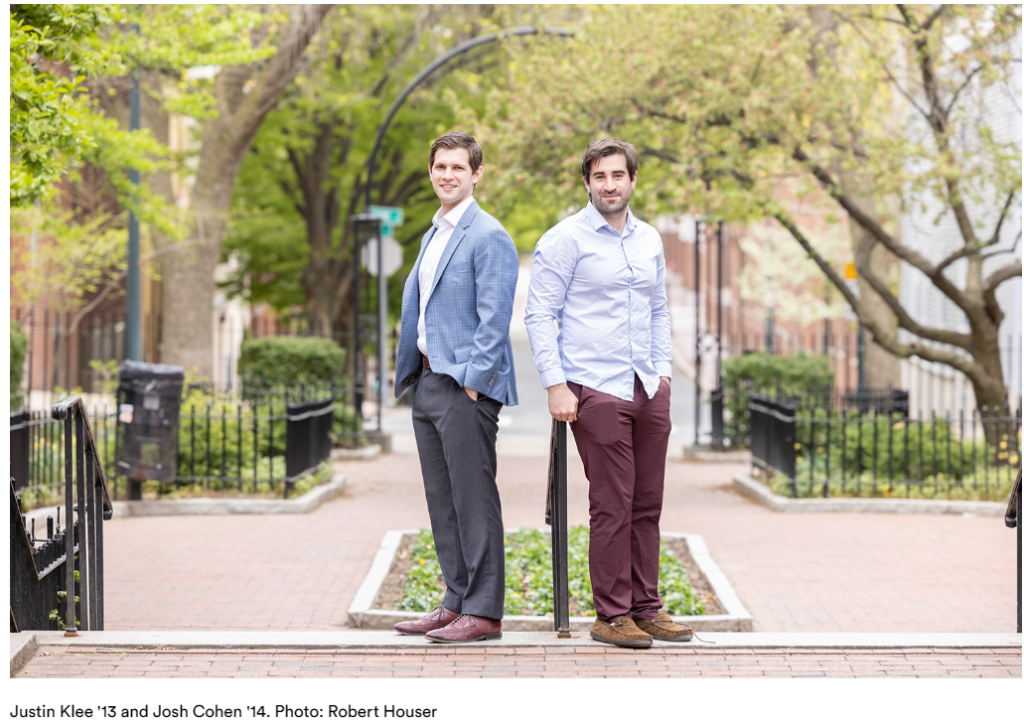
Biomedical engineering alumnus Josh Cohen ’14 partnered with Justin Klee ’13 eight years ago to build a company dedicated to the development of therapeutics for the treatment of neurodegenerative disorders.

In the Cambridge, Mass. conference room where the results of the CENTAUR clinical trial for AMX0035 were delivered to co-founders Josh Cohen and Justin Klee, the excitement was palpable. The study showed that Amylyx Pharmaceuticals, Inc.’s amyotrophic lateral sclerosis (ALS) pipeline drug showed potential to prolong patient survival and slow rapid disease progression in ALS patients, analyzing 137 patients enrolled at 25 top ALS medical centers across the United States.

The functional and survival benefits of AMX0035 significantly strengthened the drug’s position to enter the ALS market over the coming years as a potential disease-modifying therapy. “But the point where it really hit us was when we talked to a nurse at Mass General Hospital in the days following,” Cohen said. “The nurse said, ‘Every day I have to tell people that their life is being cut substantially short. There are a lot of tears in clinic. But today I was able to share a ton of hope. It was a different day.

“Things like that are why you do it. The patients are why we get out of bed in the morning.” Cohen said, explaining how the patients who participate in Amylyx trials are the motivation behind the company’s progress. “There was a time we were having a significant issue with the manufacturing process, and there just seemed no way to do it. It was a pretty big hold up, and we were in a stage where we had investors, had built up hope, and were not sure of a path forward. After a two-hour meeting with a patient, who was at a stage where he was speaking through an eye tracker but still found joy and laughter, we walked out with a different perspective of what people with ALS were dealing with on a daily basis. We found a way through the issue.”

Klee and Cohen were recent guests on the Brown University Carney Institute for Brain Science’s “Carney Conversations,” where Klee recounted the genesis of Amylyx. “We had been friends since Josh’s first year, and one day he shows up after I hadn’t seen him in long time, and said, ‘I’ve been reading all these papers and thinking about Alzheimer’s and neurodegeneration and I think I may have a way of looking at it and treating it.’”

Then a junior, Cohen was in the literature-heavy portion of his studies. “I just got really into that,” Cohen said. “This idea that there are literally millions of papers out there that are waiting to be read, and integrated – I ended up reading a lot, particularly about neuronal death, trying to look at it in a way that there might be more to try.

“The literature search was really my own, but courses that were making us read a lot at that time were a stem cell engineering course, and Biomaterials with Tayhas Palmore. I took Neuroengineering with Leigh Hochberg, and then my pharmaceuticals interest came from Drug and Gene Delivery with Edith Mathiowitz, and also a Physiological Pharmacology course. Once we started Amylyx, it became my capstone with Dr. (Anubhav) Tripathi.”

Klee was intrigued with Cohen’s early theories, and scientific curiosity led the way for starting the company. “These are such enormous problems,” said Klee. “What if we found a way to treat them that people haven’t yet thought of? This is such an amazing industry. It’s scientifically interesting from both a business and people perspective. And at the end of day, if we’re successful, we’ve helped people who really need it,” he said. “So we kept reading and the short story is, we said ‘Let’s start a company.’ In retrospect, we had no idea what that meant.”

Cohen said Professor Angus Kingon was the engineering adviser the pair leaned on most heavily, and was one of the first people to encourage and offer advice on securing a patent. Alan Harlam, founding director of the Social Innovation Initiative (SII) at Brown’s Swearer Center, and now mentor in the Jonathan M. Nelson Center for Entrepreneurship, was another early adviser of Amylyx. A startup grant from Swearer helped Cohen and Klee scrap together enough money to run the first experiments at Charles River Labs.

“It may look from the outside that Justin and I drove everything, but the truth is every step of the way so many advisers and different people were giving us tips and tricks on how to get to the next stage. Brown is such a great place to be for it with its entrepreneurial spirit, starting with the open curriculum, encouraging self-directed thinking,” said Cohen.

“We had the advantage of not knowing, not having a full appreciation of what it might take to do this. Once we had fallen in love with the idea, we thought if we didn’t pursue it, it wouldn’t be pursued. It wasn’t easy: Inexperienced leaders going after diseases that had historically been impossible, with a project that wasn’t going to be cheap. There were many times we wondered if there was a path forward. A few advisers took a chance on us, and told us to keep pushing. That helped a lot.

“The nice thing about doing this at the undergrad age is if the thing totally fails, it’s not as bad as it could be. If I could boil the last eight years into a few sentences, it would include preparing for unexpected challenges. As we were developing, the hardest thing was manufacturing. The standards that are expected for pharmaceutical manufacturing is a tightrope. And it requires a lot of iteration and a lot of frustration,” Cohen said.

“One summary of the whole process is get a little data, raise a little money, get a little more data, raise a little more money. It makes the whole process very stressful and difficult, because you end up fundraising quite frequently and it’s never far away that you’ll have to be fundraising again,” he said. “One thing that was really transformative for us, one uphill battle we fought, was our credibility, because we are young founders. We had to overcome that, and one of the biggest helps for that was a grant from the ALS Association that helped support the clinical trial. Both the money and implied credibility of that was helpful.

“I’ve always felt Brown doesn’t get enough credit on the entrepreneurship side. The school almost naturally recruits entrepreneurs. The open curriculum means you can take whatever you want, so Brown students take that in all sorts of directions. I mean, there are some whose schedule looks totally indistinguishable from if they went to another school, and there are students who totally focus in one area or take one of everything.

“It naturally selects kids who want to be self-directed, self-motivated, who want to build their own thing, brand, skillset and persona. It’s really exciting what Brown is doing with the Nelson Center to bring that out and operationalize that. One of the things I really appreciate about Brown engineering is the mentality of self-direction. Many of the early classes, and certainly in the later classes, professors are likely to give you a couple of tools and encourage you to figure it out. That can be frustrating, but I loved it. I thought it made you re-think how you approach problems. I still find everything I learned from Brown Engineering incredibly helpful at Amylyx, but especially the problem solving. It’s a hard program, so when you’re done with it, you sort of know how to manage your life, your schedule, and your time. We’ve had a couple of candidates come to interview who are Brown engineers and I always say, ‘Let’s put them at the top of the list.’”

The co-CEO business model, considered by many an unusual way to structure a company, seems to work advantageously for Klee and Cohen. “It helps a lot that we are very good friends,” Klee said. “We have a fundamental trust that we both have the same vision, but we usually approach problems completely differently, me from neuroscience and Josh from biomedical engineering. But I know when Josh comes forward, it is going to be well thought out and something I haven’t thought about. We recognize our strengths and weaknesses and how we each have our different way of doing things. Most big problems you want to talk it through and have a debate, anyway. On the smaller issues, we have decision makers at different places at the same time.”

Cohen added, “Collaboration is everything. If your partners and advisers are unpleasant to work with you won’t get far. Two-way respect is what makes it work. And a lot comes down to self-awareness. None of us is perfect. We realized early what we’re good at, and what we’re bad at.”

With the most recent trial results showing such promise, Amylyx now looks to the future. “The CENTAUR trial showed that people with ALS could retain their functional abilities for more time and survive longer. With that data the question is, is that enough for approval and marketing, or are additional studies needed? We’ve decided to file for approval in Canada and Europe. In the United States, it seems likely we will need additional data. So we’re planning an additional study to support that,” Cohen said. “Our goal now for the company is marketing the drug, building operations and the infrastructure to support that while working to complete any necessary additional trials. We are focused on that right now. We really want to do an excellent launch on this drug candidate for ALS before we look too far past that,” he said.

“We are thrilled about AMX 0035. These are terribly hard diseases, so a significant outcome is awesome, but it is not a cure. As our company continues to grow, we feel we have a social contract to reinvest those resources into driving more and better solutions for neurodegenerative disease. ALS is obviously our focus, but we also have a trial ongoing in Alzheimer’s, and are researching other neurodegenerative diseases as well. This is definitely the space we want to stay in, where we’ve developed our relationships, and have our expertise.”

Amylyx Announces $5 Million Series A Financing to Support Phase II Clinical Trial of AMX0035 for Treatment of Amyotrophic Lateral Sclerosis – Business Wire 8/22/2016

Amylyx Pharmaceuticals Inc. announced today that it has completed a $5 million Series A financing to support its upcoming Phase II trial in patients with Amyotrophic Lateral Sclerosis (ALS). Morningside Venture led the financing and was joined by the ALS Investment Fund and former Genzyme CEO Henri Termeer, as well as new and previous private investors.

The financing adds to a recently awarded $2.96 million grant to support the clinical trial from the ALS Accelerated Therapeutics Initiative, which is a collaboration between the ALS Association and ALS Finding a Cure. Overall, Amylyx has raised $10 million in grant funding and private financing to advance AMX0035. The IND for this Phase II trial is on schedule for the fourth quarter of 2016 and the trial will start shortly thereafter. Over 20 clinical sites across the United States have already expressed interest in participating.

In connection with the financing, Dr. Isaac Cheng, M.D. from Morningside and Mr. Felix von Coerper from the ALS Investment Fund have joined Amylyx’s board of directors. Mr. Termeer will become a Board observer. They will join directors Dr. George Milne, former President of Central Research and President of Strategic and Operations Management at Pfizer; Dr. Walter Gilbert, Nobel Laureate and former Biogen CEO; and Stephen D. Chubb, previous CEO of three publicly-traded biotechnology companies and previous chairman of the board at Mount Auburn Hospital.

Amylyx has built a strong rationale for AMX0035 in the treatment of ALS and has developed an outstanding clinical plan to evaluate its potential in ALS patients,” said Dr. Isaac Cheng M.D. of Morningside. “There is a critical unmet need for ALS treatments and Morningside is pleased to support Amylyx’s program.”

“With AMX0035, Amylyx seeks to advance a promising approach to ALS therapy, by targeting neuroinflammation and cell death, that is now poised to enter human studies,” said Mr. von Coerper. “Our investment in Amylyx is aligned with the Fund’s goals of driving medical advancement for this terrible disease.”

“Amylyx’s clinical plan is not only designed to validate their therapeutic candidate, but also push forward important innovation in trial design and execution in ALS,” said Henri Termeer. “I am excited to work with Amylyx as they work to make a difference in the lives of these patients.”

AMX0035 combines two drugs, sodium phenylbutyrate (PB) and tauroursodeoxycholic acid (TUDCA), that Amylyx has shown act synergistically in preclinical models of ALS. Previous studies with PB and TUDCA as single agents demonstrated efficacy in several cellular and animal models of ALS. In addition, PB and TUDCA have been individually tested in clinical trials of ALS and both showed safety and tolerability and preliminary signs of efficacy.

The Phase II clinical trial will test the safety and tolerability of AMX0035, as well as functional outcomes. Analysis of biomarkers of cell function, neuronal damage, and inflammation will be included as a major part of the trial, along with a new measure of muscle strength that has the potential to be an objective and sensitive assessment of disease progression.

“We are very pleased with the support and commitment of this group of highly experienced investors who share the focus of making a significant difference in this disease,” said Justin Klee, President at Amylyx. Josh Cohen, CEO added, “We are also thrilled to welcome our new Board members, and anticipate benefiting from their guidance as we prepare to enter clinical development with AMX0035.”

ALS is a progressive neurodegenerative disease that affects nerve cells in the brain and the spinal cord. Eventually, people with ALS lose the ability to initiate and control muscle movement, which leads to total paralysis and death, usually within two to five years of diagnosis. There is no cure, and only one drug approved by the U.S. Food and Drug Administration modestly extends survival.

Amylyx raises $135M to gear up for potential Canadian launch of ALS drug – Fierce Biotech 7/20/2021

A month after filing for Canadian approval for its lead ALS candidate, Amylyx Pharmaceuticals has picked up $135 million to bankroll a potential commercial launch and support a pipeline of other candidates for neurodegenerative diseases, including the one causing a stir this summer: Alzheimer’s disease

The Cambridge, Massachusetts-based biotech raked in the oversubscribed series C Tuesday to support the clinical development and launch plans, pending a Canadian green light for the amyotrophic lateral sclerosis (ALS) treatment. The novel combination of compounds called AMX0035 was found to slow the progression of ALS in a phase 2/3 study presented last September

Viking Global Investors led Tuesday’s financing round, with participation from Bain Capital Life Sciences, Perceptive Advisors and about a dozen other backers. 

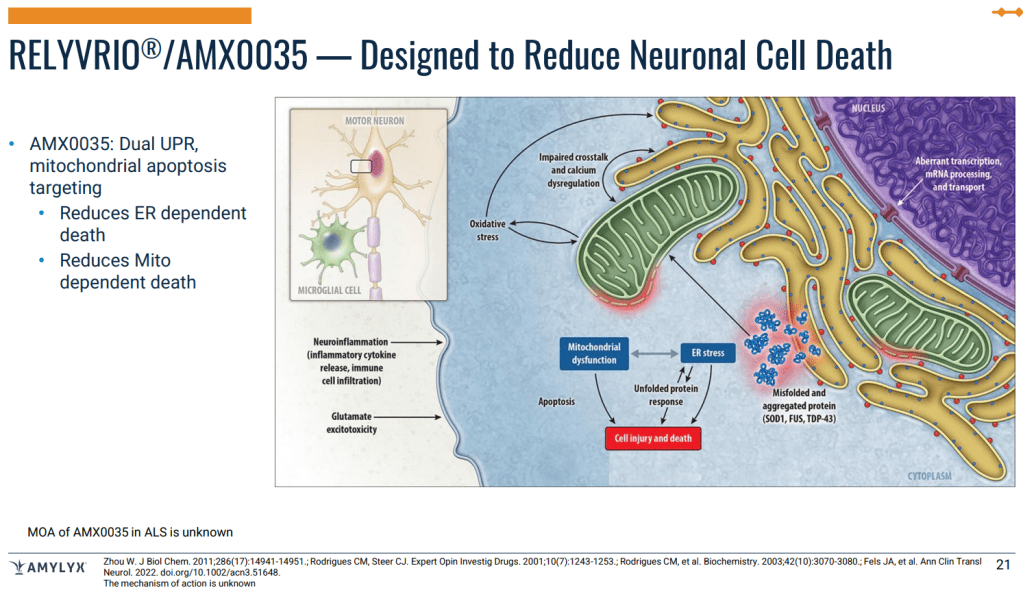
AMX0035 combines two orphan drugs—taurursodiol and Buphenyl—into an oral medication that works to protect brain cells’ energy-producing mitochondria and bolster the endoplasmic reticulum, ensuring constructed proteins fold and operate correctly. 

The therapy was put up for a Health Canada nod last month and Amylyx intends to submit for a marketing approval with the European Medicines Agency by the end of this year. FDA regulatory updates are to come, the company said. 

Amylyx also presented a trial design for an international phase 3 study of the drug in May.

The biotech has beefed up its board and leadership in recent months to support a commercial roll-out, including the additions of Amicus Therapeutics CFO Daphne Quimi and Paul Fonteyne, the former president and CEO of Boehringer Ingelheim’s U.S. operations. Amylyx also hired Chris Aiello in April to lead operations in Canada as general manager, after leading the rare disease and rare blood disorder units at Sanofi Genzyme’s Canadian outfit. 

Amylyx also landed a new CFO in January with a direct connection to the ALS movement, picking up former Alkermes CFO James Frates, who is the cousin of the driving force behind the Ice Bucket Challenge. Funds raised from the viral ALS awareness social media movement helped support Amylyx’s own trial. 

The 2020 Fierce 15 winner raised $30 million last summer for AMX0035 and a midstage trial for a potential Alzheimer’s treatment. Last November, Amylyx said the last patient had completed the phase 2 trial, dubbed Pegasus, with top-line data due in the first half of this year. The company’s website now says the read out will happen sometime this year.

The company could benefit from the revived interest in Alzheimer’s following the FDA’s controversial approval of Biogen’s Aduhelm. The decision has been criticized by federal, congressional, industry and hospital system stakeholders alike, but competing companies have seen a rise in investment interest. 

Amylyx Pharma’s IPO lands $190M as ALS drug begins FDA review – Med City News 1/7/2022

Amylyx Pharmaceuticals has joined the public markets with a $190 million IPO that will support the company as it shepherds its amyotrophic lateral sclerosis drug through regulatory review, and if all goes well, a commercial launch as a new treatment for the neuromuscular disorder.

Cambridge, Massachusetts-based Amylyx boosted the size of the offering by 1.25 million shares. Initially planning to offer 8.75 million shares, Amylyx ended up offering 10 million shares at $19 apiece, which was the midpoint of the targeted $18 to $20 range. Those shares began trading on the Nasdaq Friday under the stock symbol “AMLX.” There was no pop for Amylyx’s stock price, which closed its first day of trading at $18.07.

Amylyx aims to treat ALS by addressing the death of neurons. The company’s drug, AMX0035, is comprised of two small molecules that each take a different approach to pathways associated with neuronal survival. The company contends that the two mechanisms combined offer the potential to help neurons live longer. In a placebo-controlled Phase 2 study, patients treated with the Amylyx drug showed improvement on measures of physical function in ALS patients. Based on those results, Amylyx submitted a new drug application to the FDA. Last week, the agency accepted that application under priority review and set a June 29 target date for a regulatory decision.

Before the FDA makes a decision, it will convene an independent panel of experts to discuss AMX0035’s safety and efficacy as well as any scientific questions regarding the drug. The date for that advisory committee meeting has not yet been set. In the meantime, a larger Phase 3 study is underway. The FDA went back and forth on whether the larger study was needed to support a drug application. Though the agency ultimately concluded that Amylyx could seek approval based on the Phase 2 data, the company is proceeding with the late-stage study to generate additional data on the drug’s safety and efficacy as it pursues regulatory approvals in other markets around the world.

According to the IPO filing, Amylyx traces its beginnings to a Brown University dorm room where, in 2013, co-founders Josh Cohen and Justin Klee set out to find an answer to the question of why neurons die. The duo’s research led to the development of AMX0035, the company’s only drug candidate so far. Though ALS is the drug’s first disease target, Amylyx notes that improving neuron survival has potential applications in many neurodegenerative disorders. A clinical trial is already underway testing AMX0035 in Alzheimer’s disease and tests in Wolfram disease are also planned.

Since its formation, Amylyx has raised about $234 million, most recently a $135 million Series C round of funding last July. Morningside Venture Investments is Amylyx’s largest stockholder, owning an 18.9% post-IPO stake, according to the prospectus. ALS Invest 1 owns 10.8%, while Viking Global Investors owns 8.8%.

As of the end of the third quarter of 2021, Amylyx reported a $125.7 million cash position. Combined with the IPO proceeds, the company plans to deploy about $100 million of its capital toward the regulatory review process of AMX0035 in ALS, as well as preparation for the potential launch of the drug—if it’s approved. Another $15 million is set aside to fund the ongoing Phase 3 clinical trial through to completion; $10 million is earmarked for expanding the company’s drug pipeline to other neurodegenerative disorders.

Amylyx’s ALS drug finally scores FDA approval, but that’s just the tip of the iceberg for ALS research, founders say – Fierce Pharma 9/29/2022

After a long road filled with scrutiny and uncertainty, Amylyx’s amyotrophic lateral sclerosis (ALS) drug, known as AMX0035, has finally scored FDA approval.

The drug, now branded as Relyvrio, won approval for the treatment of ALS in adults. It’s the first ALS treatment that showed a significant slowing in both disease progression and functional decline, as well as extended survival, in a randomized clinical trial. 

After a first FDA advisory committee meeting in March ended with a negative 6-4 vote for the drug, many companies would have stopped there. But Amylyx was persistent, and the committee reconvened this September to discuss a new analysis the company submitted, resulting in a positive 7-2 vote. The long stretch of time helped the company prepare for an eventual launch, despite not knowing when, or if, its drug would get approval.

“We’ve been planning this a long time,” said Josh Cohen, Amylyx’s co-CEO and co-founder, referring to the drug’s original FDA target decision date of June 29. “We’re fully prepared,” Cohen said in an interview with Fierce Pharma ahead of the approval.

The drug will carry a list price of about $158,000 per year in the U.S., the company said on a post-approval conference call, noting that the price is below the latest FDA-approved ALS product. However, Amylyx is “committed to providing financial assistance” for patients with commercial insurance and will provide the drug at no cost for underinsured or uninsured patients who meet “certain financial eligibility criteria” and who have “exhausted all other options,” said Amylyx’s chief commercial officer Margret Olinger.

The price, before being revealed, was already criticized by U.S. watchdog ICER in June. Using a placeholder price of $169,000 per year, the organization said the cost-effectiveness of the medicine would “far exceed typical thresholds.”

The FDA based its approval on data from the phase 2 Centaur trial and biomarker results from a phase 2 of the drug in Alzheimer’s disease. At the recent FDA expert panel meeting, some panelists voiced a desire to wait for the results of the phase 3 Phoenix trial. The company doesn’t expect top-line results from that trial until 2024, Justin Klee, Cohen’s counterpart as co-CEO and co-founder, said in an interview with Fierce Pharma.

“For people with ALS, that’s a long, long time,” Klee said. If the agency were to wait until the results of that trial came out, “a whole generation of ALS patients will die without access,” Cohen added. “It seems against common sense to deny that to people.”

From pricing to insurance to supply, Amylyx is set and covered, Cohen said. But the company wants to do more than “just launch a drug into the market.”

“ALS has a lot of other things that need changing,” Cohen said. From diagnoses that take too long, “woefully underfunded” clinics, and challenges barring access for patients, there are a number of unaddressed, long-standing problems that need addressing, and that Amylyx wants to “put a pretty significant effort” into fixing.

“ALS has a lot of other things that need changing,” Cohen said. From diagnoses that take too long, “woefully underfunded” clinics, and challenges barring access for patients, there are a number of unaddressed, long-standing problems that need addressing, and that Amylyx wants to “put a pretty significant effort” into fixing.

Amylyx Pharmaceuticals Announces Topline Results From Global Phase 3 PHOENIX Trial of AMX0035 in ALS – Business Wire 3/8/2024

Amylyx Pharmaceuticals, Inc. (NASDAQ: AMLX) (“Amylyx” or the “Company”) today announced topline results from PHOENIX, a global, 48-week, randomized, placebo-controlled Phase 3 clinical trial of AMX0035 (sodium phenylbutyrate and taurursodiol [also known as ursodoxicoltaurine]; RELYVRIO® in the U.S., ALBRIOZA™ in Canada) in people living with amyotrophic lateral sclerosis (ALS). PHOENIX did not meet its primary endpoint of reaching statistical significance (p=0.667) as measured by change from baseline in the Revised Amyotrophic Lateral Sclerosis Functional Rating Scale (ALSFRS-R) total score at Week 48, nor was there statistical significance seen in secondary endpoints. Amylyx plans to present the data from PHOENIX at an upcoming medical meeting and will publish the results in a medical journal later this year.

Amylyx will continue to engage with regulatory authorities and the broader ALS community, including ALS specialists and other multidisciplinary experts, people living with ALS, and advocates, to discuss the results from PHOENIX within the next eight weeks and make informed decisions. Amylyx intends to share plans for RELYVRIO/ALBRIOZA in ALS, which may include voluntarily withdrawing RELYVRIO/ALBRIOZA from the market. At this time, RELYVRIO/ALBRIOZA and its related patient support program will continue to be available for people living with ALS. Amylyx has voluntarily decided to pause promotion of the medication during this time.

We are surprised and deeply disappointed by the PHOENIX results following the positive data from the CENTAUR trial. Our main priority at the moment is sharing the information with people living with ALS and their treating physicians; this is part of our continued commitment to them and our mission. Over the next eight weeks, our team will continue to engage with regulatory authorities and the ALS community to discuss the results from PHOENIX. We will be led in our decisions by two key principles: doing what is right for people living with ALS, informed by regulatory authorities and the ALS community, and by what the science tells us. On behalf of the entire Amylyx team, we are grateful to the ALS community and for the dedication of trial participants, investigators, and study site teams. With data collected from 664 participants in PHOENIX, we are certain there will be important learnings that will help inform future ALS research. We are steadfast in our commitment to the ALS community and our mission, including with AMX0035 where it has shown potential in neurodegenerative diseases such as Wolfram syndrome and progressive supranuclear palsy, and with AMX0114, our investigational antisense oligonucleotide targeting calpain-2, in ALS,” said Justin Klee and Joshua Cohen, Co-CEOs of Amylyx.

PHOENIX Study Results:

The Phase 3 PHOENIX study enrolled 664 adults living with ALS. Participants were randomized three-to-two to receive either AMX0035 or placebo, with both treatment groups receiving standard-of-care. Continuation of a stable dosing regimen of riluzole and/or edaravone was permitted.

  • PHOENIX did not meet the primary endpoint: There was no significant difference observed between participants treated with AMX0035 and placebo in ALSFRS-R total score change from baseline at Week 48 (p=0.667). No significant difference was observed in the subset of participants who met the CENTAUR trial criteria. There were also no significant differences observed across secondary endpoints.
  • Consistent safety and tolerability profile: AMX0035 was well-tolerated in PHOENIX. There were no new safety signals, reinforcing the favorable and manageable safety profile observed with AMX0035 to date.
  • European participants who completed the 48-week randomized phase had the option to enroll in an open label extension of the trial of up to two years in duration, which remains ongoing.


Science of AMX0035:

AMX0035, a specially formulated oral fixed-dose combination of PB and TURSO, has been shown in numerous preclinical studies to have a robust, synergistic effect in targeting two different destructive neurodegenerative disease pathways by mitigating endoplasmic reticulum stress and the associated unfolded protein response and mitochondrial dysfunction thereby reducing neuronal cell death. Additionally, AMX0035 has been shown to also reduce markers associated with neurodegenerative diseases in clinical trials, including a reduction of tau, a key protein aggregate shared across several neurodegenerative diseases, and YKL-40, a marker of neuroinflammation.

Update on Ongoing AMX0035 Studies:

The global, randomized, double-blind, placebo-controlled Phase 3 ORION clinical study of AMX0035 in PSP remains ongoing. The first participant was dosed in December 2023, and the Company is planning for an interim analysis. Topline results continue to be anticipated in 2025 or 2026.

Data from the ongoing 12-participant, single site, open-label Phase 2 HELIOS clinical study are demonstrating evidence of clinical activity of AMX0035 in Wolfram syndrome. This study is fully recruited, and the Company plans to present preliminary data in the second quarter of 2024.

After trial failure, will Amylyx pull ALS drug Relyvrio off the market? – Fierce Pharma 3/8/2024

After reporting the failure of a confirmatory trial of its amyotrophic lateral sclerosis (ALS) drug Relyvrio (AMX0035), Amylyx Pharmaceuticals is uncertain whether it will pull the treatment from the market in the U.S. and in Canada, where it is known as Albrioza.

“We’ll spend the next eight weeks engaging with regulatory authorities and the ALS community to share the top-line data,” co-CEO Justin Klee said on a Friday conference call. “We’ll follow the science and do what’s right for the community which may include voluntarily removing the product from the market.”

The 11-year-old Cambridge, Massachusetts-based company has decided to pause promotion of Relyvrio. Patient support services will remain in place, it said.

Two weeks ago, Amylyx reported sales of Relyvrio at $380 million in its first full year on the market, following its approval in September 2022. While sales initially scaled up quickly, the trajectory had slowed, going from $103 million in the third quarter to $108 million in the fourth quarter.

Other than to report that the PHOENIX trial did not meet its primary endpoint, failing to reach statistical significance as measured by change from baseline in the revised ALS functional rating scale (ALSFRS-R), or any of its secondary objectives, Amylyx did not reveal figures from the 48-week trial that enrolled 664 ALS patients.

The company said it will present the data at an upcoming medical conference, and results will be published in a medical journal later this year.

With the devastating news, Amylyx’s shares plummeted 83% by midmorning.

“The news comes as a massive disappointment—not only for us (where AMLX has been a top pick) and investors—but also to ALS patients and the overall ALS community,” analysts from Mizuho Securities wrote in a note to clients.

The company said it will continue to study AMX0035 as a treatment for two other neurodegenerative diseases—Wolfram syndrome and progressive supranuclear palsy. Amylyx also hopes to enter the clinic in the second half of this year with AMX0114, a treatment for ALS patients designed to lower their levels of calpain-2 to strengthen their nerve fibers.

After much consternation and two advisory committee meetings—one voting down AMX0035 6-4 and the other giving it a thumbs-up vote of 7-2 after new analysis of trial data—the FDA signed off on Relyvrio 19 months ago.

The decision was based on results of the phase 2 CENTAUR trial, which showed that AMX0035 slowed progression and functional decline and extended survival. Experts who recommended rejection urged the FDA to wait until results of the phase 3 PHOENIX trial were available.

On Friday, Klee would not speculate on the difference between the trial results.

“I think it’s early,” Klee said. “It’s particularly important to take time to meet with the ALS experts. I think it speaks to the heterogeneity of ALS and also the difficulty in ALS and neurodegenerative diseases more in general. It’s so imperative that when we all, fighting these diseases, have setbacks like this, we learn from them so we can continue to advance because I do very strongly believe that we can have meaningful advances for people with neurodegenerative diseases.”

The ALS Association was heavily invested in the success of the drug as well. Through its Ice Bucket Challenge in 2014, the organization donated $2.2 million to assist in its development. It also collected more than 50,000 signatures and submitted them to the FDA in 2020, urging the regulator for approval.

“While today’s news is disappointing, there are more than 50 potential treatments in the clinical stage of development, including more than a dozen in phase 3 trials,” the ALS Association said in a statement. “We are more committed than ever to ensuring that safe and effective treatments are approved and available to people living with ALS as quickly as possible.”

BIOTECH (116) Merus NV: Multispecific T Cell Engagers

안녕하세요 보스턴 임박사입니다.

Merus NV는 Crucell 기술을 기반으로 2003년에 John de Kruif박사와 Ton Logtenberg 가 창업한 회사로서 이 회사의 기술은 Crucell의 PER.C6 cell line을 이용해서 Single Clonal Cell line으로 부터 Oligoclonics를 안정되게 대량으로 생산할 수 있습니다. PER.C6 cell line은 2004년에 Crucell과 DSM으로 부터 기술이전 계약을 받았고 DEKK IgG를 통해 Stable Bispecific Antibody를 만들 수 있는 기반기술을 확보하여 Full-length IgM format으로 Long half-life와 Low immunogenicity라는 중요한 장점을 확보할 수 있었습니다.

Bispecific T-cell engager 기술개발은 생산에 많은 자금이 소요되어 Merus는 매년 $50 Million 이상의 유상 증자나 계약을 통해 자금조달을 하고 있고 Novartis, Johnson & Johnson, Eli Lilly, Ono등의 제약사들이 지분투자나 공동계발에 참여하고 있습니다. 최근에는 Gilead와 $1.5 Billion 공동계약을 한 바 있는데 이를 통해 Merus는 Trispecific T-cell Engager에 영역을 확장하게 되었습니다.

Merus의 Multiclonics Platform은 세가지 기술을 접목하는데 (1) Merus Mouse (MeMo)라는 기술로 다양한 cLC (common Light Chain) antibodies를 mouse 에서 얻고 이들의 타겟을 발굴하고 (2) Robotics를 이용해 cLC antibodies와 DEKK IgG를 결합한 수천개의 Multiclonics를 만들고 unbiased functional screening을 통해 (3) Best-in-class Biclonics나 Triclonics를 발굴하는 것입니다.

현재 자체 개발 중인 프로그램은 Petosemtamab (MCLA-158, EGFR x LGR5), Zenocutuzumab (MCLA-128, HER2 x HER3), MCLA-129 (EGFR x MET)가 임상 1/2에 있고 MCLA-145 (CD37 x PD-L1)이 임상 1상에 있습니다.

공동연구 중인 프로그램은현재 4가지가 있는데, BETTA와 진행 중인 MCLA-120 (EGFR x c-MET)이 임상 1/2상을 진행 중이고 ONO Pharma와 공동개발 중인 ONO-4685 (PD-1 x CD3)가 임상 1상에 Incyte와 개발 중인 INCA32459 (LAG3 x PD-1)과 INCA33890 (TGFBr2 x PD-1)이각각 임상 1상에 진입한 상태입니다.

금년 3월에 발표한 Corporate Presentation에 보다 자세한 설명이 있습니다. Merus NV의 Multiclonics Platform이 이제 Bispecific T-cell Engager 뿐만 아니라 Trispecific T-Cell Engager로 영역을 확장하고 있는데 아직까지는 임상이 초기단계이지만 곧 몇개의 프로그램은 pivotal clinical trials에 도달할 수 있을 것 같아 기대가 됩니다.

Crucell and DSM Announce PER.C6(R) Licensing Agreement with Merus for Production of Monoclonal Antibody Combinations – Press Release 6/10/2004

Dutch biotechnology company Crucell N.V. (Euronext:CRXL) (Nasdaq:CRXL) and allied contract manufacturer DSM Biologics announced today that Crucell and Merus B.V. have signed a PER.C6(R) research license agreement. This license agreement allows Merus to use the PER.C6(R) cell line for the further development of its Oligoclonics(TM) technology and related products.

Oligoclonics(TM) are mixtures of human antibodies, produced by a single clonal cell line, that we expect to have improved clinical efficacy compared to current antibody therapeutics,” said Ton Logtenberg, CEO of Merus. “The PER.C6(R) cell line is instrumental in the stable and high yield production of Oligoclonics(TM).”

Under the terms of the agreement, Crucell and DSM will receive an upfront payment and annual maintenance fees. Further financial details were not disclosed.

About Merus

Merus is a Dutch biotechnology company founded in June 2003. The Company is focused on the discovery and development of a novel class of human antibodies, Oligoclonics(TM), that are expected to have improved clinical efficacy compared to current generations of human monoclonal antibodies. For more information, please visit http://www.merus-biopharm.com.

Merus receives EuroTransBio Grant – Press Release 12/15/2009

Merus BV, a biopharmaceutical company focused on the discovery and development of mixtures of human therapeutic antibodies, today announced that it has received a grant worth € 0.67 million for the development of an antibody combination therapy for chronic inflammatory diseases using its novel OligoclonicsTM and MeMoTM technologies. The grant was awarded by EuroTransBio.
 
Merus is applying the OligoclonicsTM and MeMoTM technologies to build a pipeline of innovative human therapeutic antibodies. With these technologies, Merus generates combinations of therapeutic antibodies produced from a single cell that boast superior biological activity when compared to single antibodies. The EuroTransBio grant will allow Merus to develop innovative antibody drugs for the treatment of chronic inflammatory diseases such as Rheumatoid Arthritis.
 
Ton Logtenberg, CEO of Merus, said: “We are pleased that EuroTransBio has recognized the potential of Merus’s innovative technologies to deliver next generation therapeutics offering substantial clinical benefit to patients with chronic diseases. This grant supports collaboration between European companies and academic institutions that combine their unique expertise to achieve this goal”.

Generation of stable cell clones expressing mixtures of human antibodies. Biotechnology Bioengineering 2010, 106, 741-750. John de Kruif et al. (Merus NV)

Therapeutic monoclonal antibodies, a highly successful class of biological drugs, are conventionally manufactured in mammalian cell lines. A recent approach to increase the therapeutic effectiveness of monoclonal antibodies has been to combine two or more of them; however this increases the complexity of development and manufacture. To address this issue a method to efficiently express multiple monoclonal antibodies from a single cell has been developed and we describe here the generation of stable cell clones that express high levels of a human monoclonal antibody mixture. PER.C6® cells were transfected with a combination of plasmids containing genes encoding three different antibodies. Clones that express the three corresponding antibody specificities were identified, subcloned, and passaged in the absence of antibiotic selection pressure. At several time points, batch production runs were analyzed for stable growth and IgG production characteristics. The majority (11/12) of subclones analyzed expressed all three antibody specificities in constant ratios with total IgG productivity ranging between 15 and 20 pg/cell/day under suboptimal culture conditions after up to 67 population doublings. The growth and IgG production characteristics of the stable clones reported here resemble those of single monoclonal antibody cell lines from conventional clone generation programs. We conclude that the methodology described here is applicable to the generation of stable PER.C6® clones for industrial scale production of mixtures of antibodies. 

Merus closes 21.7M second round and agrees option with Novartis Option Fund – ScienceBusiness 2/3/2010

Merus NV of Utrecht, the Netherlands, has closed a €21.7 million second financing round led by new investors the Novartis Option Fund, Pfizer Inc., Bay City Capital, and Life Sciences Partners. Merus’ seed investor Aglaia Oncology Fund followed on.

The money will be used to advance development of Merus’ antibody-based drugs for the treatment of cancer, inflammation and infectious diseases.

At the same time, the company granted the Novartis Option Fund the option to an exclusive license to one of Merus’ oncology programmes. The agreement includes upfront and potential milestones payments totalling over S200 million, plus royalties.

“We are very pleased by the high quality of the new investor syndicate,” said Ton Logtenberg, Merus CEO. “The mix of renowned financial and corporate US and European VCs is a validation of the perceived high value of Merus’ technologies.“

The proceeds will enable Merus to demonstrate its bispecific antibodies can target diseases that cannot be treated with single monoclonal antibodies. “The agreement with Novartis Option Fund further underscores that big pharma recognises the potential of our innovative antibody therapeutics,” Logtenberg said.

Lionel Carnot, an investment partner with Bay City Capital, said Merus’ technology, “Is a very ingenious solution to the key issues that have hindered the development of poly- and oligoclonal therapeutics.”

Merus Secures €31 Million in Series B Round Extension – Fierce Biotech 10/3/2013

Merus B.V., a biopharmaceutical company focusing on innovative human antibody therapeutics, today announced a €31 million (US$42 million) extension to its Series B financing round, bringing the total round to €47.6 million (US$65 million).

Johnson & Johnson Development Corporation (JJDC) joined as a new investor along with existing investors Novartis Venture Fund, Pfizer Venture Investments, Bay City Capital, LSP (Life Sciences Partners), and Aglaia Oncology Fund. A representative of JJDC will join Merus’ Board of Directors. Merus will use the new funds to broaden its portfolio of pre-clinical programs for the treatment of cancer patients and to bring its lead programs into phase I clinical testing.

“We view the continuing support of our investors as a strong endorsement of our technology, our team and our strategy,” said Ton Logtenberg, Chief Executive Officer of Merus.  “We are particularly proud to welcome Johnson & Johnson Development Corporation to our investment consortium as our third big pharma corporate venture investor. As a next milestone, we are looking forward to moving our lead candidate into clinical development next year.” 

The investment of JJDC in Merus B.V. was announced at the launch of the Johnson & Johnson Innovation Centre in London today.

Earlier this year, Merus presented encouraging research and preclinical data of MCLA-117, a product candidate to treat acute myeloid leukemia, a disease with very poor long-term prognosis. MCLA-117 is based on Merus’ proprietary Biclonics™ ENGAGE platform and is currently in development.

Merus enters into 72.8 million euro series C financing led by Sofinnova Ventures and Novo A/S – PR Newswire 8/26/2015

Merus B.V., a clinical-stage immuno-oncology company developing innovative bispecific antibody therapeutics, today announced that it has entered into an agreement with investors for the sale of up to € 72.8 million ($80.5 million) of Series C preferred shares and consummated the first tranche under the agreement. New investors include Sofinnova Ventures and Novo A/S as the co-leads, along with RA Capital Healthcare Fund, Rock Springs Capital, Tekla Capital Management and an unnamed U.S.-based life sciences-focused investor.  The company’s existing investors, including Novartis Venture Fund, Johnson & Johnson Innovation – JJDC, Inc., Pfizer Venture Investments, Bay City Capital, LSP Life Sciences Partners and Aglaia Oncology Fund, also participated in the financing.  

“The proceeds from this financing provide us with funding to advance our key clinical and preclinical programs and to broaden our pipeline of innovative therapeutics that recruit cells of the immune system to kill cancer cells,” said Ton Logtenberg, Ph.D., Chief Executive Officer of Merus. “This financing follows the progression of Merus into a clinical stage company.  Our first lead bispecific antibody, MCLA-128, has commenced phase 1/2 clinical  trials as a potential targeted therapy for solid tumors and our second lead bispecific antibody, MCLA-117 for the treatment of acute myeloid leukemia, is planned to commence clinical trials in the first quarter of 2016.

As part of the transaction, Anand Mehra of Sofinnova Ventures and Jack Nielsen of Novo A/S have joined the Merus board of directors.

“Cancer remains a disease of significant unmet medical need where targeted therapies that activate the immune system to kill tumor cells hold the promise of providing novel and effective treatment options for patients,” said Anand Mehra. “Merus’ proprietary technology platform has enabled the company to build a significant pipeline of promising immuno-oncology drug candidates.”

About Merus B.V.
Merus is a clinical-stage immuno-oncology company developing innovative bispecific antibody therapeutics, referred to as Biclonics. Biclonics are based on the full-length IgG format, are manufactured using industry standard processes and have been observed in preclinical studies to have several of the same features of conventional IgG-based antibodies, such as long half-life and low immunogenicity. Merus’s lead Biclonics product candidate, MCLA-128 is being evaluated in a Phase 1/2 clinical trial in Europe as a potential treatment for HER2-expressing solid tumors. Merus’s second Biclonics product candidate, MCLA-117, is being developed as a potential treatment for acute myeloid leukemia, and Merus expects to initiate clinical trials of this candidate in the first quarter of 2016. The company also has a robust pipeline of proprietary product candidates in pre-clinical development, including Biclonics designed to bind to various combinations of immunomodulatory molecules, including PD-1 and PD-L1. For further information, please visit www.merus.nl.

Big Pharma-backed Merus edges toward $65M Nasdaq IPO – Fierce Biotech 5/11/2016

Merus is edging toward its long-gestating $65 million (€57 million) Nasdaq IPO. The cancer specialist, which lists Novartis ($NVS), Johnson & Johnson ($JNJ) and Pfizer ($PFE) among its largest investors, plans to build the IPO on the support of its existing backers, which are expected to buy half of the offered shares.

Utrecht, the Netherlands-based Merus first talked up the prospect of a Nasdaq IPO during the go-go month of April 2015. At that time, the $100 million it was aiming for was on the low side of the sums being proposed and raised by fellow oncology biotechs such as Adaptimmune Therapeutics ($ADAP), Aduro Biotech ($ADRO) and Blueprint Medicines ($BPMC). Yet by the time Merus formalized its plan to go public in October, the tide had turned, leaving a clutch of biotechs on the outside looking in through the then-closed IPO window.

Having raised €72.8 million in a private round in August, Merus was better equipped than some to ride out the downturn in sentiment toward biotech IPOs. And the immuno-oncology player has gone back to its current investors to get its IPO out the door. Merus has commitments from as-yet-unnamed existing institutional investors to buy $32.5 million of the IPO shares. Bay City Capital, Aglaia Oncology Fund, Sofinnova Venture Partners, Novo A/S and LSP sit alongside the aforementioned Big Pharma trio on the list of Merus’ main investors. Each organization owns more than 5% of the company.

If Merus can find buyers for the remaining 2.2 million shares at the $15-a-pop midpoint of its target range, it will exit the offering with net proceeds of $56.7 million, a sum it plans to split fairly evenly between three of its pipeline prospects. Lead candidate MCLA-128 will swallow up $17 million of the IPO haul. Merus anticipates this funding will take it through to the end of a Phase I/II clinical trial in patients with HER2-expressing solid tumors. Merus expects top-line data in the second half of 2017, but that target that has yo-yoed over the past 6 months.

As recently as January, Merus told investors to expect data by the end of the year. While the public is now set to have to wait longer to get a full look at the data, Merus is continuing to release snapshots of the progress of the study. In the dose-escalation stage, 12 of the 27 patients who took MCLA-128 experienced “an objective positive response.” Of those 12, 11 had stable disease after two cycles of treatment. Three people were stable after four rounds of therapy. Merus thinks MCLA-128 kills cancer cells by blocking growth pathways and eliciting the support of immune effector cells.

Merus is moving another two candidates down the pipeline closely behind MCLA-128. The more advanced of the pair, MCLA-117, began a Phase I/II study in patients with acute myeloid leukemia this month. If Merus hits its IPO fundraising target, it will commit $14 million to the study, a sum it thinks will see it through to the delivery of top-line data in the first half of 2018. A further $10 million is earmarked for MCLA-158, which is expected to enter the clinic as a treatment for colorectal cancer before the end of 2017. Each of the candidates is a bispecific antibody.

The willingness–or not–of Nasdaq investors to bankroll the advance of the programs could go some way to indicating whether the freeze on listings by European biotechs is coming to an end. Over the past 6 months, Basilea Pharmaceutica (SWX:BSLN) and Bavarian Nordic (CPH:BAVA) have both canned planned listings, while perennial IPO bridesmaid Mapi Pharma has continued to try unsuccessfully to go public.

Incyte and Merus Announce Global Strategic Research Collaboration to Discover and Develop Bispecific Antibodies – Business Wire 12/21/2016

Incyte Corporation (NASDAQ:INCY) and Merus N.V. (NASDAQ:MRUS) announced today that they have entered into a global, strategic collaboration agreement focused on the research, discovery and development of bispecific antibodies utilizing Merus’ proprietary Biclonics® technology platform. The Collaboration and License Agreement grants Incyte the exclusive rights for up to eleven bispecific antibody research programs, including two of Merus’ current preclinical immuno-oncology discovery programs.

Biclonics® retain the IgG format of antibodies that are produced naturally by the immune system and, by binding to two targets, enable multiple modes of action that cannot otherwise be obtained with conventional monoclonal antibodies.

“By virtue of a unique ability to simultaneously engage multiple protein targets, we believe bispecific antibodies have the potential to play an important role in the future of biotherapeutics,” said Reid Huber, Ph.D., Incyte’s Chief Scientific Officer. “This collaboration with Merus expands our large molecule discovery capabilities into an innovation-rich area of research, creating additional opportunities for us to deliver on our commitment to improving and extending the lives of patients with cancer and other serious diseases.”

“This transformative, global collaboration further underscores the potential of Merus’ Biclonics® technology platform and establishes a strong relationship with Incyte, a leader in innovative drug development,” said Ton Logtenberg, Ph.D., Chief Executive Officer of Merus. “We look forward to expanding our pipeline under this agreement, as we efficiently exploit our preclinical discovery engine and progress our most advanced, proprietary assets in the clinic.”

Terms of the Collaboration

Under the terms of the collaboration, Incyte has agreed to pay Merus an upfront payment of $120 million. In addition, Incyte has agreed to purchase 3.2 million shares of Merus stock at $25 per share, for a total equity investment of $80 million.

The parties have agreed to collaborate on the development and commercialization of up to 11 bispecific antibody programs. For one current preclinical program, Merus will retain all rights to develop and commercialize approved products in the United States, and Incyte will develop and commercialize approved products arising from the program outside the United States. Following any regulatory approval of a product candidate for this particular pre-clinical program, each company has agreed to pay the other tiered royalties ranging from 6 to 10 percent on net sales of products in their respective territories.

Merus also has the option to co-fund development of product candidates arising from two other programs. For any program for which Merus exercises its co-development option, Merus would be responsible for 35 percent of global development costs in exchange for a 50 percent share of U.S. profits and losses and tiered royalties ranging from 6 to 10 percent on ex-U.S. sales by Incyte for these programs. Merus also has the right to elect to provide up to 50 percent of detailing activities for product candidates arising from one of these programs in the United States.

For each of the other eight programs, Incyte has agreed to independently fund all development and commercialization activities. For these programs, Merus will be eligible to receive potential development, regulatory and sales milestone payments of up to $350 million per program, which could result in an aggregate milestone opportunity of approximately $2.8 billion if all development, regulatory and sales milestones are achieved across all such eight other programs in all territories. Merus will also be eligible to receive tiered royalties ranging from 6 to 10 percent on global sales of any approved products under these eight programs.

Merus will retain rights to both of its clinical candidates and MCLA-158, as well as its technology platform and future programs emerging from Merus’ platform that are outside the scope of this agreement.

The transaction is expected to close in the first quarter of 2017, subject to the early termination or expiration of any applicable waiting periods under the Hart-Scott Rodino Act and customary closing conditions.

Merus Announces $55.8 Million Private Placement Offering of Common Stock – Press Release 2/14/2018

Merus Announces Strategic Collaboration with Betta Pharmaceuticals to Develop and Commercialize MCLA-129 in China – Press Release 1/2/2019

Merus Announces Pricing of Public Offering of Common Shares – Press Release 11/5/2019

Merus N.V. (Nasdaq: MRUS), a clinical-stage bispecific antibody company developing Biclonics®, today announced the pricing of an underwritten public offering of 4,750,000 common shares, at a public offering price of $14.50 per share, before underwriting discounts and commissions. Merus also granted the underwriters a 30-day option to purchase up to an additional 712,500 common shares. The gross proceeds from the offering, before deducting underwriting discounts and commissions and estimated offering expenses, are expected to be approximately $68.9 million, excluding any exercise of the underwriters’ option to purchase additional common shares. All of the shares in the offering are to be sold by Merus.

Lilly gives $60M to Merus, ties in $1.6B in biobucks for next-gen cancer research pact – Fierce Biotech 1/19/2021

Eli Lilly, via its Loxo Oncology biotech unit, is signing up to a three-therapy deal with Merus focused on T-cell redirecting bispecific antibody work.

Netherlands-based Merus gets $40 million upfront and a $20 million equity investment from the Big Pharma as well as $1.6 billion in total for three drugs.

These will come out of Merus’ so-called Biclonics platform, which develops CD3-engaging, T-cell redirecting bispecific antibody therapies.

“CD3-engaging bispecific antibodies are rapidly becoming one of the most transformative immune-modulating modalities used to treat cancer,” said Jacob Van Naarden, M.D., chief operating officer of Loxo Oncology.

“We expect these therapies will become an important component of the Loxo Oncology at Lilly biologics strategy. Merus has built a differentiated platform and one that we believe can enable us to create bispecific antibody therapies with wider therapeutic indexes than those available today. We look forward to working closely with Merus to develop new potential medicines for patients with cancer.”

Merus attracted some buzz a few years back with its impressive list of big-name backers including Novartis, Johnson & Johnson and Pfizer.

It had to dial down its plan to raise $100 million in an initial public offering but still managed to pull in $55 million in May 2016. Later that year, it inked a $200 million deal with Incyte to develop bispecific antibodies. Lilly becomes the latest to team up with its platform.

Merus is working on its own internal pipeline focused on zenocutuzumab (also called MCLA-128), targeting fusions involving the gene NRG1, which can drive the growth of many different types of cancers.

“The collaboration with Loxo Oncology at Lilly and their world class research capabilities opens up exciting possibilities for Merus’ Biclonics platform,” added Bill Lundberg, M.D., president and CEO of Merus.

Our CD3 T-cell engager platform includes over 175 novel and diverse anti-CD3 common light chain antibodies across a wide range of affinities and attributes and enables functional screening of large libraries for optimal performance. We look forward to working together with Loxo Oncology at Lilly to define a new generation of medicines to treat cancer.”

Merus Announces Pricing of Public Offering of Common Shares – Press Release 1/21/2021

Merus N.V. (Nasdaq: MRUS) (“Merus”, “we” and “our”), a clinical-stage oncology company developing innovative, full-length multispecific antibodies (Biclonics® and Triclonics™), today announced the pricing of an underwritten public offering of 4,848,485 common shares at a public offering price of $24.75 per share. The gross proceeds from the offering, before deducting underwriting discounts and commissions and estimated offering expenses, are expected to be approximately $120 million. In addition, Merus granted the underwriters a 30-day option to purchase up to an additional 727,272 common shares at the public offering price, less the underwriting discounts and commissions. All of the shares in the offering are to be sold by Merus.

Merus Announces Pricing of Public Offering of Common Shares – Press Release 11/4/2021

Merus N.V. (Nasdaq: MRUS) (“Merus”, the “Company,” “we” and “our”), a clinical-stage oncology company developing innovative, full-length multispecific antibodies (Biclonics® and Triclonics™), today announced the pricing of an underwritten public offering of 3,859,650 common shares, at a public offering price of $28.50 per share (the “Offer Shares”). Merus also granted the underwriters a 30-day option to purchase up to an additional 578,947 common shares (the “Option Shares” and together with the Offer Shares, the “Shares”). The gross proceeds from the offering, before deducting underwriting discounts and commissions and estimated offering expenses and excluding the underwriters’ option to purchase the Option Shares, are approximately $110.0 million. All of the shares in the offering are to be sold by Merus.

Merus Announces Pricing of Public Offering of Common Shares – Press Release 8/9/2023

Merus N.V. (Nasdaq: MRUS) (“Merus”, the “Company,” “we” and “our”), a clinical-stage oncology company developing innovative, full-length multispecific antibodies (Biclonics® and Triclonics®), today announced the pricing of an underwritten public offering of 6,818,182 common shares, at a public offering price of $22.00 per share (the “Offer Shares”). Merus also granted the underwriters a 30-day option to purchase up to an additional 1,022,727 common shares (the “Option Shares” and together with the Offer Shares, the “Shares”). The gross proceeds from the offering, before deducting underwriting discounts and commissions and estimated offering expenses and excluding the underwriters’ option to purchase the Option Shares, are expected to be approximately $150.0 million. All of the shares in the offering are to be sold by Merus.

Gilead, Merus Ink Potential $1.5B Deal for T-Cell Engagers – Biospace 3/7/2024

Gilead Sciences is partnering with Netherlands-based clinical-stage oncology biotech Merus to find new dual tumor-associated antigens targeting tri-specific antibodies, the companies announced Wednesday.

Under the deal, Merus will receive an upfront payment of $56 million for initial targets as well as an equity investment from Gilead of $25 million in Merus common shares. Merus has the potential to receive up to $1.5 billion in additional payments based on potential development and commercialization milestones.

The research collaboration, option, and licensing agreement will leverage Merus’s proprietary platform. According to the company, the platform can design antibodies capable of binding to three targets simultaneously.  

“We have seen the successful application of bispecific antibodies as an immune-modulating modality used to treat cancer. We are now looking ahead to developing additional multispecific antibodies capable of driving robust anti-tumor immune responses with an improved efficacy and safety profile,” Flavius Martin, executive vice president of Research at Gilead, said in a statement. “We are excited to explore the potential of Merus’ differentiated Triclonics platform to discover and advance transformative new cancer therapies as we deepen our portfolio across oncology indications.”

The move comes as Gilead has been on a dealmaking path in 2024. In February, the Bay Area-based biotech announced a $4.3 billion acquisition of CymaBay Therapeutics, snapping up its lead candidate seladelpar which designed to treat the autoimmune disease primary biliary cholangitis. 

“We are looking forward to working with Gilead to develop novel T-cell engager antibodies using our Triclonics technology,” Merus Chief Business Officer Hui Liu said in a statement. “We are grateful for our collaborations which represent opportunities for Merus to leverage our research capabilities to pursue innovative biology and to address significant unmet medical needs. Importantly, this collaboration represents the first for our proprietary Triclonics platform.”

The collaboration will see some competition as it looks to target the T-cell engager space. Amgen announced in October 2023 that its bispecific T-cell engager showed positive Phase II results. The tarlatamab drug was investigated in patients with small cell lung cancer with advanced disease and, had an objective response rate of 40% and hit the primary endpoint. Median progression-free survival was under five months while the median overall survival was 14.3 months. 

In related news, Crossbow Therapeutics announced Tuesday that it has nominated its first development candidate, a T-cell engager.  

Image

BIOTECH (115) Arvinas: PROTAC Platform Company

Arvinas는 Yale University Craig M. Crews 교수 연구실에서 개발한 PROTAC을 상용화 하기 위해 2013년에 New Haven, Connecticut에서 설립한 회사로 지금까지 10년간 Merck, Roche/Genentech, Pfizer, Bayer 등과 공동연구계약 및 VC/Crossover Funding을 통해서 성장한 회사이다.

PROTAC은 2001년에 PNAS 논문에 처음으로 보고한 이래 2024년 현재 Small molecule 분야 중에서 가장 핫한 분야 중 하나이고 Arvinas가 가장 앞선 회사로 평가한다.

Pfizer와 공동개발 중인 Vepdegestrant (ARV-471)가 현재 ER+/HER2- Breast cancer 치료제로서 임상3상이 진행 중이다.

Arvinas는 2013년에 창업한 이래 PROTAC 분야의 역사를 쓰고 있는 중이다. Arvinas의 신약개발이 잘 순항해서 Oncology 분야 뿐 아니라 Neurology 분야 등에서도 환자들의 치료에 쓰일 수 있기를 기대한다.

Arvinas Secures $18.25 Million to Advance Clinical Programs Focused on Protein Degradation – Press Release 9/26/2013

Arvinas Inc., a biotechnology company creating a new class of drugs based on protein degradation, today announced it has raised $15 million in Series A funds and $4.25 million in financial support, $1 million of which is in the form of equity, from the Connecticut Department of Economic and Community Development and Connecticut Innovations. Investors in the Series A round include co-leads Canaan Partners and 5AMVentures along with Connecticut Innovations and Elm Street Ventures. The funds will support the development of the company’s technology which has primary application in multiple oncology indications and potential in inflammatory, autoimmune and rare diseases.

Arvinas is built on the research of Craig Crews, PhD, Lewis B. Cullman Professor of Molecular, Cellular and Developmental Biology and professor of Chemistry and Pharmacology at Yale University. The new drugs being developed by Arvinas would induce a cell’s own protein-degradation capabilities to bind to a particular protein and “label” it for degradation, thus removing a protein from the system entirely. This contrasts to a more traditional drug development approach that inhibits proteins.  However, only 25 percent of the body’s 20,000 proteins can be inhibited. Proteins that cannot be inhibited can potentially be degraded using Arvinas’ approach, radically expanding the number of disease-causing proteins that can become the targets of new drugs.

“Degrading proteins as opposed to inhibiting them has potential to open up areas of drug development that were previously closed because of the technical limitations of protein inhibition,” said Tim Shannon, MD, CEO of Arvinas and Venture Partner at Canaan Partners. “The Arvinas technology platform represents an entirely new class of drugs bringing an innovative approach to treating disease.

“In addition to the fact that a very large portion of proteins cannot be blocked, inhibition is not permanent, so a disease-causing protein can eventually become active again after treatment with a drug,” said Dr. Crews. “To effectively stop cancer, a drug-binding site must be inhibited 95 percent of the time, which is currently difficult to achieve. If a protein is removed entirely, that should overcome this problem.”

Arvinas also announced the formation of a Scientific Advisory Board (SAB), which will help guide the development of its novel approach. Members of the SAB include Daniel D. Von Hoff, MD, Chief, distinguished professor and director of clinical translational research division at the Translational Genomics Research Institute and Chief Scientific Officer for US Oncology; Mark Murcko, PhD, former Chief Technology Officer at Vertex Pharmaceuticals; Thomas J. Lynch, Jr., MD, Director of the Yale Cancer Center and Physician-in-chief at Smilow Cancer Hospital at Yale-New Haven;  Richard Ulevitch, Venture Partner 5AM  and Professor and  Chairman Emeritus of the Department of Immunology at The Scripps Research Institute, La Jolla, California; and Peter Farina, PhD, executive in residence at Canaan Partners and former Senior Vice-President of Development at Boehringer Ingelheim.

Arvinas worked with the Yale Office of Cooperative Research (OCR) to secure intellectual property protection for the technology.

“The Arvinas team has lined up an impressive slate of supporters of the unique technology that comes out of Yale University,” noted John Soderstrom, PhD, Managing Director of the Office of Cooperative Research at Yale and a member of Arvinas’ Board of Directors. “Degrading proteins that are driving disease has the potential to bring about drastic changes in drug development, and we anticipate significant interest from pharmaceutical companies.”

Joining Dr. Shannon and Dr. Soderstrom on the Arvinas Board of Directors will be Kush Parmar, MD PhD and a Principal at 5AM Ventures and Brad Margus, the CEO of Genome Bridge and former CEO of Envoy Therapeutics.

Merck wagers $434M on Arvinas and its protein-disposal system – Fierce Biotech 4/7/2015

Under the deal, Merck will hand the New Haven, CT, biotech an up-front payment and research funding, promising more cash tied to development milestones and setting Arvinas’ maximum haul at $434 million if everything works out over the multiyear agreement. In exchange, Merck will get a chance to use the company’s proteolysis-targeting chimera, or PROTAC, technology, which creates small-molecule treatments that mark proteins for degradation.

Based on work out of Craig Crews’ Yale University labs, PROTAC treatments are designed to get rid of unwanted proteins by triggering a cell’s natural clean-up system, marking targets for removal and letting the body’s degradation mechanisms do the rest. Arvinas, launched in 2013, has largely focused its internal efforts on oncology, but the Merck deal spans multiple disease targets in an undisclosed array of therapeutic areas, the company said.

The majority of protein-targeting therapeutics in the market or in development work by either inhibiting or boosting their targets, whether via antibodies or small-molecule chemicals. But only about a quarter of the body’s roughly 20,000 proteins can be effectively drugged that way, Arvinas CEO Manny Litchman said. By attacking proteins from within their home cells, however, Arvinas’ technology can potentially open up new avenues of therapeutic development, he said, exposing some long-untouchable targets to guided degradation.

That potential was a major selling point for Merck, Litchman said, and now it’s on Arvinas to demonstrate that its technology can come through in the proof-of-concept stage, rolling into what the CEO expects to be “a true collaboration.” Merck has the option to expand the deal to include more disease targets, triggering an undisclosed payment, and Litchman believes the agreement could create a model for Arvinas’ future partnerships.

The company has held onto a host of internal programs also based on PROTAC, including a lead oncology asset Arvinas expects to get into the clinic in the middle of next year. The biotech will likely look to ink one or two more deals along the way, Litchman said, at once cautious not to spread itself too thin and optimistic that Merck’s big co-sign will help it bring would-be partners to the table.

“I think when a company like Merck has done deep due diligence, surveyed the competitive landscape and selected Arvinas as the best platform out there for protein degradation, that’s a signal for others we’ve talked to that perhaps a deeper dive may be warranted,” Litchman said.

Arvinas got rolling with a $15 million A round from Canaan Partners and 5AM Ventures, licensing Crews’ technology and assembling a team of investigators to push it forward. The biotech quickly moved to establish preclinical proof of concept for PROTAC, recruiting Litchman, an 18-year Novartis ($NVS) veteran, in time to start showing off the platform at January’s JP Morgan Healthcare conference.

Genentech embraces Arvinas with $300M tie-up on protein degradation – Fierce Biotech 10/1/2015

Fresh on the heels of its inclusion in this year’s Fierce 15, New Haven, CT-based Arvinas has pulled the wraps off a new partnership with Genentech that comes with a $300 million package of milestones.

Genentech, a marquee player in the cancer drug R&D arena, is turning to Arvinas for protein degradation platform tech that was originally developed by Yale’s Craig Crews. Arvinas was launched in 2013 and later signed a development pact with Merck.

The biotech has been focused on moving beyond protein inhibition–a big field in biotech–and into protein degradation, targeting particular proteins for destruction in search of a more permanent solution to a wide array of disease triggers.

“There’s huge interest in this area,” company Chairman Tim Shannon told FierceBiotech earlier in the week. “We’ve had a lot of outreach and we expect more.”

There’s no news on exactly what Genentech is targeting initially, but the biotech arm of Roche has rights to expand the collaboration to include more targets. The upfront in the deal was not disclosed.

Genentech is very interested in protein degradation as a therapeutic approach to address difficult disease targets,” noted Genentech’s chief deal maker, James Sabry. “Arvinas’s PROTAC technology offers an exciting opportunity to harness the body’s own system to degrade pathogenic proteins.

The company has been funded by Canaan Partners, 5AM Ventures, Connecticut Innovations and Elm Street Ventures.

Arvinas Secures $41.6M Series B Financing – Appoints New Board Members – PR Newswire 10/21/2015

Arvinas LLC (“Arvinas”), a private biotechnology company creating a new class of drugs based on targeted protein degradation, today announced that it has closed a Series B financing round of $41.6 million.

All of the initial Series A investors, including the two lead Series A investors, Canaan Partners and 5AM Ventures, participated in this new round. Three additional leading private venture investment firms joined the round: RA Capital Management, OrbiMed, and New Leaf Venture Partners. 

We were impressed by the scientific accomplishments of Arvinas in their first two years and enthusiastic about the robust pipeline entering clinical trials in 2016,” said Andrew Levin, M.D., Ph.D., of RA Capital Management, which led the Series B financing. “Arvinas has a truly unique platform degrading targets of interest, within and outside of oncology, and they are using this powerful platform to rapidly build a portfolio of bifunctional small molecules. We are pleased to join them in this endeavor.”

Arvinas is harnessing the body’s own natural degradation and removal system to target and degrade pathogenic proteins by using bifunctional small molecules, Proteolysis-Targeting Chimeras (PROTACs). PROTACs recruit an E3 ubiquitin ligase to a specific targeted protein, labeling that protein for elimination by the ubiquitin/proteasome system.

In addition to financial resources, this round of investment brings impressive experience and intellectual resources to Arvinas in the form of three new members of the Board of Directors:

  • Andrew Levin, M.D., Ph.D., Managing Director, RA Capital Management
  • Stephen Squinto, Ph.D., Venture Partner, OrbiMed
  • Liam Ratcliffe, M.D., Ph.D., Managing Director, New Leaf Venture Partners

Manuel Litchman, M.D., President and Chief Executive Officer of Arvinas commented: “We are gratified by the continued support of our Series A investors and thrilled with our new investment partners. Andrew, Steve, and Liam bring remarkable track records of accomplishment and knowledge to our Board; they, along with the resources of their firms, will help us succeed as we move forward. The Series B gives us the capital we need to advance an aggressive pipeline of targeted degraders into the clinic and to continue to strengthen our unique platform.”

“This has been a great month for Arvinas, announcing a collaboration with Genentech, being named a ‘Fierce 15’ biotech, and now completing an investment round with several marquee firms,” said Tim Shannon, M.D., Chairman of the Board of Arvinas and General Partner, Canaan Partners.

Pfizer, Arvinas Forge $830M Protein Degradation R&D Deal – Biospace 1/4/2018

Two months after expanding a licensing deal with Genentech, privately-held Arvinas LLC struck another lucrative deal with a major pharmaceutical company. Connecticut-based Arvinas inked a deal with Pfizer worth up to $830 million to develop small molecules that can degrade proteins.

Pfizer will use Arvinas’ proprietary PROTAC (PROteolysis TArgeting Chimeras) Platform to create small molecule therapeutics aimed at degrading disease-causing cellular proteins. The two companies provided some brief outlines of the deal but much of the meat was left undisclosed. For example, the companies did not disclose what targets the therapy would take aim at, nor did they disclose how many targets are included in the deal. What is known is that Arvinas will drive discovery efforts and Pfizer will be accountable for the therapy when it reaches the clinical stage and any potential commercialization.

John Ludwig, head of medicinal sciences at Pfizer, said the company has “considerable interest” in protein degradation. He did say the global pharma company would determine the applicability of Arvinas’ PROTAC Platform across multiple therapeutic areas, but did not name them.

Unlike inhibitors, Arvinas’ PROTAC Platform is designed to remove target proteins. The company believes this offers several advantages over traditional small cell inhibitors. By removing target proteins directly rather than simply inhibiting them, PROTACs can provide multiple advantages over small molecule inhibitors which can require high systemic exposure to achieve sufficient inhibition, often resulting in toxic side effects and eventual drug resistance, according to Arvinas data. With multiple protein targets, Arvinas’ PROTAC platform has demonstrated that a transient binding event at a range of binding sites and affinities can translate into very potent degradation of the target protein, the company said. The platform was developed in the Yale University laboratory of Craig Crews, who is the company’s founder and chief scientific advisor.

“As a global industry leader, Pfizer is uniquely positioned to partner with us as we exploit the potential of PROTACs in multiple disease areas,” Arvinas Chief Executive Officer John Houston said in a statement.

Under terms of the deal, Arvinas could receive up to $830 million when all payments, including upfront monies and milestones are factored into the equation. However how those payments will be broken down were not disclosed. If any of the therapies make it to commercialization, Arvinas may be entitled to receive tiered royalties based off any sales.

“This marks another key milestone as we continue to expand the use of our targeted protein degradation platform and advance Arvinas’ first candidates into the clinic.”

Like Pfizer, Genentech has also been tight-lipped about its collaboration with Arvinas. The Bay Area company has not disclosed disease targets it is working on with Arvinas.

In its own pipeline development, Arvinas is focused on targeting both prostate and breast cancer with a focus on androgen and estrogen receptor degradation. In November, the company named its first clinical candidate ARV-110, designed to target and induce degradation of the androgen receptor protein. In December, the company announced its second candidate for clinical development, ARV-378. The candidate is an orally bioavailable small molecule PROTAC designed to target and induce the degradation of the estrogen receptor (ER) protein, which plays a prominent role in the development of ER positive breast cancer.

Arvinas gains $55M C round as it eyes cancer trials, pipeline work – Fierce Biotech 4/4/2018

Former Fierce 15 winner Arvinas, which has caught the attention of Pfizer and Roche over the last year, has got off a strong $55 million series C as it looks to bring its cancer candidates into the clinic.

The New Haven, Conn.-based biotech is, like a number of startups, working on protein degradation, with early-stage efforts focused on oral programs in castration-resistant prostate cancer and the estrogen receptor for ER-positive positive breast cancer.

Both are preclinical, but with this cash boost the biotech is plotting clinical studies in the fourth quarter.

The $55 million round was led by new investor Nextech Invest, with help from Deerfield Management, Hillhouse Capital and Sirona Capital, as well as original investors Canaan Partners, 5AM Ventures, RA Capital Management, OrbiMed and New Leaf Venture Partners.

The cash will also be used to “advance the company’s early-stage oncology pipeline, CNS pipeline and efforts on undruggable targets,” according to a statement.

This comes after a good 12 months for the biotech: In January, ahead of the J.P. Morgan biotech event, Arvinas penned a deal potentially worth $830 million, and more besides, with Big Pharma Pfizer in a pact that centers on the discovery and development of PROTACs (proteolysis targeting chimeras) across multiple disease areas.

And a few months before, in November last year, it inked a deal with Genentech, which saw Roche’s biologics arm double the size of its original alliance with Arvinas, moving the potential value of the pact up above $650 million.

The expansion of the deal allows Genentech to use Arvinas’ protein degradation technology against additional disease targets, also using PROTACs.

This comes as protein degradation is becoming a bigger deal among several smaller biotechs. Fellow Fierce 15 company C4 Therapeutics is tackling protein degradation using small-molecule binders, dubbed degronimids, that can target, destroy and clear proteins through the ubiquitin/proteasome system.

“This past year has been exciting for us with two clinical candidate nominations, the expansion of our collaboration with Genentech and the announcement of a new collaboration with Pfizer,” said John Houston, Ph.D., president and CEO of Arvinas, in the announcement.

“With this additional financial support from existing and new investors who believe in our innovative protein degradation platform, we will continue executing on our strategy of progressing our lead programs to the clinic, expanding the use of the platform outside of oncology, and tackling undruggable targets,” Houston said.

Arvinas lines up for $100M IPO – Fierce Biotech 8/30/2018

Arvinas has been on a roll this year, starting with a Pfizer R&D deal worth potentially $830 million and bagging a $55 million series C in April to push its cancer drugs into the clinic. Now, the Yale spinout has filed to raise up to $100 million in its IPO, which will get its lead assets through the IND stage and into phase 1.

The New Haven, Connecticut-based biotech is working on an androgen receptor program, ARV-110, in castration-resistant prostate cancer, and an estrogen receptor program, ARV-471, in metastatic ER-positive breast cancer. The bulk of the IPO funds is earmarked to carry these assets into the clinic; what’s left will go toward expanding its protein degradation platform and conducting preclinical work for its earlier-stage programs, Arvinas said in its S-1, filed Thursday. 

Arvinas drew its series C round from the likes of Deerfield, Sirona Capital, Canaan Partners and OrbiMed, saying at the time that it aimed to start clinical studies in the fourth quarter. 

Arvinas’ drugs are based on its PROTACs (proteolysis targeting chimeras) platform, which grew out of the work of Craig Crews’ lab at Yale University. PROTACs work by activating the body’s protein disposal system. They recruit an enzyme to tag target proteins for ubiquitination and degradation.

Ubiquitination is a process whereby a damaged or unneeded protein is tagged with the protein ubiquitin and then sent to a protein complex called a proteasome, where it is degraded. The hope is that by degrading proteins instead of just blocking them, Arvinas’ drugs will surmount challenges that come with small-molecule protein inhibitors.

The company’s pipeline focuses on cancer, but its multiyear deal with Pfizer centers on developing PROTACs for multiple disease areas. The pair didn’t disclose which indications they would be chasing, but protein degradation could have applications in central nervous system disorders and rare diseases.

Arvinas isn’t alone in the growing protein degradation field. Its Fierce 15 peer, C4 Therapeutics, is using small-molecule binders called degronimids that can target, destroy and clear proteins through the ubiquitin/proteasome system. And Cedilla Therapeutics, which launched in April, is studying protein stability in search of points in the protein degradation process it can intervene.

“Where we are looking is in pivotal events upstream of this machinery that govern the transition [of proteins] between an operational state to a susceptible state,” said Cedilla’s Chief Scientific Officer Brian Jones at the company’s launch.

Bayer and Arvinas to Collaborate on Human PROTAC® Therapies and Launch a Separate Joint Venture to Develop Agricultural PROTAC® Applications – Globe Newswire 6/4/2019

Bayer and Arvinas, Inc. (Nasdaq: ARVN), a biopharmaceutical company creating a new class of therapies to degrade disease-causing proteins, today announced an agreement to leverage Arvinas’ novel PROTAC® protein degrader technology to develop new human therapeutics for patients with cardiovascular, oncological, and gynecological diseases. In addition, Bayer and Arvinas will jointly launch a new company to leverage Arvinas’ PROTAC® technology for agricultural applications. The overall series of arrangements includes over $110 million in upfront cash and committed funding for the human disease collaboration, the agricultural joint venture, and a direct equity investment by Bayer in Arvinas.

The multi-faceted deal will extend the application of targeted protein degradation to new therapeutic areas and outside human biology. It leverages Arvinas’ expertise in targeted protein degradation, a field the company has led since its founding in 2013, and Bayer’s decades of experience in developing both human therapies and innovative, sustainable agricultural technologies.

“As the first company founded around targeted protein degradation, we’ve been excited about the potential to improve the lives of patients since our inception,” said John Houston, Ph.D., President and Chief Executive Officer of Arvinas. “However, we’ve known that the potential of this technology could be broader than drug development. Through these transactions, not only do we plan to expand our reach into new therapeutic areas, but we and Bayer expect to be the first to apply this approach to agriculture, working to safely and efficiently feed the world’s growing population. It’s a natural next step in our commitment to improving human health.”

“With our unique position as a leading company in both Crop Science and Pharmaceuticals, we see a great opportunity to partner with the pioneer of the PROTAC® technology, to advance this technology as quickly as possible to deliver future solutions for sustainable agriculture and innovative medicines for patients,” said Kemal Malik, Bayer Board member for Innovation.

Pharmaceutical Collaboration and Equity Investment
Bayer and Arvinas will collaborate to seek to develop a series of novel product candidates for diseases with serious unmet need. Arvinas will receive an upfront payment and committed R&D funding, as well as a direct equity investment in Arvinas. Combined, these committed funds exceed $60 million. Bayer will own the rights to novel lead structures generated in the collaboration. As programs progress through research, development, and commercialization, Arvinas is also eligible to receive development milestones of over $685 million and commercial royalties ranging from the mid-single digits to the low double-digits.

Agricultural Joint Venture
In launching a joint venture (JV), Bayer and Arvinas are investing in one of the greatest challenges facing the world: feeding the growing global population. PROTAC® targeted protein degraders have the potential to address resistance mechanisms in plants to existing agricultural solutions, with solutions to control weeds, insects, and disease by leveraging the selectivity and other features of PROTAC® protein degraders. The JV will be committed to leveraging Arvinas’ PROTAC® protein degrader technology to create innovative, safe, and sustainable agricultural products. The JV will be supported by intellectual property and over $55 million in committed funding from Bayer, and by technology and intellectual property from Arvinas. Bayer and Arvinas will equally share governance and equity ownership of the JV.

Arvinas, Inc. Announces Pricing of Public Offering of Common Stock – Press Release 11/6/2019

Arvinas, Inc. (Nasdaq: ARVN), a biotechnology company creating a new class of drugs based on targeted protein degradation, today announced the pricing of an underwritten public offering of 4,545,455 shares of its common stock at a price of $22.00 per share, before underwriting discounts and commissions. In addition, Arvinas has granted the underwriters an option for a period of 30 days to purchase up to an additional 681,818 shares of common stock at the public offering price, less the underwriting discounts and commissions. All of the shares are being offered by Arvinas.

Arvinas, Inc. Announces Pricing of $400 Million Public Offering of Common Stock – Press Release 12/15/2020

Arvinas Announces Oversubscribed $350 Million Private Placement – Press Release 11/27/2023

부러우면 지는거다 (31) 배우 임현식님

누구나 살면서 주연으로 살고 싶어한다. 하지만 조연으로 성공하는 것은 주연으로 성공하는 것보다 훨씬 어렵다. 배우 임현식님은 그런 배우이시다. 오랜 무명기간 동안에도 연기를 위해 애쓰고 목축업을 하면서도 책을 놓지 않고 노력하셨다는 것을 보며 인생의 선배로 배울 점이 많은 분이라는 생각이 들었다.

무명생활이 5년여 정도하셨다고 하는데 말이 5년이지 그 기간 다른 조연들도 얼마나 많았을까?

그것을 버티면서 단역으로 적은 출연료로도 포기하지 않고 버텨내고 인간미로 버티며 결국 기회가 왔고 그 기회를 잡아낸 분이다. 이제 송추에서 세딸들과 사위들, 손주들과 지내신다.

나누는 삶을 살고 계신다고 한다. 수많은 조연역활로 살아오시면서도 나누는 삶에는 주연으로 사신다.

나의 삶도 어쩌면 주연보다는조연일지 모른다. 공부하며 노력하는 수밖에 없다. 그런 노력 가운데 기회를 잡을 수도 있고 기회를 잡지 못할지도 모르지만 노력하는 것만으로도 인생은 즐겁다.

내 연기와 인생의 진정한 스승은 ‘어머니’ – MD저널 12/28/2015

탤런트 겸 배우 임현식(70)은 47년째 국민들을 즐겁게 해준 ‘연기의 장인’이다. 1969년 2월 MBC 1기 공채탤런트로 데뷔, 드라마 ‘한 지붕 세 가족’의 순돌 아빠 역으로 많은 사랑을 받은 감초연기자이자 인기연예인이다. 털털한 인상에 맘씨 좋은 이웃집 동네아저씨 같은 풋풋한 연기로 사람냄새가 물씬 난다. 지난 10월 3일 방송된 MBC TV프로그램 ‘휴먼다큐 사람이 좋다’(연기장인 임현식의 한 지붕 세 가족편)에서 그의 일상생활이 공개돼 눈길을 모았다. 방송, 영화 등에서 한 시대를 풍미했던 ‘국민탤런트’ 임현식을 서울교대역 부근 한국전립선관리협회(회장 권성원) 사무실에서 만났다.

임현식을 처음 만난 기자는 “MBC ‘휴먼다큐 사람이 좋다’를 잘 봤다”는 얘기부터 꺼냈다. 그는 먼저 세상을 떠난 아내(서동자, 향년 53세)에 대해 그리운 마음을 드러냈다. “2004년 9월 29일 오후 아내가 폐암으로 세상을 떠났습니다. 교사였던 아내는 힘겨운 투병 중에도 소아암 환아(患兒)들을 보살폈습니다.”

‘휴먼다큐 사람이 좋다’ 방송에서 임현식은 딸들과 함께 아내가 잠든 묘를 찾았다. 그는 TV드라마 ‘대장금’을 찍을 때 중간 중간 짬을 내어 병석의 아내에게 갔다 오곤 했다. 그는 “아내가 암센터에서 머리를 깎고 누워있는데 매주 나가 연기할 건 해야 했다. 연기는 다 되더라. 내가 무당인가 싶었다”고 미안해했다.

임현식은 딸 셋(임남실, 쌍둥이인 임금실?임은실)을 뒀다. 배우인생에서 가장 빛나던 순간, 사랑하는 어머니와 아내를 떠나보낸 그는 혼자서 세 딸을 잘 키워 모두 결혼시켰다. 설, 추석 등 아내의 빈자리로 쓸쓸하게 느껴지려고 할 때면 딸과 사위, 손주(5명)들이 그의 송추 집으로 모인다.

아내가 남겨준 ‘선물 같은 가족’들이 있어 꿋꿋하게 자리를 지킬 수 있다. 교수인 첫딸은 세 아들의 엄마다. 둘째 딸은 직장생활을 하면서 석사학위를 땄다. 큰 사위는 교수며 둘째사위는 미국식품회사 한국지사, 셋째사위는 LG전자에 다닌다.

경기도 양주시 장흥면 송추 한옥에 홀로 남은 임현식은 2013년부터 둘째 딸 가족과 살고 있다. 요즘은 미운(?) 7살짜리 손자(주환)는 임현식을 미소 짓게 하는 꽃이자 짝꿍이다. 그는 넓은 마당이 딸린 고풍스러운 한옥에 살고 있다. 푸른 나무들로 뒤덮여있어 자연친화적 분위기가 난다. 마당에서 강아지를 키우며 전원주택생활을 즐긴다.

지금의 한옥은 어머니(배안순 권사, 1922년 6월 4일 전남 벌교 태생, 전남여고 졸업)를 모시기 위해 1999년 지었다. 여름엔 시원하게, 겨울엔 따뜻하게 지내시라고 마련했지만 어머니는 한옥에서 2년 반밖에 지내지 못하고 2002년 9월 9일 뇌졸중(향년 81세)으로 세상을 떠났다.

외아들 임현식 위해 헌신한 어머니

지금의 ‘국민탤런트 임현식’이 되기까지엔 그의 어머니가 있었다. 외아들을 위해 평생을 다 바친 어머니가 원군이자 큰 힘이 돼준 것이다. 신문기자였던 아버지(임병하)가 6?25전쟁 때 33살의 나이로 실종되면서 26세에 과부가 된 어머니였다. 음악선생님이어서 아들에게 음악공부를 많이 시켰다.

어려운 살림에도 비싼 일제전축을 사줄 만큼 아들을 위했다. 외가인 광주시에서 초·중·고를 다닌 임현식은 학창시절 바이올린을 배워 친구들로부터 부러움을 샀다. 어머니를 따라 영화관에도 자주 드나든 그는 고교시절 연극반활동을 했다. 그가 연기자를 꿈꾼 건 자연스러웠다.

“어머니는 동네 철길에서 가요, 가곡, 이탈리아 민요 등을 곧잘 부르곤 했어요. 내가 탤런트가 된 것도 어머니의 후광으로 그 피를 이어받았습니다.”

고교 3학년 때 그의 대학진학 목표는 연예인이 많이 나온 한양대 연극영화과였다. 하지만 성적이 중간정도라 어머니의 걱정이 컸다. 어머니는 한양대 교수를 찾아가 “아들의 전망이 어떻겠느냐”고 물어볼 정도였다. 그때 입시경쟁률은 20대 1이었다. 그는 “차범석, 김정옥 등 당시 쟁쟁했던 유명극작가들의 추천도 받아 여러모로 유리했다”고 회고했다.

임현식은 제대 후 연극 단역배우로 활동하던 시절 힘들거나 흔들릴 때 마다 서울 자취집으로 꾸준히 보내준 어머니의 편지가 큰 힘이 됐다. “나는 너의 밑거름이 되겠다. 그래서 지금도 나는 노력중이다. 부디 네가 가는 길을 훌륭히 걸어가라”는 어머니의 사랑이 담긴 격려 글에 흔들리지 않고 연기자 길을 꿋꿋하게 걸어올 수 있었다. 임현식은 “어머니는 내 인생, 연기의 스승이었다”고 서슴없이 말한다.

그런 어머니가 광주에 있는 땅까지 정리하고 상경했다. 무명연기자인 아들의 생활이 어려웠기 때문이었다. 임현식은 그때 드라마출연으로 시골장면을 촬영할 때 지금 사는 지역을 수시로 다녔다. 서울서 1시간 거리라 어머니와 함께 둘러봤는데 마음에 들었다.

그래서 6611㎡의 땅을 사고 어머니와 살기 시작했다. 그때가 1973년이다. 그는 젖소를 키우고 싶었다. 어머니가 동물을 좋아한 이유도 있었다. 암송아지 5마리를 샀다.

그리고 어머니가 목부(牧夫) 1명을 두고 낙농을 시작했다. 그도 ‘낙농개론’ 책을 구해 읽으며 일을 거들었다. 어머니는 빈 땅만 있으면 소에게 먹인다고 옥수수를 심을 정도로 고생이 심했다. 그렇게 한 3년쯤 지나자 젖소도 늘고 형편이 나아졌다.

힘들었던 무명시절…1978년 연속극 ‘당신’에서 빛 봐

임현식의 무명시절은 무척 힘들었다. 한양대 연극영화학과 3학년 2학기 때 ‘극단 광장’에 연구생으로 들어가 1년 반 동안 단역, 엑스트라로 활동하다 MBC 공채탤런트 합격 후 일주일이 지나 ‘수양산맥’이란 드라마의 포졸로 처음 출연했다.

그마저 A도, B도 아닌 ‘포졸F’였다. 수십 명이 입었던 포졸 옷에다 수염도 달아주지 않았다. 그 때 첫 대사는 “네!”란 한 마디였다. 게다가 가슴을 찌르는 말까지 들어야했다.

“대충 서 있어라!”였다.

그는 ‘그래도 하란 대로 해야지’라며 자신을 다독였지만 눈물이 났다. 그 뒤 ‘수사반장’에서도 도둑 같은 단역이나 맡는 등 안 풀려도 너무도 안 풀렸다.

출연료를 몇 푼 받으면 포장마차에서 술을 마시며 “나는 왜 이럴까” 한탄하기가 일쑤였다. 처음 5년간은 무명연기자로 고생했고 부업으로 농사를 짓기도 했다. 그런 가운데서도 성실하고 싹싹했던 임현식은 연예계 선배나 PD 등으로부터 동정표(?)를 많이 얻었다. 드라마배역으로 활동하던 중 기회를 잡았다.

1978년 김수현 작가의 일일연속극 ‘당신’에 출연하게 돼 끼를 발휘, MBC 연기대상 조연상을 받고 자신감을 얻었다. ‘한 지붕 세 가족’도 만났다. 1986년부터 순돌 아빠로 출연, 평범한 서민가장의 이미지로 큰 인기를 얻었다. 광고모델섭외도 줄을 이었다. 원래 방영계획은 1년이었지만 높은 인기로 7년까지 이어졌다.

그러나 그는 순돌 아빠 역을 끝까지 할 수 없었다. SBS가 1992년 개국했다. 그는 SBS드라마 출연을 위해 MBC소속에서 벗어나 자유 신분(프리)이 되려고 했다. MBC가 반대했다. 결국 미움을 사 MBC를 떠났고 방영 중이던 ‘한 지붕 세 가족’에서도 이사 가는 걸로 퇴출당했다.

그럼에도 임현식은 매사를 열심히 하는 모습을 보여 MBC는 물론 KBS에도 출연하게 됐다. 명품조연으로 이름난 그는 ‘한 지붕 세 가족’, ‘허준’, ‘대장금’, ‘모래시계’, ‘약속’, ‘영웅일기’, ‘임꺽정’, ‘대물’, 영화 ‘튜브’, ‘라이어’, ‘미녀는 괴로워’, ‘유나의 거리’ 등 1000여 편의 드라마와 14평의 영화에서 감칠맛 나는 토종연기를 펼쳐 팬들의 사랑이 대단했다.

소탈하고 능청스러운 연기가 일품이다. 그는 “그 같은 성공도 자식이 좋은 배우가 될 것으로 믿고 꾸준히 밀어준 어머니 덕분”이라며 “오직 저만을 위해 살다 가셨다”고 고마움을 나타냈다.

나눔과 베푸는 삶, 사랑실천에선 ‘으뜸주연’

명품조연으로 유명한 임현식은 베푸는 삶을 살려고 노력한다. 나눔과 이웃을 향한 사랑실천에선 ‘으뜸주연’이다. 올 3월 2일 화순전남대학교병원을 찾아 소아암 환아들을 위해 써달라며 1000만원을 기부했다. 화순전남대병원의 초대 홍보대사로 활동했던 2007년에도 1000만원을 기탁한 바 있다.

소문난 애처가였던 그는 2004년 9월 아내가 세상을 뜨기 전까지 치료받았던 국립암센터(경기도 고양시)에도 1억 원을 기부했다.

그는 앞으로의 계획을 물어보자 “모든 것을 내려놓고 욕심 없는 삶을 살고 싶다”고 했다. “70인생을 살면서 드라마 일에만 신경 썼다. 더러 좋은 배역을 맡지 못하면 섭섭하기도 했고….그러나 이젠 그런 것에서 벗어나 지난날들을 추억하며 그리운 사람, 좋을 일들을 되돌아보고 싶어요. ‘외로움도 즐거움’이란 말이 있듯 마음을 비우고 많이 생각하는 삶을 살려고 합니다.
<임현식, 건강관리 이렇게 한다!>
지난해 50년 가까지 피웠던 담배 끊고 몸 챙겨
집 부근 텃밭 가꾸며 산책…무리한 운동은 삼가

탤런트 임현식은 지난해 9월 15일 심근경색 진단 후 20살 때부터 50년 가까이 피워온 담배를 끊고 금연캠페인에 앞장서고 있다.
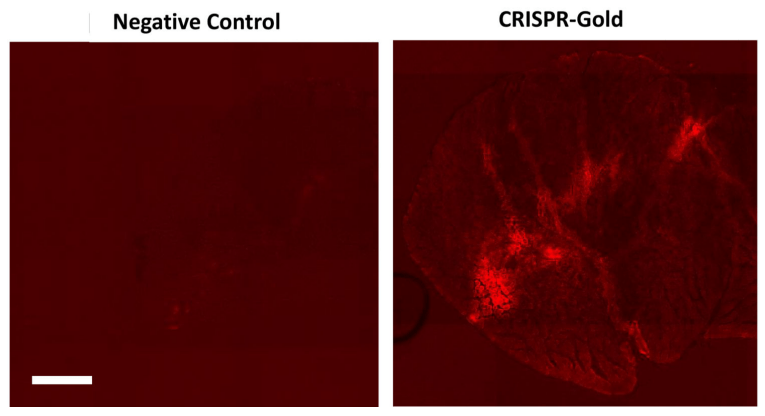
건강보험공단 홍보대사로 활동했던 그는 지난해 허리디스크와 급성심근경색으로 방송활동을 멈췄을 정도로 건강에 적신호가 왔다. 드라마출연 등 거듭되는 방송 일에다 수시로 바뀌는 촬영일정, 여기저기서 부르고 만나자는 사람들이 많아 운동을 규칙적으로 할 수 없었던 탓이다. 게다가 허리디스크로 잘 움직이지 못하고 스트레스까지 겹쳐 합병증으로 심근경색이 온 것이다. 8개월여의 약물치료 끝에 완쾌됐지만 그는 요즘 건강에 아주 신경 쓴다.
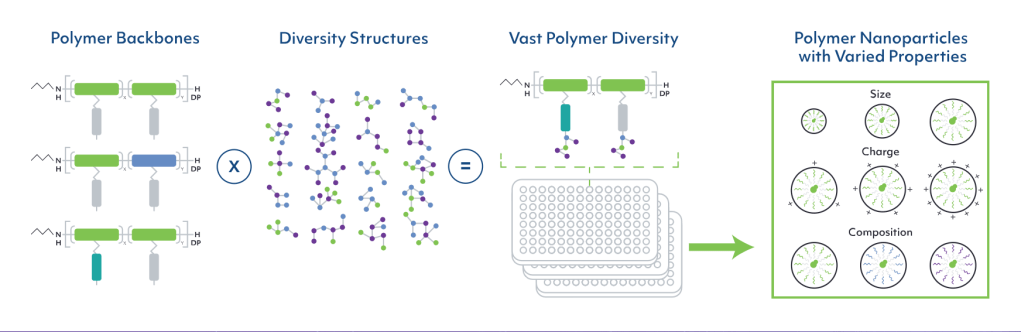
집 부근 텃밭을 가꾸고 가벼운 산책도 하며 몸을 추스른다. 될 수 있는 대로 심한 운동을 삼간다. 가벼운 스트레칭을 하고 마음을 편하게 먹으려고 한다.

병을 고치기 힘든 이들을 돕는 게 가치 있다고 생각합니다. 더 열심히 연기하고 어려운 사람들을 위해 기부·봉사하며 살겠습니다. 환자와 가족들에게 가장 큰 힘이 되는 것은 돈도, 다른 어떤 것도 아닙니다. 의사들의 따뜻한 말 한마디였습니다.

2000년 경희대로부터 한의학 명예박사학위를 받은 그는 2012년 봄 사과나무 60그루를 심었다. 잘 길러서 상품(上品)은 조합원으로 가입한 장흥농협을 통해 팔고 나머지는 지인들과 나눠먹을 꿈을 꿨으나 올해 농사는 실패했다.

벌레에다 산비둘기, 까치들이 쪼아 먹어 과실을 망쳤다. 하지만 내년엔 꼭 성공시킬 각오다.

[임현식 주요 약력]
* 전북 순창군 순창읍 남계리 출생(1945년 12월 31일)
* 광주광역시 살레시오고등학교, 한양대학교 연극영화학과 졸업(1964학번), 경희대학교 한의학 명예박사(2000년)
* 1969년 2월 MBC 1기 공채탤런트로 연예계 데뷔
* ‘한 지붕 세 가족’, ‘허준’, ‘대장금’, ‘멋진 친구들’, ‘모래시계’, ‘올인’, ‘타짜’ 등 1000여 편의 드라마 및 ‘라이어’, ‘미녀는 괴로워’, ‘올드미스 다이어리’ 등 영화 출연
* MBC 연기대상 최우수상(1990년), 백상예술대상 최우수연기상(1991년), SBS 연기대상 공로상(2004년) 등 수상
* 호남대학교 다매체영상학과 겸임교수, 중국 후난(湖南)대 겸임교수 역임(2006년 8월~)
* 서울 신설동 남서울예술종합학교 부학장 겸 연기예술학과 교수 역임
* 국민건강보험공단 홍보대사, 소소심(소화기?소화전?심폐소생술) 홍보대사, 착한운전 홍보대사, 양주시 홍보대사

[조연의 품격] 빛나는 조연, 애드리브의 달인 배우 임현식 – 월간조선 2017년 10월

“옛날 국립극장 연습실 벽에 ‘먼저 인간이 돼라’는 글귀가 걸려 있었어.
당시엔 아주 책임감 없는 얘기라고 생각했지만 돌이켜 보니 그게 맞는 말이었어.
그 말이 나를 사람 냄새 맡을 줄 아는 배우로 만들었어요”

⊙ MBC 공채 1기 탤런트 출신… 얄미울 정도로 능청스럽고 뻔뻔한 조연
⊙ “애드리브? 극 중 상황에 적합한 ‘딱 한 줄’이 생각날 때 하는 거지”
⊙ “‘나잇값 못한다’는 소리보다 ‘제값 못하는 배우’ 소리를 듣는 게 더 무서워”
⊙ 〈춘향전〉 〈별주부전〉 등의 판소리 가사 구해 읽고 자신만의 해학적 스타일 창조
⊙ “대충 눈치로 연기하면 비겁한 것밖에 안 되고, 남의 것 모방하는 것밖에 안 돼”

배우 임현식(林玄植·71) 하면 떠오르는 것들을 메모해 본다.
 
  해방둥이(1945년 12월 31일생), 음대 지망생(학창시절 바이올린을 켰다), 한양대 연극영화과 65학번(1년 재수를 했다), MBC 공채 1기 탤런트(당시 7차 면접까지 경쟁이 치열했다), 일일 연속극 〈당신〉에서 김수미의 남편(1978년 MBC 연기대상에서 조연상을 탔다), 순진한 생계형 잡범(드라마 〈수사반장〉), 이병훈 PD와 김종학 PD, 포교 갑봉이(드라마 〈암행어사〉), 무려 7년을 연기한 순돌이 아빠(드라마 〈한지붕 세가족〉), 능청스런 애드리브의 병부잡이 임오근(드라마 〈허준〉), 홍춘이(최란)~, 갈 곳 없던 장금이를 받아준 수라간 남자숙수 강덕구(드라마 〈대장금〉)까지 떠오르는 이미지가 셀 수 없이 많다.
 
  아차! 한 가지 더. SBS 드라마 〈타짜〉에서 전설의 평경장 역은 또 어떤가. 아귀와 짝귀가 2세대 타짜라면, 평경장은 전설의 1세대다. 그가 극 중 읊은 대사를 잠깐 옮겨본다.
 
  “일월 솔 외로운 내 마음, 이월 매화에 매어놓고, 삼월 벚꽃 스산한 내 신세, 사월 흑싸리 축 늘어져 있네. 오월 난초에 날아든 저 흰나비는 유월 목단에 웬 초상인가. 칠월 홍돼지 홀로 누워, 팔월 공산 허송할 제, 구월 국진 굳은 내 마음, 시월 단풍에 우수수~ 지네. 동지 외동에 오신단 님은, 섣달 장맛비에 갇혀만 있구려.”

임현식은 코미디언보다 더 웃기는, 얄미울 정도로 능청스럽고 엉뚱하며 뻔뻔하기까지 한, 그리고 주연을 빛나게 하는, 주연보다 더 인기 많은 조연으로 사랑을 받아왔다. 경기도 양주시 장흥면(송추계곡 근처)에 한옥을 지었지만 여전히 서울을 바라보며 캐스팅을 기다리고 있다.
 
  “요즘 노인네가 볼 프로그램이 없잖아. 예능 계통으로 나오는 애들이 반복적으로 일주일 내내 5~6개 프로(그램)씩은 하는 모양이야. 60 넘어 퇴직해서 2~3년 지나봐요. 진짜 별 볼 일 없어져. 손자, 할아버지, 할머니와 함께 볼 수 있는 사람 내 나는 이야기(프로그램)가 없어요. 요즘 노인네들 다닐 수 있는 곳이 지하철밖에 없다잖아. 그런 사람 위한 프로를 했으면 좋겠어. 노인 80% 이상이 허송세월하며 늙어 죽길 기다리면서 짜증만 내고 있다고….”

― 선생님은 꾸준히 활동하시잖아요.
 
  “나도 요즘은 캐스팅이 안 돼. 작년부터 날 안 써줘. 우리 또래 (캐스팅이) 되는 사람은 이순재씨, 박근형씨 하고 그 누구야, ‘네가 게맛을 알아?’ 하던….

 ― 신구 선생님?
 
  “그래 신구씨. 겨우 그런 분들이지. 60 넘고 (주름이) 자글자글해지면 갑자기 일들이 없어지니까….”
 
  ― 연극 쪽으론 어떠신가요.
 
  “하자고 제의는 오는데, 매일 나가 연습하고 싶지 않아. 연극은 팀워크가 중요하니까, 매일 얼굴을 맞대야 하잖아요. 선배라고 안 나가고, 역할이 적다고 안 할 수 없고…. 젊었을 때는 TV 때문에 거의 연극을 못했어. 40년 가까이 무대에는 못 올라갔지만, 지금 생각하면, 글쎄… 뮤지컬 같은 것은 하고 싶지.”
 
  ― 영화는요.
 
  “작년에 한 편 찍었어요. 제목이 〈삐빠빠 룰라〉라고 박인환·신구씨 하고 셋이서 찍었어. 내용이 뭐냐고? 노년의 우정과 사랑 이야기인데 저예산 영화야. 지난봄에 개봉하려다 못하고, 올 추석쯤 개봉될 거라고 해. 얼마 전에 보충 촬영도 다시 하고….”
 
  그러더니 지나가는 말투로 “영화를 찍은 지가 1년이 넘었는데 개봉도 안 하고…”라고 했다.

그에게 “왠지 결혼 주례 부탁을 많이 받으실 것 같다”고 했더니 “거절을 못하겠더라”며 이렇게 말했다.
 
  “음… 조연출이나 조명, 카메라 담당하는 후배들의 부탁을 거절하기 어렵더라고. 최소 10년은 넘게 같이 일한 사이니까. 지금까지 그럭저럭 100번 정도 주례를 섰지, 아마? 그래서 양주 100병이 생기기는 했지만 말이야. 하하하. 덕분에 주말과 휴일, 가족과 함께 보낼 수 없었지.”
 
  그는 대학시절인 1966년 연극무대에 처음 올랐고 69년 MBC 1기 공채 탤런트가 되면서 배우의 길을 걸었다. 연기경력이 햇수로 따지면 50년이 넘는다.
 
  “주로 TV 드라마 연기를 했는데 언제나 극 중 역할과 함께 살았어요. 매주 대본이 나오면 ‘이런 식으로 연기해야지’ 하면서 살았어. 자동차 속에서나 길을 걸을 때도 연기 생각을 했어. 어떨 때는 자기 역할에 대해 꿈도 꿔. 배우 중에 그런 사람이 많아요. 그래야 돼. (연기와) 같이 살아야 돼. 지금도 그렇지만 우리는 너무 열악한 환경에서 연기를 했어. 그래도 기가 막히게 연기를 해냈다고.”
 
  임현식의 애드리브 연기는 아무렇게나 나오는 게 아니다. 독특한 개성이 없으면 나올 수 없다. 리액션이 좋아야 하고 상대가 당황하지 않게 너무 튀어서도 곤란하다. 그리고 무엇보다 상황의 긴장감을 확 푸는, 재미와 위트를 주어야 제맛이다.
 
  “애드리브? 극 중 상황에 적합한 ‘딱 한 줄’이 생각날 때 하는 거지. 재미있고 상대가 당황하지 않아야 해. 당황하면 NG지 뭐. 애드리브를 할 때 감독 입에서 OK가 안 나오면 썰렁한 거지. 애드리브를 한다고 해서 다 OK 사인이 나오는 것은 아니니까. 입속에 침이 도는 것처럼 해보는데, 선택이 안 되고 (감독이) ‘있는 대로나 잘 합시다’ 그러면 섭섭하지.
 
  고(故) 김종학 감독이 내 애드리브를 무지 좋아했어요. 내 대본에 빨간 볼펜으로 수정한 흔적이 있으면 좋아했지. 대본이 깨끗하면 ‘형! 어제 술 먹었구먼’ 그래. 이병훈 감독도 날 그렇게 좋아했어. 내가 애드리브를 하면 다 하게 했어. 그래서 드라마 〈허준〉에서 병부잡이 임오근이란 역할도 만들어 낼 수 있었어.”
 
  ― 임오근 대사 중 상당 부분이 애드리브인 거죠.
 
  “많이 했지. 이병훈이 어떤 감독입니까. 철저한 감독인데 임오근 역할에 재미를 주려고 무지하게 애썼어. 나보다 한 살 나이가 많은데 서울대 농대를 나왔어. ‘산림과나 임업과에 다니지 왜 방송국에 왔냐’고 내가 면박을 줬어. 하하하.”

그는 〈허준〉의 임오근 캐릭터가 마음에 드는지 이야기를 또 꺼냈다.
 
  “임오근 역할은 아직도 사랑스러워. 나하고 최완규 작가, 이병훈 감독, 셋의 합작품이랄까. 내가 키워 먹은 역할이랄 수 있지.”
 
  ― 허준은 시종 진지하지만 임오근은 극 중 긴장을 푸는 역할이지요.
 
  “사실 임오근의 수명은 허준이 궁궐에 들어가면서 끝이야. 원래 대본에 그렇게 돼 있었어요. 그런데 내의원 시험에서 허준더러 ‘답안지를 쓸 때 겨드랑이를 들고 써주게’ 해서 커닝을 통해 궁에 들어간 거지. 말이 돼요, 그게? 하하하.
 
  ― 대본엔 임오근이 내의원에 들어갈 운명이 아니었던 거네요.
 
  “원래는 없었지. 진지하게 살아가는 허준과 밸런스를 맞추기 위해… 아니, 균형미까지는 생각할 수 없지만 그래도 (역할 비중이) 괜찮았어.”
 
  ― 배우 김주혁씨가 허준으로 나온 〈구암 허준〉도 봤는데 재미가 예전만 못하더라고요.
 
  “이병훈 PD가 〈허준〉을 잘 만들었어. 조경환 같은 조연들도 좋았고….”
 
  당시 조경환은 어의(御醫) 양예수로 허준의 스승인 유의태(이순재)와 불꽃 튀는 연기대결을 보여주었다.
 
  “(조경환은) 한양대 연극영화과 1년 후배였는데 안타깝게 세상을 떠났어. 좋은 친구였어….”

 ― 주연 연기와 조연 연기의 차이가 있나요.
 
  “주인공은 프로그램을 지켜나가는 주춧돌 같은 존재지. 정글이나 뻘밭(개펄)을 헤쳐 나가는 힘이 있어야 하고 또 배우로서 매력적으로 보이기도 해야지.
 
  반면 조연은 주연을 뒷받침하면서 반전의 브리지(bridge) 같은 역할을 하는 거지. 시청자(관객)로 하여금 헷갈리게 만들고 ‘저렇게 되려고 이렇게 했구나’ 하는 느낌도 주면서 극을 죽 끌고 나가는 존재지. 조연 연기로 인해 주인공의 힘을 약하게 만들면 안 돼. 드라마 〈타짜〉에서 평경장 역을 맡았는데 내가 너무 튄 거야. 내가 나오는 장면이 너무 많았어. 왜냐, 재미있게 연기하니까. 조연에게 관심이 너무 쏠리면 안 되거든. 〈타짜〉가 5, 6회를 넘어서면서 비중을 줄였어.”
 
  임현식은 “미니시리즈나 베스트셀러 극장에서 주인공을 하긴 했지만, 주연이든 조연이든 내 역할에 대해 ‘출연료 아깝다’는 이야기는 듣지 않았다”고 말했다.
 
  “‘임현식, 뭐 필요 있겠어?’ 하는 작품은 없었다고 생각해요. 살아오면서 나잇값 못한다는 소리보다 제값 못하는 배우라는 소리를 듣는 게 더 무섭다는 신념으로 살았으니까. 그리고 ‘열심히 하지만 쉽게, 잘 만들어진 인절미처럼 먹기 좋게’라는 의미처럼 시청자들 앞에 서려고 애썼지요.”
 
  ― 후배 배우를 볼 때, ‘싹수 있는’ 배우의 특징은.

 “자기가 연기를 잘하고 인기가 있으면 전부라고 생각하지만 세상이 그렇지 않아요. 아무리 연기를 잘해도 ‘싸가지 없는’ 친구 중에 잘된 배우는 없어요. 잘되고도 망한 배우 많잖아.
 
  배우는 캐스팅을 잘 받아 인기를 얻는 경우가 많아. 물론 연기도 잘해야겠지. 이 계통에서 캐스팅을 잘 받으려면 우선 인간이 돼야 해. 겸손하고 붙임성이 있어야 하고. 그리고 책을 많이 읽어야 해요. 내가 학교 다닐 때 화학, 수학, 영어는 못했지만 나머지 과목은 다 잘했어. 책 읽기를 그렇게 좋아했고. 대학시절에는 일주일에 희곡 한 편씩은 꼭 읽었거든. 1년이면 40~50편씩을 읽었어. 지루하고 어려운 희곡집도 계속 읽다 보면 자연스레 좋아져요.
 
  배우는 아는 게 진짜 많아야 돼. 그래야만 (연기를) 풀어낼 수 있는 순발력이 생겨요. 대충 눈치로 하면 비겁한 것밖에 안 되고, 남의 것 모방하는 것밖에 안 돼. 마음에서 우러나오는 연기를 하려면 책을 읽는 수밖에 없어요. 그땐 책밖에 없었지만 지금은 볼 것이 많잖아. 배울 수 있는 모든 것을 섭렵해야 해요.”
 
  이 대목에서 배우 임현식의 연기철학이 묻어 나왔다.
 
  “배우는 새로운 것을 빨리 섭렵하고 대처하는 능력이 있어야 돼요. 성품도 좋아야 하고 눈치도 빨라야 해요. ‘이런 상황에선 저런 것은 피해야 하는구나’ ‘저 감독은 이런 성격이네. 그러니 이렇게 해야겠네’ 하고 말이지. 그래야 캐스팅이 잘돼. 조금이라도 싸가지가 없이 행동하거나 자기보다 덜 유명한 배우를 하찮게 여기면 안 돼. 사랑이라는 것도 우러나서 하는 것도 있지만 연습을 통해 되는 것도 있어.

옛날 국립극장 연습실 벽에 ‘먼저 인간이 돼라’는 글귀가 걸려 있었어. 당시엔 아주 책임감 없는 얘기라고 생각했지만 돌이켜 보니 그게 맞는 말이었어. 그 말이 나를 사람 냄새 맡을 줄 아는 배우로 만들었어요.”

“《셜록홈즈》를 읽고 자극받곤 했어”

  배우 임현식은 1945년 태어난 ‘해방둥이’다. 해방둥이 중에는 기자 조갑제, 작가 고 최인호, 가수 조영남, 영화감독 이장호, 정치인 이재오, 배우 김을동·선우용녀·박인환·김기현·최주봉·장용·남성훈 등 성공한 이가 많다.

  그는 전북 순창에서 자라나 전라도 광주에서 학창시절을 보냈다. 1964년 광주 살레시오고를 졸업한 뒤 1년 재수를 하고 한양대 연극영화과에 진학했다.

  “해방둥이? 말뿐이지, 그냥 열심히 살았어. 경쟁이 치열했고, (연기로) 데뷔조차 어려운 시절이었어. 내 자식은 죽으나 사나, 똥밭을 구르더라도 서울에서 성공시키려고 교육열이 높았지. 해방둥이 중에 자수성가한 이도 있지만, 별 볼 일 없이 몰락한 사람도 많아.

  난 학창시절 끼가 있었어. 대립관계에 있던 친구가 한 명도 없었어. 도처에 파벌이 있었지만 이쪽하고 친하고, 저쪽에서도 어울렸어.

  남달랐다면 독서를 좋아해서 소설 속 주인공을 떠올리며 ‘아, 이럴 땐 이렇게 연기해야 한다’는 식으로 시나리오를 만들고 각색도 했어요. 어떨 때는 그런 상상을 하며 잠을 설쳤어. 탐정소설인 《셜록홈즈》를 읽고 자극받곤 했어. 홈즈 같은 역할을 하고 싶었고 최소한 왓슨 같은 조연 연기를 해도 잘할 것 같다고 생각했어. 하하하.”

  ― 재수를 해서 한양대 연극영화과에 갔다지요.

  “대입에 떨어질 때는 연세대 정외과를 가고 싶었어. 그땐 정외과가 의대 성적하고 비슷했어. 이듬해 마음을 고쳐 먹고 연극영화과에 갔는데 당시 한양대 외에도 중앙대, 서라벌예대에 연영과가 있었어. 중앙대는 뭐랄까 좀 ‘시크’한 맛이 없어서 한양대를 갔어. 그땐 한양대 가는 것도 어려웠어요.

  막상 연영과에 갔지만 제대로 된 교재가 있나, 배울 게 없었어. 그때 연기이론에 관한 지식을 얻으려고 러시아 출신 연출가인 스타니슬랍스키(Konstantin Stanislavskii·1863~1938)의 책을 일본에서 구해 번역해 읽었어. 어머니(故 裵安順)가 스타니슬랍스키 일본판 이론서를 1년간 번역하셔서 내 책꽂이에 꽂아주셨어. 어머니가 일제시대 때 소학교 교사여서 일본어에 능하셨거든.

  번역된 원고를 등사기로 프린트해서 친구들과 나눠 읽었어요. 배울 것이 없었고 가르치는 사람도 그렇고, 학교 다닐 때 불만이 많았어. 어머니는 내 장래가 걱정이 되어 한복을 얌전히 차려입고 한양대의 그 높던 ‘150개 계단’을 올라 주임교수를 ‘인터뷰’하셨지. 아주 유명한 일화야. ‘우리 아들이 졸업하게 되면 어떻게 됩니까’ 하고. 얼마나 아들이 시원찮았으면….”

  ― 아들에 대한 기대가 컸던 모양이네요. 장남이신가요.

  “나에 대한 기대가 컸고 헌신적이셨어. 어머니는 나 하나를 낳으시고… 아버지(故 林炳夏)는 6·25 당시 《세계일보》 기자셨어. 일본 니혼대 정치학과를 나온 지식인이셨고. 8년간 기자생활을 하시다가 어머니와 스물일곱 때 결혼하셨어. 내가 여섯 살 때 6·25가 발발했는데 동료 기자들과 함께 취재하러 갔다가 소식이 끊어졌어.

  어머니는 일주일 후 돌아온다던 사람이 안 오니까, 아버지를 기다리는 게 평생의 역할이었어요. 마치 소녀처럼 스물아홉부터 수절하셨어요.”

1969년 MBC 1기 공채 탤런트 시험에 뽑혔지만 처음부터 두각을 나타내진 못했다. 무명 연기자로 지내다 생활고 해결을 위해 양주 장흥면으로 이사를 했다. 연기자로 활동하면서 농사와 목축업에 손을 댔다.

  “양주 송추에 온 지가 1973년 6월에 왔으니까 44년쯤 됐어요. 서울에서 부질없이 집만 갖고 살면 뭣 하느냐고 어머니가 말씀하셨어. 그래서 이곳에 땅을 사서 집을 짓고 젖소도 키웠는데 다섯 마리로 시작해서 11년간 소를 길렀어요. 우유를 짜서 서울우유에 납품도 했어요. 어머니랑 나랑 둘이서. 어머니가 고생을 많이 했어. 어머니와 같이 일하던 동네 아주머니도 지금은 다 돌아가셨어. 당신도 여든한 살 때 떠나셨어. 너무 부지런하셨어. 죄송한 마음뿐이지.”

  다시 연기 얘기로 돌아가 보자. ‘신인배우’ 임현식은 당시 잘나가던 배우 신성일을 꿈꾸며 연기를 시작했다. 사실 모든 배우가 주인공이 되는 것을 기대한다.

  “젊었을 때 나도 잘생겼어. MBC 탤런트 공채 시험을 볼 때 7차까지 시험을 쳤는데, 마지막 관문이 사장 면접이야. 사장이 내게 그래요. ‘얼굴이 밋밋하지 않아?’ 하고. 사실 그렇게 평범했어요.

  배우는 주연 같은 ‘이도령 과(科)’가 있고 조연 같은 ‘방자 과’가 있다고 생각해. 기왕에 탤런트가 됐으니 이도령 같은 주인공이 되길 바랐지. 우리 집안에서는 내가 탤런트에 합격하기 전까지 나를 사람으로 안 봤어. ‘저거는 큰아버지 계신 순창으로 내려가 정미소 일이나 하지, 배우가 뭐냐’ 그랬어. 몇 년간 무명으로 고생이 많았어요.

  물론 나도 ‘이도령’ 같은 주인공 연기를 할 수는 있다고 생각해. 표준말로 대사를 또박또박 말하고 감독이 하라는 대로 할 수는 있지만 매력이 없었을 거야. 그러나 방자(조연) 역할로 선회하면서 내 끼를 발휘할 수 있었어.”

  ― 배우를 꿈꿀 때 롤모델이 있었나요.

  “배우 지망생이라면 누구나 신성일을 꿈꿨지. 나도 대학 다닐 때 신성일 영화는 빼놓지 않고 봤어요. 신성일처럼 젊고 힘이 넘치는 청춘의 심벌이 되고 싶었어. 난 언제 저렇게 될까… 하고 맹(멍)하게 있었다면 아무것도 못하고 고향으로 내려가 정미소에서 쌀이나 빻고 살았겠지.”

  ― 이도령 대신 방자 역할을 잘 택했네요.

  “자연히 그렇게 됐다고 할 수 있지. 그렇게 하지 않았더라면 연기를 못했을 겁니다. 누가 뽑아주지도 않았을 거고.”

  ― 어머니는 아들이 방자 역할을 하는 데 어떤 생각이었을까요.

  “어머니는 내게 ‘의젓하고 차분하게 (연기)하라’고 하셨어. 목소리도 착 내려 깔고 중후하게 하라셨어요. 어쩌면 당신이 돌아가실 때까지 내게서 ‘방자’가 아닌 ‘이도령’이나 ‘신성일’을 기대하셨는지 몰라요. 당시 그렇게 인기 있던 〈허준〉을 보시면서도 ‘저런 걸 보고, 뭘 잘했다고 사람들이 상을 주는지 모르겠다’고 하셨어. 하하하.”

  그는 어머니 얘기에 신이 났는지 이렇게 덧붙였다.

  “우리 어머니도 영화를 굉장히 좋아하셨어요. 영화 〈누구를 위하여 종은 울리나〉를 좋아하시고, 〈바람과 함께 사라지다〉를 몇 번이나 보셨는지 몰라. 아침 10시에 영화관에 들어가 밤 10시에 나오시는 분이니까.”

  ― 우리 아들은 그래도 〈허준〉의 주인공인 전광열쯤은 돼야 한다고 생각했나 보네요.

  “아마 전광열처럼 주인공을 해야 우리 어머니, ‘광열이 때문에 우리 아들 밥 해주러 다니느라고 힘이 드네’라고 했을 것인데 하하하. 모임에 나가서 어느 분이 내 연기를 칭찬하면 ‘무엇이 그게 잘하는 것인가?’ 그러셨대.”

  ― 아들에 대한 기대가 너무 높으셨든지, 일부러 그러셨든지….

  “그런데 〈한지붕 세가족〉에 출연할 때 내 역할을 진지하게 보셨어. 나의 개방적인 연기가 어머니가 보시기에 불안하고 싫게 보일 수 있었지만 그래도 ‘현식이는 철학이 있네’ 그랬어. 그러고 보니 〈한지붕 세가족〉을 7년간 했는데, 그땐 어떻게 해야 남들과 다른 연기를 할까 고민하던 시절이었어. 그것이 지금의 캐릭터를 찾고 살에 살을 붙이고 (캐릭터를) 구상해 나갈 수 있게 했어. 나의 연기방식을 키워나가는 데 자신감을 갖게 한 거지.”

  그는 당시 자신만의 연기방식을 찾기 위해 전북 부안, 전주, 순창까지 내려가 〈춘향전〉 〈별주부전〉 등의 판소리 가사를 직접 구해 읽었으며, 자신만의 해학적 스타일을 만들어 낼 수 있었다고 한다.

  “전라도 사투리가 구수하고 그 내용이 재미있잖아. 그런 대사를 마음껏 구사하려고 고민했어. ‘방자’는 할 수 있지만 ‘이도령’은 마음껏 대사를 못하잖아요.”


“배우는 너무 잘생겨도 싫어해. 난 평범하니까”

  ― 배우 중 라이벌은 누군가요.

  “내 연기의 라이벌… 임현식이 느끼는 라이벌은 없었어. 나는 자신만만했어, 누구에게든지. 초창기 백일섭씨는 나보다 잘나갔지. 내가 고생할 때 말이야. 그에게 처음에는 (내가) 꿀렸는데 중간에 시들해졌어.”

  ― 좋아하는 음식은.

  “다 좋아하는데 겉절이 김치는 안 좋아해요. 겉절이는 왠지 풀 냄새가 나서…. 아무리 젓갈 넣고 해도 그래. 김장할 때 포기 배추 찢어 입안에 넣어주면 먹긴 해도 별로야.”

  제대로 익은 그의 연기처럼 묵은지를 좋아한다는 얘기였다.

  ― 좋아하는 배우는.

  “열심히 하고 능력 있는 배우가 좋아. 20년 전에 송강호를 봤는데 요즘엔 너무 커버려서 완전히 어른 노릇을 하고 있어서 이상하더라고. 연기자로선 좋긴 한데, 음… 아직… 마음으로 안 해. 분위기나 눈치를 보는 것 같은 모습도 보이고…. 역시 좋아하는 배우는 영화 〈대부〉의 로버트 드니로지.”

  몇 달 전 임현식은 알레르기 천식으로 입원했다. ‘호흡 곤란’을 느껴 산소 호흡기를 사용할 정도로 한때 상태가 좋지 않았다. 임현식의 입원 사실이 전해지자 건강을 걱정하는 인터넷 댓글들이 넘쳐났다. 그는 대학시절부터 피우던 담배를 아예 끊어 버렸다.

  “어렸을 적부터 잘 먹고 잘 까불고 그랬어. 평생 건강을 자신하며 밤낮없이 일하면서 살았어요. 당시엔 나 자신을 아껴가며 연기한다? 그런 배우는 없었어.

  담배를 피운다는 것… 뭔가에 집중해 대사를 외거나, 연기 차례를 기다리는 긴장의 순간에, 그렇게 부질없이 담배를 피우고 다른 한 손으론 커피를 마셨어. 니코틴은 중독도 중독이지만 습관이 중독되니까. 허망한 느낌도 있고…. 지금은 금연 홍보대사가 됐어요. 담배 피우면 성교를 한 뒤 몸이 축 처지는 느낌이랄까? 담배를 피우면 자신의 기를 죽이게 되는 것이지. 지금 자라나는 청소년들이 그런 느낌을 절대 가져선 안 돼요. 담배가 인생에서 손해라는 사실을 내가 깨달았을 때는 이미 늦어 버렸어요.”

  ― 걱정하는 팬들이 얼마나 많은지 놀랐어요.

  “귀여움을 시청자에게 많이 받았어. 질투를 하거나 날 시뜻하게 쳐다보는 이도 없고…. 배우는 너무 잘생겨도 싫어해. 난 평범하니까… 그렇게 해(害) 줄 사람같이 안 보이잖아.”

  ― 어떤 배우로 기억되길 바라세요.

  “동네에서 콧노래 흥얼거리며 바람처럼 지나가는 아저씨로 기억해 주면 좋겠어. 오래 기억 안 해줘도 괜찮아. 한 시대를 이웃들과 함께 웃고 함께 살았다는 것만 기억해 주면 좋지. 사람이 싸가지 없게, 아는 척도 안 하고 사는 분들이 많잖아. 하하하.”⊙

BIOTECH (114) UCB Ra Pharmaceuticals: mRNA Display Platform for Macrocyclic Peptides

<보스턴 임박사의 바이오텍 보고서 114호?

Ra Pharmaceuticals는 Nobel Laureate인 Jack W. Szostak교수 (Picture) 와 Burckhard Seelg교수가 2007년에 Nature에 보고한 mRNA Display 기술을 이용해서 Macrocyclic Peptide Drugs를 개발하기 위해 설립되었다.

mRNA Display 플랫폼 기술의 장점에 대해 Burckhard Seelig 교수가 2020년 ACS Synthetic Biology에 리뷰한 논문에 의하면 Phage Display 등과 비교해서 훨씬 다양한 peptide library를 만들 수 있는 장점이 있다.

Ra Pharmaceuticals는 Jack Szostak교수와 Doug Treco 박사등이 공동으로 2008년에 설립하고 2012년에 $27 Million Series A를 할 수 있었다.

2015년에 첫번째 화합물인 Zilucopan (RA101495)가 2015년 12월에 임상1상에서 첫번째 환자에게 주사되었다. 2017년에는 Orphan Drug Designation을 받았고 2023년에 FDA로 부터 Zylbrisk라는 이름으로 승인되었고 EMA, MHRA 등에서도 승인됨으로써 mRNA Display 플랫폼 기술로 상용화된 최초의 약물이 되었다.

2013년에 시작한 Merck와 공동연구계약으로 Oral PCSK9 Inhibitor인 MK-0616이 개발되었다. 2019년에 임상 1상에서 첫번째 환자가 약물을 복용하였고 2023년에 임상3상에 진입해서 pivotal clinical trials가 진행 중이다.

Zilucopan의 가능성을 알아 본 UCB가 2021년에 Ra Pharmaceuticals를 100% 프리미엄 가격인 $2.5 Billion에 인수하였다.

mRNA Display 기술이 2007년에 Nature에 보고된 이후에 2023년에 Zilucopan이 상용화되기까지 16-17년간의 여정이었다. Zilucopan은 peak sales로 $1 Billion 이상을 보고 있는 Blockbuster Drug 가능성이 높은 약물이다. 또한 Oral PCSK9 약물인 MK-0616이 상용화된다면 Multi-billion dollar blockbuster가 탄생할 수 있을 것으로 기대한다. 과학기술의 발전이 환자들에게 유용하게 쓰인 좋은 예라고 생각한다.

2019년말에 발표한 Corporate Presentation에 나타난 Pipeline은 아래와 같다.

Ra Pharma Closes $8.6 Million Second Tranche of $27 Million Series A – Biospace 5/16/2012

“Ra Pharmaceuticals is developing Cyclomimetics to address diseases with significant unmet medical need, such as HAE,” said Doug Treco, Ph.D., Co-Founder, President and CEO, Ra Pharmaceuticals. “The only FDA-approved treatment for the prevention of HAE attacks is delivered intravenously every 3 to 4 days and produced from human blood. Our synthetic Cyclomimetics are easily produced, and could offer a stable, highly potent option for patients suffering from HAE. In addition, Cyclomimetics have the potential to be orally-available, which would significantly increase the quality of life for patients with HAE.”

Treco continued, “We will continue to build out our pipeline using our high-diversity drug discovery platform capable of generating optimized lead candidates in a matter of weeks, but also hope to secure discovery and development partnerships as we gain momentum with our internal programs. The Company is on sturdy ground with the recent 2nd tranche closing of our $27M series A financing and a strong IP portfolio covering our lead candidates, display technologies and the ability to generate peptidomimetic libraries with multiple non-natural amino acids.” Dr. Treco will present “Direct selection of cyclic peptidomimetics from in vitro display libraries” at TIDES, the Oligonucleotide and Peptide Research, Technology and Product Development Conference on Wednesday, May 23, 2012, at 10:00 am PT at the Mandalay Bay Resort & Casino in Las Vegas, NV.

About Cyclomimetics™

Cyclomimetics are peptide-like molecules characterized by their cyclic structure and backbone and side-chain modifications that provide unique, beneficial properties not found in natural peptides. The result is a highly specific and stable molecule with improved cell permeability and the potential for greatly increased bioavailability.

Cyclomimetics result from the Company’s proprietary Extreme Diversity™ platform. The platform is unique in that it combines in vitro display technology, a completely defined translation system and a wide variety of non-natural amino acids. Unlike certain other display technologies, in vitro display does not require the use of a bacterial or yeast host, and it can produce libraries of 10 to 100 trillion members. Further, the technology has the potential to address protein-protein interactions and other previously undruggable targets.

Ra Pharmaceuticals Announces Broad Collaboration with Merck to Develop Cyclomimetics™ – Fierce Biotech 4/1/2013

Ra Pharmaceuticals today announced it has entered into a collaboration with Merck, known as MSD outside the United States and Canada, focused on the development of Cyclomimetics™, a new class of compounds that have the diversity and specificity of antibodies while retaining the attributes of small molecules. Under the agreement, Ra Pharmaceuticals will use its proprietary Extreme Diversity™ platform to develop Cyclomimetic candidates for protein targets in multiple therapeutic areas.

Cyclomimetics have novel properties that enable the targeting of protein-protein interactions, a property sought after for a wide range of disease indications,” said Doug Treco, Ph.D., Co-Founder, President and CEO, Ra Pharmaceuticals. “The collaboration with Merck highlights the broad potential of our Extreme Diversity platform and provides us with the resources to strengthen and advance our core technology.”

Under the terms of the agreement, Ra Pharmaceuticals is eligible to receive up to $200 million in payments, including up-front and research funding, as well as upon the achievement of discovery, development, regulatory and commercialization milestones for multiple targets.

Cyclomimetics™ are peptide-like molecules characterized by their cyclic structure and backbone and side-chain modifications that provide unique, beneficial properties not found in natural peptides. The result is a highly specific and stable molecule with improved cell permeability and the potential for greatly increased bioavailability.

Ra Pharma was incorporated in 2008 and secured a $27M Series A in February of 2010 led by New Enterprise Associates with Morgenthaler Ventures, Novartis Venture Funds and Amgen Ventures participating.

2015년에 $58.5 Million Series B를 할 수 있었다.

Ra Pharmaceuticals Announces $58.5M Series B Financing – Business Wire 7/23/2015

Ra Pharmaceuticals today announced it has completed a $58.5 million Series B financing co-led by RA Capital Management, Novo Ventures, and Lightstone Ventures, and joined by new investors Rock Springs Capital and Limulus Venture Partners. All of the Company’s existing investors, which include New Enterprise Associates (NEA), Novartis Venture Fund, Morgenthaler Ventures, and Amgen Ventures, also participated in the significantly oversubscribed round. The proceeds of the financing will be used to generate human proof of concept data for its lead molecule, RA101495, in multiple indications. RA101495 is a next generation complement C5 inhibitor and is expected to enter Phase 1 clinical studies for the treatment of paroxysmal nocturnal hemoglobinuria (PNH) in late 2015. This financing will also allow the Company to advance multiple product candidates derived from Ra Pharma’s proprietary Extreme Diversity™ platform, including the development of a broader pipeline of products targeting additional diseases of the complement system.

“RA101495 has the potential to be transformative for patients with PNH and other complement system disorders as a self-administered, subcutaneous product,” said Doug Treco, PhD, Founder and CEO of Ra Pharma. “The molecule potently inhibits C5 activation through a unique mechanism of action, and preclinical data demonstrate a near complete inhibition of hemolysis, the hallmark of PNH, in non-human primates.

We’ve been impressed by the quality of the C5 inhibitor data, the team, and the potential for future breakthroughs using the Company’s core discovery platform,” noted Rajeev Shah, Managing Director at RA Capital Management. “We are very excited to be a part of this program and look forward to contributing to a shift to improved therapies for the treatment of PNH and other complement system disorders.” Upon closing the financing, Mr. Shah and Peter Tuxen Bisgaard, Partner at Novo Ventures (US) Inc., have joined Ra Pharma’s Board of Directors.

Ra Pharma also announced today that its multi-target collaboration that was established in April 2013 with a subsidiary of Merck & Co., Inc., known as MSD outside the United States and Canada, has been extended. “We are pleased to have the opportunity to continue to work closely with Merck scientists,” stated Dr. Treco. “The collaboration has allowed us to apply our technology to some particularly difficult targets, and Merck’s continued commitment is a testament to the power of the Extreme Diversity Platform to deliver highly differentiated peptides and the success we have had to date in the collaboration.”

Ra Pharma Announces Initiation Of First-In-Human Clinical Trial Of Novel Complement C5 Inhibitor – Biospace 12/2/2015

Ra Pharmaceuticals announced today that it has launched a Phase 1 study of its synthetic peptide C5 inhibitor, RA101495. The Phase 1 trial is a randomized, double-blind study designed to test the safety of single, escalating doses of RA101495 and to establish the pharmacokinetics and pharmacodynamics after subcutaneous administration in healthy volunteers.

IPOs: Ra Pharma raises $92M, as Pfizer to gain rights to Myovant – Fierce Biotech 10/26/2016

Rare disease play Ra priced its offering right at the midpoint of its anticipated range at $13. In an optimistic gesture, it bumped up the number of shares sold to 7 million from an anticipated 5.8 million. That enabled it to raise a whopping $92 million, up from the previously expected $75 million.

As for Ra, its newly raised cash will go to back its lead candidate, RA101495, in Phase II testing. It plans to start a Phase II trial of the subcutaneous injectable to treat paroxysmal nocturnal hemoglobinuria (PNH) during the first quarter of next year with data due during the second quarter. It’s also got a Phase II trial slated for RA101495 to treat refractory generalized myasthenia gravis (rMG) lined up for the second half of 2017.

RA101495 is a synthetic macrocyclic peptide, a ring-shaped chain of amino acids, which is an inhibitor of complement component 5 (C5). This plays a key role in the rupture and destruction of red blood cells that is associated with PNH. The only approved drug for PNH is Alexion’s ($ALXN) blockbuster Soliris (eculizumab), a biweekly intravenous drug that’s a C5 inhibitor.

Ra expects that RA101495 will be a daily subcutaneous injection that, unlike Soliris, will be self-administered, thereby offering more convenience and flexibility.

Ra Pharma Receives Orphan Drug Designation From The U.S. FDA For RA101495 For The Treatment Of Paroxysmal Nocturnal Hemoglobinuria – Biospace 7/31/2017

Ra Pharmaceuticals, Inc. (NASDAQ:RARX) today announced that the U.S. Food and Drug Administration (FDA) has granted Orphan Drug Designation to RA101495 for the treatment of paroxysmal nocturnal hemoglobinuria (PNH). Ra Pharma is a clinical stage biopharmaceutical company focusing on the development of next-generation therapeutics for the treatment of complement-mediated diseases. RA101495, the Company’s lead clinical candidate, is a synthetic macrocyclic peptide inhibitor of complement component 5 (C5). The molecule is currently in Phase 2 clinical development as a self-administered subcutaneous (SC) injection for the treatment of PNH, a rare, chronic, life-threatening blood disorder where red blood cells are attacked and destroyed by the complement system.

Ra Pharmaceuticals Announces Pricing of Public Offering of Common Stock – Biospace 2/14/2018

Ra Pharma (NASDAQ: RARX) (“Ra Pharma”) today announced the pricing of an underwritten public offering of 8,400,000 shares of its common stock at a public offering price of $6.00 per share, before underwriting discounts. Ra Pharma also granted the underwriters a 30-day option to purchase up to an additional 1,260,000 shares of common stock. The gross proceeds from the offering, before deducting underwriting discounts and estimated offering expenses, are expected to be $50.4 million, excluding any exercise of the underwriters’ option to purchase additional shares. All of the shares in the offering are to be sold by Ra Pharma.

Ra Pharmaceuticals Receives Development Milestone Payment Under Agreement with Merck – Business Wire 12/6/2018

Ra Pharmaceuticals, Inc. (NASDAQ:RARX) today announced that it has received a development milestone payment under its collaboration agreement with Merck, known as MSD outside the US and Canada. The milestone payment is associated with the companies’ collaboration for a non-complement cardiovascular target with a large market opportunity. Initiated in 2013, this collaboration leverages Ra Pharma’s Extreme Diversity™ platform aimed at producing macrocyclic peptides that have the diversity and specificity of antibodies, while retaining the pharmacologic attributes of small molecules.

Our Extreme Diversity platform allows us to create drug-like peptides with high bioavailability, stability, cell permeability, and potency, potentially filling unmet needs associated with monoclonal antibody, biologic, and peptide therapies,” said Doug Treco, PhD, President and Chief Executive Officer of Ra Pharma. “As our collaboration with Merck has demonstrated, this chemistry, and the large libraries of drug-like molecules it enables, allow us to rapidly identify orally-available lead peptides, and we are pleased to have delivered these peptides to Merck.”

“The advancement of our collaboration with Merck, in parallel with the clinical progress of zilucoplan, our lead internal pipeline candidate in development for generalized myasthenia gravis, paroxysmal nocturnal hemoglobinuria, and other complement-mediated diseases, underscores the power and productivity of our platform for drug discovery,” Dr. Treco added.

Under the terms of the agreement, Ra Pharmaceuticals is eligible to earn up to $59 million in additional milestone payments from Merck based upon the achievement of development, regulatory, and commercialization milestones. Ra Pharma is also eligible to receive low-to-mid single digit percentage royalties on any future sales of compounds resulting from the collaboration.

Ra Pharmaceuticals Announces Pricing of Public Offering of Common Stock at $15.50 Per Share – Biospace 12/11/2018

Ra Pharmaceuticals, Inc. (Nasdaq: RARX) (“Ra Pharma”) today announced the pricing of an underwritten public offering of 8,387,097 shares of its common stock, at a public offering price of $15.50 per share, before underwriting discounts and commissions. Ra Pharma also granted the underwriters a 30-day option to purchase up to an additional 1,258,064 shares of its common stock. The gross proceeds from the offering, before deducting underwriting discounts and commissions and estimated offering expenses, are expected to be approximately $130.0 million, excluding any exercise of the underwriters’ option to purchase additional shares. All of the shares in the offering are to be sold by Ra Pharma.

Ra Pharmaceuticals Announces Pricing of Public Offering of Common Stock at $32.50 per share – Biospace 7/24/2019

Ra Pharmaceuticals, Inc. (Nasdaq: RARX) (“Ra Pharma”) today announced the pricing of an underwritten public offering of 4,000,000 shares of its common stock, at a public offering price of $32.50 per share. Ra Pharma also granted the underwriters a 30-day option to purchase up to an additional 600,000 shares of its common stock. The gross proceeds from the offering, before deducting underwriting discounts and commissions and estimated offering expenses, are expected to be approximately $130 million, excluding any exercise of the underwriters’ option to purchase additional shares. All of the shares in the offering are to be sold by Ra Pharma.

Ra Pharmaceuticals Earns Clinical Development Milestone for Oral Macrocyclic Peptide Candidate Targeting Cardiovascular Indication Under Agreement with Merck – Biospace 8/21/2019

 Ra Pharmaceuticals, Inc. (Nasdaq:RARX) today announced that it has earned a clinical development milestone under its collaboration agreement with Merck, known as MSD outside the U.S. and Canada. The milestone is associated with the dosing of the first patient in a Phase 1 clinical trial evaluating an investigational orally-available macrocyclic peptide for a non-complement cardiovascular target with a large market opportunity from the companies’ collaboration.

“I’m extremely excited to have reached this significant milestone, which notably marks the second compound from Ra’s Extreme Diversity™ platform to enter human clinical testing,” said Doug Treco, Ph.D., President and Chief Executive Officer of Ra Pharma. “The continued progress of our collaboration with Merck, in parallel with the advancement of our internal pipeline, including zilucoplan, our lead clinical candidate in development for the treatment of multiple tissue-based complement-mediated disorders, underscores the robust and broad potential of our platform technology across a range of therapeutic areas.”

Initiated in 2013, the Merck collaboration leverages Ra Pharma’s Extreme Diversity platform aimed at producing macrocyclic peptides that are designed to have the diversity and specificity of antibodies, while retaining the pharmacologic attributes of small molecules, with the potential to allow for the rapid identification, design, and development of drug-like peptides with high stability, bioavailability, cell permeability, and potency.

Under the terms of the agreement, Ra Pharma is eligible to earn up to $56 million in additional milestone payments from Merck based upon the achievement of development, regulatory, and commercialization milestones. Ra Pharma is also eligible to receive low-to-mid single digit percentage royalties on any future sales of compounds resulting from the collaboration.

UCB strikes $2.5B deal to buy Ra for rival to Alexion’s Soliris – Fierce Biotech 10/10/2019

UCB Pharma has struck a $2.5 billion (€2.2 billion) deal to acquire Ra Pharmaceuticals. The takeover will give UCB control of a phase 3 rival to Alexion’s Soliris that some analysts have tipped to rack up blockbuster sales.

Ra is focused on a once-daily, self-administered, subcutaneous C5 inhibitor called zilucoplan. The peptide moved into phase 3 in myasthenia gravis earlier this month on the strength of midphase data suggesting it may pose a threat to Alexion’s claim on the indication and its broader stranglehold on the market for complement-mediated disease therapies.

UCB, which has its own phase 3 myasthenia gravis asset, sees zilucoplan as a good fit for the growth plan it set out at the start of the year. To acquire the drug, UCB has put together a deal worth $48 a share, a more than 100% premium over Ra’s closing price yesterday. 

That premium, which results in a deal worth $2.5 billion, or $2.1 billion net of Ra’s cash, reflects the belief that zilucoplan can generate blockbuster sales. Jefferies analysts think U.S. sales of zilucoplan in myasthenia gravis will top out at around $630 million, powering the therapy to worldwide peak sales in excess of $1 billion and leading them to back UCB’s decision to strike the deal. 

“[Myasthenia gravis] is a space UCB knows well, and with zilucoplan’s potential the proposed deal makes strategic sense,” the analysts wrote.

UCB’s knowledge of the myasthenia gravis space stems from its development of rozanolixizumab, an anti-FcRn antibody that is in phase 3 development in the indication. The overlap between UCB and Ra’s pipelines could create antitrust issues given the difficulties Bristol-Myers Squibb and Roche have faced in their acquisitions of Celgene and Spark Therapeutics, respectively.

However, UCB expects the deal to close without incident by the end of the first quarter of 2020. The Jefferies analysts said UCB’s confidence is based on differences between the mechanisms of action of zilucoplan and rozanolixizumab, which the pharma company thinks makes the drugs complementary rather than competitive.

If the deal closes, UCB will take zilucoplan to key readouts. Data from the phase 3 myasthenia gravis trial are due early in 2021. By then, UCB should have data from a phase 2 trial of zilucoplan in immune-mediated necrotizing myopathy that is due to start soon. Ra is also developing an extended release formulation of zilucoplan and an oral C5 inhibitor that are due to enter the clinic next year. 

Safety and efficacy of zilucoplan in patients with generalised myasthenia gravis (RAISE): a randomised, double-blind, placebo-controlled, phase 3 study. The Lancet 2023, 22, 395-406. James F. Howard Jr. et al.

FDA Approves Zilucoplan for Generalized Myasthenia Gravis in AChR Antibody-Positive Adults – Pharmacy Times 10/18/2023

Zilucoplan (Zilbrysq; UCB, Inc.) has been granted FDA approval for the treatment of generalized myasthenia gravis (gMG) in adult patients who are anti-acetylcholine receptor (AChR) antibody-positive.

gMG is a rare, chronic, heterogeneous, unpredictable autoimmune disease. It is characterized by dysfunction and damage at the neuromuscular junction and drivers of the disease pathology include the complement cascade, immune cells, and pathogenic immunoglobulin G autoantibodies.

“For people with gMG, the unpredictable nature of the severity and frequency of symptoms can be debilitating and can have a substantial impact on many aspects of their day-to-day lives,” said James F. Howard, MD, Distinguished Professor of Neuromuscular Disease and professor of neurology, medicine, and allied health at the university of North Carolina at Chapel Hill School of Medicine and lead investigator in the RAISE trial, in a press release. “In addition to muscle weakness, people living with gMG experience fatigue, affecting their overall quality of life.”

In anti-AChR antibody-positive gMG, pathogenic AChR autoantibodies (IgG1 and IgG3) initiate the classical complement pathway, leading to the cleavage of C5 and the membrane attack complex formation, damage to the NMJ, loss of AChRs, and subsequent impaired synaptic transmission. Preventing MAC formation reduces damage to the post-synaptic membrane, reduces disruption of ionic channel conductance, and helps preserve neuromuscular transmission.

Zilucoplan is the first once-daily subcutaneous, targeted peptide inhibitor of complement component 5 (C5 inhibitor) and is the only once-daily gMG target therapy for self-administration by adults with anti-AChR antibody-positive gMG. Benefits of self-administration compared to intravenous (IV) administration include reduced travel time, decreased interference with work and family obligations, and increased independence. As a peptide, zilucoplan can be used concomitantly with IV immunoglobulin and plasma exchange, without supplemental dosing.

The approval is supported by safety and efficacy data from the RAISE study (NCT04115293), published in May 2023. Patients were randomized 1:1 to receive daily subcutaneous injections of 0.3 mg/kg zilucoplan or placebo for 12 weeks.

The primary endpoint was change from baseline to week 12 in the Myasthenia Gravis-Activities of Daily Living (MG-ADL) score, which assesses activities such as breathing, talking, swallowing, and being able to rise from a chair. Efficacy was also measured as a secondary endpoint using the Quantitative Myasthenia Gravis (QMG) total score, which assesses muscle weakness.

According to the findings, zilucoplan delivered rapid, consistent, and statistically significant benefits among different patient- and clinician-reported outcomes at week 12 in a broad population of adults with mild-to-severe anti-AChR-antibody positive gMG. At week 12, treatment with zilucoplan demonstrated a statistically significant improvement from baseline for MG-ADL total score and QMG total score.

The most common adverse reactions were injection site reactions, upper respiratory tract infection, and diarrhea.

“Until now, people living with gMG have only had access to C5 therapy intravenously, which can be inconvenient and time consuming,” said Iris Loew-Friedrich, executive vice president and chief medical officer at UCB, in the press release. “Now, with the option of Zilbrysq, a self-administered once-daily, subcutaneous targeted complement C5 inhibitor, we hope a broad population of mild-to-severe adult patients with AChR-antibody-positive gMG will be able to have greater independence.”

Merck bets big on oral PCSK9 inhibitor, putting 6-year outcome study at heart of phase 3 program – Fierce Biotech 8/25/2023

Merck & Co. is betting big on its oral PCSK9 inhibitor. Buoyed by midphase results, the Big Pharma has kicked off a clutch of late-stage studies including a cardiovascular outcomes trial that will follow patients for around six years. 

The New Jersey-based drugmaker has identified the candidate, MK-0616, as a way to bring the powerful cholesterol-lowering effects of PCSK9 inhibition to more patients. Like Amgen’s Repatha and Sanofi and Regeneron’s Praluent, MK-0616 binds to the PCSK9 enzyme to lower LDL-C and thereby reduce the risk of cardiovascular events. But while Repatha and Praluent are injectable antibodies that struggled to live up to sales expectations, Merck’s candidate is an oral peptide that may be more attractive to patients. 

Merck is running three phase 3 clinical trials of MK-0616. First up are two similar studies that will assess the effect of the oral peptide on LDL-C levels after 24 weeks. Merck is targeting a primary completion of September 2025 for both studies.

The third clinical trial is a cardiovascular outcomes study. In that trial, Merck will track 14,500 patients for up to six years to test whether MK-0616 reduces major adverse cardiovascular events in people at high risk. The length of the trial, which has a primary completion date in late 2029, sets it apart from earlier efforts to assess the impact of PCSK9 inhibition on cardiovascular outcomes. 

When Amgen, Regeneron and Sanofi developed their injectable PCSK9 drugs, they assessed the effect of the treatments on cardiovascular outcomes over a median of 2.2 to 2.8 years. Later, long-term follow-up trials found the effect of the drugs on cardiovascular outcomes increases over time, suggesting that the developers could have shown more profound changes if their main studies had kept going for longer.

Dean Li, M.D., Ph.D., president of Merck Research Labs, discussed the lessons of the earlier programs on a conference call with investors earlier this year, describing the need to strike a balance. If the trial is too short, Merck risks missing out on “the full maximum impact that you can have on the label,” Li said, but that “needs to be balanced with whatever the IRA looks like” years from now. 

The threat of the Inflation Reduction Act is so severe that Merck has fielded questions about whether it would choose to delay the launch of the oral PCSK9 drug until it has outcomes data. Merck CEO Robert Davis didn’t dismiss the idea, only saying that “it’s too early to make that kind of decision.” Davis needs to make the most of MK-0616 to help offset the loss of exclusivity on megablockbuster Keytruda.

mRNA Display Reaches for the Clinic with New PCSK9 Inhibitor. ACS Med. Chem. Lett. 2022, 13, 1379–1383. Albert A. Bowers et al.

부러우면 지는거다 (30) 신수정님 – 페이스북의 현인

보스턴 임박사가 소개할 분은 “페이스북의 현인” 신수정님이다. 현 직책은 KT 부문장으로 부사장이다.

매주말 Brunch를 하고 카페에 가서 4시까지 페이스북에 글을 올리며 시간을 보낸다. 2010년부터 지금까지 15년간 지속된 습관이다. 신수정님이 말하기를 세가지가 필요하다고 한다.

직업 (돈버는 일)”, “부캐” 그리고 “투자”

언제든지 일을 그만두어도 될 수 있을 정도로 이런 준비가 필요하다. 부캐는 꾸준히 해야 한다. 신수정님도 10여년간 꾸준히 페이스북에 글을 쓰다보니 책도 쓰게 되고 강연도 하게 되었다.

신수정님은 “전략적 무능“을 선택하고 살았다고 한다. 예를 들면 골프를 할 줄 모른다. 글 쓰고 책 읽는 시간을 위해 골프는 전략적으로 무능하게 두었다.

축적 후 발산“도 공감이 되었다. 성과가 보이지 않는 오랜 축적의 시간이 필요하고 이후에 때를 만났을 때 퀀텀점프를 할 수 있게 된다.

아무리 하찮아 보이는 일이라 하더라도 남들과 다르게 하는 방법을 찾아 자기자신을 성장시키는 노력을 해야 한다. 이런 노력이 엄청난 자산이 되면서 성장하게 된다.

신수정님의 글이나 말은 힘이 있다. 기존의 통념을 건드리기 때문이고 이유와 근거가 타당하기 때문이다. 나도 2년전부터 열심히 블로그를 쓰고 있다. 보는 사람도 없고 읽는 사람도 없지만 일단 축적의 시간을 고행하듯 해 나가고 있는 중이다. 언젠가 발산의 시기가 올 것을 알기 때문에….

아래는 신수정님을 인터뷰한 주간경향의 작년 기사를 첨부한다.

신수정 KT 부사장 “불황기엔 비관도 낙관도 아닌, 최악에 대비하는 태도를” – 경향신문 1/8/2023

[주간경향] 신수정 KT 엔터프라이즈 부문장(부사장·58)은 매 주말 중 하루는 ‘아점’을 먹고 동네 카페에 간다. 경험에 기반한 자신의 생각에 책에서 얻은 지혜를 더해 페이스북에 글을 쓰기 위해서다. 주로 일과 삶, 경영과 리더십에 관한 내용이다. 그는 주제마다 번호를 매겨 간결한 문장으로 핵심을 요약한다. 십수년 전부터 생긴 습관으로, 그에게는 일상의 업무에서 벗어난 달콤한 휴식시간이다. 오후 4시까지 카페에 앉아 그렇게 자기만의 시간을 보낸다.

신 부문장의 페이스북 팔로워는 3만2000명에 달한다. 올린 글마다 ‘좋아요’가 수천 개씩 달리고, 댓글과 공유도 수백 회씩 이뤄진다. ‘페이스북의 현인’이라는 애칭이 붙었을 만큼 그가 올리는 글에 귀를 기울이고 공감하는 이가 많다. 이렇게 쌓인 글을 모아 2021년 6월 출간한 <일의 격>(턴어라운드)은 10만부 가까이 판매됐다. 2022년 9월에는 그가 페이스북으로 이동하기 전 트위터에 기록한 짧은 글을 모은 <통찰의 시간>(알투스)을 펴냈다.

그는 어쩌다 ‘페이스북의 현인’이 됐을까. 2023년 새해를 시작하는 비즈니스맨들에게 그는 어떤 조언을 할까. 지난 1월 3일 서울 송파구 KT송파빌딩 14층 사무실에서 신 부문장을 인터뷰했다.

-페이스북 반응이 뜨거운 이유가 뭐라고 생각하나요.

“글을 제가 꾸준히 올리고, 다양한 커리어를 갖고 있고, 책을 통해 근거를 제시하기 때문일 거예요. 저는 저까지 직원 세 명으로 시작한 벤처기업과 50~800명의 중소 규모 회사, 외국인 회사, 그리고 삼성, SK, KT라는 글로벌 대기업을 두루 경험했어요. 대한민국의 웬만한 직장인들과 소통이 가능한 거죠. 페이스북에는 이런 제 경험에서 터득한 이야기에 책에서 읽은 연구 결과 등을 접목시켜 근거 있는 보편적 교훈을 제시하고 있어요.”

-독서를 원래 좋아했습니까.

“어려서부터 좋아했어요. 잘 사는 친구집의 문학전집은 제가 다 읽었죠. 대학 다닐 때까지만 해도 주로 문학을 읽었어요. 하지만 40대부터는 경영, 자기개발, 심리, 경제 등 실용서적만 봤어요. 젊은 나이에 간부가 되면서 공부가 필요했기 때문이에요. 제가 마흔다섯 살에 기업의 CEO가 됐어요. 직후 2년간 읽은 책만 해도 100권이 넘어요.”

-책값 지출도 컸겠군요.

“몇년 전까지는 매년 수백만원씩 지출했죠. 보통 일주일에 두 권은 읽으니까요. 지금은 책값이 별로 안 나가요. 밀리의 서재, 예스24, 리디북스의 무제한 전자책 구독 서비스를 월회비를 내고 이용하거든요. 또 요즘은 출판사에서 읽어보라며 보내오는 책도 많아요. 저는 책을 읽을 때 처음에는 속독으로 끝까지 단숨에 읽어요. 그런 다음 정말 좋은 책이면 처음부터 다시 정독해요.”

신 부문장은 서울대에서 기계공학을 전공했다. 1990년 휴렛팩커드(HP)에서 사회생활을 시작했다. 이후 서울대로 돌아가 박사 학위를 딴 후 1998년 삼성SDS에서 시니어 컨설턴트로 일했다. 박사과정을 밟을 때 야간 전문대학원에서 경영학도 공부했다. 1999년 직장 선배와 벤처를 창업했다. 2002년 SK의 벤처회사였던 SK인포섹(현 SK shieldus) 컨설팅 본부장으로 입사해 6위 사업을 1위로 발돋움시켰다. SK인포섹에선 사업총괄(COO) 전무를 거쳐 2010년 CEO까지 역임했다. 매출 400억원, 이익 12억원 기업을 3년 만에 매출 1000억원에 이익 100억원의 업계 1위 기업으로 만들었다. 2014년 KT로 옮겨 그룹 CIO 부사장을 거쳐 2020년부터 엔터프라이즈 부문장을 맡고 있다. 연 4조원 이상 매출의 KT B2B사업의 총괄자다.

-SNS에는 언제부터 글을 썼습니까.

“2010년 IT회사(SK인포섹) CEO로 있을 때 한 후배가 찾아와 ‘IT 경영자라면 트위터를 해야 한다’고 권했어요. 그 말이 계기가 돼 나의 배움이나 독후감, 경험과 앞선 분들의 통찰을 정리한 글을 주말마다 한두 문장씩 트위터에 기록했어요. 4년간 꾸준히 올리자 국내 트위터상 가장 영향력 있는 트윗 중 하나로 선정되고 팔로잉하는 팔로워도 2만명에 달했어요. 하지만 트위터에 정치 글이 너무 많이 올라오더라고요. 그게 싫어 2013년 하반기에 좀더 길게 글을 쓸 수 있는 페이스북으로 옮겨갔어요. 그렇게 매 주말 쓴 글이 1000개 이상 쌓인 거예요.”

-글은 노트북에 쓰나요.

“스마트폰으로 써요. 글 쓰는 것은 30분이면 돼요. 몇 가지 쓰고 싶은 키워드를 생각해 평소 한두 줄씩 메모해놔요. 독서를 할 때도 저만의 방법이 있어요. 제가 사용하는 스마트폰이 듀얼폰이에요. 저는 거의 e북으로 독서를 하는데, 듀얼폰 한쪽 창에는 e북, 다른 창에는 제 블로그를 열어놔요. 독서하면서 동시에 핵심 내용을 블로그 비공개 방에 짤막짤막하게 요약해두는 거죠. 그러고는 매 주말 페이스북에 어떤 주제에 대해 글을 쓸 때 제 블로그를 검색해 관련 내용을 연결해 쓰는 거예요.”

– 글쓰기의 목적은 뭔가요.

“제가 드라마와 영화, 독서를 되게 좋아해요. 그런데 기억력이 안 좋아요. 보고 나서 잊으니 축적이 안 됐어요. 그래서 기록하기 시작했어요. 처음에는 종이노트에 기록하다가 블로그에 썼어요. 그러다 트위터에 이어 페이스북을 이용하게 된 거예요. 일종의 ‘축적 후 발산’인 셈인데, 하다 보니 나의 기록이 다른 사람들에게 도움을 줘 좋은 영향력을 끼칠 수 있겠다고 생각했어요. 먼저 경험한 자가 남기는 기록이니까요. 특히 가장 많이 연락해 오는 분들이 벤처회사의 젊은 CEO들이에요.”

-어떤 이유에서일까요.

“이분들 대다수가 직장생활을 안 해보고 갑자기 회사 대표가 돼요. 어떻게 회사를 이끌고, 사람들과 관계를 맺고, 경영해야 하는지 잘 몰라요. 그런데 자존심은 강해 누구에게 배우려 하지도 않아요. 대기업 임원들은 꼰대 같은 말만 한다고 여기고요. 그런 분들이 제 글을 읽고 배움을 얻는 거죠. 직장인들도 비슷한 것 같아요. 많은 분들이 이직, 승진, 갈등, 리더십 등 여러 문제를 겪고 있지만 배움의 통로가 많지 않아요. 관련 서적은 부지기수지만 책은 가공된 백미와 같아요. 거친 이야기는 없고 좋은 말만 쓰여 있죠. 성공한 사람이 쓴 책들은 사후 편향적이고요.”

-사후 편향적이란 게 어떤 의미인가요.

“성공을 초점에 두고 과거의 경험을 윤색한다는 거죠. 자칫 개인적 성공 사례를 일반화할 우려도 있어요. 예를 들면 새벽에 일어나야 성공한다? 그럴 수도 있고 아닐 수도 있는데, 그걸 성공 방정식이라고 주장하는 거죠. 넷플릭스 CEO 리드 헤이스팅스가 쓴 책 <규칙 없음>을 보면 직원들을 통제하지 않고 무제한 자유를 주는 넷플릭스 문화가 나와요. 그런데 그것은 넷플릭스니까 가능한 거예요. 전 세계 똑똑한 사람들만 모였으니까요. 많은 벤처 CEO들이 그걸 따라하다가는 회사가 망가지죠(웃음).”

-최근 특히 흥미롭게 읽은 책은 뭔가요.

“<큇>(QUIT·그만두다)이에요. 제가 관심을 갖고 있던 주제거든요. 핵심은 우리가 인내심에 대한 미신이 있다는 거예요. 뭐든지 끝까지 인내심을 갖고 달성하는 게 성공의 비결이고, 그것이 마치 굉장히 좋은 삶의 태도라고 생각하잖아요. 이 책의 저자가 얘기하고 싶은 것은 실제 많은 그런 사례가 있지만, 자기와 맞지 않는 것들은 빨래 끝내는, 즉 포기를 과감하게 빨리하는 것도 필요하다는 거예요. 그것은 지금의 비즈니스, 특히 스타트업이나 플랫폼 회사에서도 중요한 방식이에요.”

-어째서요.

“과거에는 미래에 대한 불확실이 별로 없었어요. 그래서 계획과 전략을 세우는 기간이 굉장히 길었죠. 지금은 미래가 되게 불확실해요. 사람들이 어떻게 행동할지 예측하기 어려워요. 이런 상황에서 철저한 계획은 별로 의미가 없어요. 그래서 구글이나 미국 실리콘밸리의 회사들은 계획을 오래 세우지 않아요. 대신 가설을 세우고 작은 실험들을 계속하죠. 만약 반응이 가설과 다르게 나오면 재빨리 그만두고 다른 실험을 해요. 그래서 과거엔 ‘규모의 경제’, ‘범위의 경제’ 이런 말을 많이 썼지만, 지금은 ‘속도의 경제’라는 표현을 쓰는 거예요. 제조업이나 대기업은 따라가기 힘든 방식이죠.”

그에게 “경험칙상 사회적으로 성공하는 사람들의 공통된 특징이 있더냐”고 물었다. 그는 “조직에서 높은 지위에 오르는 사람들의 공통된 특징은 있다”고 답했다.

-어떤 특징인가요.

“첫 번째는 오너십이 강해요. 말단 직원일 때부터 주인의식을 갖고 일하죠. 저도 그랬어요. 첫 직장을 제외하곤 젊은 시절에도 내가 속한 조직의 사장은 나라는 마음으로 일했어요. 두 번째는 프로액티브해요. 뭔가 먼저 제안하려 하고, 돌파하려 하죠. 세 번째는 미국의 경영학자 짐 콜린스가 베트남전 영웅 이름에서 따온 스톡데일 패러독스예요. 미래에 대해 긍정하면서도 현재의 리스크를 하나하나 잘 챙기는 특성이 있어요.”

-‘조용한 사직’(해야 할 일만 한다. 필요 이상으로는 일하지 않는다. 회사와 나를 동일시하지 않는다)이 지난해 전 세계적으로 최고의 유행어였어요. 이런 태도를 어떻게 평가하나요.

“자기 철학이 뭐냐에 달린 것 같아요. 회사에서 승진하지 않아도 삶의 가치가 가족과 평온하고 자유로운 삶에 방점이 찍혀 있다면 그래도 된다고 생각해요. 하지만 그런 철학도 없이 회사에서 고위직까지 승진하고 돈도 많이 벌고 싶은 사람이라면 그렇게 행동해선 뜻을 이룰 수 없겠죠.”

신 부문장은 업무와 업무 외 활동 시간을 엄격히 준수한다. 강연 요청이 쇄도해도 여간해선 하지 않는 이유다. 같은 이유로 회사일을 주말까지 가져가지 않는다. 그는 “경영자가 되고부터 주말에는 스위치를 끄자고 결심했다”고 말했다. 그는 “일을 더 잘하기 위해서라도 일주일에 하루는 여유를 남겨둬야 한다”고 말한다.

-2021년과 2022년 <일의 격>과 <통찰의 시간>을 연달아 냈는데 독자들이 가장 공감하는 부분은 뭔가요.

“<일의 격>에서는 ‘축적 후 발산’에 대한 내용을 가장 많이 말씀하세요. 우리 삶의 대부분은 노력과 성과가 한동안은 비례하지 않아요. 오히려 더 나빠지죠. 하지만 어느 순간을 지나면 급속도로 성과가 상승해요. 미란다 커, 카라얀, 플라시도 도밍고는 모두 주역들의 갑작스러운 펑크로 대역을 맡았다가 성공한 사람들이에요. 공통적으로 이들은 무대 한켠의 보조, 조연, 무명시절에도 실력을 닦고 있었죠. 이들이 이름 없이 묵묵히 노력했던 시간이 축적의 시간이에요. 만약 쌓아놓은 축적이 없었다면 기회가 왔을 때 발산을 할 수 없었을 것이고 스타도 되지 못했겠죠.”

-독자들로부터 가장 많이 받는 질문은 뭔가요.

“커리어와 리더십 두 가지 질문이 가장 많아요. 젊은 친구들은 대부분 커리어를 어떻게 설계해야 하냐고 묻죠.”

-뭐라고 답합니까.

“계획을 심각하게 세울 필요는 없다고 말해요. 존 크럼볼츠 교수는 수많은 비즈니스맨의 진로를 조사했어요. 그 결과 성공한 사람 중 계획에 따라 성공한 경우는 20% 정도에 불과하고 나머지 80%는 우연히 발생한 일이나 예기치 않게 만난 사람을 통해 성공을 이뤘어요. 저도 그랬어요. 창업 계획이 전혀 없었는데 상사가 같이하자고 설득해 대기업을 그만두고 창업에 나섰어요. 이직 고민을 할 때도, 조직에 대한 열정이 약간 식었을 때도 누군가 나타나면서 직장을 옮겼죠. 그렇다고 자신의 미래를 모두 우연에 맡기라는 얘기는 전혀 아니에요.”

-그러면요.

“크럼볼츠 교수는 ‘계획된 우연’이라는 표현을 썼어요. 그는 성공에 있어 행운의 요소가 크지만, 행운은 그냥 오는 게 아니라고 했어요. 행운을 부르는 다섯 가지 요소가 있다는 거죠. ‘호기심, 낙관성, 끈기, 융통성, 위험 감수’예요. 이런 태도를 가진 자만이 행운을 낚고 불운을 극복할 확률이 높다는 거예요.”

-<통찰의 시간>은 통찰, 배움, 행동, 성공, 리딩, 행복이라는 여섯 가지 키워드를 중심으로, 555개의 짧은 글이 실려 있어요. 가장 좋아하는 글은 뭔가요.

“555번 글인, ‘삶은 Gain이 아니라 Gift다’예요. 삶은 그 자체로 선물이지, 성취하기 위해 분투하는 게 삶이 아니에요. 이 글에 제가 좋아하는 또 다른 문장을 써놨어요. ‘내일 죽는다고 해도 후회하지 않게 살라. 동시에 내일 죽지 않는다고 해도 후회하지 않게 살라’예요. 자신이 내일 죽을 것임을 인식하면서 지금 이 순간에 집중하는 동시에, 영원히 살 수 있을 것처럼 원대한 목표를 가지면서 살아야 한다는 얘기예요.”

-새내기 직장인들에게 어떤 조언을 해주고 싶은가요.

“‘빵을 굽는 것이 부끄러운 일이 아니라 남과 다르게 빵을 굽지 못하는 것이 부끄러운 일이다’라고 말한 성공한 빵집 사장님의 말씀을 들려주고 싶어요. 많은 신입사원이 부서를 배치받고 업무를 시작할 때 되게 당황해해요. 자신의 생각과 달리 하찮아 보이는 일이 맡겨지니까요. 10%는 그 이유로 그만두죠. 하지만 그런 일이라도 남들과 다르게 하는 방법들을 찾아 자기 자신을 성장시키는 노력이 필요해요. 그러면 그것 자체가 엄청난 자산이 되면서 성장이 이뤄지죠. 그리고 또 하나, 젊을 때 호기심을 갖고 이것저것 도전해보라는 얘기도 하고 싶어요.”

-기업문화가 많이 바뀌었어요. 상사와 부하직원, 선배와 후배 사이 소통에 어려움을 겪는 조직이 많습니다.

“과거엔 매스 마케팅(mass marketing: 대량 생산-대량 유통-대량 판매)을 했어요. 불특정 다수를 대상으로 TV광고를 해도 먹혔죠. 대중의 생각이 비슷하다고 여겼으니까요. 지금은 퍼스널 마케팅(personal marketing: 개별 고객의 욕구에 적합한 상품이나 서비스를 제공해 고객의 만족도를 극대화하는 마케팅)을 해요. 개개인의 맞춤형 광고를 하거나 맞춤형 타겟팅을 하지 않으면 통하지 않는 세상이 됐어요. 조직도 똑같아요. 과거 산업화시대엔 상사가 부하직원들을 한 자리에 모아놓고 지시하면 일률적으로 따라왔어요. 지금은 상사가 부하직원 한 명, 한 명의 성향과 개성, 목적이 뭔지 파악하고 있어야 해요.”

-리더십을 발휘하기가 더 어려워진 시대네요.

“그래서 1 대 1 소통, 1 대 1 피드백이 스타트업이나 특히 플랫폼 회사들을 중심으로 이뤄지고 있어요. 한 달에 한 번, 적어도 석 달에 한 번은 1 대 1로 만나 목표를 설정해주고 그가 얼마나 성장하고 있는지, 어떤 부분을 보완해야 하는지 피드백을 주고 같이 토의하는 거죠. 이건 비판이나 평가가 아니라 시스템이에요. 그러면 개개인을 충분히 이해할 수 있죠. 다양한 국적의 사람들이 모여있는 외국의 글로벌회사나 미국의 실리콘밸리는 이미 오래전부터 그렇게 해왔어요.”

-팀장, 부장, 국장, 사장 등 리더의 필수 조건은 뭘까요.

“저는 구성원들에 대한 진정성이 제일 중요하다고 생각해요. 두 번째 조건은 능력이에요. 그런데 여기서 능력은 조직에서 파워를 만들어 낼 수 있는가예요. 판매원과 판매팀장, 축구선수와 축구감독은 역할이 달라요. 히딩크는 공을 잘 차지도 않고, 잘 찰 필요도 없어요. 선수들을 잘 묶어서 파워를 내는 강력한 능력이 있는 거죠.”

-정년 후 또 다른 삶을 생각한다면 언제부터 무엇을 준비해야 할까요.

“요즘엔 정년까지 한 회사에 다니지 못하는 사람이 많아요. 40대 초중반에 임원이 돼 40대 중후반에 퇴사 후 일을 찾지 못하는 경우도 왕왕 있어요. 그러니 현역에 있을 때 2개 정도의 부캐가 필요해요. 부캐는 꼭 돈 버는 일에 국한하지 않아요. 제 지인은 몇년 전부터 주말마다 목수 일을 하고 있어요. 처음에는 취미로 시작했는데 지금은 판매도 해요. 제2의 인생은 경제적 목적보다는 꾸준히 할 수 있고, 세상에 도움이 되는 일을 하면 좋겠다고 생각해요. 그런데 자신의 재능을 사회에 기부하고 싶어도 방법을 모르는 분이 의외로 많아요. 적어도 나이 50이 되기 전 부캐 활동을 통해 기술을 연마하고 인맥을 연결하는 활동도 해야 해요.”

그에게 ‘경기침체로 위기를 겪는 조직과 개인에게 어떤 조언을 해줄 수 있겠느냐’고 물었다. 그는 앞서 언급한 ‘스톡데일 패러독스’를 말했다. 미군 장교 스톡데일은 베트남전에 참전했다가 1965년부터 8년간이나 포로수용소에 갇혀 숱한 고문을 당했다.

“스톡데일은 풀려난 후 포로수용소에서 살아남은 사람과 죽은 사람의 차이를 말했어요. 수용소 생활을 견디지 못한 사람들은 ‘우리는 살 수 없다’고 생각한 비관주의자들이었어요. 그러나 낙관주의자들도 죽어갔어요. 크리스마스, 부활절, 추수감사절에 나가리라고 계속 낙관만 하다가 번번이 상심했기 때문이에요. 살아남은 사람은 ‘우린 나갈 거야. 하지만 지금은 최악의 상황일 수 있어’라고 생각한 쪽이에요. 미래는 낙관하지만 현실은 냉정하게 바라본 이들이죠. 그러니 지금처럼 불황기에는 최악의 경우를 대비하는 계획과 태도가 필요해요.”

BOSTONIAN (39) 화요일에 휴가내기

보스턴 임박사 스토리

아침부터 비가 추적추적 내리고 기분이 다운되고 왠지 우울한 하루였다. 아내는 이런 날이면 평소보다 훨씬 다운되곤 했는데 오늘은 혼자 있기 어렵다고 S.O.S. 를 했다. – “오늘 회사 안 가면 안돼?”

Yes Maam!!

예스맨인 나는 보스에게 아내가 아파서 쉬겠다는 텍스트 문자 메시지를 보내고 아내 곁에서 조금 더 있기로 했다. 요즈음 고3엄마 증후군으로 여간 어려움을 겪는 터가 아니다. 이제 이번달 말이 되면 모든 대학의 발표가 나오게 되니 입시 결과를 알 수 있을 터이지만 Missy USA 방에서 벌어지는 매일 매일의 일희일비는 한달이라는 시간을 기다려 주지 않고 아내의 불안한 마음을 사정없이 후벼주고 있는 중이다.

그런 엄마의 마음을 아는지 모르는지…우리 고양이 Mona는 아침 일찍부터 밥 달라고 보채기가 시끄러워 결국 일어나지 않고는 배기지 못할 지경이다. 통조림을 따서 밥을 주고 나면 그제야 집안이 고요해진다.

아내가 아침부터 다시 어려움을 호소하는데 도저히 이렇게는 안되겠다 싶어서 점심에 좋아하는 우리들 식당에 가서 콩나물 해장국을 먹자고 하니 처음에는 좋다고 했다.

휴가를 냈다고는 하지만 아침부터 줄줄이 미팅이 있고 책임감이라는 것 때문에 휴가를 내든 말든 미팅은 참석하는 것이 나에게 더 쉼을 주는 편이다. 두개의 미팅을 다 끝내고 나니 드디어 아내와 점심식사를 위해 외출을 할 수 있는 시간이 되었다. 함께 Arlington에 있는 우리들 식당에 가서 콩나물 해장국을 시켜 먹었다.

가랑비가 조금 내리는 데도 식사를 하고 나니 아내도 힘이 좀 나는지 도넛집에 가서 도넛을 몇개 사서 큰 딸네 집에 들러서 강아지 Luna와 조금 놀다가 집으로 돌아왔다.

아내가 요즘 마음으로 많이 힘들어 하는데 이렇게 주중의 하루를 온전히 함께 쓴 것은 잘한 것 같아 마음이 좋았다.

내가 쓰는 나의 삶 (35) 인생의 황금기를 어떻게 보낼 것인가?

안녕하세요 보스턴 임박사입니다.

백세시대라는 말은 모두다 한번쯤은 들어보았을 것입니다. 일본의 노후전문가들이나 104세 철학자 김형석 교수님의 말씀을 들어보면 60-75세가 인생의 가장 빛나는 나이라고 합니다. 이에 대해 좋은 기사들 (서영아의 100세 카페, 동아일보), (천자칼럼, 한국경제신문)과 (권대욱 대표 (73세) 인터뷰, 이코노미 조선)을 함께 남깁니다. 이 글을 읽어보면서 “나는 60세부터 75세까지의 가장 빛나는 나이를 어떻게 보내야하지?” 라는 자문을 해 보았습니다. 선배님들의 기사와 인터뷰를 보니 몇가지 와닿은 지혜의 말씀들이 있어서 붉은 글씨로 표시를 했습니다.

김형석 교수님이 지금 104세이시니까 1980년 (60) – 1995년 (75) 사이가 가장 빛나는 시기였다고 하셨습니다. 이 시기에 김형석 교수님이 하신 일은 대학교수 시절 다하지 못한 저작활동을 하는 것과 대학 강단을 넘어서 기업, 정부기관 등에서 강연활동을 하신 것입니다.

동아일보 – 서영아의 100세 카페 글 중에서 마음에 와 닿은 글은 아래와 같습니다.

“결국 인생 후반기에 뭔가 새로운 시도하고 터를 잡는 시기는 60세 정년 뒤의 15년, 그 중에서도 건강수명 기간 내에 이뤄져야 한다. 새로운 일이 궤도에 오르는 데 통상 3년은 걸린다. 조금이라도 건강과 기운이 있을 때 최종 30년을 시작하지 않는다면 어영부영하다가 70세를 넘겨버릴 수 있다. “

저는 Blog를 통해서 BIOTECH을 기록하고 공부하며 정리해 나가는 것이 작년부터 해 나가고 있는 저의 업 (業)입니다. 계속 꾸준히 써 나가고 어느 시간이 되면 정리하고 다듬어서 다음 단계를 준비해 보려고 합니다.

한국경제신문의 천자칼럼에서 와 닿은 글은 아래와 같습니다.

나의 황금기에는 어떤 열매를 거둘 수 있을까. 그때를 위해 지금 어떤 씨앗을 뿌려야 할까.

지금부터 씨앗을 뿌려야 60세-75세의 가장 빛나는 기간에 무언가 거둘 수 있다는 지혜를 얻었습니다.

  • BIOTECH에 대해 글을 쓰는 것
  • 예술을 감상하고 연구하는 것
  • 클래식 음악을 공부하고 배워가는 것
  • 꾸준히 근육운동을 게을리 하지 않는 것

이런 것에 꾸준히 씨앗을 뿌려야 한다고 생각합니다.

마지막 권대욱 대표에 대한 이코노미 조선 기사에서는 아래의 글이 와 닿았습니다.

유튜브를 통해 인사이트를 많이 받는다. 어떤 사람이라도 길게 대화하고, 그 대화를 편집하다 보면 얻게 되는 것이 많다. 유튜버 활동으로 얻은 소득 중 하나는 바로 경청이다…미리 준비해야 한다. 내가 좋아하는 일인데 돈도 되는 걸 찾아라. 일과 삶이 경계가 있는가? 무경계 시대가 왔다. 애써 구분하지 말라. 지금 당장 더욱 행복해질 방법을 찾아 몰두해야 한다.

Youtube를 몇번 할까 말까 하다가 하지 않으려고 했는데 권대표님의 얘기를 들으면서 무릎을 쳤습니다. 그동안은 “내가 뭔가 Youtube Contents를 만들어서 올려야겠다.”라고 생각을 했는데 “나의 얘기”에서 “타인의 얘기”로 바꾸어서 Youtube를 찍고 편집하는 과정에서 배우는 점이 많다는 것을 배웠네요. 이것은 정말 의미가 있을 것 같습니다.

아래는 세개의 신문 기사와 인터뷰 기사입니다. 즐감하세요.

“한번 사는 인생, 가장 빛나는 나이는 60~75세”[서영아의 100세 카페] – 동아일보 2/7/2021

일본에서 고령자 기준을 75세로 올린다거나 정년퇴직 연한을 70세로 상향하려 한다는 뉴스에 대한 한국 독자들의 반응을 보면 약간 걱정스럴 때가 있다. ‘정년을 없앤다’, 혹은 ‘정년을 연장한다’고 하면 나이 먹어서도 예전과 같은 일을 하고 같은 대우를 받는 것을 막연하게 떠올리는 분들이 있어 보여서다.

일본에서는 2013년 4월부터 ‘고령자 고용안정법’이 시행돼 퇴직하는 직원이 원할 경우 기업이 65세까지 고용을 보장하도록 의무화했다. 한국 정부가 유사한 제도 도입을 검토하고 있다고 하니 실제 현장에서 어떤 일이 벌어지는지 알아볼 필요가 있다.

2005년부터 고령자가 인구 20%를 넘는 초고령사회에 돌입한 일본은 “고령사회의 고민을 기업에 떠넘긴다”는 비판 속에서도 고령자 고용안정법 시행에 들어갔다. 다만 고용연장 방식은 기업 측에 맡겼는데 △정년 연장 △계속고용(재고용) 제도 도입 △정년 폐지 가운데 하나를 택하도록 했다.

대부분의 기업이 계속고용제도를 택했다. 일단 정년퇴직을 한 직원을 촉탁 또는 계약직으로 재고용하는데, 매년 계약을 갱신하는 방식이 많다. 월급은 절반 이하로 줄어들고, 사회보험이 보장되지 않는 경우도 다반사다. 많은 기업이 이들에게 합당한 일거리를 찾아주지 못해 고심에 빠졌다. 이렇다보니 정년 전에 하던 일을 계속하는 경우는 드물고(회사, 개인별 차이는 있다), 직책 없이 보조적인 업무가 주어지는 게 대부분이다. 주 3~4일 근무 조건이거나 일정한 사무실이 없는 경우도 적지 않다.

“노느니 일하는 게 낫다”며 재고용 계약서에 사인을 한 퇴직 당사자들도 별로 행복하지 않다. “그간 쌓아온 경험과 역량을 전혀 살릴 수 없다”거나 “이런 일 하려고 이 나이에 회사에 나오라는 거냐”는 불만이 터져나온다. 일부 회사의 경우 “(정년) 전과 하는 일이 똑같은데 급여가 절반 이상 깎였다”고 분개하는 목소리도 들린다. 그래서 5년간 일하려던 당초 계획을 포기하는 사람들이 적지 않다고 한다.

선택지를 하나 더 갖게 된 예비퇴직자들은 어떨까. 2017년 발간된 ‘정년후(後)’ 란 책에 정년을 코앞에 둔 직장인 5명이 ‘한 잔’하며 나눈 대화가 소개됐다. A씨가 “일을 그만두면 갑자기 확 늙는다고 한다. 건강을 위해서라도 회사에 다니는 게 나을 것 같다”고 하자 B씨는 “쉬고 싶은데 집사람 눈치가 아무래도 이상하다. 집에 있겠다고 하면 내쫓을 것같은 분위기”라며 회사에 남겠다고 했다. C는 “다른 계획이 없어서” 일하겠다고 했다. D도 “밖에 나가 새 일을 시작하는 것보다 익숙한 일을 하는 게 나을 것”이라고 했다. 한참 얘기들이 무르익다가 A가 말했다. “잠깐…. 우리 아버지는 60대 후반에 돌아가셨다. 그렇다면 65세 정년 뒤 몇 년밖에 없다는 얘기가 되는데….” “뭐야, 남은 날이 그렇게 짧아?” 모두가 갑자기 조용해졌다.

정년(停年). 직장에서 물러나도록 정해져 있는 나이를 말한다. 한국도 일본도 법정 정년은 60세다. 정년은 당연한 제도처럼 보이지만 기묘한 제도이기도 하다. 자영업자나 농민 어민에게는 정년이 따로 없다. 선진국의 경우 일반적인 은퇴연령은 제시되지만 의무적인 정년 개념은 없다. 미국은 ‘고용에서의 연령차별금지법’을 시행해 나이로 인한 해고를 불법화했다. 2001년 ‘정년파괴’라는 책을 낸 일본의 노동경제학자 세이케 아쓰시(淸家篤)는 정년의 존재이유를 기업내 연공적인 임금체계에서 찾았다. 기업은 사원이 젊을 때는 공헌도보다 적은 임금을 주고 연조가 올라갈수록 급여를 늘려 부족분을 보상해주는데, 이를 일정 선에서 멈추기 위해 정년을 설정했다는 것이다. 일본이 1998년 고령화대책으로 정년을 60세까지로 연장할 때 도입한 ‘임금피크제’도 이런 논리에 따랐다. 다른 한편으로 정년은 노동자 입장에서는 고용을 보장해주는 보호막 기능을 한다. 정년제도가 있는 회사는 사원을 마음대로 자르기 어려워진다.

통계청이 지난해 말 발표한 2019년 생명표를 보면 2019년 출생아의 기대수명은 83.3년이다. 집계가 시작된 1970년 62.3세에서 20년 이상 늘었다. 이제는 각자 대략 90세까지는 산다고 생각하고 미래를 준비하지 않으면 안될 상황이다. 다만 유의해야 할 점은 건강수명이 따로 있다는 점이다. 건강수명은 질병치레 없이 건강하고 활기차게 움직일 수 있는 기간을 말한다. 보건복지부가 지난달 27일 발표한 ‘제5차 국민건강증진종합계획’에 따르면 한국인의 건강수명은 2018년 기준 70.4세다.

노후를 연구하는 일본 전문가들 사이에서는 “60~75세가 가장 빛나는 시기”라는 말이 많이 들려온다. 75세를 넘어서면 시름시름 아프기도 하고 사회 활동에서도 의욕과 능력이 떨어질 가능성이 커진다는 것(물론 개인차는 있다). 의료 및 복지학계에서 75세부터를 ‘후기고령자’로 분류해 돌봄이 필요하거나 의료비 부담이 늘어나는 시기로 상정하는 것도 같은 이유다.

놀랍게도 102세에도 활발한 사회활동을 벌이는 김형석 연세대 명예교수가 저서 ‘100년을 살아보니’에서 똑같은 지적을 하고 있다. “100년을 살아보니 내 인생의 황금기는 60~75세 기간이었다”는 것. 이 무렵이 학문에서도 인간으로서도 가장 많이 성장하고 깊어지고 재미있었다는 것이다. 김형석 교수의 학문의 경우 60세부터 새로 시작한 게 아니라 그 전부터 쌓아온 것들을 심화하고 꽃피운 시기가 60세 이후라는 뜻이 될 것이다.

결국 인생 후반기에 뭔가 새로운 시도하고 터를 잡는 시기는 60세 정년 뒤의 15년, 그 중에서도 건강수명 기간 내에 이뤄져야 한다. 회사에 5년 더 남아 ‘좀비 회사원’의 삶을 산다면 그 기간을 갉아먹는 게 된다. 많은 인생 2막 경험자를 만나본 일본의 전문가들은 회사원이 우동가게를 차리건, 교사가 작가로 변신하건, 공무원이 농부가 되건 새로운 일이 궤도에 오르는 데 통상 3년은 걸린다고 전한다. 조금이라도 건강과 기운이 있을 때 최종 30년을 시작하지 않는다면 어영부영하다가 70세를 넘겨버릴 수 있다.

한국의 법정 정년은 2016년부터(300인 이하 사업장은 2017년부터) 60세 이상이 됐다. 그 전에는 회사마다, 직급마다 정년 체계가 달랐는데 대략 55~58세가 많았다. 하지만 60세 정년을 제대로 채우는 사람은 거의 없다는 게 ‘불편한’ 현실이다. 누구보다 직장인들이 이런 현실을 잘 안다. 2일 인크루트가 20~50대 직장인을 대상으로 한 조사결과에 따르면 직장인 절반 이상이 정년(52%)이 승진(19.4%)보다 더 중요하다고 답했다. ‘승진’은 ‘창업준비(25.0%)’보다도 후순위였다. 화려한 승진보다 ‘가늘고 긴’ 직장 수명을 택할 정도로 직장인들이 체감하는 고용시장이 살벌하고 그들이 느끼는 미래는 불안하다는 말이 된다.

여기서 다시 확인할 것은, 직장에서 정년까지 채울 가능성이 없다면 더더군다나 40~50대부터는 인생 2막을 생각하고 준비해야 한다는 점이다. 직장이라는 조직에서 떨어져나가는 외로움과 충격은 언젠가는 누구에게나 닥쳐온다. 그것을 제대로 예측하고 준비하는 사람이 노후 충격을 피하고 두 번 세 번의 새로운 인생을 시작할 수 있다. 일본의 인사 전문가가 직장인을 대상으로 쓴 책 중 “입사 20년이면 마음의 정년을 하라”고 권하는 책이 있다. 정년 이후를 준비하기 위해서도 40~50대에 회사와의 관계를 객관화하고 조직보다 자신의 인생을 중심으로 생각하는 마음의 독립을 하는 게 좋다는 것. 이런 쿨한 관계는 사실 회사측도 원하는 것이다. 60세부터 주어지는 인생의 자유시간은 약 8만 시간에 이른다고 한다. 이는 20세부터 40년간 일한 총 노동시간보다 많다. 미리미리 이 시간을 잘 준비해 임한다면 행복하고 보람있는 노후가 조금은 더 가까이 다가오지 않을까.

[천자 칼럼] 60~75세 ‘골든 에이지’ – 한국경제신문 2/9/2021 고두현 논설위원

인간의 자존감은 4~11세에 높아지기 시작해서 중년까지 완만하게 상승해 60세에 최고치에 이르고, 70세까지 이를 유지하다가 서서히 낮아진다.” 스위스 베른대 연구진의 분석이다. 신체적 자립도가 떨어지기 시작하는 시기는 75세부터다. 유럽과 일본은 이를 바탕으로 고령자 기준을 75세로 잡고 있다.

우리나라도 노인 기준을 65세에서 75세로 올리는 것을 검토 중이다. 일본 노화 연구자들은 “60~75세가 인생에서 가장 빛나는 골든 에이지(golden age·황금기)”라고 평가한다. 은퇴 직후의 이 시기를 시간으로 환산하면 14만 시간이 넘는다. 20세부터 40년간 8시간씩 하루도 쉬지 않고 일한 노동시간(11만6000여 시간)보다 훨씬 길다.

이 황금기에 위대한 업적을 남긴 사람들이 많다. 62세에 ‘지동설’을 확립한 니콜라우스 코페르니쿠스, 68세에 ‘대성당’을 조각한 오귀스트 로댕, 71세에 패션계를 평정한 코코 샤넬 등 일일이 셀 수 없을 정도다. 루이 파스퇴르가 광견병 백신을 발견한 것도 62세 때다.

현대 경영학의 창시자인 피터 드러커는 93세 때 기자로부터 “언제가 인생의 전성기였는가?”라는 질문을 받고 “열심히 저술 활동을 하던 60대 후반이었다”고 답했다. 올해 102세인 김형석 연세대 명예교수가 “내 삶의 황금기는 60~75세였다”고 말한 것도 이와 통한다.

‘첼로의 성자’ 파블로 카잘스는 90세에 하루 6시간씩 연습하며 “난 지금도 조금씩 발전하고 있다”고 토로했다. 이들의 사례처럼 인생의 황금기는 그냥 주어지는 게 아니라 자신을 어떻게 가꾸느냐에 따라 달라진다.

나이만 들었다고 존경받는 건 아니다. 자칫하면 노욕(老慾)이나 노탐(老貪), 노추(老醜)에 빠질 수도 있다. 시대에 뒤떨어진 ‘꼰대’ 소리를 듣기도 한다. ‘노인의 지혜’만큼이나 중요한 것이 ‘지혜로운 노인’이 되려는 노력이다. 그래야 젊은이들의 귀감이 된다.

고대 로마 철학자 키케로는 2000년 전에 말했다. “인생의 매 단계에는 고유한 특징이 있네. 소년은 미약하고, 청년은 저돌적이며, 장년은 위엄 있고, 노년은 원숙한데 이런 자질들은 제철이 돼야만 거둘 수 있는 결실과도 같은 것이라네.”

내일모레면 설날이다. 또 한 살을 먹으면서 자신을 돌아본다. 나의 황금기에는 어떤 열매를 거둘 수 있을까. 그때를 위해 지금 어떤 씨앗을 뿌려야 할까.

“인생 황금기 65세부터⋯당장 더욱 행복해질 방법 찾아 몰두하라” – 이코노미 조선 9/22/2021 김문관 기자

2019년 5월 6일(현지시각) 세계적인 공연 명소 미국 뉴욕 카네기홀에 평균 연령 67세의 한국인 합창단이 올라 화제를 모았다. 시니어 합창단 ‘청춘합창단’이 3‧1절 100주년 기념 한‧미 합창 축제 연주단체로 초청된 것. 청춘합창단은 KBS 예능 프로그램 ‘남자의 자격’을 통해 탄생한 민간 합창단이다. 이날 청춘합창단은 카네기홀 메인 무대에서 민요 ‘아리랑’ ‘밀양아리랑’ ‘새야새야 파랑새야’ 등을 불렀다. 이 합창단은 권대욱(71) 휴넷 명예회장이 이끌고 있다. 합창단은 신종 코로나 바이러스 감염증(코로나19) 사태 전에는 평균 연 10회 이상 공연했다.

(유튜브 채널 ‘권대욱 TV’는 국내외 인터뷰 등으로 꾸려졌다. 지난 4월 칼 가뇽(왼쪽) 페어몬트 앰배서더 서울 호텔 총지배인과 인터뷰하고 있는 권 회장. /유튜브)

권 회장은 ‘직업이 사장’이라는 말이 어울리는 인물이다. 35세 때 국내 최연소 건설사 사장이 된 이후 30여 년간 줄곧 사장 자리를 맡아 왔다. 한보종합건설 사장, 한보철강 건설사업본부 사장, 한보에너지 사장, 유원건설 사장 등을 역임했다. 극동건설, 효명건설로 자리를 옮겨 다년간 건설 회사 대표로서 사업 확장을 이끌었다. 이후 호텔서교와 하얏트리젠시 제주 등을 거쳐 2008년부터 국내 최대 호텔 체인을 보유한 호텔 운영사인 아코르앰버서더코리아 사장을 지냈다. 2019년 교육 업체 휴넷에 회장으로 취임한 그는 올해 초부터 명예회장을 맡아 고문 역할을 하고 있다.

권 회장의 도전은 끝이 없다. 그는 현 거주지인 강원도 산막스쿨에서 일어나는 소소한 일상을 주요 일간지에 기고하고 유튜브 채널 ‘권대욱 TV’에 국내외 인터뷰와 일상 등을 직접 편집해 방송하고 있다. 산막스쿨에 사람들을 초대해 일종의 ‘힐링캠프’도 운영한다. 그는 몇 해 전 TV조선의 오디션 프로그램 ‘내일은 미스터트롯’에도 참여했으나 나이 제한에 걸렸다. TV조선의 새 오디션 프로그램인 ‘내일은 국민가수’에도 참여 신청을 해둔 상태다.

햇살이 눈부셨던 9월 4일 오전 강원도 원주시 귀래면 산골짜기에 자리 잡은 산막스쿨에서 흰색 캐주얼 셔츠 차림의 그를 만났다. 그는 “’액티브시니어 애즈 올웨이즈(ASAA)’를 줄여 발음하면 ‘아싸’”라고 말문을 텄다. 그는 이어 “학습하는 인간이 아름답다. 청춘합창단, 산막스쿨, 유튜브 ‘권대욱 TV’ ‘사장이 미안해’, 페이스북 등을 통해 내 사회적 가치를 계속 높이도록 애쓴다”라고 말했다.

그는 “시니어들이 ‘이제 끝이야’라며 낙담하지 말고, 항상 자기 자신을 고무시키는 것을 역량과 환경 범위 내에서 찾아야 정신적·육체적으로 건강해진다”라고 강조했다. 또 “경제적 가치는 운도 있어야 하고 노력도 있어야 하고 사람이 통제할 수 없는 여러 요소가 있지만, 사회적 가치는 다르다. 의지와 노력으로 나의 가치의 총합을 얼마든지 높일 수 있다”라고 했다. 다음은 일문일답.

산막 활동 내용이 흥미롭다

“소나무가 훌륭한 곳이다. 이 장소를 23년간 준비했다. 실제 거주한 지는 10년이 넘었다. 지인들과 집을 총 7채 지었는데 세상일은 역시 맘대로 되지 않더라. 현재는 나 홀로 소유하고 있다. 이 공간을 활용해 ‘게스트’들을 모셨다. 청년, 학생, 직장인, 사업가, 교육가, 예술가 등 2000명이 넘게 다녀갔다. 모닥불 피우고 하룻밤 자면서 이런저런 얘기를 한다. ‘지금까지도 잘 살았지만, 앞으로 조금 더 잘 살아야겠다’는 결심 하나만 가지고 나가면 되는 학교다. 나름 원주시의 명소로 자리 잡았다.”

비용을 받지 않나

“영리 목적은 전혀 없다. 70까지 직장생활하며 모은 돈과 연금으로 운영한다. ‘최연소 사장’ ‘직업이 사장’이라는 타이틀이 계속 따라다녔지만, 돌이켜보면 모든 게 세상에 신세 진 것이더라. 사회와 세상에 빚을 갚는다는 생각으로 운영하고 있다.”

유튜버 생활은 보람 있나

“우선 내가 행복하다. 그리고 인사이트를 많이 받는다. 인근 고물 장수 부부와 인터뷰한 유튜브 영상이 있다. 두 분이 합쳐 월수입 100만원 정도인데 평생 취미인 악기 연주 능력을 살려 틈틈이 봉사 활동을 다니신다. 인터뷰하면서 가슴이 뜨겁더라. 꼭 이런 분만이 아니다. 어떤 사람이라도 길게 대화하고, 그 대화를 편집하다 보면 얻게 되는 것이 많다. 편집 과정에서 열 번 이상 보고 듣게 되며, 작은 움직임과 발언 하나도 꼼꼼히 관찰한다. 유튜버 활동으로 얻은 소득 중 하나는 바로 경청이다.

정치인 허경영도 만났던데

“허경영 국가혁명당 대표의 경우 페이스북 친구 중에 열렬한 팔로어의 부탁을 받은 경우다. ‘공중부양’ 등 이상한 얘기도 물론 있었지만(웃음), 쓸 만한 얘기도 적지 않았다. 예를 들어 국회의원 수를 줄여야 한다 등이다. 나름의 논리가 탄탄하더라.”

활기찬 제2의 삶을 사는 비결은

계속 열어야 한다. 지갑은 물론이고 마음을 열어야 한다. 다 똑같은 인간이다. 나이, 종교, 학력은 아무런 관계가 없다. 단견으로 함부로 타인을 재단하는 순간 나의 세상은 영원히 닫힌다.

나이 듦을 어떻게 생각해야 하나

“나이 듦은 죄가 아니다. 김형석 연세대 명예 교수님의 얘기처럼 65세부터가 인생의 황금기라고 생각한다. 나이 듦의 미학이 있다. 내려놓으니까 가져갈 게 없어 편하다. 다만 하릴없이 시간을 보내는 것은 위험하고 건강에도 좋지 않다. 자아를 상실하게 된다. 내가 과거에 무엇을 했든, 현재 상황이 어떻든 당장 할 수 있는 일을 찾아 적극적으로 개발하는 활동이 노년을 윤택하게 만든다. 예를 들어 마당에 작은 밭을 가는 것도 괜찮다. 어떤 형태로든지 세상에 이바지할 수 있다면 모두 보람 있고 복된 삶이다.

경제 등 현실적인 문제도 있다

“35세에 사장이 된 후 말도 못 하게 고생했다. 국제통화기금(IMF) 외환위기 당시 극동건설 사장직에서 하루 만에 해고된 후 사업도 해 봤지만 실패했다. 직장 내 치열한 경쟁 속에서 좌절도 했고 건강이 나빠져 쓰러질 뻔도 했다. 꽤 큰 금액을 지인에게 빌려준 적이 있다. 10년 동안 받지 못했다. 심성은 좋은 분이었다. 그런데 그 돈이 내 마음의 병이 되더라. 그래서 2년 전 ‘귀하의 모든 채무는 오늘부로 면제입니다’라고 메시지를 보냈다. 이후 돈보다 더 큰 것을 얻었다고 확신한다. 지금은 돈에 관해서는 부자가 아니다. 그렇지만 나는 부자다. 경제력은 약해졌지만, 대신 사회적 부(富)를 쌓았다고 자부한다.”

가장 중요한 마음가짐은 무엇인가

긍정이다. 사람들이 묻는다. 왜 긍정해야 하냐고. 그러면 긍정해서 당신에게 나쁜 것이 하나라도 있느냐, 없지 않느냐 그러니 긍정해야 한다고 답한다. 이런 생각이 쌓여 지금은 모든 삶이 가치 있다고 생각한다. 사장, 회장 그게 인생은 아니다. 인간은 누구나 보석처럼 빛나는 무언가가 있다고 확신한다. 선한 의지, 따뜻한 미소 같은 것들이다.”

후배 시니어를 위한 조언은

미리 준비해야 한다. 내가 좋아하는 일인데 돈도 되는 걸 찾아라. 흔히 일과 직업을 분리하라고 하는데, 틀린 소리다. 일과 삶이 경계가 있는가? 무경계 시대가 왔다. 애써 구분하지 말라. 호텔 사장을 지낼 때 해외 출장을 와이프와 함께 갔다. 물론 비용은 따로 썼다. 와이프는 내가 일하는 동안 배낭여행을 했다. 이를 통해 오히려 내 일의 능률이 올랐다. 자기만 떳떳하면 남의 눈치를 볼 필요 없다. 고정관념을 깨라. 때로는 과감하게 생각해야 한다.”

마지막으로 하고 싶은 얘기는

“‘무항산무항심(無恒産無恒心·생활이 안정되지 않으면 바른 마음을 견지하기 어렵다)’이라고 한다. 이 말도 분명히 맞지만, 살아보니 세상에는 돈 말고도 뜻대로 안 되는 일이 얼마든지 있더라. 사람은 언젠가는 죽는다. 지금 당장 더욱 행복해질 방법을 찾아 몰두해야 한다.

BIOTECH (113) GenEdit: Hydrophilic Polymer Nanoparticle Platform for Gene Delivery

안녕하세요 보스턴 임박사입니다.

GenEdit은 Hydrophilic Polymer Nanoparticle을 Gene Delivery System으로 개발하는 회사로서 UC Berkeley의 박효민 박사와 이근우 박사 그리고 Niren Murphy교수가 공동 창업한 회사입니다.

GenEdit – Berkeley IPIRA

GenEdit and Editas Medicine Enter into Exclusive License and Collaboration Agreement for Nanoparticle Gene Therapy Delivery. – Press Release 12/11/2019

Under the terms of the agreement, GenEdit has granted Editas Medicine an exclusive worldwide license, with rights to sublicense, to GenEdit’s Cpf1-based technologies. In return for these rights, GenEdit will receive undisclosed upfront and development milestone payments, including royalties on net sales of products incorporating the licensed intellectual property. In addition, GenEdit and Editas Medicine will collaborate on evaluating delivery of Cpf1-based technologies with GenEdit’s nanoparticle platform. Editas Medicine will provide research funding and have an option to continue development after the initial collaboration period.

The company screens the library to identify initial hits and then uses computational analysis and medicinal chemistry for iterative lead optimization. The company has used this platform to identify multiple candidate polymers for efficient and specific delivery of gene editing to a range of tissues.

“Compared to viral vectors and lipid-based nanoparticles, our approach has the potential for better targeting, more cargo, and lower manufacturing cost,” said Timothy Fong, Ph.D., chief scientific officer of GenEdit. “In particular, our approach has the potential to enable in vivo gene editing of multiple tissues with CRISPR and expand the potential of gene therapies to treat more diverse sets of diseases.”

[Herald Interview] GenEdit to hone in on nervous system disorders in 2021 blueprint. – Korea Herald 2/13/2021

It was Christmas Eve in 2015. The seasonal festive vibe was blocked out from the science lab in UC Berkley, California, where bioengineering doctoral candidate Lee Gun-woo, then 27, was immersed in his research. Lee’s heart quickened as he watched the results of his experiment unravel before his eyes. A polymer nanoparticle traveled straight to his intended target genome in a test rat and changed its DNA. A jolt ran down his spine. “This could make CRISPR DNA scissors work in the human body. It could be a game changer in delivering drugs to tackle genetically caused illnesses,” he thought. Lee dialed up his friend and fellow scientist Park Hyo-min. “Hyeong, let’s start a company,” Lee said.

The story of Lee Gun-woo, 33, and Park Hyo-min, 41, is truly an American Dream come true. The duo co-founded the gene therapy company GenEdit in May 2016 with Lee as the chief executive officer leading research and Park as the chief technology officer responsible for validation of development. What GenEdit does is step up the game for the groundbreaking DNA scissors technology called CRISPR. The technology snips parts of the human DNA to remove or insert new genetic material. The Nobel Prize for Chemistry in 2020 went to scientists Emmanuelle Charpentier and Jennifer Doudna for their contribution to its discovery. Lee and Park are not strangers to the leading CRISPR researcher Doudna, who is a professor at their alma mater UC Berkley.

Doudna’s name is listed as a contributor to Lee and Park’s co-authored article published in Nature in 2017, titled “Nanoparticle delivery of Cas9 ribonucleoprotein and donor DNA in vivo induces homology-directed DNA repair.” Lee, Park and scientist Michael Convoy have equal stakes in the piece as main authors, according to the science journal.

Born out of UC Berkley’s laboratory, GenEdit’s polymer nanoparticle delivery technology can make the Cas9 travel to the desired location in human body. This innovative concept has attracted global angel investors such as the likes of Sequoia Capital, Bow Capital, Data Collective Bio and SK Holdings. The Series Seed financing round raised a total of $8.5 million, led by DCVC Bio and SK Holdings.

Now in its fifth year, GenEdit aspires for the future where all hereditary illness can be cured with gene therapies. There are countless ailments that are passed down the blood line and GenEdit is studying DNA markers for non-viral polymers that will match them. Speaking to The Korea Herald in a video interview, CTO Park Hyo-min said that GenEdit will soon decide on the first target disease within 2021.

We’re not definitive at this point, but there is a good chance we will narrow down our focus to central nervous system diseases, for which we have been able to amass a volume of promising data,” Park said. “It is not with absolute certainty I say this, but we may be able to deliver a novel drug for a rare CNS disease within the next six to seven years,” said Park, if authorities fast-track their approval for orphan drugs for rare diseases.

Other than CNS indications, the company is also perusing therapies for liver and immune cell diseases.

The liver has comparatively low hurdle for drug delivery mechanisms,” Park said, “Precisely for that reason there is much competition in the area of liver treatments, but we may still consider to throw our gloves in.” Apart from their main target pipeline, for which GenEdit intends to see through to drug commercialization, the company is open to strategically licensing out other findings, Park said. When asked what motivates these researches, and what does it feel like to be a young, celebrated scientist, CEO Lee Gun-woo — who is eight years younger than co-founder Park — remained modest.

“Through this winding long process of life, I dream of serving the society in any way I can. To be able to serve, I believe it’s imperative to broaden my capabilities,” Lee said.

“I had the opportunity to listen to astronaut Jonny Kim’s webinar. He spoke of Martin Luther King and the life of service, that everyone is capable of greatness through the act of giving,” Lee said. “One of my dreams is to use science to benefit more patients, and I am profoundly grateful that I am on that path.

The young co-founders of GenEdit had not foreseen that they would be leading a gene therapy company in the US when they first set foot on US soil in 2011. Lee had come straight after his bachelor’s degree in bioengineering at Korea Advanced Institute of Science and Technology in Daejeon, and Park had come after completing a master’s in food science at Korea University in Seoul. Lee had spent most of his life growing up in his home city of Daegu, while Park had lived in Seoul.

“I would like to tell scientists in Korea that they must create reasons to come out to the US. Korea has great science, but one can’t deny that it’s here in the US where all the breakthrough innovations happen,” said Park.

“If in Korea, every academic novelty would have to be indirectly studied. Here, everything becomes a raw, immediate experience. We get to be in the heart of the research leading scientific progress, shoulder-to-shoulder with Nobel laureates,” Park said.

What binds Lee and Park together as partners is the deep trust and camaraderie that has built up in the decade they have known each other. The five years in school and five years in business have united them as near-family and made them an inseparable team.

As of February, GenEdit had 17 full-time employees, of whom 14 were researchers. By the end of the year, GenEdit plans to boost the headcount to 27 full-time workers. Lee and Park said that they have built a culture where it is OK to make mistakes and keep matters transparent. Anyone who wants to try some cool science and do fun researches is welcome to join this science-focused team, they said.

GenEdit strikes Eli Lilly gold with $26M for gene therapy delivery system designed to fight side effects. – Fierce Biotech 9/23/2021

GenEdit believes its polymer nanoparticles have the potential to avert the safety problems of some gene therapy delivery methods, and the five-year-old biotech now has $26 million to work on proving it, thanks to an investor group that includes the likes of Eli Lilly.

Derived out of a lab at the University of California, Berkeley, GenEdit also shared new in vivo data on its polymer nanoparticles showing tissue-selective delivery and the ability to maintain functional activity after repeat dosing, the biotech said Thursday.

The goal is to overcome the safety problems that can come with adeno-associated virus, or AAV, a viral vector used to deliver gene therapies. Problems with that mode of delivery triggered an FDA advisory committee meeting earlier this month, where experts discussed the future of preclinical research and how to deliver the treatments safely. 

“The data presented today indicates we can overcome the historic challenges in the field of gene therapy and establishes the feasibility of using GenEdit’s polymer nanoparticles to deliver genetic medicines to a variety of tissues, including the [central nervous system], with the potential for delivering a therapeutic effect,” said Kunwoo Lee, Ph.D., CEO and cofounder, in a statement.

GenEdit’s platform houses thousands of polymers that are chemically distinct and can deliver DNA, RNA or CRISPR ribonucleoprotein, depending on whether the goal is to add, delete, edit or silence a gene. 

The financing and data come a day after GenEdit named Romuald Corbau, Ph.D., as chief scientific officer and Aaron Mishel as chief financial officer. Corbau previously led the research team working on AAV-based gene therapies at Freeline, and before that he was translational lead at Spark Therapeutics. Mishel joins from Magnetic Insight, where he held the same post. 

Lilly joins the South San Francisco biotech’s roster of backers, which includes DCVC Bio, Sequoia Capital, Korea Investment Partners and nearly a dozen other investors. 

GenEdit has been working off an $8.5 million seed financing from December 2018.

Sarepta Therapeutics and GenEdit Share Progress on Research Collaboration and Announce Agreement to Develop Gene Editing Therapeutics for Neuromuscular Diseases. – Press Release 2/1/2022

Initial in vivo results from the research collaboration between GenEdit and Sarepta have demonstrated the potential of GenEdit’s polymer nanoparticles to deliver therapeutic cargo to specific muscle tissue after systemic administration to allow for targeted, non-viral systemic delivery of genetic medicines. The research collaboration and option agreement commenced in December 2020.

We’ve been impressed with the diversity of GenEdit’s NanoGalaxy platform and its screening and selection process, which has generated a number of distinct polymers that deliver to muscle,” said Doug Ingram, president and chief executive officer, Sarepta Therapeutics. “Sarepta is committed to the development of therapies for rare neuromuscular diseases, and we look forward to continuing to work with the team at GenEdit to advance effective gene editing-based treatments for these patients.”

GenEdit has demonstrated in preclinical studies that its NanoGalaxy platform can selectively deliver to different tissues a variety of functional genetic medicine cargos, including CRISPR-Cas9 ribonucleoprotein, for targeted in vivo gene editing.

In addition to research payments, under the terms of the collaboration and option agreement, GenEdit may receive up to $57 million in near-term payments and is also eligible for significant future development, regulatory and commercial milestones and tiered royalties ranging from upper-single to low-double digits on future product sales.

GenEdit Is a Phase I Winner of the NIH TARGETED Challenge. – Press Release 12/13/2023

The Targeted Genome Editor Delivery (TARGETED) Challenge is a $6,000,000 challenge to improve the current state of in vivo delivery technologies for genome editors in two Target Areas: 1) Programmable Delivery System for Gene Editing and 2) Crossing the Blood-Brain Barrier. The Challenge is a three-phase competition. In Phase 1, participants were asked to submit a proposal describing their proposed solution and how it addresses the requirements for one of the Target Areas.

GenEdit Tackles “Delivery, Delivery, Delivery” with Up-to-$644M Genentech Collaboration. – GEN Edge 1/26/2024

Addressing the American Society of Gene and Cell Therapy Annual Meeting in 2016, four years before being awarded a share of the Nobel Prize in Chemistry for pioneering research in CRISPR, Jennifer Doudna, PhD, began by sharing what has become an oft-repeated maxim in gene therapy by summing up the field’s biggest challenges:

Delivery, delivery, delivery.

Among those listening intently was Kunwoo Lee, PhD, a Korean postdoc in her University of California, Berkeley lab. That year, Lee joined two other collaborators with Doudna’s lab in launching a company focused on developing genetic medicines with tissue-selective in vivo delivery.

Lee recalled Doudna’s words this week as his company, GenEdit, signed a major multi-year collaboration and license agreement with Genentech, potentially worth up-to-$644 million, to discover and develop novel nanoparticles capable of delivering the Roche subsidiary’s nucleic acid-based treatments for autoimmune disease.

The collaboration, which was announced on Tuesday, aims to develop non-viral, non-lipid, hydrophilic nanoparticles (HNPs) discovered through GenEdit’s NanoGalaxy® platform. NanoGalaxy includes a library consisting of thousands of unique non-viral, non-lipid, hydrophilic polymer nanoparticles.

Using this combinatorial library of polymers, NanoGalaxy creates nanoparticles consisting of hydrophilic polymer backbones with diverse small-molecule side chains, all combined with a variety of structures to yield hundreds of thousands of structurally distinct polymers capable of targeting certain cells. The HNPs derived from these polymers can be further diversified by size and other properties, depending on where in the body they are needed to deliver their payloads.

GenEdit says its technology offers several advantages over other delivery methods, including tissue selectivity, payload flexibility, low immunogenicity, ability to re-dose, and ease of manufacturing. The size of functional payloads ranges from 20-basepair siRNA constructs to 10-kilobase constructs, well beyond the approximately 5 kb size limits associated with adeno-associated viruses (AAVs).

The polymer nanoparticles can encapsulate diverse payloads, according to GenEdit, including nucleic acids such as messenger RNA (mRNA), antisense oligonucleotides (ASOs), or silent RNA (siRNA); therapeutic proteins and CRISPRs.

Autoimmune and inflammatory diseases are within the “immunology” category, one of eight areas where Genentech is pursuing partnerships. (The other seven are cardiovascular and metabolic disease; oncology and cancer immunotherapy; infectious diseases, neuroscience, ophthalmology, research technologies (including “genomic medicines” and “targeted or intracellular delivery”), and digital and personalized healthcare.)

“Genentech and Roche really have a culture of bringing innovation to the clinic, and they are very, very interested in the autoimmune space. The fortunate part is that we are both in the same location, in South San Francisco,” Lee recalled. “While we were in conversation, we found that they were interested in a particular autoimmune application, and they were looking for the right technology. We got connected based on that.”

Roche agreed to pay GenEdit $15 million upfront and up to $629 million in payments tied to achieving near-term, preclinical, and clinical development, commercial, and net sales milestones—plus tiered royalties on global net sales of products developed through the partnership. Genentech will oversee preclinical, clinical, and regulatory development—as well as commercialization of products resulting from the use of GenEdit’s nanoparticles.

“We look for external innovation to complement our internal science to help advance transformative medicines for people living with autoimmune diseases,” James Sabry, global head of Roche Pharma Partnering, said in a statement.

GenEdit is among genetic medicine developers seeking to develop non-viral delivery methods for delivering gene therapies and other genetic medicines, with the aim of avoiding the toxicities seen in clinical trials where patients have received high doses of AAV vectors—the subject of a 2021 FDA advisory committee hearing.

Other companies pursuing non-viral gene therapy delivery that GEN reported last year include:

  • Eyevensys uses DNA plasmids encoding therapeutic proteins to treat retinal diseases, such as wet age-related macular degeneration and geographic atrophy.
  • Vesigen Therapeutics produces engineered versions of naturally occurring extracellular vesicles called ARMMs (ARRDC1-mediated microvesicles), as some non-viral options, such as lipid nanoparticles, can trigger the immune response as they carry a therapeutic cargo into the cytoplasm.
  • CyGenica has engineered a negatively charged cell-penetrating protein that eschews endocytosis.
  • And Avectas has developed an ex vivo cell editing technology called Solupore. Inside a closed single-use transfection chamber, cells are engineered by spraying them with a novel solution containing a gene editing cargo as well as an atomizer that creates a transient permeabilization to the cell membrane.

Lee joined Niren Murthy, PhD, now a professor at UC Berkeley, and Hyo Min Park, PhD, to establish GenEdit in 2016, with the goal of establishing safe and effective strategies for delivering genetic treatments. At the time, they referred to their startup as “the UPS for gene editing.”

“We backed Kunwoo and Hyo Min for several reasons,” Bow Capital, a pre-seed investor in GenEdit, stated on its website. “We saw their passion for the space and their immense desire to create true societal good.” Lee is an academic “who very naturally crossed over to become an entrepreneur, which is rare, and something we value.”

Park brought years of valuable lab experience. “Together, they’ve built a sharp technical team with top researchers from all over the country,” Bow Capital observed.

A year later, GenEdit’s co-founders joined Doudna and 18 colleagues in publishing a paper in Nature Biomedical Engineering detailing an early triumph of their research, by reporting that they had engineered a gold nanoparticle technology for delivering CRISPR-Cas9 inside cells.

The researchers also showed in mice that a single injection of the delivery technology, called CRISPR-Gold, could repair the mutation that causes DMD. Mice treated with CRISPR-Gold showed an 18-times-higher correction rate and a two-fold increase in a strength and agility test compared to control groups.

CRISPR-Gold consists of 15-nanometer gold nanoparticles conjugated to thiol-modified oligonucleotides (DNA-Thiol), which were hybridized with single-stranded donor DNA and subsequently complexed with Cas9 and encapsulated by a polymer that disrupted the endosome of the cell. While the delivery technology showed success, with DNA damage similar to that of a typical DNA sequencing error in a typical cell that was not exposed to CRISPR (0.005 – 0.2%), GenEdit was concerned enough about the potential for DNA damage that it switched to gold-free delivery by engineering HNPs.

GenEdit raised an $8.5 million seed round in 2018, followed by completion of a $26-million Series A financing in 2021. GenEdit has raised a total $58.5 million in financing since it was established, including the $24 million in Series A1 financing that GenEdit also announced on Tuesday.

Proceeds from the series A1 are intended to support continued development of the NanoGalaxy platform and a pipeline of preclinical therapeutic candidates. GenEdit has not disclosed individual candidates within its pipeline, although Lee said the company is focusing on developing treatments for CNS disorders and extrahepatic disorders, in addition to the autoimmune therapies it is partnering with Genentech to develop.

The Genentech collaboration is GenEdit’s latest partnership with a biopharma partner. GenEdit launched an alliance with Sarepta in 2020 to develop gene editing therapies for neuromuscular diseases. The companies publicized their alliance and subsequent progress in 2022, with Sarepta paying GenEdit $57 million in near-term payments, plus “significant” payments tied to achieving development, regulatory, and commercial milestones, as well as tiered royalties on future product sales.

GenEdit’s latest financing attracted new investors that included KDB Silicon Valley, Mirae Asset Venture Investment, ACVC Partners, Pathway Partners, LoftyRock Investment, Terra VC, K2 Investment, Dong-A ST, KIMCO and Huons—as well as existing investors Sequoia Capital, Korea Investment Partners, Woori Venture Partners, DAYLI Partners, KB Investment, IMM Investment, TIMEFOLIO Asset Management—and Eli Lilly.

Eli Lilly houses GenEdit among other startups at its Gateway Labs by Lilly, a shared innovation accelerator in South San Francisco. The site is one of two facilities for GenEdit, which also occupies a satellite lab in South Korea. Between the two facilities, GenEdit has a workforce of about 40 people.

“We have been gradually growing over time,” Lee said. “There will be some additional increase in FTEs that we expect for this collaboration we are starting, as well as for the ones that we are doing and currently talking to potential partners as well.”

한국뉴스에서도 기대되는 바이오텍으로 소개되고 있습니다.

“유전자 치료제로 美시장서 우뚝설 것” – 매일경제 2/4/2024

진에딧은 이 대표와 박효민 수석부사장이 UC버클리에서 2016년 함께 설립한 스타트업이다. 진에딧은 2022년 한국에 법인을 설립하고 한국인 연구자들을 채용하고 있다. 박 수석부사장이 한국법인 대표를 겸하고 있다.

홈페이지에 나온 자료를 바탕으로 하면 Polymer backbone에 side chain을 결합시킨 후 만든 Polymer nanoparticle library를 이용해서 screening을 합니다.

Agnostic High Throughput screening을 한 이후에 SAR을 통해서 계속적으로 optimization을 하고 CNS, Lung, Immune Systems를 표적 세포로 해서 연구한다는 개념입니다.

이근우 박사와 박효민 박사의 Entrepreneur 여정이 어떻게 될지 많은 기대가 됩니다.