Wave의 기술은 RNA “Base” Editing기술로서 mRNA의 특정 염기를 변형시키는 기술입니다. 반면에 오늘 말씀드리려는 RNA Gene Editing 기술은 특정 mRNA 를 자르는 기술이라고 할 수 있습니다.
워낙 이 분야가 발전하고 있는 중이기 때문에 유전자 편집 (Gene Editing)이라는 기술은 사실 그 버전이 다양합니다. 주로 DNA Gene Editing, DNA Base Editing, DNA Prime Editing 기술들이 현재까지 가장 앞서서 개발되어서 임상도 선두그룹에서 진행되는 중인데요 그 중 가장 주목을 받는 DNA Prime Editing 기술의 경우에는 DNA도 변형을 시키지만 RNA를 변형시키는 부작용을 가지고 있습니다.
이에 반해 오늘 말씀드리려는 Mammoth Biosciences의 RNA Gene Editing 기술인 CRISPR-CAS13 기술은 ssRNA만을 자르는 것으로 알려져 있습니다.
Mammoth Biosciences는 2016년에 2022년 Nobel 화학상 수상자인 Jennifer A Doudna 연구실에서 발표한 Nature 논문에 근거해서 설립을 했습니다. 이 논문을 쓸 당시에는 C2c2로 이름된 것이 바로 Cas13으로 나중에 다시 이름이 바뀝니다.
The genetic code dictates the instructions for creating proteins that carry out the majority of cell functions in the human body. Transfer RNAs (tRNAs) are the molecules that translate this code into proteins—it is impossible to make proteins without tRNAs. tRNAs have unique and diverse chemical modifications that determine their function and also break into smaller fragments that play translation-independent roles. Alltrna has successfully applied machine learning to reveal tRNA’s unique language and design rules. Through this understanding, Alltrna is systematically programming tRNAs to control protein production, from precisely correcting erroneous codes to modulating the type and expression level of proteins. As the world’s first tRNA platform company, Alltrna has an unprecedented opportunity to advance a novel class of medicines, encoding a unifying approach to treat both rare and common human diseases driven by shared genetic mutations as well as a completely new therapeutic framework that can control the protein universe to treat disease.
Origins
In 2018, Flagship General Partner David Berry and Flagship Principal Theonie Anastassiadis refocused their view on the central dogma through the tRNA lens and asked “What if we’ve overlooked a key component of the central dogma? What if tRNAs are more than adaptive molecules that build proteins, but are in fact complex signaling molecules that integrate cellular signals to control protein production and, thus, cell function and ultimately coordinate multicellular life?” Their exploration gave rise to Flagship Labs prototype company, initially called FL63 and later named Alltrna, founded to learn both the tRNA design rules and the breadth and power of tRNA biology to create tRNAs as a new therapeutic modality to treat disease.
tRNAs are fascinating molecules that are more than three billion years old. These ancient molecules have evolved modular features that are being translated into powerful and programmable therapeutics by Alltrna’s tRNA platform. There are hundreds of thousands of known tRNA sequences across all species, and orders of magnitude more unique molecules are created in nature when decorated with a vast diversity of modifications that drive function. Moreover, these molecules are known to fragment into smaller units that carry out roles beyond translation of mRNA into proteins. The Flagship team sought to discover the breadth of tRNA biology as well as the design rules of tRNA molecules to harness this ancient molecule paired with its powerful biology to create a new RNA modality to design life-improving medicines.
The hidden world of tRNA biology likely remained unexplored due to major technical hurdles that hindered many from asking the most basic biological questions. These questions require the ability to express and quantify the molecule of interest to study its effects, neither of which the scientific community knew how to do robustly for tRNAs. Indeed, due to their tight structure, many modifications, and similar sequences, quantifying tRNAs using sequencing methodologies were inconsistent and led to artifacts, which could mislead scientific discoveries. In addition, the ability to express tRNAs at levels required to observe effects was poor. Even with the tools to study tRNA biology, there were significant technical and financial challenges to chemically synthesizing tRNA oligos with modifications, until recently.
Once technical challenges were addressed, that powerful “what if” question revealed a new world in which (1) tRNAs could be programmed to precisely correct nonsense or missense mutations to restore the normal/intended full-length protein, (2) tRNAs, depending on their cellular ratio, could change the amount and type of protein being produced, unlocking treatment of diseases, such as those driven by haploinsufficiency, which causes protein level dysregulation, and (3) tRNA fragments could function within and between cells to coordinate and regulate larger biological processes, particularly through modulation of transcription.
The stable structure, small size, and vast diversity of tRNAs make them natural drugs. More than one hundred different modifications create a unique language that is key to tRNA function, stability, and selectivity. With the world’s first tRNA platform, Alltrna is using machine learning to explore the functional vastness of this new modality, program tRNAs to specifically modulate therapeutic features, and design a new modality with unprecedented therapeutic potential.
At the NewCo transition, Flagship Origination Partner Lovisa Afzelius joined Theonie Anastassiadis to execute on the promise of tRNA biology by building out the platform, growing the team, and establishing Alltrna’s machine learning capabilities to unlock tRNA therapeutic design.
Breakthrough
While many breakthroughs enabled the team to tease out and leverage the integral roles played by tRNA, three stood out. First, the team had to challenge the dogma that tRNAs are merely adapter molecules sequentially adding amino acids to the growing polypeptide code instructed by the RNA sequence. Instead, they found tRNA to be an active gatekeeper of translation, constantly sensing the cellular environment and dynamically responding to it by controlling the levels and types of proteins expressed as well as by fragmenting to carry out translation-independent functions. Second, to properly study tRNA biology, the team developed novel technologies to express, synthesize, modify, and quantify tRNA molecules. Third, they leveraged machine learning to effectively sample the vast sequence and modification space and decode the molecular language of tRNA. With these three breakthroughs, Alltrna explores the entire universe of tRNA sequences and modifications to exquisitely design optimized tRNA molecules as new targeted therapeutics.
Advantage
By asking a key question and then leveraging and creating technological breakthroughs, Alltrna has established the first and only platform to systematically decipher all tRNA biology. The Alltrna platform iteratively designs, tests, and learns to unlock the language of tRNAs and pioneer tRNA therapeutics to treat thousands of diseases. With machine learning tools, Alltrna designs novel tRNA molecules by exploring tRNA’s vast sequence space and its programmable and modular nature through modification of a structured backbone to optimize across specific therapeutic features. These molecules are then tested and characterized in the company’s fully automized, high-throughput, proprietary in vitro assays followed by confirmation in animal models. Finally, Alltrna’s digital backbone digitizes the platform for full integration of all data generated to fuel its ML-powered capabilities, analytics, and innovation. The Alltrna platform capabilities and insights translate to a broad range of therapeutic opportunities that fully leverage all tRNA biology.
Alltrna’s first platform application focuses on designing tRNA molecules that correct nonsense genetic mutations encoding a premature stop codon. These mutations represent 10 percent of all genetic diseases, both inherited and somatic. A single tRNA therapeutic has the potential to restore disrupted protein production for all diseases caused by the same underlying genetic mutation, regardless of target. Unlike other modalities, the power of tRNA medicine is the unprecedented opportunity to rapidly expand to treat thousands of indications, no matter where the mutation occurs in the genome, what protein is made, or which disease it causes. This means Alltrna can streamline therapeutic development for patient populations with no or limited treatment options no matter the prevalence, from ultra-rare genetic diseases to commonly occurring diseases.
Focus
Alltrna will further expand Flagship Pioneering’s broad expertise in RNA science and portfolio of bioplatform companies— adding another, yet differentiated, RNA modality to the arsenal of programmable medicines that can help patients with unmet need. The growing Alltrna team will continue to build out platform capabilities, expand the therapeutic applications of tRNA into regulation and expression of the protein universe to treat disease, and work on bringing its first wave of tRNA medicines to the clinic. The team will work closely with clinical investigators to identify indications where first-in-class therapies can rapidly reach patients and chart the path to leveraging tRNA’s unprecedented ability to have a single medicine treat thousands of diseases.
Existing protein therapeutic modalities have drawbacks that limit the diseases they can treat or the patients who can access them. Many of these drawbacks arise because protein therapeutics have to be made outside the body, then introduced into the patient – often repeatedly. These limitations make for complex and costly manufacturing, delivery, dosing, and patient access.
Many of the limitations of existing treatment modalities could be overcome if the body could be co-opted to produce its own therapeutic proteins. The application of secreted peptides and larger proteins, therapeutic antibodies in their many forms, vaccines, and intracellular enzymes could be significantly improved if they were made endogenously by a system that resulted in persistent expression and enabled repeated dosing.
Focus
Unlocking the full potential of RNA to create novel and superior programmable medicines is what drove Avak Kahvejian, Ph.D., General Partner at Flagship Pioneering, Noubar Afeyan, Ph.D., Founder and CEO of Flagship Pioneering, and the team at Flagship Labs. They set out to build upon their expertise in RNA science and further explore its potential to create the next generation of therapeutics.
Their journey began with a deep understanding of RNA and its many forms. They quickly homed in on an intriguing, naturally occurring circular form of RNA that, while very stable, is unable to engage the ribosome and start protein translation. The result was a great leap forward in human therapeutic development: eRNA, a versatile RNA platform that instructs cells to express a desired therapeutic protein persistently, allows for repeat redosing and multiple routes of administration, and does not trigger an unwanted immune response – attributes that have not been available with other therapeutic modalities.
Advantage
“Biology is constantly evolving, along with the tools for probing it,” said Kahvejian, the founding CEO of Laronde from 2017 to late 2020. “One of the greatest things about being at Flagship and having the ability to invent and create is having the freedom to challenge assumptions, pursue completely new and untested ideas, and work on unprecedented approaches. That’s what gets us excited; we’re not beholden to old dogmas or the status quo.”
At Laronde, Kahvejian, Afeyan, and the Flagship Labs team started by looking at the world of RNA, which now encompasses much more than mRNA; all sorts of new RNA types have been found in recent years. The team was particularly intrigued by circular RNAs because of their unusual format: in circular RNAs, the free 5’ and 3’ ends found in linear RNA forms are joined together to form a closed loop. “When I first saw the circular format in the cell, I got very excited,” said Kahvejian. “These circular RNAs are very stable, which is a highly desired property.”
Circular RNAs are naturally overrepresented in red blood cells and platelets, suggesting that they are long-lasting. This is in contrast to linear RNAs, which are intrinsically unstable and short-lived. Was the absence of free ends in circular RNA making them impervious to exonuclease digestion and therefore responsible for this amazing stability? However, circular RNAs are noncoding, meaning that they cannot translate their sequences into proteins.
The team began wondering what would happen if these closed-loop RNAs could be modified to engage the ribosome and were engineered to carry protein sequences that result in protein expression: Would a stable “coded message” emerge? Would the ribosome keep going around and around, reading the RNA in a “rolling circle” of translation?
“We believed if the RNA molecule were stable, and if we could get prolonged protein translation, then we could make a therapeutic platform – potentially a quite powerful therapeutic platform with a wide range of potential products,” said Afeyan.
To probe these possibilities, the Flagship team had to apply inventive steps to engineer in translatability that, when combined with the stability of the closed loop, would enable a powerful and long-lasting translation engine.
Origins
The team’s first challenge was getting the ribosome to engage with circular RNA, which lacks the free 5′ end and cap structure the ribosome ordinarily needs to start reading RNA. The solution was inspired by canonical and non-canonical translation mechanisms, including those used by viruses, whose genetic sequences contain Internal Ribosomal Entry Sites (IRES) are able to engage the ribosome. This constituted a key inventive step: the Flagship team incorporated an IRES into circular RNAs and then worked to optimize its features – for example, how close to the coding info to place the IRES and how large the rest of the construct could be.
The actual “aha!” moment came in mouse experiments. The team performed head-to-head comparisons of an eRNA encoding the secreted form of the light-emitting firefly enzyme G-Luc, and an optimized mRNA encoding the same protein. Both RNAs expressed the protein in the animals’ bloodstreams. However, the enzyme produced by mRNA began to disappear after 3-4 days, while the eRNA continued to produce the enzyme for several weeks.
According to Sophie de Boer, a member of the founding team of Laronde and Senior Associate, Flagship Pioneering, “To the best of our knowledge, this is a completely novel observation. The firefly enzyme has a half-life of twenty minutes, but eRNA molecules can have half-lives of days or even weeks; so the protein we measured several weeks out had just been made a few minutes before. This was a seminal moment: we had established completely different pharmacology that never existed for any therapeutic product before.”
Between conception and launch, a Flagship team worked for four years, entirely in-house, to create and develop the eRNA platform. As a result, the platform’s broad intellectual property (IP), which includes methods of translating closed-loop RNA utilizing IRES, is wholly owned by Flagship Labs and Laronde.
Breakthrough
The real key to eRNA’s power is the combination of programmability and persistence, which has never really been possible in the therapeutic world. Each closed loop of eRNA contains a cassette that codes for the desired therapeutic protein; the cassette can be digitally designed on a computer then inserted into the eRNA. Laronde can generate eRNA that produces a diverse array of protein modalities – secreted peptides and proteins, enzymes, antigens, channels, receptors, and antibodies – inside or outside the cell, simply by switching the protein-coding cassette on the eRNA. The product is essentially a “script” that runs in a cell and directs it to produce the desired protein.
The result is programmable, persistent protein expression within the patient’s body. Unlike other RNA forms that only last in the body for a short amount of time, eRNA is long-lasting, continually working in the body far longer than other RNA modalities, injected peptides, proteins, and antibodies. Additionally, eRNA is not immunogenic and can be repeatedly redosed, opening up the potential to treat chronic or lifelong genetic diseases. eRNA is also amenable to multiple routes of administration. Together, these features could translate to patient benefits, such as less frequent dosing, easier administration, higher efficacy per dose, and greater accessibility for patients.
“You don’t have to strive for integration as a way to achieve permanence, like gene therapy, to get a therapeutic benefit,” said Diego Miralles, CEO-Partner at Flagship Pioneering and CEO of Laronde since December 2020, “eRNA’s long-lasting protein expression constitutes an engine that will run continuously in the cell, allowing the provision of lifelong protein replacement through infrequent, repeated dosing.”
“eRNA gives Laronde the power to create medicines, intentionally and predictably,” Kahvejian said. “It is nothing short of a tectonic shift in drug development and the treatment of diseases.”
Laronde has already optimized its methods for building and manufacturing eRNA at scale and will initially pursue targets with well-established biology, where there are multiple opportunities to develop best-in-class medicines. The platform’s power and scale will also allow Laronde to process multiple programs and products in parallel as it rapidly builds out its infrastructure and diverse pipeline.
Miralles continued, “When I first heard about eRNA and Laronde, I thought: If this is true, it’s the Holy Grail. This can really change the world. Then I saw just how robust and reproducible the data were, and I knew I had to join to help build a great company that could have an enormous, positive impact on millions of patients around the world.”
이런 일은 사실 꼭 바이오텍 연구자가 아니더라도 직장인이라면 누구에게나 일어날 수 있고 경험하는 일이고 어찌보면 흔한 직장생활 중의 하나라고 볼 수 있습니다. 유달리 특별한 경험도 아니고 매우 일반적인 직장인의 삶의 단면을 얘기한 것이라고 볼 수 있는데요.
이와 같이 직장생활에서 일어나는 겉으로 보이는 현상적인 단면들보다는 좀 더 깊이있는 자신의 내적인 성장이라는 측면에서 드릴 수 있는 조언을 하고자 합니다. 특히 바이오텍 연구자들을 위해서 이 조언을 드리는 것이지만 바이오텍 혹은 연구자가 아니라 하더라도 각자의 업무영역에서도 적용할 수 있을 것으로 생각합니다.
저는 1990년대 초에 직장 생활을 시작했는데요 그러니까 이제 30여년이 훌쩍 넘는 시간 동안 여러 나라, 여러 직장 그리고 유수한 학교들을 넘나들며 일을 하거나 연구를 하며 중요한 시간들을 보냈습니다. 어떤 때에는 벤처캐피탈리스트로서 스타트업에 투자하는 일로 경력개발에 전념한 적도 있고요 어떤 때에는 글로벌 사업개발 (Global Business Development)이 저의 주된 업무였던 적도 있습니다. 물론 Postdoc (박사후 연구과정)이나 박사과정 연구자로 공부하고 연구하는 시기도 있었고 다닌 회사를 순서대로 보자면 한국 대기업, 한국 벤처캐피탈, 한국 바이오텍의 독일법인 주재원, 미국 바이오텍에서 미국 대기업 그다음에 다시 바이오텍 스타트업을 S&P500 회사로 성장시키기도 하고 또다른 미국 바이오텍에서 미국 대기업에 인수되는 등 다방면의 경험을 하며 살았다고 할 수 있습니다.
이렇게 여러 곳을 옮겨가는 동안에도 제가 나름대로 꾸준히 했다고 자부하는 것이 하나가 있습니다.
그것은 바로 논문과 특허, 바이오텍 뉴스기사를 꾸준히 업데이트하고 공부해 온 것인데요.
저의 경우에는 저의 학문적 연구분야였던 “Nucleoside“라는 키워드를 중심으로 제가 하는 모든 공부와 커리어가 진행되어 왔습니다. 대학원에서 Postdoc 과정 중에 책이나 논문 등을 통해서 이 분야의 연구를 할 때에도 많이 배울 수 있었지만 상아탑 현장보다 실제 산업 현장에서 일어나는 일이 어떻게 이루어지는지 너무나 궁금해 해서 계속 자료를 찾고 공부를 했고 그러다 보니 자연스럽게 연구분야는 “Nucleoside로 부터 DNA와 RNA“로 분야가 넓어지게 되어 오늘에 이르게 되었습니다.
연구자들은 석박사 과정을 하면서 “Journal Club“을 모두들 하게될 텐데요. 보통 대학원을 졸업하면 이 활동을 그만두기 쉽습니다.
하지만 저는 박사과정을 졸업한 이후에도 이 Journal Club을 저 혼자서 1990년부터 지금까지 35년간 꾸준하게 해오고 있습니다. “Nucleoside“를 Keyword로 해서 그 주변 분야를 총 망라하는 식으로 말이죠.
그런데 알고보니 이렇게 하는 사람이 저만 있는게 아니더라구요. 제가 뵌 CSO (Chief Scientific Officer, 연구소장) 분은 미국 바이오텍 업계에서 성공한 연구자이시고 지금은 벤처캐피탈리스트이시면서 CEO로 계시는데요. 이 분이 살아오시면서 만드신 연구 노트가 있어요. 자기 이름으로 만든 연구 노트인데 우리 직원들에게도 공유를 하셨습니다. 저는 따로 연구노트를 만들거나 하지는 않고 그냥 논문을 읽고 머리에 저장하면서 필요 없는 것은 버리고 새로운 것은 머리에 넣는 식을 반복했다면 이 분께서는 논문 자료를 논문 데이터와 사진까지 스크랩 하셔서 연구노트에 모으고 계셨습니다. 그리고 저희들에게도 공유해 주신 적이 있는데요. 새로운 논문이 나오면 분야를 막론하지 않고 스크랩을 하셨다고 해요. 40년 이상을 하셨으니까 엄청난 분량의 연구노트 시리즈가 있으시죠. 처음에는 논문을 오려 붙였더라구요. 지금처럼 pdf 파일로 만들어진게 얼마되지 않았으니까요. 그런데 이렇게 오랜 기간 자료를 모으다 보니까 어떤 새로운 생각이 나면 그 자료에서 답이 나오는 경우가 많았다고 하시더라구요. 저희가 연구결과를 보고드릴 때면 CSO께서 자신의 연구노트의 몇군데를 인용하시면서 “이런 것이 있으니 이런 방향으로 더욱 연구를 해보라“라는 식으로 항상 말씀을 해주셔서 깜짝 깜짝 놀라기 일쑤였는데요 그래서 그런지 이분이 저희 회사의 CSO로 계실 때 회사가 가장 많이 성장했다고 저는 생각합니다. 물론 그 회사는 지금도 성장하고 있지만요. 이렇게 바이오텍 연구자로서 자기 계발을 꾸준히 수십년간 해오신 분의 부하직원으로 배우는 것은 정말 대단한 경험이었고 큰 자극제가 되었습니다.
연구자는 자신을 잘 돌아볼줄 알아야 한다고 생각합니다. 연봉이나 직급이 중요하지만 그것은 시간이 지나면 저절로 따라오는 것 같고 그런 외적인 측면보다는 연구자 자신의 내적인 측면에서 질적인 성장이 이루어져야 한다고 생각합니다.
모든 논문을 찾기 어렵다면 적어도 몇개의 주요 논문만은 계속 업데이트하고 있어야 한다고 생각합니다.
저의 경우는 ACS Journal, Science, Nature, Cell, PNAS에서 Nucleoside, Gene Therapy, RNA, Cell Therapy 논문을 업데이트 합니다.
그리고 바이오텍 기사들도 업데이트합니다. Endpoints, FierceBiotech, BioPharmaDive, Biospace와 같은 기사들은 거의 매일 바쁘더라도 매주 업데이트를 반드시 합니다.
처음에 할 때에는 “이런걸 해서 무슨 도움이 되겠나?“
이렇게 생각하실 수도 있을텐데 오랜 기간 하다보면 정보가 쌓이고 서로 연결이 되어 지식이 차츰 쌓이게 되고 나름대로의 안목이 생기면서 전문가로 발돋움할 수 있게됩니다. 일을 할 때에도 분명히 도움이 되고요 특히 업계를 바라보는 시각이 좀 더 분명해 질 수 있는 것 같아요.
물론 이건 그냥 저의 개인적인 경험을 나누는 것입니다. 다른 분들은 저와는 또다른 방식으로 자신만의 고유한 내적 성장 전략이 있으실 거라고 생각합니다. 모두들 화이팅입니다!!
요즘은 뉴스에 레이오프 (Layoff) 기사가 많이 나오네요. 미국의 금리인상이 계속 되다보니 회사들도 긴축을 하게 되는 건 당연한 것일 수도 있지만 레이오프는 생각만 해도 마음이 아픕니다.
지금 회사는 오고 나서 계속 성장가도를 달렸기 때문에 아직 대규모 인원감축을 하는 레이오프가 없었는데요 이전 직장은 2008년 금융위기와 맞물려서 매년 레이오프를 했었어요. 레이오프를 여러번 하게 되면 그 방법도 계속 바꿉니다. 어떨 때에는 미팅을 열어서 통보를 하기도 하고요. 어떨 때에는 한명씩 한명씩 누가 와서 불러가요. 불려가는 사람은 레이오프되는 거에요. 이거 피 말립니다. 언제 끝날지 알 수 없으니까요.
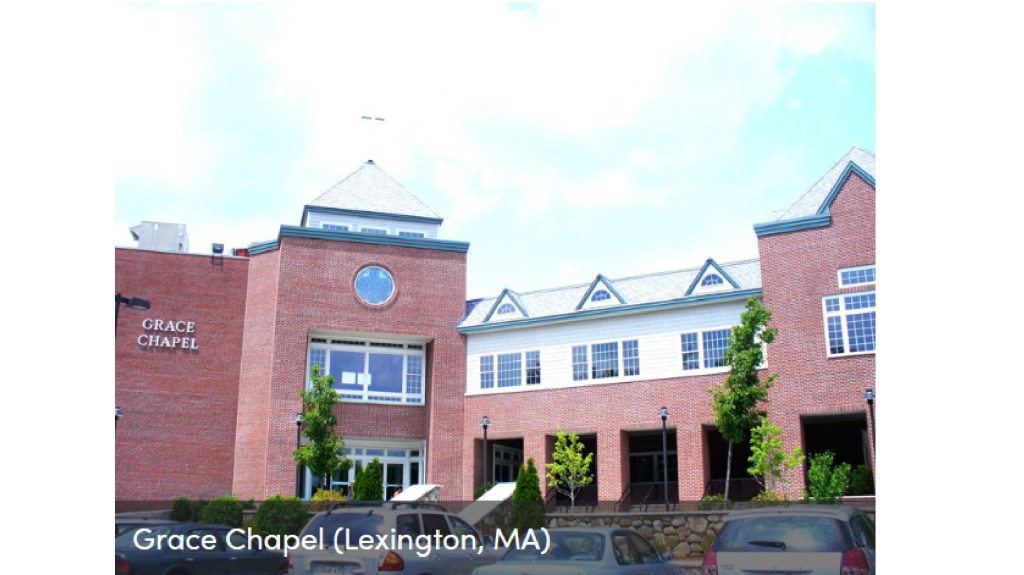
저도 회사가 M&A가 되면서 결국 레이오프가 됐었는데요. 레이오프가 되면 회사에 있던 짐을 정리해서 나오기 때문에 위의 사진에 있는 것과 같은 상황이 연출됩니다.
저는 그게 싫어서 이제는 회사에 아무것도 놔두지 않고 컴퓨터 가방만 들고 다닙니다.
“아무 때나 잘리면 그냥 난 나간다.”
이런 마음으로 회사를 다니는거죠. 저는 지금 회사가 잘 되기를 바라고 잘 될 것으로 보지만 인생은 또 모르는 거니까요.
제 큰 애도 IT 회사에 다닌지 몇년되었는데요 동료들이 레이오프되는 걸 보고 충격이 컸던 것 같아요. 자기도 어떻게 될지 모른다는 두려움도 들고요. 그래도 그게 또 인생 사는 것이고 언제든 전화위복이 되는 과정이 또 레이오프가 아닌가 하고 생각해요.
그래서 꼭 좋은 일만 있는 것도 아니고요 나쁜 일만 있는 것도 아니죠. 모두들 이런 과정을 겪으면서 지금까지 살아온 것이고요 일을 새로 시작하시는 분들도 비켜가기는 어렵겠죠.
저는 나름대로 매일 제 나름의 성찰과 공부를 통해서 매일 성장하려고 하고 변화하려고 노력하는 중입니다.
그 중의 하나가 혼밥인데요. 사실 혼밥을 하게 된 것은 좀 오래 되었어요. 점심식사 시간에도 논문이나 바이오텍 뉴스기사를 찾아보는 것이 취미이다 보니 그 시간도 아깝다는 느낌이 들어서 제 자리에서 혼밥을 빨리 하고 읽고 싶은 논문이나 뉴스를 보았는데요 요 몇주간 이 혼밥 습관을 버리기로 마음을 정하는 일이 있었습니다.
그 이유는 저의 부하직원들과 식사를 하는 것에서 시작이 되었는데요. 저는 남과 함께 식사하는게 좀 껄끄러운 성격인지라 다른 사람도 그러려니 하고 생각하고 있었어요. 그런데 몇번 부하직원하고 한명씩 식사를 해 보니까 생각한 것보다 오히려 좋아하는 거에요. 아마 제가 자신들의 보스이기 때문에 더 많이 교감을 해야한다고 느끼는 면이 있나봐요.
그래서 자연스럽게 점심 약속을 잡기 시작했습니다. 물론 매일은 어려운게 어떤 날은 점심식사하면서 미팅하는 모임도 있거든요. 오늘이 그런 날이었는데요. 12시부터 1시반까지 줄곧 미팅을 했습니다. 이런 날은 한가하게 사람들과 식사를 할 수는 없죠.
어제는 한국인 동료 두분과 식사를 했고 내일은 저의 부하직원과 그 다음날은 다른 한국인 동료분과 식사를 같이 하기로 했어요. 다음주에는 다른 부하직원들하고도 각자 시간을 내서 점심을 먹기로 했고요. 미국인 부하직원들도 점심을 같이 먹는 것을 원한다는 것을 요즘에야 알게 되었습니다. 혹시 착각인지도 모르겠지만 일단은 현재 마음가는대로 해 보려고요.
저로서는 직원들이나 동료들과 이렇게 Interaction 하게 되면서 저의 시간이 상당히 줄어들었어요. 그래도 의미 있는 일이라고 생각해서 나름 노력중에 있습니다.
뭐 제가 언제까지 보스일리도 없고요. 갑자기 일을 그만두고 싶을지도 모르니까 할 수 있을 때 만날 수 있는 사람들과 잘 지내야 겠지요. 점심 약속을 점점 많이 잡아 보려고 해요.
오늘 우연히 저와 가장 친한 동료이고 오랜 친구가 승진했다는 것을 알게 되었습니다. 같은 팀으로 오랜 기간 함께 일했고 이 친구를 회사로 들어올 수 있게 한 것도 저라서 아주 기쁠줄 알았지만….
막상 제 자신이 이번에도 승진을 하지 못했다는 마음에 잠시 멍하는 순간이 있었습니다. 사실 따지고 보면 승진이라는 것이 그 순간만 잠시 기쁠 뿐이고 몇일 지나면 또 아무렇지 않은 것인데도 직장 생활을 하면서 누구는 되고 나는 안되고…가 반복되는 일상에서 마음을 다 잡기는 쉬운 일은 아니네요.
아내에게 저녁 먹으면서 이 얘기를 했다가 큰 다툼이 날뻔 했습니다. 다행히 제 아내가 용케 자리를 잘 피해주는군요. 속내는 부끄럽지만 오늘은 제 개인일기에 적는 대신 제 블로그에 남기기로 했습니다. 오늘 이 마음을 제가 커리어코칭을 할 때 기억하고 싶고 공유하고 싶은 마음이 들어서 입니다.
저의 이런 마음을 알았는지 유튜브를 켜니 이상하게 비슷한 내용을 찾게 되었네요.
커리어 액셀러레이터 김나이님의 말씀을 듣고 생각을 해 보았습니다.
나는 직장에서 무엇을 제일 중요시 하는가?
하나는 성장 – 개인적인 성장도 중요하지만 회사와 팀의 성장이 더욱 중요하다고 저는 늘 생각해 왔어요.
둘째는 의미 – 내가 하고 있는 일이 우리 회사의 성장에 어떤 의미가 있는가? 그리고 환자들을 치료하는데 얼마나 도움이 되는가?
이 둘을 생각해 보니 저는 퇴사하기 보다는 남는 것이 맞다는 결론에 도달했습니다.
지금 저희 회사와 팀은 놀라운 속도로 성장하고 있고요 제가 지금 하고 있는 프로젝트들도 회사의 성장과 환자들을 치료하는데 큰 도움을 주는 프로젝트들입니다. 의미가 있죠.
참….! 연봉도 많이 올랐습니다. 다만 승진만 못했네요.
아래의 자유여랑님의 유튜브 영상은 또 하나의 새로운 관점을 줍니다.
월급이나 승진에 너무 얽메이지 말고 자기 자산의 증가를 위해 노력을 하라는 것인데 이 분의 말씀도 의미가 있다고 생각합니다.
바로 제 친구에게 축하 메시지를 보냈습니다. 얼마 있다가 제가 있는 10층까지 숨을 헐떡이며 올라 왔더군요. 악수를 건네며 오랜기간 축하인사를 전했습니다.
“You deserve it.”
제가 승진했을 때 저의 동료들에게 축하를 받은 기억이 별로 없어요. 저는 그런 동료가 되지 않아야겠다고 생각했습니다.
요즈음 생명공학의 발전 속도는 놀라울 정도입니다. 계속해서 몇년째 새로운 유전자 치료제, 세포 치료제 기술이 계속해서 등장하고 있고요 점점 다양한 생물학적 발견이 치료제 개발 Platform으로 연결되어 새로운 회사들이 생겨나고요 치료제의 표적 정확성도 과거에 비하면 매우 높아졌습니다. 물론 아직도 갈 길이 멀긴 하지만요.
유전자 치료제, CAR-T, Gene Editing, mRNA, siRNA, Antisense, Base Editing, Prime Editing 등등 이제 전달할 물질 (Cargo)는 매우 많아졌어요. 문제는 전달체계 (Delivery System)의 발견인 것이죠. Sana Biotechnology는 새로운 전달체계를 개발하고 세포치료제를 개발하는 회사입니다. 이 회사의 창업 Story를 올립니다.
Almost every human disease originates within cells. Yet the only therapeutics with easy access to the cellular cytoplasm are small molecules. Small molecules were the foundation of the modern drug industry from its earliest days, but their relative simplicity means they cannot permanently cure or reverse most diseases. In contrast, proteins and nucleic acids are sophisticated molecules that offer dramatic therapeutic outcomes—as breakthroughs in the fields of gene editing, gene therapy, RNA interference, and mRNA therapy have demonstrated. But it’s hard for protein and nucleic acid therapies to reach their targets inside cells. In an ideal world, we would combine the therapeutic power of protein and nucleic acid drugs with the delivery breadth of small molecule drugs. To realize that goal, we need breakthroughs in intracellular delivery.
Focus
Intracellular delivery faces two fundamental challenges: first, finding the specific target cell type among all the cell types in the body; and second, efficiently overcoming the thermodynamic barrier of depositing hydrophilic payload molecules across the hydrophobic cell membrane. Intracellular delivery technology looks much the same today as it did in 2010. Most approaches are based on synthetic-chemistry-derived cationic and ionizable lipid nanoparticles. These nanoparticles transiently pop the cell’s endosome in order to release their cargo into the cell’s cytoplasm. Despite decades of investment, this approach has yet to achieve high cell specificity or efficient cytoplasmic delivery. This is because lipid nanoparticles are almost indiscriminately engulfed by a limited number of highly endocytic cell types (for instance, macrophages) and are capable of releasing only about 1% of their nucleic acid cargo.
But life wouldn’t be possible without the highly efficient flow of proteins and nucleic acids across membranes. Trillions of times every second, complex molecules travel from the nucleus to the organelles, between organelles, from organelles to the cell surface, and from one cell to another. Clearly, biology has evolved a solution to efficiently and specifically deliver molecules that synthetic chemistry has yet to discover.
Origins
In 2016, a founding team at Flagship Labs, led by General Partner Geoffrey von Malzahn, PhD, and Principal Jacob Rubens, PhD, began a series of experiments that explored whether biology’s solution to intracellular delivery could be applied to nucleic acid and protein drugs. The researchers were inspired by remarkable feats of cytoplasmic exchange between cells, including instances where cells appear to exchange proteins, nucleic acids, and even entire organelles such as mitochondria with one another.
The exchanges occur in a variety of ways: Cells secrete lipid bilayer membrane vesicles with complex payloads, including exosomes and microvesicles, which bind to their payload and deliver it to the cytoplasm of target cells. Cells also form tunneling nanotubes to directly connect their cytoplasm to their neighbors’, creating a cytoplasm-exchange superhighway. Cells even fuse to form complex syncytia, such as in skeletal muscle, where multiple cells come together to share their entire cytoplasm.
The precursor to Sana, a Flagship Protoco, (prototype company) named FL39, examined how this extraordinary biology works to discover whether it could be harnessed to deliver therapeutic payloads. Given how prevalent biomolecular transport is across membranes in our bodies, the founding team wondered, “What if we could deliver any biotherapeutic payload to any cell in the body?” It turns out that intracellular delivery is enabled by a unique category of membrane proteins called fusogens. These fusogens can be found on the surface of membrane vesicles and enveloped viruses that bind to and fuse to target cells, delivering their payload into the cell cytoplasm. Fusogens are essential to life: The 2013 Nobel Prize was awarded for seminal work uncovering the critical role that fusogens play in intracellular biology, where vesicles programmatically fuse with one another, allowing entire repertoires of biomolecules to specifically and efficiently enter another membrane-enclosed region of the cell.
Breakthrough
Fusogens function as remarkable mechanical enzymes that can overcome the repulsive forces of bringing two lipid membranes together and achieve close to 85% efficiency in membrane fusion, making them over 100 times more efficient than cationic lipids. In addition, fusogens can have exquisite cell specificity, fusing only to cells that display a target ligand, such as a surface receptor, lipid, or sugar. Enveloped viruses, like SARS-CoV-2, HIV, and measles, rely on fusogens to seek out and deliver their genome only to their target cells. The founding team, using a combination of bioinformatics and primary searching, built the first proprietary database of more 20,000 fusogens across all functions and branches of the tree of life, and they realized that fusogens could be modularly reprogrammed to potentially target any cell type in the human body. They hypothesized that by harnessing fusogens they might be able to solve the intracellular delivery challenge.
Later in 2016, FL39 was renamed Cobalt Biomedicine. Its mission was to develop Fusosome Therapeutics™: the first biomedicines to unlock the full potential of intracellular therapies. These consist of two parts: 1) a therapeutic effector in the vesicle lumen, such as a gene therapy, gene-editing protein, mRNA, or other specific biomolecules, and 2) an engineered fusogen on the vesicle surface that targets and catalyzes fusion with a specific cell type. Cobalt built a synthetic biology platform that directs specific molecular payloads to the Fusosome lumen and decorates the vesicle’s surface in any fusogen. In addition, Cobalt developed a plug-and-play technology to rationally target a fusogen to any cell-surface receptor. Remarkably, this approach allows nearly perfect tropism by making the activity of fusogens contingent upon their binding to specific receptors, with little to no activity following nonspecific engulfment by macrophages and other cell types. This new category of medicines is able to convey biotherapeutics directly into the cytoplasm, bypassing the challenge of endosome escape that significantly decreases the potency of lipid nanoparticles. And it can fuse to cells in a receptor-specific fashion, even bypassing the liver’s reticuloendothelial system that gobbles up other delivery technologies.
Advantage
By the middle of 2018, the Cobalt team had grown to more than 35 people. They discovered and engineered fusogens that deliver their payload to five cell types with specificity that is orders of magnitude greater than that of other technologies such as lipid nanoparticles. In addition, they showed that Fusosomes were capable of delivering many different types of intracellular payloads, including gene therapies, gene-editing proteins, RNA, and even entire organelles. With this evidence in hand, Cobalt was confident that it could build a Fusosome to enable specific and efficient delivery of diverse biotherapeutic payloads to any cell to treat a wide range of human diseases. The team began to search for executives sufficiently ambitious to realize this vision.
Von Maltzahn and Rubens knew they had found the entrepreneurial team that the development of Fusosome Therapeutics demanded when they began talks with Sana Biotechnology’s CEO Steve Harr, Chairman Hans Bishop, Executive Vice Chairman Richard Mulligan, and others at Sana. The Sana team was assembling a portfolio of stem-cell, immune-silencing, and manufacturing technologies that were complementary to Cobalt’s platform. Cobalt and Sana officially merged in early 2019, under the Sana name, with the goal of creating a first-in-category therapeutics company that has the integrated expertise to repair or replace any cell in the body, and with the research, development, and manufacturing capabilities to allow both in vivo and ex vivo engineering of cells.
Today, Sana employs more than 200 people at sites in Cambridge, Mass., Seattle, and San Francisco. The company possesses the scientific knowledge, creativity, rigor, and know-how to transform medicine by treating diseases at their origin: inside cells.
SANA Biotechnology의 2023년 Corporate Presentation 을 아래 Link합니다.
그리고 바로 어제 Nature Biotechnology에 Hypoimmune Pluripotent CAR-T와 당뇨 췌장세포이식 논문이 나왔군요. Sana의 기술 Platform이 얼마나 잘 연구되었는지를 보여줍니다. 좋은 논문들과 신약들이 많이 나올 것으로 기대합니다.